 WORLD
WORLD
Explore Myths, Gods and Legends from Around the World
Stories of gods, heroes, monsters and legendary worlds from every culture

Milesius
Milesius is the Latinized name commonly used for Míl Espáine, the legendary ancestor of the Gaels in medieval Irish literature. He is not a god or a fully developed hero with an independent cycle of adventures. Instead, …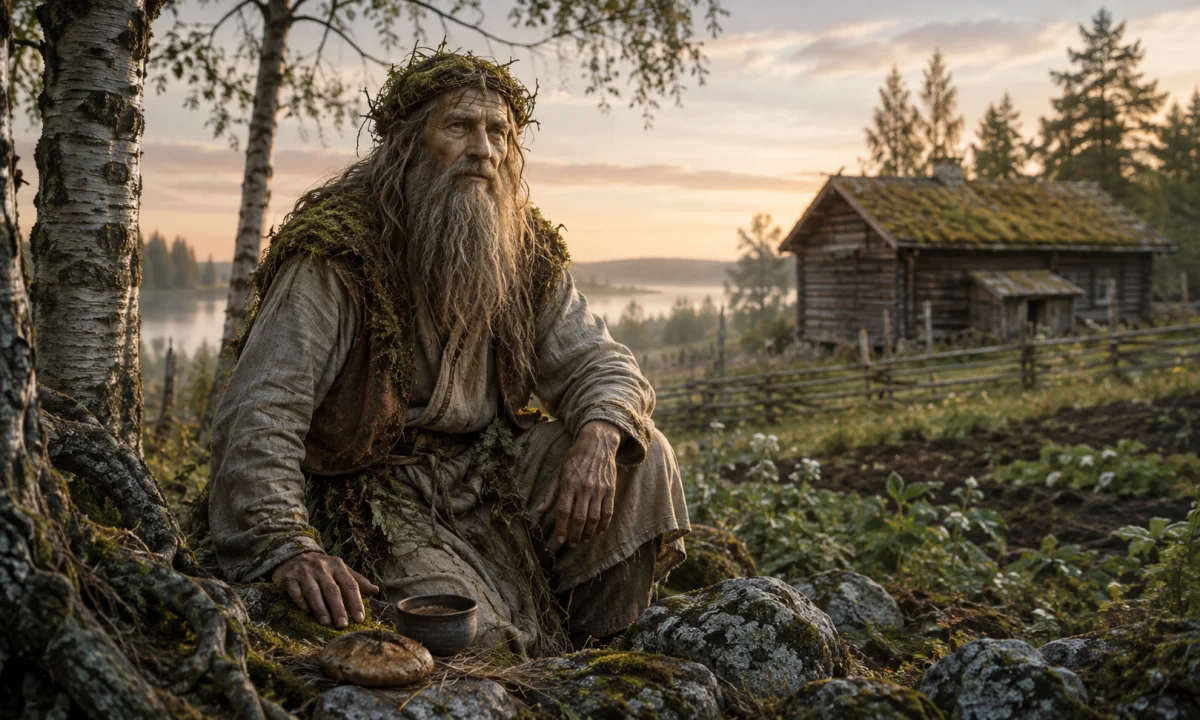
Maanhaltija
Maanhaltija is a term associated with Finnish folk religion and mythology for a spirit or guardian connected with the earth, land, or a particular place. It is best understood not as the name of one universally defined g…
Sjofn
Sjöfn is a minor goddess in Norse mythology, known primarily from the medieval Icelandic Prose Edda. Her name is usually written Sjöfn in modern editions, although Sjofn is a common English spelling that omits the diacri…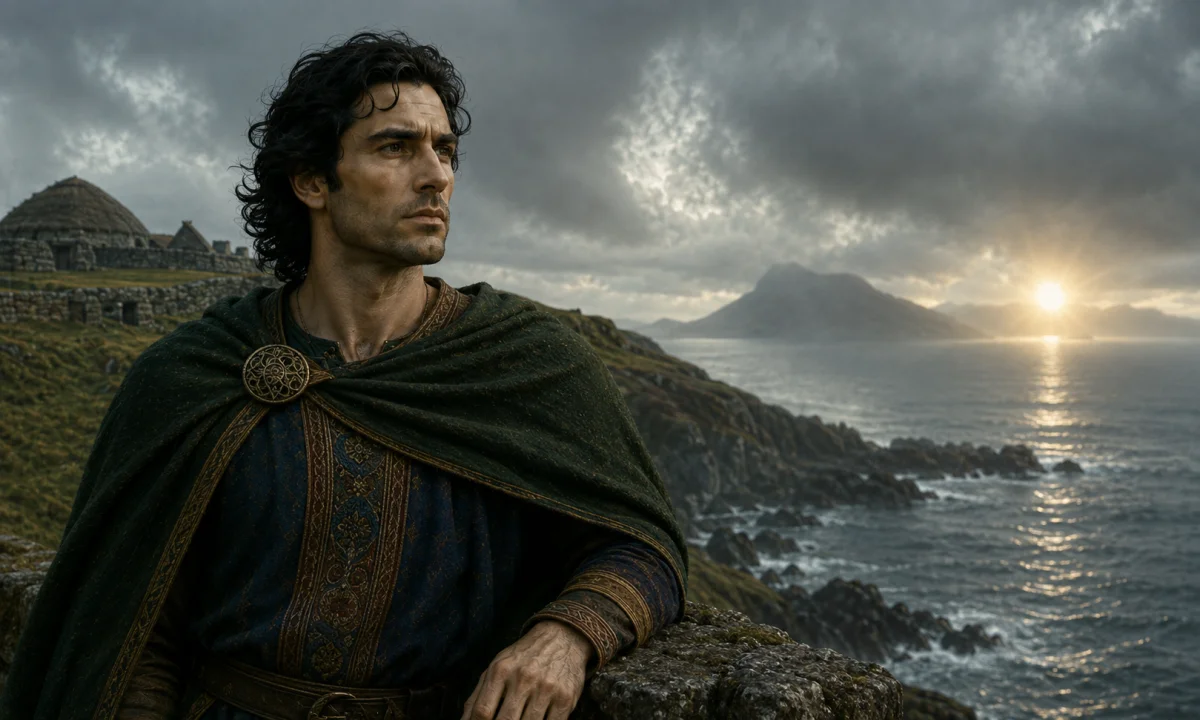
Mongán
Mongán, usually called Mongán mac Fiachnai, is a legendary king of Ulaid in Irish tradition. He is associated with the northern Irish kingdom of the Ulaid, the Otherworld, and the sea-god Manannán mac Lir. Unlike figures…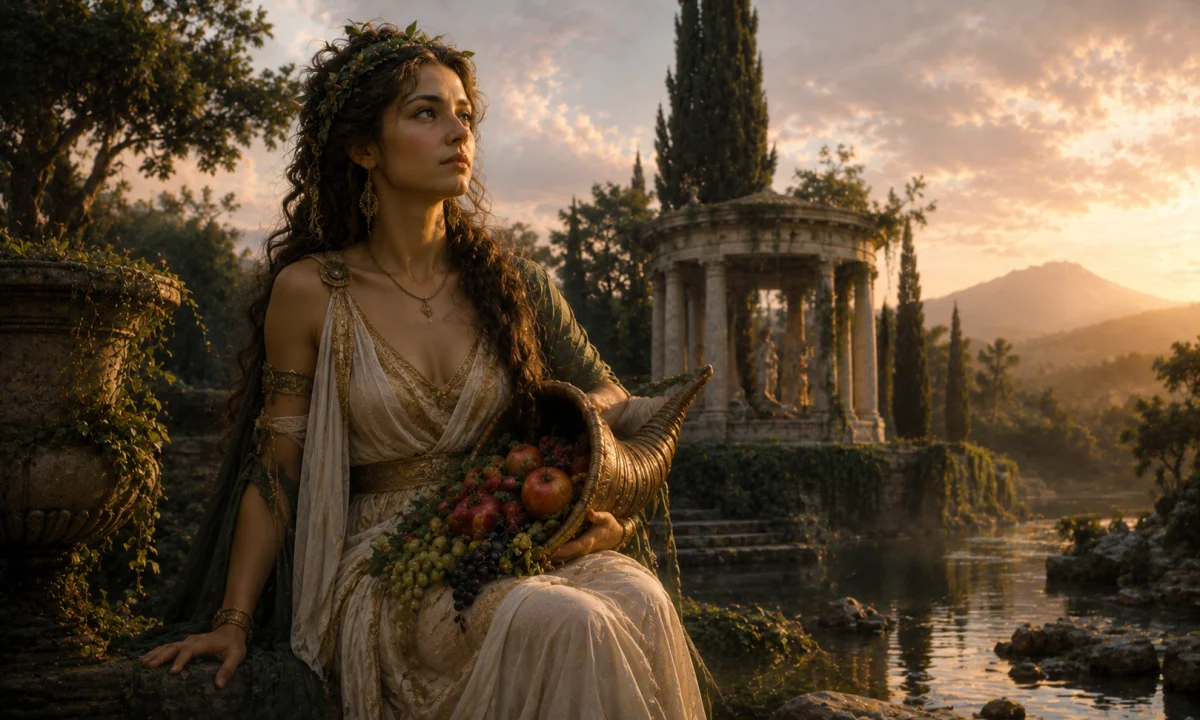
Adeona
Adeona is a minor Roman goddess associated with a child’s return home. She is traditionally paired with Abeona, the goddess connected with a child’s departure or going out. Unlike major Roman deities such as Jupiter, Jun…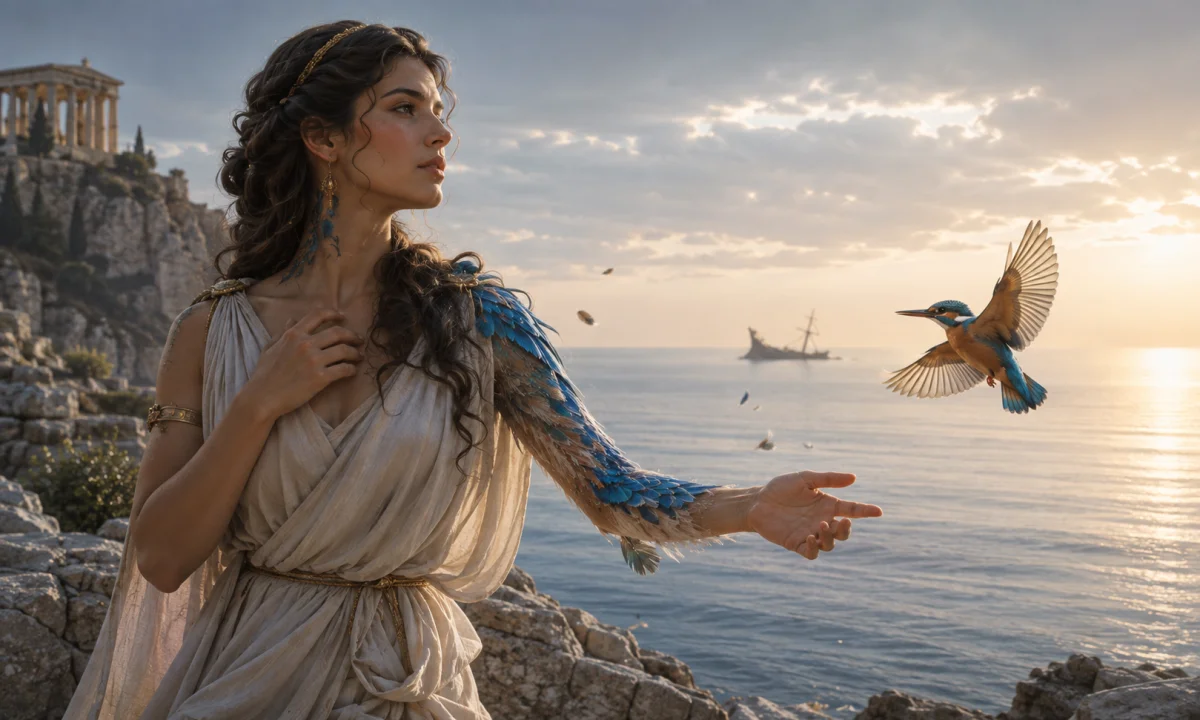
Alcyone
Alcyone is a figure of Greek mythology best known as the devoted wife of Ceyx, whose grief after his death leads to the transformation of both spouses into seabirds. Their story belongs to the ancient Greek tradition of …
Acca-larentia
Acca Larentia, also called Acca Larentina, is a figure of Roman mythology associated with the childhood of Romulus and Remus, the founding legends of Rome, and the annual festival known as the Larentalia. Her identity is…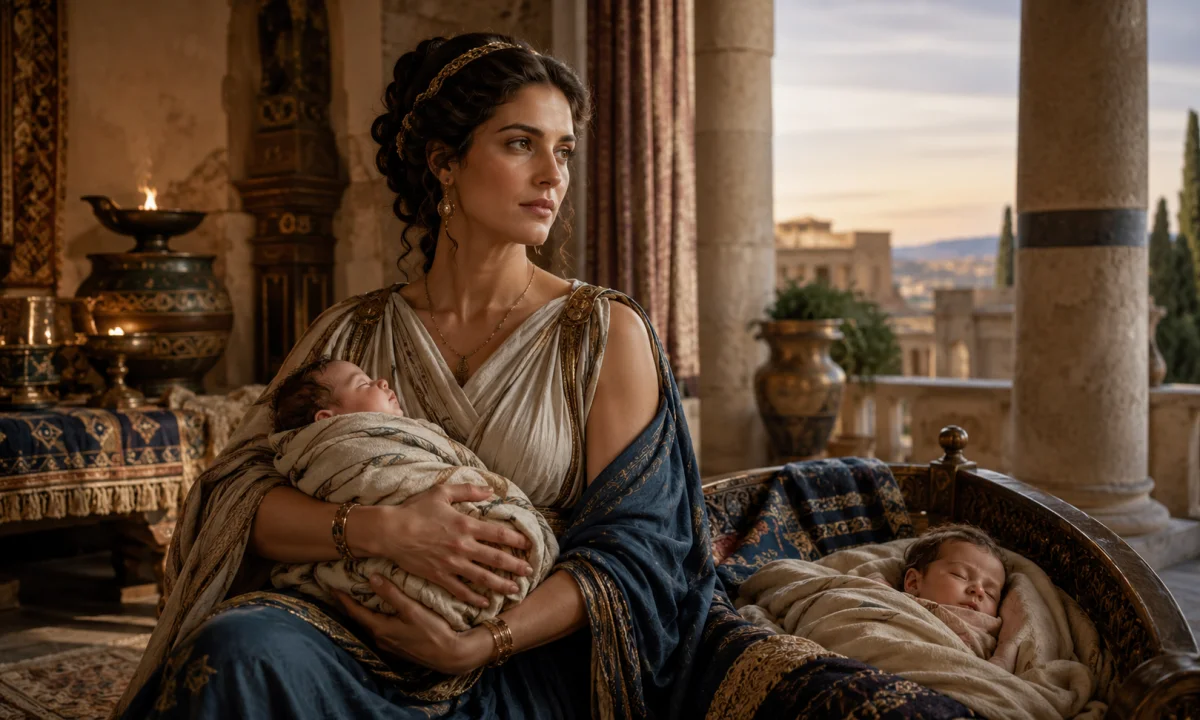
Alcmena
Alcmena—also spelled Alcmene—is a mortal woman in Greek mythology, best known as the mother of Heracles (the Roman Hercules). She was the wife of Amphitryon and became the mother of two sons: Heracles, fathered by Zeus, …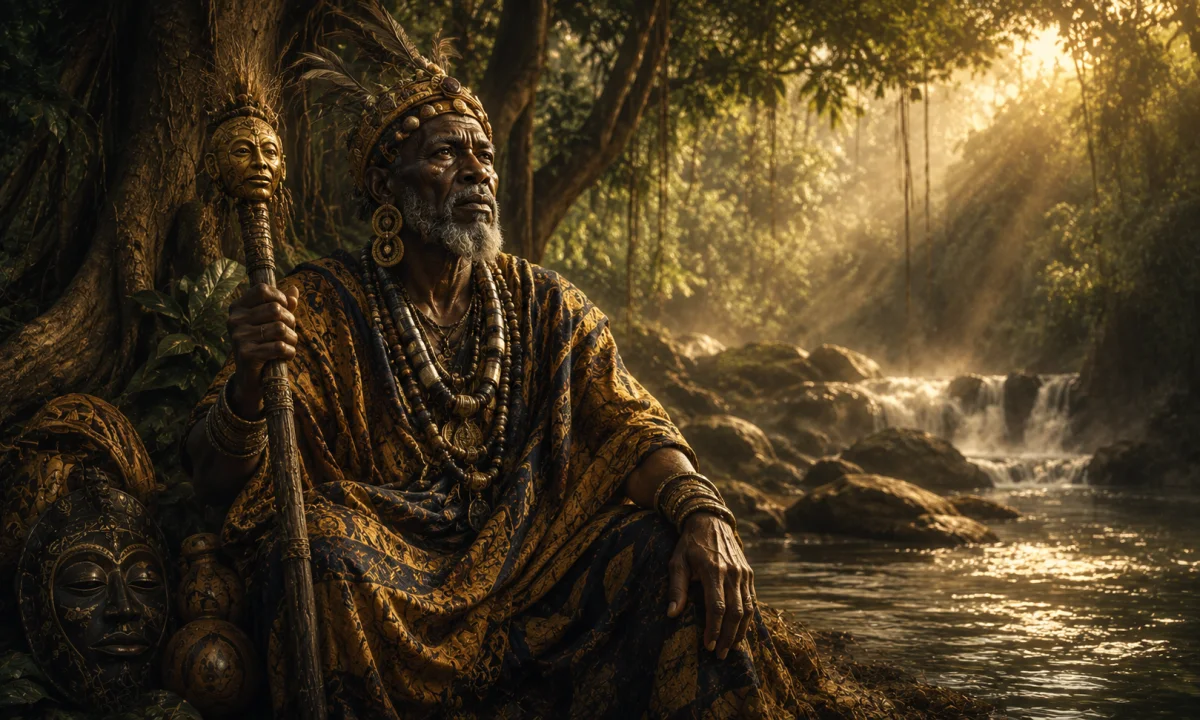
Obassi Nsi
Obassi Nsi is an earth-associated deity in accounts of the traditional religious world of the Efik people of southeastern Nigeria. The name is commonly presented alongside Obassi Osaw, a sky-associated or heavenly deity.…
Obassi Osaw
Obassi Osaw is a supreme divine figure associated with the traditional religious thought of the Efik people of southeastern Nigeria, especially the Cross River region. He is commonly described as a sky or heavenly deity …
Odomankoma
Odomankoma is a creator figure in Akan religious thought, especially associated with Fante traditions of Ghana. The name is also used in some Akan contexts as a title or descriptive name for the supreme divine power. Dep…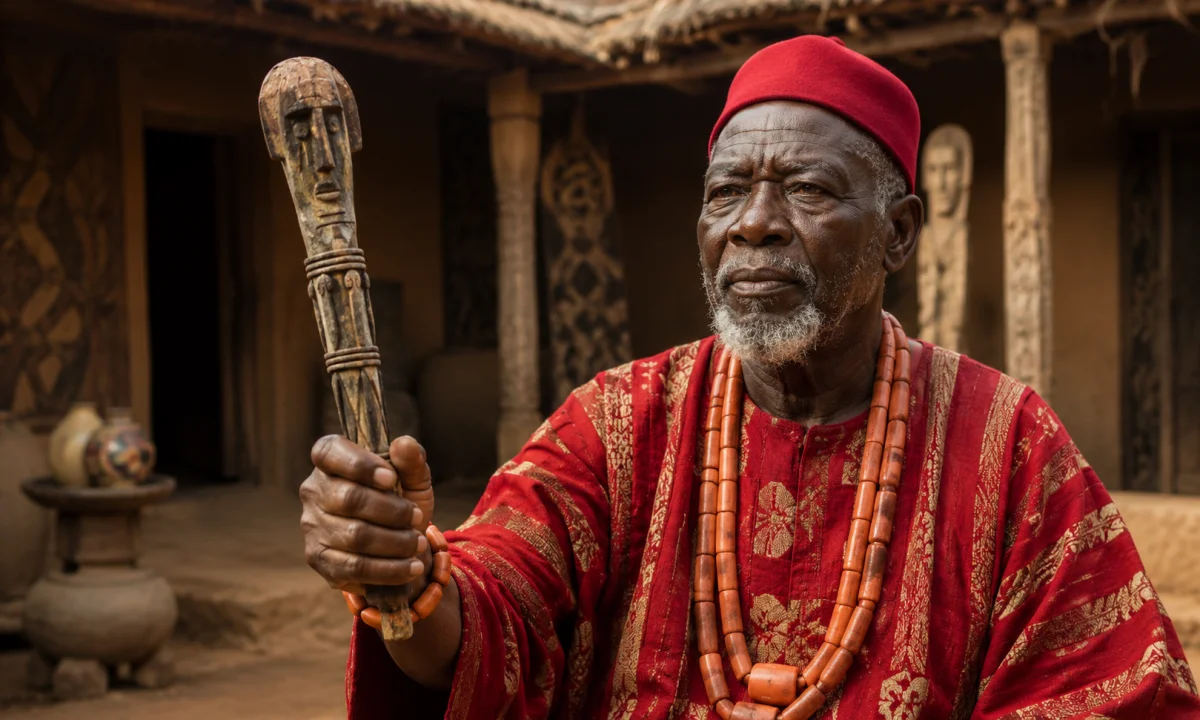
Ofo
Ofo is a sacred symbol of authority in many Igbo communities of southeastern Nigeria. Usually represented by a carved staff, rod or branch, it is associated with legitimate leadership, ancestral presence, truth, justice …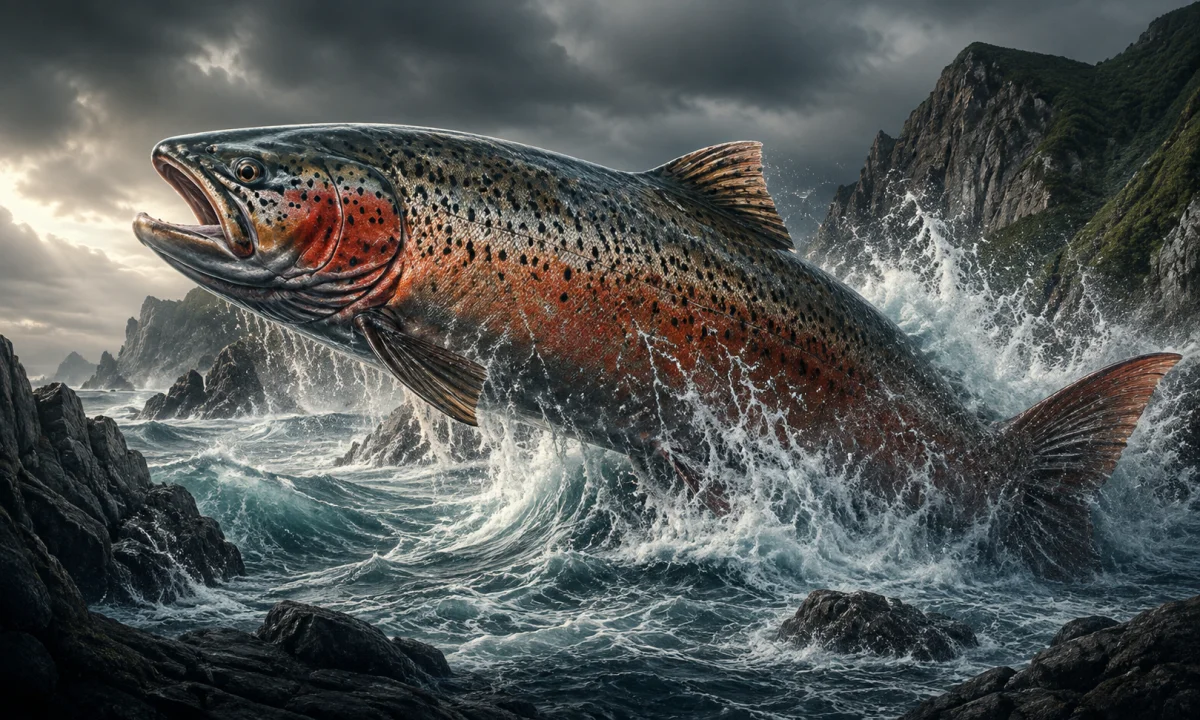
Moshiri Ikkewe Chep
Moshiri Ikkewe Chep is a little-known name associated with Ainu tradition in northern Japan. It is sometimes described in modern accounts as a vast fish connected with the land itself, or with the foundations of the worl…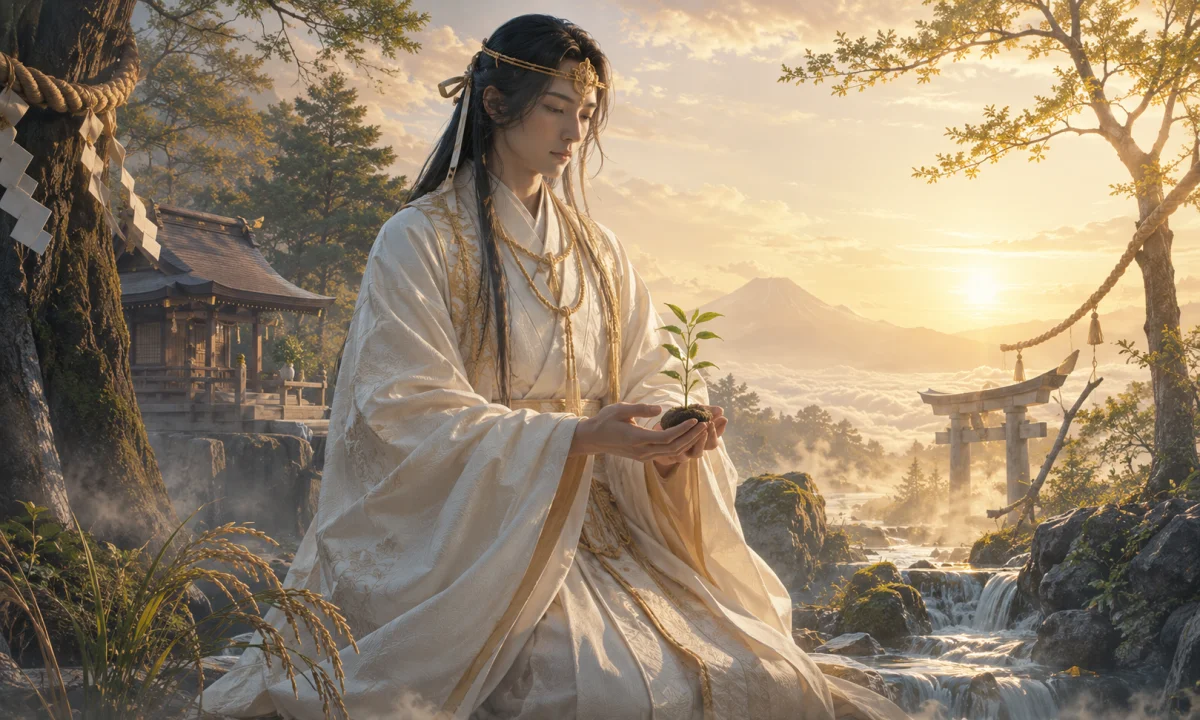
Musubi-no-kami
Musubi-no-kami is a Japanese religious and mythological expression connected with musubi, a sacred power of generation, growth, union and the bringing of things into being. Depending on the context, the name may refer ge…
Nai-no-kami
Nai-no-kami (also written Nai no Kami or translated as the “Earthquake Kami”) is a Japanese divine figure or ritual designation associated with earthquakes. The name belongs to the older religious vocabulary of Japan, bu…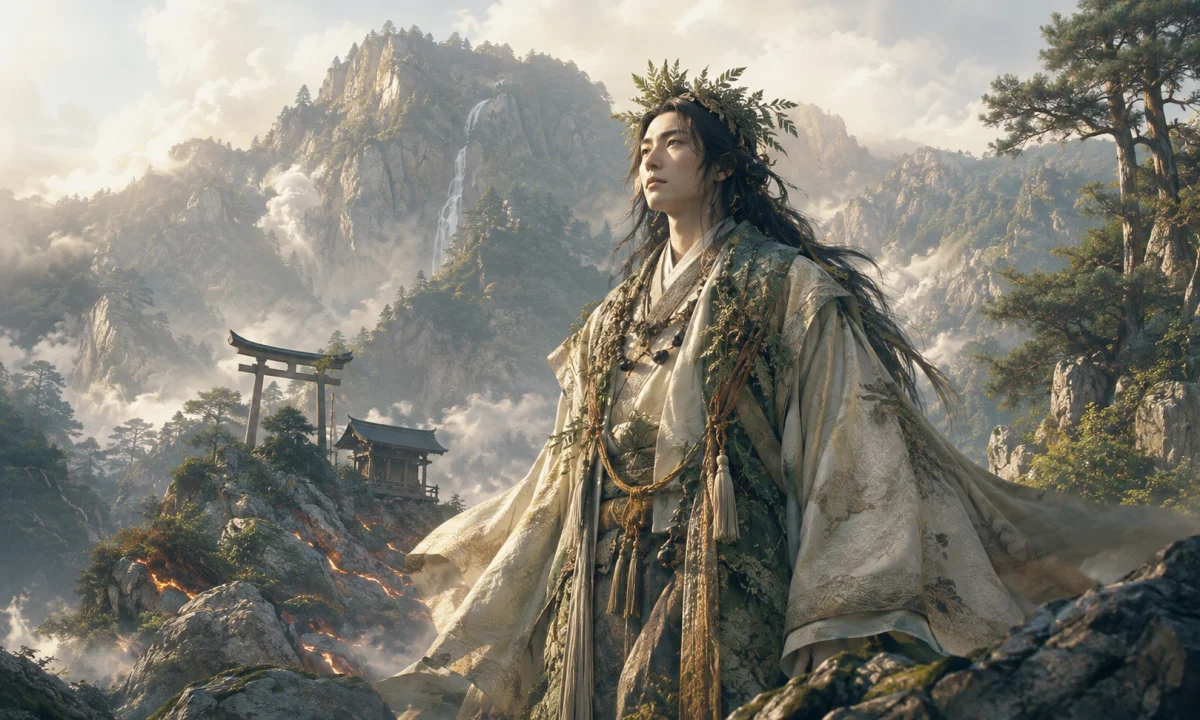
Naka-yama-tsu-mi
Naka-yama-tsu-mi is an obscure mountain kami associated with the mythic birth of mountain deities from the dismembered body of the fire god Kagutsuchi in Japanese mythology. The name is often written in English as Naka-y…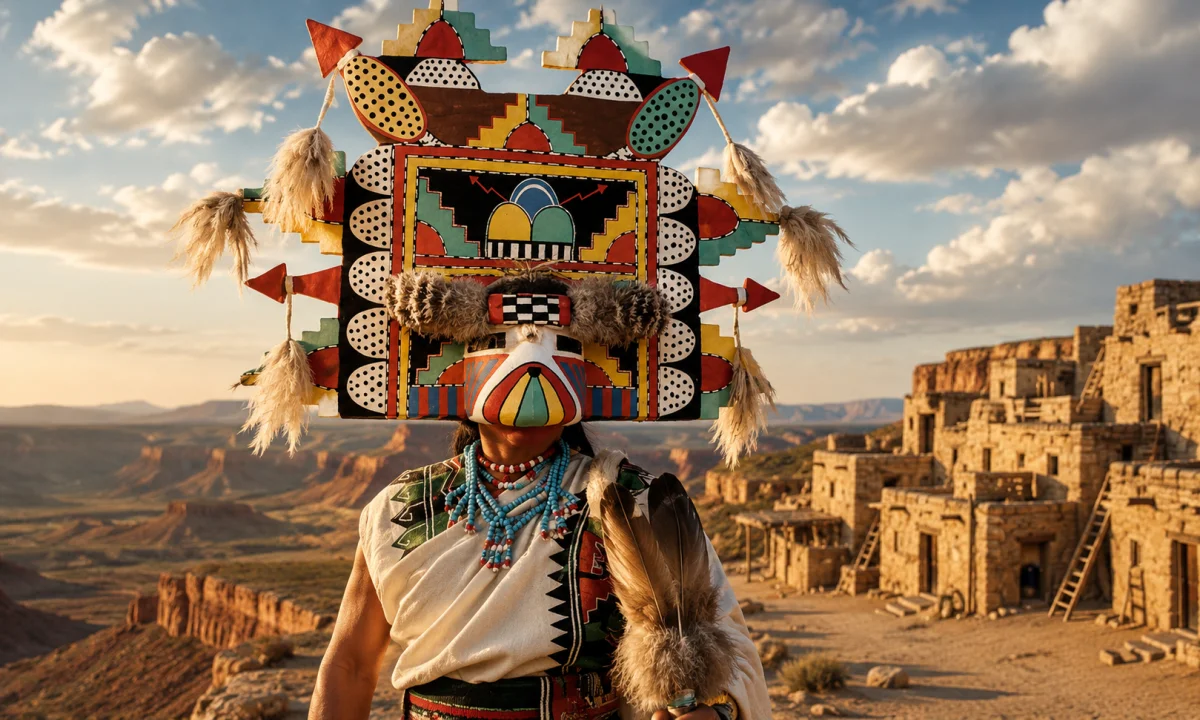
Mana
Mana is a name that appears in some English-language lists and discussions of Hopi katsinam, the spirit beings represented in Hopi ceremonial dances and carved figures. Its identification is not as firmly documented as t…
Momo
Momo is a name sometimes presented in modern reference material as belonging to Hopi mythology, but it does not identify a single, consistently documented figure across the best-known accounts of Hopi religious tradition…
Nataska
Nataska is an ogre-like figure in Hopi katsina tradition, associated especially with public ceremonial performances connected with discipline, social teaching and the seasonal religious cycle. English-language sources of…
Palhik Mana
Palhik Mana is a female katsina of Hopi religious tradition, commonly known in English as the Butterfly Maiden. She is associated with butterflies, beauty, seasonal renewal, young people and, in many modern descriptions,…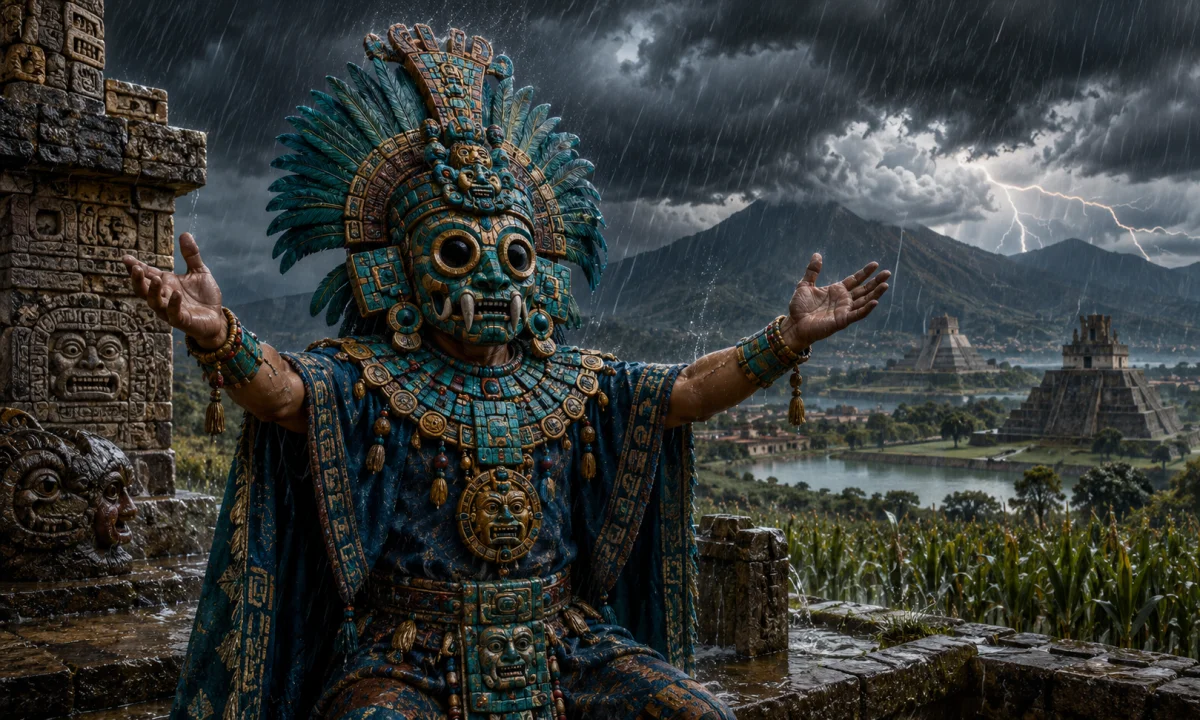
Tlaloc
Tlaloc is a major rain and storm deity of central Mexican, especially Nahua and Mexica (Aztec), religious tradition. He was associated with rain, fertility, springs, mountain water, lightning and the forces that could ei…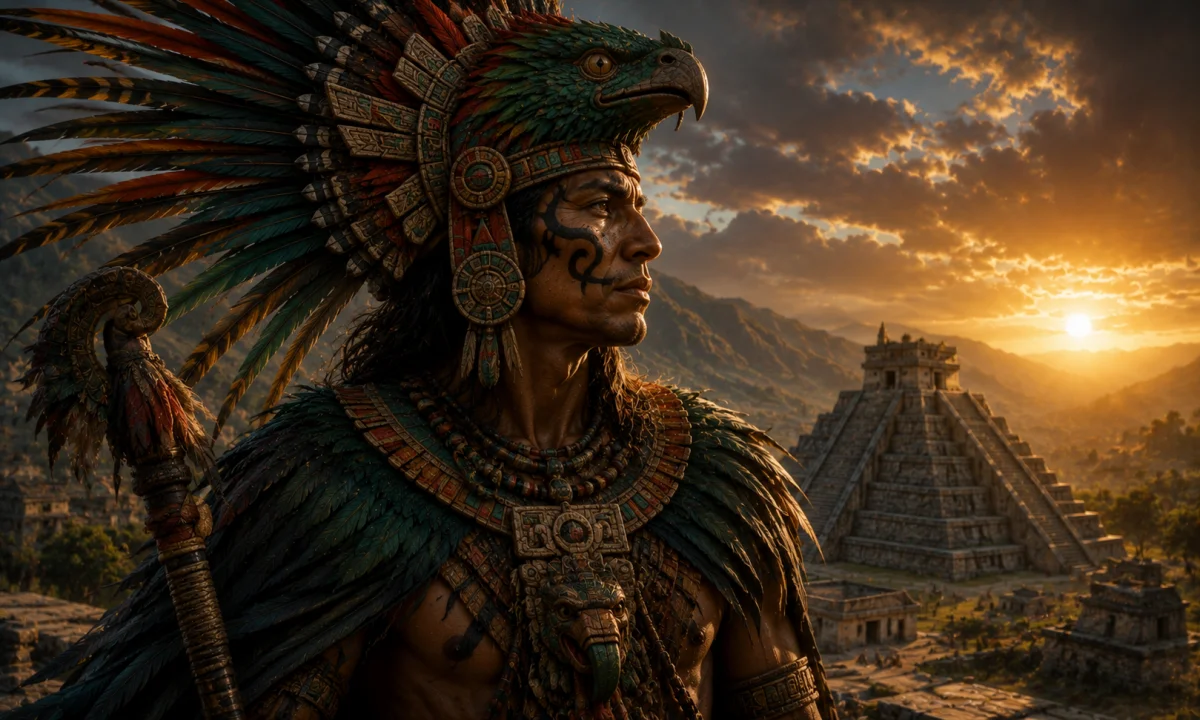
Omacatl
Omacatl is a deity associated in Aztec, or Mexica, religious tradition with feasting, banquets and festive abundance. His name is usually written Omacatl or Omácatl in modern publications. Unlike major Mexica gods such a…
Tezcatlipoca
Tezcatlipoca is one of the most powerful and complex deities in Aztec, or more broadly Nahua, religious tradition. His name is commonly translated as “Smoking Mirror,” a reference to the dark, reflective obsidian mirror …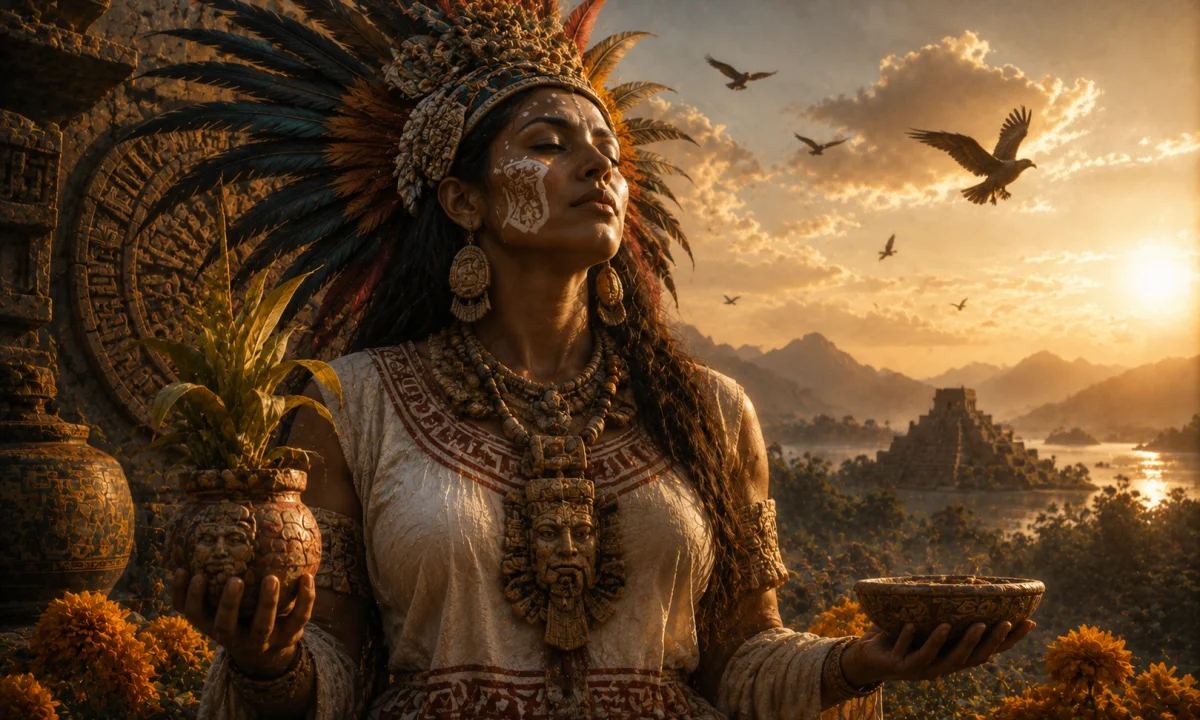
Omecihuatl
Omecihuatl is a female figure associated with the highest level of Nahua cosmology and with the principle of sacred duality. Her name is usually translated as “Lady Two” or “Lady of Duality.” In colonial-era accounts, sh…
Nguruvilu
Nguruvilu is a water being associated with Mapuche tradition and with the folklore of southern Chile, especially the island of Chiloé. Its name is commonly explained through Mapudungun elements meaning “fox” and “snake,”…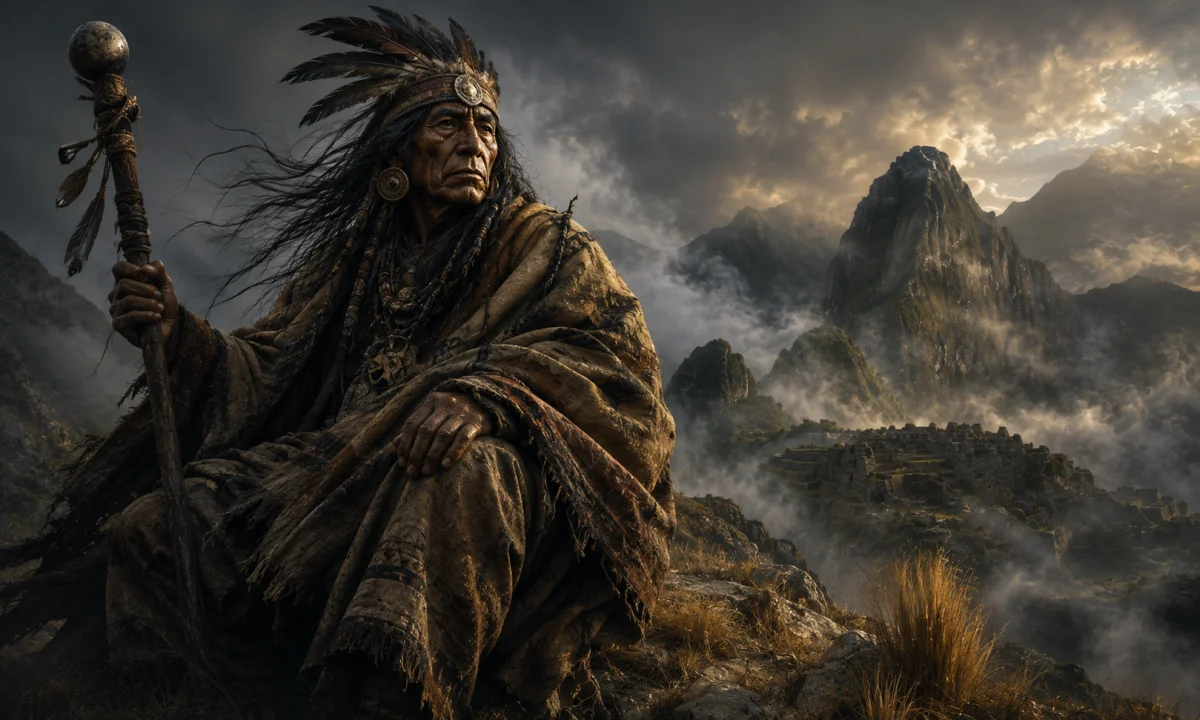
Huallallo
Huallallo, more fully known as Huallallo Carhuincho or, in some spellings, Wallallo Carhuincho, is a powerful sacred being in the mythology of the central Andes of Peru. He is best known from the Huarochirí Manuscript, a…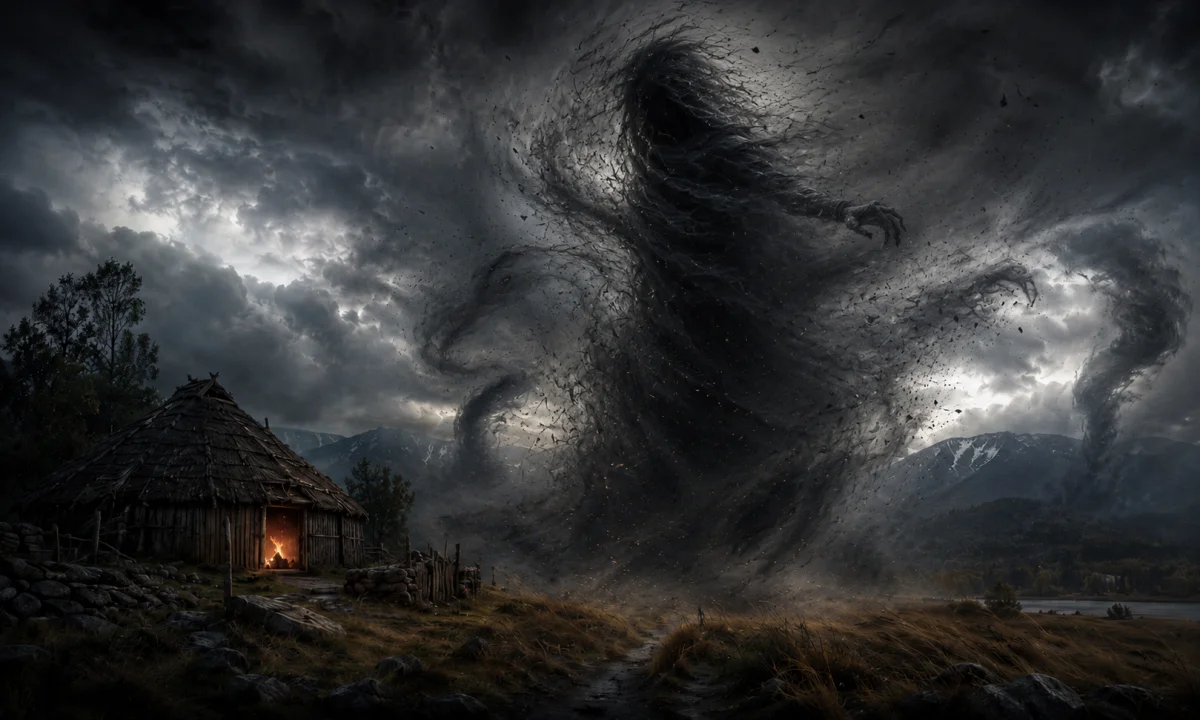
Huecuvus
Huecuvus is a name associated with a harmful supernatural being in Mapuche tradition of south-central Chile and western Argentina. It is also written in forms such as Huecuve, Huecuvé, or Huecuvü, depending on the langua…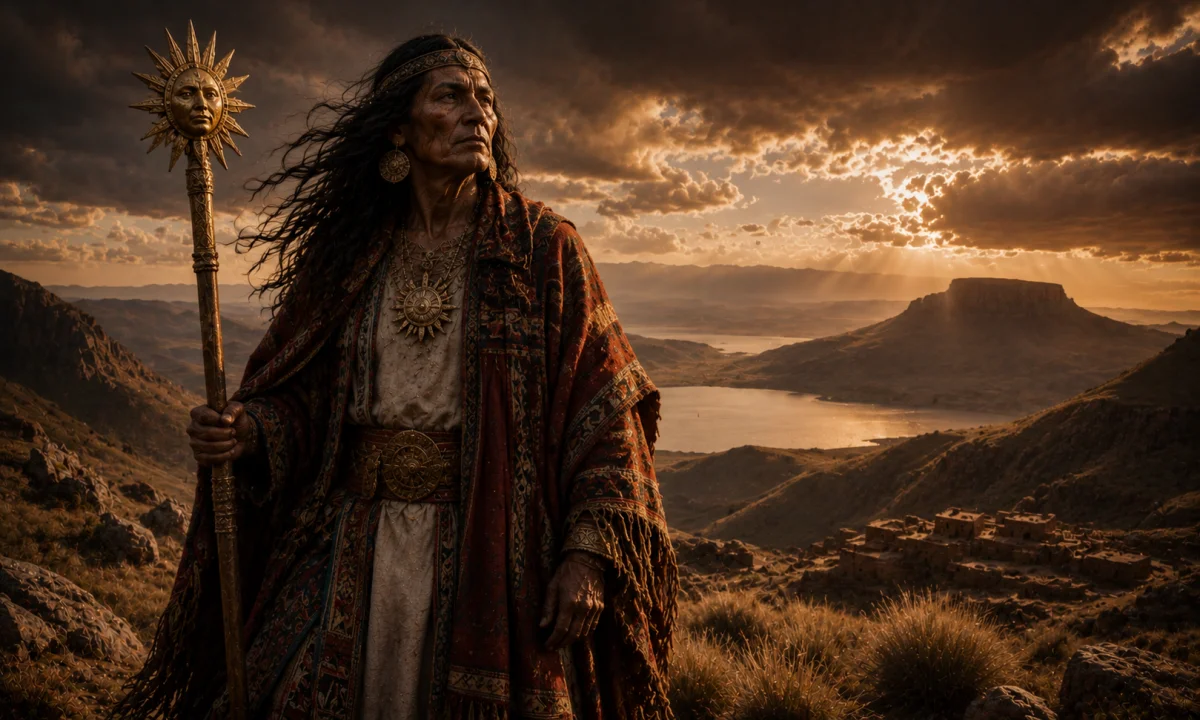
Huitaca
Huitaca is a female figure associated with the Muisca, or Muysca, people of the Andean highlands of present-day Colombia. Spanish colonial writers described her as a beautiful and rebellious supernatural woman connected …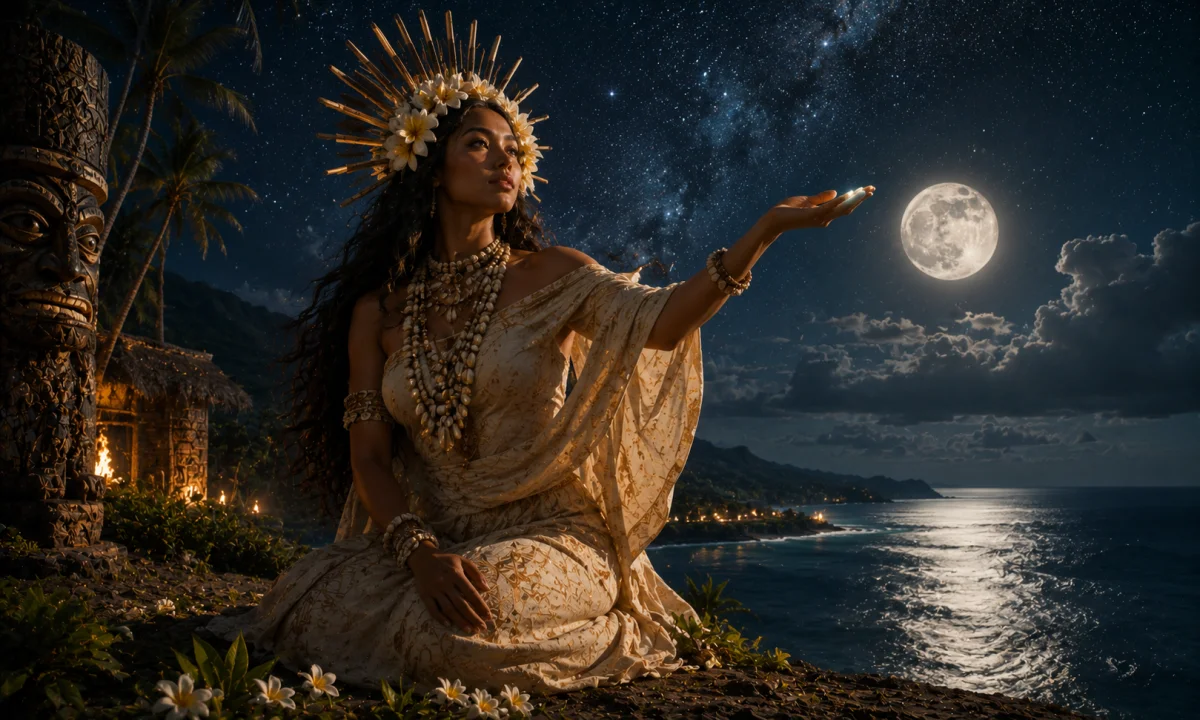
Hina
Hina is a name used for several important female figures in Polynesian traditions, especially in eastern Polynesia. Depending on the island, language and tradition, Hina may be associated with the moon, women’s work, wea…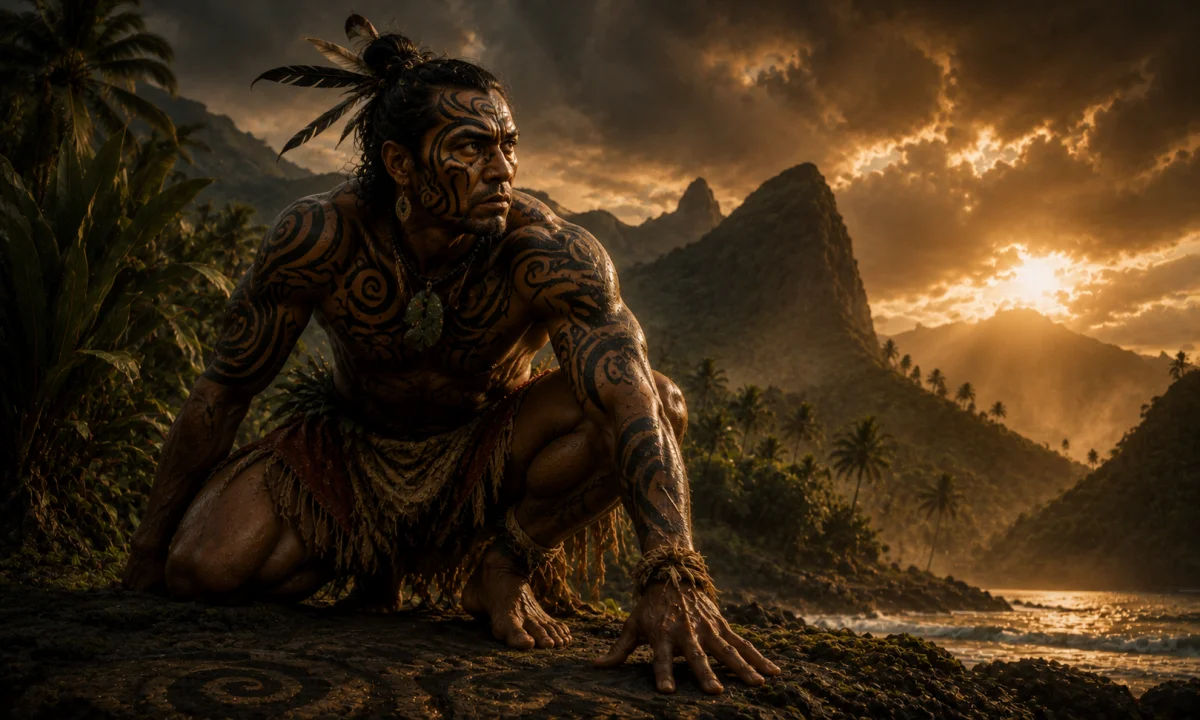
Hoa-tapu
Hoa-tapu is an obscure name associated with Polynesian mythology, but it does not identify a universally recognised god or legendary being across Polynesia. In modern lists of mythological figures, Hoa-tapu is sometimes …
Ilaheva
Ilaheva is a little-known name associated with Polynesian mythology, but its identity and traditional role are not securely established. Some modern mythology references describe Ilaheva as a female sea deity or as a com…
Kai-n-tiku-aba
Kai-n-tiku-aba is a little-known name associated with the traditional mythology of the Gilbert Islands, now the Republic of Kiribati in the central Pacific. The figure is sometimes placed under the broad heading of Polyn…
St. Radegund
St. Radegund was a sixth-century Christian queen, ascetic, patron of learning and founder of a women’s religious community at Poitiers in Gaul, in what is now western France. Born into the royal family of Thuringia aroun…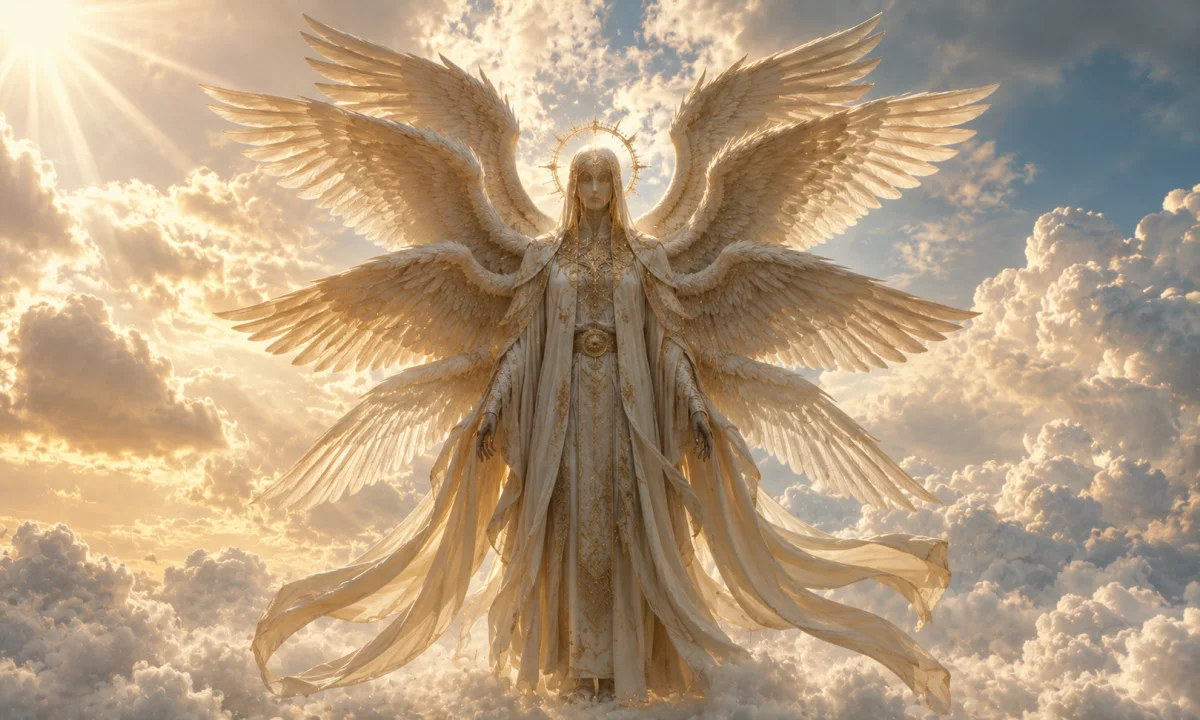
Asroilu
Asroilu is an uncertain and poorly documented angelic name. It appears in some modern lists and secondary treatments of angels, but it does not have a securely established identity in the major scriptural and theological…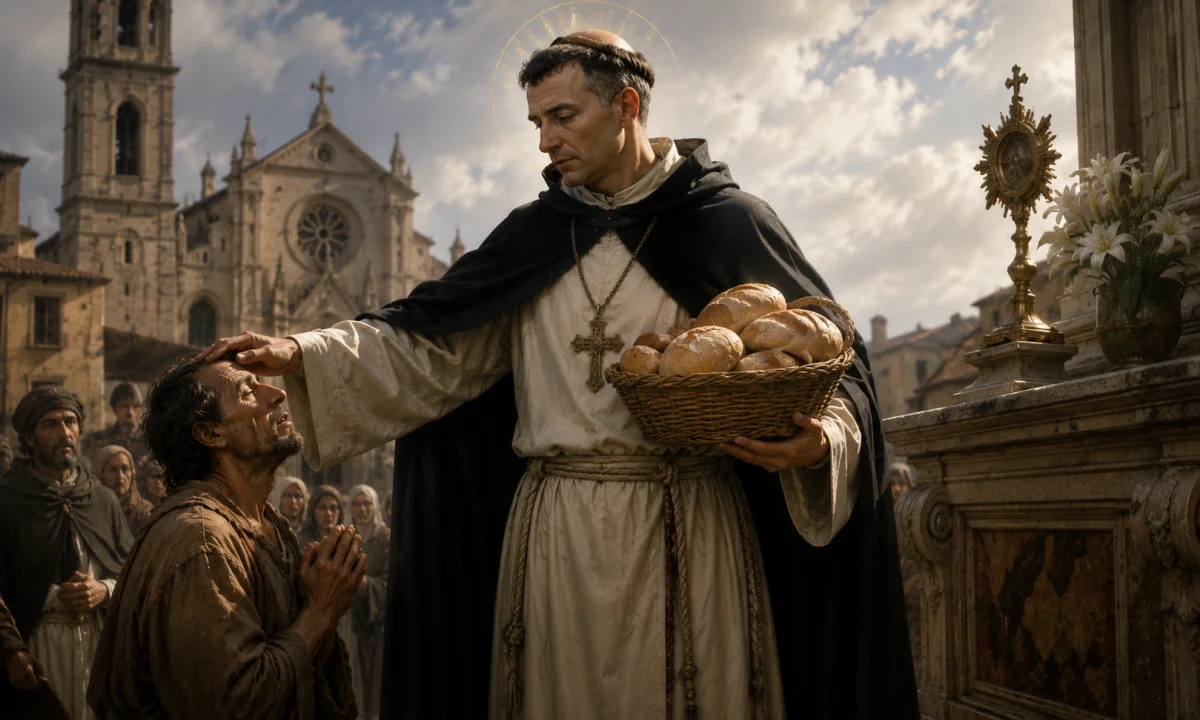
St. Raymond Of Capua
Raymond of Capua was a fourteenth-century Dominican friar, spiritual adviser, church reformer and author best known as the confessor and first major biographer of St. Catherine of Siena. He played an important part in th…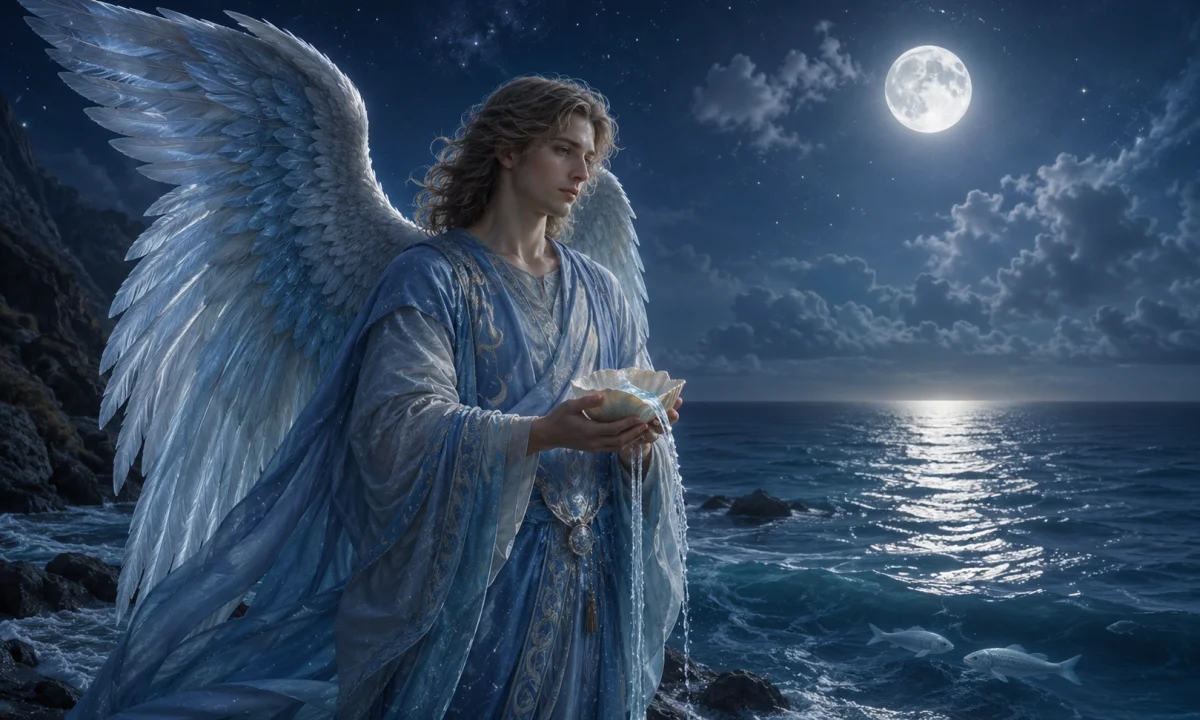
Asariel
Asariel is a name associated in some later angelological and esoteric writings with water, the sea, and the zodiacal sign Pisces. Unlike Michael, Gabriel, Raphael, or other angels with substantial scriptural and liturgic…
Andromalius
Andromalius is a demon listed as the seventy-second and final spirit in the Ars Goetia, the first section of the seventeenth-century grimoire known as the Lesser Key of Solomon. In that text, he is described as a great e…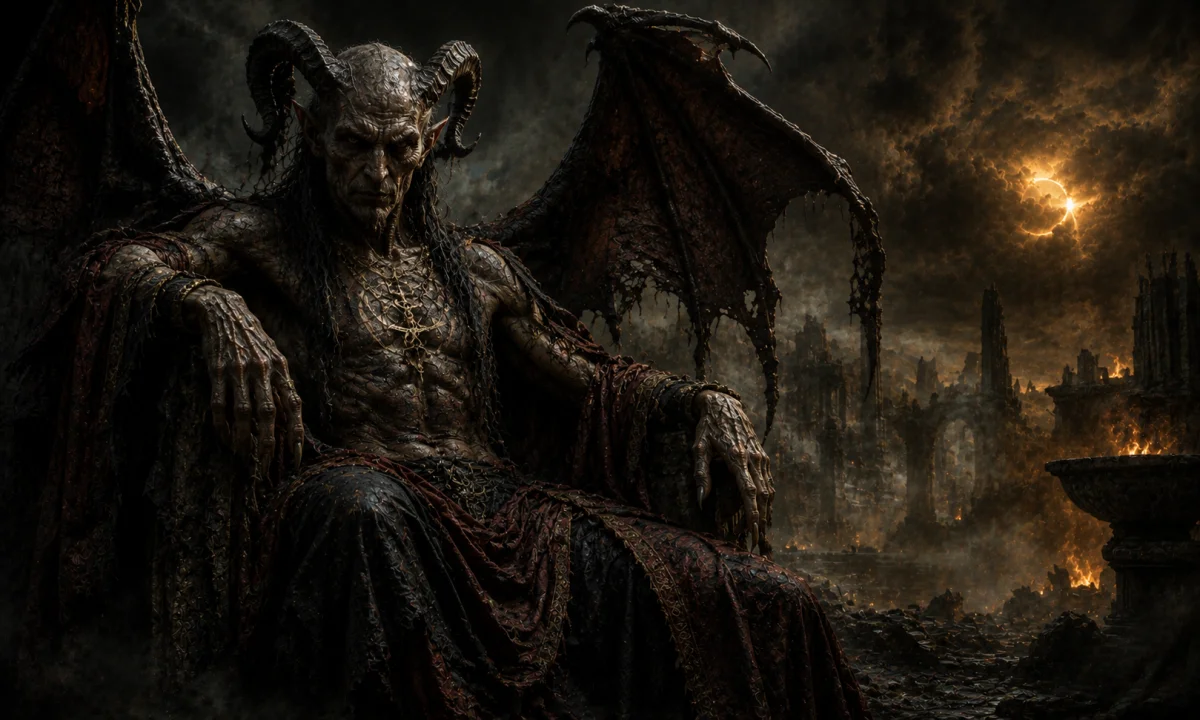
Andrealphus
Andrealphus is a demon listed in the early modern tradition of ceremonial magic, especially the catalogue known as the Ars Goetia, the first part of the Lesser Key of Solomon. He is described as a great marquis who first…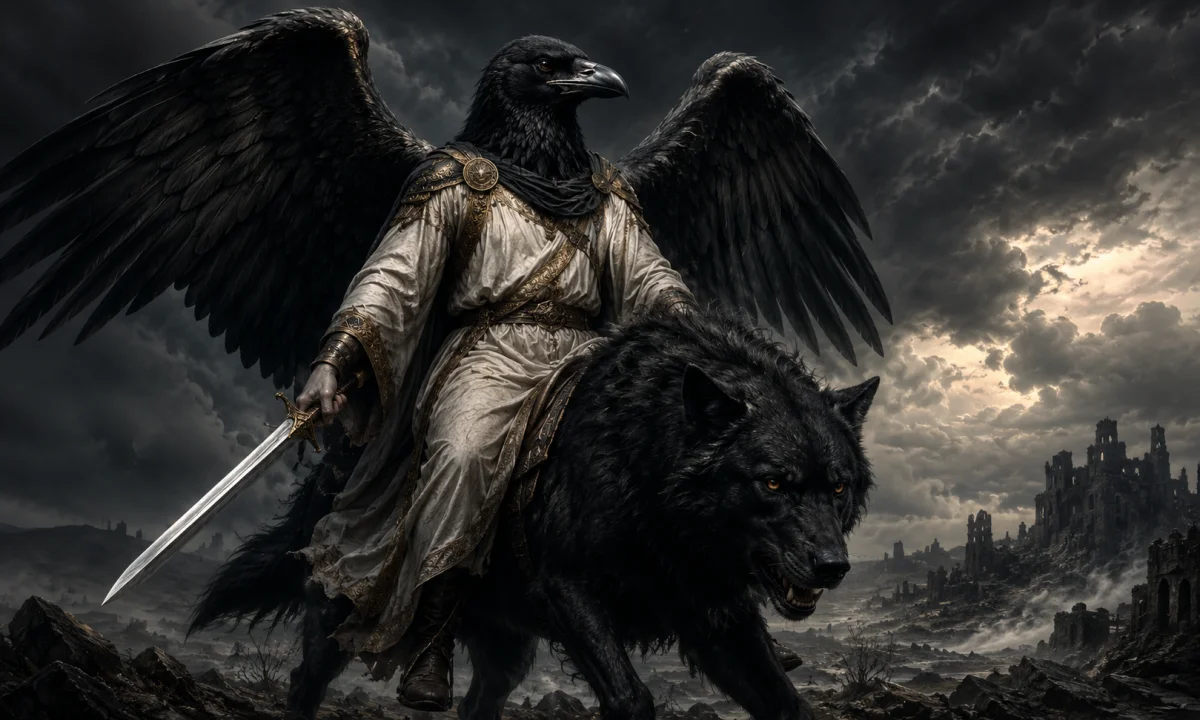
Andras
Andras is a demon described in early modern Western European grimoires, especially the Ars Goetia, the first part of the Lesser Key of Solomon. He is presented as a powerful marquis of Hell who appears with the body of a…
Amy
Amy, also written Ami or Avnas in some versions, is a spirit described in the Ars Goetia, the first section of the early modern grimoire commonly known as the Lesser Key of Solomon. In that text, Amy is ranked as a Presi…Mythology and the Stories of Ancient Civilizations
Mythology is the collection of stories, beliefs and traditions that ancient cultures used to explain the world around them. Long before modern science, myths offered answers to fundamental questions about the creation of the universe, natural phenomena, human existence, death and the forces believed to govern destiny.
Every civilization developed its own mythological tradition. Greek mythology tells of powerful Olympian gods, heroic warriors and terrifying monsters. Norse mythology describes a universe of interconnected worlds inhabited by gods, giants, elves and legendary creatures. Egyptian mythology revolves around divine kingship, the journey into the afterlife and the eternal struggle between order and chaos.
Beyond the most familiar traditions, thousands of myths emerged across Asia, Africa, the Americas, Oceania and the ancient Middle East. Hindu mythology contains vast cycles of gods, avatars and cosmic events. Japanese folklore is filled with kami, spirits and mysterious beings, while Celtic traditions preserve stories of warriors, magical lands and supernatural powers.
Although these traditions developed independently, many share recurring themes. Creation myths, great floods, journeys to the underworld, divine battles and heroic quests appear in cultures separated by enormous distances.
Gods and goddesses often represented the forces that shaped everyday life. Some ruled over storms, oceans, war or agriculture, while others protected families, cities or the dead.
Mythical creatures also played an essential role in these stories. Dragons, giants, spirits, shapeshifters, demons and hybrid beasts could act as enemies, guardians, warnings or symbols of forces beyond human control.
Myths were not simply invented as entertainment. They were connected to religious rituals, social customs, political power and cultural identity.
Many mythological stories survive today through literature, art, cinema, television and video games. However, modern adaptations often differ considerably from the original traditions.
At WorldMythos, you will find articles organised by mythology, culture and subject. Our aim is to present legendary stories in a clear and engaging way while distinguishing between ancient sources, folklore, historical interpretation and modern popular culture.