 WORLD
WORLD
Christian saints
Articles about Christian saints within Religious Traditions.
Last articles
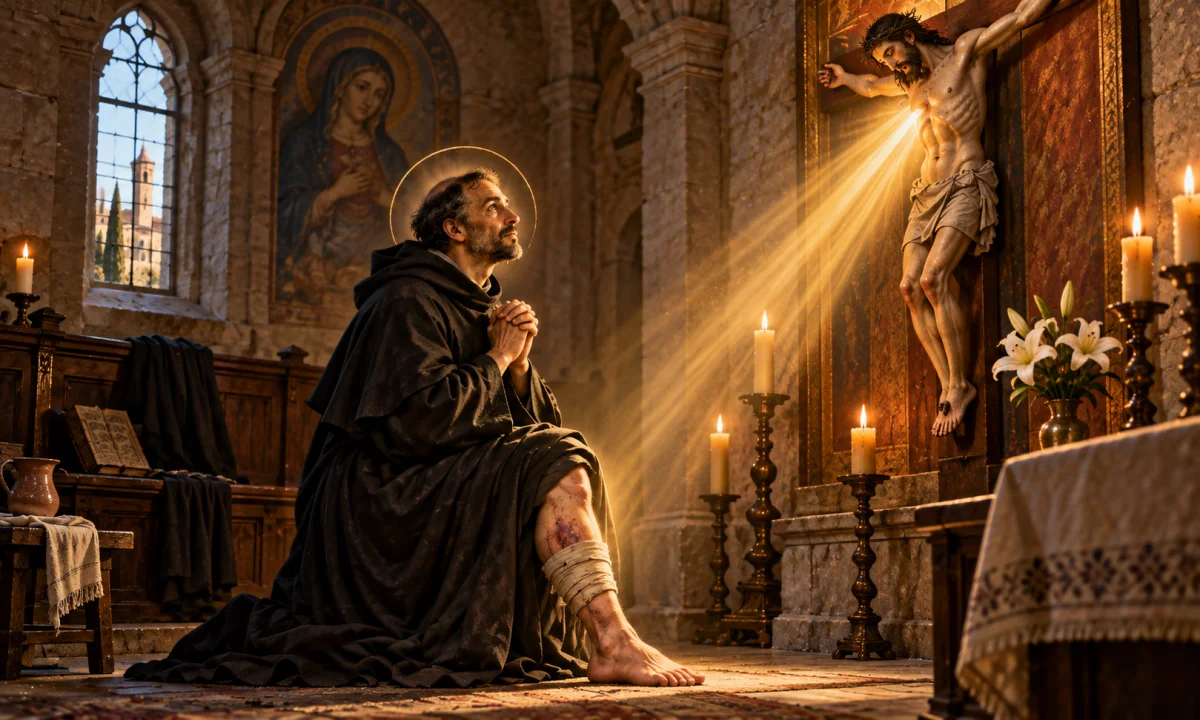
St. Peregrine Laziosi
St. Peregrine Laziosi is a fourteenth-century Italian Christian saint, a member of the Order of Servants of Mary, commonly known as the Servites. He is especially associated with repentance, devotion to the Passion of Ch…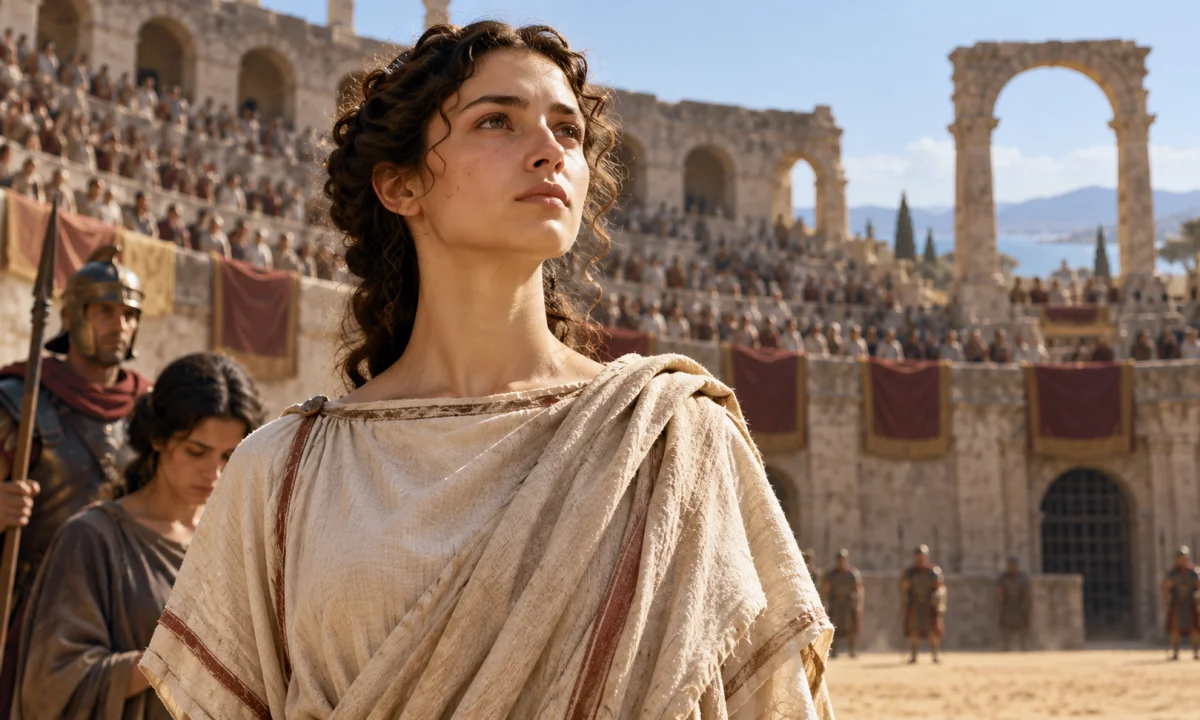
St. Perpetua Of Carthage
St. Perpetua of Carthage was a Christian martyr who was executed in Carthage in Roman North Africa during the early third century. She is remembered chiefly through the Passion of Saints Perpetua and Felicity, an unusual…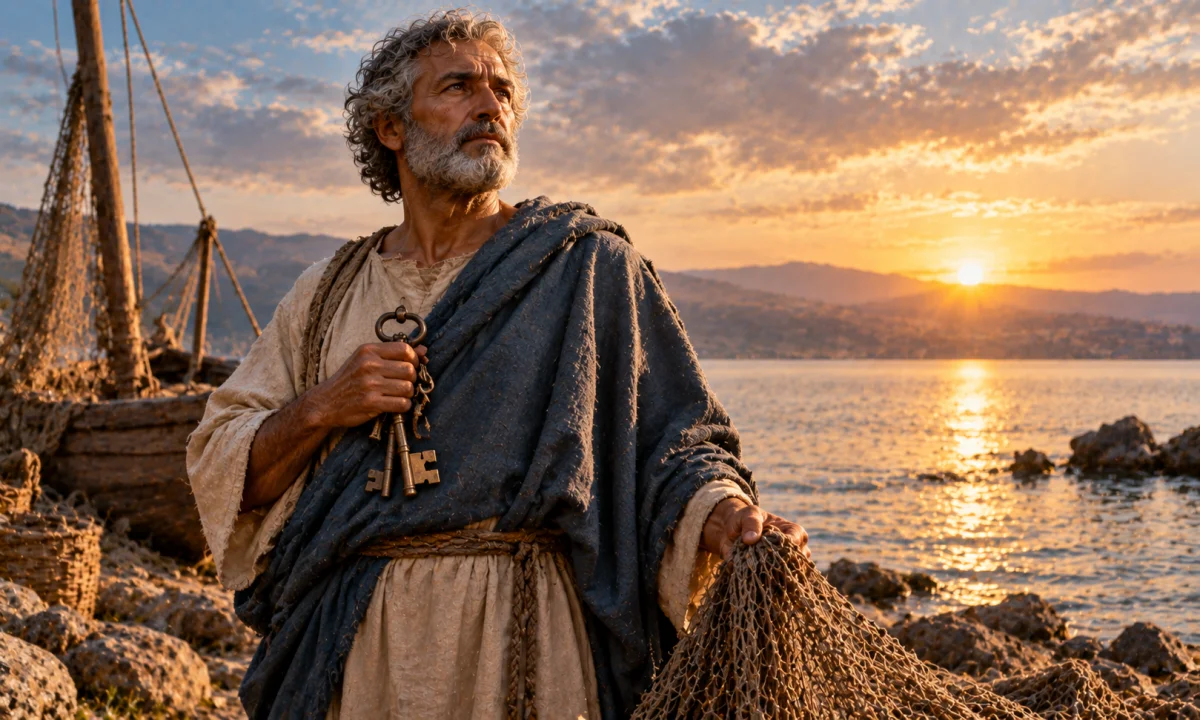
St. Peter
St. Peter is one of the central figures of Christianity and one of the Twelve Apostles of Jesus. In the New Testament he appears as Simon, a Jewish fisherman from Galilee who becomes a leading disciple, a prominent witne…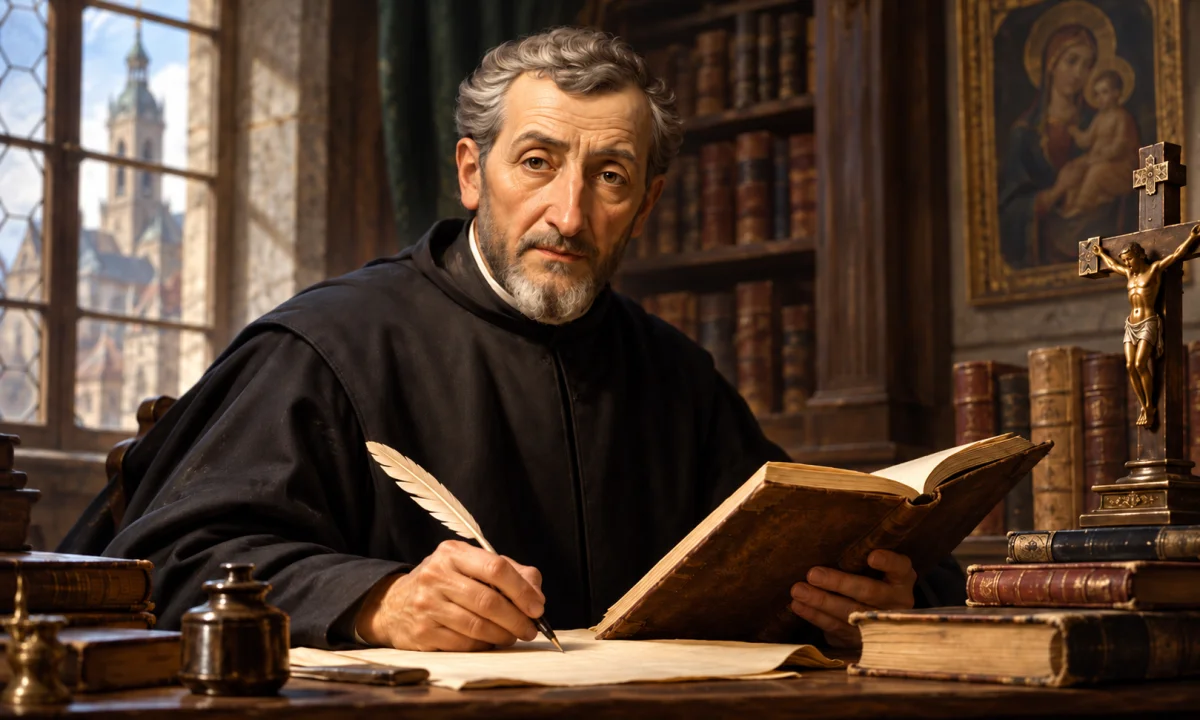
St. Peter Canisius
St. Peter Canisius was a sixteenth-century Dutch Jesuit priest, theologian, teacher and missionary whose work helped shape Catholic life in the German-speaking lands during the Reformation. He is especially remembered fo…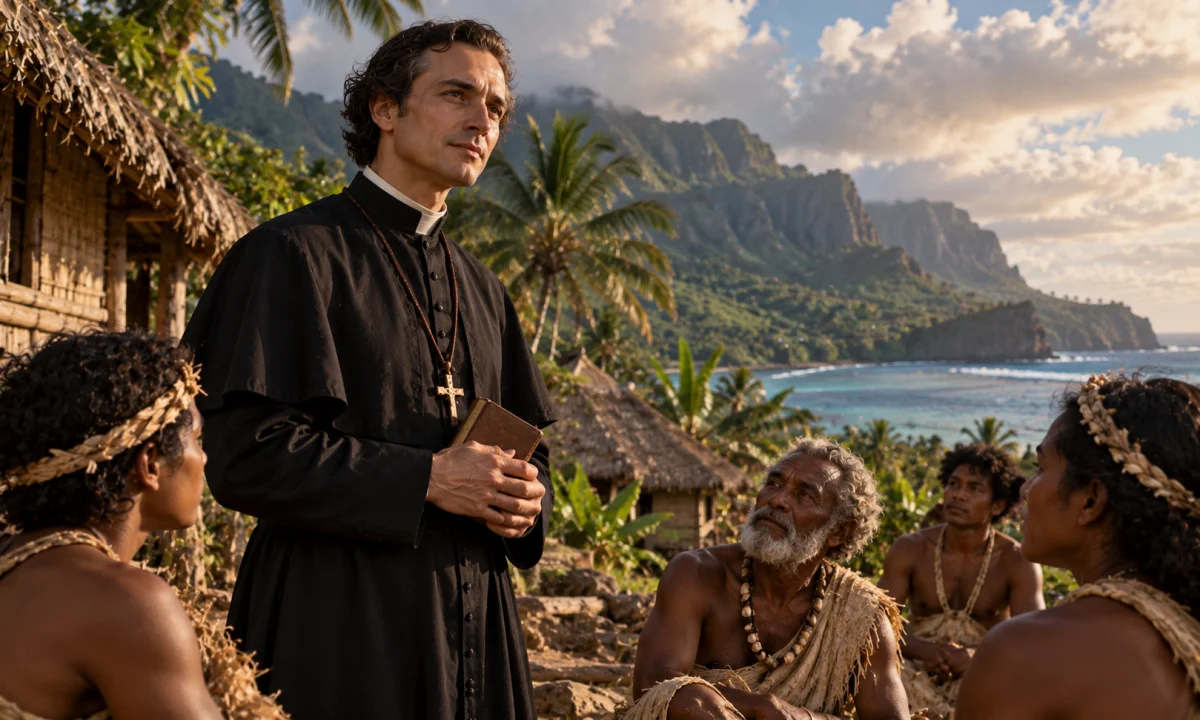
St. Peter Chanel
St. Peter Chanel was a nineteenth-century French Catholic priest and missionary who was killed on the Polynesian island of Futuna in 1841. Venerated as a Christian martyr, he is known in Catholic tradition as the first m…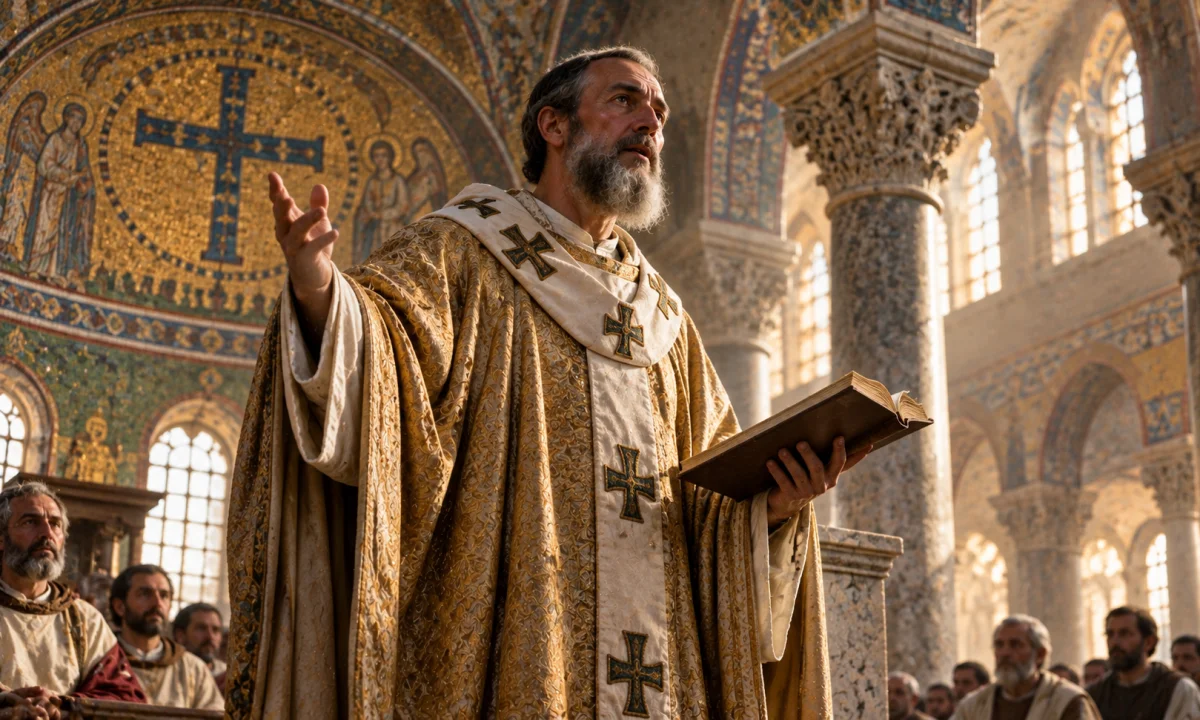
St. Peter Chrysologus
St. Peter Chrysologus was a fifth-century Christian bishop, preacher and theologian who served as bishop of Ravenna in northern Italy. Remembered especially for the clarity and brevity of his sermons, he is known by the …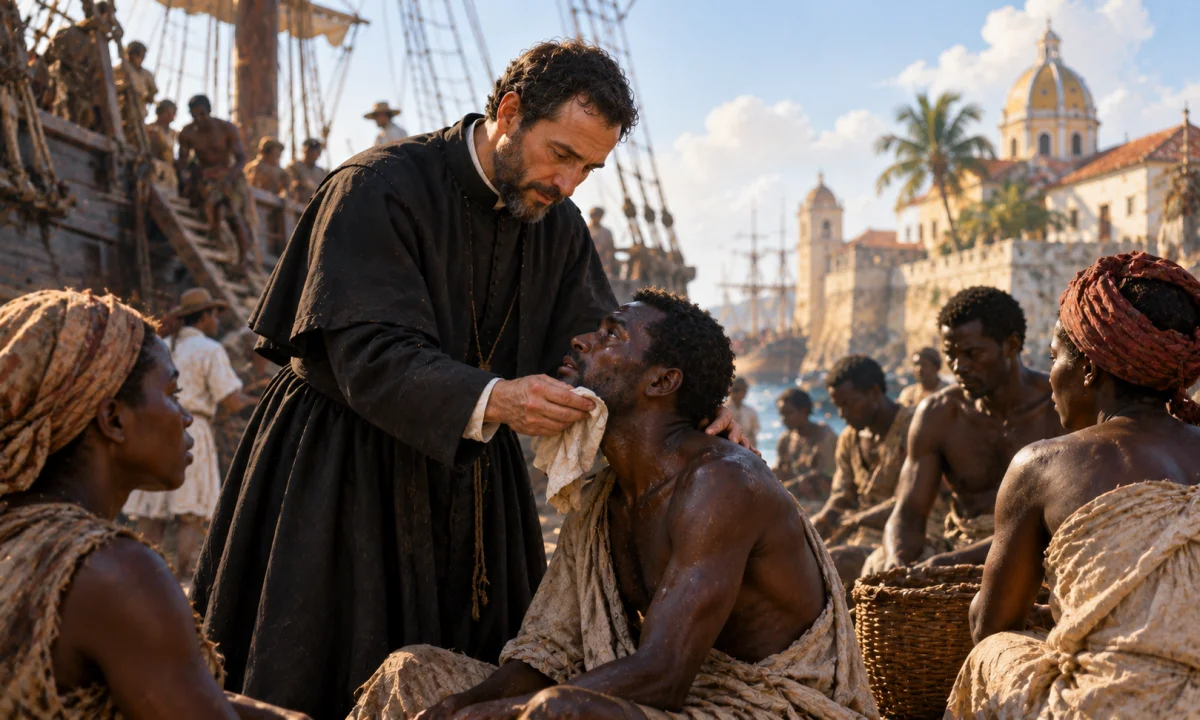
St. Peter Claver
St. Peter Claver was a seventeenth-century Jesuit priest best known for his ministry among enslaved Africans brought to Cartagena de Indias, a major Spanish port in present-day Colombia. Catholic tradition remembers him …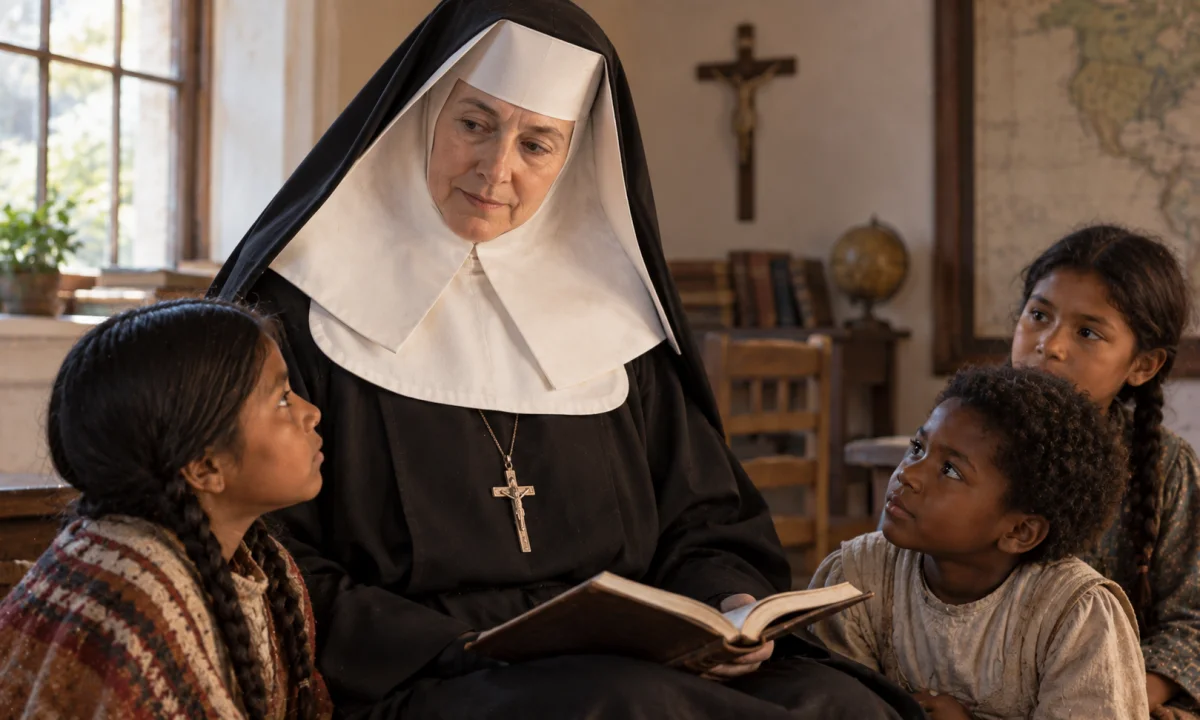
St. Katharine Drexel
St. Katharine Drexel (1858–1955) was an American Catholic religious sister, educator, philanthropist and founder of the Sisters of the Blessed Sacrament. Born into a wealthy Philadelphia family, she devoted her inheritan…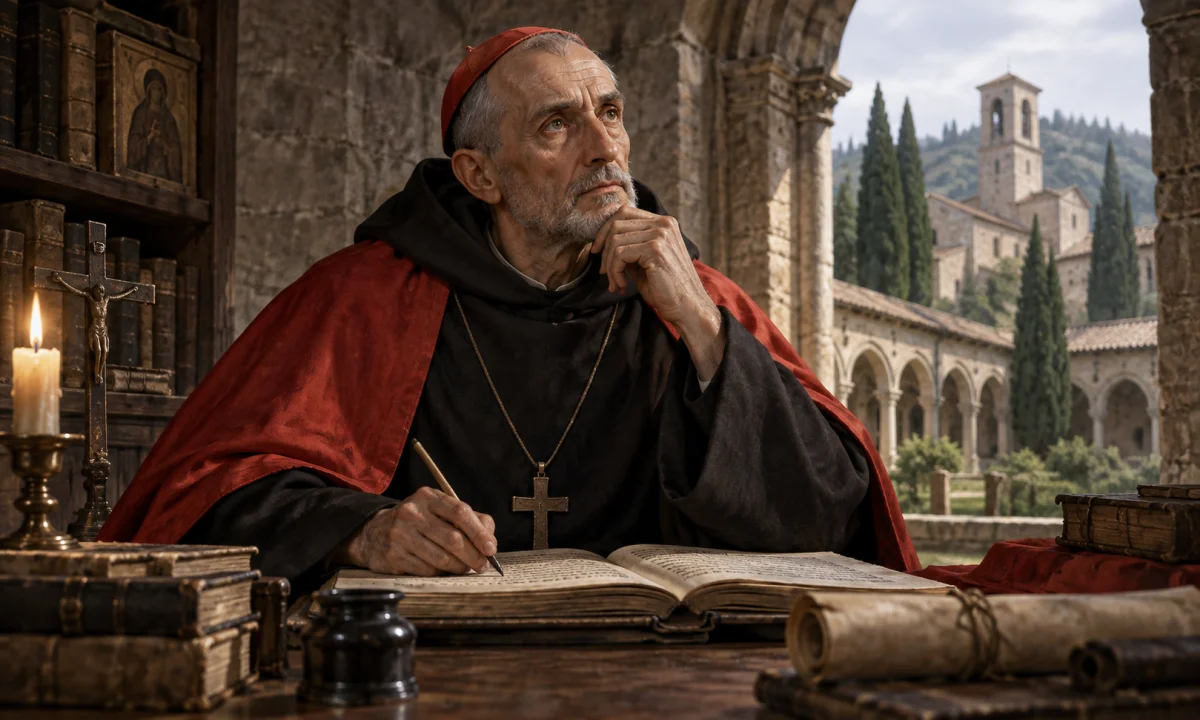
St. Peter Damian
St. Peter Damian was an eleventh-century Italian Benedictine monk, bishop, cardinal, theologian and writer who became one of the strongest voices for reform in the medieval Latin Church. He lived during a period when pop…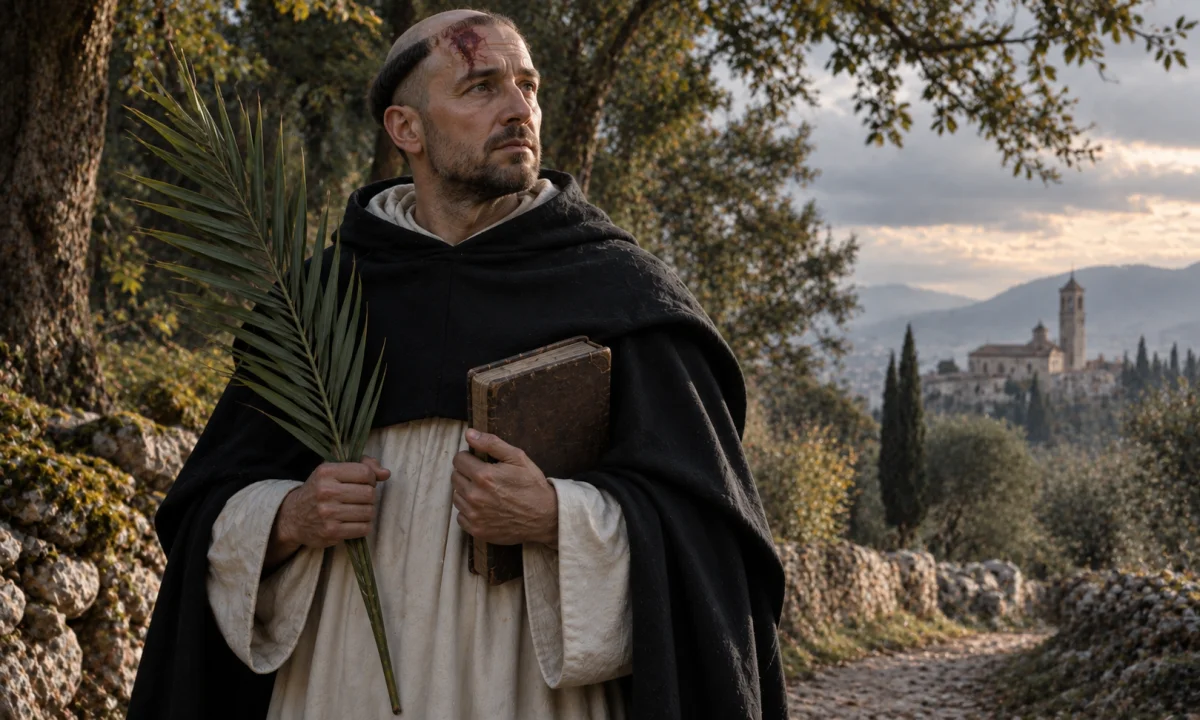
St. Peter Of Verona
St. Peter of Verona, also known as Peter Martyr or Pietro da Verona, was a thirteenth-century Italian Dominican friar, preacher and inquisitor who was killed in 1252. The Catholic Church venerates him as a martyr and sai…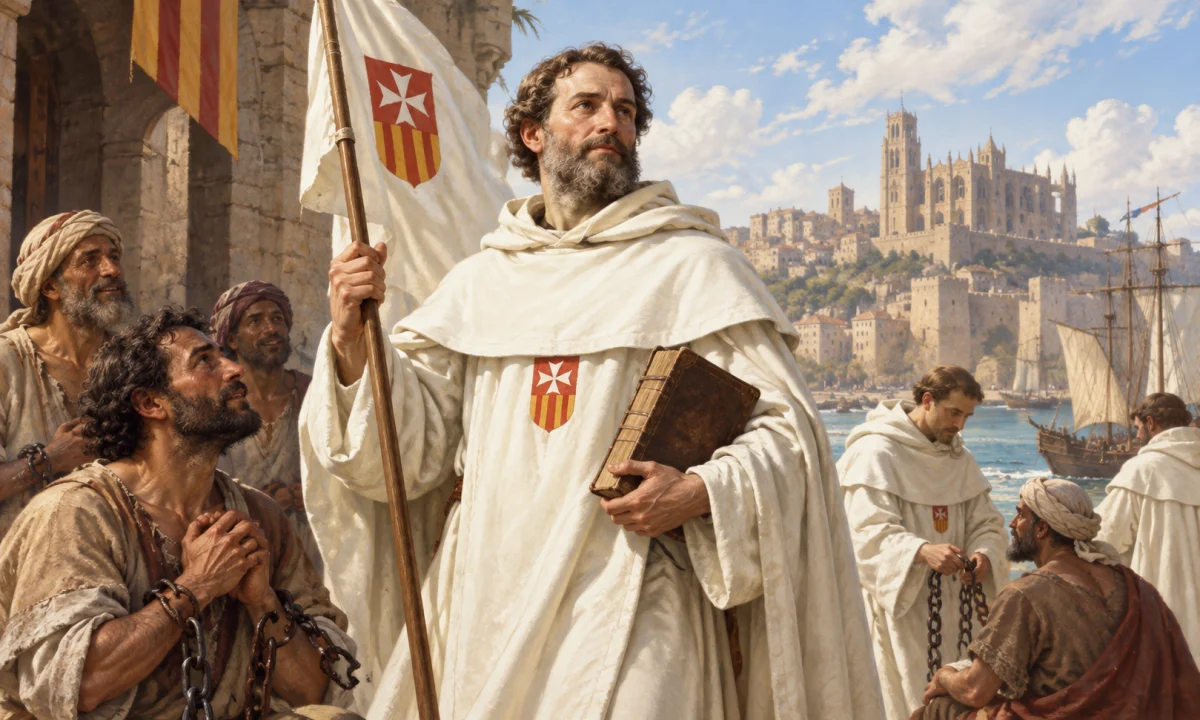
St. Peter Nolasco
St. Peter Nolasco was a thirteenth-century Christian religious founder associated with the redemption of captives and the Order of the Blessed Virgin Mary of Mercy, commonly called the Mercedarians. He lived during the p…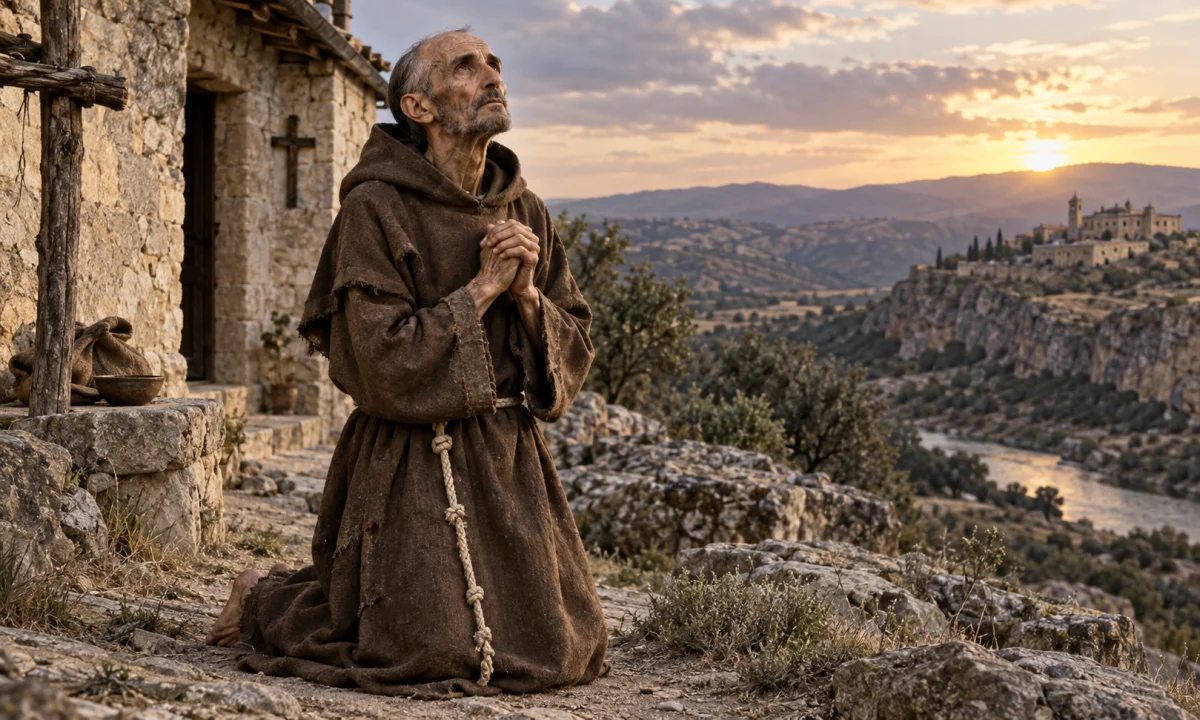
St. Peter Of Alcántara
St. Peter of Alcántara was a sixteenth-century Spanish Franciscan friar, ascetic, writer and reformer of religious life. Born in Alcántara in Extremadura around 1499 and dying at Arenas in 1562, he became known for sever…Christian saints: myths, traditions and legends
Christian saints are people recognised within Christian traditions as exemplary followers of Christ whose lives demonstrate holiness, faith, charity, courage or exceptional devotion to God. The word saint comes from the Latin sanctus, meaning holy. In the New Testament, related terms can refer broadly to members of the Christian community, while later usage developed more specialised meanings involving public veneration, liturgical commemoration and formal recognition by a church. Saints are human beings rather than angels, gods or independent divine powers, and Christian traditions that venerate them distinguish that honour from the worship owed to God.
The category includes apostles, martyrs, bishops, monks, nuns, missionaries, rulers, mystics, theologians, founders of religious communities and laypeople. Some saints are well documented historical individuals, while others are known mainly through devotional narratives written long after their supposed lifetimes. Their stories may combine biography, religious interpretation, oral tradition, miracle accounts and later folklore. The historical reliability of these elements varies considerably, and the presence of legendary material does not automatically prove either that a saint never existed or that every event attributed to that person occurred.
Meaning and scope of sainthood
Christian understandings of sainthood differ among Catholic, Eastern Orthodox, Oriental Orthodox, Anglican, Lutheran and other communities. The Roman Catholic Church and the Orthodox churches maintain formal calendars and established processes for recognising saints, although their procedures and theological language differ. Many Protestant traditions use the word saint primarily for all faithful Christians and do not practise the invocation or formal veneration of canonised individuals.
A saint is not necessarily someone believed to have lived without error. Many saints are remembered for conversion, repentance, perseverance or spiritual transformation. Their importance lies in the belief that divine grace became visible through their lives rather than in the idea that they possessed divine nature.
Some figures are recognised across much of Christianity, particularly apostles, biblical figures and early martyrs. Others belong primarily to a particular church, region or denomination. Historical divisions between Christian communities mean that a person honoured as a saint in one tradition may not appear in the calendar of another.
Saints in the early Christian community
The earliest Christians commemorated those who had died for their faith. Martyrs were understood as witnesses whose refusal to abandon Christianity demonstrated exceptional loyalty to Christ. Communities gathered at their tombs, remembered the anniversaries of their deaths and preserved accounts of their trials and executions.
Early martyr narratives include both historically valuable testimony and literary elements intended to encourage believers. Some accounts were written close to the events they describe, while others developed through later retelling. Speeches, miracles and dramatic confrontations may reflect theological interpretation rather than verbatim historical records.
Before Christianity received imperial support, persecution varied greatly by place and period. It was not always continuous or organised in the same way throughout the Roman Empire. Later traditions sometimes expanded local episodes into broader narratives of universal persecution.
After Christianity became legally recognised, sainthood was no longer associated only with martyrdom. Ascetics, bishops, teachers and monastic founders came to be honoured as confessors: people who demonstrated holiness through disciplined life, teaching or suffering without necessarily being executed.
Martyrs and the meaning of witness
The Greek word from which martyr derives originally meant witness. Within Christianity, it became closely associated with those who accepted death rather than renounce their faith. Martyrdom was understood as participation in the suffering of Christ and as testimony to the hope of resurrection.
Martyrs were not traditionally believed to seek death for its own sake. Christian leaders sometimes warned against deliberately provoking execution. The ideal martyr remained faithful when confronted with persecution rather than treating death as an act of personal glory.
Relics associated with martyrs became important in worship and pilgrimage. Churches were built near graves, and fragments believed to belong to saints were sometimes transferred to new locations. These practices expressed the belief that the body remained connected to the person and that holiness involved material as well as spiritual life.
Monks, nuns and ascetic saints
From late antiquity onward, monasticism produced many influential saints. Men and women withdrew from ordinary social life, formed communities or lived as hermits in pursuit of prayer, discipline and freedom from destructive desires. The deserts of Egypt, Syria and Palestine became especially important centres of early Christian monasticism.
Accounts of the Desert Fathers and Mothers preserve sayings, teachings and stories about spiritual struggle. These texts often emphasise humility, discernment, hospitality and resistance to pride. Their dramatic descriptions of temptations and demons belong to a religious framework in which internal conflict could be expressed through encounters with hostile spiritual powers.
Monastic saints were not all solitary hermits. Figures such as Basil of Caesarea, Benedict of Nursia and later founders created rules for communities organised around prayer, labour, obedience and service. Female monasticism also developed diverse forms, although the lives of women were often recorded less fully than those of male leaders.
Bishops, teachers and defenders of doctrine
Many saints were recognised for leadership, theological teaching or defence of Christian doctrine. Bishops played important roles in worship, charity, political negotiation and the resolution of disputes. Their reputations could be shaped both by religious achievement and by later institutional memory.
Church Fathers such as Athanasius, Augustine of Hippo, John Chrysostom and Gregory of Nazianzus became influential through sermons, theological works and participation in doctrinal controversies. Their writings provide important historical evidence, but later devotion sometimes simplifies complex figures into fixed symbols of orthodoxy.
The title Doctor of the Church is used in Roman Catholicism for saints whose teaching has been judged especially significant. This title is distinct from sainthood itself and was granted to different figures long after their deaths.
Doctrinal disputes were often entangled with language, politics and imperial authority. The later classification of one participant as a saint and another as a heretic reflects the outcome of historical controversies as well as theological argument.
Missionaries and the spread of Christianity
Missionary saints are remembered for bringing Christianity to new regions, translating scripture, establishing churches or adapting Christian teaching to local cultures. Their work could involve education, diplomacy and pastoral care, but it also took place within unequal political settings.
Some missionary narratives exaggerate the role of one heroic individual while overlooking earlier Christian communities or local collaborators. A saint may be credited with converting an entire people even when religious change occurred gradually across generations.
Stories of missionaries destroying idols, defeating pagan priests or overcoming supernatural opposition often express the triumph of Christianity from the perspective of later Christian writers. They may preserve historical conflict, but they can also transform rival religious traditions into simplified tales of error and defeat.
In colonial settings, missionary activity sometimes accompanied political conquest, forced cultural change and the suppression of Indigenous religions. Saints associated with these processes require historically specific interpretation rather than uncritical celebration or automatic condemnation.
Mystics, visionaries and spiritual experience
Christian saints include mystics who described visions, revelations, intense prayer and experiences of union with God. Their writings often use symbolic language because they attempt to express experiences considered difficult or impossible to describe directly.
Figures such as Hildegard of Bingen, Catherine of Siena, Teresa of Ávila and John of the Cross became influential through spiritual teaching as well as visionary experience. Church authorities did not automatically accept claims of visions. Such experiences could be investigated, questioned or rejected.
Visionary accounts were shaped by scripture, liturgy, art and the expectations of the communities in which the mystics lived. A historical explanation of those influences does not by itself settle theological questions about the experiences.
Later biographies sometimes add miraculous details or present complex spiritual struggles as simple stories of constant certainty. The saints’ own writings, when available, often reveal doubt, illness, conflict and gradual development.
Relics, shrines and pilgrimage
Relics are physical remains or objects associated with saints. They may include bones, clothing, personal possessions or items connected with a saint’s tomb. Catholic and Orthodox traditions understand the veneration of relics within a theology that values the human body, resurrection and the sanctification of material creation.
Relics have also generated disputes. Medieval churches and cities competed for prestigious remains, and false or uncertain relics circulated alongside objects supported by stronger historical traditions. The religious significance of a relic does not guarantee that its physical identification can be verified historically.
Shrines dedicated to saints became destinations for pilgrimage. Pilgrims sought healing, fulfilled vows, expressed repentance or participated in festivals. These journeys could strengthen regional identity and create major economic networks around sacred sites.
Miracle collections associated with shrines record cures, visions, protection and answered prayers. They reveal what communities believed about saints and suffering, although they do not function as controlled medical or historical documentation in the modern sense.
Intercession and the distinction from worship
Catholic and Orthodox Christians may ask saints to pray for them, understanding this practice as intercession rather than worship. The saint is approached as a member of the Christian community believed to be alive with God, while divine power belongs to God alone.
Theological terminology distinguishes the worship offered to God from the honour given to saints. The Virgin Mary receives a unique form of veneration because of her role as the mother of Jesus, but she is not regarded as a goddess within orthodox Christian doctrine.
Many Protestant reformers rejected the invocation of saints because they believed it lacked sufficient scriptural foundation or threatened the unique mediation of Christ. Some retained respect for saints as historical examples while removing their feast days, relics and intercessory roles.
Disagreement about saints therefore reflects broader differences concerning authority, tradition, salvation, worship and the relationship between the living and the dead.
Canonisation and formal recognition
In the earliest centuries, saints were often recognised through local devotion rather than centralised legal procedures. Bishops and communities approved commemorations, and certain cults spread gradually beyond their places of origin.
The Roman Catholic canonisation process became increasingly formal during the medieval and early modern periods. In its developed form, it examines the candidate’s life, writings, reputation for holiness and evidence connected with claimed miracles. Recognition commonly proceeds through stages that may include the titles Servant of God, Venerable, Blessed and Saint.
Requirements differ according to the type of cause and can change through church legislation. Martyrdom may remove the usual requirement for a miracle before beatification, while canonisation generally involves additional investigation.
Eastern Orthodox churches do not follow the same centralised legal process. Recognition may develop through local veneration, ecclesiastical examination and formal glorification by an appropriate church authority. The principles and terminology vary among jurisdictions.
Hagiography and the lives of saints
Hagiography refers to writing about saints and holy people. A saint’s life may seek to preserve historical memory, encourage imitation, defend a religious institution or explain the origin of a shrine. Its purpose is often devotional rather than biographical in the modern critical sense.
Recurring motifs include miraculous births, early signs of holiness, victories over temptation, healing, prophecy and peaceful or heroic deaths. Similar episodes may appear in the lives of different saints because writers used established literary patterns to communicate holiness.
This does not mean that hagiography has no historical value. Such texts can preserve names, social conditions, devotional practices and political conflicts. Their evidence must be evaluated according to date, authorship, genre and relationship to other sources.
The distinction between history and legend is often gradual rather than absolute. A reliable historical figure can accumulate improbable stories, while a highly legendary narrative may preserve traces of a real person or local cult.
Miracles and religious interpretation
Miracles associated with saints include healings, visions, protection from danger, incorrupt bodies, prophecy and events following death. Within Christian belief, saints do not perform miracles through independent power; miracles are attributed ultimately to God.
Historical investigation can evaluate testimony, documentation and natural explanations, but it cannot demonstrate theological meaning through historical method alone. Churches may investigate claimed miracles according to their own standards, which differ from the aims of academic history or experimental science.
Some famous miracles appear only in late sources and are better understood as legend or devotional tradition. Others are supported by contemporary testimony but remain open to different interpretations.
Miracle stories often communicate moral or theological messages beyond the extraordinary event itself. They may emphasise compassion, justice, repentance or the protection of a community.
Saints and local identity
Saints frequently become patrons of cities, professions, illnesses, travellers, soldiers, children or particular social groups. These associations can emerge from events in the saint’s life, the location of relics, symbolic interpretation or later custom.
A local patron may shape festivals, art, place names and civic identity. Different regions can preserve contrasting versions of the same saint, adapting the figure to local concerns. Such variation is part of the saint’s reception rather than proof of separate historical individuals in every case.
Some pre-Christian sites and seasonal customs acquired associations with saints during religious conversion. This does not mean that every saint replaced an earlier god. Continuity, deliberate substitution, coincidence and later folklore must be assessed separately.
Legends of saints defeating dragons, controlling storms or taming wild animals can express the Christian transformation of dangerous landscapes. They may also incorporate older narrative motifs without preserving an exact pagan predecessor.
Historical saints and legendary saints
The historical evidence for saints ranges from substantial contemporary documentation to almost complete uncertainty. Later saints may leave letters, legal records and eyewitness testimony, while many early figures are known only through inscriptions, liturgical calendars or medieval narratives.
Saint George is historically associated with an early martyr cult, but the famous story of his battle with a dragon developed much later. Saint Christopher may preserve the memory of a martyr, yet his biography became heavily legendary. Nicholas of Myra was a historical bishop, while many stories now associated with him appeared after his lifetime.
Church calendars have sometimes been revised when historical evidence proved weak. Removal from a universal calendar does not necessarily mean that a figure was formally declared fictional; it may indicate that the saint’s cult is local, that the biography is uncertain or that the feast is no longer considered suitable for universal observance.
Common confusions
Saints are not angels. Saints are human beings believed to have attained holiness, while angels are a distinct order of created beings within Christian theology. Popular images of the dead becoming angels do not reflect standard historic doctrine.
Patronage does not mean that a saint controls a subject as a pagan deity might be imagined to control a natural domain. A patron saint is an intercessor and religious example associated with a community, activity or need.
Not every person called Saint in folklore has received formal church recognition. Local traditions may preserve holy figures, unofficial cults or legendary names that never underwent canonisation.
Similarly, not every medieval account should be treated as established church doctrine. Devotional legend, local folklore and official teaching can overlap without being identical.
Modern representation and continuing devotion
Saints remain important in worship, pilgrimage, personal names, festivals, art and community identity. New saints continue to be recognised, including missionaries, social reformers, martyrs under modern political regimes and laypeople known for charity or spiritual commitment.
Modern film, fiction and popular spirituality sometimes present saints as miracle workers with fixed supernatural powers. This resembles fantasy classification more than traditional Christian theology, in which saints remain dependent on God.
Nationalism and politics can also shape sainthood. Religious figures may be used as symbols of national unity, resistance or political legitimacy. These later uses should be distinguished from the individual’s historical life and original religious setting.
Christian saints are best understood through the interaction of history, theology, liturgy, devotion and legend. Their traditions reveal how Christian communities have interpreted holiness through martyrdom, service, teaching, prayer, repentance and responsibility toward others.