 WORLD
WORLD
Demons
Articles about Demons within Creatures & Spirits.
Last articles
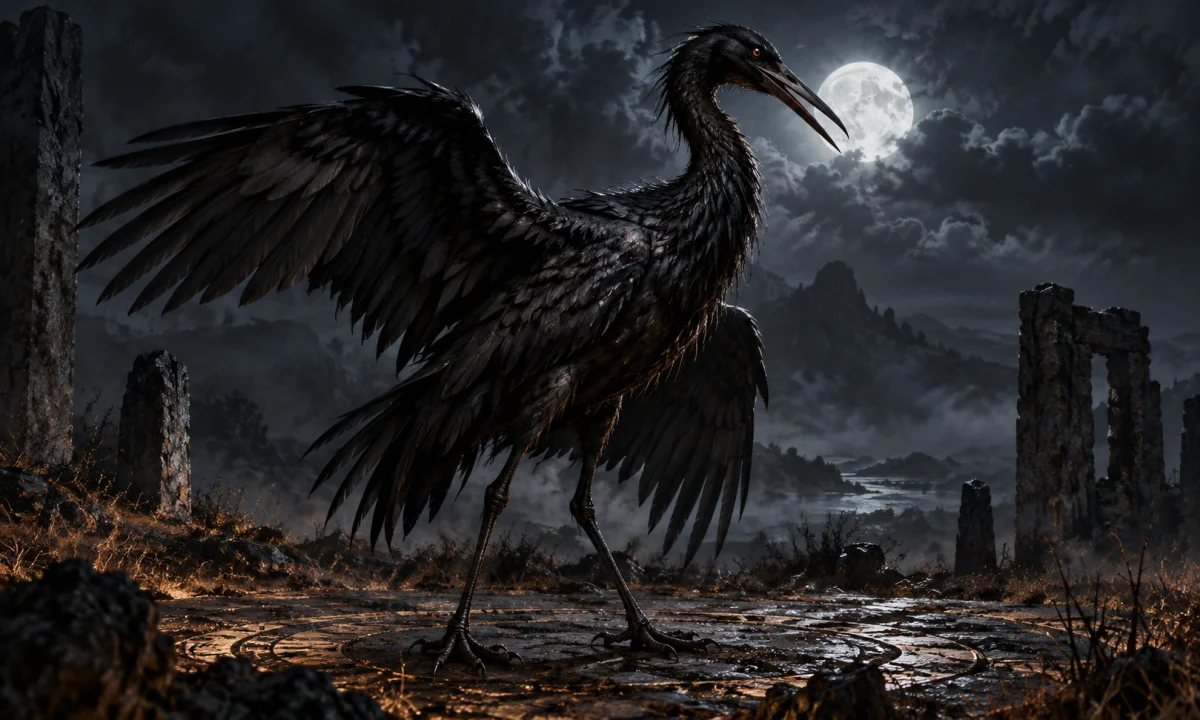
Naberius
Naberius is a demon in the learned demonological tradition associated with European grimoires, especially the Ars Goetia, the first part of the seventeenth-century work commonly known as the Lesser Key of Solomon. He is …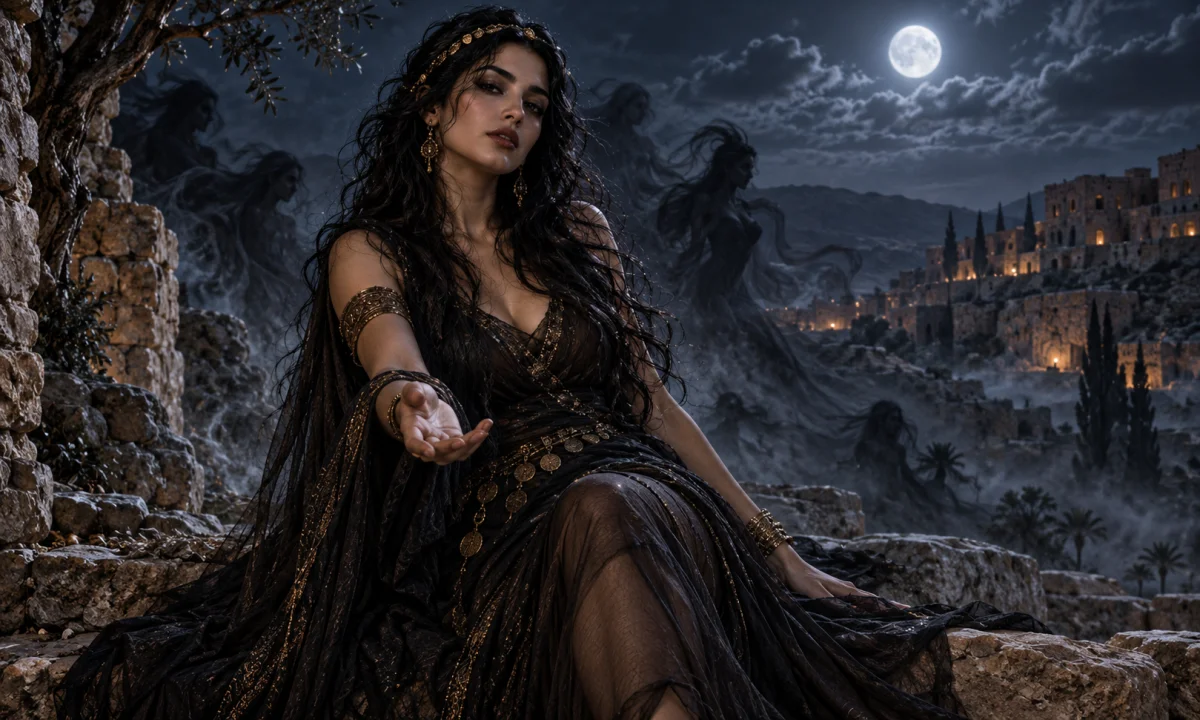
Naamah
Naamah is a name associated with several different women and supernatural figures in Jewish tradition. In the Hebrew Bible, Naamah is the sister of Tubal-cain and one of the few women named in the genealogies of Genesis.…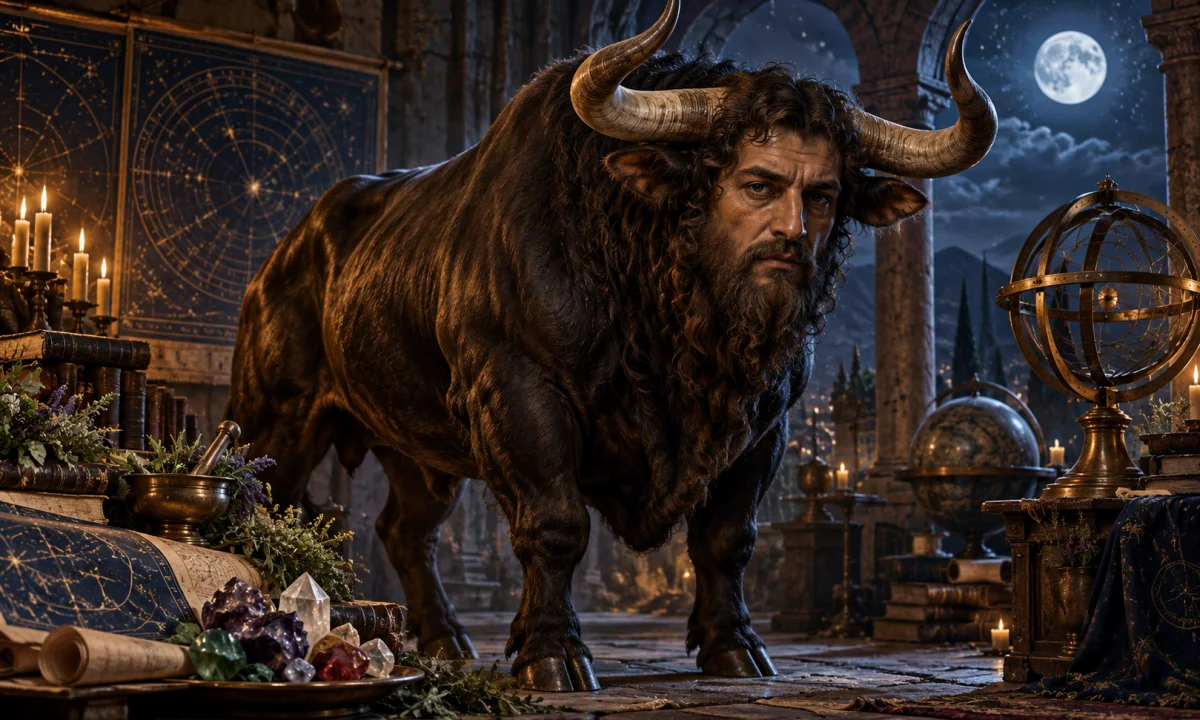
Marax
Marax, also spelled Morax in some sources, is a demon of early modern European ceremonial magic. He is best known from the Ars Goetia, the first part of the Lesser Key of Solomon, where he is listed as the twenty-first s…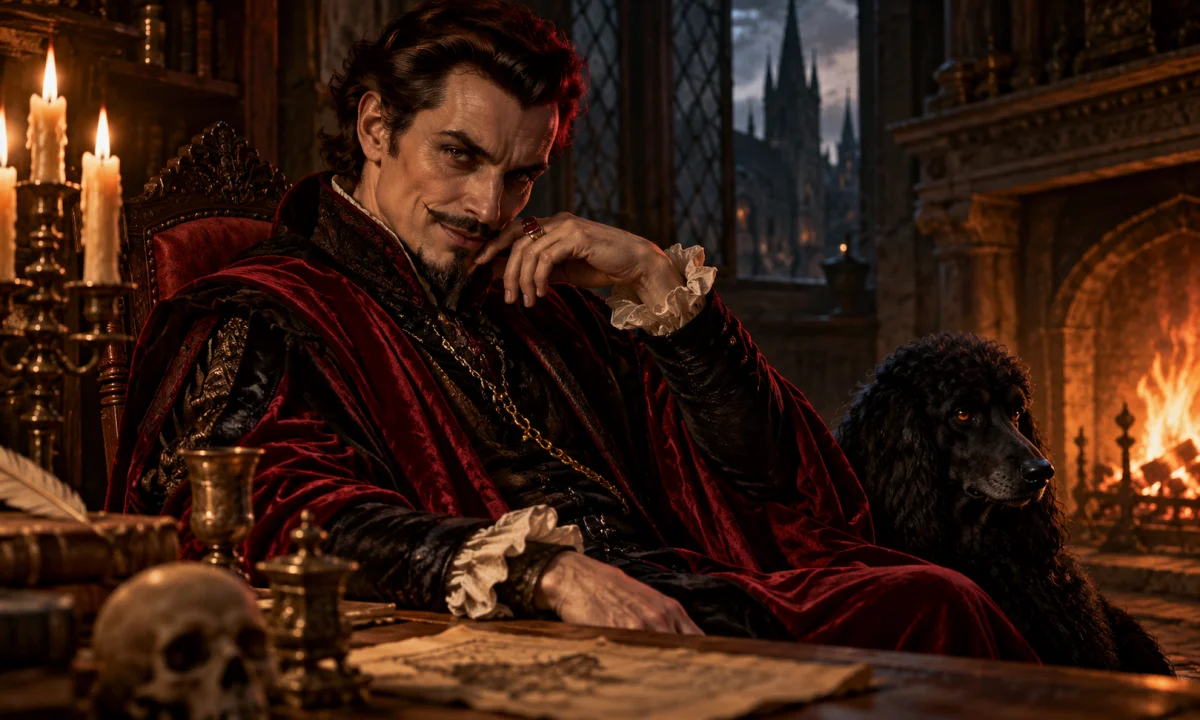
Mephistopheles
Mephistopheles is a demon and tempter best known from the European Faust tradition. He is not a major figure of ancient mythology or a universally recognised demon in Christian scripture. Instead, Mephistopheles emerged …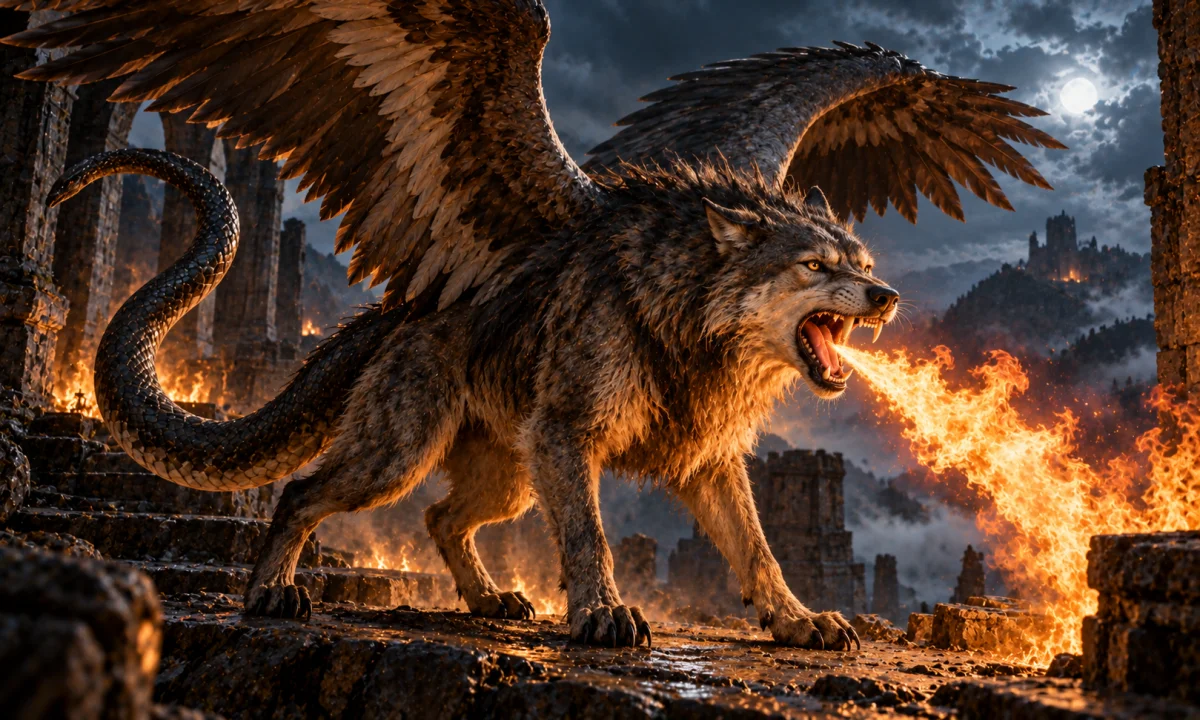
Marchosias
Marchosias is a demon in the Solomonic tradition of Western ceremonial magic, best known from the Ars Goetia, the first section of the Lesser Key of Solomon. He is listed as the thirty-fifth spirit and is given the rank …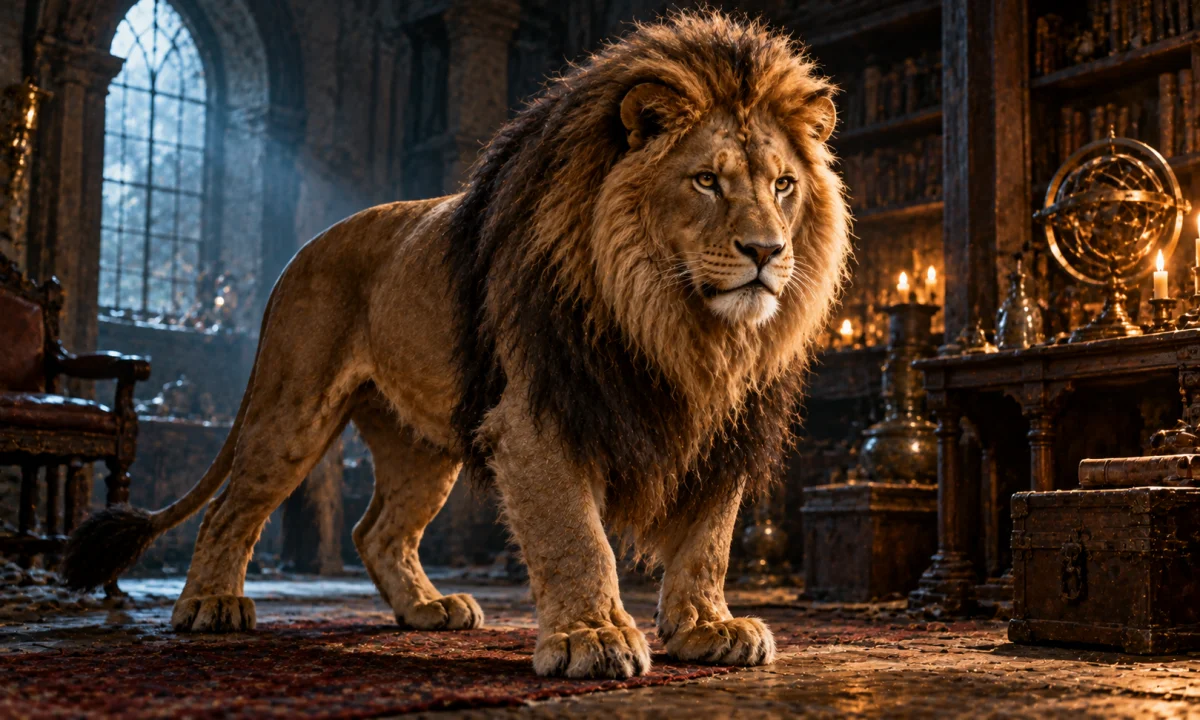
Marbas
Marbas is a demon in the ceremonial-magical tradition associated with the Ars Goetia, the first section of the early modern grimoire commonly known as The Lesser Key of Solomon. He is traditionally described as a powerfu…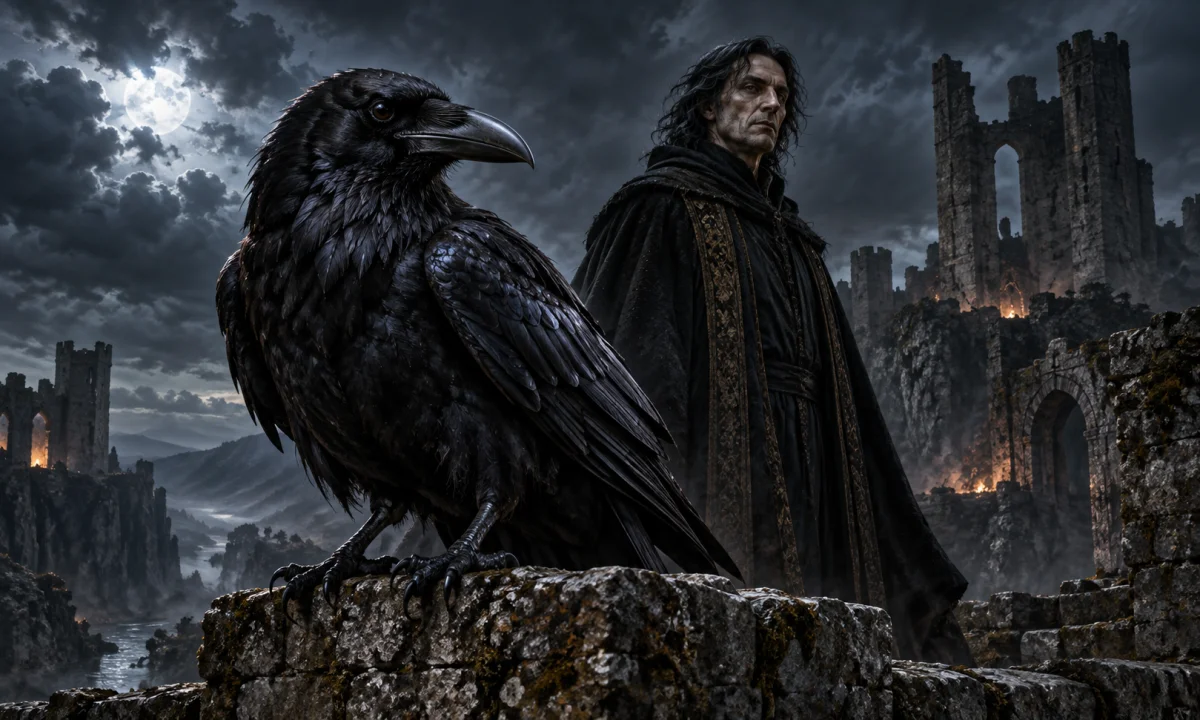
Malphas
Malphas is a demon of early modern European grimoire tradition, best known as the thirty-ninth spirit listed in the Ars Goetia, the first section of the Lesser Key of Solomon. He is described as a great president of Hell…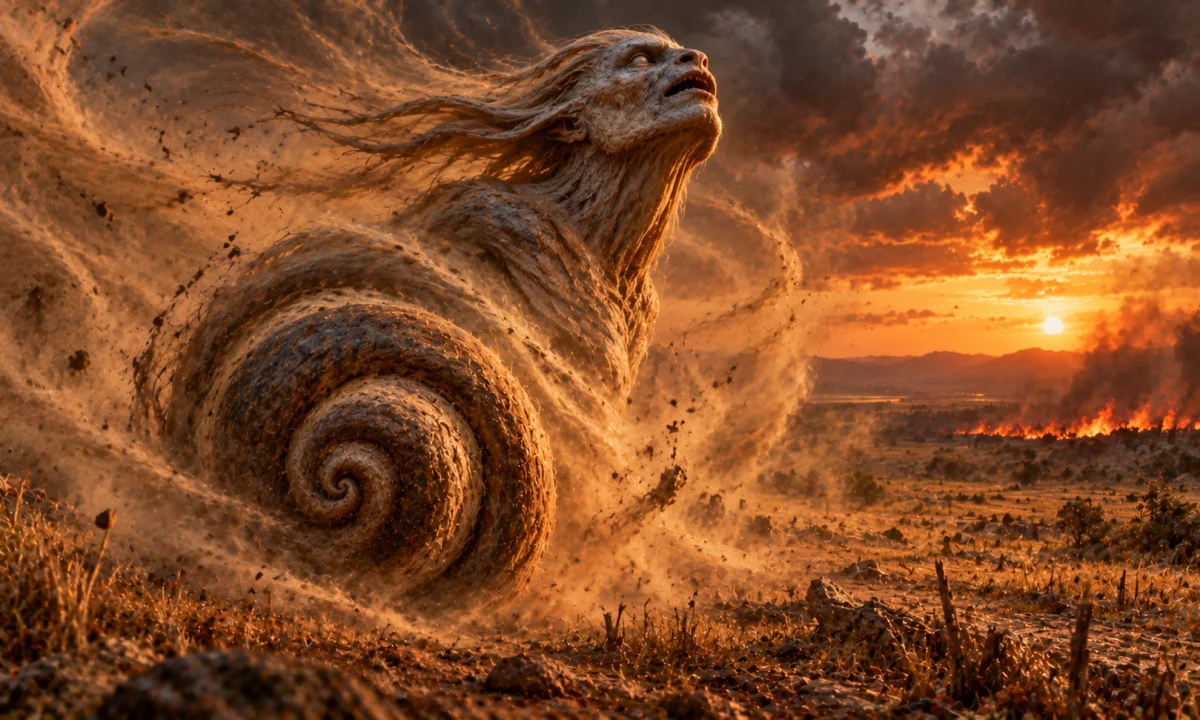
Lix Tetrax
Lix Tetrax is an obscure name in European demonological catalogues, usually described as a spirit or demon associated with the north-west wind. Unlike figures such as Satan, Asmodeus or Belial, Lix Tetrax has no substant…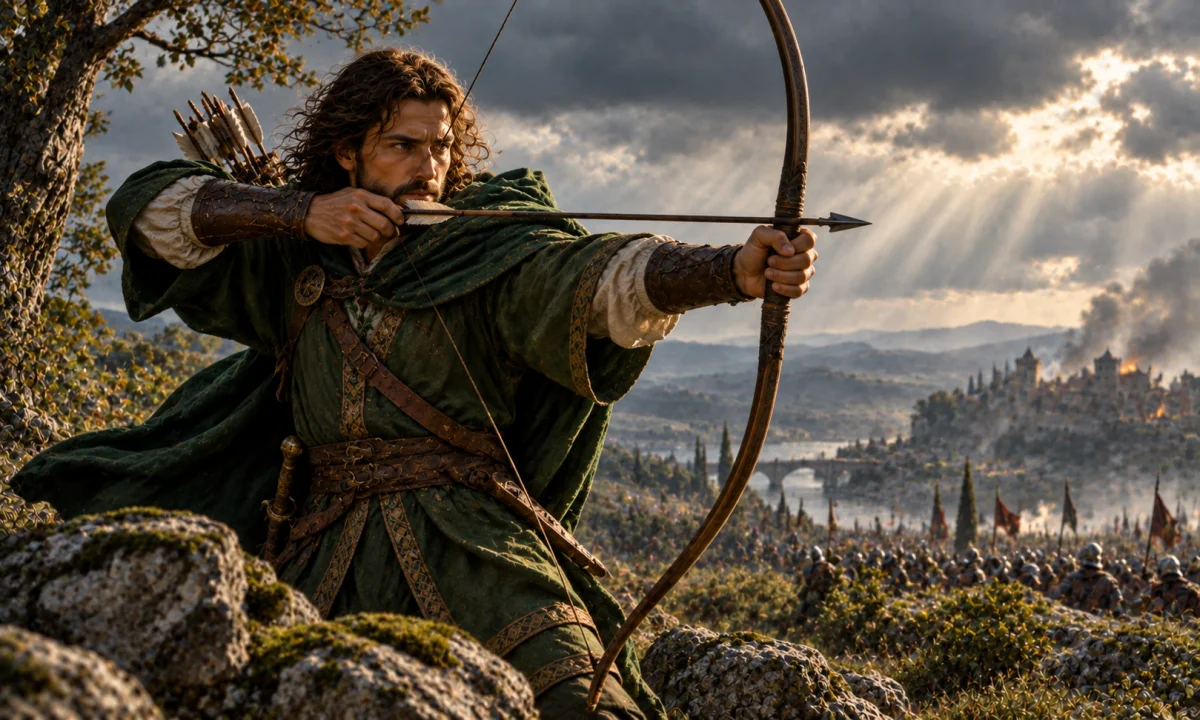
Leraje
Leraje is a demon listed in early modern European ceremonial magic, most famously in the Ars Goetia, the first section of the Lesser Key of Solomon. He is described as a powerful marquis who commands thirty legions of sp…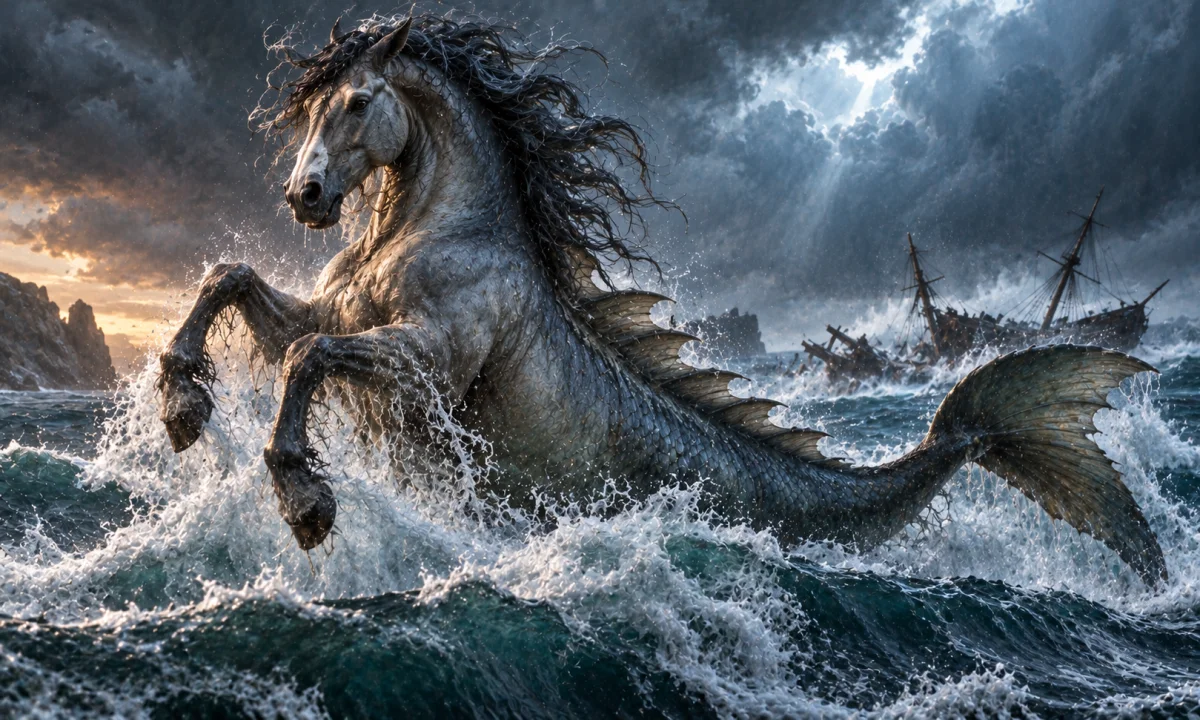
Kunopegos
Kunopegos is an obscure name associated with demonological catalogues and modern lists of supernatural beings. It is sometimes described as a canine or marine demon, but the evidence for a stable traditional identity is …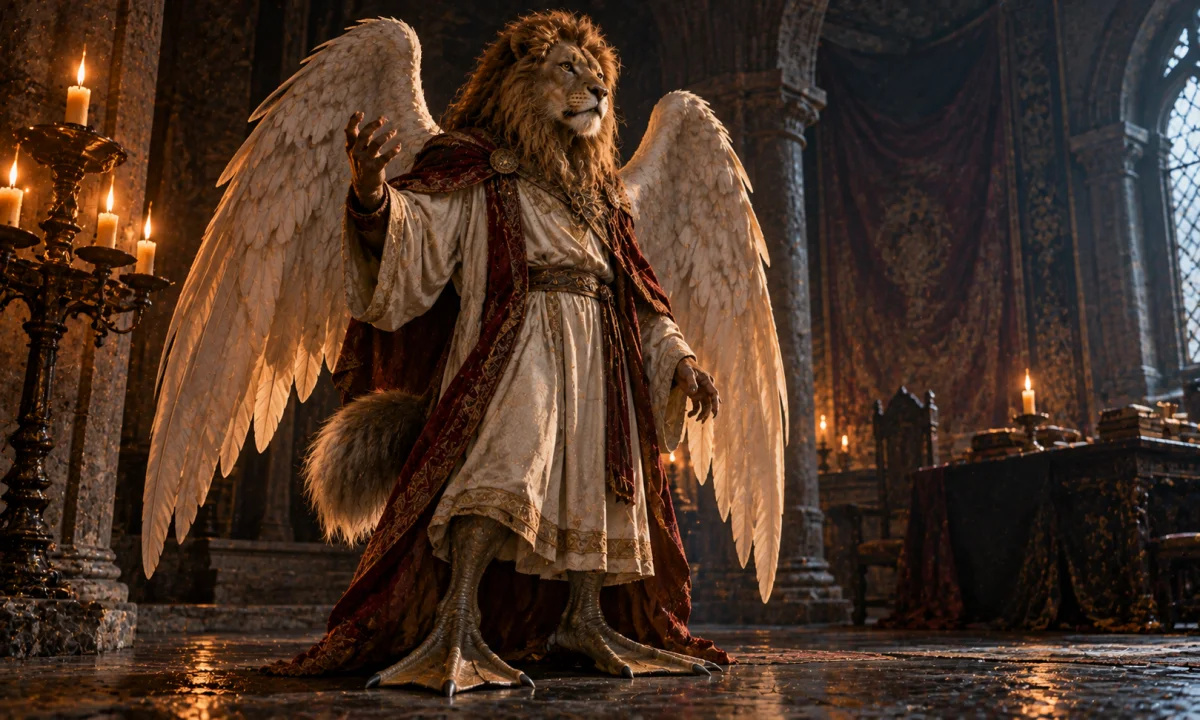
Ipos
Ipos is a demon of early modern European ceremonial magic, best known from the Ars Goetia, the first section of the grimoire commonly called the Lesser Key of Solomon. He is described as a powerful spirit who reveals kno…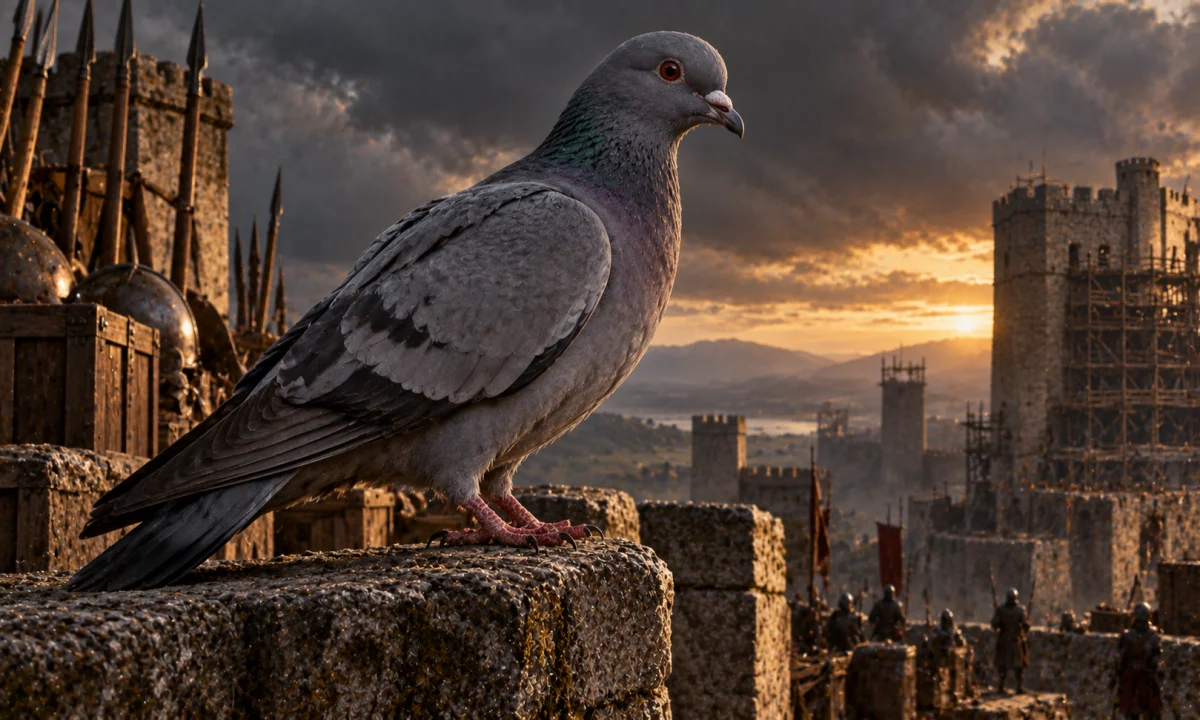
Halphas
Halphas is a demon of early modern European grimoire tradition, best known from the Ars Goetia, the first section of the Lesser Key of Solomon. He is described as a great earl who appears as a stock dove, speaks with a h…Demons: myths, traditions and legends
Demons are supernatural beings or hostile spiritual powers associated with danger, temptation, illness, disorder, possession or opposition to sacred authority. The category is not universal, and the English word demon has been applied to many culturally distinct beings that were not originally understood in the same way. Some religious traditions describe demons as rebellious spirits opposed to divine order, while others recognise dangerous beings whose actions are harmful but whose place in the cosmos is more ambiguous. Spirits of the dead, local guardians, deities of rival religions, monsters and morally troubled supernatural beings have all been labelled demons in different historical contexts, sometimes inaccurately.
Beliefs concerning demons belong to living religious traditions as well as mythology, folklore and historical theology. They appear in sacred texts, ritual practices, protective objects, healing traditions, sermons, legends and later occult literature. The meaning of a demon therefore depends upon the source and culture under discussion. A Christian fallen angel, a Mesopotamian disease spirit, an Islamic shaytan and a Buddhist tempter cannot be treated as members of one universal species simply because translations use similar language.
Terminology and cultural boundaries
The modern English word demon derives through Latin from the Greek daimōn. In ancient Greek usage, a daimōn could be a divine power, an intermediary spirit, a personal guiding force or an agent of fate. The word was not originally limited to evil beings.
As Christianity developed within the Greek-speaking world, Christian writers increasingly used terms related to daimōn for hostile spirits, false gods and powers opposed to God. This shift strongly influenced later European languages. The modern concept of a demon as an inherently evil supernatural being reflects this Christian history more than classical Greek religion.
Translators have also used demon for beings from many other traditions. This can be convenient, but it may impose Christian assumptions about rebellion, sin and absolute evil upon beings whose original roles were different. Accurate discussion requires preserving culturally specific names and explaining their own religious context.
Sources and historical evidence
Demons are known through sacred writings, ritual texts, magical objects, inscriptions, religious art, theological works, court records, folklore collections and oral traditions. Each source reflects particular purposes and limitations.
A protective amulet may name a harmful being without preserving a narrative about its origin. A theological text may classify spirits according to doctrine rather than popular belief. A witchcraft trial may record accusations shaped by fear, coercion or legal expectations rather than reliable descriptions of personal experience.
Later demonologists often combined material from scripture, folklore, classical literature and ceremonial magic into organised hierarchies. These systems may be historically influential, but they should not be projected backward as the original beliefs of ancient societies.
Dangerous spirits in ancient Mesopotamia
Ancient Mesopotamian cultures recognised many supernatural beings associated with illness, storms, wilderness, childbirth and the dead. Modern writers often call them demons, although their identities and moral positions varied.
Some beings were considered dangerous and required protection through incantations, rituals or amulets. Lamashtu, for example, was feared as a threat to pregnant women and infants. Protective rituals invoked Pazuzu against her, demonstrating that a frightening being could sometimes be used to repel another danger.
The term utukku could refer to different kinds of spirits, not all of them uniformly evil. Other categories were associated with restless dead, disease or particular forms of suffering. Mesopotamian ritual specialists diagnosed supernatural danger and performed ceremonies intended to restore health and order.
These traditions should not be treated as an early version of later Christian demonology. Their beings belonged to polytheistic religious systems in which divine and harmful powers interacted through complex hierarchies and ritual relationships.
Greek daimones and changing meanings
Ancient Greek daimones occupied an uncertain space between gods, fate and human life. Hesiod described a race of the golden age becoming protective spirits who watched over mortals. Philosophical writers could speak of a personal daimōn guiding an individual, while other sources used the term for divine influence more generally.
Some Greek supernatural beings were dangerous, but they were not necessarily called demons in the later Christian sense. Vengeful spirits, underworld powers, ghosts and beings associated with madness or disease possessed distinct identities.
Plato and later thinkers discussed daimones as intermediaries between gods and humans. Late antique philosophical traditions developed increasingly elaborate accounts of spiritual beings at different cosmic levels.
Christian authors rejected the worship of traditional gods and frequently interpreted pagan divine beings as deceptive demons. This theological reinterpretation transformed the meaning of the older term and influenced the later Western category.
Demons in ancient Jewish traditions
The Hebrew Bible includes dangerous spirits, wilderness beings and supernatural agents, but it does not present one complete system of demonology. Some spirits act only with divine permission, while others appear in poetic or ritual contexts that remain difficult to classify.
The figure called the satan in the Book of Job acts as an accuser within the heavenly court rather than as an independent ruler of evil. Other passages refer to destructive spirits, beings associated with desolate places and powers linked with foreign worship.
Jewish demonology developed further during the Second Temple period. Texts outside the Hebrew Bible describe rebellious heavenly beings, giant offspring and evil spirits in greater detail. One influential tradition connects harmful spirits with the dead offspring of the Watchers and human women.
Later rabbinic literature contains varied discussions of demons, night spirits and protective practices. These materials do not form one uniform doctrine, and Jewish communities differed in how literally or extensively they understood such beings.
Christian demons and fallen angels
Christian tradition generally understands demons as spiritual beings opposed to God and hostile to humanity. The New Testament presents demons as unclean spirits associated with possession, suffering and resistance to the ministry of Jesus.
The Gospels describe Jesus expelling demons and restoring those afflicted by them. These accounts express divine authority, compassion and the arrival of God’s kingdom. They belong to the religious world of early Christianity and should not be reduced solely to either medical case reports or fictional monster stories.
Later Christian theology increasingly identified demons with angels who had rebelled against God. The Bible does not provide one uninterrupted narrative of their original fall. The developed account draws together interpretations of several passages, combined with early Jewish traditions and later theological reasoning.
Satan became the leading adversarial figure, but Christian doctrine does not usually treat him as a second god equal to God. Demons are created beings whose power remains limited within divine sovereignty.
Possession and exorcism
Demonic possession refers to the belief that a hostile spirit can enter, control or severely disturb a person. Religious traditions distinguish possession from ordinary temptation, illness or moral wrongdoing in different ways.
Christian exorcism developed from New Testament accounts and later church practice. Formal rites use prayer, scripture and religious authority rather than treating exorcism as an independent magical technique.
Medical and psychological conditions have often been interpreted historically as possession, especially when symptoms included seizures, altered speech, unusual behaviour or distress. Modern religious institutions may attempt to distinguish suspected spiritual cases from conditions requiring medical or psychiatric care, although approaches vary.
Possession beliefs also exist outside Christianity, but they do not always concern evil beings. In some cultures, controlled spirit possession forms part of recognised ritual practice. Applying the word demonic to every possession tradition can seriously misrepresent it.
Islamic shayatin and jinn
Islam distinguishes between jinn and shayatin, although the categories can overlap in some contexts. Jinn are beings created from smokeless fire who possess moral agency. They can believe, disbelieve, help, harm or remain indifferent, and they are not automatically demons.
Shaytan is a term associated with rebellious, misleading or evil beings. Iblis refuses God’s command to bow before Adam and becomes humanity’s tempter. Islamic interpretations differ over whether Iblis is understood specifically as a jinn or discussed through language that connects him with angelic company.
Popular media often portray all jinn as demonic wish-granters or imprisoned monsters. Islamic tradition presents a much broader category shaped by scripture, theology, folklore and regional storytelling.
Practices intended to protect against harmful spiritual influence may involve recitation, prayer and reliance upon God. Islamic teachings generally distinguish these from forbidden forms of sorcery or attempts to control spirits.
Hindu, Buddhist and Jain contexts
English translations sometimes call various beings in South Asian religions demons, but this language can be misleading. Asuras, rakshasas, maras and other categories possess separate origins and functions.
In Hindu traditions, asura can refer to powerful beings who oppose the devas in many narratives. Their moral character and status vary across texts and periods. They are not straightforward equivalents of Christian fallen angels.
Rakshasas are often dangerous shape-changing beings, but individual figures differ greatly. Some are hostile, while others act honourably or support sacred order. The Ramayana’s Ravana is a powerful antagonist, ruler and devotee whose character cannot be reduced to a generic demon king.
In Buddhism, Māra represents temptation, death and the forces obstructing liberation. Māra may appear as a being, a psychological condition or a symbolic power depending on context. Buddhist cosmologies contain many nonhuman beings, but they should not all be classified through Western demonology.
Zoroastrian evil spirits
Zoroastrian traditions contain a strong moral opposition between the beneficent order associated with Ahura Mazda and destructive forces led by Angra Mainyu in many later formulations. Harmful spiritual beings known as daevas reject truth and support disorder.
The term daeva is linguistically related to words for gods in other Indo-Iranian traditions, but its moral meaning developed differently in Zoroastrianism. Similar names across related languages do not mean the beings remained identical.
Zoroastrian teachings concerning cosmic conflict influenced the religious environment of the ancient Near East, but claims of direct influence upon every Jewish, Christian or Islamic demonological idea must be supported carefully. Historical contact is clear in some periods, while the transmission of individual doctrines remains debated.
Spirits reclassified as demons
Religious conversion often changes how supernatural beings are understood. Gods, ancestors or local spirits honoured by one tradition may be described as demons by adherents of another.
Christian missionaries in Europe, Africa, Asia, the Americas and Oceania sometimes translated local sacred beings as devils or evil spirits. This could erase distinctions between creators, guardians, tricksters, ancestors and dangerous entities.
In medieval Europe, some pre-Christian beings survived in folklore as fairies, giants, wild spirits or demons. Direct continuity is difficult to establish because stories changed through Christian teaching, local memory and literary development.
Describing another community’s gods as demons has also served political and colonial purposes. It can delegitimise local religion and justify the destruction of shrines, rituals or cultural authority.
Medieval Christian demonology
Medieval theologians discussed demons in relation to sin, temptation, magic and divine permission. Augustine of Hippo argued that pagan gods and magical spirits were deceptive demons rather than true divinities.
Later scholars debated whether demons possessed bodies, how they influenced matter and whether they could produce illusions. Such discussions belonged to philosophy and theology as well as popular fear.
Demons became closely connected with accusations of harmful magic. Medieval and early modern writers increasingly described witches as entering agreements with the devil, attending assemblies and receiving demonic assistance.
These claims contributed to persecution, but they should not be treated as reliable descriptions of an organised underground religion. Confessions were often shaped by interrogation, coercion, legal theory and expectations imposed by authorities.
Grimoires and named demons
Late medieval and early modern magical texts contain rituals for invoking, commanding or dismissing spirits. Some classify named demons according to ranks, offices, seals and supposed powers.
These lists combine biblical names, folklore, corrupted foreign terms, literary invention and earlier magical traditions. Their elaborate hierarchies are not found as one system in the Bible or in early Christianity.
The idea that every demon possesses a fixed title, appearance and special ability owes much to grimoires and later occult literature. Different manuscripts frequently disagree over names, spellings, ranks and descriptions.
Religious authorities generally condemned attempts to command spirits, even when practitioners claimed to use divine names. Ceremonial magic and official exorcism should therefore not be treated as the same activity.
Succubi, incubi and sexual fear
Medieval and early modern traditions describe incubi and succubi as spirits believed to engage in sexual activity with sleeping humans. These stories drew upon older night-spirit traditions, Christian teachings about temptation and attempts to explain disturbing bodily experiences.
Accounts of nocturnal pressure, paralysis, sensed presence and fear may relate in some cases to the condition now called sleep paralysis. Historical communities interpreted such experiences through the religious concepts available to them.
Later demonologists developed theories concerning reproduction, bodily form and the transfer of material between male and female spirits. These speculations were theological constructions rather than observations confirmed through evidence.
Modern entertainment has transformed succubi and incubi into standard fantasy species, often removing the fear, sin and vulnerability central to earlier accounts.
Demons, disease and misfortune
Many societies have attributed illness, infertility, nightmares, sudden death or unexplained disaster to hostile spiritual beings. Such beliefs can provide a meaningful explanation when suffering appears otherwise arbitrary.
Protective responses have included prayers, charms, amulets, ritual cleansing, sacred names and appeals to saints or divine beings. Objects intended to repel demons reveal how theology operated within everyday life.
Spiritual interpretations of illness have sometimes existed alongside practical medicine rather than replacing it completely. Ancient and medieval healers could use herbs, surgery, prayer and ritual within the same cultural system.
Modern discussion must avoid treating people with mental illness as dangerous or demonically influenced. Historical beliefs are important to understand, but they should not be used to deny appropriate medical care.
Appearance and symbolic imagery
Sacred texts rarely provide one standard physical appearance for demons. They may be invisible spirits, deceptive human figures, animals, hybrids or terrifying beings shaped by visionary language.
The familiar Western image of a horned, red-skinned demon with wings, claws and a tail developed through the combination of biblical imagery, classical satyrs, medieval art, theatrical convention and later popular culture.
Artists often portrayed demons as distorted mixtures of human and animal parts to express moral disorder and the inversion of divine creation. These images communicate theology and fear rather than documenting a consistent supernatural anatomy.
In other cultures, beings translated as demons may appear beautiful, ordinary or socially respectable. Dangerous power is not always signalled by ugliness.
Demons and moral responsibility
Demon narratives frequently address the relationship between external temptation and human choice. A hostile spirit may encourage wrongdoing, but many religious traditions still hold individuals responsible for their decisions.
Blaming demons for every harmful act can remove attention from human motives, social conditions and abuse of power. Theological traditions have often distinguished demonic temptation from deliberate consent.
Stories of spiritual conflict can also represent internal struggles involving desire, pride, despair or addiction. Such symbolic readings are historically important, but they should not be imposed upon every traditional account as though believers never understood demons as real beings.
Folklore and local demon traditions
Regional folklore contains many beings called demons by collectors or later writers. Some guard ruins, disturb households, attack travellers or appear at particular times of year.
Christian folklore may identify unusual animals, nocturnal visitors or threatening strangers with the devil. The devil of folktales is sometimes frightening but can also be foolish, tricked by farmers, saints or clever ordinary people.
These comic figures differ from the powerful theological adversary described in sermons and doctrine. Folklore adapts supernatural danger to local humour, social criticism and familiar landscapes.
Names may also shift between demon, ghost, fairy, witch and monster depending on translation. Local terminology is often more precise than broad English categories.
Modern occultism and religious revival
Modern occult movements have reinterpreted demons through ceremonial magic, psychology and esoteric symbolism. Some practitioners treat named demons as independent beings, while others understand them as aspects of the mind or symbolic forces.
Modern demonolatry and related practices differ from historic Christian demonology and from ancient religions whose gods were later demonised. They are contemporary religious or esoteric developments with their own interpretations.
Claims that a medieval demon was originally a specific pagan god require evidence. Some names may preserve traces of older deities, but many proposed identifications depend upon superficial similarity or later speculation.
Horror, fantasy and popular misconceptions
Novels, films, television and games have turned demons into a flexible category of supernatural antagonists. They may be invaders from another dimension, fallen angels, monsters from hell or creatures summoned through forbidden rituals.
Popular possession stories often combine Catholic imagery, occult legends and cinematic invention. Details such as universal reactions to particular objects or a single standard exorcism procedure do not represent every Christian tradition.
Another common misconception treats every feared supernatural being as a demon. Ghosts, jinn, fairies, ancestral spirits, underworld gods and monsters belong to distinct cultural systems even when they can behave dangerously.
Demons remain powerful figures because they give form to temptation, suffering, social disorder and fears of invisible influence. Their meanings range from theological opponents of divine authority to local spirits of illness or danger, and understanding them requires careful attention to the traditions that named, feared, resisted or reinterpreted them.