 WORLD
WORLD
Europe
Explore myths, traditions and legendary beings grouped under Europe.
Last articles
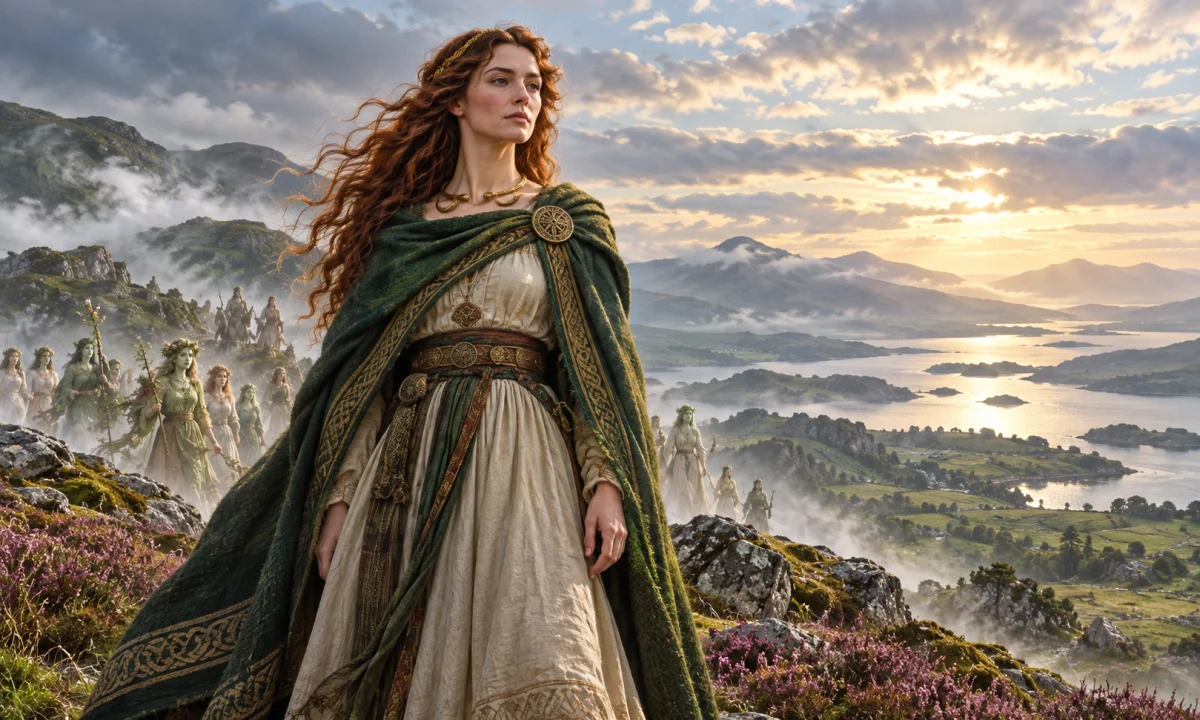
Fódla
Fódla is a figure of Irish mythology associated with the land of Ireland and with the sovereignty of the country. In medieval Irish tradition, she is one of the three sisters who represent or personify Ireland, alongside…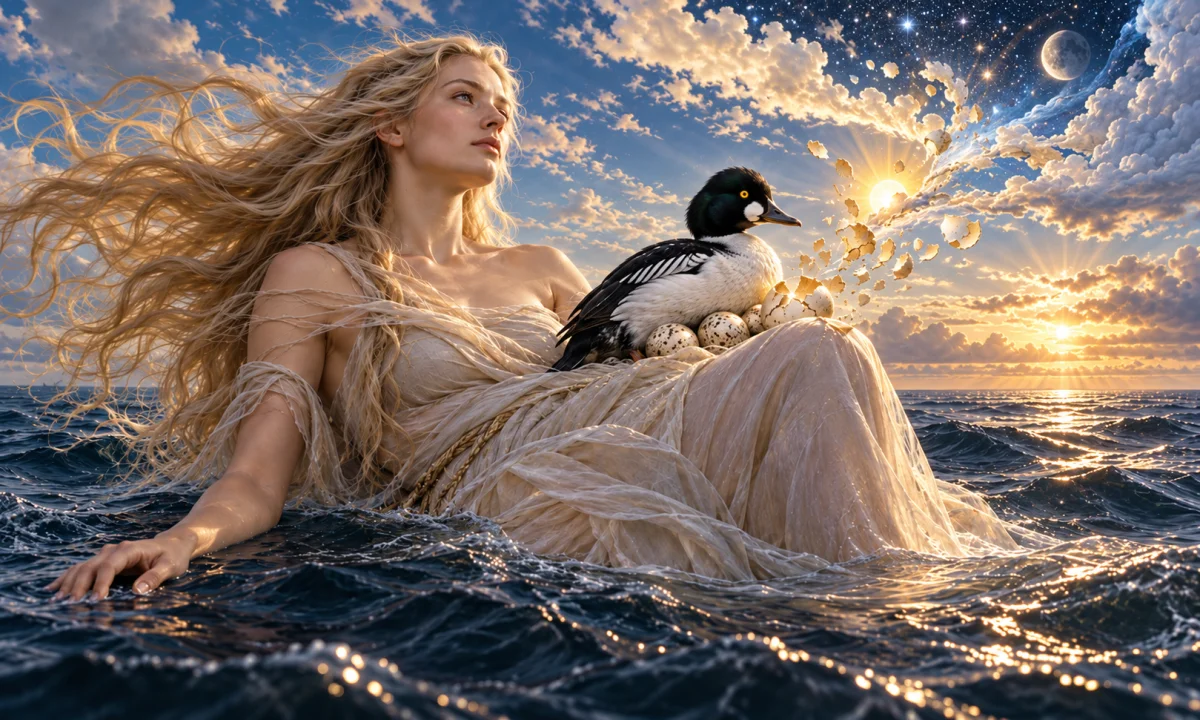
Ilmatar
Ilmatar is a female figure in Finnish mythology best known from the Kalevala, the national epic compiled by Elias Lönnrot in the nineteenth century. She is described as a maiden of the air and as the mother of Väinämöine…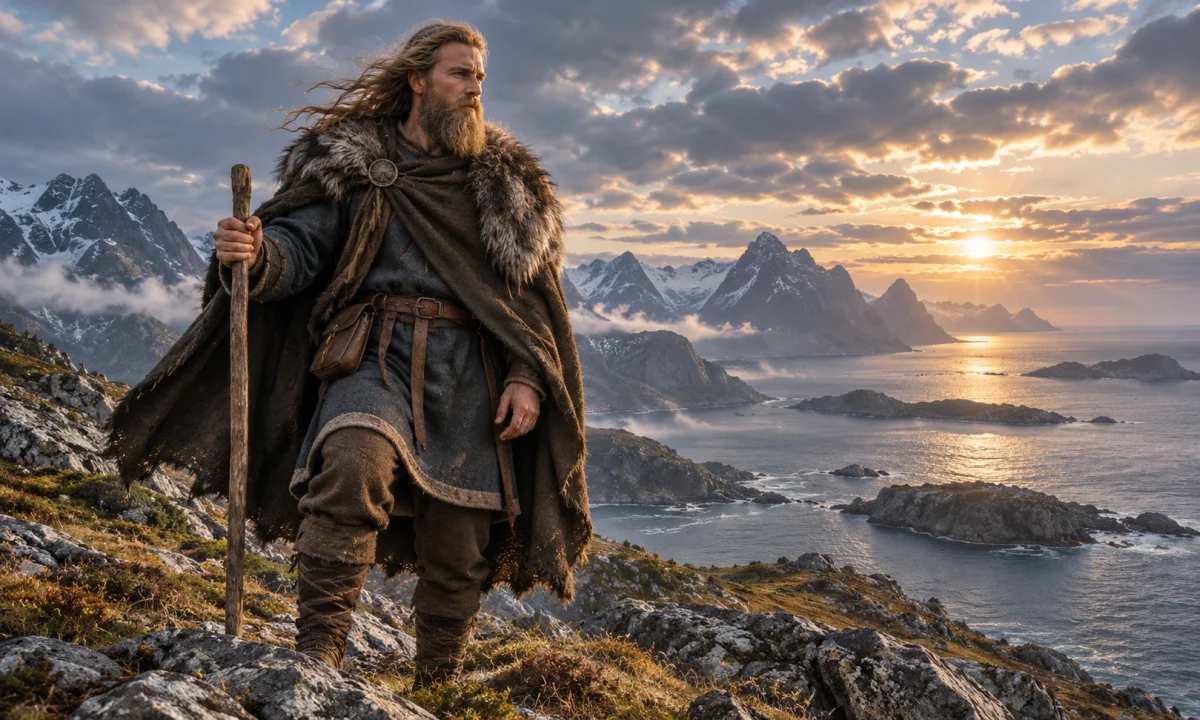
Ód
Ód, more fully written in Old Norse as Óðr, is a little-known figure associated with Freyja in Norse mythology. He is described primarily as her husband and as the father of Hnoss and Gersemi. Unlike Odin, Thor or Freyja…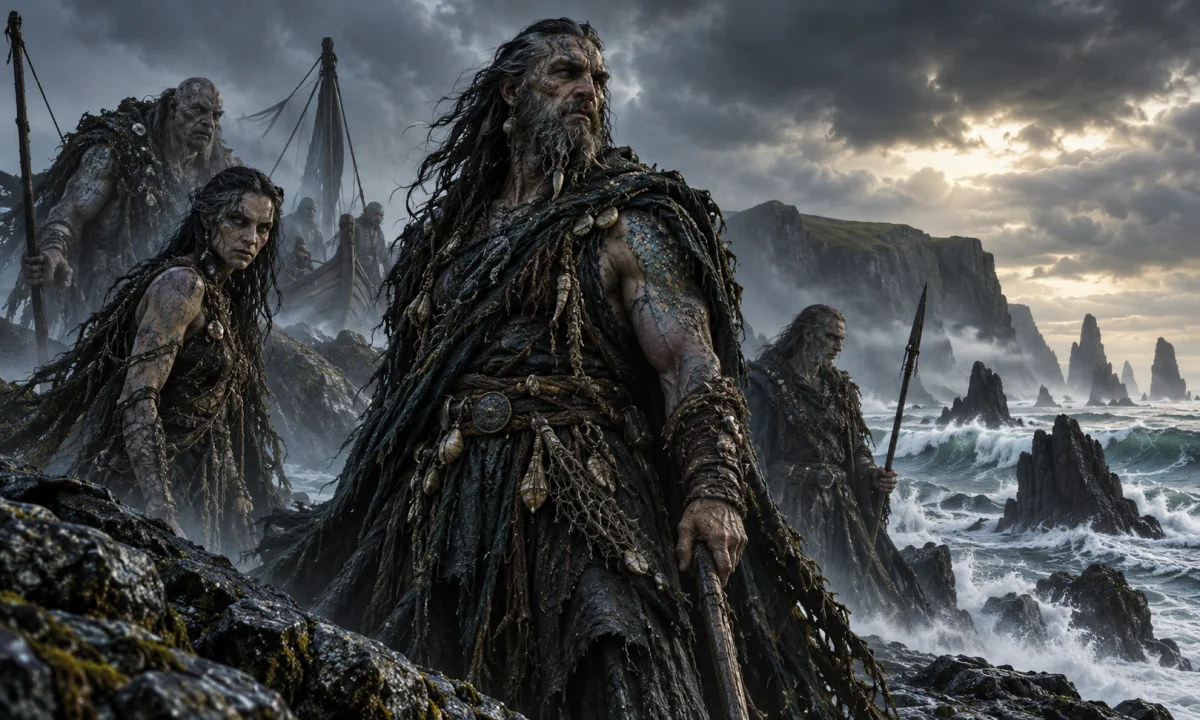
Fomorians
The Fomorians are a powerful and often hostile group of supernatural beings in Irish mythology. In Irish tradition they appear as ancient inhabitants, rulers, raiders and enemies of other peoples who claim Ireland, espec…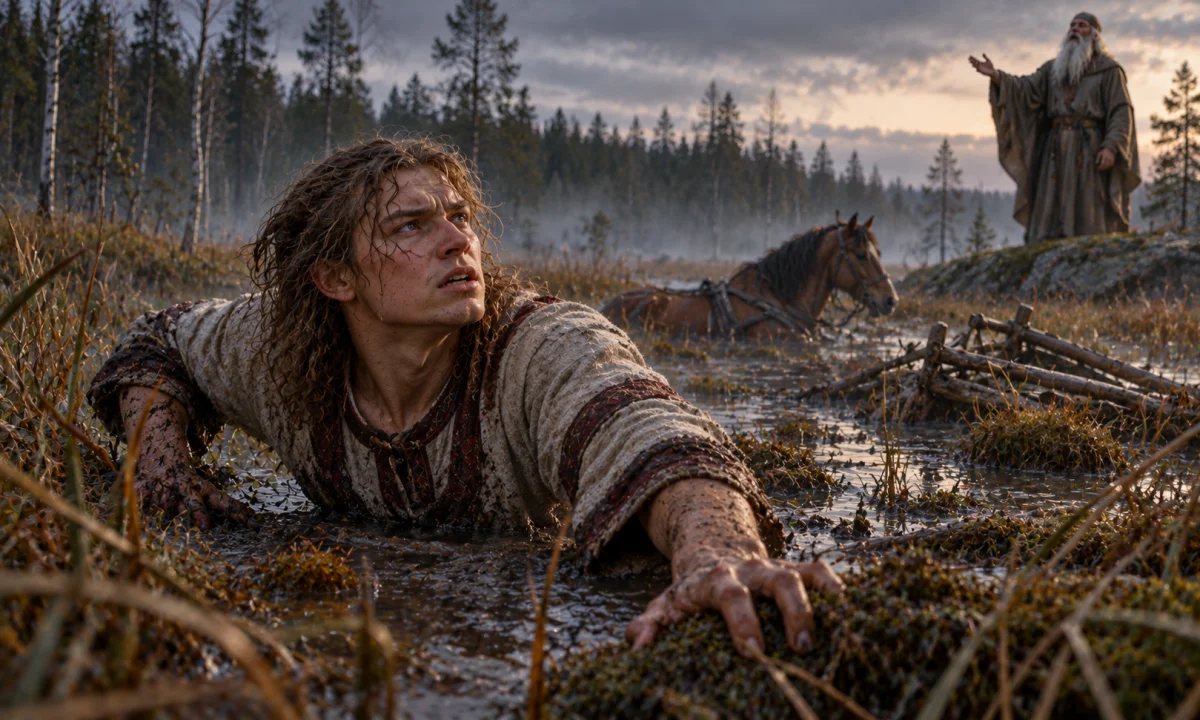
Joukahainen
Joukahainen is a young human figure in Finnish mythic poetry, best known from the Kalevala, Finland’s national epic. He is a proud and inexperienced singer who challenges the older sage Väinämöinen to a contest of knowle…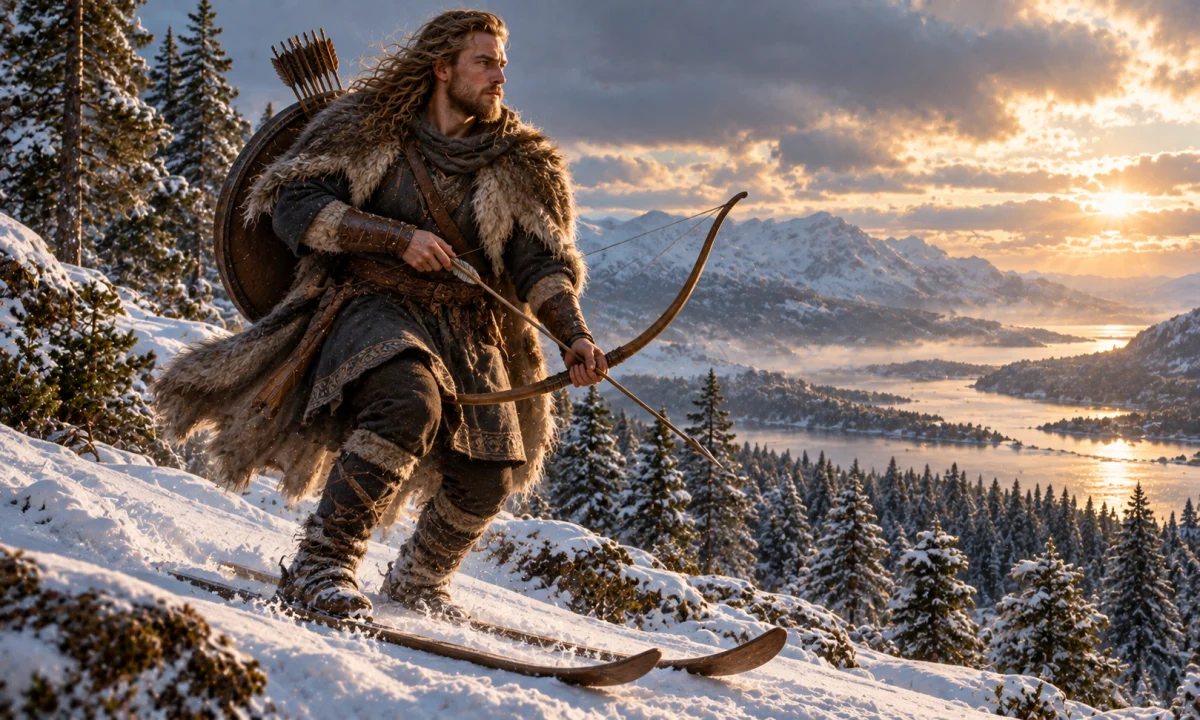
Ull
Ullr is a comparatively obscure god of Norse mythology, associated in surviving sources with archery, shields, skiing and possibly hunting. He belongs to the religious world of pre-Christian Scandinavia, but the myths pr…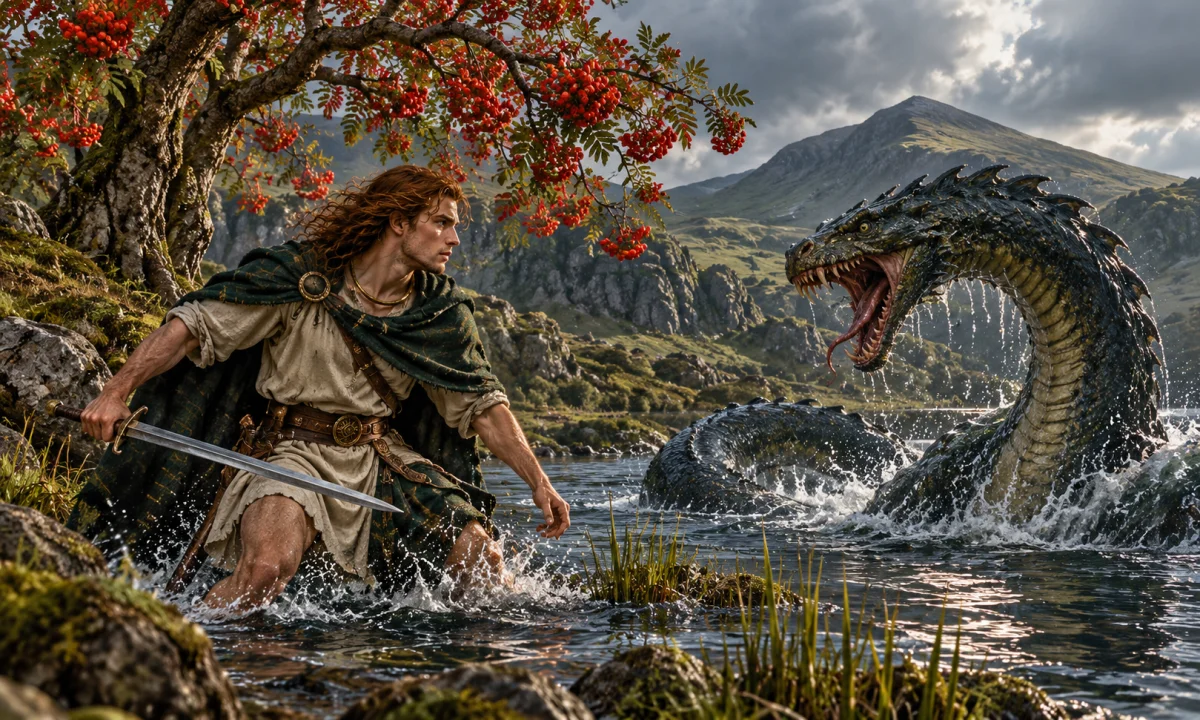
Fraoch
Fraoch, also written Fróech or Froech, is a heroic figure of medieval Irish literature associated especially with the tale Táin Bó Fraích, usually translated as The Cattle Raid of Fraoch. He belongs to the heroic world o…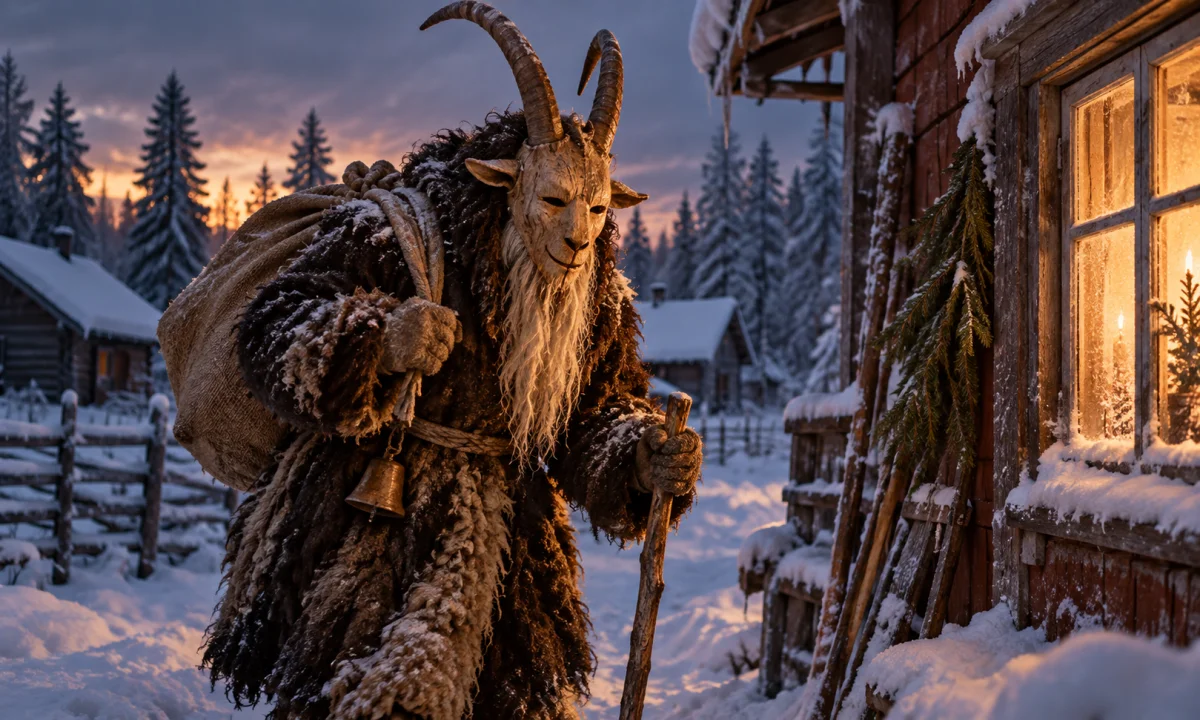
Joulupukki
Joulupukki is the Finnish Christmas gift-bringer, but his name and older imagery do not originally describe the same figure as the modern international Santa Claus. In Finnish, joulupukki literally means “Christmas goat”…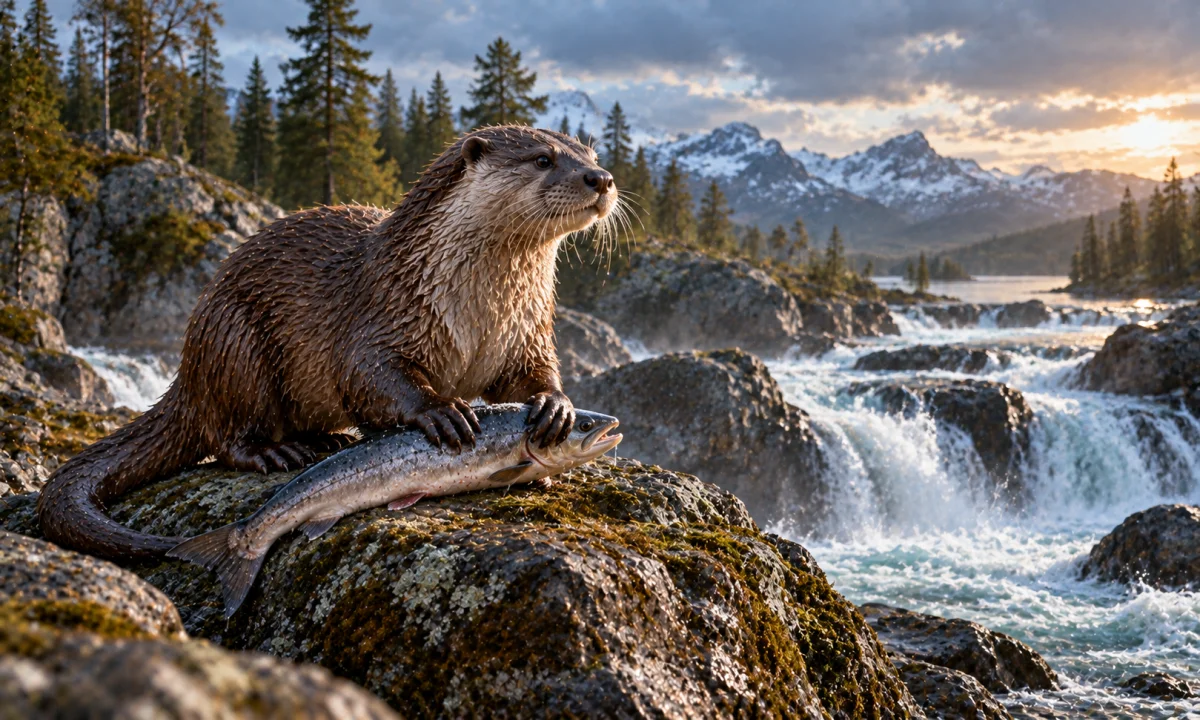
Otr
Otr, or Ótr in Old Norse, is a shapeshifting figure in the Völsung tradition of Norse mythology. He is the son of Hreidmar and the brother of Fafnir and Regin. By day, Otr takes the form of an otter and catches fish; by …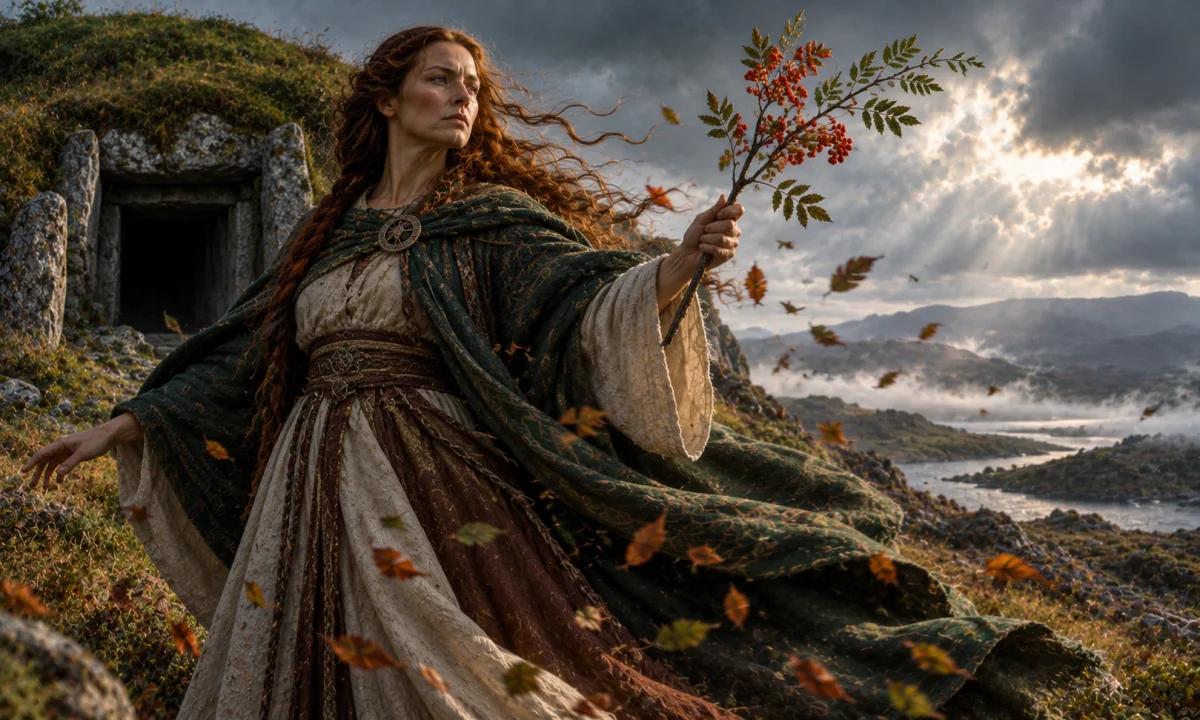
Fúamnach
Fúamnach is a woman of the supernatural world in Irish mythology, best known as the first wife of Midir, a powerful Otherworld figure associated with Brí Léith. She appears chiefly in the medieval Irish tale Tochmarc Éta…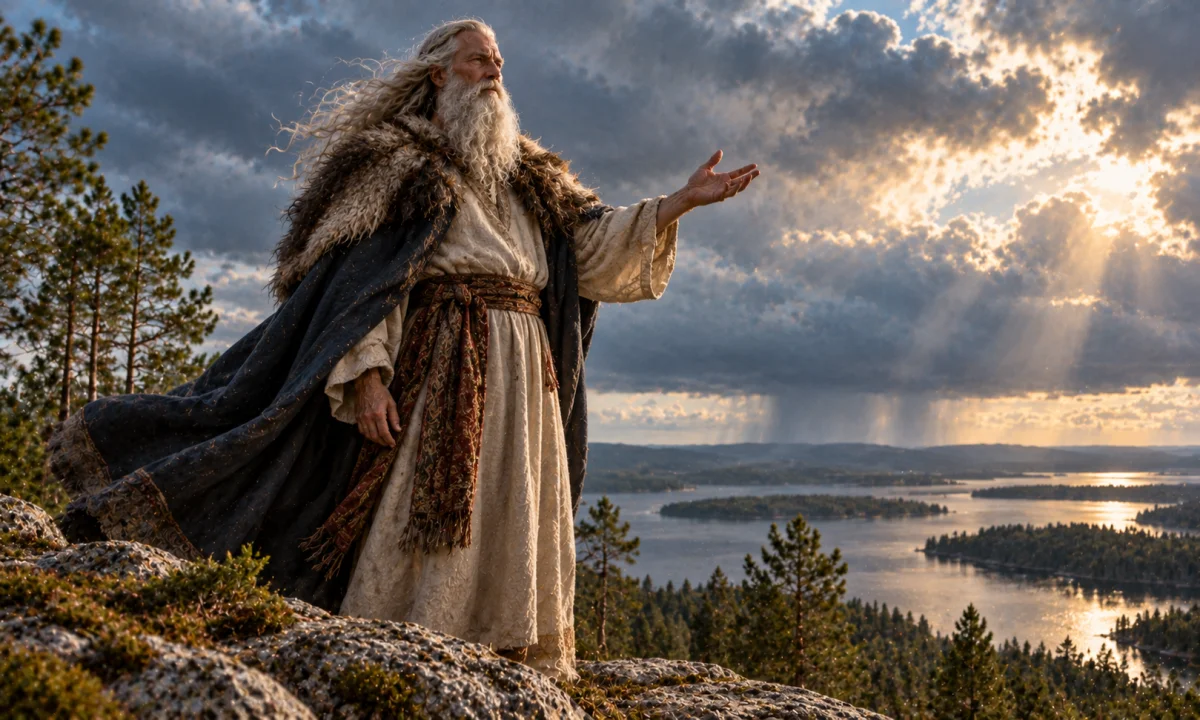
Jumala
Jumala is a Finnish word with two closely connected but historically distinct uses. In traditional Finnish religion, jumala could mean a god, deity, or supernatural power, while Jumala later became the Finnish name for t…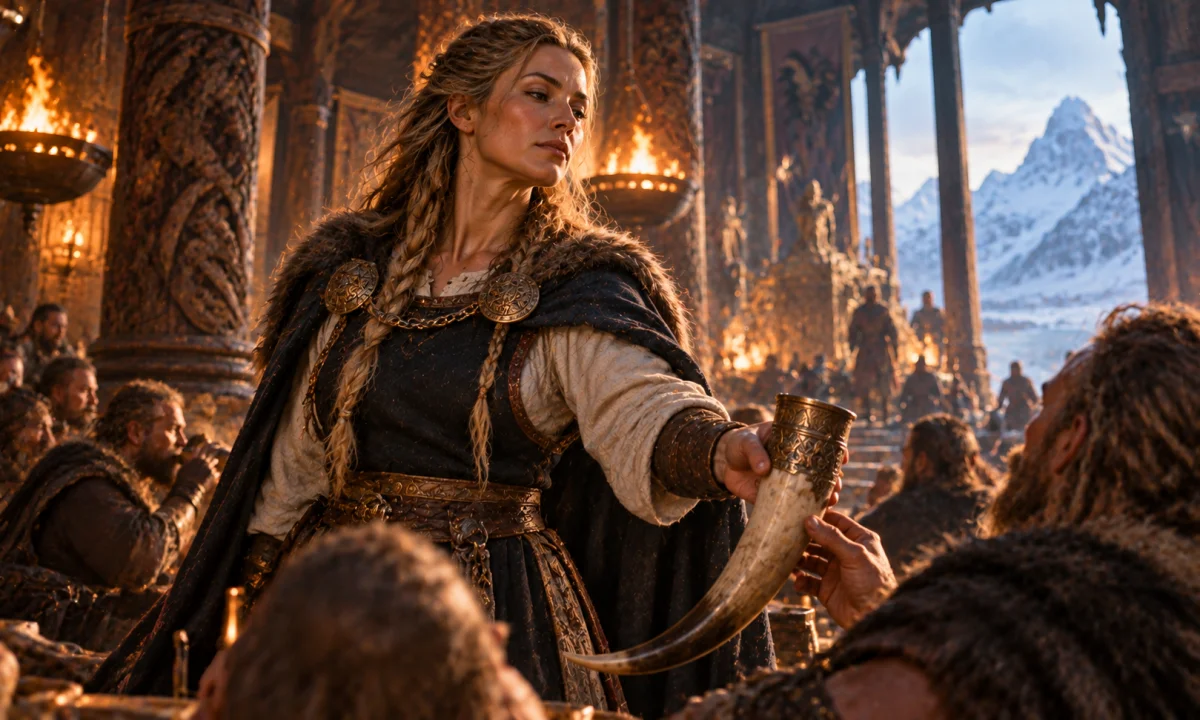
Radgridr
Radgridr, usually written Ráðgríðr in Old Norse, is a named valkyrie in the surviving literature of Norse mythology. She is one of the female figures associated with choosing or serving the fallen warriors who are taken …Mythology and folklore of Europe
European mythology encompasses a wide range of religious traditions, heroic narratives, local legends, supernatural beings and ritual beliefs that developed across the continent over many centuries. It does not represent a single mythology or a unified system of belief. Instead, it includes numerous traditions shaped by different languages, communities, landscapes, political structures and historical periods. Some are preserved through ancient literature and inscriptions, while others survive mainly in medieval manuscripts, folklore collections, oral traditions, seasonal customs and later retellings.
The category includes mythological and folkloric traditions associated with northern, western, central and eastern Europe, together with cultural regions whose historical boundaries do not correspond neatly to modern states. Norse, Celtic, Germanic, Slavic, Baltic, Finnish, Sámi, Greek, Roman and other traditions developed in distinct settings, although contact through migration, trade, conquest and religious conversion created many opportunities for exchange. Similar themes may therefore reflect direct influence, shared linguistic or cultural inheritance, later adaptation or independent responses to comparable human concerns.
Scope and cultural boundaries
The modern concept of Europe is geographical and political, but ancient and medieval communities did not necessarily understand themselves within the same continental framework. Their identities were more often connected to a tribe, city, kingdom, language, religious community or local landscape. As a result, European mythology is best understood as an organisational category that brings together related fields of study without suggesting that all European peoples shared the same gods, stories or supernatural worldview.
Modern national borders can also be misleading when applied to older traditions. Celtic-speaking peoples lived across large parts of western and central Europe. Germanic languages and cultures extended across regions now divided among several countries. Slavic traditions developed across eastern, central and southeastern Europe, with considerable local variation. Baltic, Finnic and Sámi traditions likewise crossed later political boundaries. Mythological figures recorded in one modern country may therefore belong to a much broader historical or linguistic setting.
Europe’s religious history also complicates simple classifications. Pre-Christian traditions interacted with Christianity, Judaism, Islam and local forms of religious practice. Older deities and spirits were sometimes rejected, reinterpreted, absorbed into legends or recast as demons, fairies, giants, saints’ opponents or inhabitants of an enchanted past. This process differed greatly from place to place and should not be reduced to the idea that one religious system simply replaced another without continuity or negotiation.
Ancient traditions and surviving evidence
The amount and quality of surviving evidence vary sharply between European traditions. Greek and Roman mythology are preserved through a large body of poetry, drama, philosophy, historical writing, inscriptions, ritual material, visual art and archaeological remains. Even so, the surviving texts do not present a single consistent theology. Myths differ between authors, cities, religious cults and historical periods, and literary narratives do not always reflect ordinary religious practice.
Other traditions are known through more fragmentary or later sources. Norse mythology is preserved especially in medieval Icelandic texts, including poetry and prose written after the formal conversion of Scandinavia to Christianity. These works contain invaluable material, but they were recorded within literate Christian societies and cannot be treated as transparent transcripts of pre-Christian belief. Individual poems and traditions may be older, while the surviving forms reflect later preservation, arrangement and interpretation.
Knowledge of continental Germanic religion comes from archaeology, inscriptions, Roman descriptions, place names, medieval texts and comparative linguistic evidence. Each type of source has limitations. Roman authors interpreted foreign gods through their own categories, while later Christian writers often described earlier beliefs from a hostile or moralising perspective. Archaeological evidence can reveal ritual activity, sacred sites and symbolic objects, but it rarely explains their precise meanings without supporting texts.
Celtic traditions present a similarly complex picture. Classical authors described some customs among Celtic-speaking peoples, while inscriptions and religious imagery preserve the names and attributes of numerous local deities. Medieval Irish and Welsh literature contains extensive mythological and heroic material, but these texts were written in Christian contexts centuries after the societies they sometimes portray. They preserve important traditions while also reflecting literary development, political interests and religious reinterpretation.
Slavic, Baltic, Finnic and Sámi traditions are reconstructed from combinations of chronicles, place names, language, archaeology, oral poetry, ritual customs, ethnographic records and folklore collections. In some cases, descriptions were written by outsiders or recorded after long periods of Christian influence. Later collectors could also reshape material according to romantic, nationalist or scholarly expectations. These sources remain essential, but uncertainty must be acknowledged when reconstructing older systems of belief.
Gods, sacred powers and cosmological order
European mythologies include gods and goddesses associated with sovereignty, warfare, fertility, law, storms, the sea, agriculture, healing, craft, poetry, death and the maintenance of cosmic or social order. Their identities cannot be reduced to simple functions. A deity connected with war might also be associated with prophecy, rulership or protection, while a fertility figure might have links to death, seasonal renewal or political authority.
Divine roles often varied by location and historical period. A god prominent in one city, tribe or kingdom might be minor or unknown elsewhere. Local titles, variant names and regional cults could represent different aspects of a deity, separate figures later identified with one another or religious traditions that changed over time. Greek and Roman writers frequently equated foreign gods with their own, but such identifications do not mean the original figures were identical.
Cosmological ideas also differ considerably. Some traditions describe ordered worlds inhabited by gods, humans, ancestors, giants, spirits or the dead. Others are preserved mainly through ritual practices and fragments rather than complete creation narratives. Sacred trees, mountains, springs, rivers, groves, stones and islands appear across many regions, but their meanings are culturally specific. A sacred landscape in one tradition should not automatically be interpreted through the symbolism of another.
Ideas about fate, divine law and the structure of time are especially important in several European traditions. In Greek mythology, destiny may operate alongside or beyond the will of individual gods. Norse narratives frequently emphasise the limits of divine power and the inevitability of destruction, while also valuing courage in the face of fate. Other traditions preserve concepts of inherited obligation, sacred kingship, seasonal renewal or relationships between the living and the ancestral dead.
Heroes, rulers and legendary ancestors
Heroic narratives form a major part of European mythological literature. Heroes may fight monsters, establish dynasties, travel to otherworldly realms, defend communities or suffer because of pride, broken obligations or conflicts between personal loyalty and social duty. Some are presented as descendants of gods, while others are legendary rulers, warriors, poets, hunters or culture-bringers whose stories developed over generations.
Greek heroes such as Heracles, Perseus and Theseus belong to traditions shaped by local cults as well as literature. Roman narratives connected figures such as Aeneas and Romulus to ideas of ancestry, political legitimacy and imperial destiny. Irish heroic cycles preserve stories of warriors and rulers whose identities combine myth, legend and literary creation. Germanic and Norse heroic traditions include figures whose stories appear in multiple languages and versions, sometimes with substantial differences in setting, genealogy and moral emphasis.
Heroic narratives often blur the boundary between myth and history. A story may preserve memories of political conflict, migration or social change while transforming them through supernatural motifs and poetic conventions. Medieval chroniclers sometimes placed legendary ancestors within historical timelines, not because the stories were factual in a modern sense, but because genealogy and sacred history were important ways of explaining authority and collective identity.
Spirits, creatures and the supernatural landscape
European folklore contains an extensive variety of spirits, monsters and legendary beings. These include household spirits, water beings, forest guardians, revenants, shapeshifters, giants, dragons, fairies, witches, demons and creatures associated with particular places or dangers. Their roles range from protective and helpful to unpredictable, threatening or morally ambiguous.
Many beings are closely tied to landscape and domestic life. Springs, lakes, caves, mountains, forests, ruins and boundary places could be imagined as inhabited by supernatural powers. Household spirits might protect a family or punish disorder. Water beings could offer wealth, knowledge or danger. The behaviour expected toward these entities often reflects broader values concerning hospitality, cleanliness, respect for nature, proper ritual conduct or the dangers of entering unfamiliar spaces.
Terms such as fairy, elf, giant and spirit can conceal major cultural differences. English translations may group together beings that had distinct names, origins and functions in their own traditions. A figure described as a demon in a Christian source may previously have been understood differently, while later folklore may combine older supernatural ideas with theological concepts, literary invention and local storytelling.
Monsters also change over time. Dragons in medieval European literature may represent chaos, greed, pagan opposition, territorial danger or a test of heroic legitimacy. Vampiric and revenant traditions developed in different forms across eastern, central and southeastern Europe before being transformed by modern fiction. Werewolf traditions likewise include varied ideas involving curses, sorcery, ecstatic transformation, punishment, illness and fear of social outsiders.
Oral tradition, folklore and regional variation
Not all European mythological material belongs to ancient religion. Folklore continued to develop through medieval, early modern and modern communities, often combining older motifs with Christian belief, local history and everyday social concerns. Tales of haunted places, hidden treasure, saintly miracles, witches, fairies and restless dead could coexist within the same cultural environment.
Oral traditions are not static survivals from a remote past. Storytellers adapt narratives to new audiences, locations and social circumstances. A legend may acquire new characters, moral lessons or historical settings while retaining an older supernatural pattern. Folklore collections therefore preserve particular recorded versions rather than definitive original forms.
Regional variation is fundamental. The same named being may have different characteristics in neighbouring areas, while similar roles may be assigned to figures with unrelated names. Beliefs may differ between rural and urban communities, social classes, occupations and religious groups. Fishermen, miners, farmers, soldiers and travellers often developed traditions connected to the risks and customs of their own lives.
Seasonal festivals, household rituals and agricultural customs also preserved mythological associations, although their origins are not always clear. Modern claims that every custom is a direct survival of pre-Christian religion are often too confident. Some practices may contain older elements, while others developed within Christian societies or were substantially reinvented in recent centuries.
Conversion, reinterpretation and cultural continuity
The spread of Christianity transformed European religious and mythological traditions, but the process was gradual and uneven. Missionaries, rulers and church authorities opposed many earlier practices, yet local customs often continued in altered forms. Sacred places could be rededicated, seasonal observances given Christian meanings and supernatural beings reclassified within new religious frameworks.
Saints’ legends sometimes adopted narrative patterns familiar from heroic or local traditions, including monster-slaying, miraculous journeys and the control of dangerous landscapes. This does not mean that every saint replaced a pagan deity, but it shows how communities could reinterpret sacred stories through changing religious institutions.
Jewish and Islamic communities also contributed to Europe’s religious and legendary heritage. Their traditions interacted with local languages, political structures and neighbouring cultures while maintaining their own textual and ritual frameworks. Medieval European literature and folklore sometimes represented these communities through prejudice or fantasy, making it important to distinguish authentic religious traditions from hostile external inventions.
Early modern interest in magic, witchcraft, alchemy and demonology created further layers of reinterpretation. Learned writers combined classical texts, Christian theology, local folklore and speculative systems. Later occult movements often presented reconstructed or invented traditions as ancient wisdom. Such material belongs to the history of reception, but it should not automatically be treated as reliable evidence for ancient European religion.
Nationalism, scholarship and reconstruction
From the eighteenth century onward, scholars, poets and political movements collected and reinterpreted European folklore as evidence of national or ethnic identity. This work preserved important songs, tales and customs, but it could also standardise diverse traditions or reshape them to support modern cultural narratives.
Romantic writers often idealised the ancient past as spiritually authentic, heroic or closely connected to nature. National epics were compiled, edited or reconstructed from oral and literary materials. Some projects were careful scholarly efforts, while others included substantial creative invention. The distinction between recorded tradition and modern composition is therefore essential.
Modern religious revivals and reconstructionist movements draw inspiration from pre-Christian European traditions. Their practices vary from historically focused reconstruction to contemporary spirituality and personal interpretation. These movements are modern religious developments, even when they make serious use of historical evidence. They should not be described as unchanged continuations of ancient practice unless there is clear evidence of continuity.
Recurring themes and meaningful differences
Across European traditions, recurring themes include conflict between order and chaos, relationships between humans and the natural world, the dangers of broken hospitality, journeys to the realm of the dead, seasonal change, divine ancestry, heroic reputation and the consequences of violating sacred obligations. These patterns can support comparison, but they do not erase cultural differences.
A storm god in one tradition is not necessarily equivalent to every other thunder-associated deity. Underworld journeys may express different ideas about death, initiation, kingship or poetic knowledge. Sacred kingship, dragon-slaying and world-tree symbolism likewise vary in meaning according to their religious, literary and political contexts.
Comparative study is most useful when it considers language, chronology, contact and evidence rather than relying on surface resemblance. Some connections between Indo-European-speaking traditions may reflect shared linguistic and mythological inheritance. Others may result from trade, conquest, literary transmission or later scholarly comparison. Many apparent parallels remain uncertain.
Later literature and popular culture
European mythologies have had a major influence on literature, art, music, theatre and modern entertainment. Greek and Roman figures became central to European education and artistic symbolism. Norse mythology influenced medieval literature and later Romantic art before becoming widely adapted in fantasy fiction, comics, film and games. Celtic traditions have often been reimagined through medieval romance, nationalism and modern fantasy.
These adaptations frequently simplify or combine material from different sources. Modern versions may give minor figures prominent roles, standardise uncertain relationships or present literary invention as ancient tradition. Popular culture is an important part of a myth’s continuing reception, but it should be clearly separated from the historical evidence.
European mythology remains significant because it preserves many different ways of understanding power, mortality, landscape, community and the supernatural. Its traditions are neither uniform nor isolated. They are the products of cultural diversity, historical contact, religious transformation and continual reinterpretation across ancient, medieval and modern societies.