 WORLD
WORLD
Angels
Articles about Angels within Religious Traditions.
Last articles
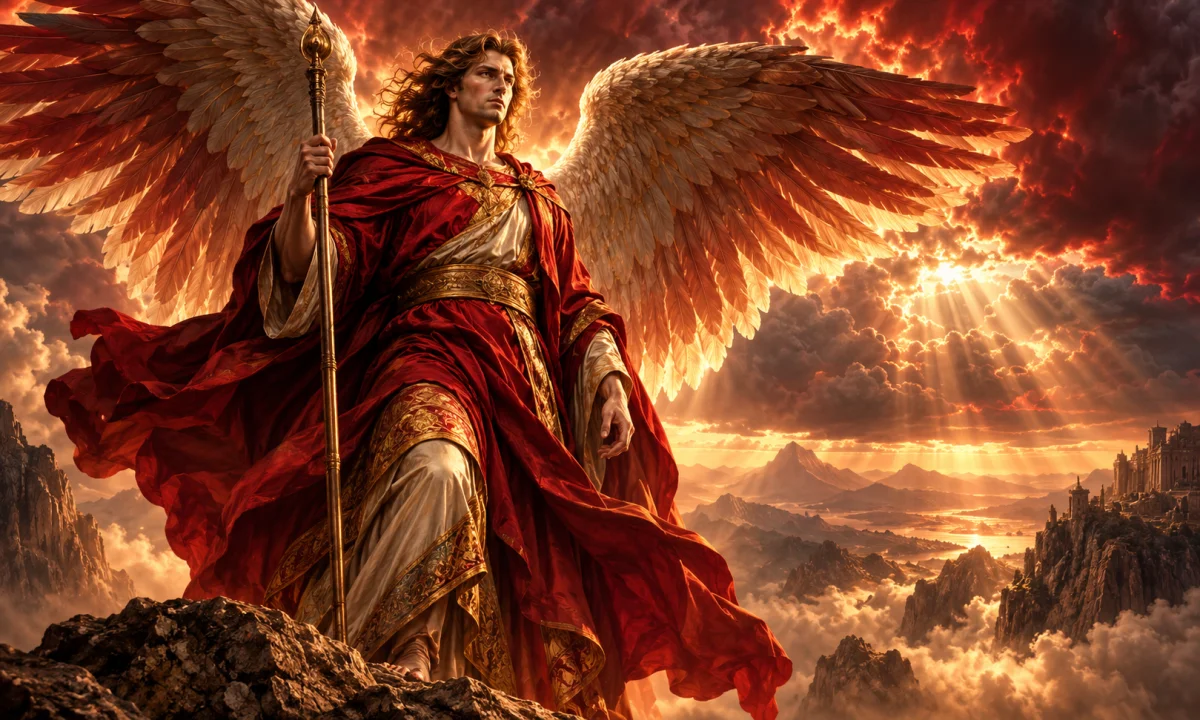
Camael
Camael is a name used in several later systems of angelology, especially Christian occultism, Renaissance esotericism and modern interpretations of Kabbalistic symbolism. He is commonly presented as a powerful angel asso…
Cahethal
Cahethal is a name found in some modern and esoteric lists of angels associated with the Shem ha-Mephorash, the “explicit name” or “divided name” tradition of Jewish mystical angelology. The name is also written as Cahet…
Briathos
Briathos is a highly obscure name associated in some modern angelological and occult compilations with an angelic or celestial being. Unlike Michael, Gabriel, Raphael, or Uriel, Briathos does not have a clearly establish…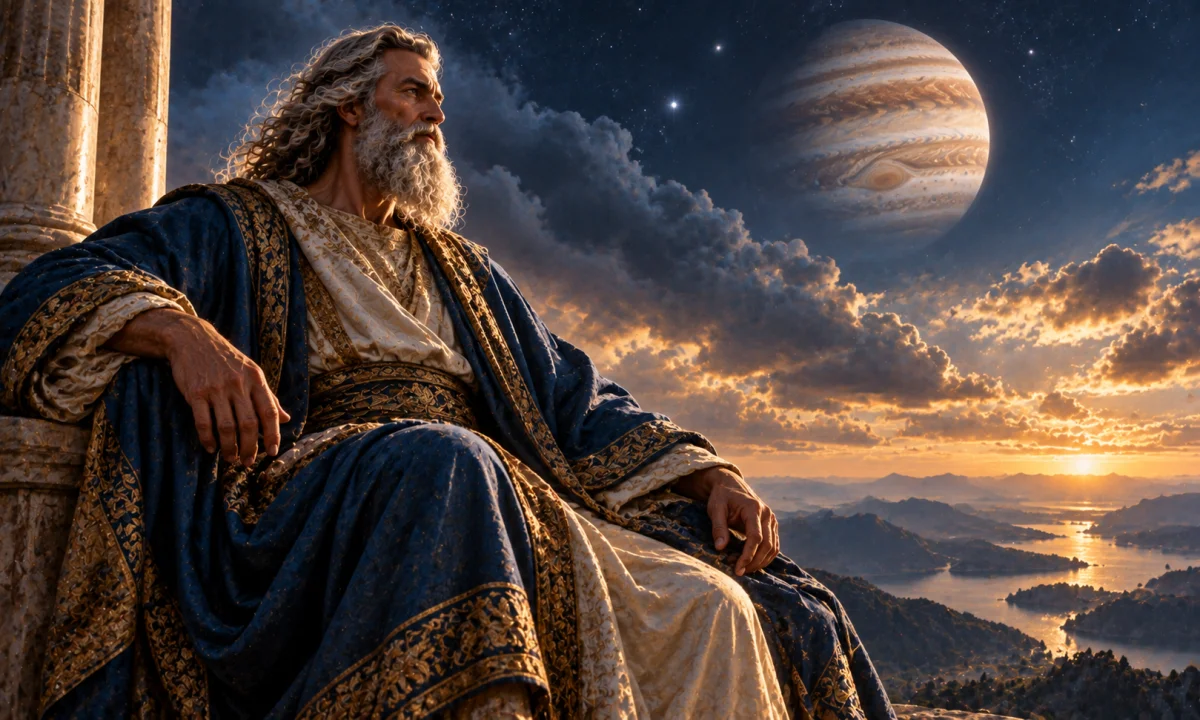
Bethor
Bethor is an Olympic spirit in the Renaissance magical tradition, especially in the sixteenth-century grimoire Arbatel of Magic. He is associated with the planet Jupiter and with the qualities traditionally attributed to…
Bazazath
Bazazath is an obscure angelic name found in some later occult and angelological name lists. Unlike Michael, Gabriel, Raphael, or other well-attested angels, Bazazath does not possess a clearly established identity in th…
Bath Kol
Bath Kol, also written Bat Qol, Bat Kol, or Bath Qol, is a form of divine communication in Jewish religious tradition. The Hebrew expression is usually translated as “daughter of the voice,” “voice of a voice,” or more n…
Baruchiel
Baruchiel is an angelic name found chiefly in later Christian angelology, especially Eastern Orthodox and related devotional traditions. The name is also written Barachiel, Barakiel, Baraquel or Barchiel. He is commonly …
Barquiel
Barquiel is an uncommon name associated with angelological and occult traditions. It is often treated as a variant spelling of Barachiel, Barakiel, or related forms derived from a Hebrew expression meaning “lightning of …
Barman
Barman is an obscure name associated in some modern reference works with Persian or Iranian angelology. It is sometimes described as an angel connected with the month of Bahman, animals, or benevolent thought. However, t…
Bariel
Bariel is an obscure and uncertain angelic name found in some later angelological and esoteric lists. Unlike Michael, Gabriel, Raphael, or other angels with substantial scriptural and liturgical traditions, Bariel does n…
Barbiel
Barbiel is an angelic name found chiefly in Renaissance and later occult systems of correspondences. In the best-known tradition associated with the name, Barbiel is the angel assigned to October. The figure does not hav…
Barrattiel
Barrattiel is an obscure angelic name found mainly in later angelological and occult lists. Unlike Michael, Gabriel, Raphael, or other angels with substantial scriptural and liturgical traditions, Barrattiel has no widel…Angels: myths, traditions and legends
Angels are supernatural messengers, servants and agents of divine authority in several religious traditions, especially Judaism, Christianity and Islam. The English word derives through Greek and Latin from a term meaning messenger, which reflects one of their most important roles. Angels may communicate revelation, protect individuals or communities, execute judgment, praise God, guide prophets or participate in visions of the heavenly realm. They are not described through one universal system, and their names, ranks, appearances and functions vary across scriptures, commentaries, denominations and historical periods.
Modern culture often presents angels as a single species of benevolent winged beings with human appearance. Religious sources are more varied. Some angels appear indistinguishable from ordinary people, while visionary beings may possess multiple wings, unusual faces or forms associated with fire, light, wheels or celestial creatures. Not every heavenly being described in scripture is explicitly called an angel, and later traditions sometimes combine originally distinct categories into a single hierarchy.
Meaning and scope
In its broadest religious sense, an angel is a being that acts on behalf of God or belongs to the heavenly order. The defining feature is often function rather than physical form. A messenger may deliver a warning, interpret a vision or announce a divine command, while other celestial beings serve as guardians, warriors, worshippers or administrators.
The category requires careful boundaries. Jewish malakhim, Christian angels and Islamic mala'ika developed within historically related religious traditions, but they should not be treated as completely identical. Their theological status, freedom of action and place within sacred history differ between traditions and schools of interpretation.
Other religions contain divine messengers, protective spirits and celestial beings, but translating all of them as angels can be misleading. Zoroastrian spiritual beings, Greco-Roman daimones, Islamic jinn, Hindu devas and Buddhist devas belong to different cosmological systems. Similar functions do not make them members of one universal angelic category.
Angels in the Hebrew Bible
In the Hebrew Bible, angels frequently appear as messengers of God. They deliver announcements, protect travellers, guide individuals and carry out divine judgments. The Hebrew expression commonly translated as angel of the Lord can be difficult to interpret because some narratives move between speaking of the messenger and speaking directly of God.
Angels in many biblical narratives appear in human form. Abraham receives mysterious visitors, Lot encounters heavenly messengers in Sodom, and Jacob wrestles with a figure whose identity is described differently within the narrative and later interpretation. These accounts do not present a systematic description of angelic nature.
Other biblical passages describe the heavenly court, where divine beings stand before God and participate in celestial deliberation. The precise terminology and theological interpretation of these scenes developed over time. Later Jewish thought increasingly emphasised the absolute distinction between the one God and all created heavenly servants.
Named angels are relatively uncommon in the Hebrew Bible. Michael and Gabriel appear in the Book of Daniel, where they are associated with revelation, conflict and the protection of peoples. The wider naming and classification of angels became much more elaborate in later Jewish literature.
Cherubim, seraphim and other heavenly beings
Cherubim and seraphim are frequently grouped with angels, but biblical texts present them as distinctive celestial beings. Cherubim are associated with sacred space, divine presence and the throne or movement of God. They guard the way to the tree of life in Genesis and appear symbolically in the design of the tabernacle and temple.
Biblical cherubim should not be confused with the small winged children common in later Western art. That image developed partly through the artistic treatment of the classical putto and became attached to the word cherub long after the biblical texts were composed.
Seraphim appear prominently in Isaiah’s vision of God’s throne. They possess six wings, praise the holiness of God and participate in the prophet’s purification. The Hebrew term is related to burning, although the exact nature and earlier background of the beings remain subjects of interpretation.
Ezekiel describes extraordinary living creatures associated with the divine chariot, along with wheels filled with eyes. Later Jewish and Christian traditions connected these beings with cherubim and angelic hierarchies. The biblical visions themselves are symbolic and complex, and they do not describe the ordinary appearance of every angel.
Development in Second Temple Judaism
Jewish writings from the Second Temple period greatly expanded ideas about angels. Texts composed in the centuries before and around the beginning of Christianity describe named angels, heavenly journeys, cosmic conflicts, divine secrets and the organisation of celestial realms.
The Book of Tobit presents Raphael as a guide and healer. Apocalyptic works give major roles to Michael, Gabriel, Raphael, Uriel and other named beings, although the accepted names and status of particular angels vary between texts and religious communities.
The Book of Watchers, preserved within 1 Enoch, describes angels who descend to earth, violate heavenly boundaries and transmit forbidden knowledge. Their story became influential in later ideas about rebellious angels, demons and the origin of evil, but 1 Enoch does not hold the same scriptural status in every Jewish or Christian tradition.
These writings do not form one consistent angelology. Different authors organised the heavenly world according to their own theological and literary purposes. Later traditions selected, rejected or reinterpreted particular names and narratives.
Angels in Christianity
Christian traditions inherited Jewish ideas about angels and interpreted them through the life, death and resurrection of Jesus. Angels announce significant events, minister to Jesus, appear at the empty tomb and participate in visions of final judgment and cosmic renewal.
Gabriel is especially associated with announcements surrounding the births of John the Baptist and Jesus. Michael appears as a heavenly warrior in the Book of Revelation and later became an important protector in Christian devotion. Raphael is recognised in traditions that accept Tobit as scripture, while his status differs among communities with other biblical canons.
Christian theology generally regards angels as created spiritual beings who serve God. They are not gods, independent divine powers or deceased humans. The belief that virtuous people become angels after death is common in sentimental literature and popular speech, but it is not a standard teaching of historic Christianity.
Christian views differ on the extent to which angels may be invoked or honoured. Catholic and Orthodox traditions include devotion connected with angels and archangels, while many Protestant traditions are more cautious about practices that could appear to direct religious attention away from God.
Angelic hierarchies
The familiar Christian hierarchy of nine angelic orders developed through the interpretation of several biblical terms rather than through a single scriptural list. It is commonly arranged as angels, archangels, principalities, powers, virtues, dominions, thrones, cherubim and seraphim.
This arrangement became especially influential through a late antique Christian work written under the name Dionysius the Areopagite. The author, now conventionally called Pseudo-Dionysius, organised the nine orders into three groups and connected their hierarchy with the transmission of divine illumination.
Later theologians, including Thomas Aquinas, discussed angelic intellect, will, movement and hierarchy in highly developed philosophical terms. These systems are historically important within Christian theology, but they should not be projected unchanged onto every biblical passage or treated as universally accepted descriptions.
The word archangel means chief or ruling angel. Michael is explicitly called an archangel in the New Testament, while later traditions apply the title to additional named angels. The exact number of archangels varies across Jewish, Catholic, Orthodox and other sources.
Guardian angels
The idea that angels protect individuals or communities has roots in biblical and later religious traditions. Scriptural passages describe angels guarding travellers, defending peoples and watching over the faithful. These texts contributed to the Christian doctrine of guardian angels.
Some Christian traditions teach that each person has a particular guardian angel, although the precise details are not established through one unambiguous biblical statement. The doctrine developed through theological interpretation, liturgy and devotional practice.
Jewish traditions also include protective angels and angels associated with nations, commandments or particular divine tasks. Islamic sources describe angels who record human deeds and others who guard people by divine command. These concepts resemble one another in certain respects but belong to different theological systems.
Popular accounts sometimes assign personal names, colours, crystals or astrological correspondences to guardian angels. Such systems generally come from later esoteric or modern spiritual movements rather than from mainstream Jewish, Christian or Islamic teaching.
Angels in Islam
Angels are an important part of Islamic belief. They are created by God and carry out divine commands, including delivering revelation, recording deeds, taking souls at death and participating in judgment. Islamic tradition commonly describes them as created from light, although this formulation is known especially through hadith rather than a detailed Quranic account of angelic substance.
Jibril, corresponding to Gabriel, communicates revelation to prophets and is particularly associated with the Quranic revelation to Muhammad. Mikail is connected in later tradition with provision and natural processes, while Israfil is associated with the trumpet announcing the resurrection. The angel of death is known by function in the Quran and is widely called Azrael in later tradition, although that name is not Quranic.
Munkar and Nakir are associated in hadith and later theology with questioning the dead in the grave. Other angels record human actions, guard the gates of paradise and hell or bear the divine throne. The details and emphasis vary across theological and devotional sources.
Islamic theology usually distinguishes angels from jinn. Angels faithfully perform the tasks assigned to them, while jinn possess moral responsibility and may believe or disbelieve. The Quranic Iblis is identified as one of the jinn, despite later comparisons with the Christian concept of a fallen angel.
Angels and free will
The question of whether angels possess free will has received different answers. Islamic tradition usually emphasises their obedience to God, while jinn and humans are held morally accountable for their choices. Christian theology often teaches that angels possess intellect and will, with the rebellious angels having made a decisive rejection of God.
Jewish texts and commentaries offer varied portrayals. Angels normally fulfil divine commands, yet some narratives depict disagreement, accusation or transgression among heavenly beings. These accounts may serve theological or literary purposes rather than presenting one systematic doctrine.
The concept of fallen angels is especially complicated. Some Christian interpretations connect the devil and demons with angels who rebelled against God. The Book of Watchers instead describes heavenly beings whose transgression involves descent to earth and forbidden relations with human women. Later traditions combined several biblical and extra-biblical passages into broader accounts of angelic rebellion.
Names and identities
Angel names often contain elements referring to God and express a role, question or divine attribute. Michael is commonly interpreted as “Who is like God?”, Gabriel as “God is my strength” or a related meaning, and Raphael as “God heals.” Exact English renderings vary because ancient names do not always correspond neatly to one translation.
Only a limited number of angelic names have broad scriptural recognition. Many others appear in apocalyptic writings, mystical works, magical texts, liturgies and later occult manuals. Their presence in an old manuscript does not necessarily mean they were accepted by every religious authority.
Names may also change through translation and transliteration. Gabriel, Jibril and related forms reflect transmission across Hebrew, Greek, Latin, Arabic and other languages. These variations do not always indicate separate beings, but superficially similar names can also belong to unrelated figures.
Modern lists frequently merge angels from Jewish mysticism, Christian theology, Islamic tradition and ceremonial magic. Such compilations create the false impression of one universal angelic registry. The origin and authority of each name must be considered separately.
Appearance and symbolism
Angels are often portrayed with wings, white robes, halos and radiant human forms. These conventions developed through religious art and symbolism rather than from one standard scriptural description. Biblical messenger angels often appear as men without explicit mention of wings.
Wings communicate heavenly movement, swiftness and separation from ordinary human life. Halos indicate holiness or sacred status, but they are not unique to angels and developed through broader artistic traditions. White clothing can signify purity, glory or divine service.
Visionary beings may look radically different. Multiple wings, many eyes, animal faces and fiery forms appear in prophetic and apocalyptic texts. These images express divine majesty, awareness, power and the overwhelming character of revelation. They should not be converted automatically into a biological classification of angelic bodies.
Angels are generally understood as spiritual beings in later Jewish, Christian and Islamic theology. Their visible appearances are therefore interpreted as forms assumed for a particular purpose, visionary representations or symbolic manifestations rather than ordinary physical anatomy.
Angels in worship, prayer and ritual
Angels appear in hymns, liturgies, prayers and religious art as members of the heavenly community that praises God. Their presence can connect earthly worship with the imagined worship of heaven.
Some traditions ask angels for protection or request their intercession. Others avoid directly addressing angels because of concern that such practices could become a form of worship. These differences reflect broader debates about mediation, saints and the proper direction of prayer.
Jewish mystical and liturgical traditions include angelic names and imagery, but attitudes toward invoking angels have varied. Islamic devotion acknowledges angels as servants of God while directing worship and prayer to God alone.
Protective amulets and magical texts have also used angelic names. Such practices existed in Jewish, Christian and Islamic cultural settings, sometimes alongside official religion and sometimes under condemnation from religious authorities. Their historical presence does not make them representative of mainstream doctrine.
Mysticism and esoteric interpretation
Angels became important in Jewish mystical traditions concerned with the heavenly throne, divine names and visionary ascent. Later Kabbalistic writings developed complex relationships among angels, cosmic structures and sacred language. These teachings are diverse and cannot be reduced to modern charts of angelic correspondences.
Christian mystics described visions of angels and interpreted celestial hierarchies as models of divine order. Medieval theology, Renaissance philosophy and ceremonial magic each developed distinct angelic systems, sometimes combining biblical names with astrology and inherited magical literature.
Islamic mystical and philosophical traditions also discussed angels in relation to revelation, intellect, imagination and the structure of the cosmos. These interpretations vary and should not be treated as one universal Sufi angelology.
Modern esoteric movements often associate angels with colours, planets, zodiac signs, crystals and personal healing. Some of these systems draw selectively on older religious and occult sources, while others are recent constructions. They should be clearly distinguished from scriptural teaching and established religious tradition.
Common confusions
Angels are often confused with saints, spirits of the dead and deities. Saints are human beings recognised for holiness within particular religious traditions. Angels are normally understood as a separate created order and are not former humans.
Cherubs in popular art are frequently depicted as winged infants, but biblical cherubim are powerful guardians associated with divine presence. The artistic image should not be treated as a literal biblical description.
Jinn are sometimes called Islamic angels in popular summaries, yet Islamic tradition distinguishes the two categories. Jinn possess moral choice and include both believing and unbelieving beings, while angels fulfil divine commands.
Greco-Roman beings such as Eros, Nike and winged daimones influenced later visual imagery, but they are not angels within their original religious settings. Artistic borrowing does not erase the theological distinctions between classical deities and Abrahamic celestial messengers.
Later literature and popular culture
Angels appear extensively in poetry, drama, fantasy, horror, film, television, comics and games. Literary works have expanded their personalities, conflicts and hierarchies far beyond the surviving religious sources. John Milton’s Paradise Lost, for example, profoundly influenced later depictions of angelic rebellion, although it is a seventeenth-century Christian epic rather than scripture.
Modern fiction often portrays angels as members of a supernatural species with fixed ranks, weapons and powers. It may also depict conflict between heaven and hell as a balanced war between equal cosmic forces. Historic Jewish, Christian and Islamic traditions generally reject the idea that evil powers are equal to God.
Contemporary spiritual culture frequently presents angels as universal helpers detached from any particular religion. This interpretation can offer comfort to believers, but it differs from traditions in which angels serve divine purposes that may include warning, judgment and demanding revelation as well as protection.
The enduring importance of angels comes from their role at the boundary between divine transcendence and human experience. They represent communication, service, protection, judgment and the ordered activity of the heavenly world, but their meaning remains inseparable from the religious texts and communities through which they are understood.