 WORLD
WORLD
Creatures & Spirits
Explore myths, traditions and legendary beings grouped under Creatures & Spirits.
Last articles
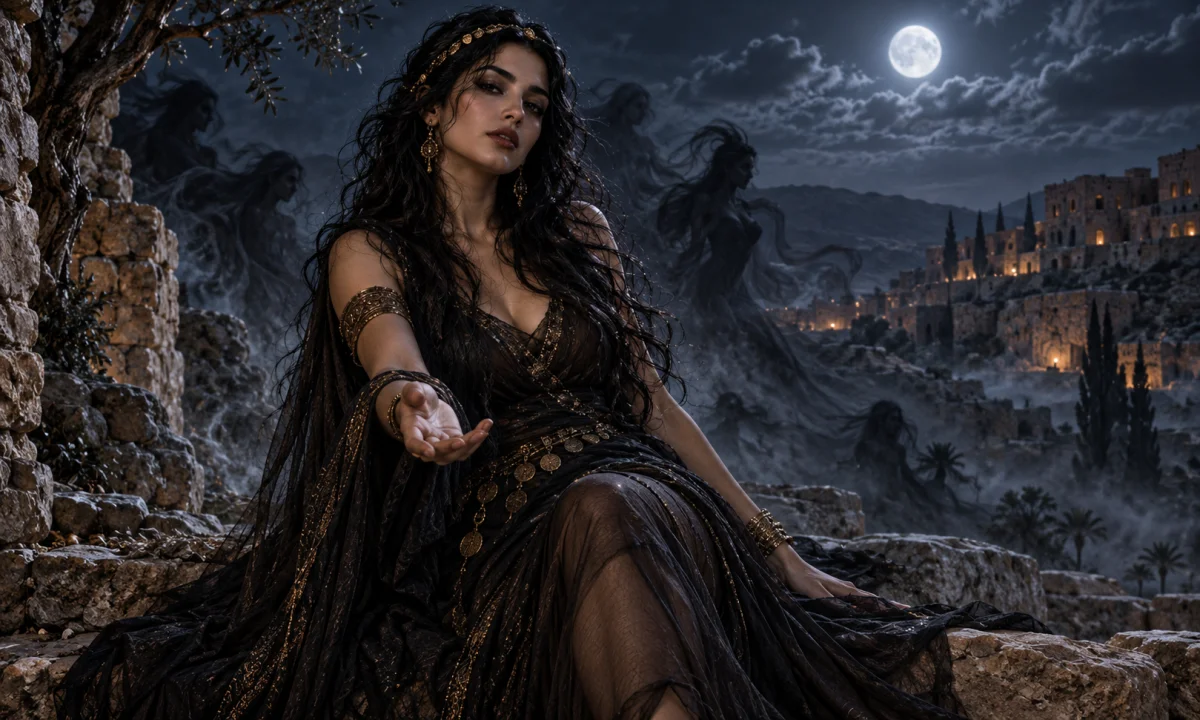
Naamah
Naamah is a name associated with several different women and supernatural figures in Jewish tradition. In the Hebrew Bible, Naamah is the sister of Tubal-cain and one of the few women named in the genealogies of Genesis.…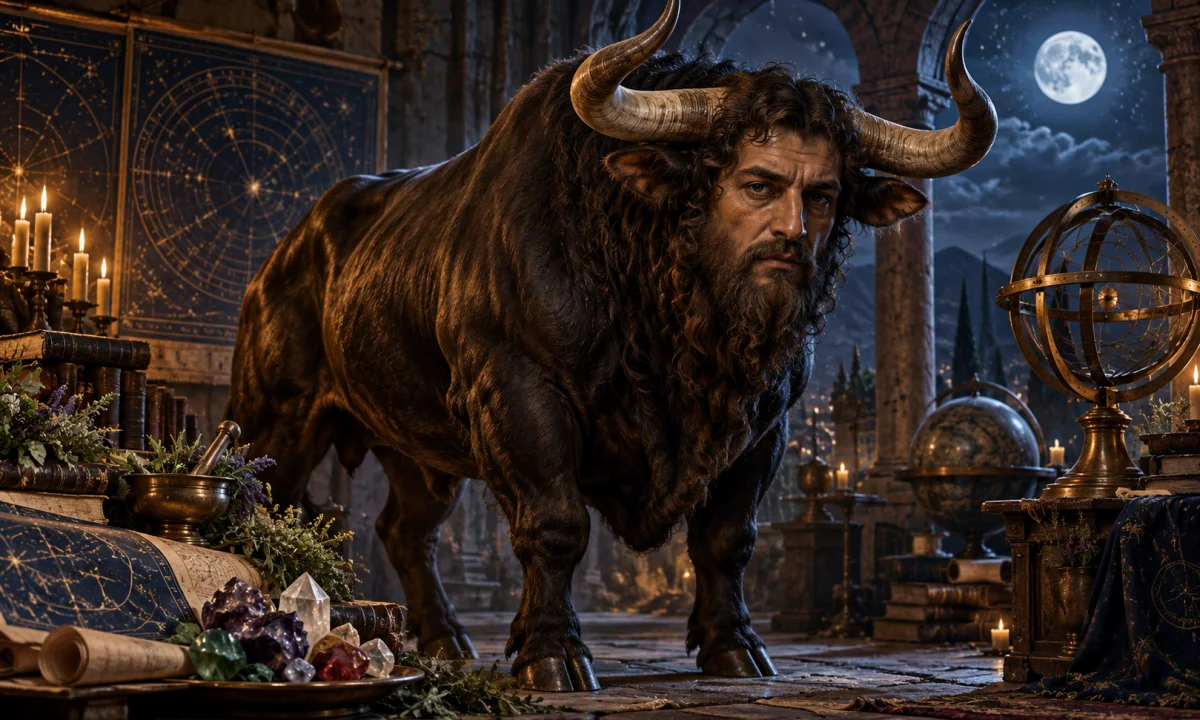
Marax
Marax, also spelled Morax in some sources, is a demon of early modern European ceremonial magic. He is best known from the Ars Goetia, the first part of the Lesser Key of Solomon, where he is listed as the twenty-first s…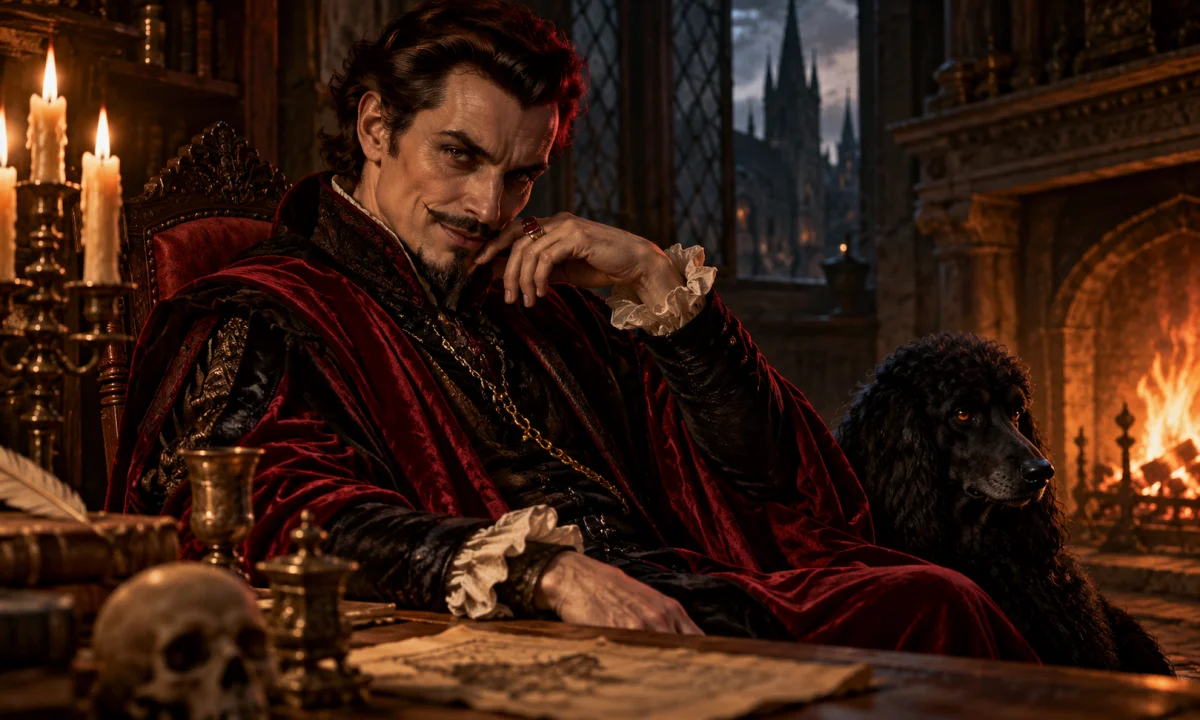
Mephistopheles
Mephistopheles is a demon and tempter best known from the European Faust tradition. He is not a major figure of ancient mythology or a universally recognised demon in Christian scripture. Instead, Mephistopheles emerged …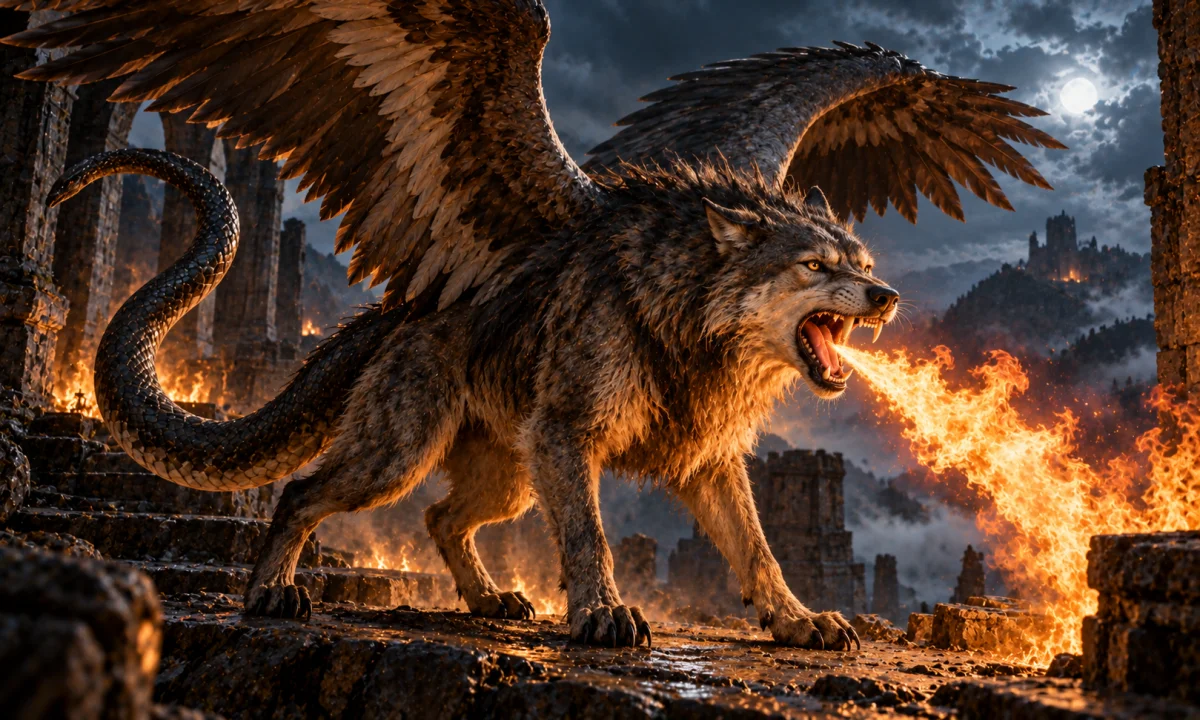
Marchosias
Marchosias is a demon in the Solomonic tradition of Western ceremonial magic, best known from the Ars Goetia, the first section of the Lesser Key of Solomon. He is listed as the thirty-fifth spirit and is given the rank …
Marbas
Marbas is a demon in the ceremonial-magical tradition associated with the Ars Goetia, the first section of the early modern grimoire commonly known as The Lesser Key of Solomon. He is traditionally described as a powerfu…
Malphas
Malphas is a demon of early modern European grimoire tradition, best known as the thirty-ninth spirit listed in the Ars Goetia, the first section of the Lesser Key of Solomon. He is described as a great president of Hell…
Lix Tetrax
Lix Tetrax is an obscure name in European demonological catalogues, usually described as a spirit or demon associated with the north-west wind. Unlike figures such as Satan, Asmodeus or Belial, Lix Tetrax has no substant…
Leraje
Leraje is a demon listed in early modern European ceremonial magic, most famously in the Ars Goetia, the first section of the Lesser Key of Solomon. He is described as a powerful marquis who commands thirty legions of sp…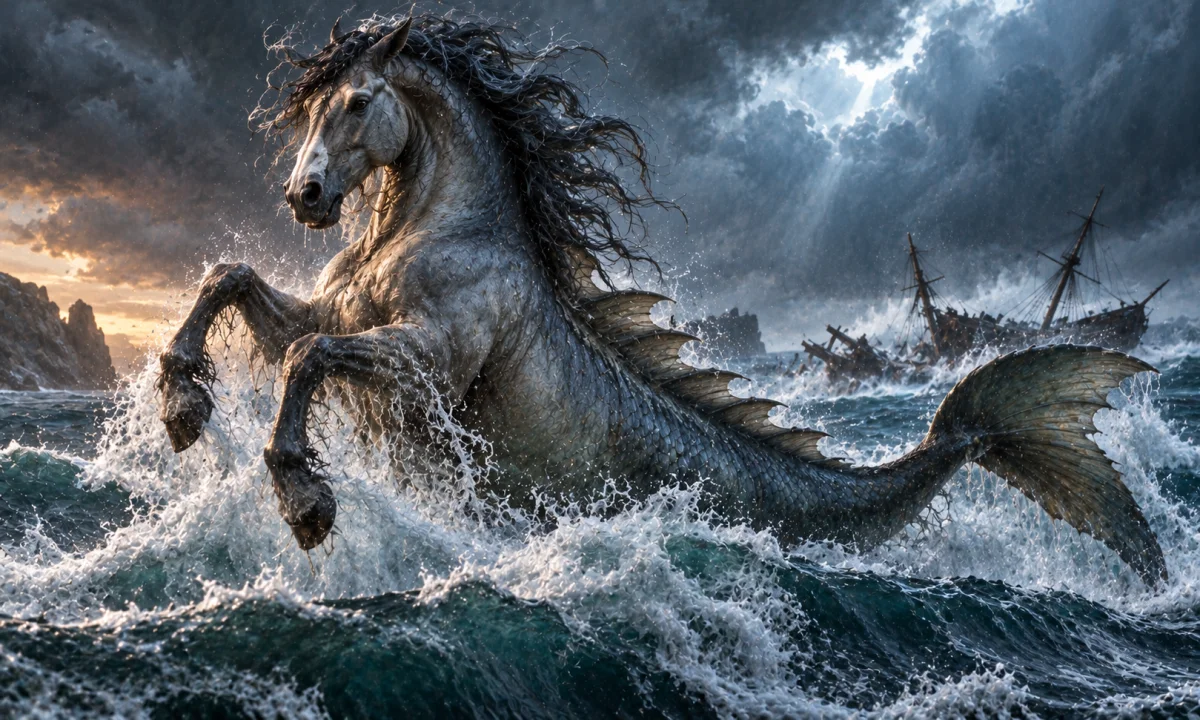
Kunopegos
Kunopegos is an obscure name associated with demonological catalogues and modern lists of supernatural beings. It is sometimes described as a canine or marine demon, but the evidence for a stable traditional identity is …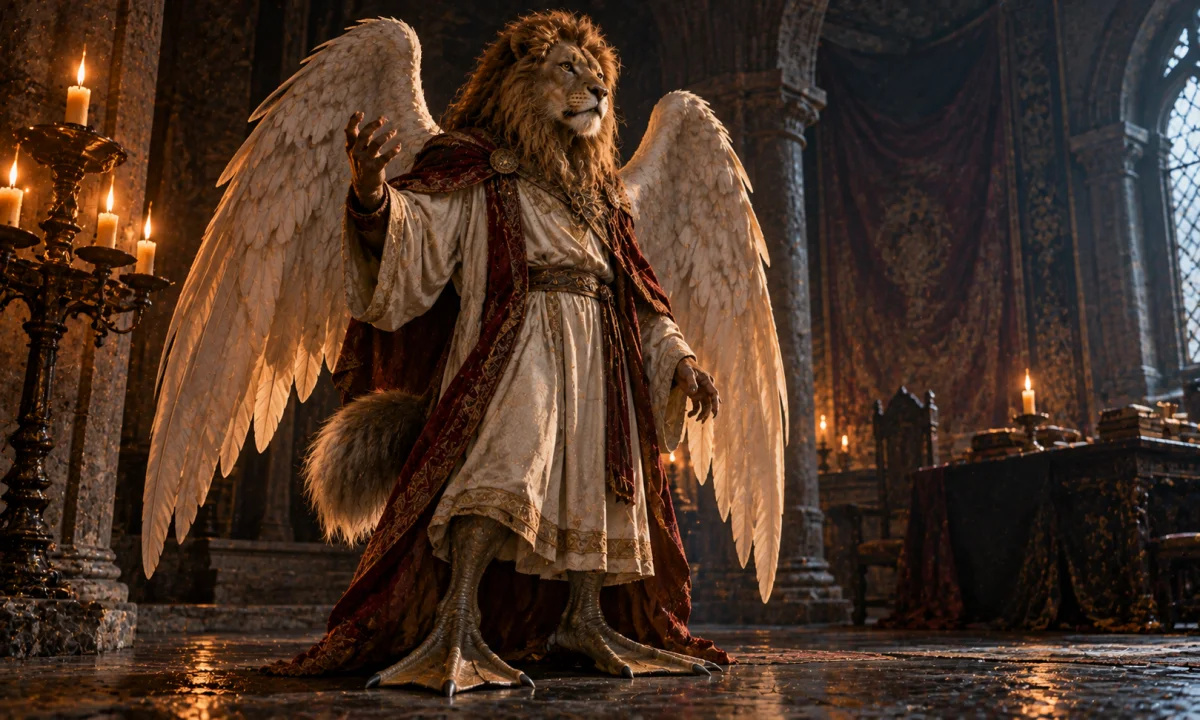
Ipos
Ipos is a demon of early modern European ceremonial magic, best known from the Ars Goetia, the first section of the grimoire commonly called the Lesser Key of Solomon. He is described as a powerful spirit who reveals kno…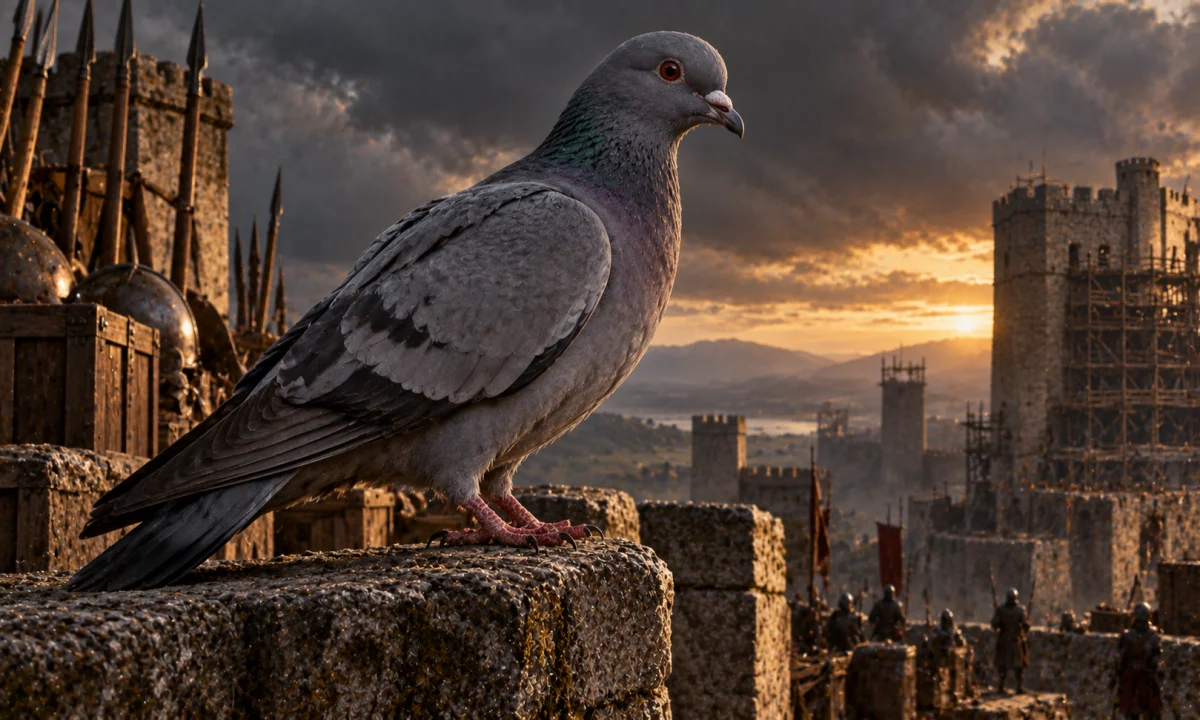
Halphas
Halphas is a demon of early modern European grimoire tradition, best known from the Ars Goetia, the first section of the Lesser Key of Solomon. He is described as a great earl who appears as a stock dove, speaks with a h…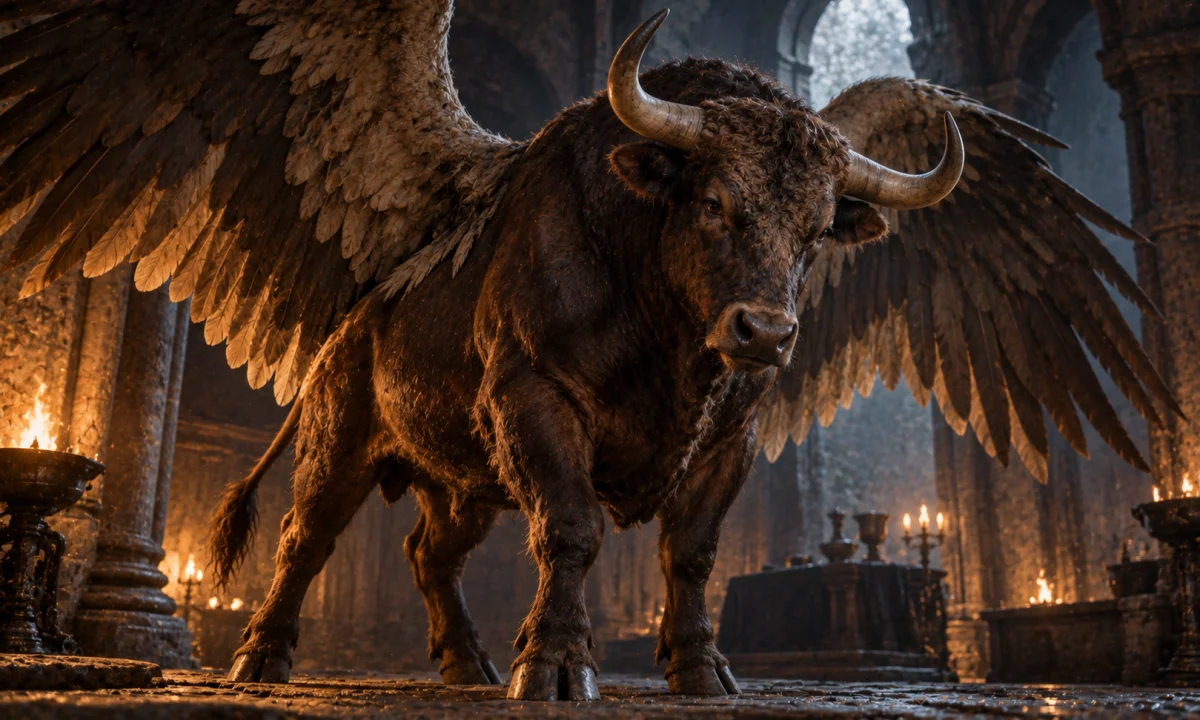
Haagenti
Haagenti is a demon described in the early modern grimoire tradition of Western ceremonial magic. In the Ars Goetia, the best-known section of the Lesser Key of Solomon, Haagenti is listed as the forty-eighth spirit. The…Mythology and folklore of Creatures & Spirits
Creatures and spirits occupy a central place in mythology, folklore and religious tradition because they express how different cultures understand the boundaries between humanity, nature, death and the supernatural. The category includes legendary animals, monsters, household beings, ghosts, guardians, shape-shifters, demons, fairies, nature spirits and other nonhuman or partly human figures. It does not represent a single universal classification. A being described as a spirit in one tradition may be understood elsewhere as an ancestor, deity, transformed human, dangerous animal, guardian of a place or manifestation of sacred power.
The identities and roles of such beings depend on their original cultural settings. Some belong to formal religious systems and appear in sacred texts, ritual practices or theological traditions. Others are preserved through oral storytelling, local legend, seasonal custom and popular belief. Many occupy both worlds, changing over time as religious institutions, literary traditions and social conditions reshape how communities interpret them. Similar appearances or abilities do not necessarily indicate a common origin, and familiar English terms often conceal important differences between culturally specific beings.
Scope and classification
The distinction between a creature and a spirit is not always clear. A creature may possess a visible body while also exercising supernatural power. A spirit may take animal, human or monstrous form. Some beings move between several categories depending on the story, period or religious context in which they appear.
Modern classifications tend to organise supernatural beings according to physical appearance, habitat or abilities. Traditional systems may instead classify them through kinship, ritual status, moral character, relationship with a community or position within the cosmos. A forest being may not be defined primarily by living in a forest, but by its authority over animals, its connection to ancestral law or the obligations humans owe it.
Words such as monster, demon, fairy, ghost and dragon are convenient, but they are not neutral translations. A being called a demon by a missionary may originally have been a local god or territorial spirit. A figure translated as a fairy may belong to an ancestral people, a community of the dead or an independent supernatural race. Accurate interpretation requires attention to the original name and cultural context.
Spirits and unseen persons
Spirits appear in many traditions as persons or powers that exist beyond ordinary human perception. They may be associated with ancestors, animals, places, illness, weather, fertility or particular social groups. Some interact regularly with humans, while others remain distant unless approached through ritual or disturbed by inappropriate behaviour.
Not every spirit is worshipped. Some receive offerings, prayers or ceremonies, but others are avoided, negotiated with or acknowledged through customary restrictions. The relationship may resemble kinship, political diplomacy, exchange or territorial respect rather than devotion to a god.
Spirits can be protective, dangerous or morally ambiguous. A household being may assist a respectful family but punish disorder or neglect. A guardian of a spring may provide healing while threatening those who pollute the water. Such figures cannot always be divided into simple categories of good and evil.
The idea that spirits are immaterial is also not universal. Some are believed to possess subtle bodies, visible forms or the ability to leave physical traces. Others inhabit objects, statues, trees or ritual vessels without being identical to those material forms.
Ancestors and the returning dead
The dead form an important category of supernatural beings in many societies. Ancestors may remain members of a family or community, offering protection, advice and legitimacy. Their presence can be maintained through remembrance, offerings, funerary rites and the preservation of names or genealogies.
An ancestor is not necessarily the same as a ghost. Ancestral status may require proper burial, social recognition, descendants or ritual transformation. A ghost often represents a person who died violently, was buried incorrectly, suffered an injustice or remains attached to unfinished obligations.
Stories of returning dead frequently express concerns about memory, family duty and the proper separation between the living and the deceased. They may warn against neglecting funeral customs, violating graves or refusing to honour social responsibilities. In other cases, ghosts preserve the memory of historical violence or unexplained death.
Modern horror often treats all apparitions as threatening, but traditional accounts include helpful, sorrowful and protective dead. The emotional character of a ghost may depend on its relationship with the living rather than on its supernatural condition alone.
Nature spirits and sacred landscapes
Many creatures and spirits are connected with rivers, forests, mountains, caves, deserts, seas and cultivated land. These associations reflect culturally specific relationships with environment and livelihood. A water being may govern fish, rainfall, fertility, travel or the danger of drowning. A forest guardian may control game animals or punish wasteful hunting.
Nature spirits should not automatically be interpreted as poetic personifications of natural forces. Communities may understand them as independent persons with desires, families and territorial authority. Their stories can establish rules concerning where people may travel, what they may take and how resources should be used.
Sacred places often contain several layers of meaning. A mountain may be an ancestor, home of a deity, boundary between worlds or centre of political identity. A cave may represent an entrance to the underworld, a place of origin or a site of initiation. The beings attached to such places cannot be separated from the landscapes and communities that give them significance.
Environmental change can alter these traditions. Urban development, deforestation and displacement may transform a local guardian into a symbol of lost land or cultural resistance. This later meaning can be important without being identical to the figure’s earlier role.
Household and domestic beings
Folklore from many regions describes spirits connected with homes, farms, workshops and family property. They may guard food, livestock, tools or household boundaries. Their favour is often maintained through cleanliness, hospitality, offerings or respectful conduct.
Domestic spirits reflect the idea that supernatural life is not limited to distant temples or wilderness. It can be present in kitchens, hearths, barns and sleeping spaces. Such beings often regulate everyday behaviour, punishing laziness, greed, disrespect or neglect.
Some household beings resemble small human figures, while others appear as animals, shadows or invisible presences. Their names and characteristics may vary even between neighbouring villages. Later literature has often standardised them into fixed species, although traditional accounts are usually less consistent.
Christianisation and other religious changes frequently transformed domestic beings. They could be reclassified as demons, mischievous fairies or harmless folklore. In some places, older practices continued alongside official religion without being regarded as contradictory.
Monsters and the boundaries of order
Monsters often embody threats to social, natural or cosmic order. They may inhabit borders, ruins, wilderness or entrances to the underworld. Their bodies combine incompatible features, exceed ordinary size or violate expected distinctions between human and animal.
A monster is not always evil. Some guard sacred places, treasures or prohibited knowledge. Others serve divine powers or test heroes. Their frightening appearance can indicate danger, sacred intensity or existence beyond ordinary human categories rather than moral corruption.
Monster narratives frequently explore the consequences of uncontrolled hunger, violence, pride or isolation. Cannibal beings may represent a loss of humanity, while giants can embody ancient powers displaced by a new social order. Serpentine creatures may be associated with chaos in one tradition and fertility or protection in another.
The defeat of a monster can legitimise a hero, ruler or community. Yet heroic accounts are often written from the perspective of those claiming victory. A being represented as monstrous may symbolise an older population, rival religion or dangerous landscape brought under political control.
Dragons and serpentine beings
Long-bodied, serpentine or reptilian beings appear in many traditions, but the modern word dragon groups together figures with very different meanings. European dragons are often associated with treasure, territorial danger and heroic combat. East Asian dragons are frequently linked with water, weather, authority and beneficial cosmic power.
Serpents can represent fertility, healing, immortality, death, wisdom or chaos. Their ability to shed skin has encouraged associations with renewal, while their venom and hidden movement can make them symbols of danger. These meanings are widespread but not universal.
Winged serpents, horned snakes and aquatic monsters may arise from separate cultural histories. Visual resemblance does not prove that one tradition borrowed directly from another. Comparison is strongest when supported by chronology, contact, language and evidence of transmission.
Modern fantasy has produced a standard image of dragons as giant flying reptiles with fixed biological traits. Traditional dragons and serpent beings are less consistent and often belong to cosmological or religious systems rather than imaginary zoology.
Shape-shifters and transformed beings
Shape-shifting figures cross the boundary between human, animal and spirit. Transformation may be voluntary, inherited, imposed as punishment or caused by ritual, magic, illness or divine intervention. The meaning depends on the tradition and should not be reduced to a universal fear of animal nature.
Werewolf traditions, for example, include stories of curses, sorcery, ecstatic journeys, criminal accusations and divine punishment. They do not all describe the same type of being. Similar accounts of humans becoming tigers, hyenas, leopards, seals or foxes reflect different environments and social concerns.
Animal transformation can provide access to knowledge or power, but it may also represent exclusion from human society. A person who changes form may become a healer, protector, predator or victim. Gender, kinship and moral responsibility often shape how the transformation is understood.
Some legendary animals take human form to marry, deceive or reward people. These stories frequently explore the instability of appearances and the consequences of breaking promises. A supernatural spouse may remain benevolent only while a restriction is respected, and its departure explains loss, ancestry or the origin of a social group.
Fairies, hidden peoples and otherworld communities
Many traditions describe hidden communities living beneath hills, inside mountains, under the sea or in realms close to the human world. They may resemble humans while possessing unusual beauty, longevity, knowledge or power. Their relationship with humanity can involve exchange, marriage, abduction, illness or protection.
The English word fairy covers a wide variety of beings from Celtic, Germanic and later European folklore. Some are solitary spirits, while others belong to organised courts or communities. Modern images of tiny winged fairies developed mainly through literature and art and do not represent the full range of traditional accounts.
Hidden peoples often operate according to unfamiliar rules of time, hospitality and reciprocity. A visitor may return after a single night to discover that years have passed. Food, gifts and promises can create obligations that are difficult to escape.
Similar stories occur outside Europe, but applying the fairy label to every hidden or human-like spirit can erase local distinctions. Beings associated with ancestors, wilderness, caves or the dead may only superficially resemble European fairies.
Demons and hostile powers
The term demon is used in many different ways. In some religious traditions, demons are beings that oppose divine order, tempt humans or cause suffering. In other contexts, the label was applied by religious authorities to foreign gods, local spirits or rejected supernatural powers.
Jewish, Christian and Islamic demonologies developed through scriptures, commentary, folklore and later theological or occult systems. Their figures and hierarchies are not completely consistent. Popular lists often combine material from different centuries as though it formed one original doctrine.
South Asian beings such as asuras, rakshasas and pretas belong to distinct religious and literary categories and should not all be translated simply as demons. Islamic jinn are likewise not equivalent to Christian demons. They possess moral agency and can be benevolent, harmful or religiously accountable depending on the source.
Demonisation is also a historical process. Conquering religions may reinterpret earlier beings as hostile or deceptive. This transformation can preserve traces of older traditions while radically changing their moral status.
Protectors, guardians and threshold beings
Some creatures and spirits guard temples, graves, cities, households, treasures or entrances between worlds. They may combine animal and human features, display frightening faces or occupy architectural thresholds. Their appearance is intended to repel danger rather than signal that they are themselves evil.
Guardian beings often reflect the authority of the place or power they protect. A tomb guardian may prevent the dead from returning or stop intruders from entering. A temple protector can enforce purity and defend sacred teachings. A city guardian may become a symbol of political identity.
Thresholds are symbolically important because they mark transitions between inside and outside, life and death, safety and danger or ordinary and sacred space. Beings associated with doors, bridges, crossroads and gates frequently possess ambiguous qualities because they control movement between categories.
Modern retellings sometimes remove guardians from these settings and present them as independent monsters. Doing so can reverse their traditional role and obscure the ritual or architectural context that explains their form.
Tricksters and disruptive spirits
Trickster beings deceive, steal, transform and disrupt established rules. They may appear as animals, humans, gods or spirits and often combine intelligence with greed, appetite or carelessness. Their stories can explain how useful things entered the world while also showing the dangers of uncontrolled desire.
Tricksters are not simple heroes or villains. They may challenge unjust authority, expose hypocrisy or survive through cleverness, yet they also create suffering and become victims of their own schemes. Humour allows these narratives to examine social tensions without offering straightforward moral instruction.
Figures such as Anansi, Coyote, Raven, Loki and Eshu belong to different traditions and should not be treated as regional versions of one universal character. Their roles, religious importance and narrative histories differ greatly.
Later popular culture often makes tricksters into harmless pranksters or chaotic villains. Traditional stories may instead connect them with creation, language, ritual order, sexuality, death or the origin of human limitations.
Sources and transmission
Knowledge of legendary creatures and spirits comes from oral traditions, sacred texts, chronicles, inscriptions, ritual manuals, visual art, archaeology, folklore collections and living religious practice. Each source presents only part of the evidence.
Literary works can preserve older traditions while also transforming them. Medieval authors adapted oral legends to religious and political purposes. Early modern demonologists reorganised local beliefs into theological systems. Romantic writers later reconstructed supernatural traditions as national heritage.
Folklore collectors often changed dialect, removed sexual or violent material and combined several versions into one polished narrative. They sometimes treated a single informant as representative of an entire region. Such collections remain valuable, but they should not be regarded as exact records of an unchanged ancient tradition.
Archaeological images of composite or monstrous beings are especially difficult to interpret without inscriptions. Scholars may identify possible patterns, but names, narratives and religious functions often remain uncertain.
Variation and changing identities
Supernatural beings rarely possess one definitive description. Their appearance, gender, abilities and relationships can change across regions and periods. A protective figure may become threatening, while a local spirit may develop into a literary monster known far beyond its original community.
Variant spellings can result from dialect, translation and different systems of transliteration. Similar names may refer to separate beings, while one figure may be known under several titles. Merging them without evidence can create artificial identities that never existed in traditional sources.
Religious conversion, migration and colonialism frequently altered classifications. Spirits were reinterpreted as saints, demons, ghosts or fictional characters. Communities in diaspora adapted older beings to new landscapes and social conditions.
Modern reference works and online databases often create precise taxonomies that traditional sources do not support. Categories such as species, powers and weaknesses may reflect games and fantasy fiction rather than mythology or religious belief.
Modern literature and popular culture
Legendary creatures and spirits have become central to fantasy, horror, comics, film and games. Modern adaptations can preserve names and basic features while changing almost every other aspect of a figure. Minor folkloric beings may become major villains, and morally complex spirits may be reduced to heroes or monsters.
Popular culture often combines figures from unrelated traditions into shared supernatural worlds. This can be effective fiction, but it should not be confused with historical evidence. A creature’s modern appearance, abilities or relationships may originate with a novelist, filmmaker or game designer rather than traditional material.
Cryptozoology also reinterprets some legendary beings as undiscovered animals. Stories about forest people, lake monsters or giant serpents may contain observations of real animals, but they also belong to cultural and symbolic systems. Treating them only as biological reports can remove their religious, social and historical meanings.
Creatures and spirits remain significant because they reveal how communities imagine danger, protection, mortality, landscape and the limits of human identity. Their value lies not in forming a universal catalogue of supernatural species, but in the distinct cultural relationships and historical experiences that gave each being meaning.