
Musubi-no-kami is a significant figure in Japanese mythology, representing the concept of creation and growth. This deity is often associated with the idea of binding and uniting, which is essential in many aspects of life, including relationships, agriculture, and the universe itself. Musubi-no-kami is revered in various Shinto shrines across Japan, where worshippers seek blessings for fertility, prosperity, and harmony. The deity embodies the natural forces that bring things together, fostering connections between people and the land.
The Origins of Musubi-no-kami
The origins of Musubi-no-kami are deeply rooted in ancient Japanese spirituality. In the early days of Japanese mythology, gods and goddesses were often linked to natural elements. Musubi-no-kami is said to have emerged from the primordial chaos, where the first elements of the universe began to take shape. According to mythological texts, Musubi-no-kami was one of the first deities to manifest, representing the creative forces that shaped the world.
 Moshiri Ikkewe Chep
In Shinto, the belief system that underpins much of Japanese culture, gods are often categorized based on their roles. Musubi-no-kami is categorized as a kami of creation and fertility. This association is significant because it highlights the importance of growth and connection in the natural world. As the deity of creation, Musubi-no-kami is believed to facilitate the coming together of elements, whether they be people, plants, or ideas.
The Role of Musubi-no-kami in Agriculture
A major aspect of Musubi-no-kami’s influence is seen in agriculture. In ancient Japan, agriculture was the backbone of society, and the ability to cultivate the land was crucial for survival. Farmers would often pray to Musubi-no-kami for favorable conditions, such as adequate rainfall and fertile soil. It was believed that this deity had the power to unite the elements necessary for a successful harvest.
- Planting Rituals: Farmers would perform rituals dedicated to Musubi-no-kami before planting their crops. These rituals often included offerings of rice and sake, which are staples in Japanese culture.
- Harvest Festivals: During harvest time, communities would celebrate with festivals to honor Musubi-no-kami. These events served as a way to give thanks for the bountiful crops and to seek continued blessings for future seasons.
- Connection to Nature: Musubi-no-kami emphasizes the connection between humans and nature. Farmers recognized that their success depended on the balance of natural forces, which Musubi-no-kami helped to maintain.
The importance of Musubi-no-kami in agriculture cannot be overstated. This deity symbolizes the relationship between humanity and the earth, reminding people of their reliance on natural cycles. The rituals and festivals associated with Musubi-no-kami foster a sense of community and shared purpose, as people come together to celebrate the fruits of their labor.
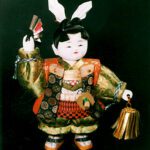 Momotaro
Musubi-no-kami and Relationships
In addition to agriculture, Musubi-no-kami plays a vital role in human relationships. The concept of binding extends beyond the physical realm, influencing emotional and spiritual connections among individuals. In Japanese culture, strong relationships are highly valued, and Musubi-no-kami is often invoked to strengthen these bonds.
Couples seeking to enhance their relationship may visit shrines dedicated to Musubi-no-kami. They believe that by doing so, they can receive blessings for love, harmony, and understanding. The deity is thought to help couples navigate challenges and foster a deeper connection. This belief is particularly significant during traditional ceremonies, such as weddings, where couples may pray for a prosperous and loving union.
Rituals for Strengthening Bonds
Various rituals are performed to honor Musubi-no-kami and strengthen relationships. These rituals can be simple or elaborate, depending on the context and the individuals involved. Some common practices include:
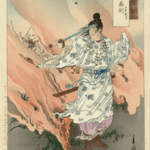 Kusanagi
- Prayers and Offerings: Individuals may offer prayers and small tokens at Musubi-no-kami shrines, asking for guidance and blessings in their relationships.
- Ceremonial Ties: During certain ceremonies, couples may tie cords or ribbons together as a symbolic gesture of their commitment, invoking Musubi-no-kami’s spirit of binding.
- Community Gatherings: Festivals and gatherings that celebrate Musubi-no-kami often include activities designed to promote unity among participants, reinforcing social bonds.
These rituals not only serve to honor Musubi-no-kami but also create a sense of community among participants. By engaging in shared practices, individuals strengthen their ties with one another, embodying the very essence of Musubi-no-kami’s teachings.
Musubi-no-kami in Modern Culture
In contemporary Japan, the influence of Musubi-no-kami continues to resonate in various aspects of culture. While many traditional practices remain, new interpretations of this deity have emerged, reflecting the changing values and beliefs of society. Modern interpretations often focus on the themes of unity, creativity, and growth, making Musubi-no-kami relevant to today’s challenges.
Artists and writers frequently draw inspiration from Musubi-no-kami, incorporating the deity’s themes into their works. In literature, Musubi-no-kami symbolizes the interconnectedness of all things, serving as a reminder of the importance of relationships in a fast-paced world. Similarly, in visual arts, Musubi-no-kami may be depicted as a figure that weaves together various elements, illustrating the beauty of unity and collaboration.
Influence on Festivals and Celebrations
Modern Japanese festivals often pay homage to Musubi-no-kami, celebrating the values of community and togetherness. These festivals may include:
- Art Exhibitions: Artists showcase works inspired by Musubi-no-kami, emphasizing themes of connection and creativity.
- Food Festivals: Local communities come together to share food, honoring the agricultural aspects associated with Musubi-no-kami.
- Workshops: Educational workshops are held to teach traditional crafts, promoting collaboration and the sharing of skills among participants.
These modern interpretations and celebrations reflect a society that values the lessons of Musubi-no-kami while adapting them to contemporary life. The deity serves as a bridge between the past and the present, reminding people of the importance of unity and connection in an ever-changing world.
The Symbolism of Musubi-no-kami
The symbolism associated with Musubi-no-kami is rich and multifaceted. As a deity of creation, growth, and binding, Musubi-no-kami embodies the interconnectedness of all aspects of life. This symbolism extends beyond mere agricultural or relational contexts, touching on broader themes of harmony and balance in the universe.
One of the key symbols associated with Musubi-no-kami is the rice grain. In Japanese culture, rice is not only a staple food but also a symbol of prosperity and life. The act of planting and harvesting rice mirrors the cycles of creation and growth that Musubi-no-kami represents. As such, rice is often offered at shrines as a token of gratitude and a request for continued blessings.
Other Symbolic Representations
In addition to rice, several other symbols are closely linked to Musubi-no-kami:
- Threads: The act of binding is often represented through threads or cords, symbolizing the connections between people and the natural world.
- Water: Water is another important symbol, representing the nurturing aspects of Musubi-no-kami. It is essential for growth and is often associated with purification rituals.
- Plants: Various plants, particularly those that bear fruit, symbolize the fertility and abundance that Musubi-no-kami brings to the earth.
These symbols are often incorporated into rituals, artwork, and celebrations dedicated to Musubi-no-kami. By engaging with these representations, individuals connect with the deeper meanings behind the deity, fostering a greater understanding of the interconnectedness of life.
Musubi-no-kami in Shinto Practices
Musubi-no-kami holds a prominent place within Shinto practices. As a kami of creation and binding, Musubi-no-kami is often invoked during various ceremonies and rituals. These practices serve to honor the deity and seek blessings for growth, unity, and prosperity.
Shinto shrines dedicated to Musubi-no-kami can be found throughout Japan. These shrines are often adorned with symbols representing the deity, such as rice, threads, and other natural elements. Visitors to these shrines engage in rituals that may include offering prayers, performing purification rites, and making offerings of food or other tokens.
Key Rituals in Shinto
Several key rituals are commonly associated with Musubi-no-kami in Shinto practices:
- Purification Rituals: Before approaching a shrine, worshippers often undergo purification rites, such as washing their hands and mouth with water. This act symbolizes the cleansing of impurities and prepares individuals to connect with the divine.
- Offering of Rice: Rice is a central offering to Musubi-no-kami, symbolizing gratitude for the blessings of life and sustenance. Worshippers may leave rice at the altar as a token of appreciation.
- Festivals and Celebrations: Various festivals throughout the year celebrate Musubi-no-kami, involving community gatherings, traditional music, and dance. These events reinforce the importance of unity and connection.
Through these rituals, worshippers connect with Musubi-no-kami, seeking guidance and blessings for their lives. The emphasis on purification, gratitude, and community reflects the core values of Shinto and the teachings of Musubi-no-kami.
Musubi-no-kami in Folklore
Musubi-no-kami is also a prominent figure in Japanese folklore, where stories and legends often illustrate the deity’s significance in daily life. These tales convey moral lessons, cultural values, and the importance of unity and connection. Folklore serves as a means of passing down traditions and teachings from generation to generation.
One popular legend involves a farmer who struggled to cultivate his land. Despite his hard work, the crops would fail year after year. In desperation, he prayed to Musubi-no-kami for help. After his sincere prayers, the farmer discovered a hidden spring on his land, providing the necessary water for his crops. This tale emphasizes the importance of faith and the belief that Musubi-no-kami can intervene in times of need.
The Role of Stories in Cultural Identity
Folklore plays a crucial role in shaping cultural identity. The stories of Musubi-no-kami serve to remind people of their connections to nature, each other, and the spiritual world. These tales often highlight themes of perseverance, gratitude, and the importance of community support.
- Lessons on Harmony: Many stories illustrate the need for harmony between humans and nature, reinforcing the idea that respecting the environment leads to prosperity.
- Interconnectedness: Folklore often emphasizes the interconnectedness of all living beings, reflecting the teachings of Musubi-no-kami.
- Cultural Traditions: These stories help preserve cultural traditions and practices, ensuring that future generations understand the values associated with Musubi-no-kami.
Through these narratives, Musubi-no-kami’s teachings continue to resonate in modern society, encouraging individuals to foster connections and seek balance in their lives.
Musubi-no-kami remains a vital part of Japanese mythology, representing the forces of creation, growth, and unity. The deity’s influence is seen in agriculture, relationships, and cultural practices, emphasizing the importance of connection in various aspects of life. Through rituals, festivals, and folklore, Musubi-no-kami’s teachings continue to inspire individuals and communities, fostering a sense of harmony and balance in an ever-changing world.