 WORLD
WORLD
Asia
Explore myths, traditions and legendary beings grouped under Asia.
Last articles
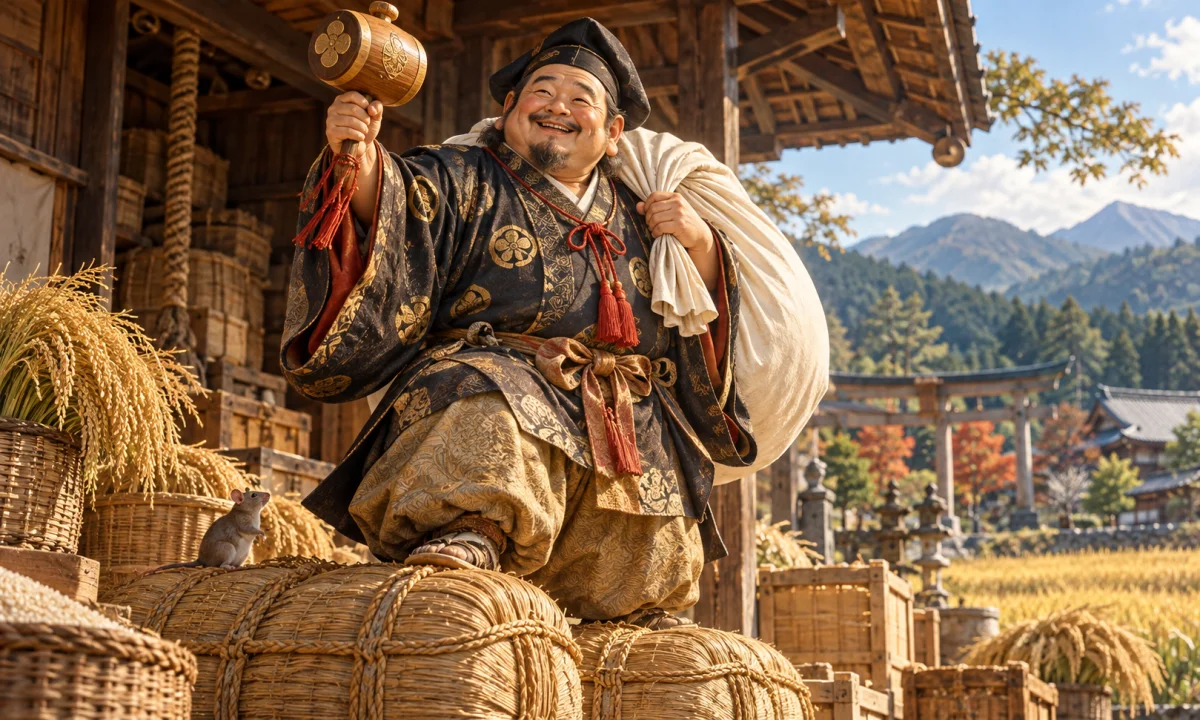
Daikoku
Daikoku, more fully Daikokuten (大黒天), is a Japanese Buddhist deity associated with prosperity, food, agriculture, household abundance and good fortune. He is commonly shown as a broad-faced figure standing on rice bales,…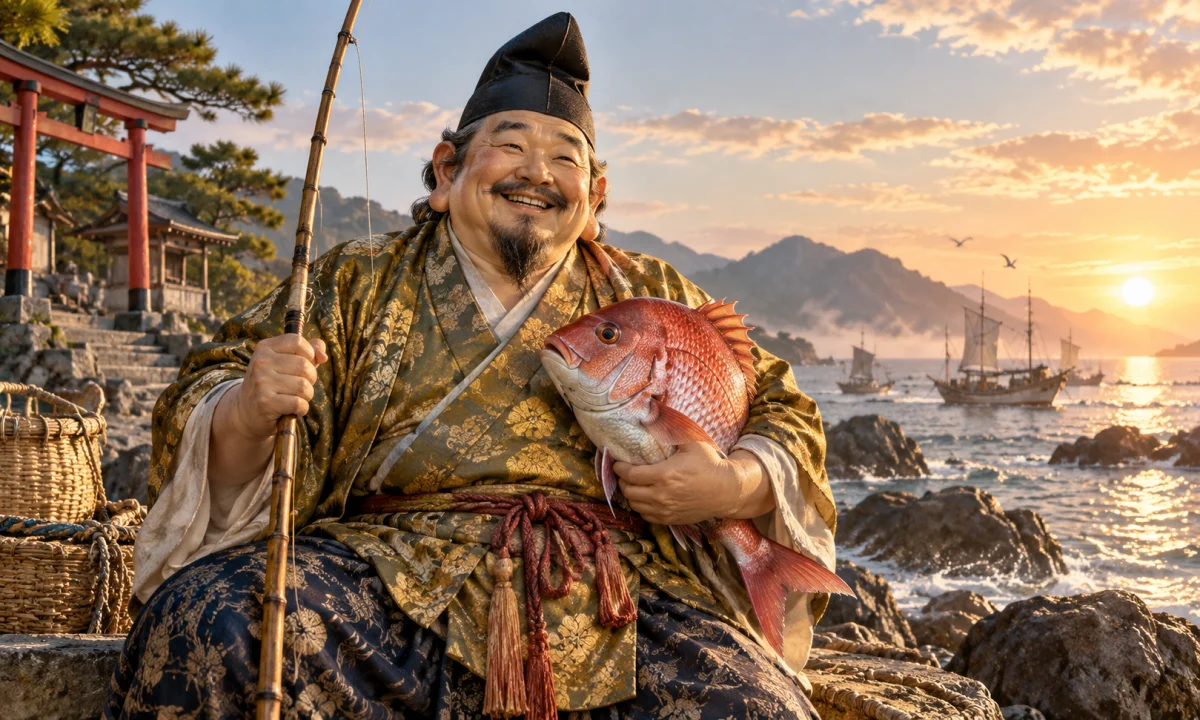
Ebisu
Ebisu is a Japanese kami associated with the sea, fishing, trade, prosperity and good fortune. He is best known as one of the Seven Lucky Gods (Shichifukujin), usually shown smiling, carrying a fishing rod and holding a …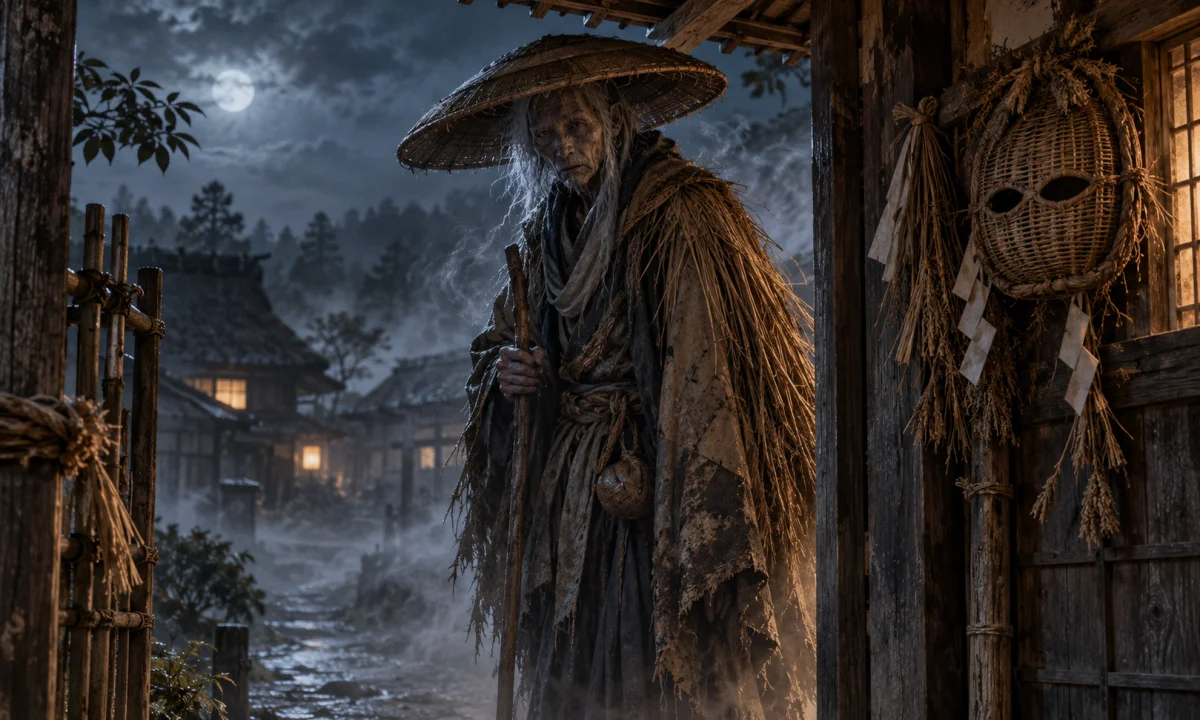
Ekibiogami
Ekibiogami is a Japanese term for a deity or spirit associated with epidemic disease. It is commonly written 疫病神 and may be romanised as ekibyōgami, ekibyougami or, in some English-language contexts, ekibiogami. The name…
Jimmu-tenno
Jimmu-tennō, also written Emperor Jimmu or Jinmu-tennō, is presented in Japanese tradition as the first emperor of Japan and the founder of the imperial line. He is a legendary ruler rather than a figure whose historical…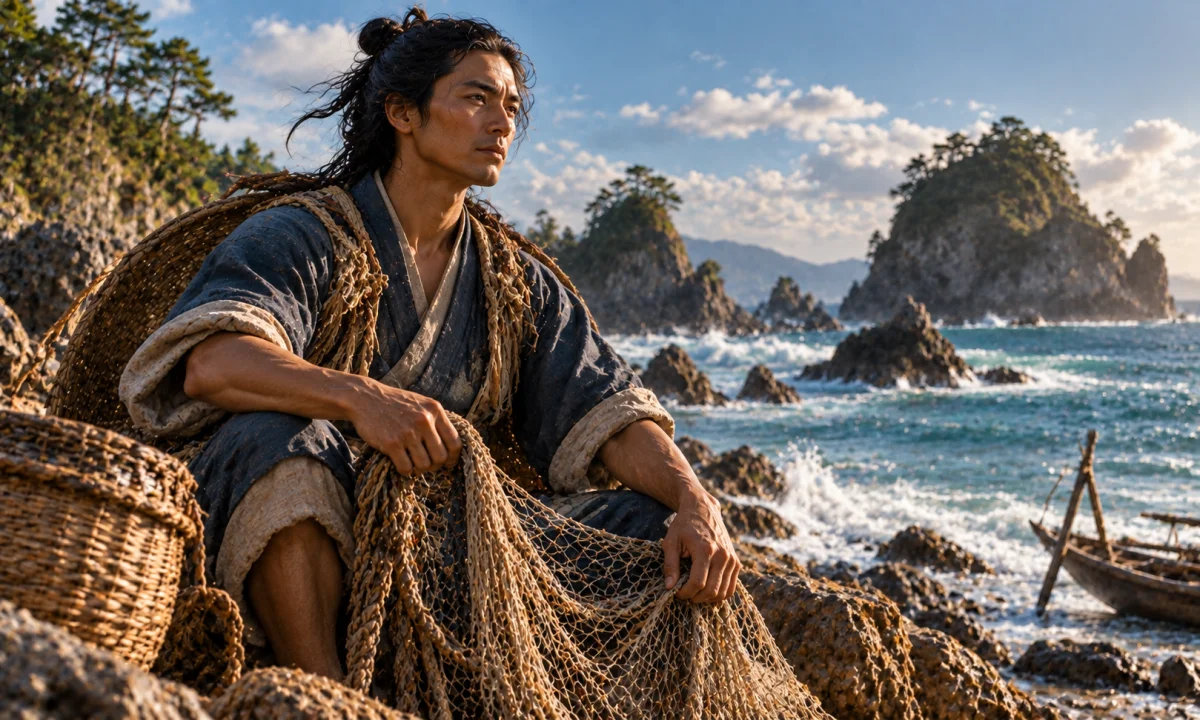
Hoderi
Hoderi is a figure in early Japanese mythology, best known from the Kojiki and Nihon Shoki as the elder brother of Hoori. He is associated with the sea, fishing, and the inherited “luck” of the ocean. In the central stor…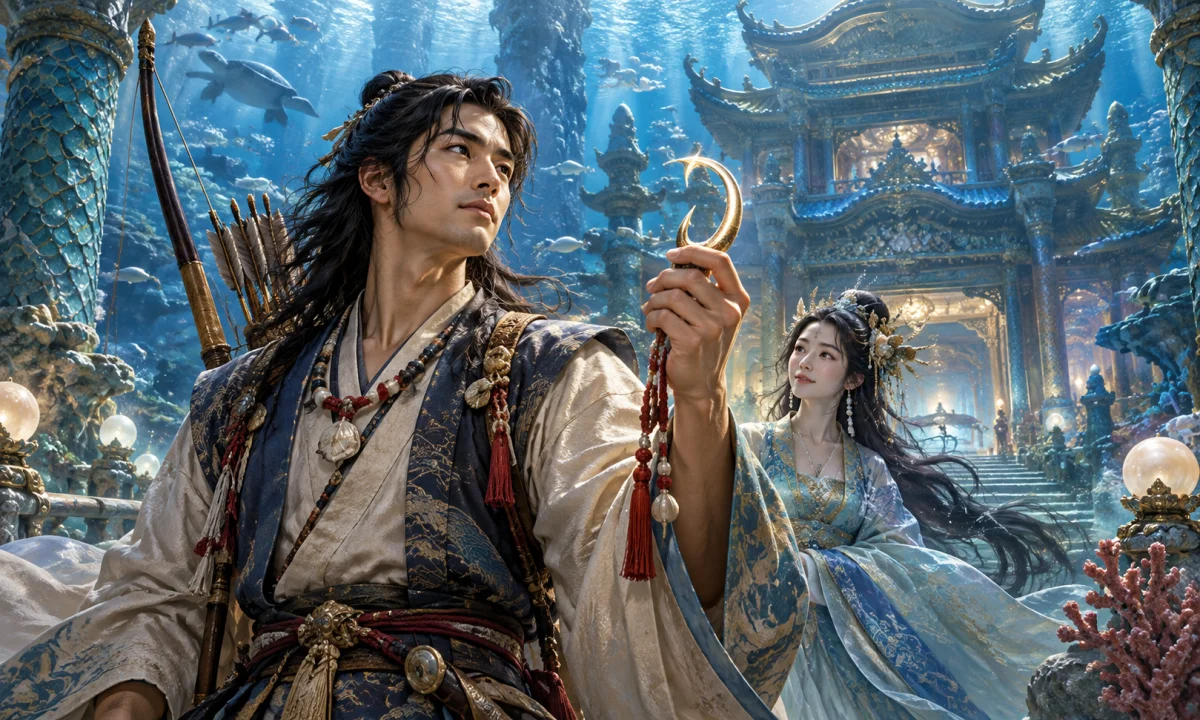
Hoori
Hoori is a figure in Japanese mythology who belongs to the divine genealogy leading to the imperial ancestors. He is best known as the mountain hunter who loses his brother’s fishing hook, enters the underwater palace of…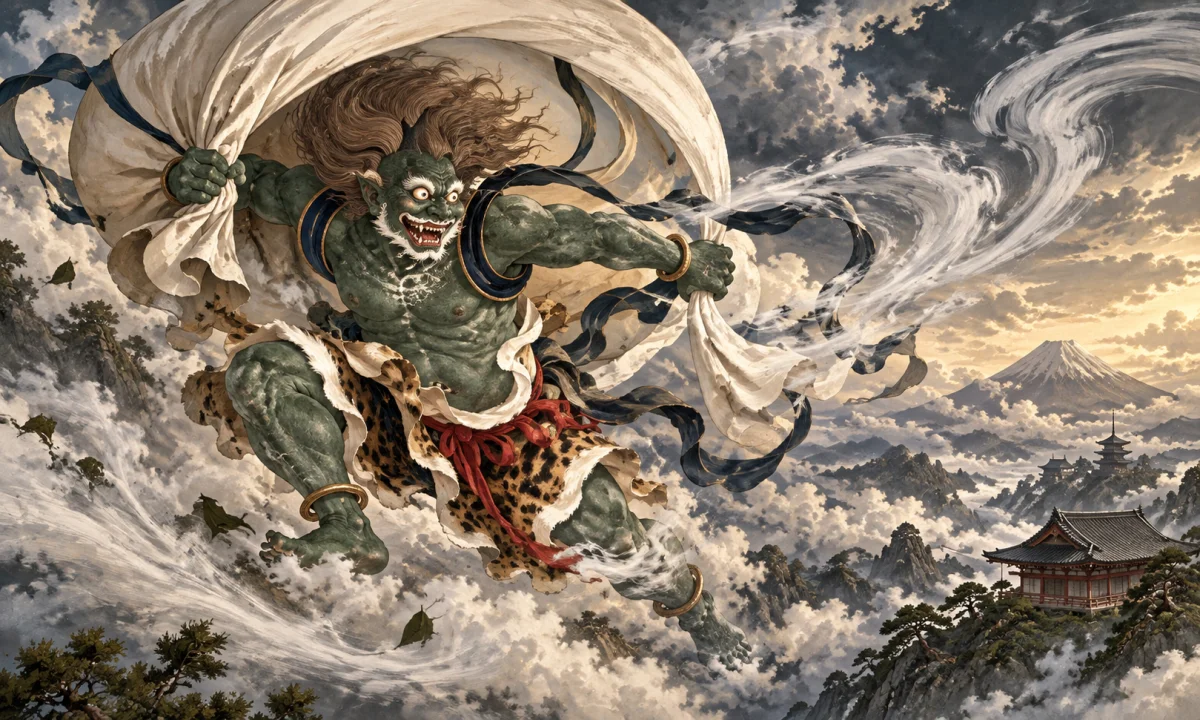
Fujin
Fujin (風神, commonly romanised as Fūjin) is the Japanese deity or divine figure associated with wind. In traditional art he is usually shown as a wild, muscular, often demon-like being carrying a large bag from which the …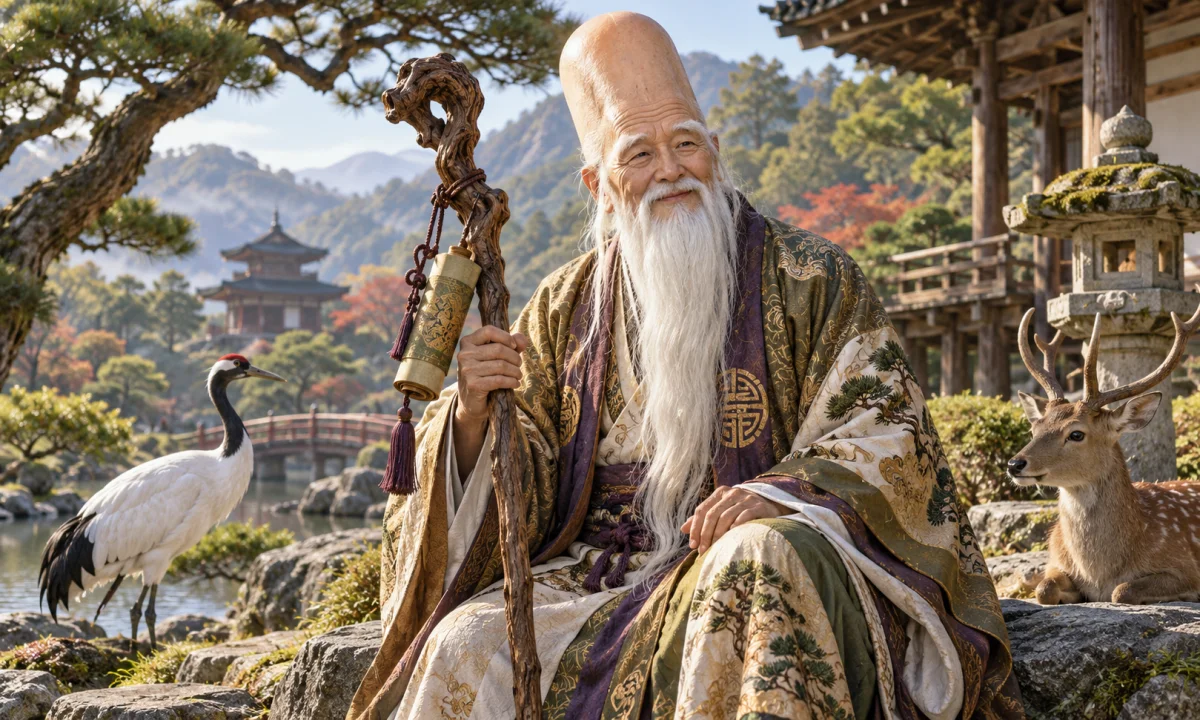
Fukurokuju
Fukurokuju is a Japanese deity of good fortune associated especially with longevity, wisdom and prosperity. He is best known as one of the Seven Lucky Gods (Shichifukujin), a popular group of benevolent figures honoured …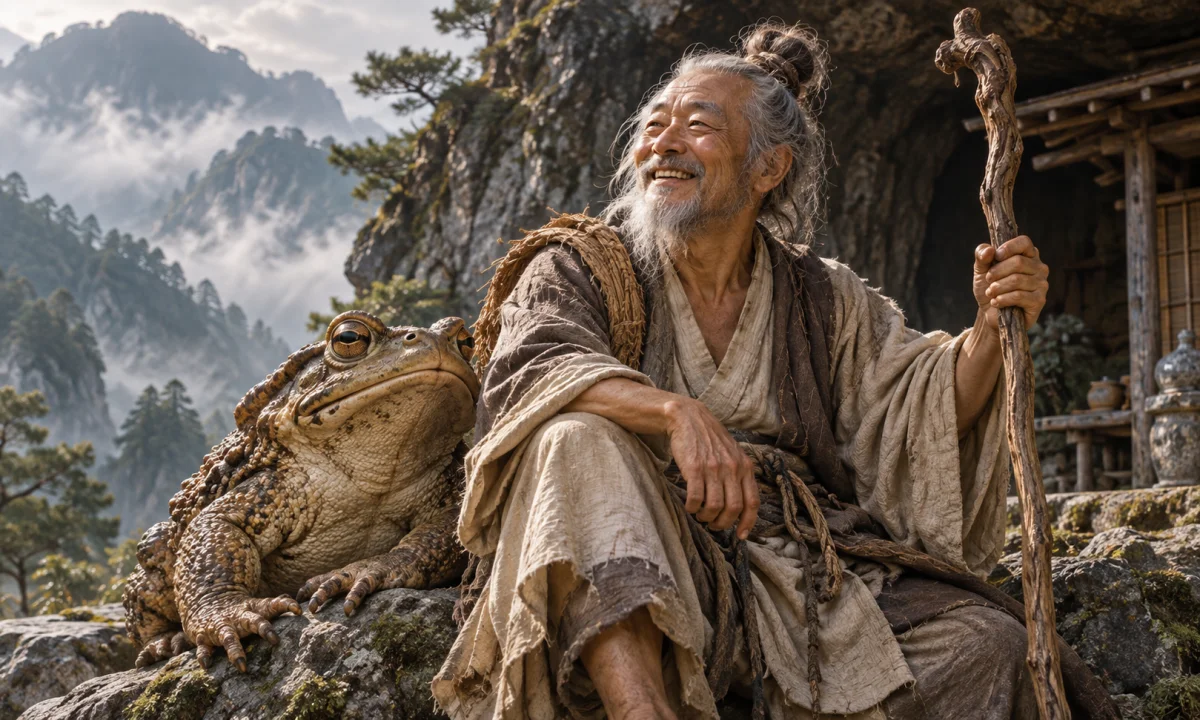
Gama-sennin
Gama-sennin (Japanese: 蝦蟇仙人, “Toad Immortal” or “Toad Hermit”) is a legendary Daoist-style sage associated with toads, supernatural longevity and arcane powers. Although the figure belongs to Japanese mythology and Japan…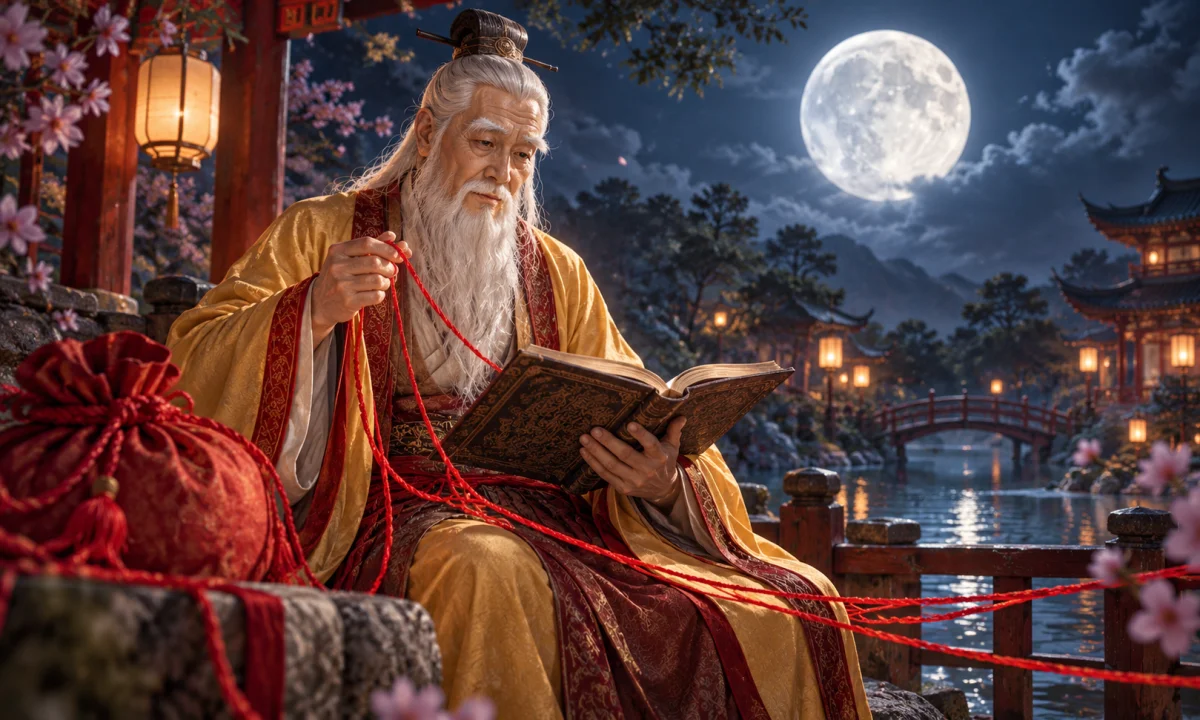
Gekka-o
Gekka-o is a name sometimes used for the elderly matchmaker spirit known in Japanese as Gekka Rōjin (月下老人), literally “the old person beneath the moon.” The figure is associated with marriage, destined relationships and …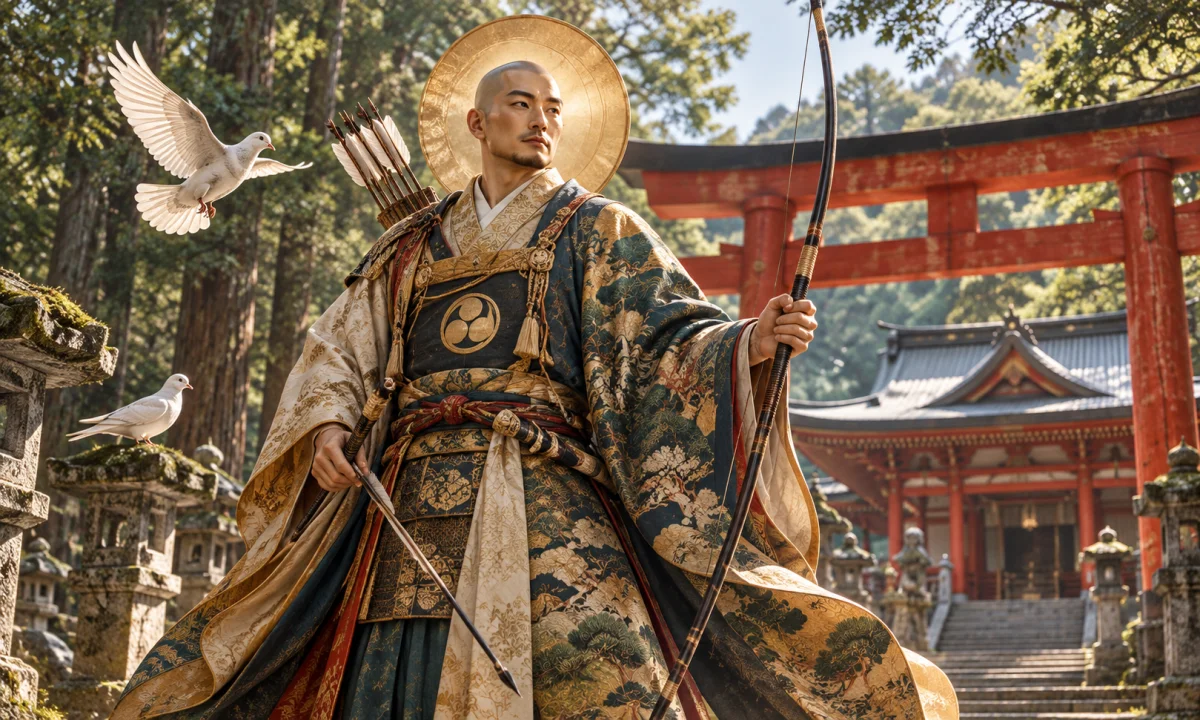
Hachiman
Hachiman is one of the most important kami of Japan. He is associated with warfare, archery, political authority, protection, and the prosperity of communities, but his identity has never been limited to that of a war go…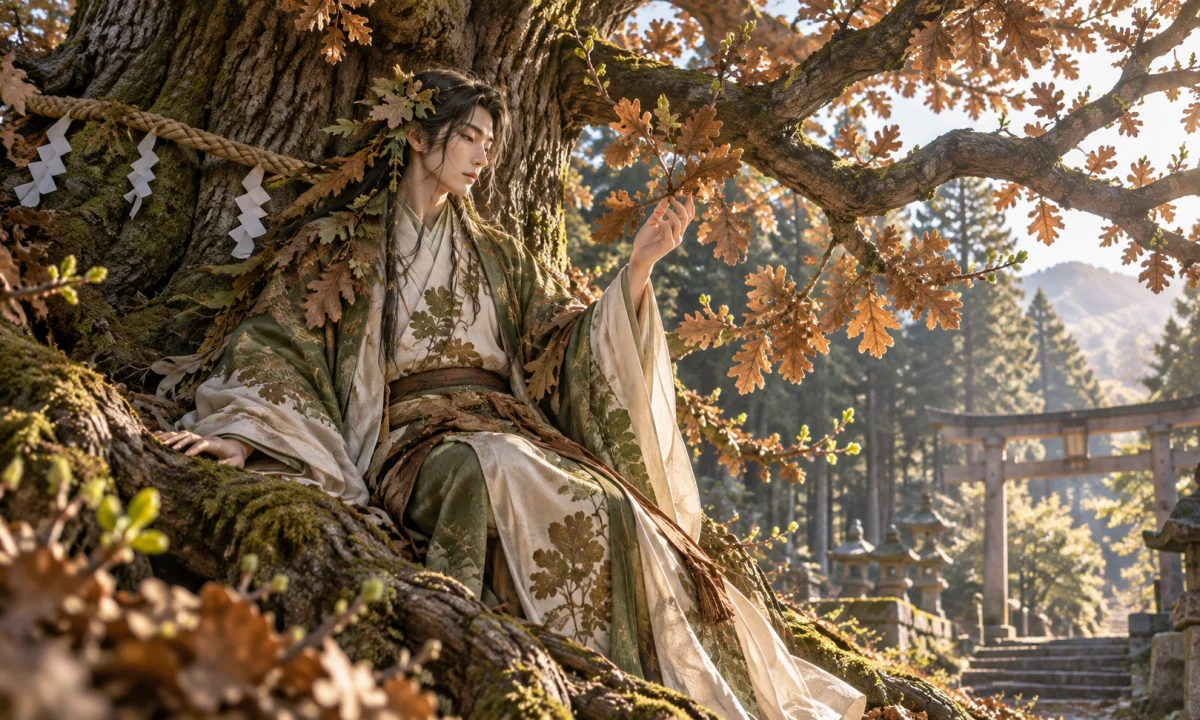
Hamori
Hamori is not a securely identifiable figure in the best-known surviving sources of Japanese mythology. The name appears occasionally in modern lists, online encyclopaedias and informal discussions of Japanese legendary …Mythology and folklore of Asia
Asian mythology and folklore encompass an exceptionally diverse range of religious traditions, sacred narratives, legendary histories, ritual practices and supernatural beings developed across the world’s largest continent. The category includes traditions associated with East Asia, South Asia, Southeast Asia, Central Asia, Siberia and neighbouring cultural zones, but it does not represent a single mythology or unified system of belief. Communities across Asia have spoken thousands of languages, formed different political and religious institutions and interpreted the natural and spiritual worlds in distinct ways. Some traditions are preserved in ancient scriptures, court chronicles, inscriptions and literary works, while others survive primarily through oral storytelling, ritual performance, local custom, visual art and ethnographic records.
The mythological traditions of Asia are especially significant because they reveal long histories of cultural continuity, religious change and interaction across vast distances. Trade routes, migration, pilgrimage, conquest and translation connected societies from India and Central Asia to China, Korea, Japan and Southeast Asia. Buddhism, Hindu traditions, Islam, Christianity, Jainism, Sikhism, Daoism, Confucian traditions, Shinto and numerous local religions developed within these networks. Cultural exchange was extensive, but similar gods, spirits or stories should not automatically be treated as identical or assumed to share a single origin.
Scope and cultural boundaries
Asia is a modern geographical category covering regions with very different histories. Ancient communities rarely understood themselves primarily as Asian. Their identities were more often based on language, kingdom, empire, city, lineage, religious affiliation or local territory. For this reason, Asian mythology is best understood as an organisational category that brings together many independent and overlapping traditions.
Modern national borders can also obscure older cultural realities. Chinese, Korean, Japanese, Mongolian, Tibetan, Turkic, Persian, Indian and Southeast Asian traditions developed through changing political frontiers and extensive regional contact. Communities speaking related languages may now live in several countries, while individual states may contain many distinct ethnic and religious traditions.
The boundaries between mythology, religion, history and folklore are not always clear. A narrative about a divine ruler, ancestral founder or miraculous teacher may function as sacred history within one community, as literature in another and as folklore in a later setting. Modern readers should therefore avoid assuming that every mythological narrative was understood as literal history or that all members of a society interpreted it in the same way.
South Asian religious and mythological traditions
South Asia contains some of the world’s oldest and most extensive religious literatures. Hindu traditions developed through a long and complex history involving Vedic religion, epic literature, philosophical schools, temple worship, devotional movements and regional practices. There is no single Hindu mythology, but many interconnected traditions centred on deities, sacred places, ritual obligations, cosmology and liberation.
The Vedas preserve hymns and ritual material associated with early Indo-Aryan religious traditions. Later texts, including the Mahabharata, Ramayana and Puranas, contain narratives about gods, heroes, royal lineages, cosmic cycles and sacred geography. These works developed over long periods and survive in multiple recensions, translations and regional adaptations. Their characters and stories may therefore differ between textual and oral traditions.
Deities such as Vishnu, Shiva, Devi, Lakshmi, Saraswati, Ganesha, Krishna and Rama have complex identities shaped by theology, literature, ritual and local worship. Vishnu’s manifestations, Shiva’s many forms and the diverse traditions centred on goddesses cannot be reduced to simple functions. A deity associated with destruction may also represent transformation, asceticism, protection or cosmic renewal.
Buddhism and Jainism also emerged in South Asia and developed their own cosmologies, sacred narratives and communities. Buddhist traditions include accounts of the Buddha’s previous lives, enlightened beings, protective deities, heavens, hells and cycles of rebirth. Jain traditions preserve narratives concerning the Tirthankaras, cosmic history and exemplary figures. These religions later spread into other regions, where their imagery and stories were adapted to new languages and cultures.
Chinese mythology and religious diversity
Chinese mythology includes ancient cosmological traditions, ancestral narratives, local cults, Daoist religion, Buddhist influence, popular religion, imperial ritual and literary folklore. It cannot be represented by a single fixed pantheon. Gods and spirits could be associated with particular cities, occupations, mountains, rivers, families or historical individuals who later received worship.
Early Chinese religious evidence comes from oracle bone inscriptions, bronze inscriptions, ritual vessels, tombs and transmitted texts. These sources reveal practices involving ancestors, royal authority, divination and divine powers. Later philosophical and religious traditions reinterpreted earlier ideas rather than simply replacing them.
Creation and cosmic-order narratives include figures such as Pangu, Nüwa and Fuxi, although their prominence and earliest sources differ. Pangu became an important creator figure in relatively late textual traditions, while Nüwa and Fuxi appear in multiple roles connected to human origins, culture and cosmic restoration. These narratives should not be treated as parts of one uniform creation account.
Daoist traditions developed elaborate systems of deities, immortals, celestial administration, ritual specialists and sacred texts. Chinese Buddhism introduced new cosmological beings and narratives, which interacted with existing traditions. Local gods could be incorporated into wider religious frameworks, while Buddhist figures were interpreted through Chinese cultural categories.
Popular literature contributed greatly to modern understandings of Chinese mythology. Works such as Journey to the West and Investiture of the Gods brought together religious figures, folklore, historical memory and literary invention. Their influence is enormous, but their stories do not always reflect earlier religious belief or ritual practice.
Japanese mythology and religious tradition
Japanese mythology is preserved through court chronicles, ritual traditions, shrine practices, Buddhist literature, regional legends and folklore. Early written sources such as the Kojiki and Nihon Shoki contain accounts of divine creation, the origins of the islands, heavenly and earthly deities and the ancestry of the imperial line. These texts were compiled within political and religious settings and do not present a neutral record of all local traditions.
The term kami can refer to deities, sacred presences, ancestral powers and beings associated with natural places or extraordinary qualities. Kami are not equivalent to gods in every Western religious sense. Their identities and significance vary by shrine, region and historical period.
Figures such as Amaterasu, Susanoo, Tsukuyomi, Izanagi and Izanami occupy prominent places in written mythology, but Japanese religious life has always included many local and regional traditions. Buddhist influence transformed the religious landscape, and kami were frequently understood in relation to Buddhist deities and teachings.
Japanese folklore contains numerous beings later grouped under the broad label yokai. This category includes monsters, transformed animals, spirits, animated objects and strange supernatural phenomena. Yokai classifications were shaped not only by oral folklore but also by art, literature and early modern scholarship. Modern popular culture has continued to reinterpret them.
Korean traditions and the spirit world
Korean mythology and folklore include founding narratives, shamanic traditions, Buddhist and Confucian influences, village cults and stories about spirits, heroes and supernatural beings. Some traditions survive through historical chronicles, ritual songs and regional oral narratives.
Founding myths such as that of Dangun have played important roles in ideas of political and cultural ancestry. Their surviving written forms were recorded long after the periods they describe and combine legendary, religious and historical elements. Modern interpretations have sometimes given them nationalist meanings that differ from their earlier contexts.
Korean shamanic traditions include rituals led by specialists often known as mudang. These practices may involve healing, divination, communication with spirits and ceremonies for individuals or communities. The stories performed during rituals can preserve complex accounts of deities, ancestors and the dead.
Korean folklore also contains fox spirits, goblin-like dokkaebi, ghosts and other supernatural figures. Their characteristics vary between sources and periods. Modern film, television and literature often standardise these beings, but traditional accounts may present them in more ambiguous or localised forms.
Central Asian and steppe traditions
Central Asia has long been shaped by mobile pastoral societies, oasis cities, empires and trade routes. Turkic, Mongolian, Iranian and other traditions interacted across the steppe and along the Silk Roads. Religious life included ancestor traditions, sky worship, shamanic practices, Buddhism, Manichaeism, Christianity and Islam at different times and places.
Tengri, associated with the sky and sovereign power in several Turkic and Mongolian contexts, is one of the best-known divine figures of the region. However, beliefs concerning Tengri varied, and the term should not be treated as proof of a single organised religion shared unchanged by all steppe peoples.
Epic narratives are central to many Central Asian traditions. Stories concerning heroes such as Manas or figures preserved in Turkic epic cycles combine historical memory, tribal identity, warfare, migration and supernatural motifs. Oral performers may preserve multiple versions, and modern national editions can reshape diverse traditions into standardised texts.
Islamic influence became profound across much of Central Asia, but earlier customs did not simply disappear. Local saints, sacred places, ancestral practices and spirit beliefs sometimes continued within Islamic cultural frameworks. The relationship between these elements differed across communities and historical periods.
Siberian and northern traditions
Siberia is home to numerous Indigenous peoples with distinct languages, histories and religious traditions. These include communities from Turkic, Mongolic, Tungusic, Uralic and other linguistic backgrounds. Their beliefs cannot be reduced to a single form of northern shamanism.
Some Siberian traditions describe layered cosmologies connecting upper, middle and lower worlds. Ritual specialists may journey symbolically between realms, communicate with spirits or address illness and misfortune. Drums, clothing, songs and animal symbolism can be important, but their meanings vary widely.
Animals such as bears, reindeer, birds and wolves may hold religious or mythological significance in particular communities. These relationships reflect hunting, pastoral life, kinship and local ecology. Similar animal motifs in different traditions do not necessarily carry the same meaning.
Much early documentation was produced by Russian officials, missionaries and ethnographers. These records preserve valuable information but may reflect external assumptions or misunderstandings. Contemporary Indigenous knowledge and local scholarship are therefore essential for interpreting older materials.
Southeast Asian mythologies
Southeast Asia includes mainland and island regions shaped by Indigenous traditions, Hindu and Buddhist influence, Islam, Christianity, maritime trade and powerful local kingdoms. The mythologies of Indonesia, Malaysia, Thailand, Cambodia, Vietnam, Myanmar, the Philippines and neighbouring areas display considerable internal diversity.
Indian religious narratives had a major impact on many courts and literary traditions. The Ramayana and Mahabharata were adapted into local languages, performance traditions and political ideologies. These adaptations are not merely copies of Indian sources. They often change characters, settings and moral emphasis to reflect local cultures.
Buddhist cosmology and narratives became central in much of mainland Southeast Asia. Local spirits continued to be honoured alongside Buddhist practice, and rulers used religious symbolism to support political authority. Hindu deities also remained important in art, ritual and royal tradition, even where Hinduism was not the dominant religion.
Island Southeast Asia contains traditions involving ancestors, nature spirits, culture heroes and sacred rulers. In Indonesia, local beliefs interacted with Hindu-Buddhist kingdoms and later Islamic traditions. Philippine mythologies include numerous regional deities, spirits and epic figures, but modern national summaries often combine traditions that originally belonged to different linguistic communities.
Spirits, ancestors and supernatural beings
Across Asia, traditions involving ancestors, territorial spirits, household beings and dangerous supernatural entities are widespread. Their meanings depend on local religious and social contexts. Ancestors may protect descendants, receive offerings or legitimise political authority. Spirits may inhabit rivers, forests, mountains, houses or burial places.
Some beings become dangerous when ritual obligations are neglected or social boundaries are violated. Ghost traditions often reflect ideas about improper death, unfulfilled obligations and disturbed relationships between the living and the dead. However, concepts of ghosts differ sharply between Hindu, Buddhist, Chinese, Japanese, Islamic and Indigenous traditions.
Translation can create confusion. Terms rendered as demon, ghost, fairy or dragon may refer to very different types of beings. Chinese long, Japanese ryu and South Asian naga traditions are often translated using familiar Western creature names, but their religious and symbolic meanings differ from those of medieval European dragons.
Sources and transmission
Asian mythological traditions survive through sacred texts, epics, chronicles, ritual manuals, temple inscriptions, sculpture, painting, theatre, oral storytelling and living religious practice. Each type of evidence serves a different purpose. A philosophical scripture, a village legend and a court epic cannot be treated as equivalent descriptions of belief.
Many texts were copied and edited over centuries. Translation between Sanskrit, Pali, Chinese, Tibetan, Persian, Arabic and other languages transformed religious concepts and narrative details. A figure might acquire new attributes as a tradition entered a different cultural environment.
Oral narratives also change through performance and transmission. Colonial collectors and modern folklorists sometimes recorded traditions outside their ritual setting or altered them for publication. Nationalist movements later selected certain myths as symbols of cultural identity, occasionally presenting recent reconstructions as ancient and uniform traditions.
Recurring themes and important differences
Common themes include creation, cosmic cycles, divine kingship, sacred mountains, dragons and serpents, heroic journeys, ancestral origins, karmic consequences, spirit possession and journeys between worlds. These themes provide opportunities for comparison, but they should not erase differences in theology, ritual and social meaning.
Rebirth has a central role in Buddhist, Hindu and Jain traditions, but each understands it differently. Ancestor veneration in China is not identical to ancestral practices in Japan, Korea or Central Asia. Divine rulers in South Asian epics cannot be interpreted through the same political framework as Japanese imperial mythology or steppe traditions of heavenly sovereignty.
Comparison is most reliable when it considers chronology, language, documented contact and the specific functions of a narrative. Similarity alone does not prove common origin, and broad claims about a universal Asian worldview usually conceal more than they explain.
Religious change and cultural interaction
Asian religions spread through pilgrimage, trade, royal patronage, migration and translation. Buddhism moved from South Asia into Central, East and Southeast Asia, developing distinct schools and ritual systems. Islam spread across western, central, southern and southeastern regions through conquest, commerce, scholarship and local conversion.
Religious change rarely involved the complete disappearance of earlier traditions. Local gods, ancestors and sacred places could be reinterpreted within Buddhist, Islamic, Hindu or Christian frameworks. Some communities maintained several religious practices simultaneously without viewing them as mutually exclusive.
Empires also influenced mythology by promoting official rituals, genealogies and sacred histories. Court traditions could standardise local deities or reinterpret older stories to support political authority. Popular religion, however, often remained more diverse than official accounts suggest.
Modern reception and popular culture
Asian myths and legendary beings now appear throughout global literature, film, animation, comics and games. Figures from Hindu epics, Chinese novels, Japanese folklore and Southeast Asian legend are frequently adapted for new audiences. These works can encourage interest in traditional cultures, but they often combine unrelated beings or detach them from their religious contexts.
Modern nationalism has also shaped the presentation of mythology. Founding legends and heroic epics may be used to support claims about cultural unity or ancient identity. Such interpretations can be politically influential, but they should be distinguished from the varied historical evidence.
Contemporary writers, artists and religious communities continue to reinterpret Asian traditions in response to migration, social change and global media. These traditions remain culturally significant not because they form a single mythology, but because they preserve many different ways of understanding creation, authority, morality, death, community and the relationship between human and supernatural worlds.