 WORLD
WORLD
Explore Myths, Gods and Legends from Around the World
Stories of gods, heroes, monsters and legendary worlds from every culture
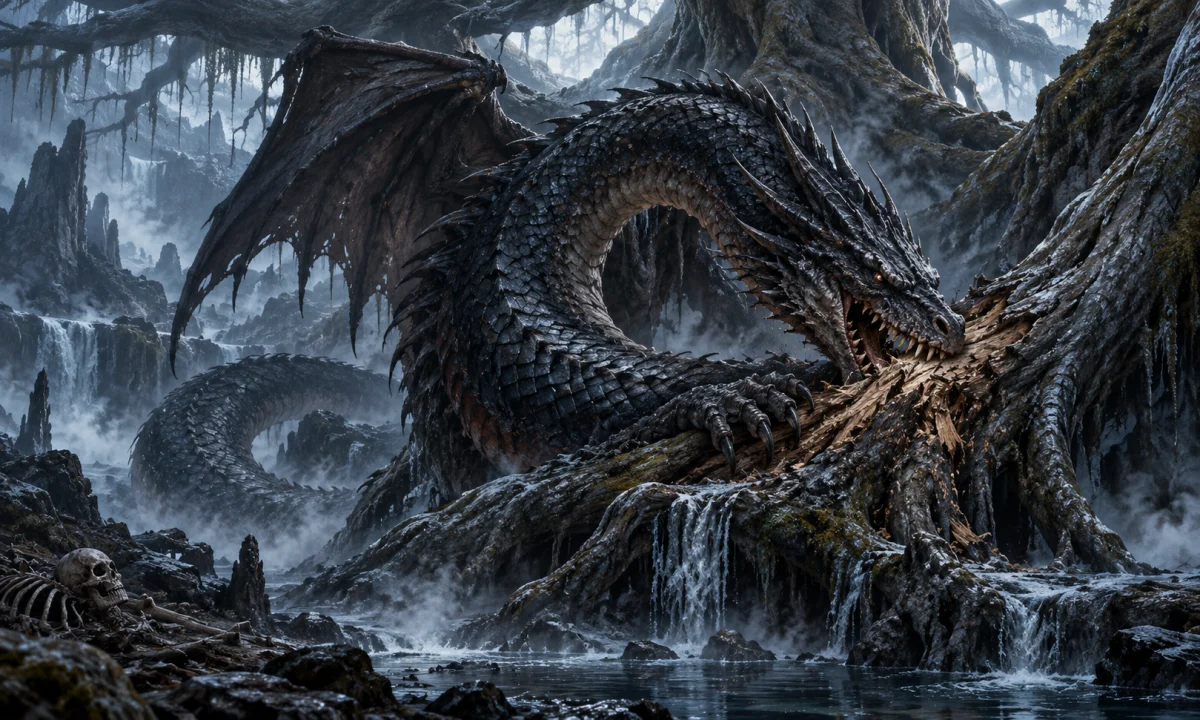
Nidhogg
Nidhogg—Old Norse Níðhöggr—is a powerful serpent or dragon in Norse mythology. He lives beneath Yggdrasil, the great ash tree that connects the worlds, where he gnaws at one of its roots. Nidhogg is also associated with …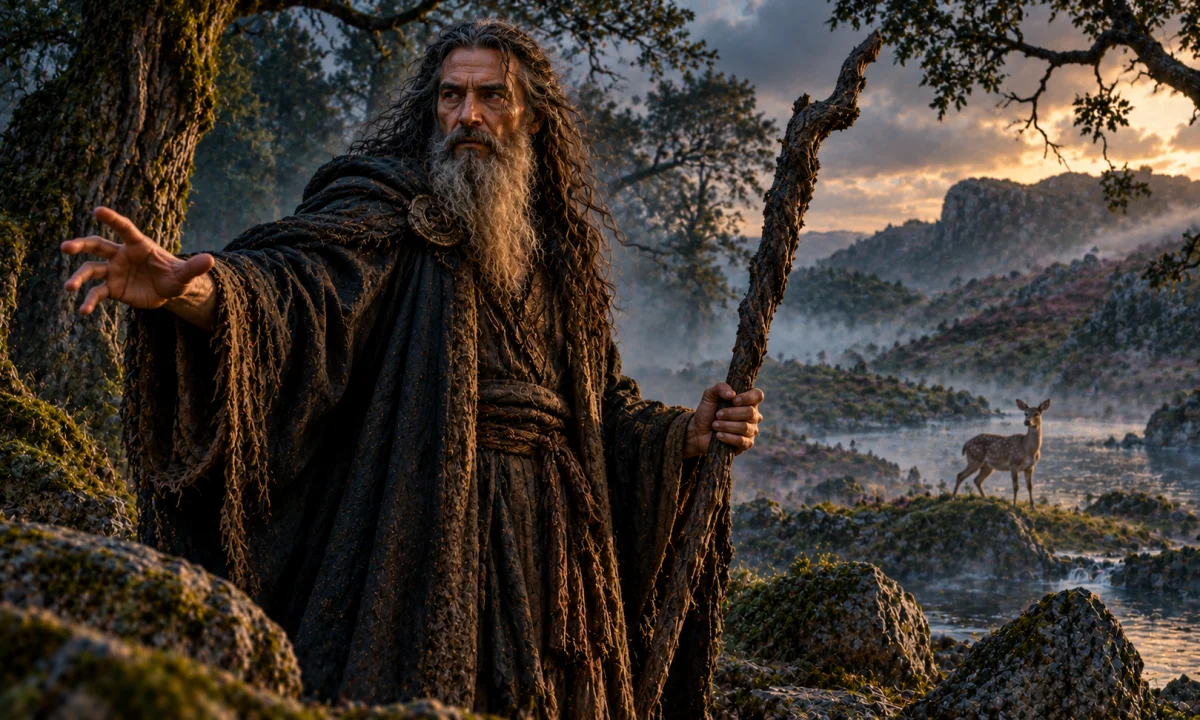
Fer Doirich
Fer Doirich is a shadowy and relatively minor figure associated with the Irish heroic tradition, especially stories connected with Fionn mac Cumhaill and the Fenian cycle. He is generally presented as a druid, magician o…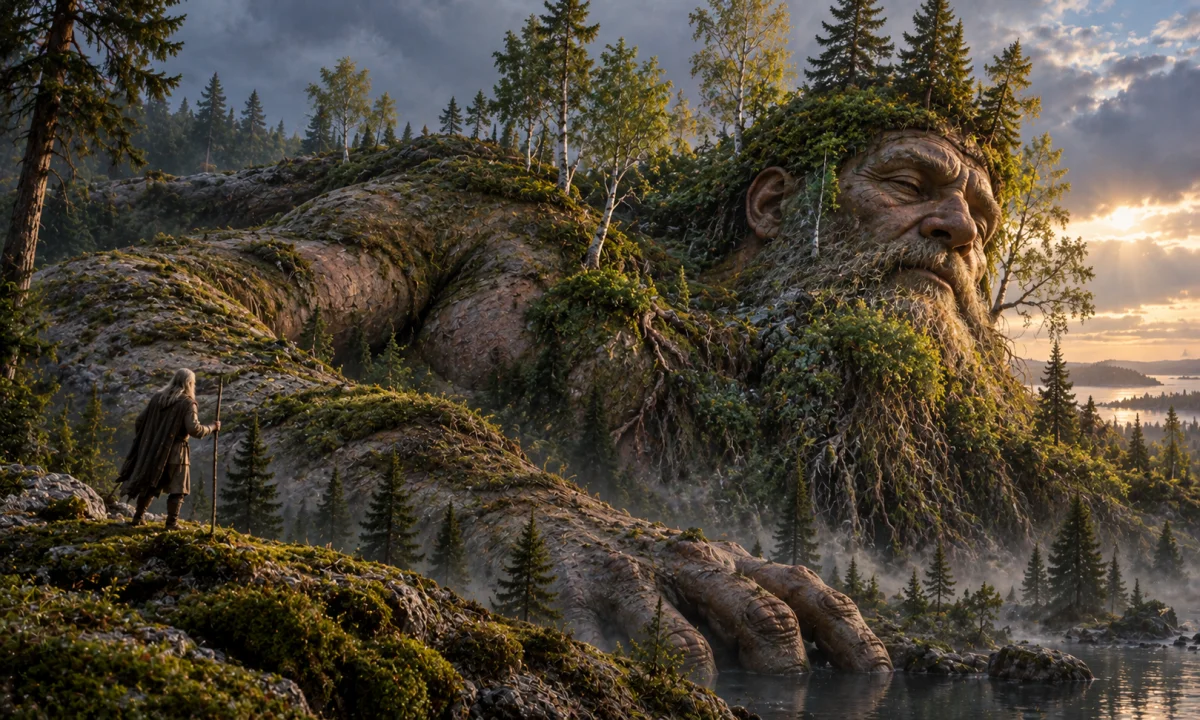
Antero Vipunen
Antero Vipunen is a mysterious giant and ancient keeper of magical knowledge in Finnish mythology, best known from the Kalevala, Finland’s national epic. He is usually described as a being who has been dead for a very lo…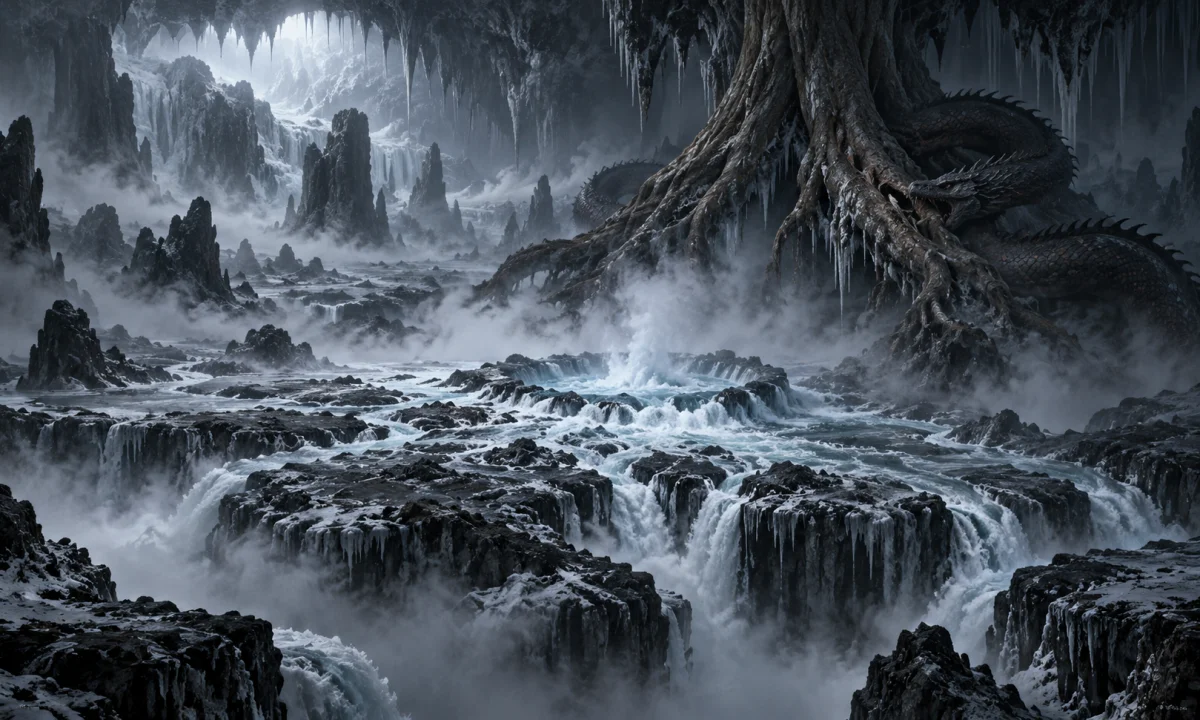
Niflheim
Niflheim is a place associated with cold, mist, darkness and primordial forces in Norse mythological tradition. Its name is Old Norse Niflheimr, usually understood as “world of mist” or “home of mist.” The surviving desc…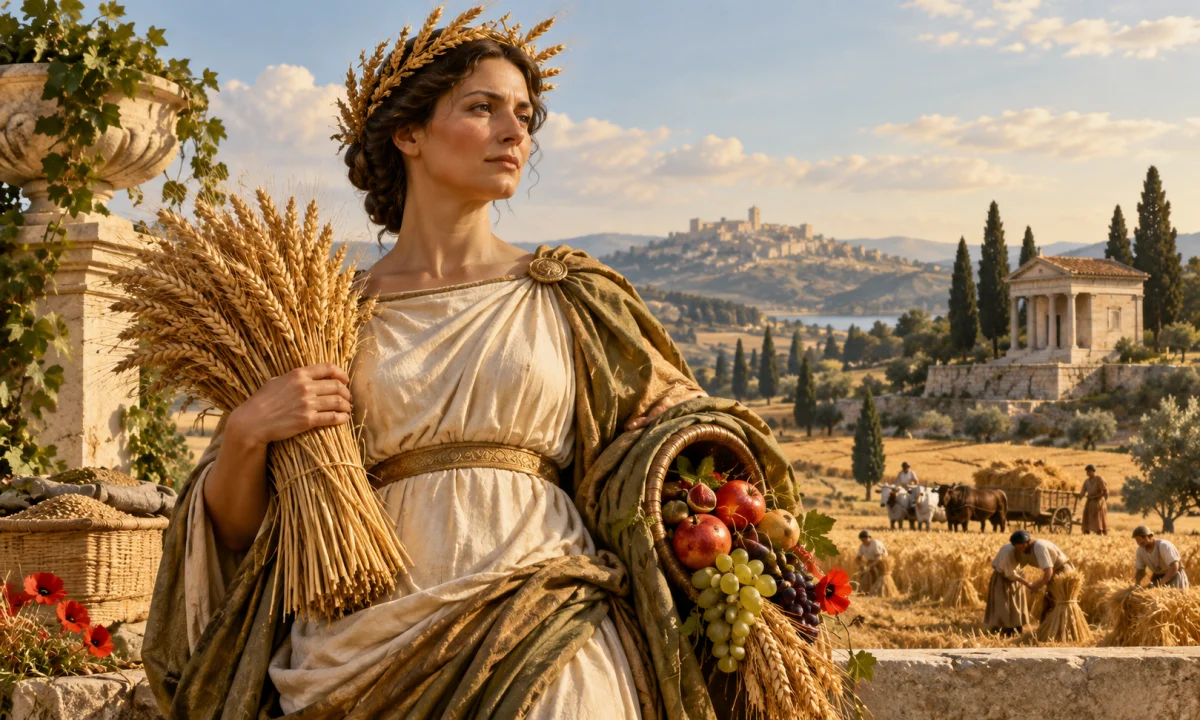
Ceres
Ceres is the Roman goddess of cultivated grain, agriculture and the nourishment that makes settled life possible. She belongs to the religious traditions of ancient Rome, where farming was both an economic necessity and …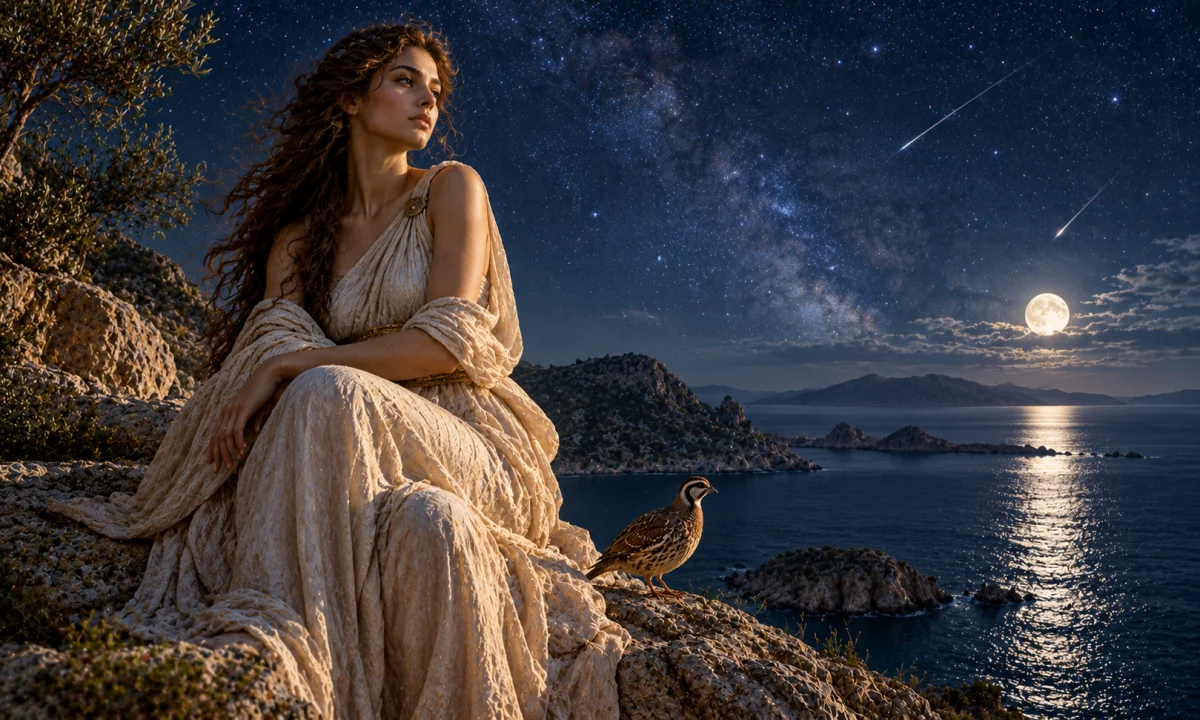
Asteria
Asteria is a Titaness in Greek mythology, best known as the daughter of the Titans Coeus and Phoebe, the sister of Leto, and the mother of Hecate. Her name is connected with stars and the night sky, although the earliest…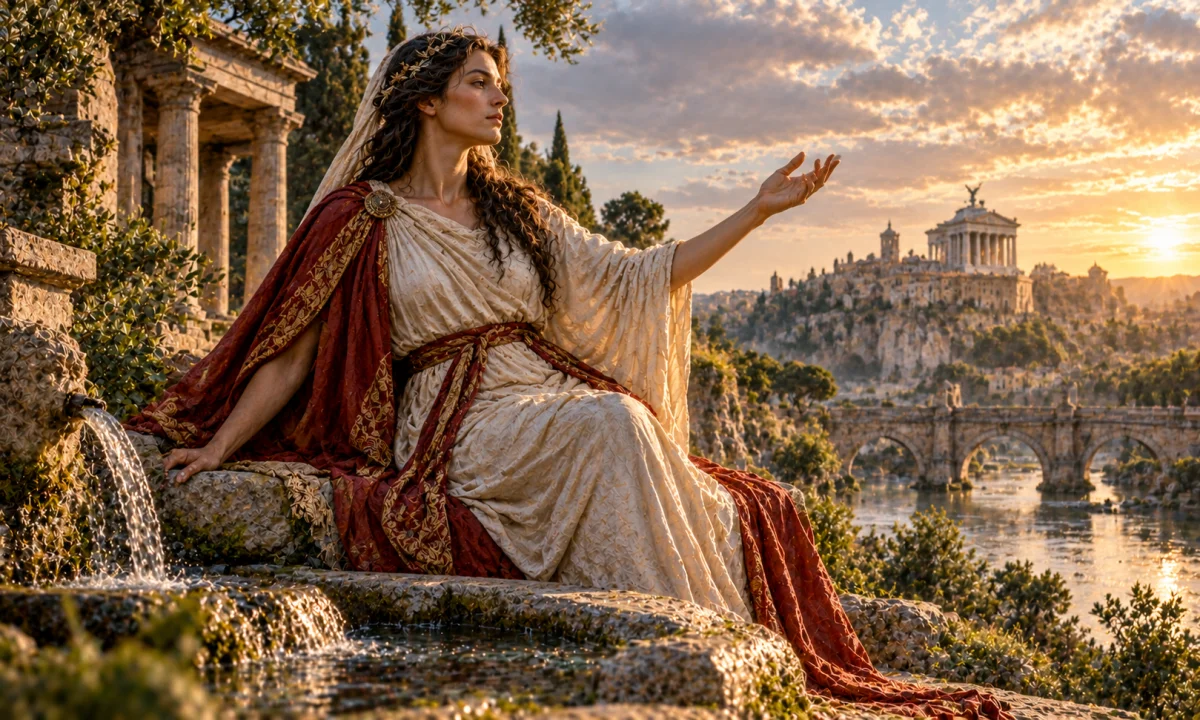
Carmenta
Carmenta was a Roman goddess associated with prophecy, childbirth and the legendary beginnings of Rome. Roman tradition also presented her as a prophetess from Arcadia and the mother of Evander, the Greek-speaking ruler …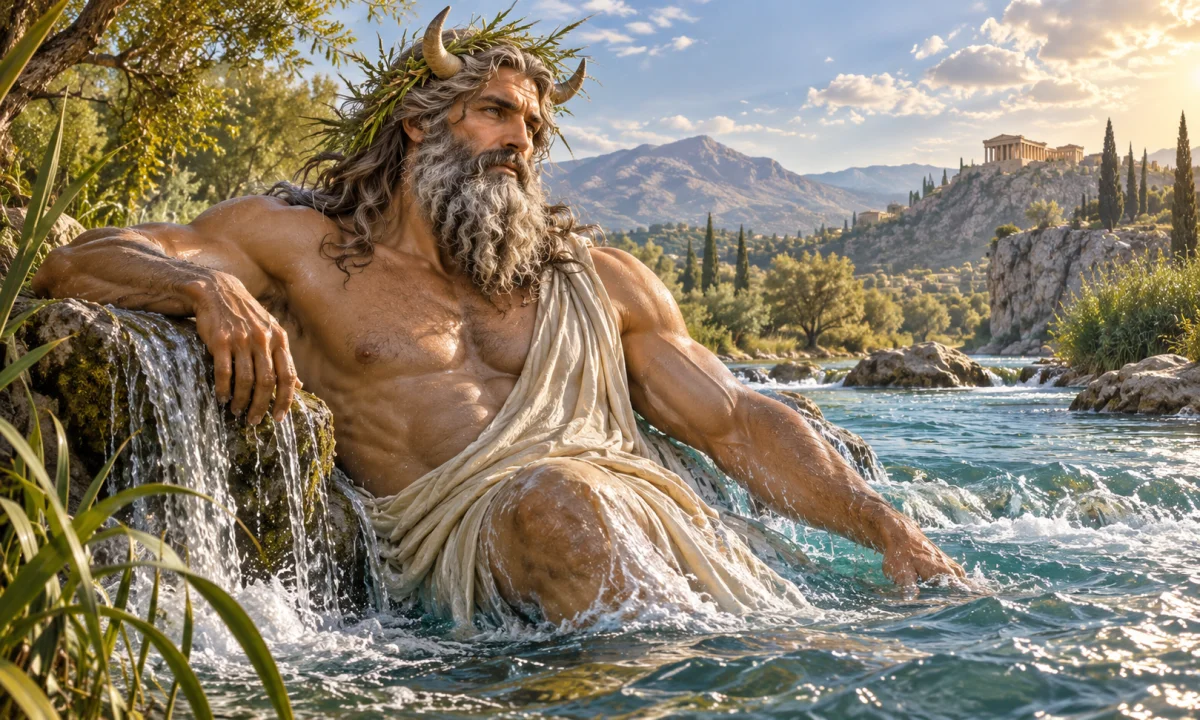
Asopus
Asopus is a river god of Greek mythology, or more precisely a name applied to several personified rivers and their associated local traditions. In Greek religion, rivers were not merely geographical features: they could …
Asa
Asa is an uncertain name in material labelled “African mythology.” Unlike figures such as Anansi, Mami Wata, or the Yoruba òrìṣà, Asa does not identify one widely documented being shared across African traditions. The na…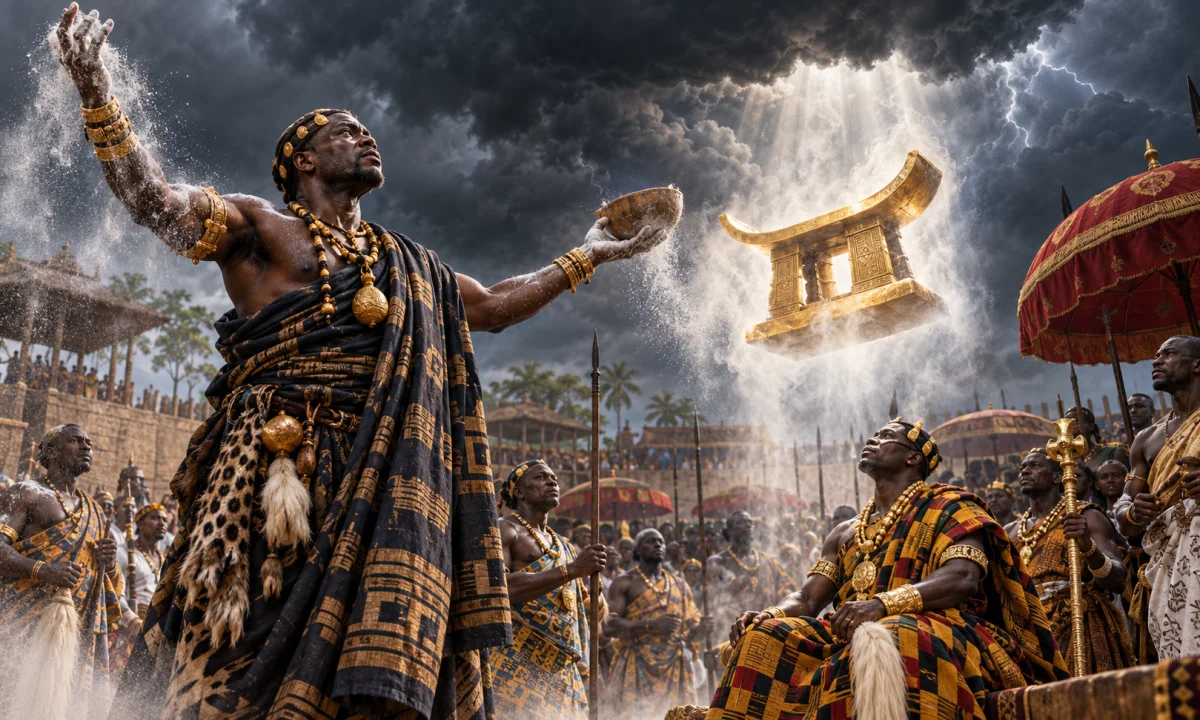
Anotchi
Anotchi is a name sometimes presented in modern lists of African mythological beings, but its traditional identity is not securely established. There is no widely recognised pan-African deity, spirit or legendary creatur…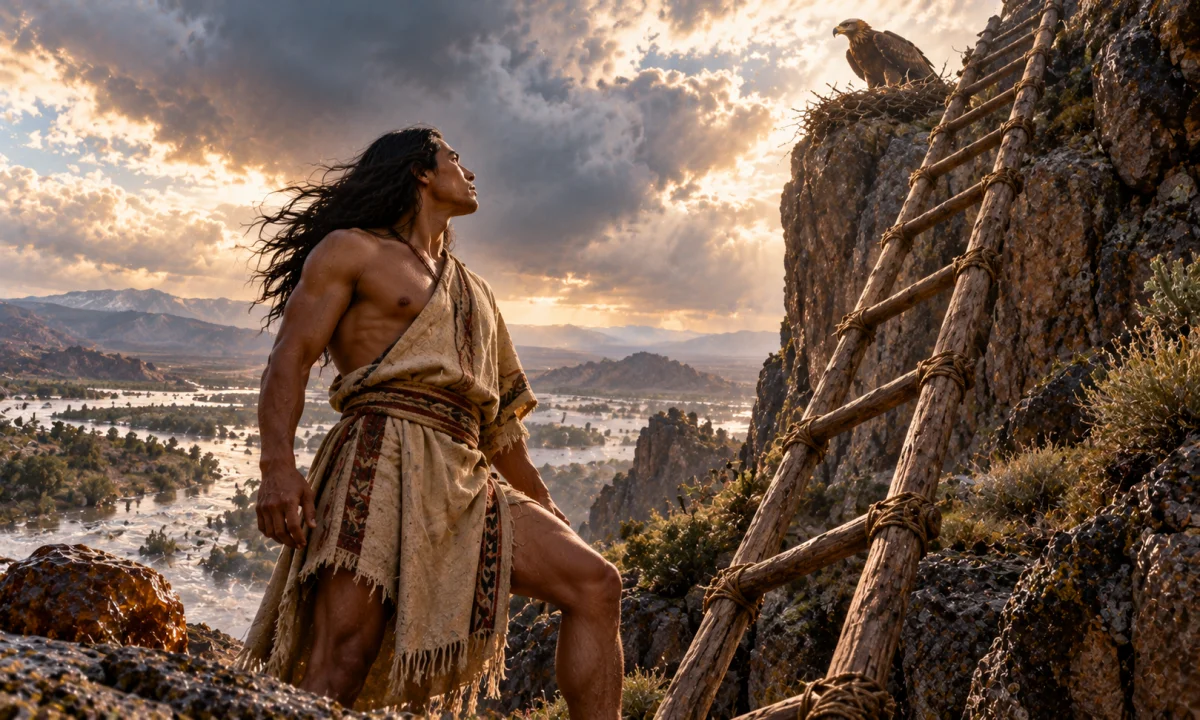
Ndriananahary
Ndriananahary is a name associated with the supreme creator in the traditional religious ideas of Madagascar. Malagasy religious traditions are diverse, however, and the name is not used with exactly the same meaning in …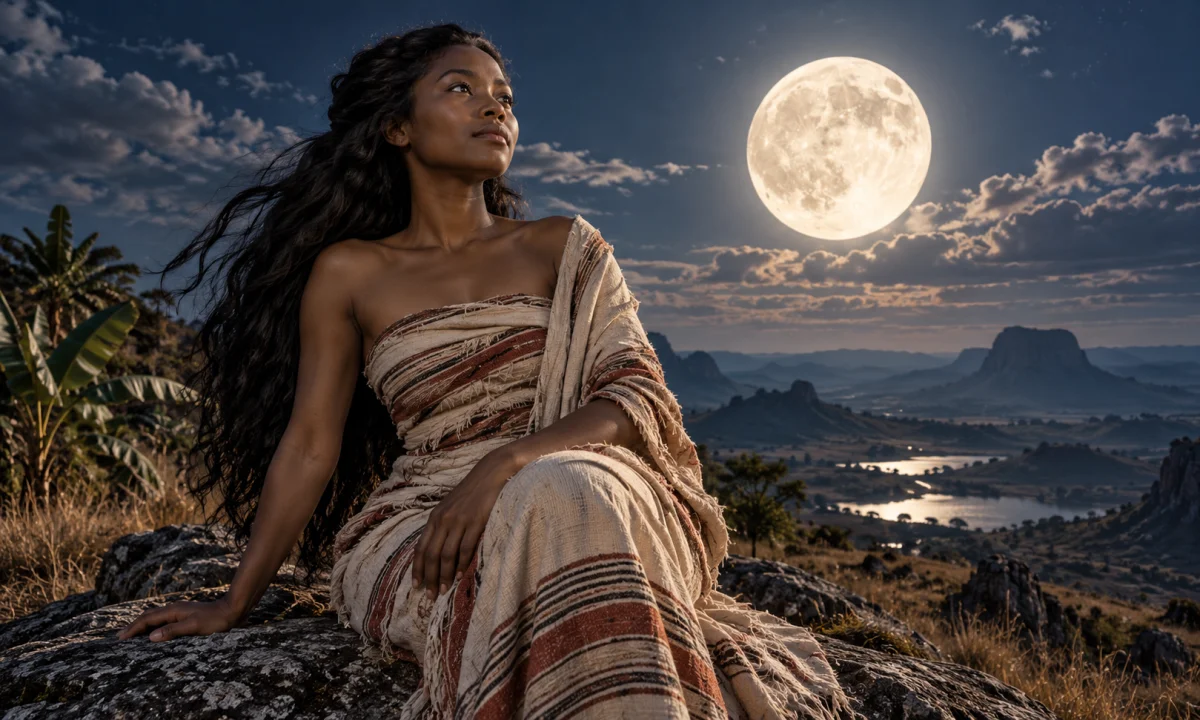
Andriamahilala
Andriamahilala is a poorly documented name associated with Malagasy mythology, the traditional religious and legendary traditions of Madagascar. Unlike better-attested figures such as Zanahary, Andriamanitra, Ibonia, or …Otshirvani
Otshirvani is a name used in Buryat and wider Mongolian religious traditions for a powerful Buddhist protector associated with the vajra, the ritual thunderbolt or diamond weapon. The figure is generally identified with …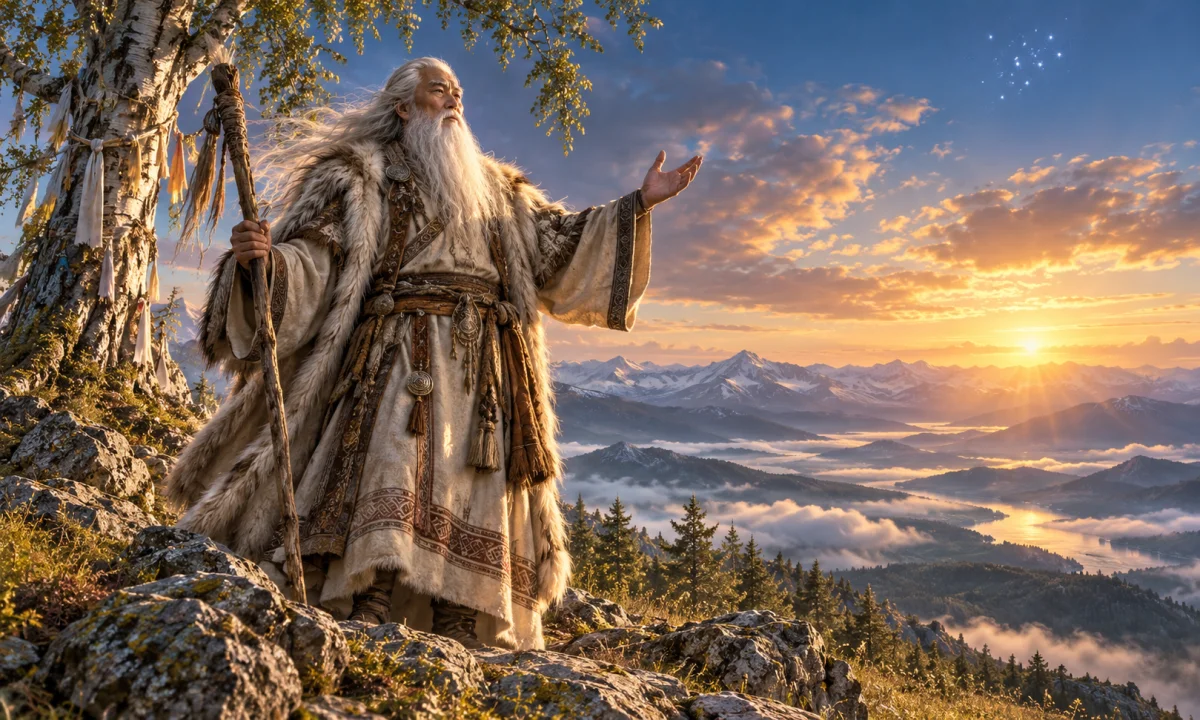
Ulgan
Ulgan, more commonly written Ülgen or Ölgen, is a powerful creator and sky-associated figure in the traditional religious culture of several Turkic-speaking peoples of the Altai region of southern Siberia. He is especial…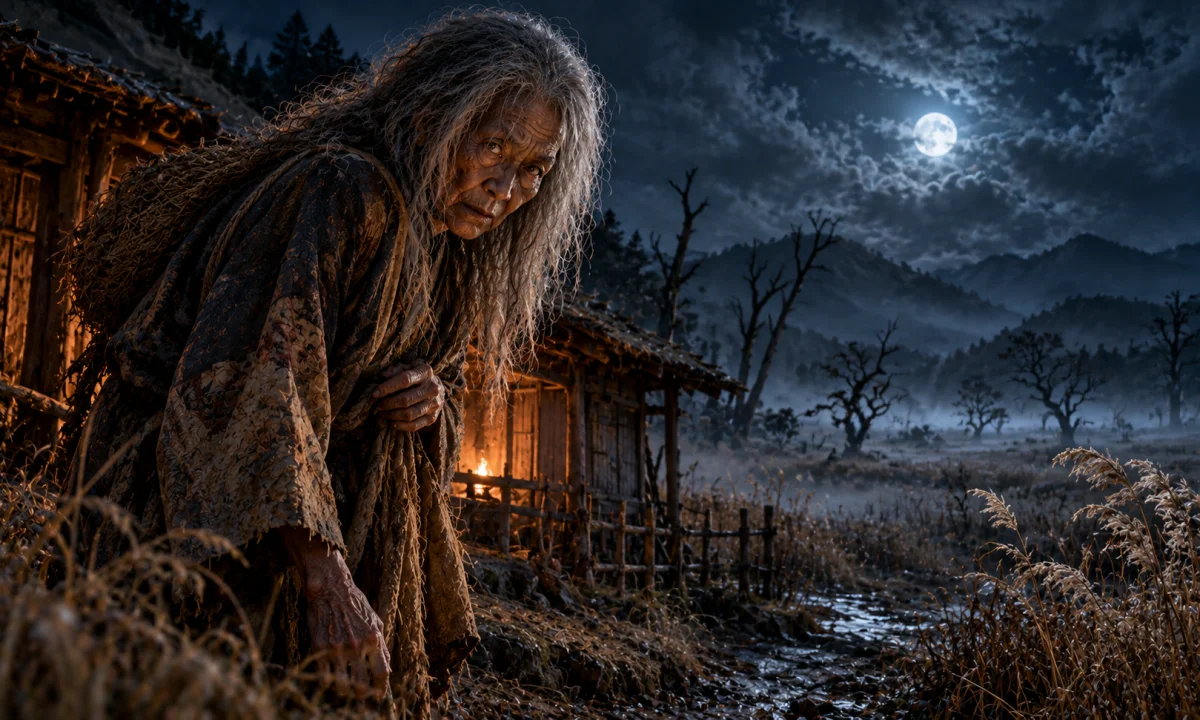
Adachigahara
Adachigahara is a haunted place in Japanese folklore, best known as the home of an onibaba, or demon hag, who preys upon travellers. The name refers to the Adachi plain or moor in what is now Fukushima Prefecture, in nor…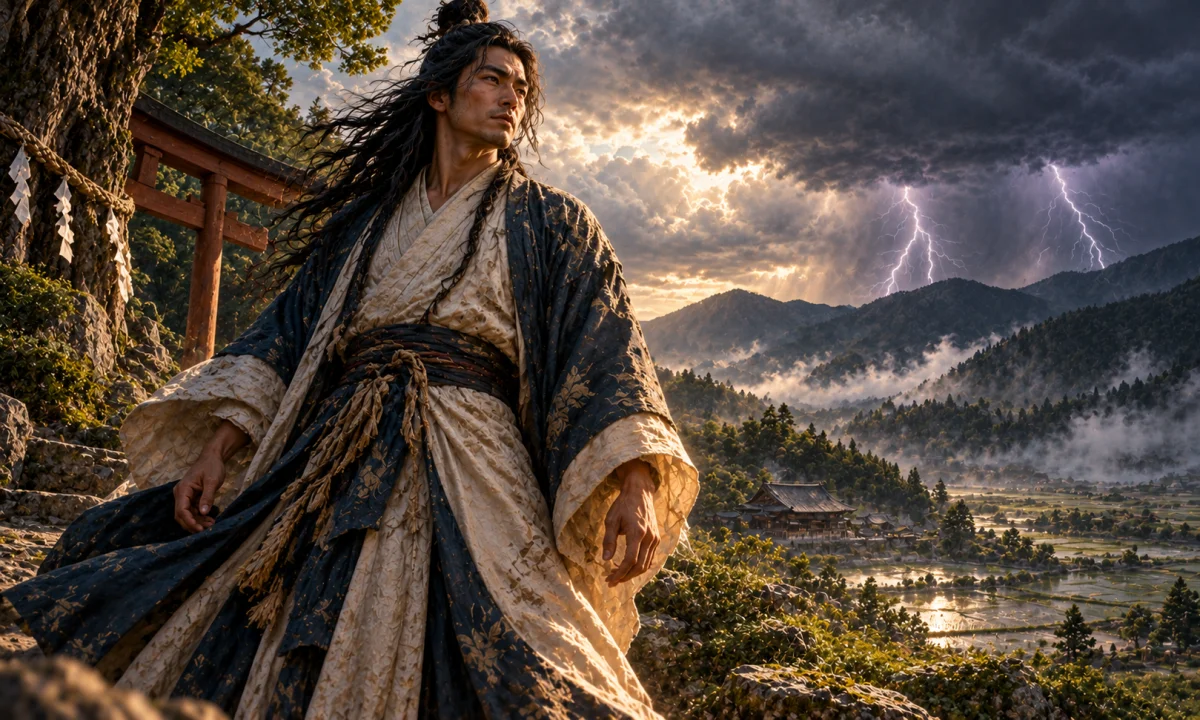
Ajisukitakahikone
Ajisukitakahikone is a Japanese kami associated with thunder, agriculture, noble lineage and the boundary between life and death. He appears most prominently in the Kojiki and the Nihon Shoki, the two earliest surviving …Sint Holo
Sint Holo is a name associated with a giant serpent in Choctaw traditional narratives of the southeastern United States. It is commonly described in modern reference works as a dangerous or supernatural snake, and someti…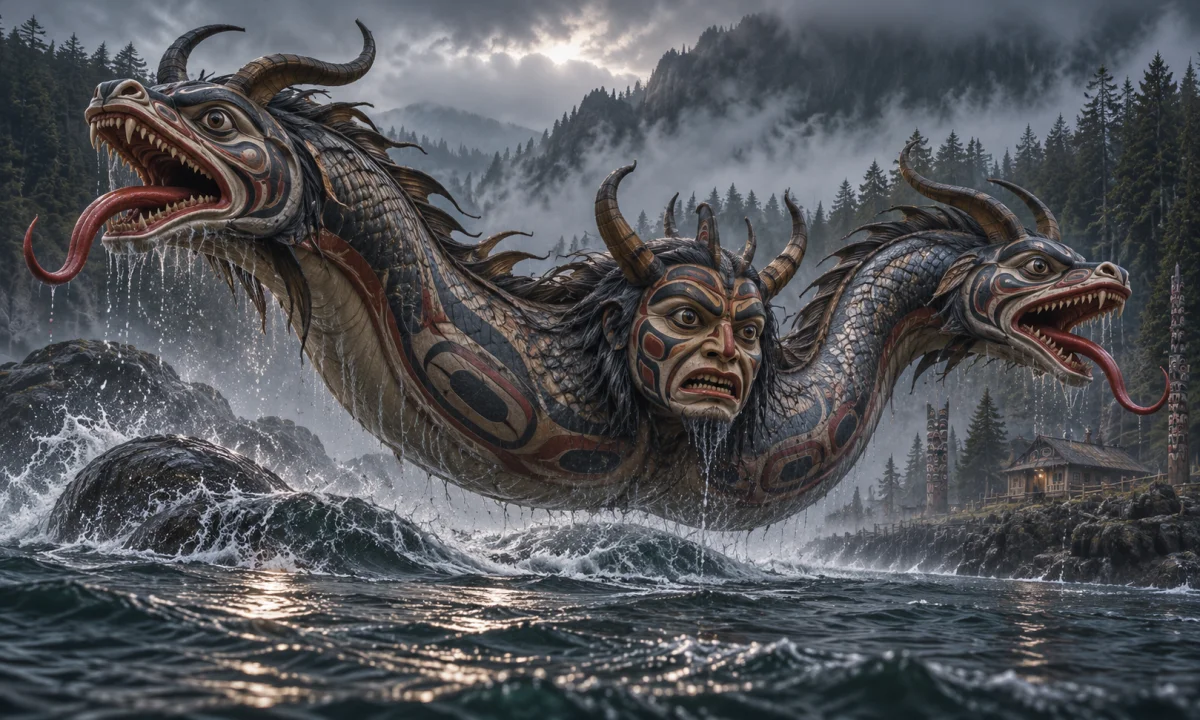
Sisiutl
Sisiutl is a powerful supernatural being best known from the traditions of the Kwakwaka'wakw peoples of the Pacific Northwest Coast. It is commonly represented as a double-headed serpent, with a head at each end of a lon…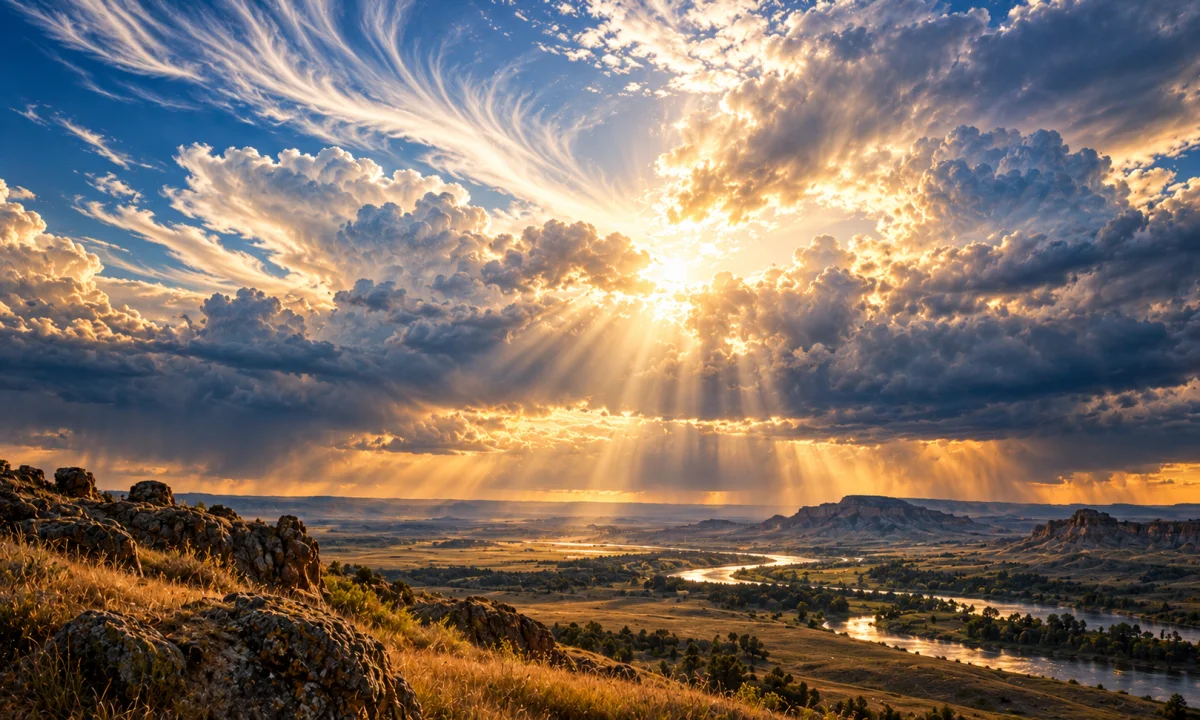
Skan
Skan is a powerful being associated with the sky in Lakota and Dakota religious traditions. The name is commonly translated as “sky,” “the heavens,” or “that which is above,” although English translations do not capture …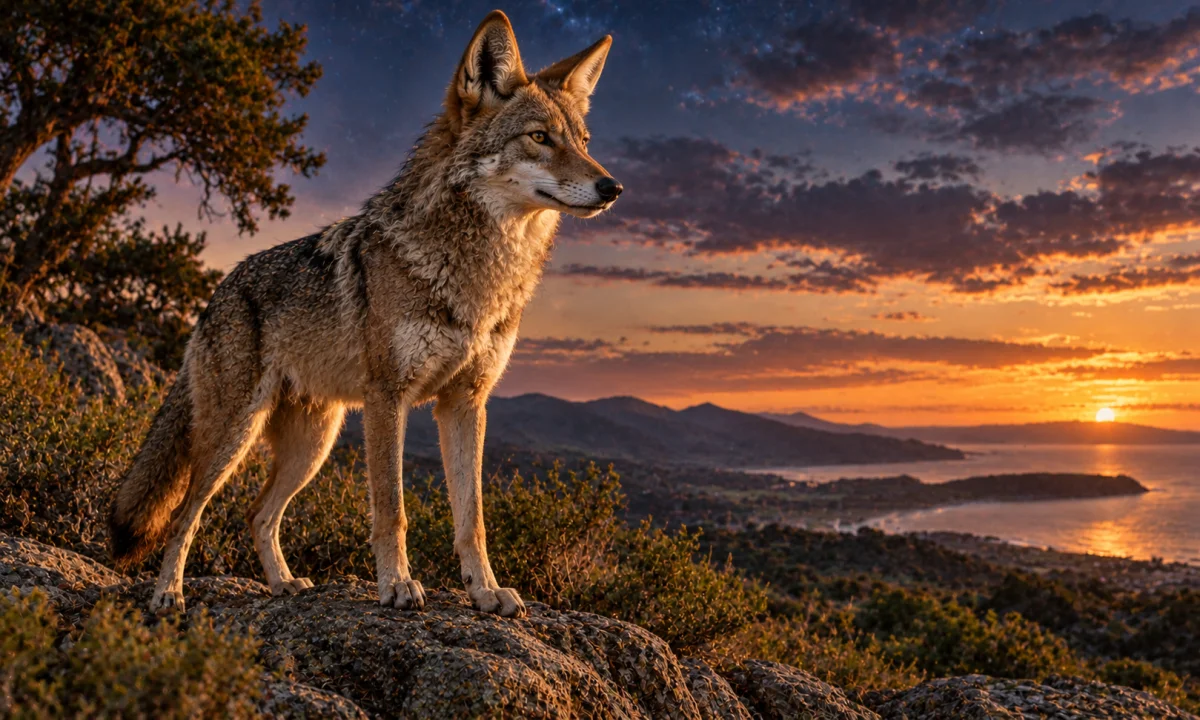
Tukupar Itar
Tukupar Itar is a name associated in some English-language reference works with Hopi tradition, usually described as a war deity, warrior spirit, or protective supernatural figure. The identification is uncertain, howeve…Pichanto
Pichanto is a poorly documented figure associated in some modern references with Zapotec mythology, the diverse body of religious traditions belonging to Zapotec-speaking peoples of Oaxaca, Mexico. Unlike better-attested…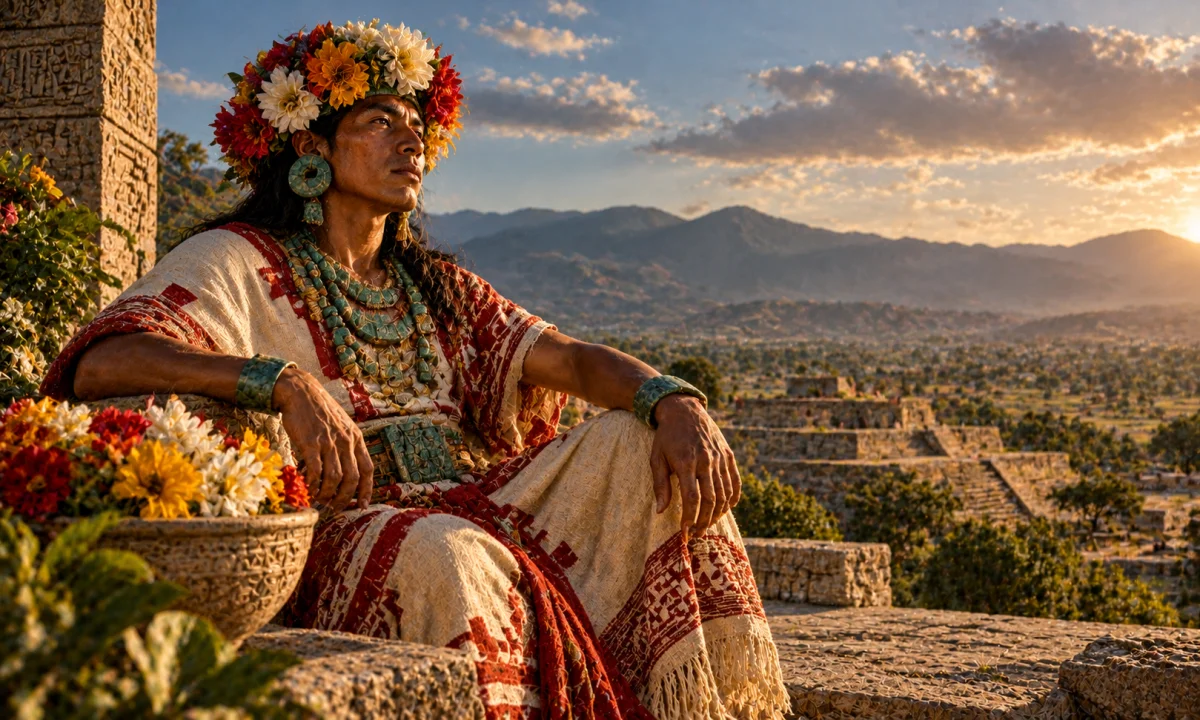
Quiabelagayo
Quiabelagayo is a name associated with Zapotec mythology and is commonly identified in modern reference works as a deity or supernatural power connected with earthquakes. The identification is not equally secure across a…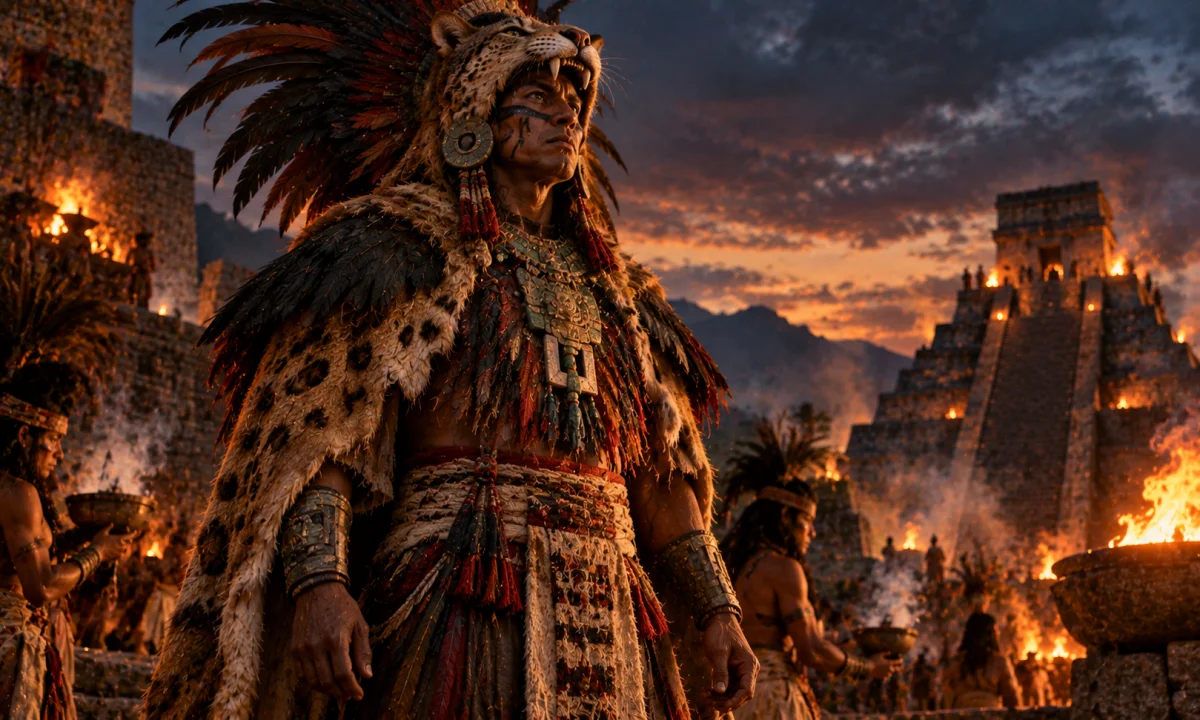
Acolmiztli
Acolmiztli was the personal name of the ruler, poet, and philosopher better known as Nezahualcoyotl of Texcoco. He belonged to the Acolhua-speaking Nahua tradition of central Mexico and lived during the fifteenth century…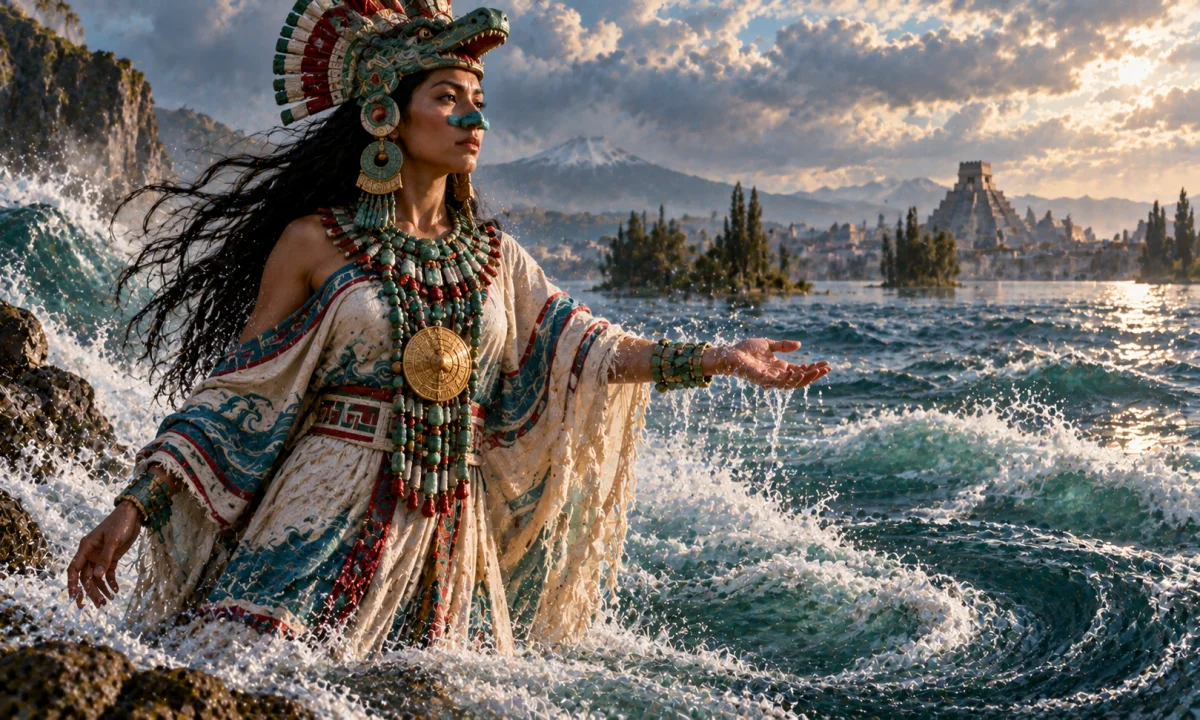
Acuecueyotl
Acuecueyotl is a poorly documented water-related figure associated with Aztec or Nahua religious tradition. The Nahuatl name is commonly interpreted in connection with cuecueyotl, a wave, ripple, or movement on water. So…Coca-mama
Coca-mama, also written Coca Mama or Mama Coca, is a figure associated in some accounts with the sacred coca plant of the Andes. She is often described as a feminine spirit, goddess, or personification of coca, but her s…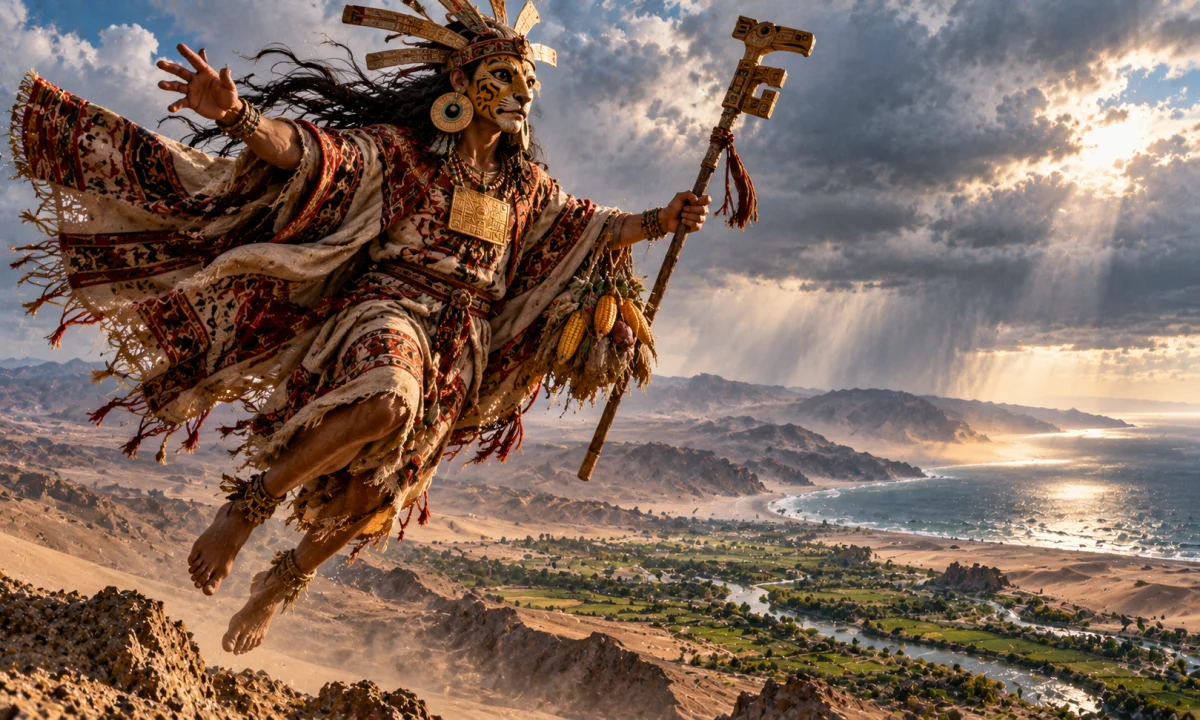
Kon
Kon, also written Con in some colonial records, is a deity associated chiefly with the ancient cultures of Peru’s Pacific coast. He is often described as a creator or culture-bearing power connected with the making of hu…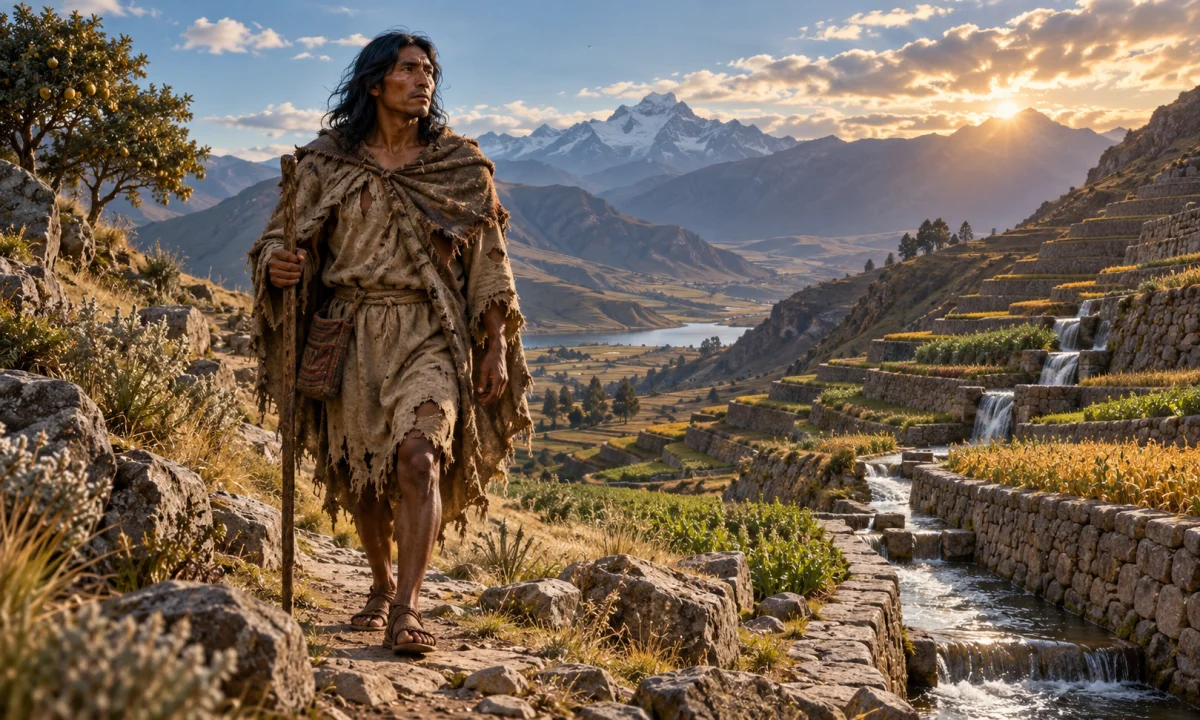
Coniraya
Coniraya is a powerful huaca, creator figure and trickster from the religious traditions of the central Andes. He is best known from the Huarochirí Manuscript, a Quechua account of local myths and sacred traditions recor…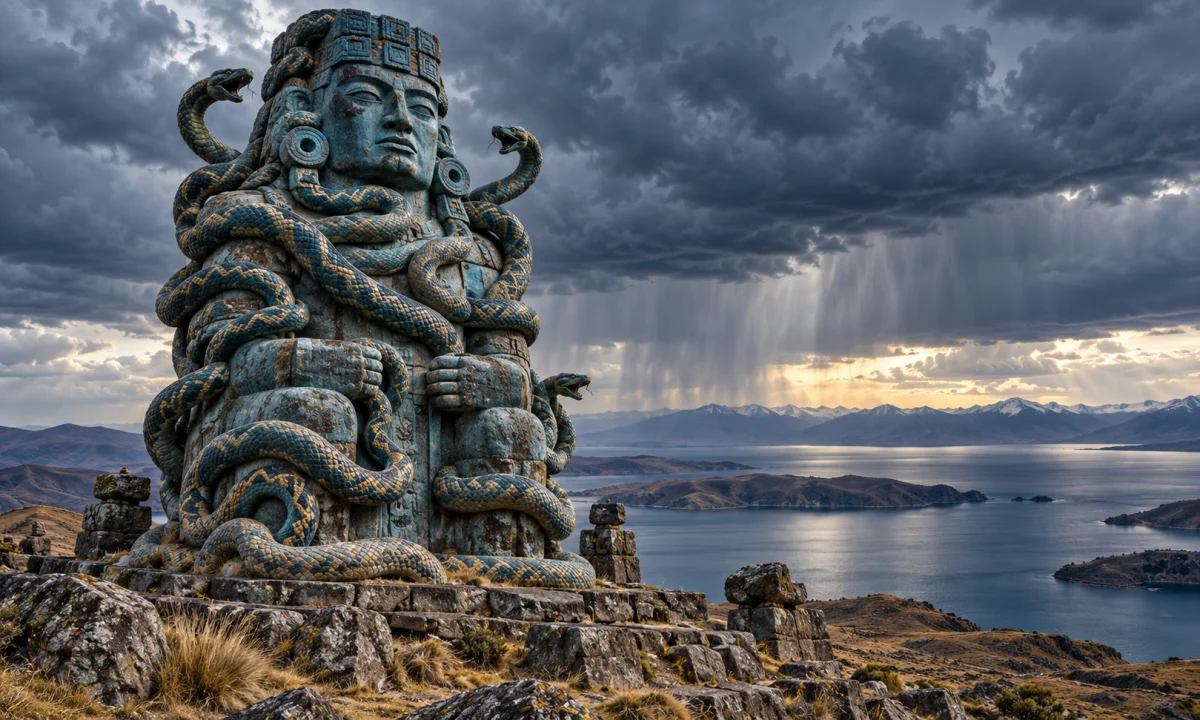
Copacati
Copacati is a little-known water deity associated with the Inca religious world and, especially, with the region around Lake Titicaca in the southern Andes. She is commonly described as a goddess of lakes, springs, or wa…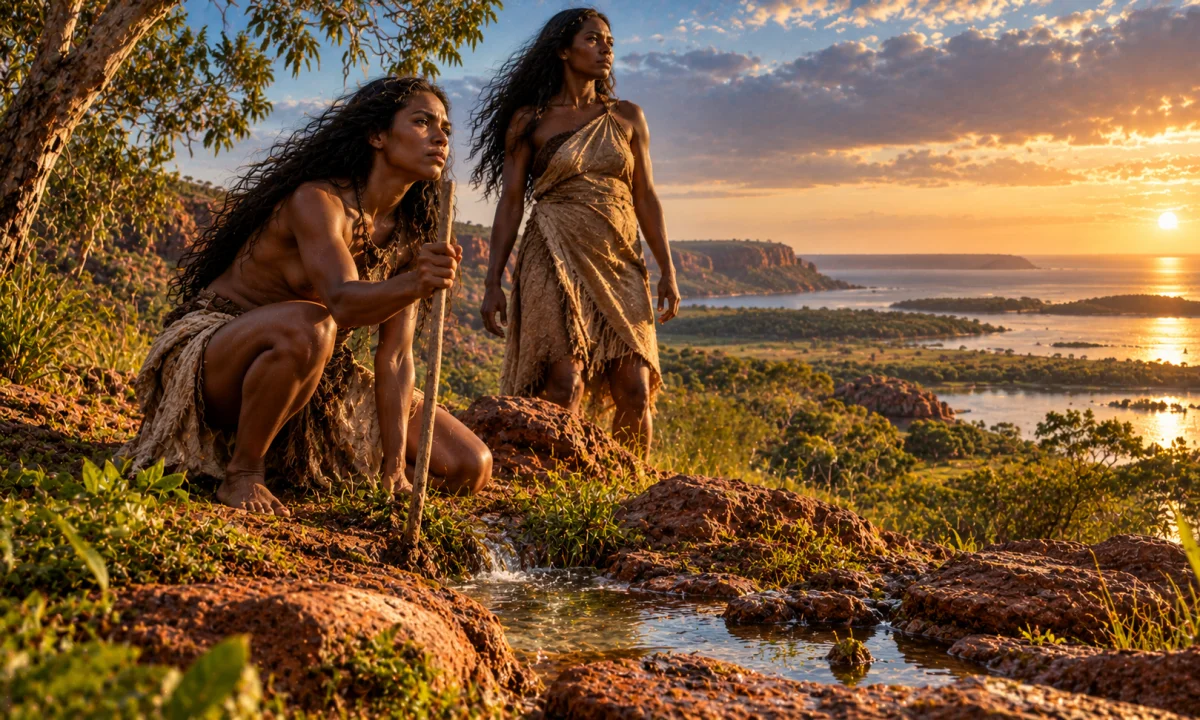
Junkgowa Sisters
The Junkgowa Sisters are a pair of female ancestral figures associated with Australian Aboriginal mythology, although the name and the stories connected with it are not consistently recorded. “Junkgowa” appears mainly in…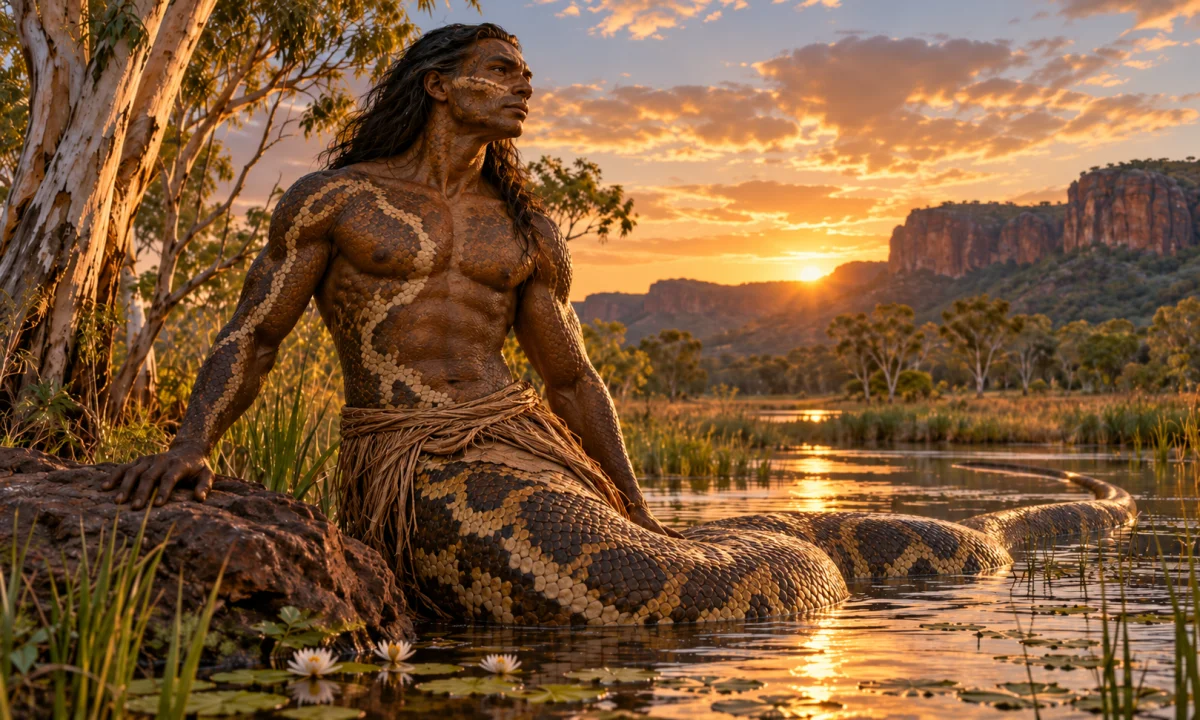
Jurawadbad
Jurawadbad is a name associated in some modern reference works with an Australian Aboriginal water being or serpent. The figure is not, however, documented as a single, universally recognised character across Aboriginal …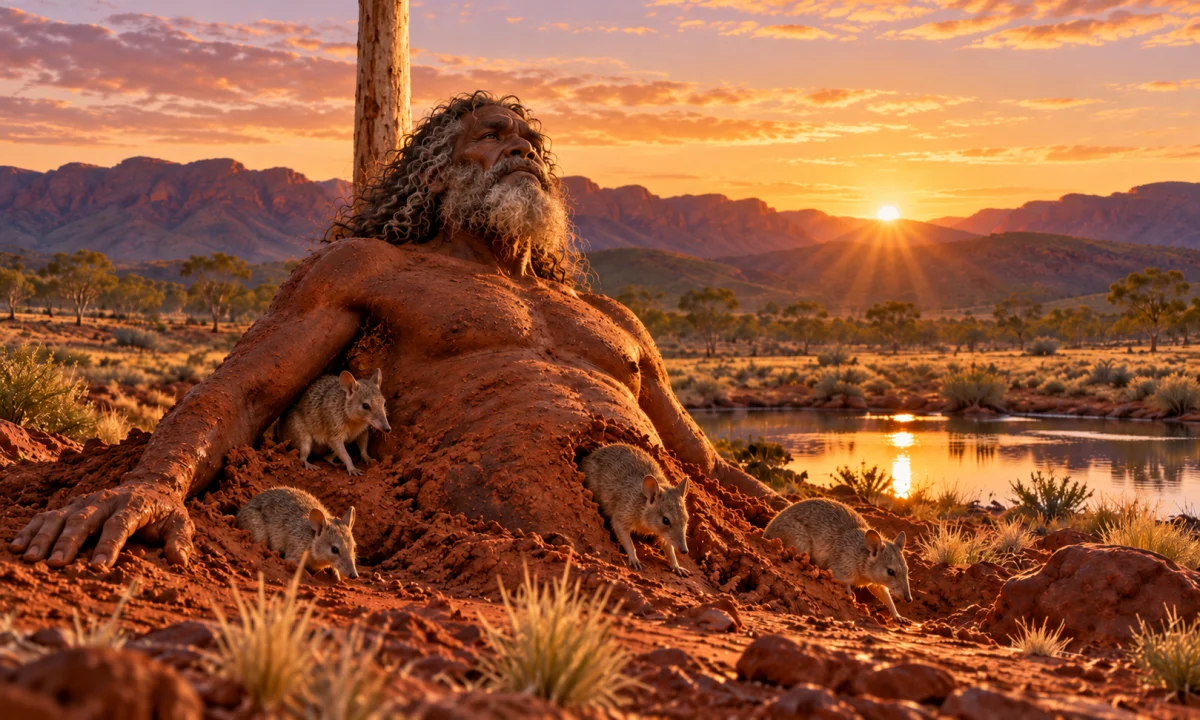
Karora
Karora is an ancestral being in traditions recorded among the Arrernte-speaking peoples of Central Australia, especially in accounts associated with the region around present-day Alice Springs. He is often described in E…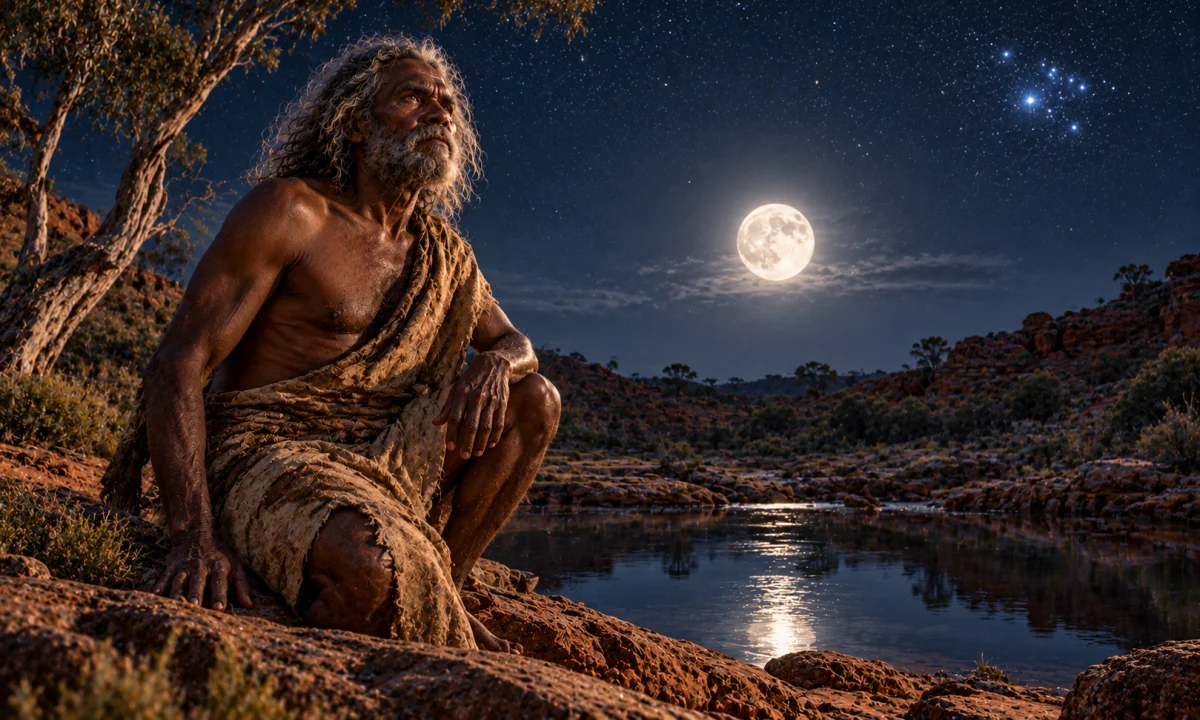
Kidili
Kidili is a moon-associated ancestral figure in Aboriginal traditions of north-western Australia, especially those connected in published accounts with the Kimberley region and Nyikina or related cultural traditions. Sto…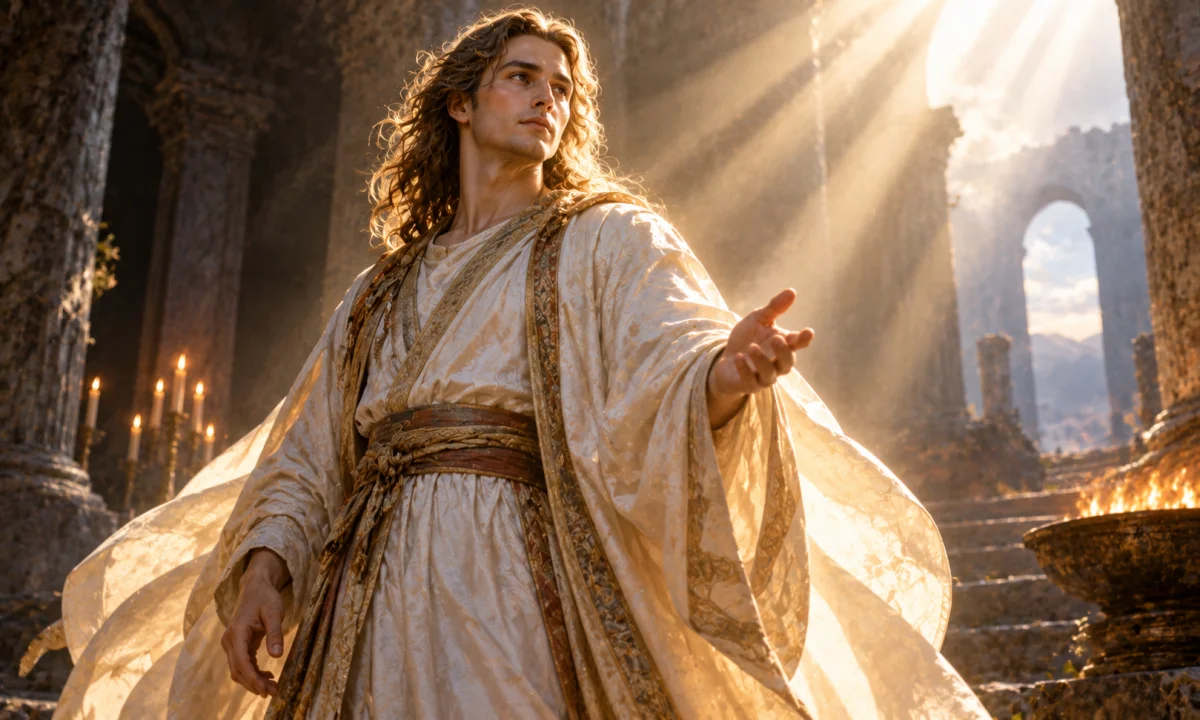
Damabiath
Damabiath is an uncertain angelic name found in some modern and esoteric lists of angels. It is not a clearly identified angel in the Hebrew Bible, the New Testament, or the principal bodies of early Jewish and Christian…
St. Paul I
St. Paul I was the pope of Rome from 757 until his death in 767 and is venerated as a saint in the Catholic tradition. He belonged to the turbulent period when the papacy was becoming an important territorial and diploma…
Dalquiel
Dalquiel is a little-known angelic name found in later angelological and occult catalogues associated with Jewish and Christian esoteric traditions. The name is commonly linked with the third heaven and with service on T…
Dagiel
Dagiel is a little-known angelic name found chiefly in later occult and esoteric angelologies. It is most often associated with Pisces, the final sign of the Western zodiac, and with symbolic themes such as water, fish, …
Seere
Seere is a demon of early modern European ceremonial magic, best known as the seventieth spirit in the Ars Goetia, the first section of the grimoire commonly called the Lesser Key of Solomon. His name also appears in var…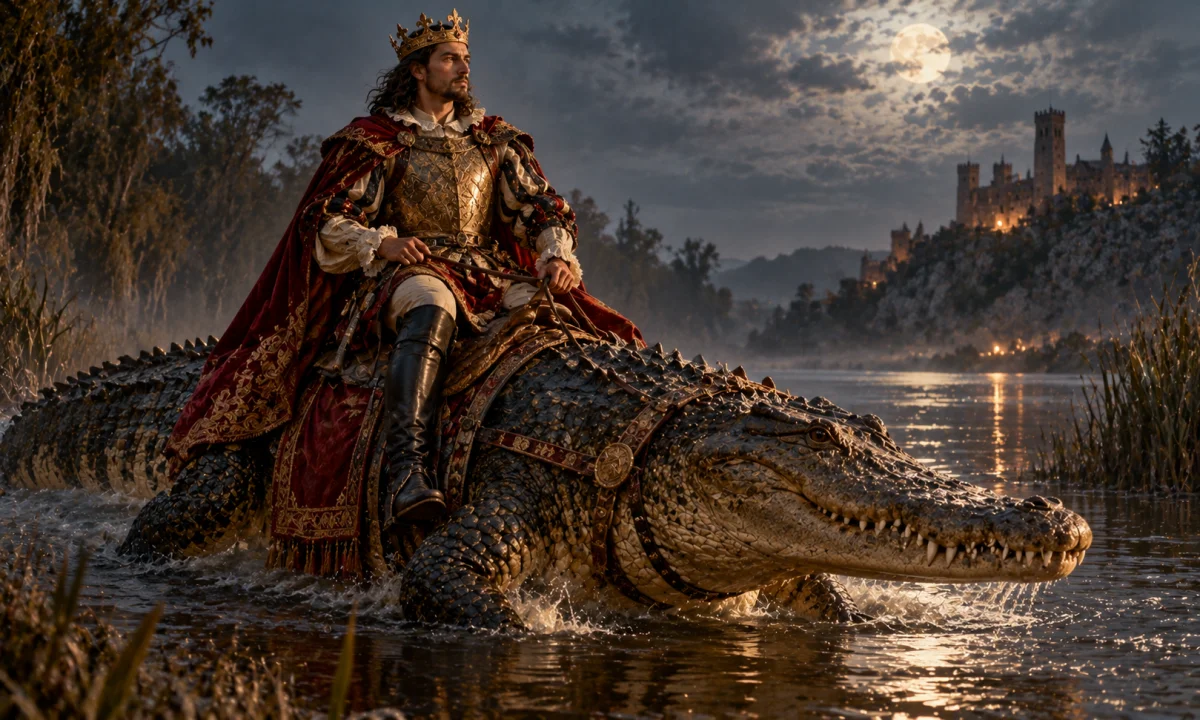
Sallos
Sallos, also written Saleos or in some versions Zaleos, is a demon described in the early modern grimoire tradition known as the Ars Goetia, the first section of the Lesser Key of Solomon. He is ranked as a duke and is s…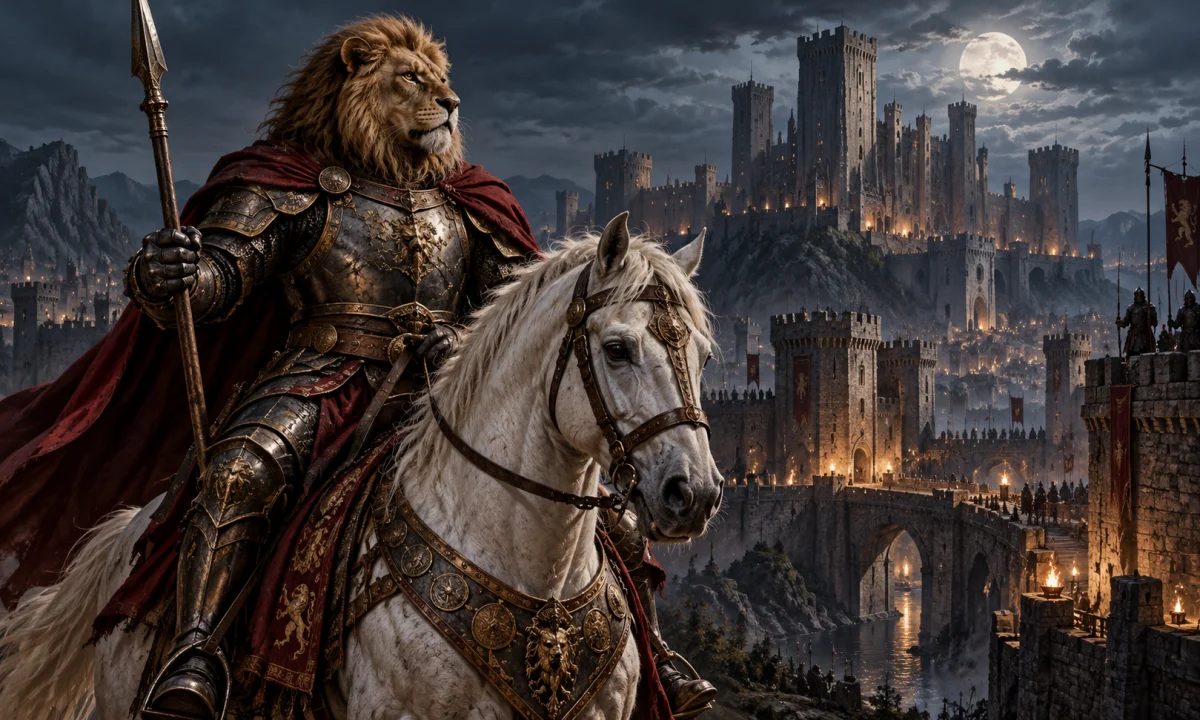
Sabnock
Sabnock is a demonological spirit described in early modern European grimoires, especially the Ars Goetia, the first section of the Lesser Key of Solomon. He is presented as the forty-third spirit in a catalogue of seven…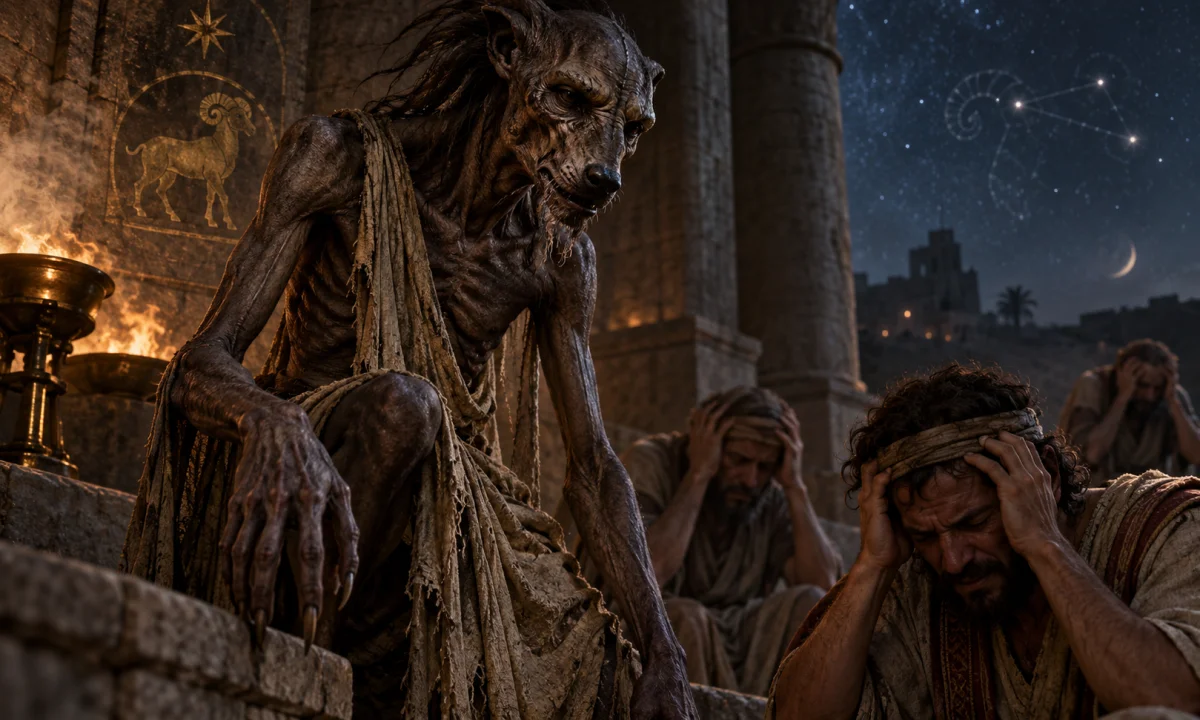
Ruax
Ruax is a minor demon associated chiefly with the Testament of Solomon, a late antique pseudepigraphal work attributed to King Solomon. In the demonological catalogue connected with that text, Ruax is described as a spir…Mythology and the Stories of Ancient Civilizations
Mythology is the collection of stories, beliefs and traditions that ancient cultures used to explain the world around them. Long before modern science, myths offered answers to fundamental questions about the creation of the universe, natural phenomena, human existence, death and the forces believed to govern destiny.
Every civilization developed its own mythological tradition. Greek mythology tells of powerful Olympian gods, heroic warriors and terrifying monsters. Norse mythology describes a universe of interconnected worlds inhabited by gods, giants, elves and legendary creatures. Egyptian mythology revolves around divine kingship, the journey into the afterlife and the eternal struggle between order and chaos.
Beyond the most familiar traditions, thousands of myths emerged across Asia, Africa, the Americas, Oceania and the ancient Middle East. Hindu mythology contains vast cycles of gods, avatars and cosmic events. Japanese folklore is filled with kami, spirits and mysterious beings, while Celtic traditions preserve stories of warriors, magical lands and supernatural powers.
Although these traditions developed independently, many share recurring themes. Creation myths, great floods, journeys to the underworld, divine battles and heroic quests appear in cultures separated by enormous distances.
Gods and goddesses often represented the forces that shaped everyday life. Some ruled over storms, oceans, war or agriculture, while others protected families, cities or the dead.
Mythical creatures also played an essential role in these stories. Dragons, giants, spirits, shapeshifters, demons and hybrid beasts could act as enemies, guardians, warnings or symbols of forces beyond human control.
Myths were not simply invented as entertainment. They were connected to religious rituals, social customs, political power and cultural identity.
Many mythological stories survive today through literature, art, cinema, television and video games. However, modern adaptations often differ considerably from the original traditions.
At WorldMythos, you will find articles organised by mythology, culture and subject. Our aim is to present legendary stories in a clear and engaging way while distinguishing between ancient sources, folklore, historical interpretation and modern popular culture.