 WORLD
WORLD
North America
Explore myths, traditions and legendary beings grouped under North America.
Last articles
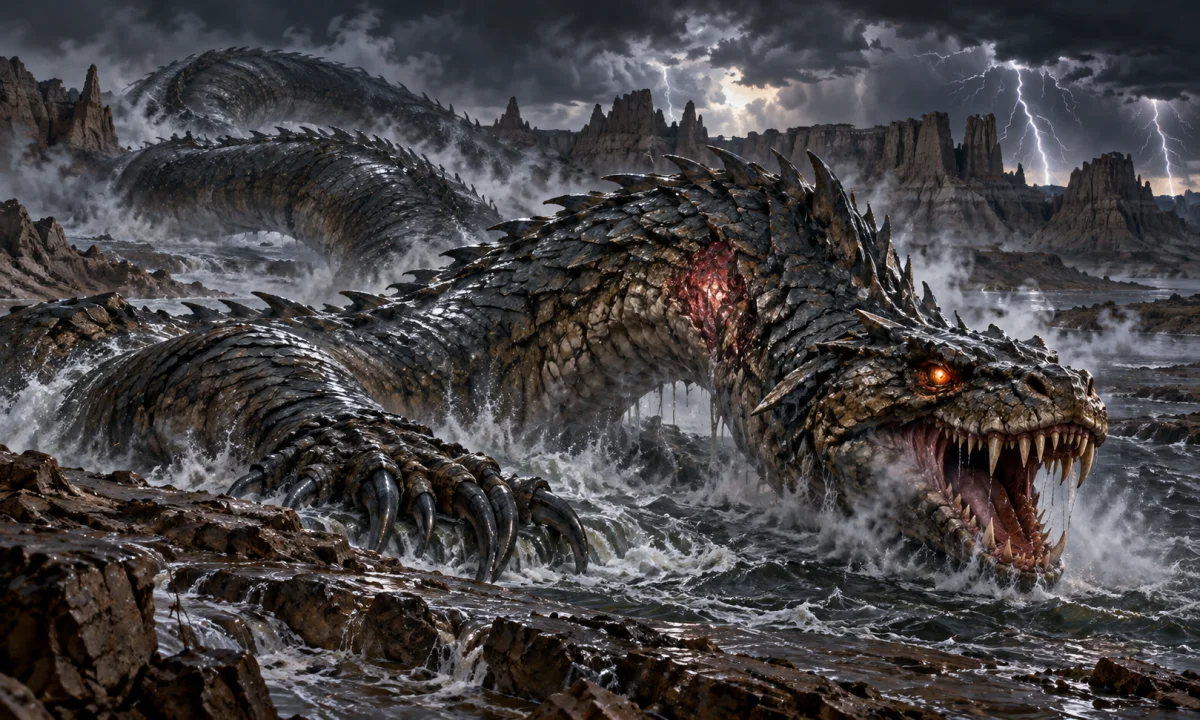
Uncegila
Uncegila, also written Unhcegila, is a great serpent or water monster found especially in Lakota traditional narratives. The name is often rendered in English as “the great serpent,” although translations and spellings v…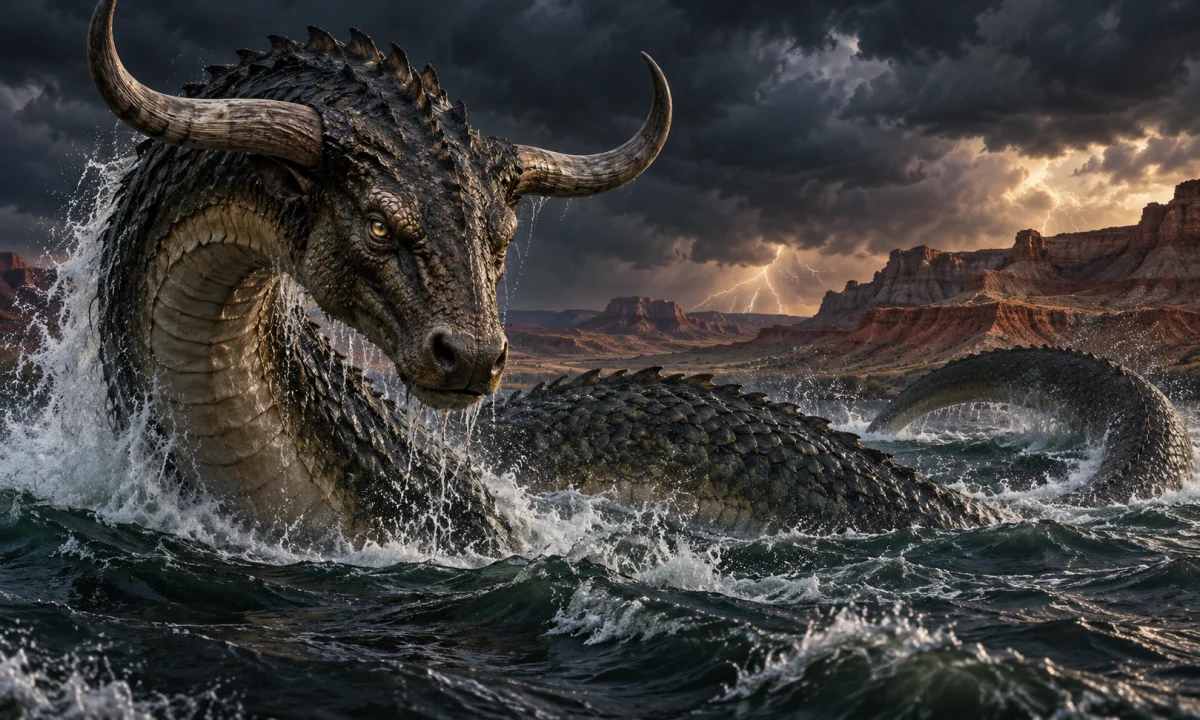
Untunktahe
Untunktahe is a name associated with a powerful water being in traditions connected with the Lakota and other Dakota-speaking peoples of the northern Great Plains. The spelling is not uniform, and the form “Untunktahe” m…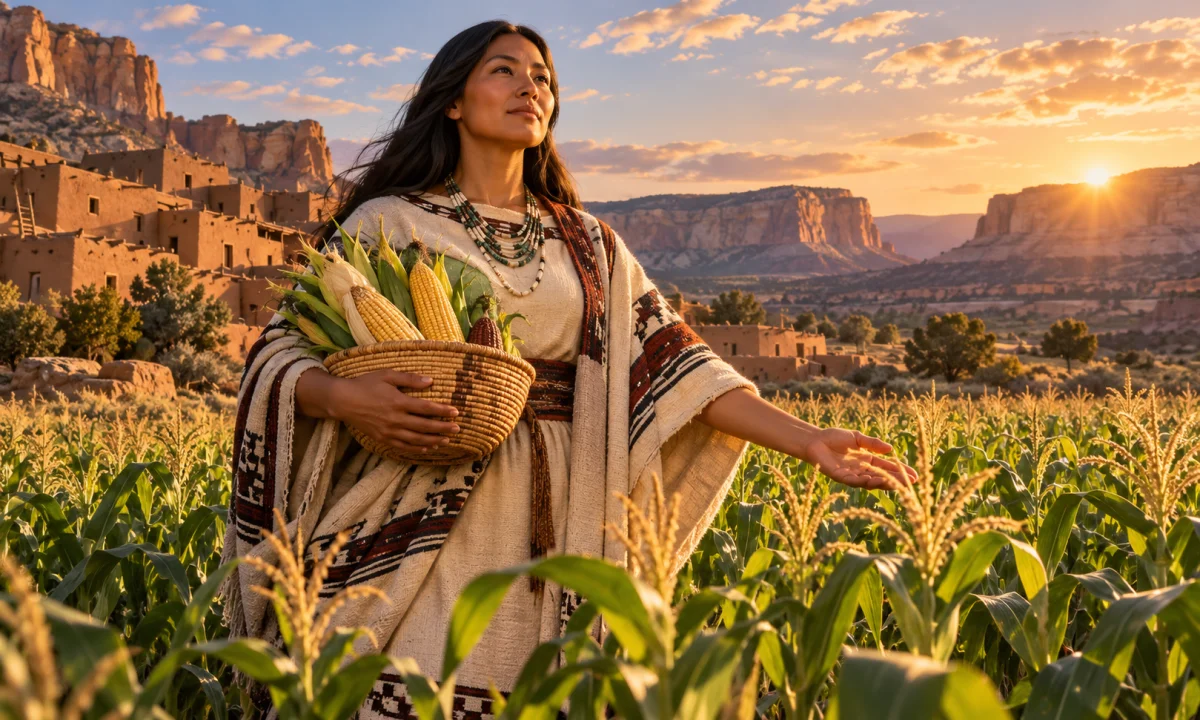
Utset
Utset is a name associated in some modern reference works with a female creator or earth-mother figure of the Pueblo peoples of the American Southwest. The identification is uncertain, however. “Pueblo” does not describe…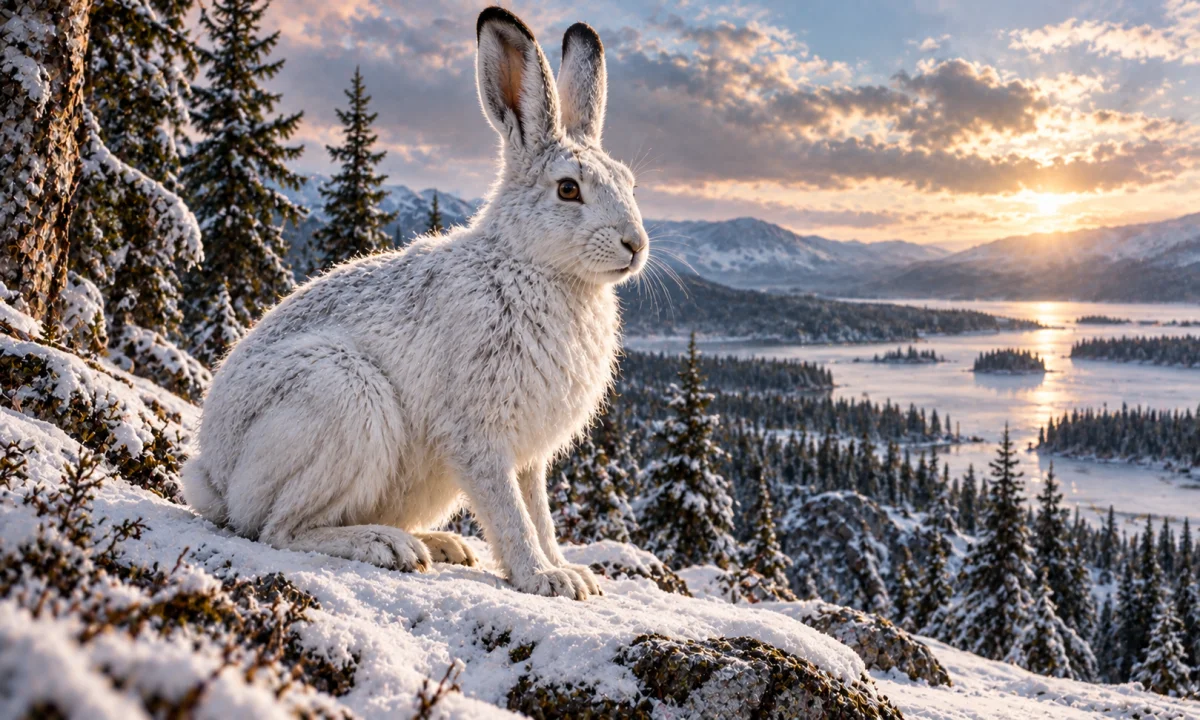
Wabasso
Wabasso is a name found in English-language accounts of Algonquian and especially Anishinaabe—also called Ojibwe—traditional stories. It is most often associated with a rabbit or hare, sometimes specifically a white rabb…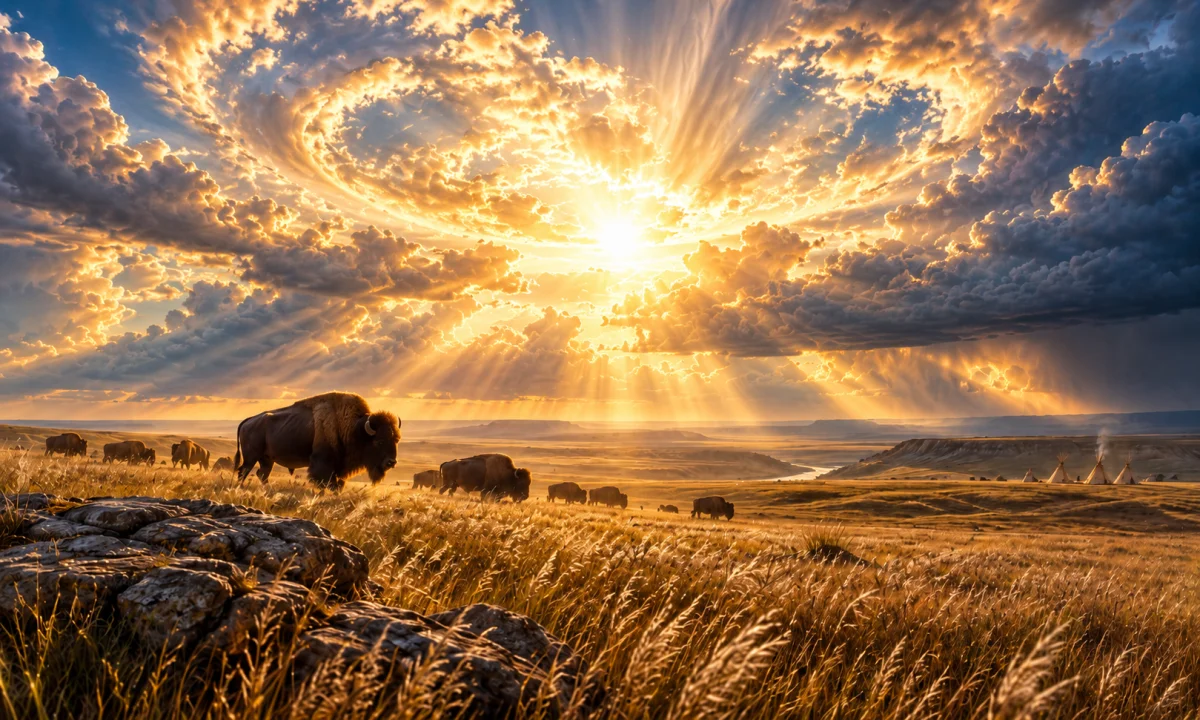
Wakan Tanka
Wakan Tanka is a sacred concept in Lakota religious tradition, commonly translated into English as “Great Mystery,” “Great Sacred,” or, less precisely, “Great Spirit.” The name is associated with the holy and mysterious …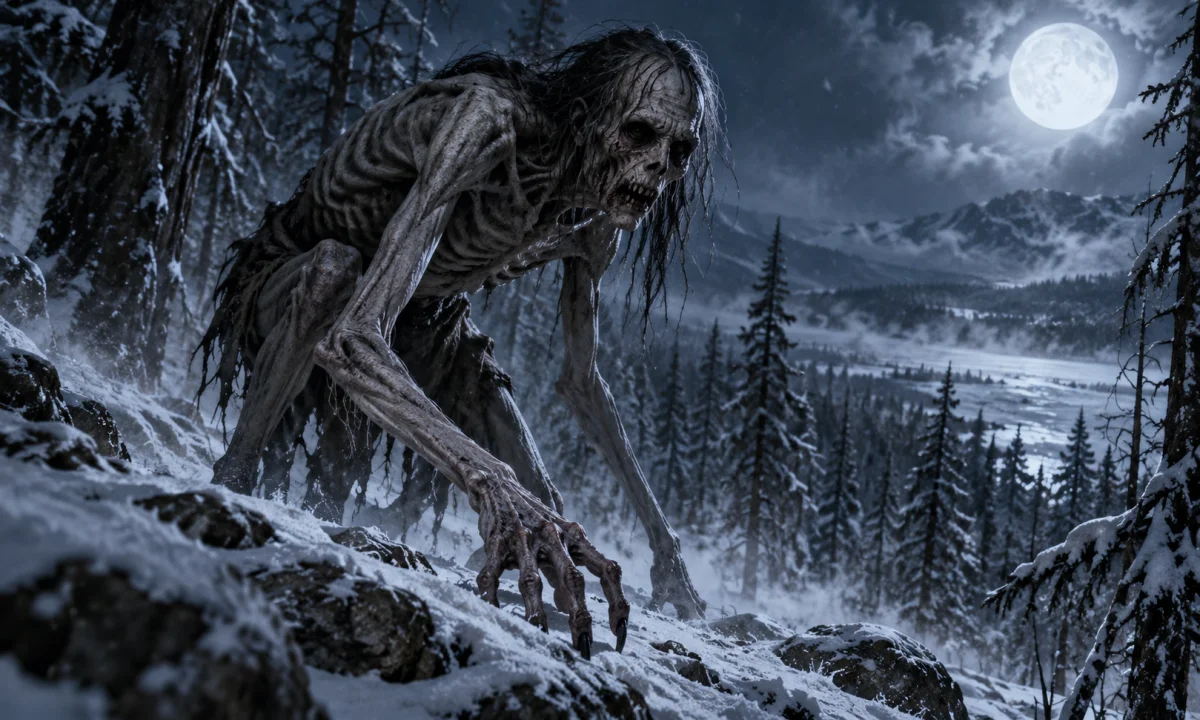
Wendigo
Wendigo is a powerful and dangerous being associated chiefly with Algonquian-speaking peoples of the Great Lakes, the northern woodlands and parts of subarctic North America. The name appears in several related forms, in…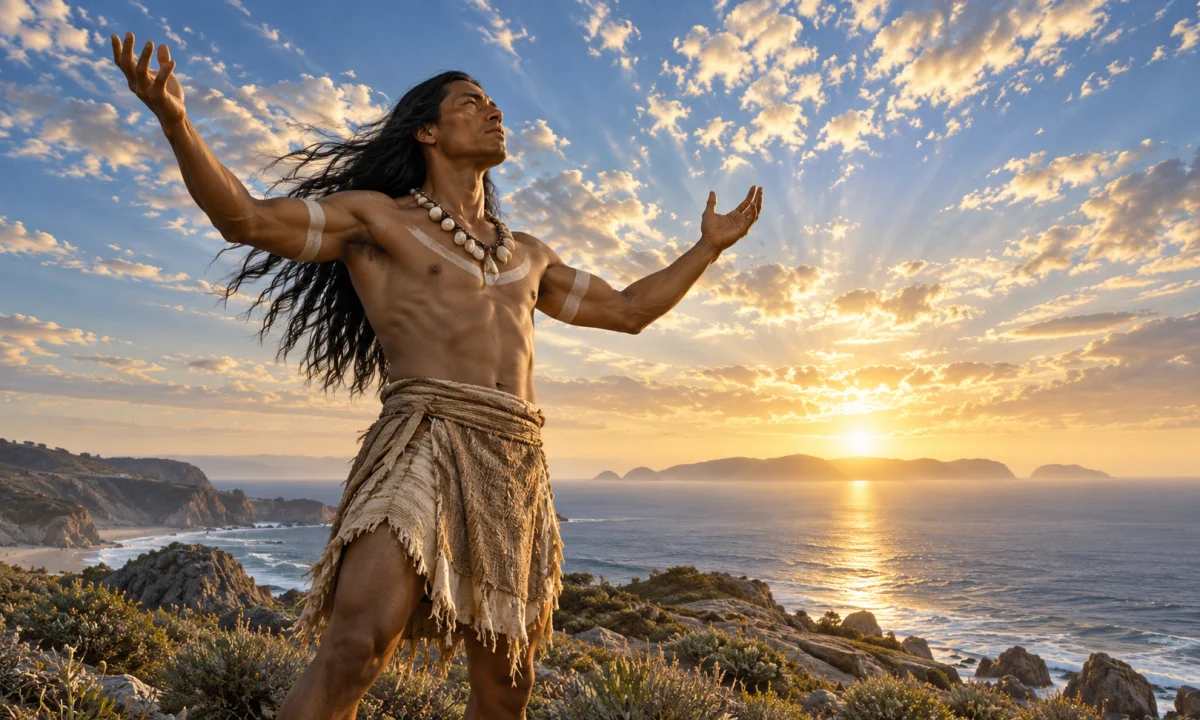
Weywot
Weywot is a figure associated with the traditional mythology of the Tongva, an Indigenous people of the Los Angeles Basin and the Southern Channel Islands in present-day California. In commonly circulated accounts of Ton…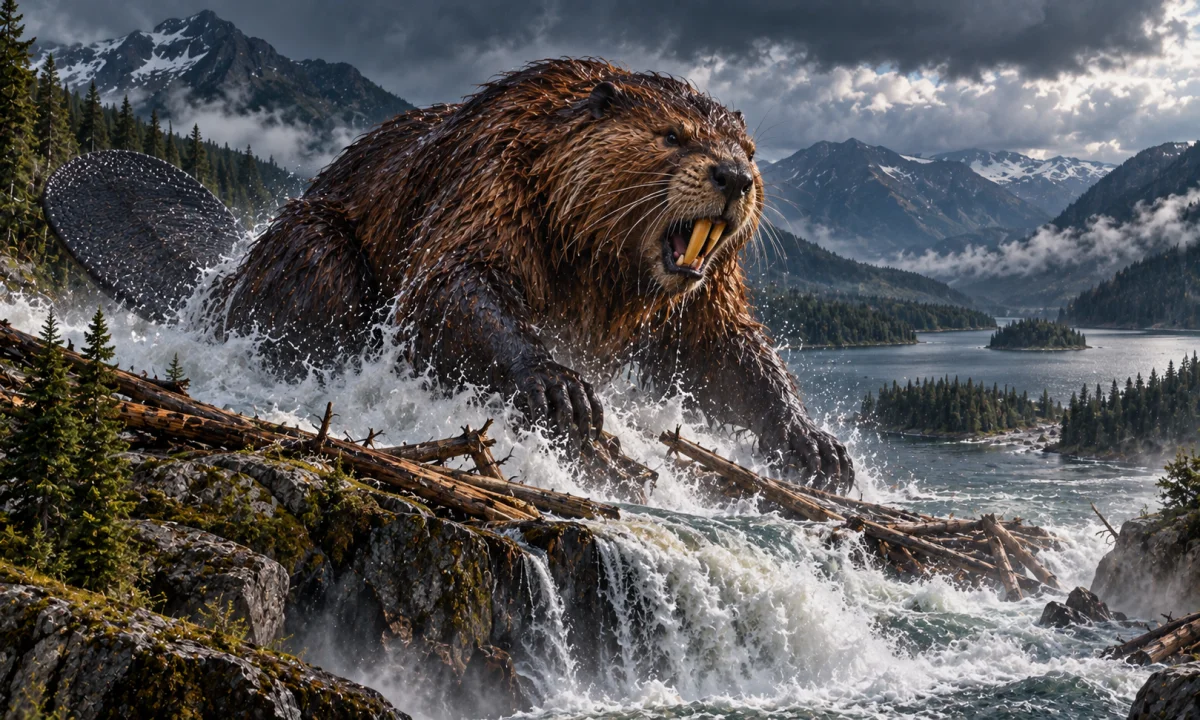
Wishpoosh
Wishpoosh is a giant beaver associated especially with traditional stories of the Columbia Plateau, including traditions connected with the Nimiipuu, commonly known as the Nez Perce, and neighboring Indigenous peoples of…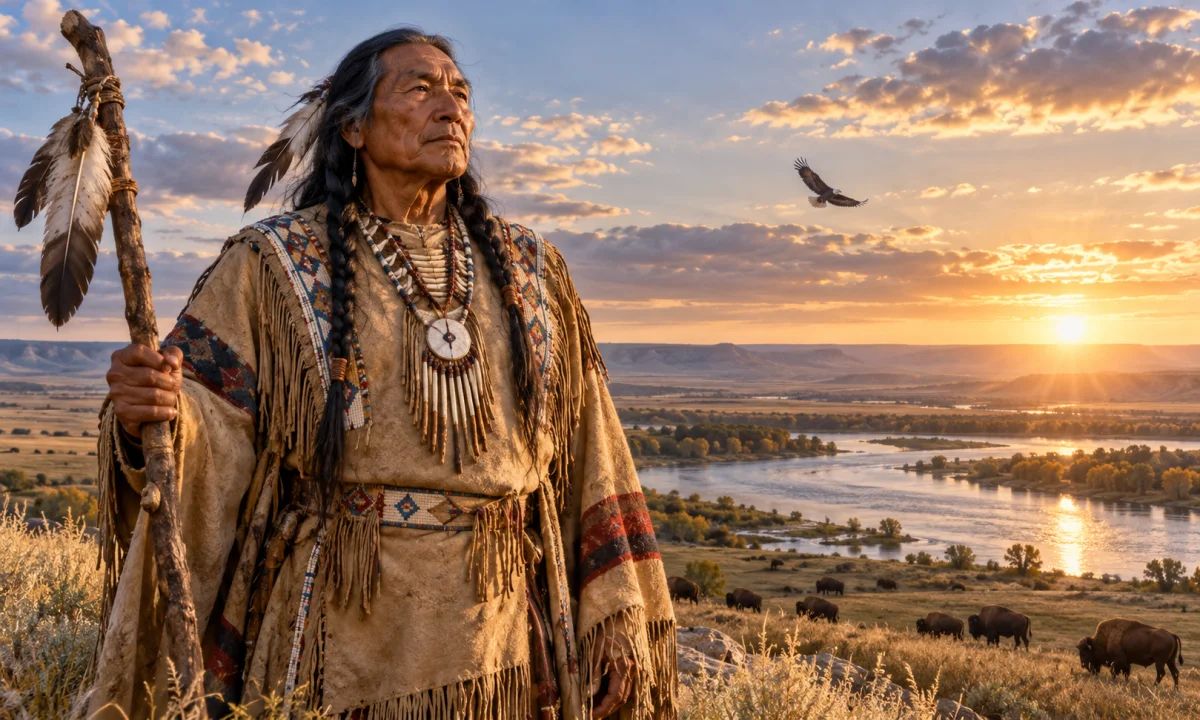
Wonomi
Wonomi is a little-documented figure associated in some sources with the Indigenous mythologies of California, especially traditions connected with the Miwok and neighbouring peoples. The name is often presented as belon…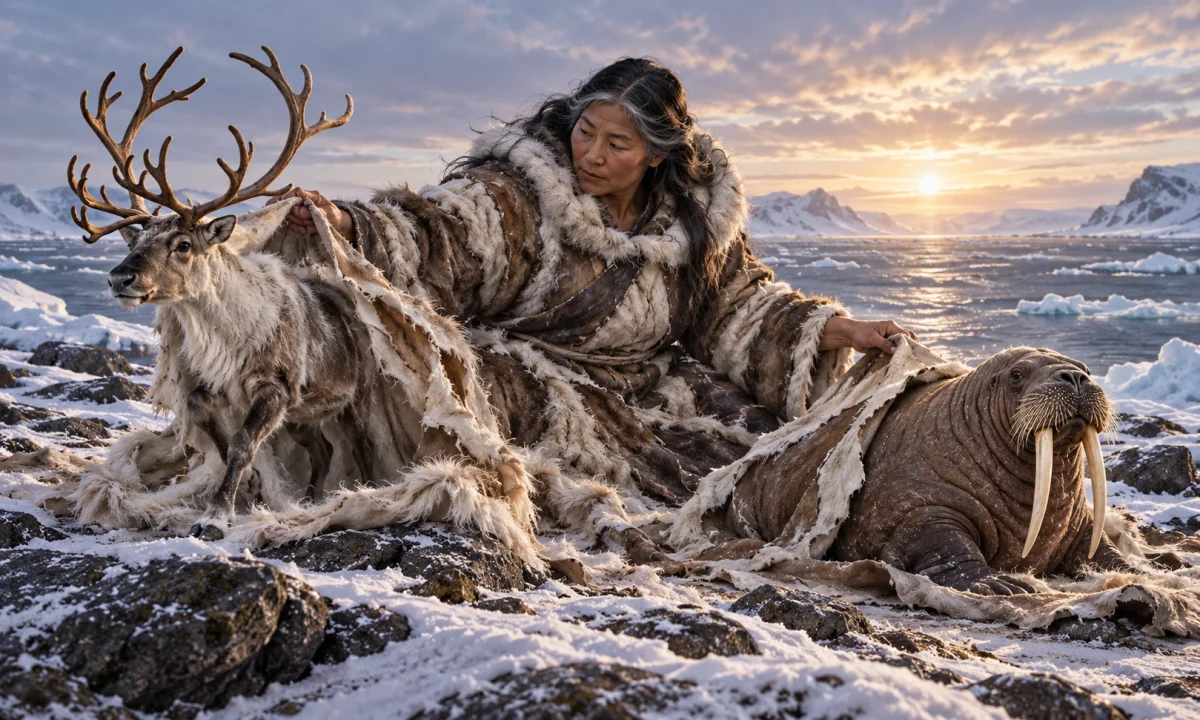
A’akuluujjusi
A’akuluujjusi is a creator figure associated with Inuit traditional narratives, especially stories recorded from Inuit communities in the eastern Arctic and Greenlandic cultural region. She is commonly described as a pow…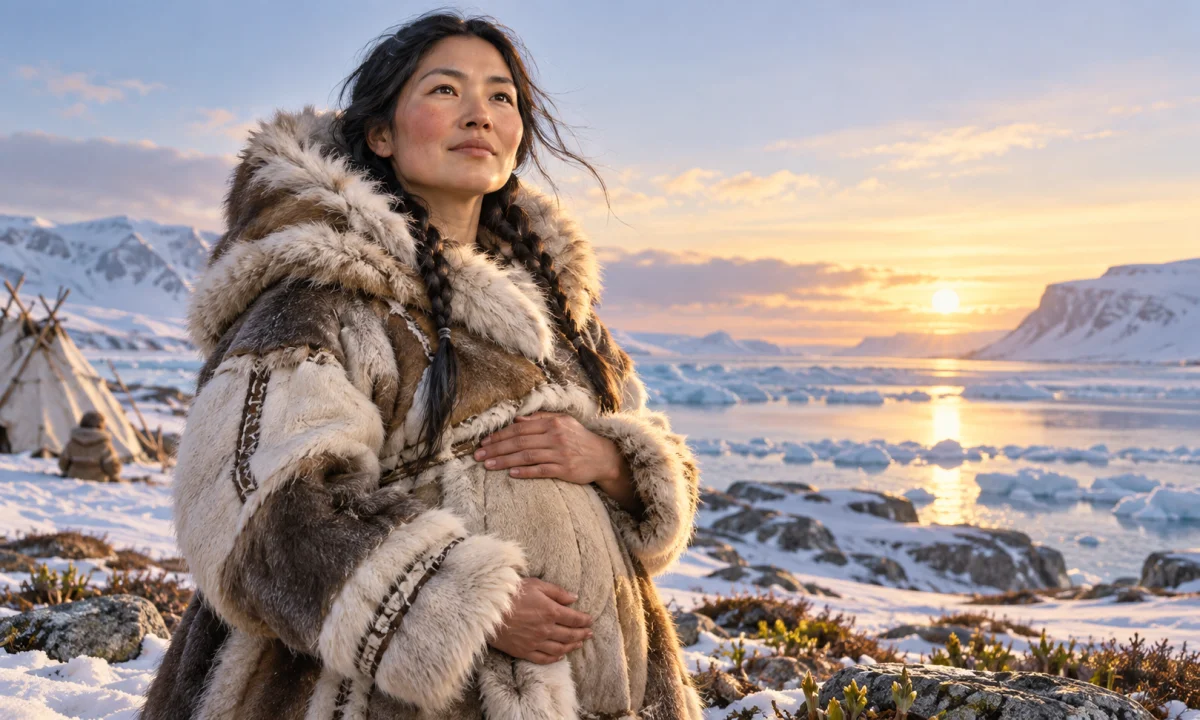
Akna
Akna is a name associated with fertility, motherhood, and childbirth in some accounts of Inuit mythology. She is often described as a maternal goddess or female supernatural being, and some modern summaries identify her …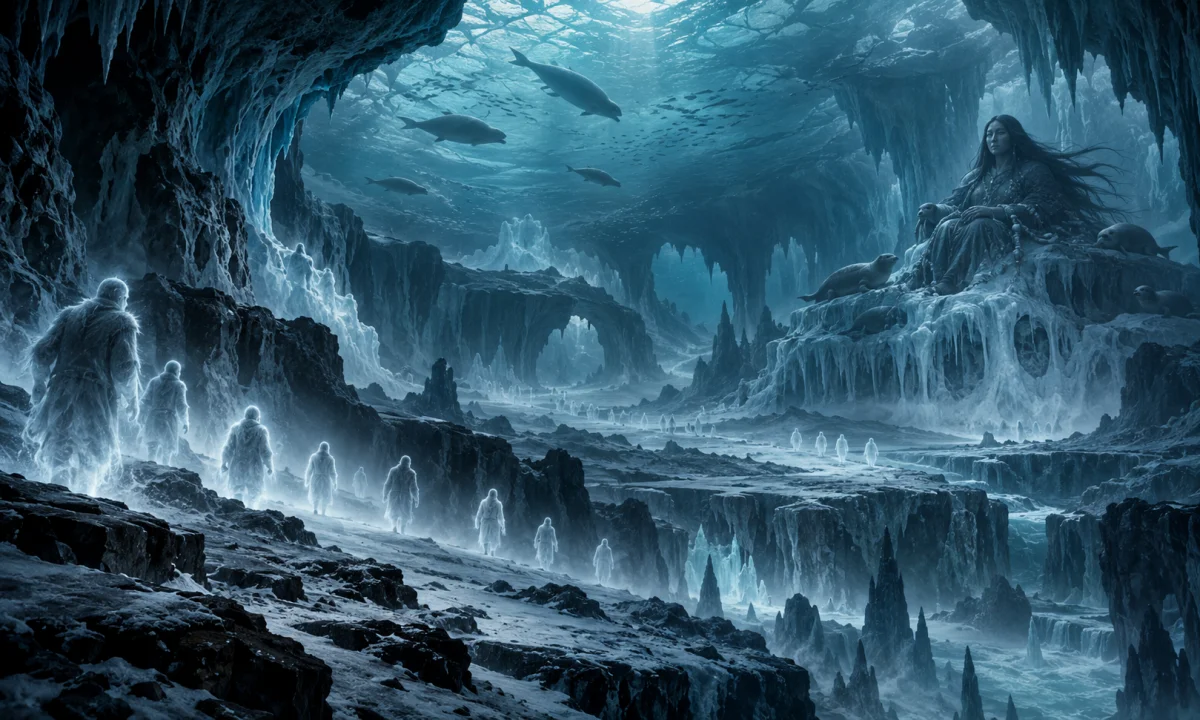
Adlivun
Adlivun is a name used in some accounts of Inuit religious tradition for the realm of the dead, often described as lying beneath the sea. It is not a single, universally defined place in all Inuit communities. Inuit peop…Mythology and folklore of North America
North American mythology and folklore encompass the sacred narratives, origin traditions, legendary histories, ceremonial knowledge and supernatural beings associated with the continent’s many Indigenous peoples, together with later traditions shaped by colonisation, migration and cultural exchange. The category does not describe a single mythology or a uniform system of belief. North America contains hundreds of culturally and linguistically distinct nations whose traditions developed in relation to particular landscapes, communities, political structures and historical experiences. Stories known across several regions may share certain themes, but their meanings, characters and religious importance can differ substantially.
Much of the continent’s traditional knowledge has been transmitted orally through storytelling, song, ceremony, visual art, dance and the teachings of elders and ritual specialists. Some narratives are intended for public telling, while others may belong to particular families, societies, seasons or ceremonial contexts. Written collections preserve valuable material, but they often record only one version of a living tradition and may reflect the assumptions of missionaries, government officials, translators or early ethnographers. Indigenous communities remain the primary authorities on the meaning and appropriate use of their own traditions.
Geographical and cultural scope
North America is a geographical category rather than a single cultural region. Its Indigenous traditions extend across the Arctic, Subarctic, Northwest Coast, Plateau, Great Basin, California, Southwest, Plains, Southeast and Eastern Woodlands. These regional terms are useful for studying environmental and historical patterns, but they do not erase the identities of individual nations.
Modern borders between Canada, the United States and Mexico were imposed long after Indigenous communities had established their territories, trade routes and diplomatic relationships. Many nations have homelands that cross present-day borders. Cultural regions also changed over time as communities migrated, formed alliances, experienced warfare or adapted to new economic and political conditions.
Mesoamerican traditions are often treated separately because they developed within distinctive linguistic, religious and political settings, although northern Mexico and the American Southwest were connected through long-distance exchange. The boundary between North America and Mesoamerica should therefore be understood as an analytical distinction rather than an absolute barrier between isolated worlds.
Indigenous nations and distinct traditions
Expressions such as Native American mythology or Indigenous mythology can be useful as broad organisational labels, but they become misleading when used as though all Indigenous peoples shared the same gods, ceremonies or understanding of the world. Haudenosaunee, Cherokee, Hopi, Lakota, Diné, Anishinaabe, Inuit, Tlingit, Haida and many other traditions have their own languages, histories and sacred frameworks.
Even closely related communities may preserve different versions of a narrative. A figure known by similar names across a linguistic region may have different relationships, attributes or ceremonial roles. Translation can make these distinctions less visible, especially when diverse beings are all described with general English terms such as god, spirit, monster or hero.
The phrase Great Spirit is sometimes presented as a universal Indigenous concept, but it does not accurately represent the full variety of North American religions. Different traditions have their own terms and theological understandings, and some modern formulations were influenced by translation, missionary language or pan-Indigenous movements. No single English expression can summarise the continent’s many ideas about sacred power.
Origin traditions and the shaping of the world
North American origin narratives describe many different ways in which the world, human beings, animals and social institutions came into existence. Some traditions tell of emergence from worlds beneath the present earth. Others describe earth-diver beings bringing soil from beneath a primeval body of water, celestial figures descending from the sky or powerful beings transforming an unfinished landscape.
Among Haudenosaunee peoples, narratives concerning Sky Woman and the formation of land upon a great turtle are central to particular creation traditions. Stories involving a turtle-supported world also appear in other northeastern cultures, but their characters and meanings should not be treated as identical. The modern term Turtle Island has become widely used as an Indigenous name for North America, although its traditional basis and significance vary among nations.
Several Pueblo traditions describe humanity emerging through earlier worlds or levels of existence. Hopi accounts of emergence, for example, belong to a wider religious and ceremonial system rather than merely providing a geographical explanation of human origins. Public summaries cannot convey all versions or meanings, and some knowledge is not intended for unrestricted circulation.
Creation narratives do more than describe a remote beginning. They can explain relationships among people, animals, spiritual powers and places. They may establish responsibilities concerning hunting, agriculture, kinship, ceremony and the respectful use of natural resources. Their importance lies as much in the obligations they express as in the sequence of supernatural events they describe.
Landscape, place and sacred relationships
Mountains, rivers, lakes, caves, forests, plains and coastal waters often hold religious and historical significance. A location may be associated with emergence, ancestral journeys, ceremonial events or encounters with powerful beings. Sacred geography is therefore connected to the identity and continuity of a community.
It is misleading to reduce Indigenous traditions to a general belief that all nature is sacred. Relationships with the environment are expressed through culturally specific teachings, restrictions and ceremonial practices. Particular species or places may hold distinct roles, and the appropriate conduct toward them varies between traditions.
Animals frequently appear as persons, ancestors, teachers, helpers or dangerous powers. Bear, bison, eagle, salmon, raven, coyote and other beings can have important roles, but their meanings are not universal. The religious importance of salmon among some Northwest Coast and Plateau peoples, for example, is connected to local ecology, ceremonial exchange and community survival. It cannot simply be transferred to traditions from other environments.
Stories may also explain the visible features of the land. Rocks, islands and mountain formations can be understood as traces of ancestral actions or transformations. Such narratives preserve relationships between memory and place and may support claims of responsibility toward ancestral territories.
Tricksters and transformers
Trickster and transformer figures appear in many North American traditions. They may create features of the world, obtain fire, establish customs, deceive rivals or cause difficulties through hunger, pride and uncontrolled desire. Their actions can be creative and destructive at the same time.
Coyote appears in many western traditions, Raven is especially prominent in parts of the Northwest Coast and Arctic, Nanabozho belongs to several Anishinaabe traditions, and Iktomi is associated with Lakota and related storytelling. These figures are not regional versions of one universal trickster. Each belongs to a distinct body of narratives and cultural meanings.
Trickster stories often use humour, bodily behaviour and social reversal. They can teach through negative example, expose arrogance or explore tensions surrounding authority and desire. Some were altered or omitted by early collectors who considered their content improper, leaving the written record incomplete.
A transformer may shape the landscape or make the world suitable for human life without being a creator in the sense of bringing everything into existence. English-language summaries often merge these roles, but Indigenous narratives may distinguish carefully between origin, transformation and the establishment of social order.
Heroes, ancestors and cultural founders
North American traditions include heroes, twins, hunters, warriors, founders and ancestral beings whose actions establish laws, ceremonial practices or relationships between nations. Their stories may combine sacred history, political memory and moral teaching.
Twin figures occur in several traditions, but their roles vary widely. They may cooperate, compete or represent contrasting powers. Similar narrative patterns do not necessarily prove direct transmission, especially when the stories differ in religious setting and social purpose.
Some legendary figures may preserve memories of historical leaders or migrations, although supernatural elements make direct reconstruction difficult. Oral history should not be dismissed as fiction simply because it includes events that do not fit modern historical categories. At the same time, legendary narratives cannot automatically be read as literal records of a particular date or individual.
Founding stories may explain the origin of a clan, settlement, confederacy or ceremonial society. They can define obligations between groups and preserve accounts of alliance, conflict and movement across the land. Different communities may retain distinct perspectives on the same historical relationship.
Powerful beings and dangerous encounters
North American folklore includes giants, underwater beings, horned serpents, cannibal figures, little people, shape-shifters and powerful animals. Some guard places or knowledge, while others represent dangers connected with isolation, hunger, broken restrictions or improper behaviour.
Thunder beings appear in several regions and are often described in English as Thunderbirds. Their identities, forms and religious significance vary among nations. They may be associated with storms, protection, warfare or opposition to dangerous water beings, but no single description applies to every tradition.
Accounts of cannibal beings sometimes express the consequences of extreme greed, winter starvation or separation from human community. The figure commonly written as Wendigo or Windigo belongs especially to certain Algonquian-speaking traditions. Modern horror entertainment has transformed it into a generic antlered monster, an appearance not supported by many traditional descriptions.
Some culturally specific beings have been widely misrepresented online and in popular media. Diné traditions concerning harmful transformation, for example, are frequently detached from their religious context and presented as sensational monster stories. Certain topics may also be considered inappropriate to discuss casually or outside the communities to which they belong.
Inuit and Arctic traditions
Inuit traditions developed across Arctic environments extending through Alaska, Canada and Greenland. They include narratives concerning animals, sea powers, the dead, ritual specialists and the dangers of violating social or spiritual obligations. Regional and linguistic differences are substantial, and the traditions of Inuit, Yupik and other Arctic peoples should not be merged indiscriminately.
Sea animals are central to many Arctic narratives because hunting relationships supported community survival. A powerful female being associated with marine animals is known under names and forms that differ by region, including the widely used name Sedna. Her story exists in multiple versions involving family conflict, transformation and the origin or control of sea mammals.
Angakkuq ritual specialists traditionally performed roles involving healing, spirit communication and the restoration of balance. Early descriptions were often written by missionaries or explorers who interpreted these practices through foreign religious categories. Contemporary Inuit accounts provide essential perspectives on their meaning.
Arctic oral traditions also contain accounts of unusual peoples, powerful nonhuman persons and encounters in remote landscapes. Such stories may communicate practical knowledge about danger, respect and proper conduct as well as supernatural belief.
Northwest Coast traditions
The Northwest Coast is home to numerous nations whose traditions developed in societies supported by rich marine environments and complex systems of rank, property and ceremonial exchange. Carved poles, masks, painted screens, songs, dances and hereditary narratives can express family histories, privileges and relationships with supernatural beings.
Raven is prominent in several Northwest Coast traditions as a transformer, trickster and bringer of light or important resources. The details differ among Tlingit, Haida, Tsimshian and other peoples. Similar visual or narrative elements can reflect long histories of regional interaction without eliminating local ownership and interpretation.
European and North American popular culture has often called carved poles totem poles and treated them as general religious idols. Their actual functions vary and may include recording ancestry, commemorating events, displaying crests or asserting hereditary rights. Their imagery cannot be understood accurately without knowledge of the family and cultural context in which it was created.
The Southwest, Plains and Eastern regions
The American Southwest includes Pueblo, Diné, Apache, O’odham and many other traditions shaped by different histories of agriculture, pastoralism, migration and ceremonial life. Rain, emergence, sacred mountains and relations with powerful beings are important in several traditions, but their meanings remain culturally specific.
Plains traditions changed significantly after the spread of horses, new forms of hunting and forced relocation. Bison became central to the economy and ceremonial life of many Plains nations, although communities maintained distinct languages and religious practices. Visionary experience, medicine bundles and ceremonial societies should not be generalised into one Plains religion.
The Eastern Woodlands and Southeast were historically home to agricultural towns, confederacies, chiefdoms and extensive trade networks. Haudenosaunee, Anishinaabe, Cherokee, Muscogee, Choctaw and other traditions preserve different origin narratives, ceremonial cycles and understandings of spiritual power.
Archaeological evidence from earlier societies, including the Hopewell and Mississippian cultural traditions, reveals monumental earthworks, ceremonial objects and long-distance exchange. Scholars can identify patterns in material culture, but the exact names and stories associated with many ancient images remain uncertain. Later Indigenous traditions may offer important interpretive possibilities, although continuity must be demonstrated rather than assumed.
Oral transmission and the problems of written sources
Traditional narratives are often shaped by season, audience and ceremonial setting. Some communities tell particular stories only during winter or under other prescribed conditions. Removing a narrative from its proper context can change its meaning or violate community expectations.
Early written collections frequently altered names, shortened performances or combined versions from different speakers. Translators sometimes replaced Indigenous concepts with Christian or classical terminology. A powerful being might be labelled a devil, while a sacred narrative could be called a fairy tale or primitive myth.
Ethnographic records remain valuable, especially where colonial policies disrupted transmission, but they must be compared with language evidence, community knowledge and the circumstances in which the material was collected. Anonymous summaries that conceal the narrator, nation and location provide a particularly weak basis for interpretation.
Many Indigenous languages were suppressed through residential and boarding schools, religious missions and government policies. Language loss affected the transmission of narratives because names, wordplay and religious concepts may not have precise equivalents in English or French.
Colonisation and religious change
European colonisation brought warfare, forced displacement, epidemic disease, missionary campaigns and restrictions on Indigenous ceremonies. Sacred objects and human remains were removed to private collections and museums, while many religious practices were prohibited or driven underground.
Christianity was adopted, resisted and reinterpreted in different ways. Some communities maintained older ceremonies alongside Christian worship. Others developed new movements that responded to colonial disruption while drawing on Indigenous prophetic and ceremonial traditions.
The Native American Church and other modern religious movements demonstrate that Indigenous religious life continued to develop under changing conditions. These traditions are not simply remnants of a precolonial past. They are living religions shaped by historical experience, adaptation and community authority.
Contemporary revitalisation efforts include language education, the return of ceremonial objects, the protection of sacred places and the restoration of traditional storytelling. Some knowledge that entered public archives without consent is now being reconsidered in relation to cultural ownership and appropriate access.
Settler folklore and later cultural traditions
North American folklore also includes traditions created by European settlers, enslaved Africans, immigrant communities and their descendants. Frontier legends, ghost stories, lumber-camp tales, urban legends and narratives concerning outlaws or folk heroes developed through encounters with new environments and social conditions.
African American folklore preserved and transformed West and Central African narrative elements under slavery and segregation. Trickster stories, spiritual traditions and accounts of supernatural protection developed within distinct North American historical settings. They should not be treated as unchanged survivals from a single African source.
French, Spanish, British and other colonial traditions also influenced regional folklore. Stories of witches, saints, ghosts and hidden treasure interacted with Indigenous and African beliefs, but cultural exchange often occurred within unequal systems of power. Similarities must therefore be studied through specific evidence rather than described as uncomplicated blending.
Modern interpretation and popular culture
North American Indigenous figures and stories are frequently adapted in novels, films, games and online horror. These representations often combine unrelated traditions, invent generic tribal beliefs or describe sacred beings as fantasy monsters. Repetition in popular media does not make such portrayals historically accurate.
Cryptid traditions involving Sasquatch or Bigfoot sometimes draw loosely on Indigenous narratives about powerful forest beings. However, the modern cryptozoological figure developed through journalism, entertainment and popular speculation. Indigenous traditions cannot be reduced to evidence for a single undiscovered animal.
More responsible modern works are increasingly created by Indigenous writers, filmmakers, artists and game designers who reinterpret traditional material from within their own communities. Creative works remain distinct from ceremonial knowledge or historical documentation, but they can challenge stereotypes and demonstrate the continuing vitality of Indigenous storytelling.
The mythologies and folklore of North America remain significant because they preserve diverse understandings of place, kinship, responsibility, transformation and relations between human and nonhuman persons. Their study requires attention to individual nations, languages and historical circumstances rather than a search for one continental pantheon or universal Indigenous worldview.