 WORLD
WORLD
Oceania
Explore myths, traditions and legendary beings grouped under Oceania.
Last articles
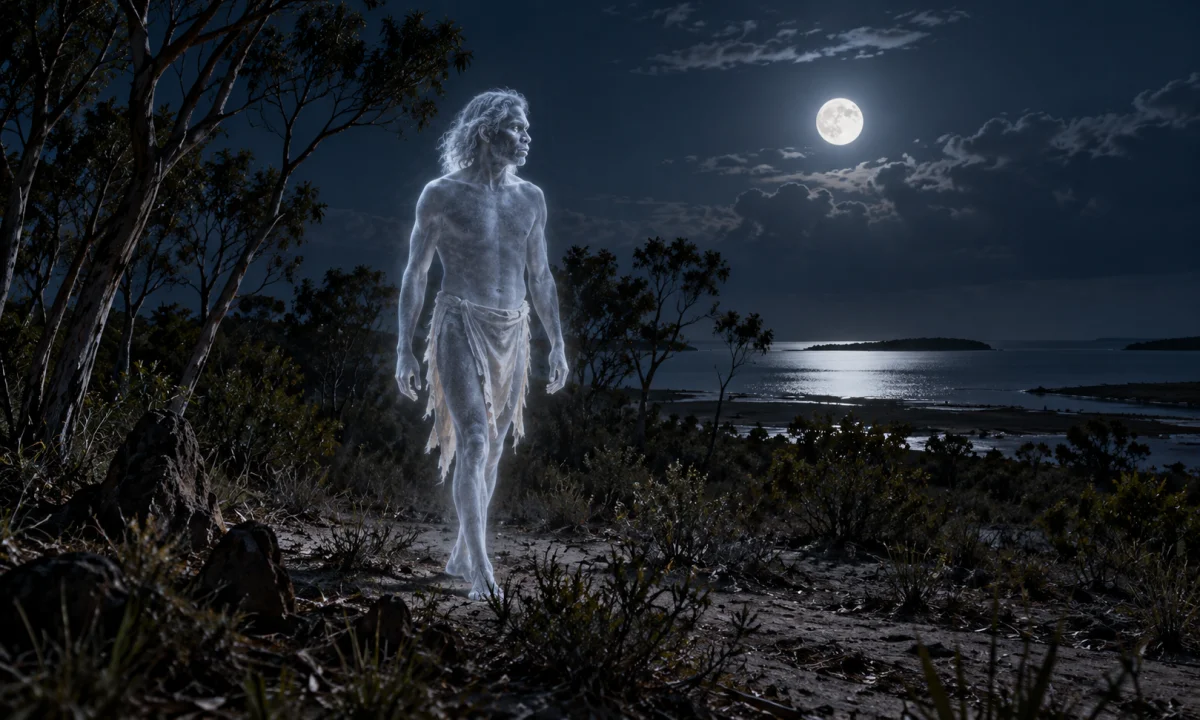
Mopaditis
Mopaditis is a very obscure name associated in some modern reference lists with Australian Aboriginal mythology. Its identity, cultural origin and traditional role are uncertain. Unlike well-documented figures such as Ba…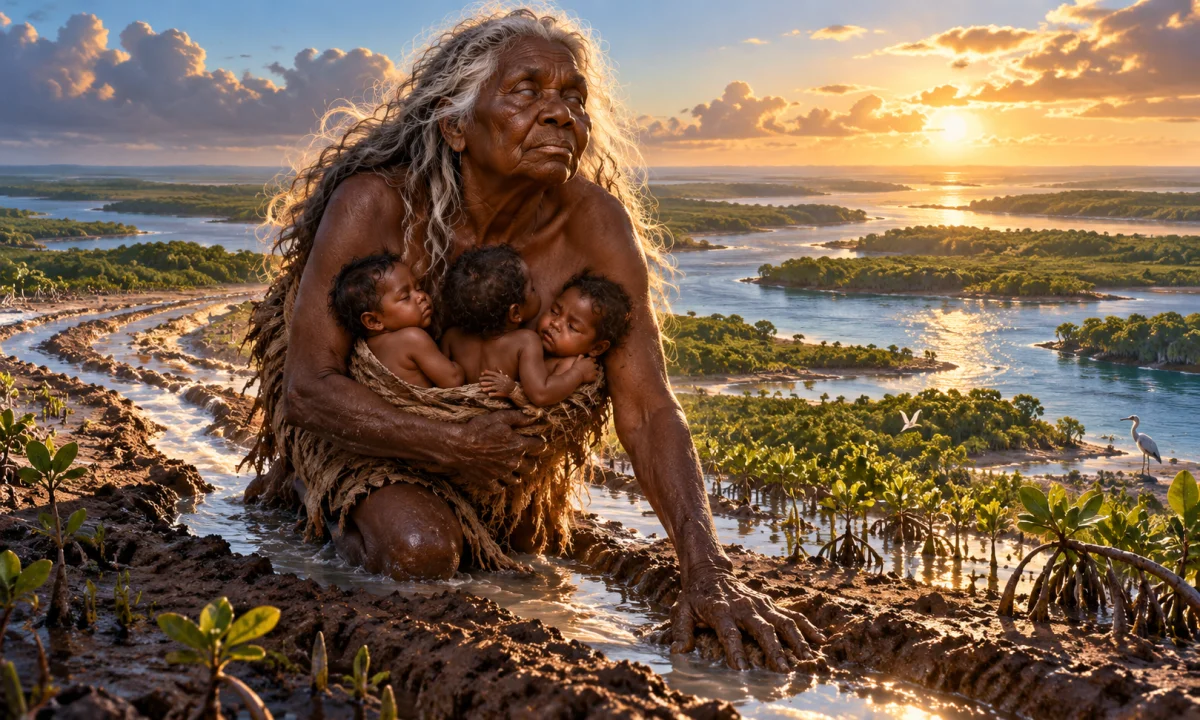
Mudungkala
Mudungkala is an ancestral being in the traditions of the Tiwi people of northern Australia. The Tiwi live primarily on Melville Island and Bathurst Island, in the Apsley Strait region north of Darwin in the Northern Ter…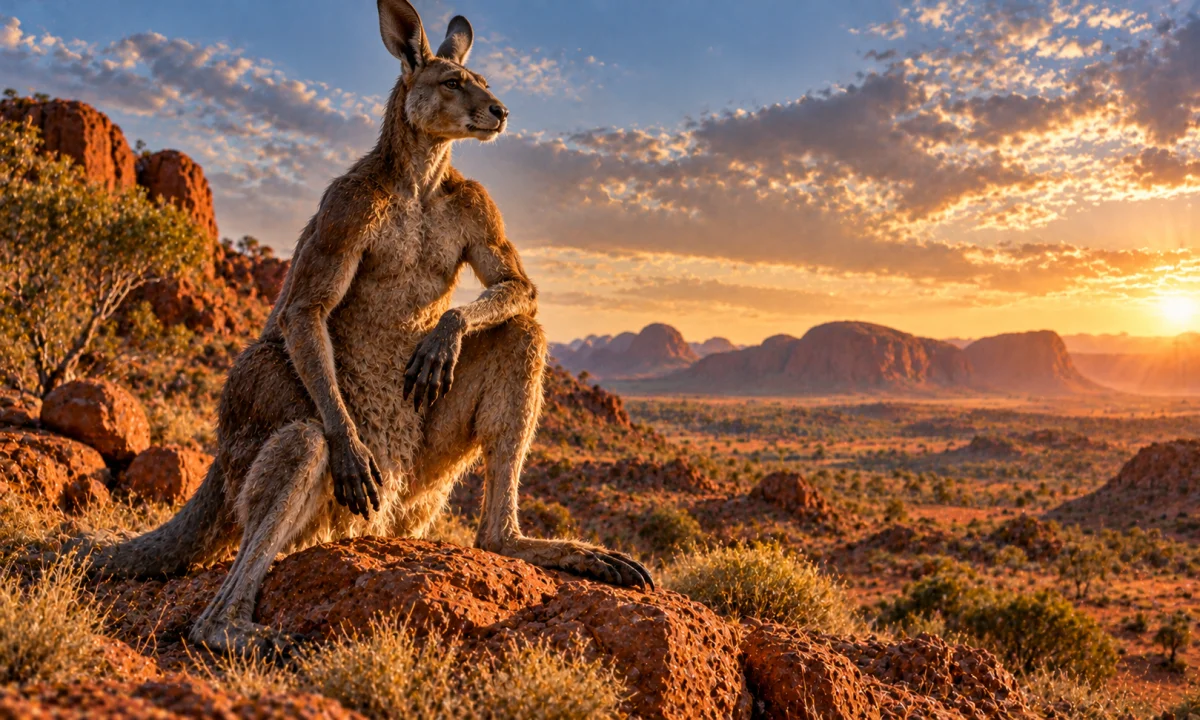
Multultu
Multultu is a name associated in some modern references with a dangerous creature of Australian Aboriginal tradition, usually described as a water-dwelling monster. Its identity is uncertain, however. Unlike widely docum…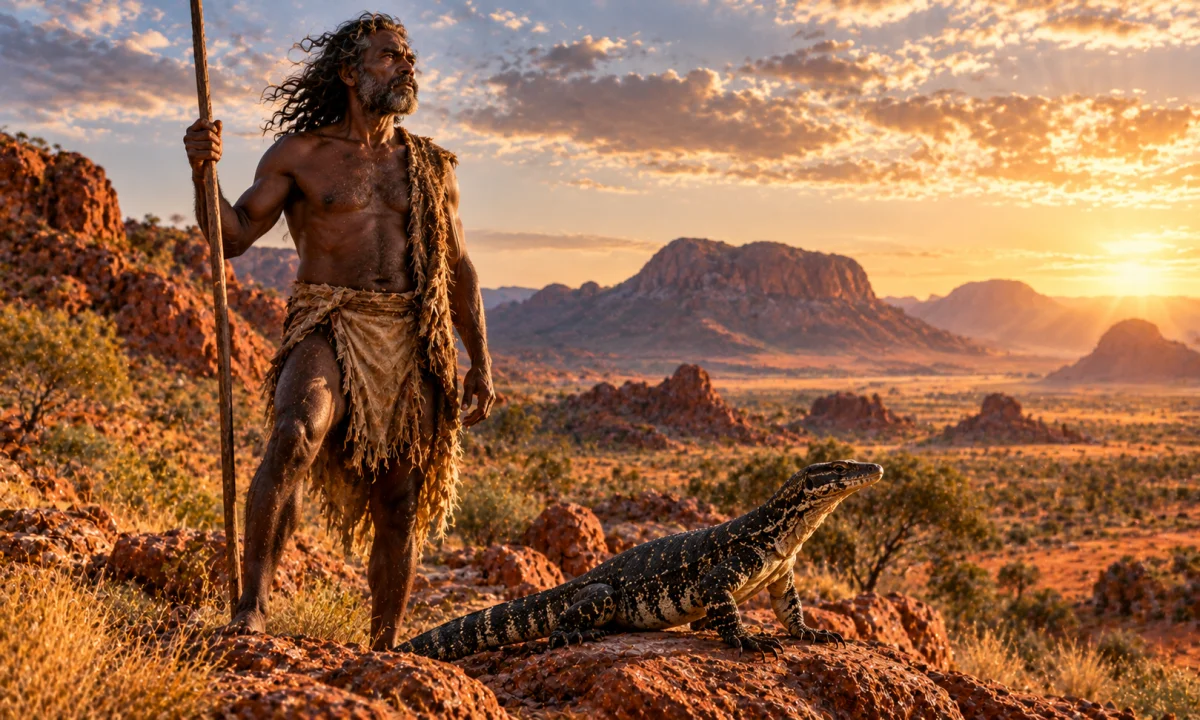
Mumba
Mumba is a name found in some modern English-language lists of Australian Aboriginal mythological beings, where it is usually described as a dangerous water creature or aquatic spirit. Its identity is uncertain, however.…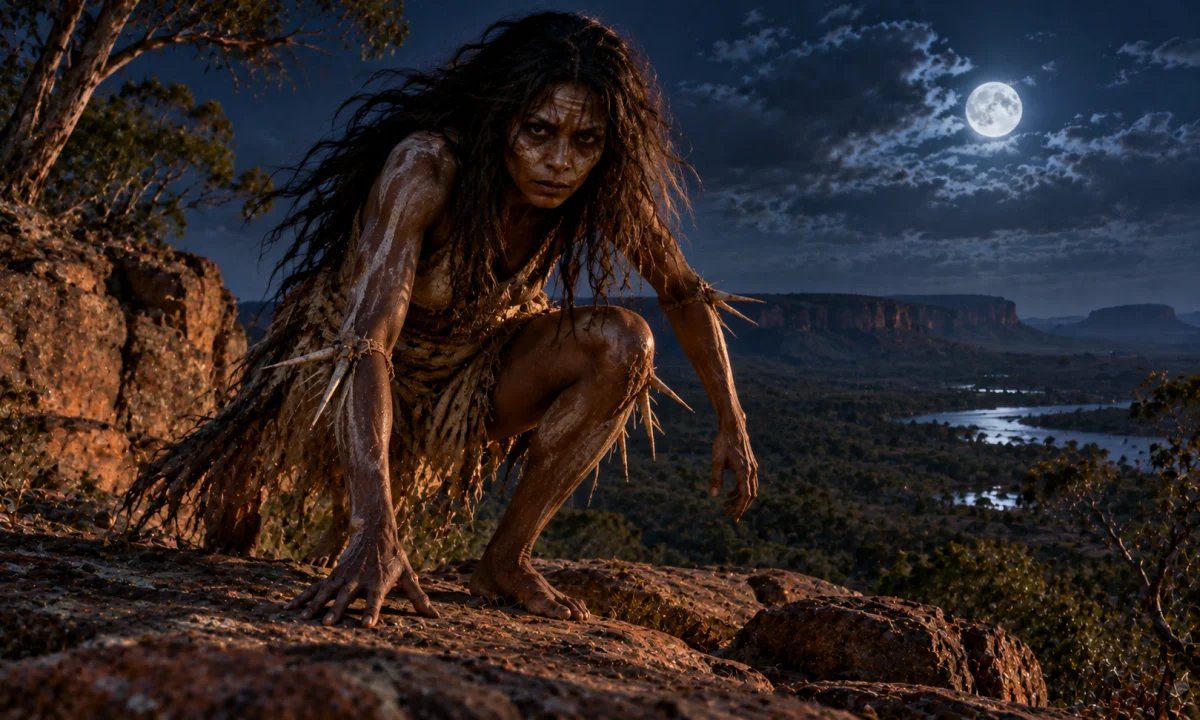
Nadubi
Nadubi is a name sometimes listed in modern collections of Australian Aboriginal mythology, but its identity and traditional context are not securely established. Unlike well-documented figures such as Baiame, Bunjil, Da…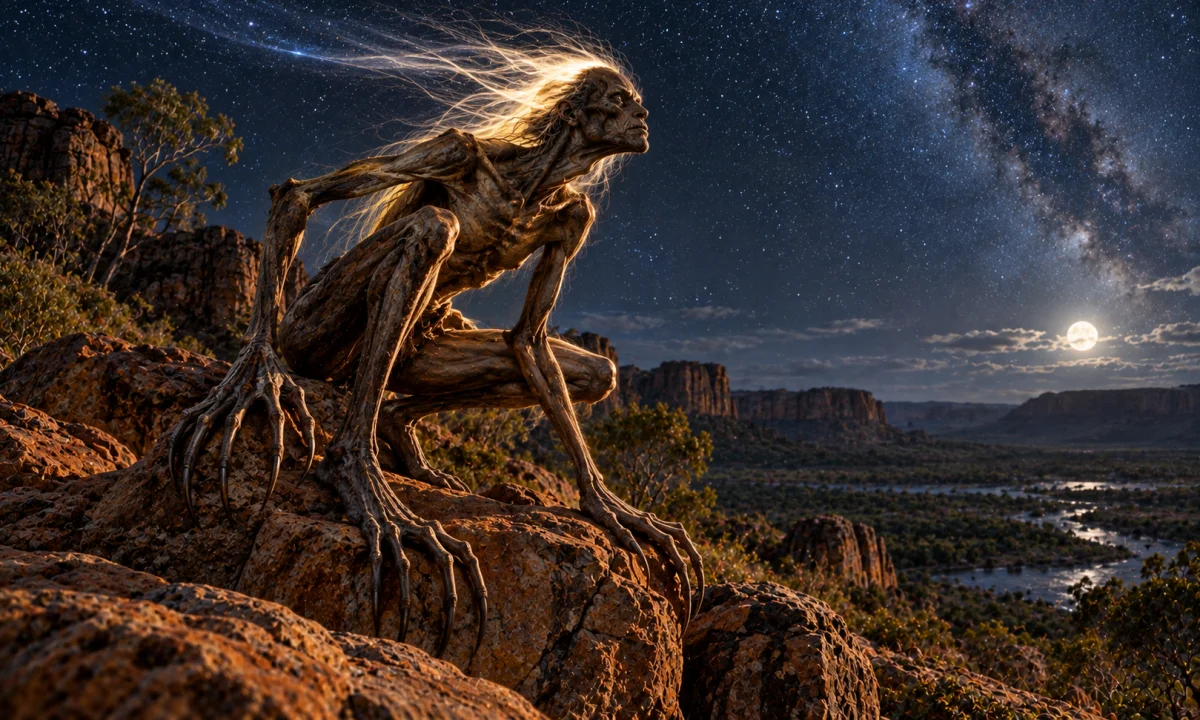
Namorodo
Namorodo is a name used in English-language accounts for a dangerous spirit being associated particularly with Aboriginal traditions of western Arnhem Land in the Northern Territory of Australia. The name is also written…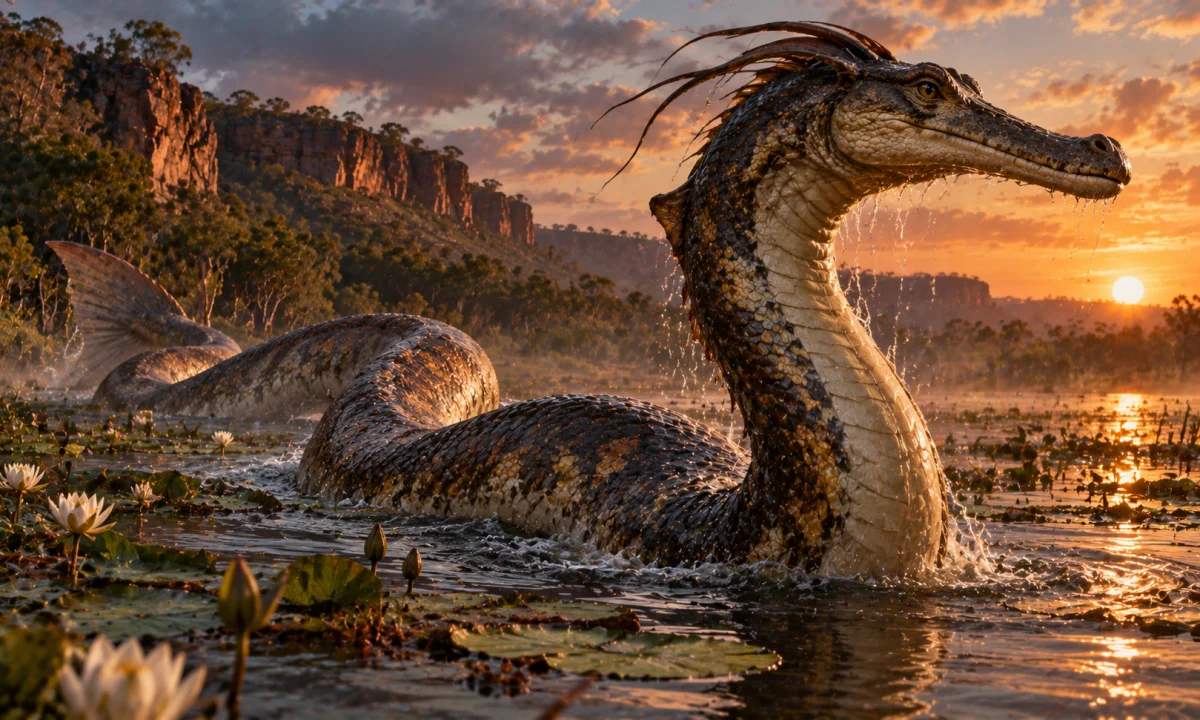
Ngalyod
Ngalyod is a powerful ancestral being of western Arnhem Land in northern Australia, especially in Kunwinjku and related Aboriginal traditions. Ngalyod is commonly described in English as a Rainbow Serpent, although that …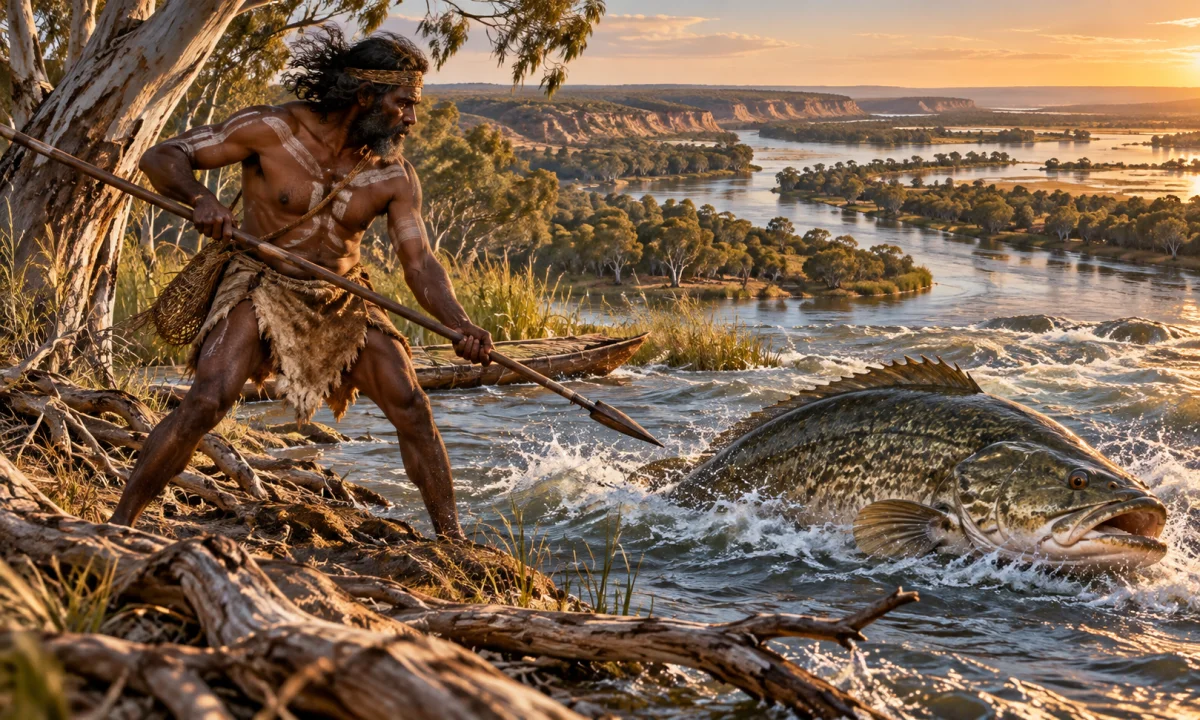
Ngurunderi
Ngurunderi is a major ancestral being of the Ngarrindjeri peoples of South Australia. His traditions are associated especially with the lower Murray River, the Coorong, Lake Alexandrina, Lake Albert, Encounter Bay and th…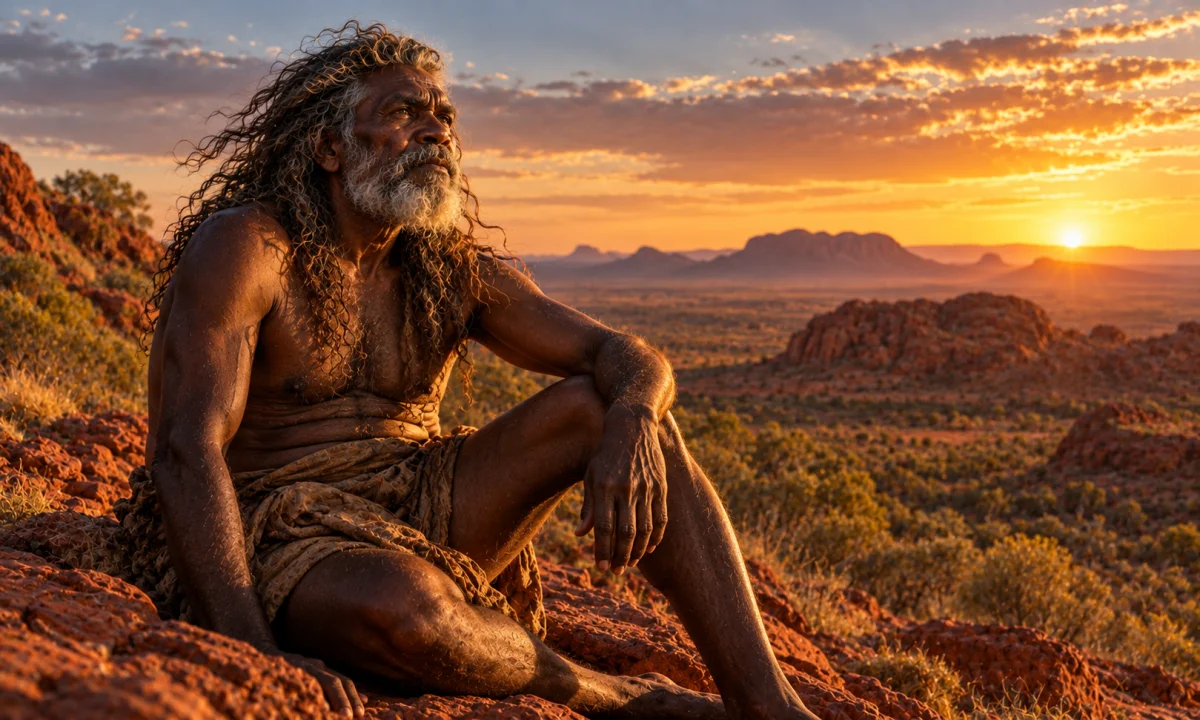
Njirana
Njirana is a name associated in some modern summaries with an Aboriginal Australian water being described as a mermaid-like woman who lures people into the water. The best-known version of the account says that Njirana a…
Pilirin
Pilirin is a name associated in some modern English-language references with Australian Aboriginal mythology. Its identity, cultural origin and traditional meaning are uncertain, however. Unlike figures such as the Rainb…
Tjati
Tjati is a name sometimes listed in English-language collections of Australian Aboriginal mythology, but it does not have a securely established, widely documented identity across Aboriginal traditions. Unlike figures su…
Tjinimin
Tjinimin is a name associated in some modern reference works with an Aboriginal Australian mythological figure, usually described as a trickster, culture hero or ancestral being. The identification is not as securely doc…Mythology and folklore of Oceania
Oceanian mythology and folklore encompass the sacred narratives, ancestral histories, ritual traditions and supernatural beings associated with Australia, New Guinea, Aotearoa New Zealand and the many island societies of the Pacific. The category includes Aboriginal Australian, Torres Strait Islander, Papuan, Melanesian, Micronesian and Polynesian traditions, but it does not represent a single mythology or unified religious system. The peoples of Oceania developed distinct languages, social structures and relationships with land and sea, even where long-distance voyaging, migration and exchange produced related stories, divine names and cultural practices.
Much of this knowledge has been transmitted through oral storytelling, genealogy, song, dance, ceremony, navigation, carving, weaving, tattooing and other forms of cultural practice. Some narratives are public, while others belong to particular families, clans, genders, age groups or initiated specialists. Written summaries may therefore preserve only part of a tradition. Colonial collectors, missionaries and anthropologists recorded valuable material, but their accounts were often shaped by translation problems, Christian assumptions and unequal access to restricted knowledge. Living communities remain the principal authorities on the meaning, ownership and appropriate use of their traditions.
Geographical and cultural scope
Oceania is a broad modern geographical category covering a vast area of the Pacific and neighbouring regions. It includes the Australian continent, New Guinea, Aotearoa New Zealand and thousands of islands distributed across Melanesia, Micronesia and Polynesia. These regional labels are useful for organisation, but they were developed through European geography and do not replace the names, identities and relationships recognised by the peoples themselves.
The region contains some of the world’s greatest linguistic diversity. New Guinea alone is home to hundreds of languages and cultural communities, while Aboriginal Australia includes many nations with distinct laws, territories and ceremonial traditions. Polynesian languages are more closely related to one another, reflecting histories of migration and settlement, yet Polynesian societies developed different political institutions, genealogies and local religious practices.
The ocean did not isolate Pacific peoples in the way early European observers often assumed. It connected communities through voyaging, trade, marriage, warfare and shared ancestry. Navigators travelled enormous distances using knowledge of stars, winds, currents, waves, clouds, birds and marine life. Mythological traditions frequently preserve memories of migration and settlement, although oral accounts should not be treated as straightforward maps or chronological records without supporting evidence.
Aboriginal Australian traditions
Aboriginal Australian religious and mythological traditions belong to many different nations and language groups. They cannot be reduced to one collection of stories or one uniform belief system. Each community maintains relationships with particular ancestral beings, territories, ceremonial sites and bodies of law.
The English term Dreaming is widely used to translate several Indigenous concepts concerning ancestral creation, law, land, identity and continuing spiritual reality. It can be misleading when interpreted merely as a distant age of dreams or as fictional mythology. In many traditions, ancestral events are not confined to the past. They remain present through country, ceremony, kinship, song and responsibility.
Ancestral beings travelled across the land, created or transformed geographical features, established relationships among species and defined rules for human conduct. Their journeys may be preserved through songlines linking places, narratives and ceremonial knowledge. A songline is not simply a route or a poetic map. Its meaning depends on the community, language and responsibilities associated with it.
Figures often grouped under names such as the Rainbow Serpent appear in several regions, but they do not form one universal Australian deity. Serpentine ancestral beings may be associated with water, fertility, weather, creation, danger or social order, and their identities differ between communities. Similar visual forms should not obscure these local distinctions.
Some Aboriginal stories and ceremonial materials are restricted. Knowledge may depend on initiation, kinship, gender or custodial rights. Public retellings that remove sacred narratives from their cultural setting can misrepresent them or disclose material that was not intended for general circulation.
Torres Strait Islander traditions
The Torres Strait lies between northern Australia and New Guinea and contains island communities with their own languages, histories and cultural practices. Torres Strait Islander traditions are distinct from both mainland Aboriginal cultures and neighbouring Papuan traditions, although long histories of exchange connected the region.
Stories concern ancestors, sea beings, stars, winds, islands and the movements of people across water. Maritime knowledge is central because fishing, navigation and seasonal changes shaped everyday life. Celestial observations could guide travel and signal ecological events, linking practical knowledge with ceremony and ancestral tradition.
The Tagai tradition is especially important across parts of the Torres Strait. Tagai is associated with a constellation-based story involving voyaging, order and the organisation of time and social responsibilities. Versions and interpretations vary, and the tradition should not be reduced to a simple tale about a single star figure.
New Guinea and Papuan traditions
New Guinea contains extraordinary cultural and linguistic diversity. Its religious traditions include ancestral narratives, initiation systems, spirit beliefs, ceremonial exchange, healing practices and relationships with forests, rivers, mountains and cultivated land. It is inaccurate to speak of one Papuan mythology.
Many communities understand ancestors as continuing participants in social life. Ancestors may be connected with clan origins, territorial rights, fertility and political authority. Ritual objects, masks, carvings and ceremonial houses can express these relationships, but their meanings differ sharply between societies.
Origin stories may describe people emerging from the earth, plants, animals or ancestral beings. Some explain the introduction of crops, fire, warfare, ritual knowledge or social divisions. A narrative recorded in one valley or island cannot safely be generalised to all of New Guinea.
European records often used broad terms such as ancestor worship, magic or spirit cult to describe highly organised religious systems. Missionary suppression and colonial administration disrupted many ceremonies, while museums removed sacred objects from their communities. Contemporary cultural revival and repatriation efforts seek to restore control over this heritage.
Melanesian traditions
Melanesia includes New Guinea and island groups such as the Solomon Islands, Vanuatu, New Caledonia and Fiji, although the category covers many unrelated peoples and languages. Religious traditions frequently involve ancestors, local spirits, sacred places, exchange systems and forms of power connected with leadership, ritual expertise and social relationships.
The term mana became influential in early studies of religion after European scholars adopted it from Oceanic languages. In its original cultural settings, however, mana does not refer to one universal substance or fantasy energy. It can involve effectiveness, authority, prestige or sacred potency, with meanings that vary across languages and communities.
Melanesian traditions include culture heroes and ancestral figures who establish social institutions, obtain food or reshape the world. In parts of the region, stories concerning figures such as Qat or the Tagaro traditions describe creative, deceptive or transformative actions. Similar names do not always refer to identical beings, and recorded versions may combine local traditions.
Fijian mythology includes ancestral gods, war deities, sea powers and legendary founders associated with particular communities and islands. Degei is often described as a serpent deity connected with origins and the dead, but Fijian traditions are regionally varied and cannot be represented through one figure alone.
Micronesian traditions
Micronesia includes island societies across the western and central Pacific, including the Mariana, Caroline, Marshall, Gilbert and other island groups. Its traditions developed in environments where navigation, genealogy, land rights and marine resources were central to social life.
Origin narratives may explain how islands emerged, how communities arrived or how social ranks and clans were established. Some describe islands being fished from the sea, formed from divine bodies or created through the actions of ancestral navigators. Similar island-fishing motifs also occur elsewhere in the Pacific, but their characters and meanings differ.
In the Caroline Islands, navigational knowledge was transmitted through specialised teaching involving stars, wave patterns and conceptual models of the sea. Such knowledge was practical, intellectual and often embedded in oral and genealogical traditions. It should not be romanticised as instinctive or supernatural navigation.
Nan Madol on Pohnpei became the focus of historical traditions concerning the Saudeleur dynasty and later rulers. Archaeology confirms the site’s importance as a ceremonial and political centre, while oral narratives preserve accounts involving powerful builders, religious authority and political change. Modern claims that it was created by a vanished foreign civilisation are unsupported and disregard Pohnpeian history.
Polynesian traditions and shared ancestry
Polynesia extends across a vast triangular region commonly associated with Hawai‘i, Aotearoa New Zealand and Rapa Nui, together with Samoa, Tonga, Tahiti, the Marquesas, the Cook Islands and many other island groups. Polynesian peoples share related languages and aspects of cultural ancestry, yet their mythologies developed into distinct local traditions.
Related divine names appear across several societies. Figures associated with the sky, sea, fertility, war, creation or craftsmanship may have cognate names, but their roles and genealogies can differ considerably. Tangaroa or Kanaloa, for example, may be connected with the sea, creation or particular forms of sacred authority depending on the tradition.
Māui is known throughout much of Polynesia as a culture hero and trickster associated with fishing up islands, controlling the sun, obtaining fire or attempting to overcome death. No single version contains every episode, and the details vary between Māori, Hawaiian, Samoan, Tongan, Tahitian and other traditions.
Shared names and narrative patterns provide strong evidence of historical relationships among Polynesian peoples, but they should not be used to construct one artificial standard mythology. Each island society adapted inherited traditions to its own geography, genealogy and political history.
Māori traditions of Aotearoa
Māori traditions preserve accounts of creation, migration, ancestry, tribal history and relationships with the natural world. Knowledge is transmitted through whakapapa, oral narratives, waiata, carving, place names and ceremony. Whakapapa refers to genealogy in a broad sense, connecting people with ancestors, communities, landscapes and other forms of life.
Creation traditions often describe the separation of Ranginui, the sky father, and Papatūānuku, the earth mother, by their children. Different iwi and sources preserve variations in the names, sequence and interpretation of these events. The narrative belongs within wider systems of genealogy and responsibility rather than functioning only as an account of physical creation.
Tāne, Tangaroa, Tāwhirimātea, Rongo and Tūmatauenga are among the atua associated with different domains and relationships. The English word god only partly represents the concept of atua, which can include divine, ancestral or spiritually powerful beings.
Accounts of migration describe ancestral canoes and founding figures connected with particular iwi. These traditions preserve identity and territorial relationships, but they should not be compressed into one national migration story. Different communities maintain distinct genealogies and historical claims.
The taniwha is often represented in popular culture as a Māori dragon or monster. In traditional contexts, taniwha may be guardians, dangerous beings or powers associated with rivers, caves, coastal waters and particular communities. Their character depends on place and relationship rather than a single species-like definition.
Hawaiian religion and sacred genealogy
Native Hawaiian traditions include genealogical chants, creation accounts, religious practices and stories of gods, ancestors, chiefs and culture heroes. The Kumulipo is a major genealogical creation chant connecting the emergence of life with chiefly ancestry, but it represents a particular composition and should not be treated as the sole Hawaiian creation narrative.
Kāne, Kū, Lono and Kanaloa are among the major divine figures, while Pele is closely associated with volcanic power and particular places. Pele’s narratives involve family, migration, conflict and the living landscape. Popular portrayals often reduce her to a generic volcano goddess, overlooking her genealogical and cultural context.
Traditional Hawaiian political authority was closely connected to genealogy, sacred status and ritual responsibility. The concept of kapu organised restrictions and relationships involving sacredness, rank and social order. The overthrow of the kapu system and the arrival of Christian missionaries transformed Hawaiian religious life, but cultural and spiritual traditions continued through adaptation and revival.
Rapa Nui and monumental ancestors
Rapa Nui is best known internationally for its monumental stone figures, commonly called moai. These statues were created by Polynesian communities and are generally associated with ancestors, lineage authority and ceremonial landscapes. They were not produced by a lost race or unknown external civilisation.
The statues formed part of complex relationships involving platforms, settlements, quarries and territorial groups. Their exact meanings and historical development cannot be explained through a single theory. Oral traditions, archaeology and environmental evidence must be considered together.
The birdman ceremonies associated with Orongo became prominent during a later phase of Rapa Nui history. They involved competition, sacred authority and the collection of the first egg of a seabird from an offshore islet. This system did not simply replace all earlier beliefs, and its development was shaped by local political and environmental change.
Voyaging, navigation and settlement traditions
Voyaging occupies a central place in many Oceanian histories. Ancestral navigators crossed large distances, settled islands and maintained networks of exchange. Their achievements depended on accumulated observation, specialised teaching and carefully designed vessels.
Oral traditions may preserve the names of navigators, canoes, islands and migration routes. These accounts can contain historical information while also expressing genealogy, sacred authority and community identity. They should neither be dismissed as fiction nor accepted uncritically as precise records of every voyage.
Modern experimental voyages have demonstrated the sophistication of traditional navigation and canoe technology. They also contributed to cultural revitalisation across the Pacific. Such projects challenge older colonial assumptions that island settlement occurred accidentally through people drifting helplessly across the ocean.
Ancestors, spirits and relationships with place
Ancestors remain important in many Oceanian traditions as sources of identity, authority and protection. They may be associated with houses, land, titles, sacred objects or particular natural features. Genealogy can define rights and responsibilities as well as biological descent.
Spirits may inhabit forests, reefs, caves, freshwater sources and abandoned settlements. Some protect places or resources, while others cause illness or punish violations. Their moral character is often relational: a being may protect one community while threatening outsiders or those who behave improperly.
The distinction between god, ancestor, spirit and hero is not always fixed. A powerful ancestor may become the focus of ritual, while a divine figure may belong within a genealogy extending to human communities. European religious categories can therefore obscure the ways Oceanian societies understand continuity between people, ancestors and the wider world.
Colonisation and religious transformation
European expansion brought missionary activity, disease, warfare, forced labour, land loss and political domination across Oceania. Traditional ceremonies were often prohibited or condemned, and sacred sites and objects were destroyed or removed.
Christianity became deeply established in many Pacific societies, but conversion did not occur in one uniform way. Communities translated Christian concepts through local languages, genealogies and political structures. Churches became important centres of social life, education and anticolonial organisation as well as instruments of cultural disruption.
Older traditions continued through stories, customary law, arts, family knowledge and relationships with land and sea. Christian and ancestral identities may coexist without being regarded by practitioners as contradictory. The resulting traditions are historically developed religious forms, not simply mixtures of unchanged paganism and imported Christianity.
Sources, ownership and interpretation
The study of Oceanian mythology depends on oral testimony, language, archaeology, art, colonial records, missionary writings and ethnographic research. Each source reflects particular circumstances. A story collected from one speaker at one time cannot automatically represent an entire nation or island.
Collectors sometimes translated unfamiliar concepts into the language of classical mythology, describing beings as Pacific versions of Greek gods. This method created misleading equivalences and imposed foreign pantheons on traditions organised through different forms of genealogy, place and ritual authority.
Cultural ownership is especially important. Narratives, songs, images and names may belong to particular communities or custodians. Material found in books or museum archives is not necessarily free from cultural restrictions merely because it was recorded by outsiders.
Modern representation and cultural continuity
Oceanian traditions increasingly appear in literature, film, animation, games and tourism. These representations can support cultural visibility, but they may also merge Polynesian cultures into one exotic setting, treat sacred tattoos as decoration or transform ancestral beings into generic fantasy characters.
The idea of a single Polynesian pantheon is particularly misleading. Māui, Tangaroa and related figures may be shared through historical ancestry, yet their stories and religious roles differ between communities. Using one island’s version as the standard for all Polynesia erases local authority and variation.
Indigenous writers, artists, navigators, scholars and religious practitioners continue to interpret these traditions in relation to sovereignty, climate change, language revival and the protection of ancestral lands and seas. Oceanian mythology remains embedded in living identities and responsibilities rather than belonging only to an ancient or vanished past.