 WORLD
WORLD
Religious Traditions
Explore myths, traditions and legendary beings grouped under Religious Traditions.
Last articles
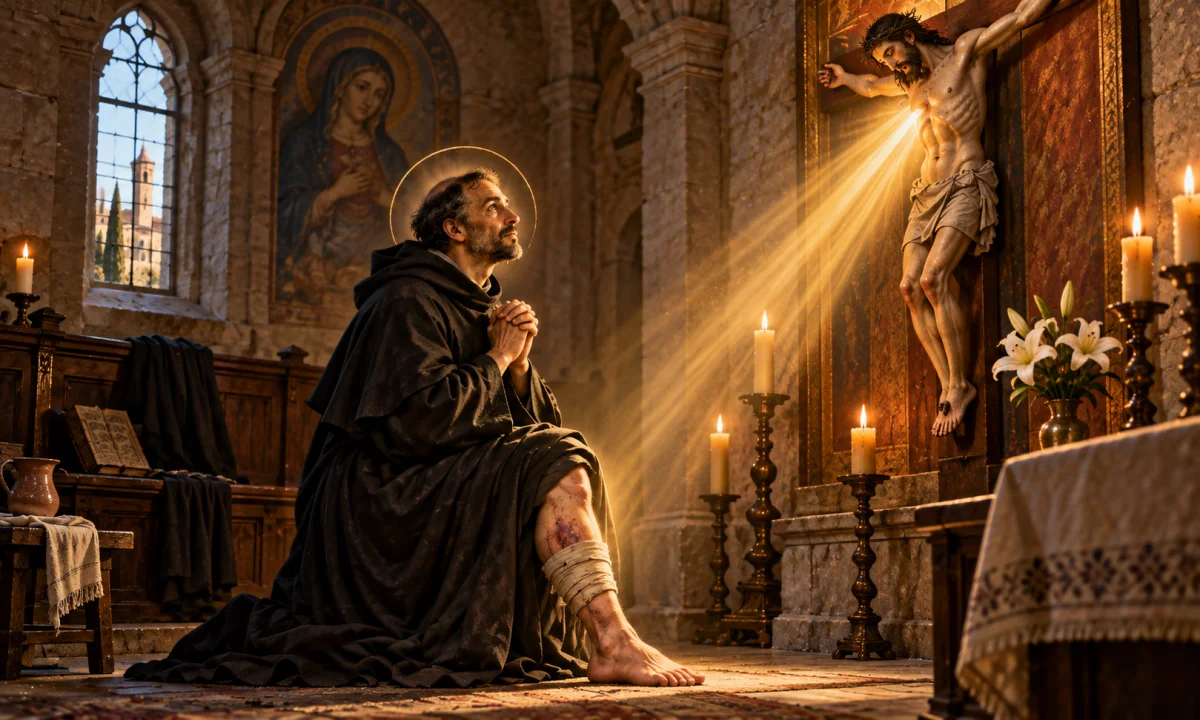
St. Peregrine Laziosi
St. Peregrine Laziosi is a fourteenth-century Italian Christian saint, a member of the Order of Servants of Mary, commonly known as the Servites. He is especially associated with repentance, devotion to the Passion of Ch…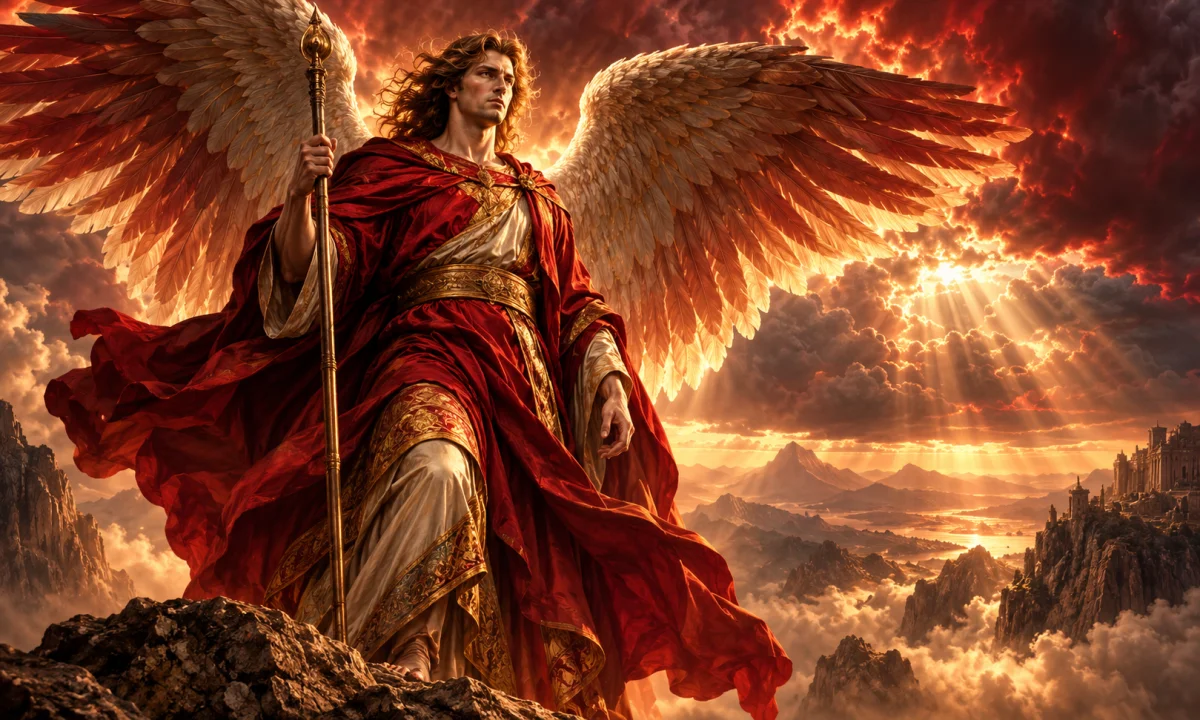
Camael
Camael is a name used in several later systems of angelology, especially Christian occultism, Renaissance esotericism and modern interpretations of Kabbalistic symbolism. He is commonly presented as a powerful angel asso…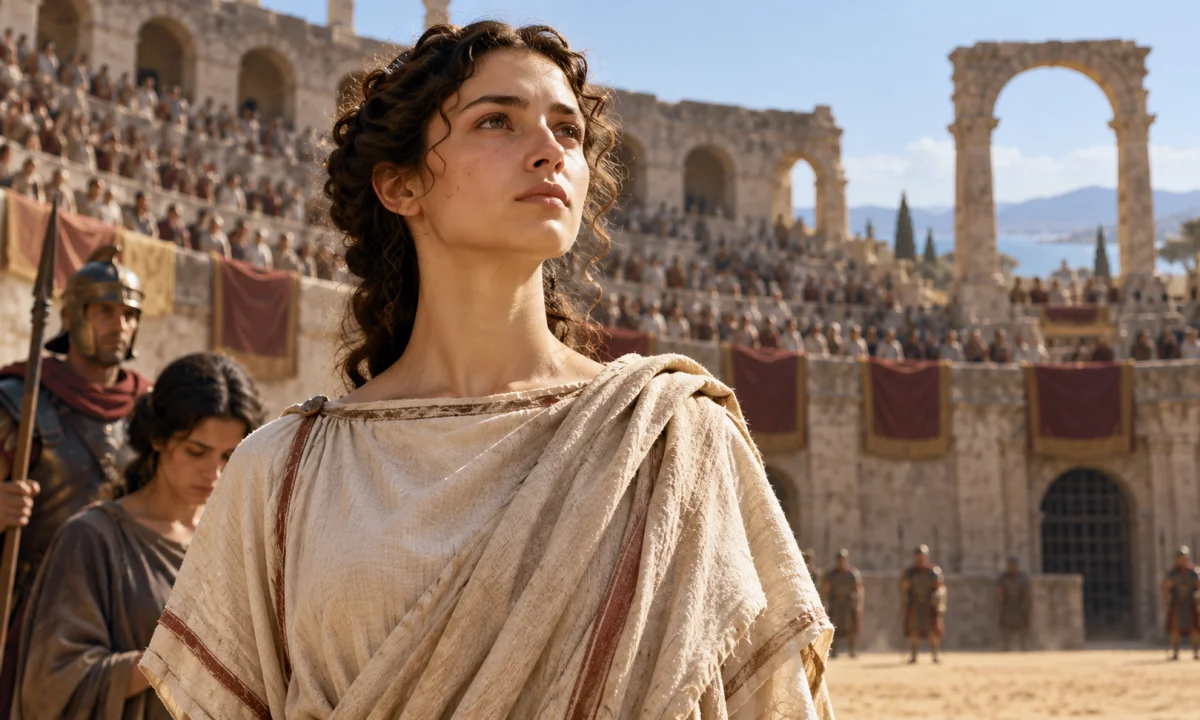
St. Perpetua Of Carthage
St. Perpetua of Carthage was a Christian martyr who was executed in Carthage in Roman North Africa during the early third century. She is remembered chiefly through the Passion of Saints Perpetua and Felicity, an unusual…
Cahethal
Cahethal is a name found in some modern and esoteric lists of angels associated with the Shem ha-Mephorash, the “explicit name” or “divided name” tradition of Jewish mystical angelology. The name is also written as Cahet…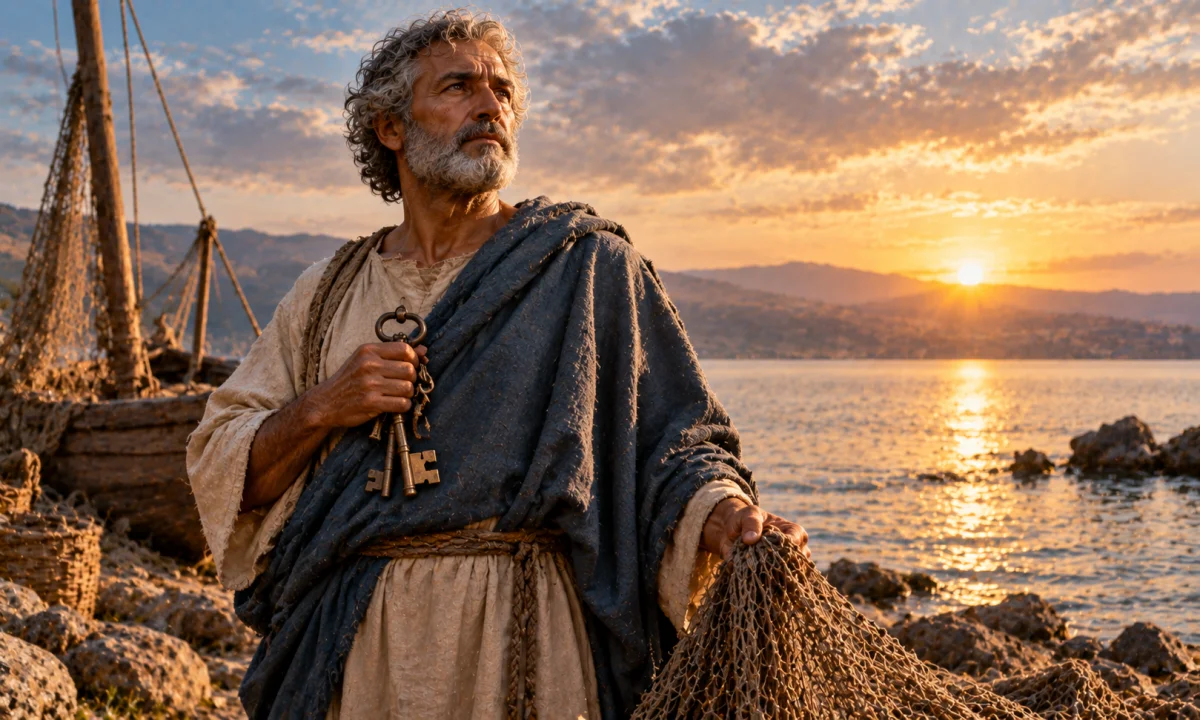
St. Peter
St. Peter is one of the central figures of Christianity and one of the Twelve Apostles of Jesus. In the New Testament he appears as Simon, a Jewish fisherman from Galilee who becomes a leading disciple, a prominent witne…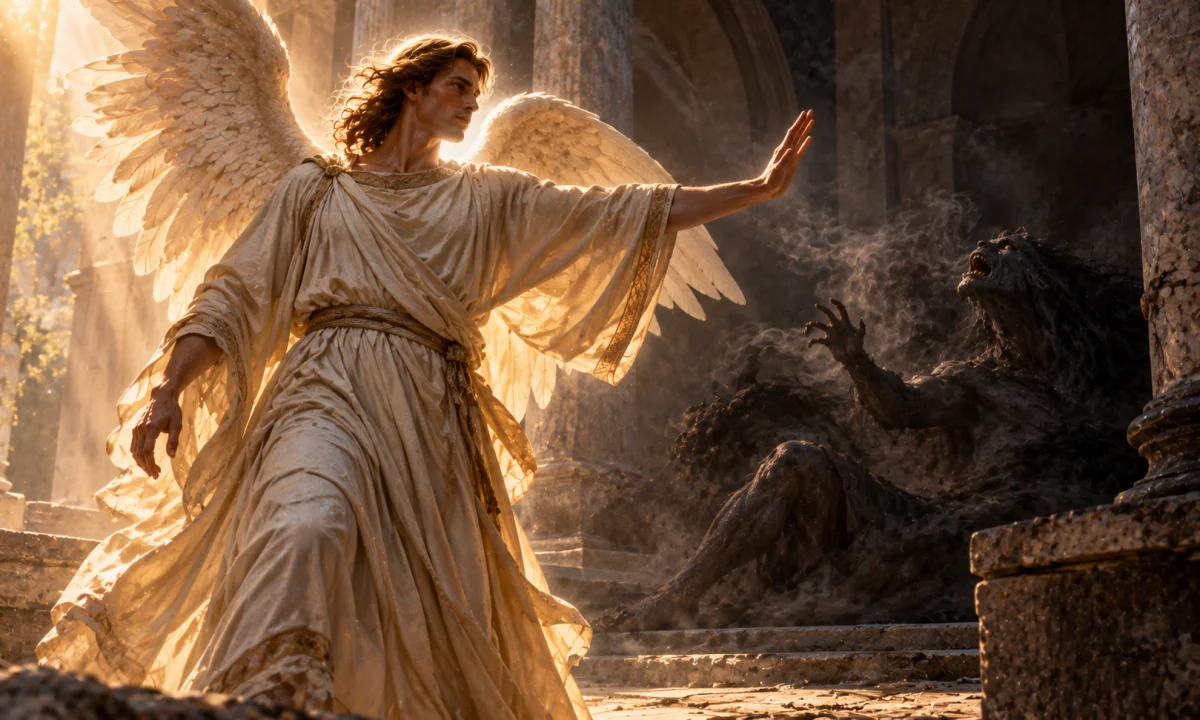
Briathos
Briathos is a highly obscure name associated in some modern angelological and occult compilations with an angelic or celestial being. Unlike Michael, Gabriel, Raphael, or Uriel, Briathos does not have a clearly establish…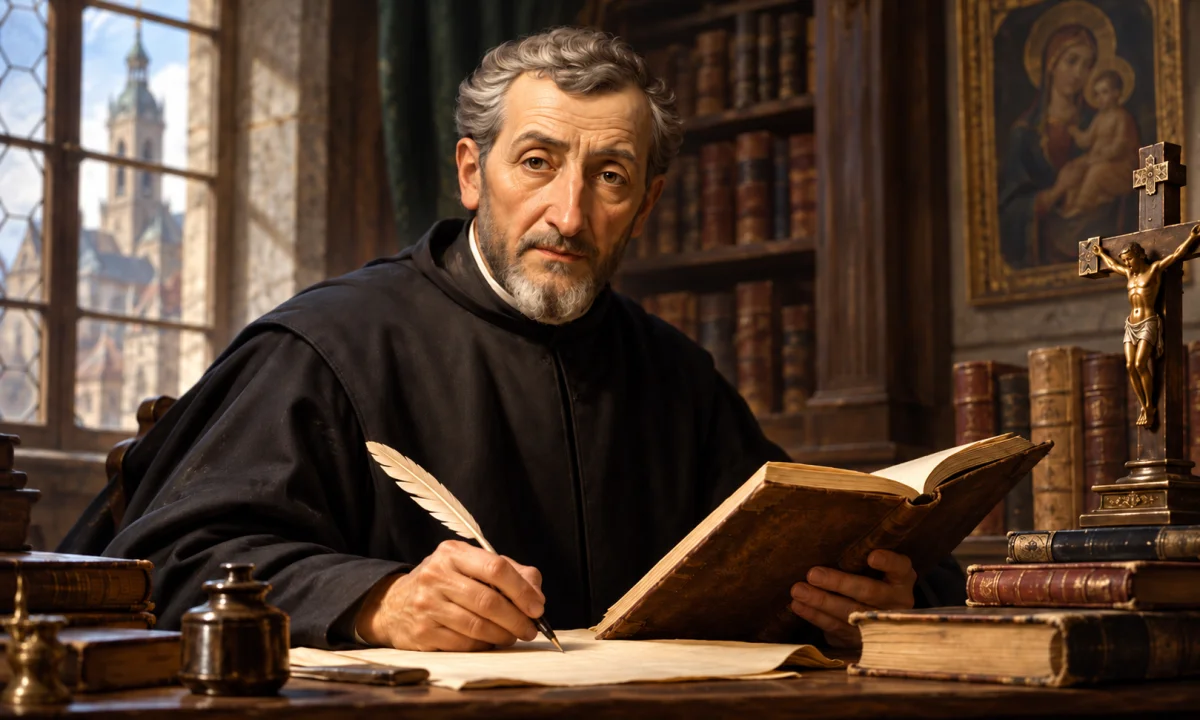
St. Peter Canisius
St. Peter Canisius was a sixteenth-century Dutch Jesuit priest, theologian, teacher and missionary whose work helped shape Catholic life in the German-speaking lands during the Reformation. He is especially remembered fo…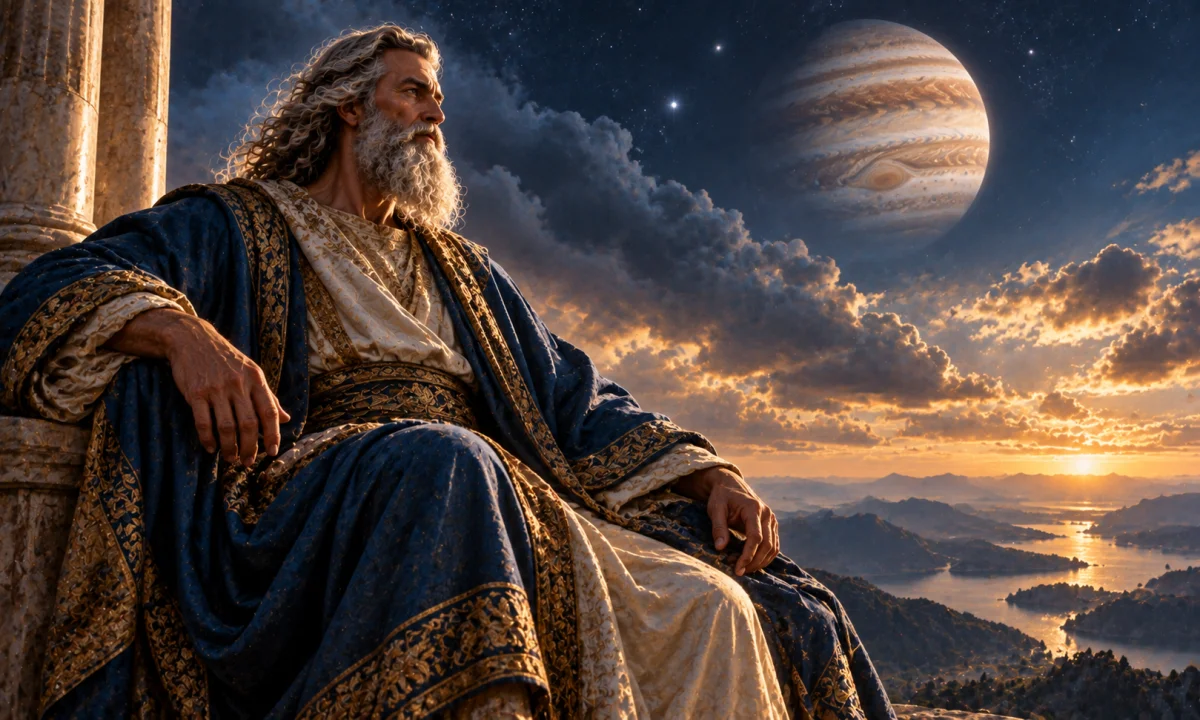
Bethor
Bethor is an Olympic spirit in the Renaissance magical tradition, especially in the sixteenth-century grimoire Arbatel of Magic. He is associated with the planet Jupiter and with the qualities traditionally attributed to…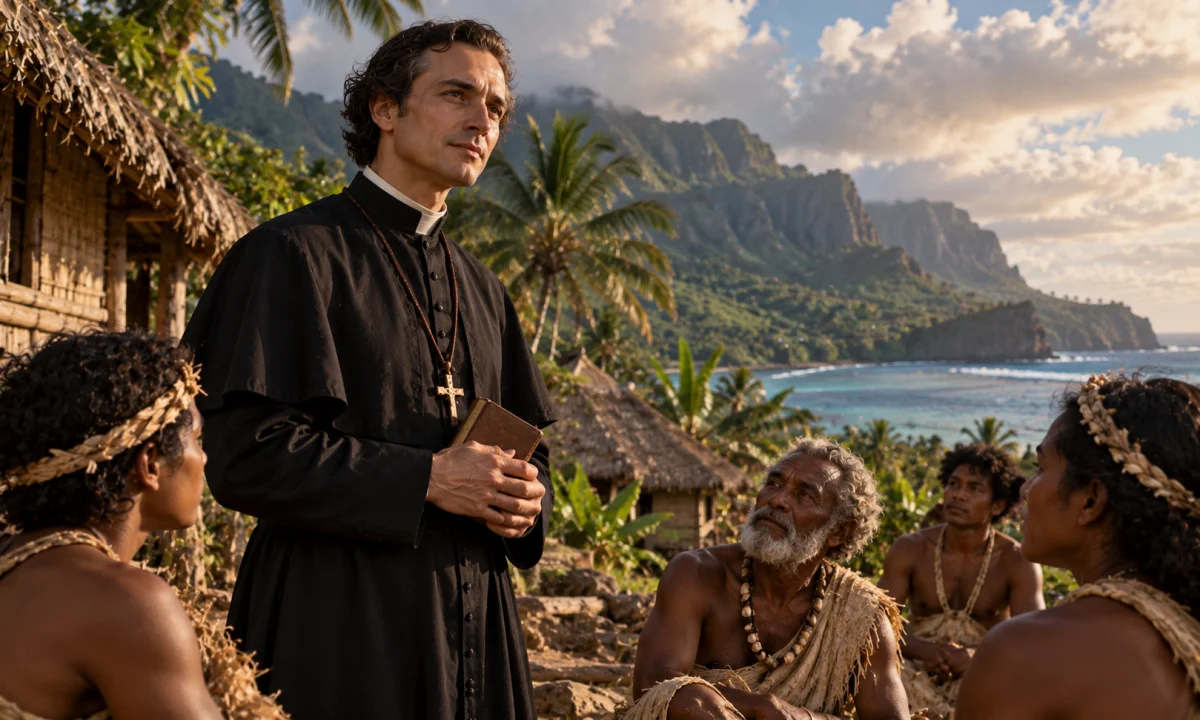
St. Peter Chanel
St. Peter Chanel was a nineteenth-century French Catholic priest and missionary who was killed on the Polynesian island of Futuna in 1841. Venerated as a Christian martyr, he is known in Catholic tradition as the first m…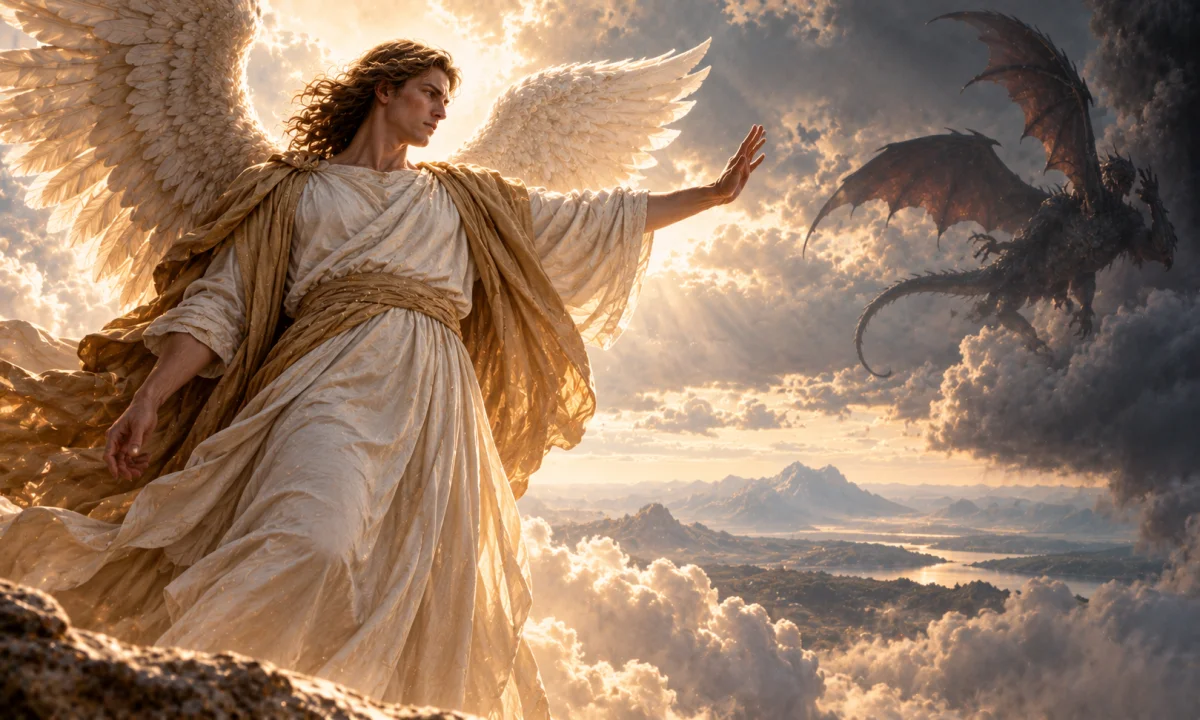
Bazazath
Bazazath is an obscure angelic name found in some later occult and angelological name lists. Unlike Michael, Gabriel, Raphael, or other well-attested angels, Bazazath does not possess a clearly established identity in th…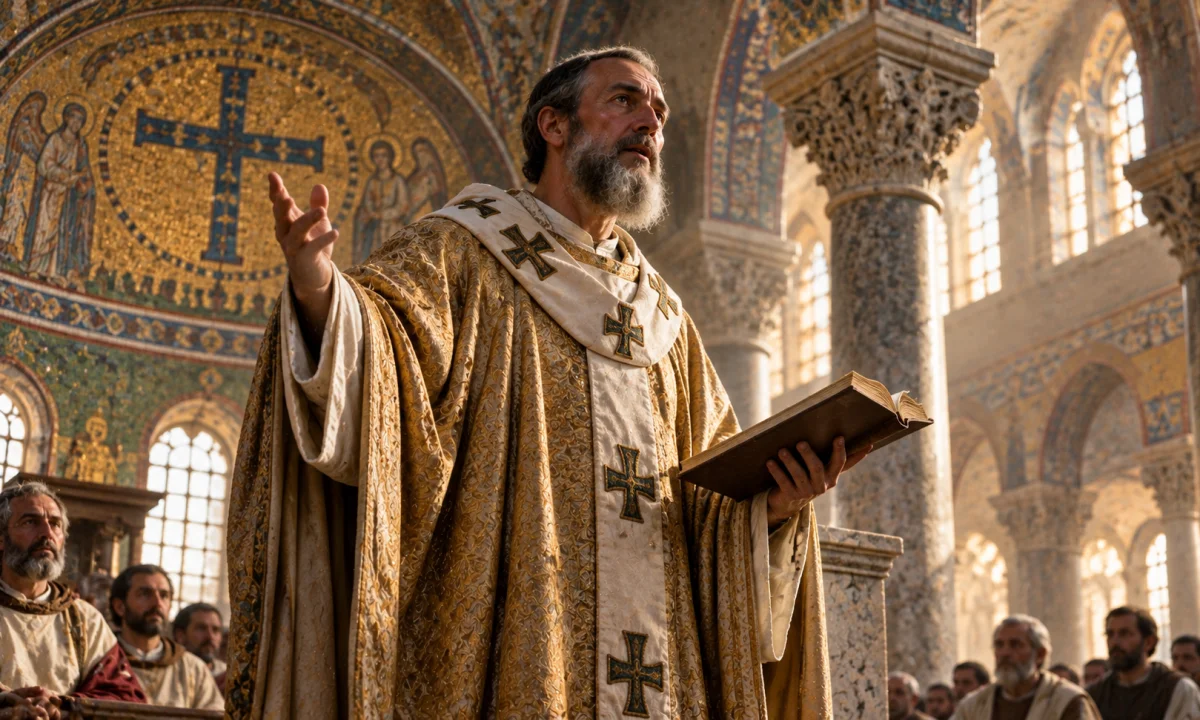
St. Peter Chrysologus
St. Peter Chrysologus was a fifth-century Christian bishop, preacher and theologian who served as bishop of Ravenna in northern Italy. Remembered especially for the clarity and brevity of his sermons, he is known by the …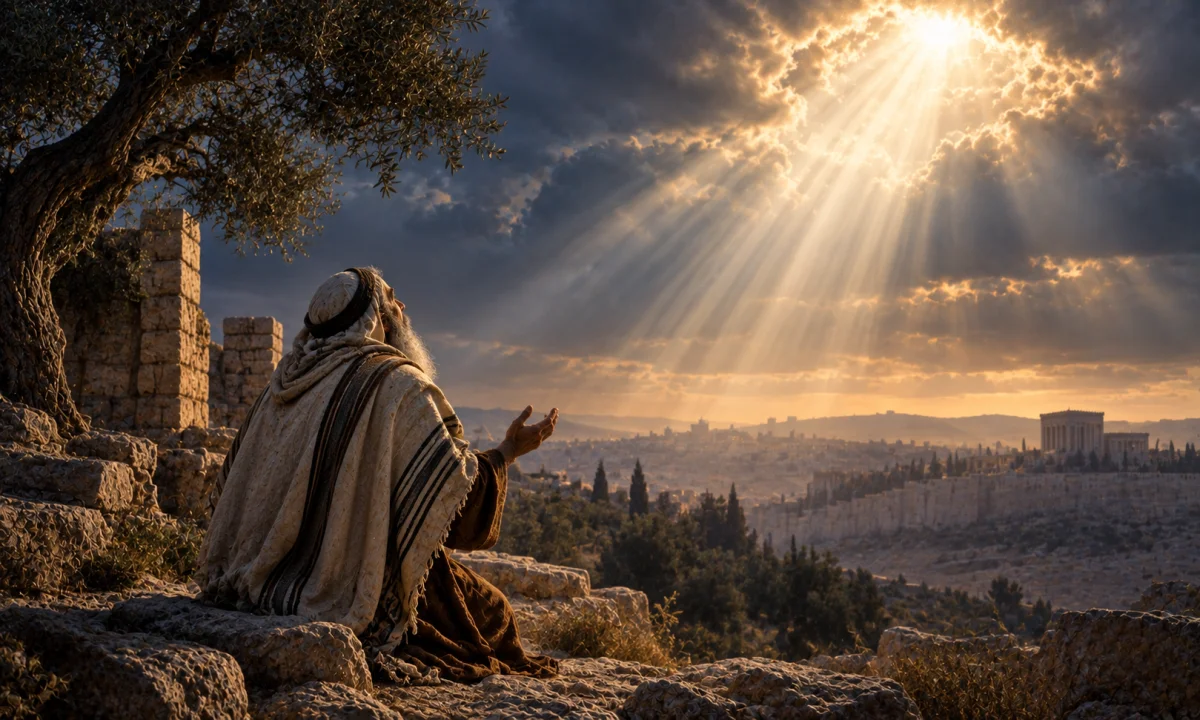
Bath Kol
Bath Kol, also written Bat Qol, Bat Kol, or Bath Qol, is a form of divine communication in Jewish religious tradition. The Hebrew expression is usually translated as “daughter of the voice,” “voice of a voice,” or more n…Mythology and folklore of Religious Traditions
Religious traditions encompass the beliefs, sacred narratives, rituals, ethical teachings, institutions and communities through which people understand existence, divine or spiritual power, human responsibility, suffering, death and the structure of the world. The category includes material associated with long-established religions, regional traditions, local cults, reform movements and communities whose practices combine textual, oral and ceremonial forms of transmission. It does not represent a single theology or imply that all religions share the same concept of divinity, revelation, salvation, morality or the afterlife.
Within the study of mythology and folklore, religious traditions provide the cultural settings in which many gods, angels, demons, saints, spirits, ancestors, heroes and sacred beings are understood. These figures should not be removed from their original religious frameworks and treated merely as fictional characters. A being regarded as an object of worship, a messenger, a protector, an adversary or a manifestation of sacred power may have a very different meaning from a superficially similar figure in another religion.
Religion, mythology and sacred narrative
The word myth has several meanings. In ordinary speech, it often refers to a false belief, but in religious studies it usually describes a culturally significant narrative concerning gods, creation, origins, sacred history or the ordering of the world. Calling a narrative a myth in this sense does not determine whether it is true or false, nor does it describe how every believer understands it.
Religious communities may interpret sacred narratives literally, symbolically, morally, historically, ritually or through combinations of these approaches. Interpretations also vary between denominations, schools, teachers and historical periods. A creation account, miracle story or vision may therefore function differently for different communities even when they share the same scripture.
Mythology is only one part of religion. Religious life can also include prayer, meditation, sacrifice, pilgrimage, dietary practice, law, music, festivals, initiation, ethical discipline and communal worship. A tradition cannot be understood solely by collecting its most dramatic stories or supernatural beings.
Folklore may develop alongside official teaching. Local legends about saints, spirits, sacred places and miracles can become important to communities without holding the same authority as scripture or formal doctrine. The boundary between religion and folklore is often negotiated rather than fixed.
Sources of religious knowledge
Religious traditions are transmitted through many kinds of sources. These include scriptures, oral teachings, ritual instructions, legal texts, hymns, philosophical works, commentaries, inscriptions, sacred art, architecture, archaeological remains and the practices of living communities. Each source answers different questions and reflects particular social and historical conditions.
A sacred text rarely explains every aspect of a religion. Communities interpret texts through inherited methods, teachers, institutions and ritual practices. Some religions place great emphasis on written revelation, while others preserve important knowledge orally or restrict it to initiated members.
Texts also have histories. They may be composed, edited, translated and organised over long periods. Different communities can recognise different canons or give the same text different levels of authority. Translation may introduce terms that only partly correspond to the original language.
Archaeology can reveal temples, burials, offerings, images and patterns of worship, but material evidence does not always identify the beliefs associated with it. A figurine may represent a deity, ancestor, worshipper or protective being. Interpretations become more reliable when archaeological context, inscriptions and later traditions support one another.
Abrahamic traditions
Judaism, Christianity and Islam are often grouped as Abrahamic religions because they share certain ancestral narratives and recognise figures associated with Abraham. They developed through related historical environments and preserve overlapping characters and stories, but each possesses distinct scriptures, institutions, laws and theological traditions.
Judaism developed through the religious history of ancient Israel and later Jewish communities. The Hebrew Bible contains law, narrative, prophecy, poetry and wisdom literature composed and edited across different periods. Rabbinic literature, legal interpretation, philosophy, mysticism and local custom became central to later Jewish religious life.
Christianity emerged from a Jewish context in the first century and developed around beliefs concerning Jesus, his teachings, death and resurrection. Christian traditions differ on scripture, authority, sacraments, saints, salvation and the nature of the church. Catholic, Orthodox, Protestant and other Christian communities should not be treated as expressions of a single unchanged system.
Islam developed in the seventh century within Arabia and understands the Quran as revelation communicated to the Prophet Muhammad. Islamic tradition also includes hadith, legal scholarship, theology, philosophy, mysticism and diverse schools of interpretation. Sunni, Shia and other Muslim communities have different histories and structures of authority.
Shared figures such as Adam, Noah, Abraham, Moses and various angels do not have identical roles in all three religions. Differences in names, narratives and theology reflect the independent development of each tradition rather than simple variation within one common mythology.
South Asian religious traditions
South Asia gave rise to several major religious traditions, including Hindu traditions, Buddhism, Jainism and Sikhism. These religions developed through interaction, debate and historical change, but their teachings cannot be merged into a single Indian spirituality.
Hindu traditions encompass many theological schools, ritual systems, scriptures, regional practices and devotional communities. The Vedas, Upanishads, epics and Puranas are among the most influential bodies of literature, but different communities grant them different forms of authority. Vishnu, Shiva, Devi and numerous other divine figures are understood through complex traditions of worship and philosophy.
Buddhism developed around the teachings attributed to Siddhartha Gautama, the historical Buddha. Buddhist traditions analyse suffering, impermanence, rebirth and the path to liberation, but schools differ in their texts, practices and understandings of enlightenment. Theravada, Mahayana and Vajrayana traditions contain distinct cosmologies and ritual systems.
Jainism teaches a path of liberation shaped by nonviolence, ethical discipline and the example of the Tirthankaras. Jain cosmology does not depend on a creator god and presents the universe through cycles and multiple realms of existence. Digambara and Shvetambara communities differ on several textual and doctrinal questions.
Sikhism emerged in the Punjab through the teachings of Guru Nanak and the Sikh Gurus. It centres on devotion to one God, ethical living, remembrance of the divine name and service to others. Sikh teachings developed in conversation with the religious environment of South Asia while forming a distinct scripture, community and identity.
East Asian religious traditions
The religious history of East Asia includes Chinese popular religion, Daoism, Confucian traditions, Buddhism, Shinto, Korean shamanic practices and numerous local cults. These traditions often interacted without requiring individuals to choose one exclusive identity in the manner expected by some modern classifications.
Chinese religious life has involved ancestors, local gods, celestial powers, ritual specialists and moral relationships between the human and cosmic orders. Daoist traditions developed sacred texts, priesthoods, rituals, meditation practices and elaborate divine hierarchies. Confucian traditions emphasised ethical cultivation, family responsibility, ritual order and political morality, although their classification as philosophy or religion depends on context.
Buddhism entered China from South and Central Asia and was translated into new linguistic and cultural frameworks. It later developed distinctive traditions in Korea, Japan and Vietnam. Buddhist figures could become associated with local gods and protective beings without losing their Buddhist identities.
Shinto is a modern umbrella term for Japanese traditions centred on kami, shrines, purification, festivals and relationships with sacred places and ancestral powers. Its institutions changed considerably across Japanese history, especially through interaction with Buddhism and the political reforms of the modern period.
Korean religious traditions include Buddhism, Confucian rites, Christianity, local cults and ceremonies conducted by ritual specialists commonly called mudang. These practices have changed under royal, colonial and modern political systems and should not be presented as timeless survivals.
Indigenous and local religious traditions
Indigenous religious traditions are rooted in particular peoples, languages, territories, kinship systems and historical experiences. They are not one worldwide religion and should not be reduced to general claims about nature worship, shamanism or ancestor worship.
Some traditions emphasise relationships with ancestral beings, animals, rivers, mountains, forests or other features of the living environment. These relationships may involve responsibility, exchange, ceremony and territorial identity. The English term spirit can conceal important distinctions among ancestors, guardians, deities, transformed beings and sources of power.
Much knowledge is transmitted orally or through ritual practice. Certain narratives, songs or objects may belong to particular families, societies or initiated custodians. Publication by an outsider does not necessarily remove cultural restrictions or make the material appropriate for unrestricted use.
Colonial governments and missionaries often classified Indigenous religions as superstition or primitive mythology. They prohibited ceremonies, removed sacred objects and disrupted systems of education. Living communities have continued, adapted or revitalised their traditions despite these pressures.
Gods, divine manifestations and sacred powers
Religions understand divine power in fundamentally different ways. Some worship one God, while others recognise many gods or divine manifestations. Certain traditions focus on sacred reality without teaching that the universe was created by a personal deity. Others distinguish between ultimate reality and the gods or spirits encountered through ritual and narrative.
The word god is therefore not a neutral translation for every sacred being. A deity may be eternal, created, ancestral, local, cosmic or dependent on a larger sacred order. Divine figures can also possess multiple forms, titles and regional identities.
Descriptions of polytheistic religions as though each god controlled one simple subject are usually misleading. A deity connected with war might also govern law, sovereignty or protection. A goddess associated with fertility may also be linked to death, knowledge, rivers or political power.
Monotheistic traditions likewise contain complex understandings of divine attributes, revelation and human language. Debates concerning unity, transcendence, embodiment, providence and free will have produced different theological schools within the same religion.
Angels, demons and intermediary beings
Many religious traditions describe beings that exist between ordinary human life and the highest divine reality. These may serve as messengers, guardians, judges, tempters, protectors or administrators of the cosmos. They cannot all be placed within one universal hierarchy.
Angels in Jewish, Christian and Islamic traditions share certain historical connections, but their names, ranks and roles vary between scriptures, commentaries and later theology. Popular lists of angelic hierarchies often combine material from different periods and traditions as though it formed one original system.
The word demon also requires caution. In some traditions it refers to beings understood as hostile to divine order. In others, foreign gods or local spirits were labelled demons by religious opponents. Ancient Greek daimones, Christian demons, Islamic jinn and South Asian asuras are not interchangeable categories.
Later occult literature frequently reorganised angels and demons into elaborate classifications. These systems may be historically influential, but they should be distinguished from canonical scripture, established doctrine and earlier religious practice.
Saints, teachers and exemplary figures
Religious traditions often preserve the lives of saints, sages, prophets, gurus, monks, mystics and other exemplary individuals. Their stories can teach moral conduct, demonstrate divine favour or establish the authority of institutions and sacred places.
Accounts of miracles and visions may develop through oral tradition, devotional literature and formal investigation. Historical evidence for an individual does not automatically verify every later legend associated with that person. Conversely, the presence of legendary material does not prove that the figure never existed.
Christian traditions differ in their recognition and veneration of saints. Islamic communities preserve accounts of prophets, scholars and holy people, while disagreeing on some devotional practices. Buddhist and Jain traditions maintain narratives about enlightened teachers, monks and exemplary practitioners. South Asian traditions include gurus, rishis and devotional saints whose authority is understood through different theological frameworks.
Founder figures are also frequently simplified. A religion may develop over centuries through many communities even when it traces its origins to one teacher or revelation. Later doctrine and institutional practice cannot always be attributed directly to the founder.
Ritual, worship and religious practice
Religious traditions are sustained through practice as well as belief. Prayer, offerings, sacrifice, meditation, fasting, pilgrimage, initiation, festivals and acts of service create relationships among individuals, communities and sacred powers.
The same outward action can have different meanings. An offering may express gratitude, reciprocity, devotion, purification or remembrance. Fasting may serve as discipline, mourning, preparation or obedience. Pilgrimage can connect sacred history with landscape while also creating political and economic networks.
Ritual should not be dismissed as empty repetition. It can transmit memory, establish social identity and embody teachings that are not easily expressed as abstract doctrines. At the same time, practitioners may debate the meaning, necessity and correct form of rituals.
Religious specialists include priests, monks, rabbis, imams, shamans, diviners, healers and other recognised authorities. These titles describe different institutions and should not be treated as equivalent roles. Authority may depend on ordination, lineage, education, initiation, revelation or community recognition.
Death, judgment and the afterlife
Religions offer many different accounts of death and what may follow it. These include resurrection, rebirth, ancestral continuity, judgment, heavenly or infernal realms, liberation from the cycle of existence and return to a spiritual source.
Heaven and hell are not universal categories with identical meanings. Christian, Jewish and Islamic teachings developed distinct ideas concerning resurrection, judgment and the world to come. Hindu, Buddhist and Jain traditions describe multiple realms of rebirth, but disagree on the nature of the self and the path to liberation.
Some traditions focus less on an individual posthumous destiny and more on continuing relationships with ancestors or the community. Funerary rituals can help the dead reach an appropriate state while protecting and reorganising the living community.
Popular representations often combine incompatible ideas, such as treating rebirth, ghosthood and eternal judgment as parts of one general supernatural system. Accurate interpretation requires attention to the theology, language and ritual setting of each tradition.
Religious contact and syncretism
Religions have always changed through migration, trade, conquest, translation and intermarriage. Gods, saints, rituals and sacred stories can move between communities, but cultural exchange rarely involves simple copying.
Syncretism describes forms of religious combination or identification, although the term can obscure unequal relationships. Enslaved or colonised communities sometimes associated their sacred beings with Christian saints as a means of preservation, adaptation or theological reinterpretation. Such traditions became new religious systems with their own histories.
Shared symbols do not always demonstrate common origin. Flood narratives, sacred mountains, divine births and battles with monsters appear in many cultures. Some similarities result from documented contact, while others may arise independently from recurring human experiences and narrative patterns.
Religious communities themselves may reject the label syncretic because they understand their practices as coherent rather than mixed. External classification should therefore be balanced with the explanations provided by practitioners.
Reform, division and historical change
No major religious tradition has remained unchanged. Political power, migration, scholarship, new technologies and encounters with other religions have repeatedly transformed doctrine and practice. Internal disagreements can produce schools, denominations, reform movements and new religious communities.
Terms such as orthodox, traditional and heretical depend on who possesses the authority to define them. A movement condemned in one period may later become established, while practices presented as ancient may have been standardised comparatively recently.
Modern nationalism has also reshaped religion. States have selected particular traditions as symbols of national identity, regulated religious institutions or presented diverse populations as members of one official faith. Such projects may simplify regional variation and exclude minority communities.
Modern revivals often seek to reconstruct older religions from texts, archaeology and folklore. These movements may be serious contemporary religions, but they should not be described as unchanged continuations of ancient practice unless the evidence supports that claim.
Interpretation and common misconceptions
Religious traditions are often misrepresented when sacred beings are removed from their cultural settings and organised into fantasy-style pantheons. Lists of gods, demons or magical powers may be convenient, but they rarely explain ritual, theology or historical development.
Another common error is treating living religions as mythologies while describing only one’s own tradition as religion. Academic language should be applied consistently and respectfully. Sacred narratives can be studied historically without dismissing the beliefs of practitioners or presenting theological claims as established historical facts.
Popular occult sources frequently combine scripture, folklore, ceremonial magic and modern invention without identifying the differences. A name appearing in a recent fictional or esoteric text does not automatically belong to an ancient religious tradition.
Religious traditions continue to shape law, art, ethics, family life, political identity and responses to modern social change. Their gods, spirits, saints and sacred narratives are best understood as parts of living or historically situated systems rather than isolated supernatural characters.