 WORLD
WORLD
Africa
Explore myths, traditions and legendary beings grouped under Africa.
Last articles
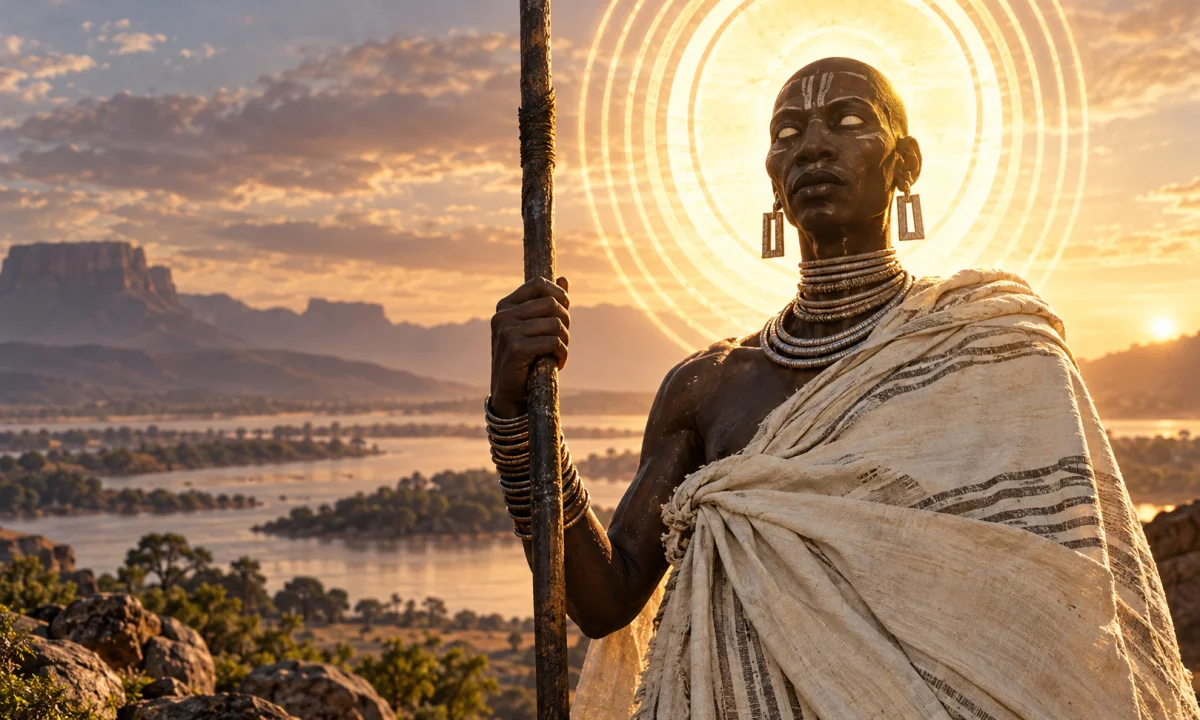
Adro
Adro is a name associated with the religious traditions of the Lugbara people of north-western Uganda and the adjoining areas of the Democratic Republic of the Congo. In English-language writing, the name may also appear…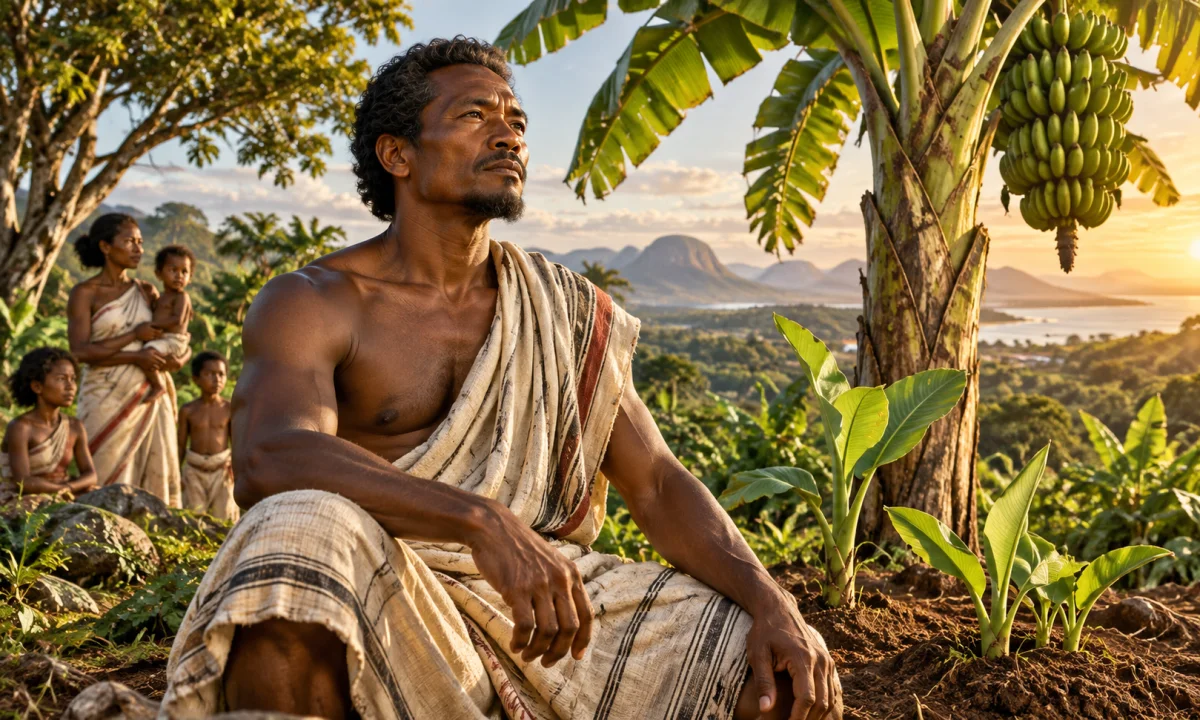
Andriambahomanana
Andriambahomanana is a figure associated with Malagasy mythology, the traditional religious and storytelling cultures of Madagascar. He is commonly described in modern summaries as the first human or an early ancestor of…
Achimi
Achimi is an obscure name associated with African mythology in some modern English-language catalogues of gods, spirits and legendary beings. Its identity, cultural origin and traditional role are not securely establishe…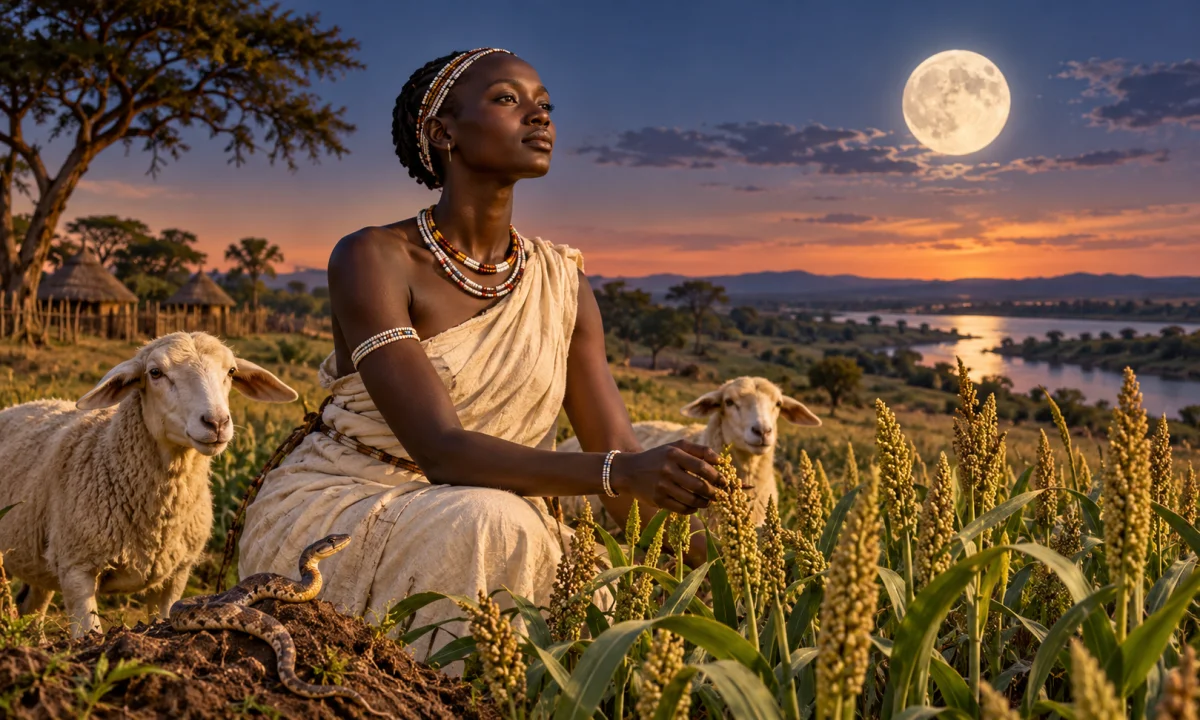
Abuk
Abuk is a female figure in the traditional religious world of the Dinka people of South Sudan. She is commonly described as the first woman, a mother of humanity, and a goddess or sacred ancestral figure associated with …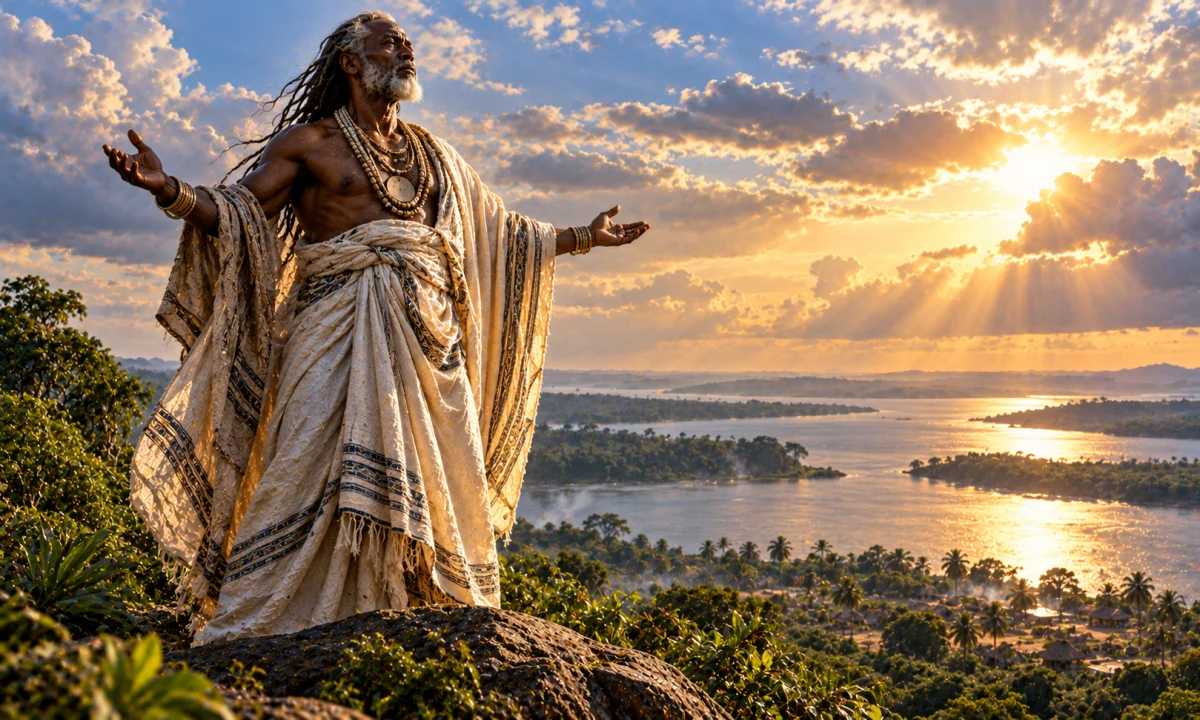
Abassi
Abassi is a creator and supreme deity associated primarily with the traditional religion of the Efik people of southeastern Nigeria and the adjoining Cross River region. In English-language references, the name is also w…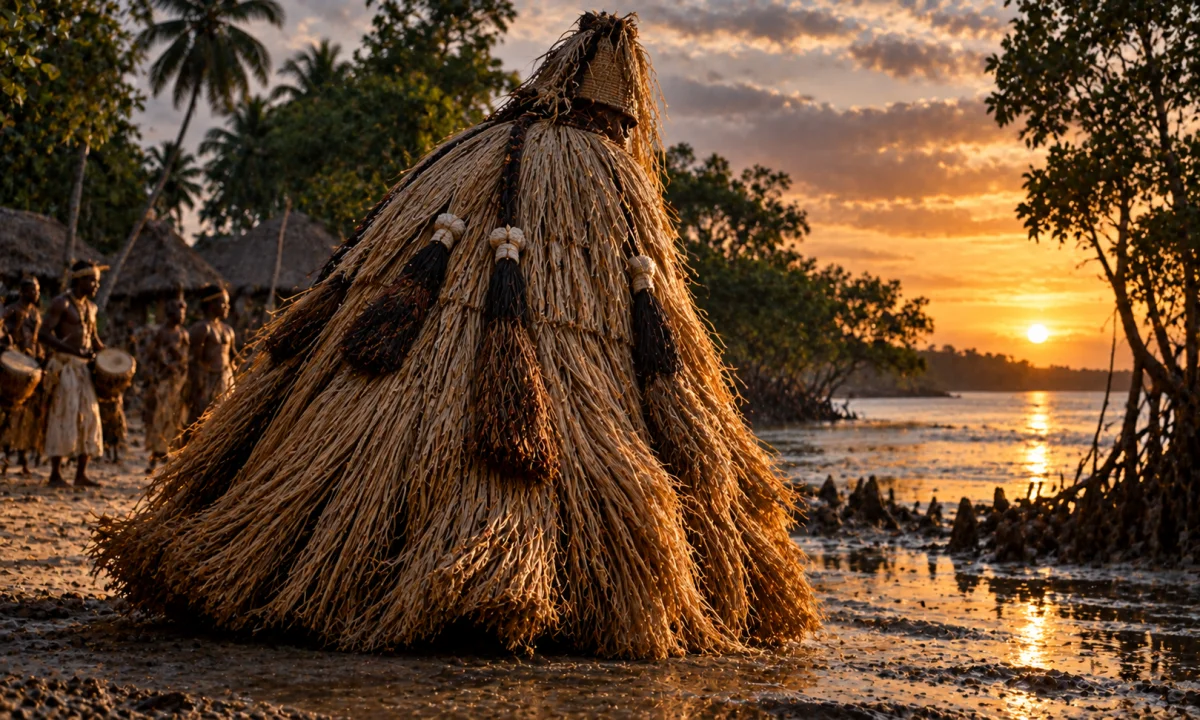
A-bol
A-bol is an obscure name associated with African mythology in some modern listings, but its identity and cultural origin are uncertain. Unlike widely documented figures such as Anansi, Mami Wata, or the Yoruba orisha, A-…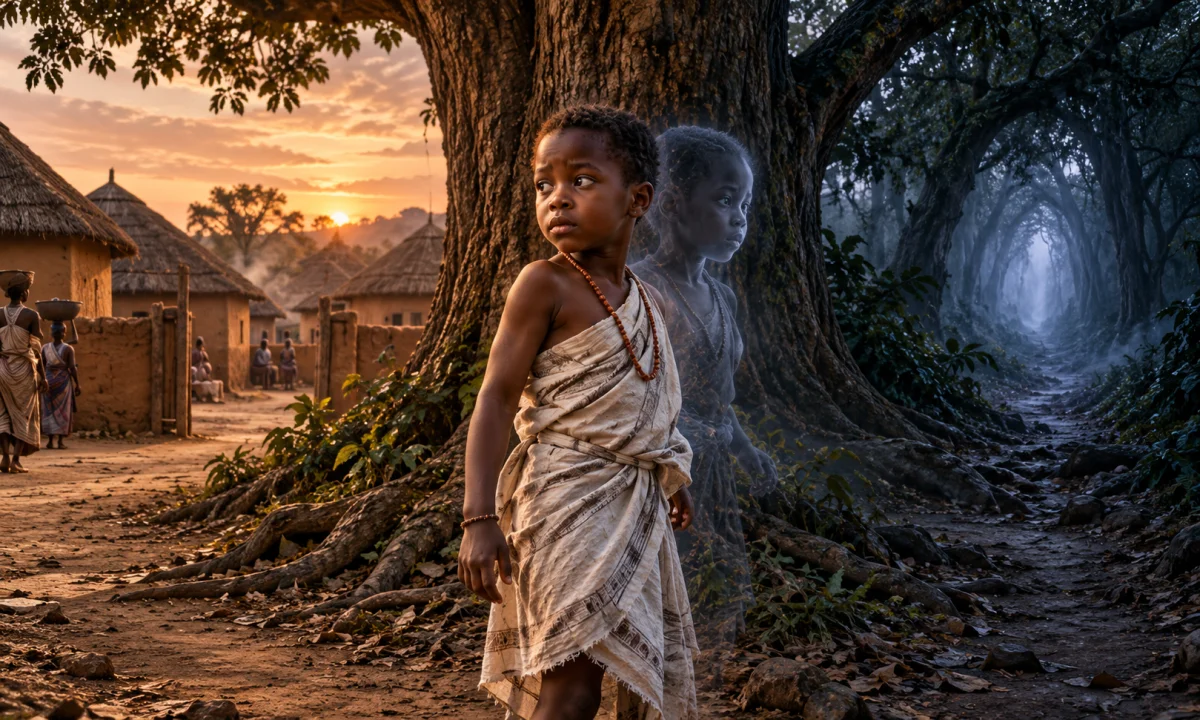
Abiku
Abiku is a concept in Yoruba religious tradition concerning a child believed to move repeatedly between the human world and the spirit world. The Yoruba term is commonly written àbíkú, often translated as “born to die” o…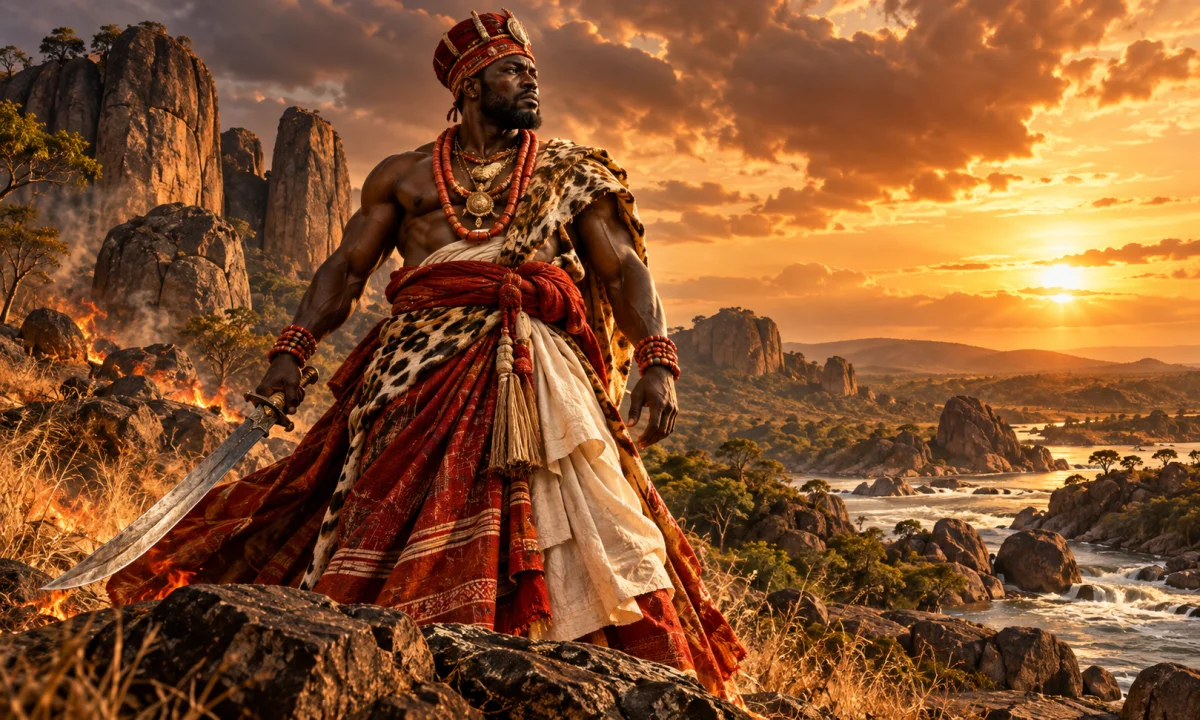
Aganju
Aganju, also written Aganjú or Agayú in some West African and African-diaspora traditions, is an orisha associated with powerful natural forces, difficult landscapes and the strength required to cross them. He belongs to…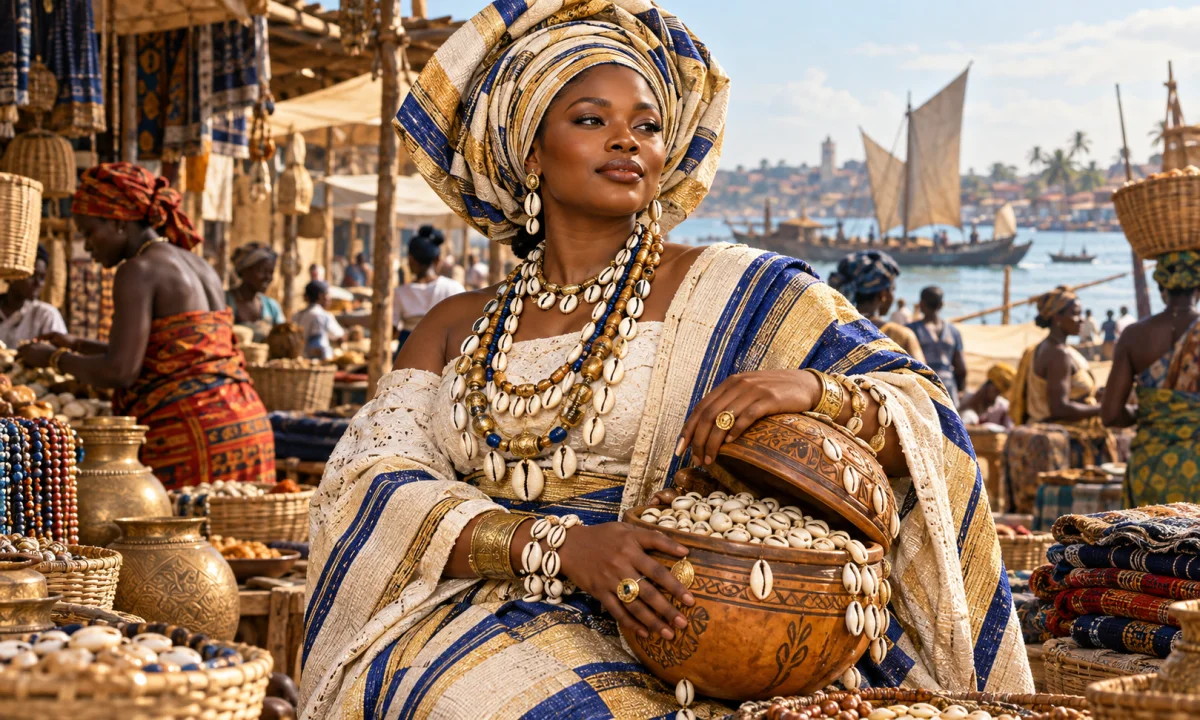
Aje Shaluga
Àjẹ́ Ṣàlùgá, often written in English as Aje Shaluga or Aje Saluga, is a figure associated in Yoruba religious thought with wealth, prosperity, commerce and the circulation of valuable goods. The spelling and the extent …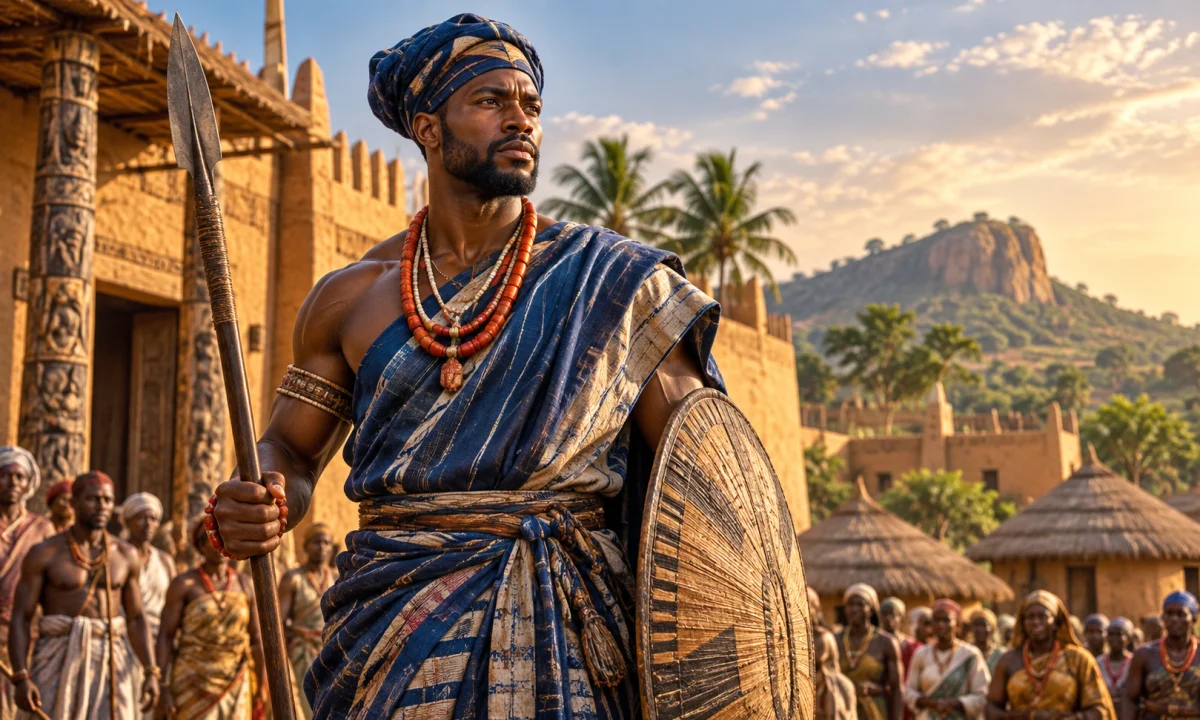
Bayani
Bayani—also written Bayanni, Bàyànì, or in related forms such as Dada-Bayanni—is a relatively regional figure in Yoruba religious tradition. The name is especially associated with the royal and ritual culture of Oyo, the…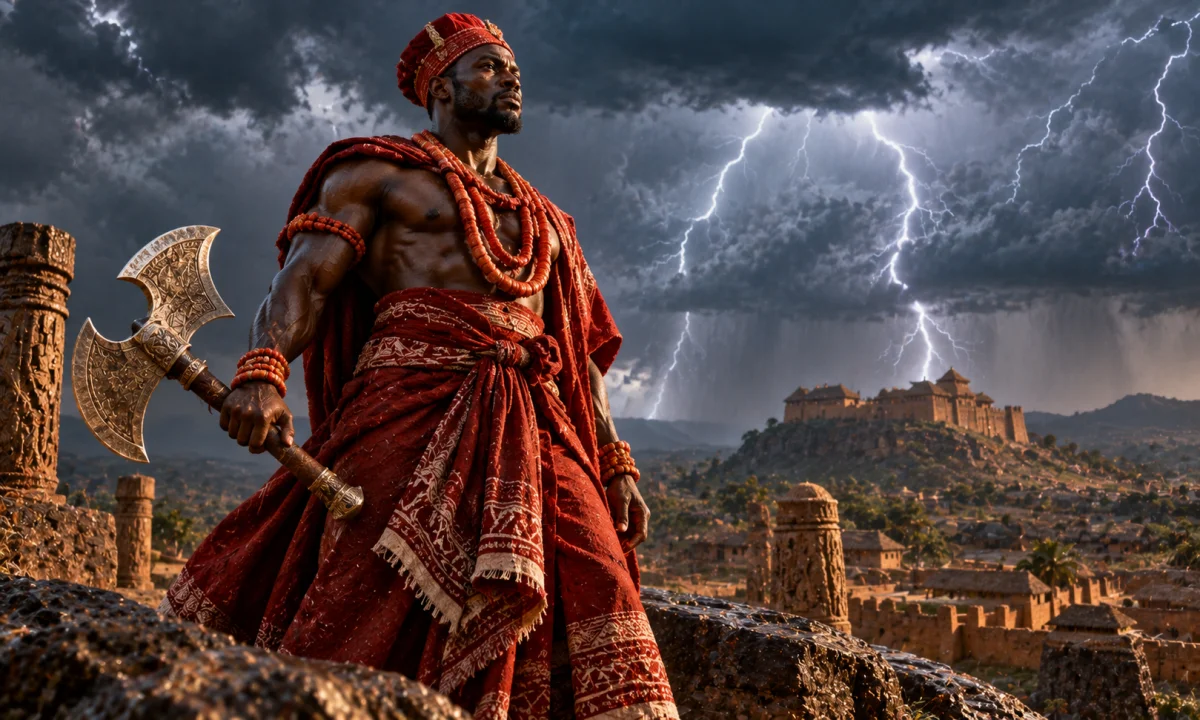
Shango
Shango, written more precisely in Yoruba as Ṣàngó, is one of the most important òrìṣà—sacred powers or deities—in Yoruba religious tradition. He is chiefly associated with thunder, lightning, fire, political authority, c…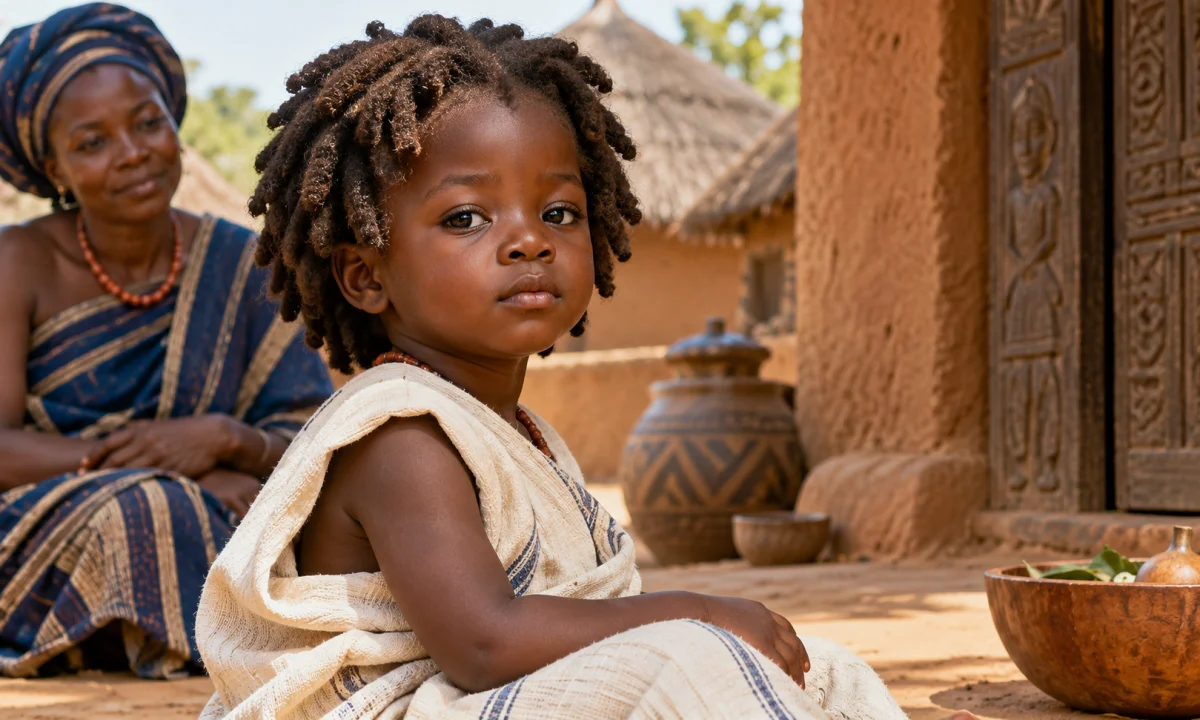
Dada
Dada is a figure associated with Yoruba religious tradition, especially with children born with unusually thick, naturally matted or tightly curled hair. In different Yoruba accounts, Dada is described as an òrìṣà connec…Mythology and folklore of Africa
African mythology and folklore encompass an immense range of religious traditions, oral narratives, ancestral beliefs, sacred practices, legendary histories and supernatural beings developed across the continent. Africa is not a single cultural or religious unit, and its mythological traditions cannot be reduced to one shared pantheon or worldview. Thousands of communities have created distinct systems of meaning shaped by language, environment, political organisation, migration, trade and historical change. Some traditions are preserved through oral performance and ritual practice, while others are known through written records, archaeology, visual art, inscriptions, ethnographic documentation and the living knowledge of religious communities.
The category includes traditions from North, West, Central, East and Southern Africa, as well as the Horn of Africa, the Sahel, the Sahara and the continent’s coastal and island regions. These areas have long been connected to one another and to the Mediterranean, the Near East, the Indian Ocean and the Atlantic world. Cultural contact has encouraged the movement of stories, religious ideas and ritual practices, but similarities between traditions should not automatically be interpreted as evidence of direct borrowing or a single common origin.
Scope and cultural diversity
The modern boundaries of African states were largely established through colonial rule and do not correspond precisely to older cultural, linguistic or religious regions. Many peoples live across several present-day countries, while individual states may contain hundreds of communities with different histories and traditions. A mythological figure associated with one modern nation may therefore belong to a much wider cultural area or to a specific community within that nation.
Terms such as African religion, African mythology and African folklore are useful only when their breadth is acknowledged. They describe fields of study rather than a single religious system. Yoruba traditions differ significantly from Akan, Dogon, Kongo, Zulu, San, Maasai, Somali, Berber, ancient Egyptian and many other traditions. Even within one cultural or linguistic group, beliefs and narratives may vary between towns, lineages, ritual specialists and historical periods.
Religious traditions in Africa are often closely connected to social life, political authority, family relationships, healing, agriculture, birth, death and relations with the land. The categories of mythology, religion, history and folklore may not always be separated in the same way that they are in modern academic study. A narrative about an ancestor, founder or sacred ruler may function simultaneously as a religious account, a political charter, a moral teaching and a record of collective identity.
Oral tradition and performance
Oral transmission is central to many African mythological and historical traditions. Stories may be performed through speech, song, music, dance, drama, praise poetry and ritual. Their meaning depends not only on the words, but also on the occasion, performer, audience and social setting. A written transcription captures only one version of a living performance.
Oral traditions are not fixed texts repeated without change. Skilled storytellers adapt narratives to local circumstances, social concerns and particular audiences. Different versions may emphasise different characters, moral lessons or historical claims. Variation is therefore not necessarily evidence of error or corruption. It is often an essential feature of oral tradition.
Specialists may preserve particular forms of knowledge. In parts of West Africa, hereditary historians, praise singers and musicians maintain genealogies and political traditions. Diviners, priests, healers and elders may transmit ritual knowledge that is not publicly available. Some sacred narratives are restricted by initiation, age, lineage or religious office, which means that published accounts may represent only part of a wider tradition.
Colonial officials, missionaries, travellers and early ethnographers recorded many African stories, but their work must be used critically. They sometimes misunderstood local languages, forced traditions into European categories or described African religions as primitive or superstitious. Later scholars and African intellectuals have corrected many of these distortions, although the surviving written record remains uneven.
Creation, divine power and the structure of the world
Creation traditions appear throughout Africa, but they differ greatly in form and meaning. Some describe a remote creator who establishes the world and delegates responsibility to lesser divine beings or ancestors. Others focus on the emergence of people from the earth, sky, water, caves, reeds or sacred places. Creation may involve divine speech, craftsmanship, descent from heaven, separation of cosmic realms or the actions of animals and culture heroes.
A supreme creator does not always function like the single deity of a monotheistic religion. In some traditions, the creator remains distant from ordinary human affairs, while spirits, ancestors or local divine powers play more immediate roles. In others, the supreme being is actively approached through prayer, sacrifice or ritual. The exact relationship between creator gods, lesser deities and spirits varies by community and historical period.
Cosmologies frequently connect the visible world with unseen realms inhabited by ancestors, spirits and divine powers. The sky, earth, forests, rivers, mountains and bodies of water may have sacred significance. These landscapes are not interchangeable symbols. A river spirit in one tradition may be connected to fertility, wealth or healing, while another may be understood as dangerous, territorial or associated with political authority.
Ideas about cosmic order are often expressed through balance, reciprocity and correct relationships. Disorder may result from broken taboos, neglected ritual obligations, social conflict or offences against ancestors and spiritual beings. Religious practice can therefore involve restoring harmony rather than simply seeking forgiveness for individual wrongdoing.
Deities, spirits and sacred forces
African religious traditions include a wide variety of gods, goddesses, spirits and personified powers. Some are associated with creation, storms, ironworking, hunting, fertility, war, healing, justice, rivers, forests or the sea. Others belong to particular towns, clans, royal dynasties or occupations. Their identities and roles may change as traditions travel or communities encounter new political and religious circumstances.
In Yoruba religion, for example, the orishas form a diverse group of divine powers associated with particular domains, histories and ritual communities. Figures such as Shango, Ogun, Oshun, Yemoja and Eshu have complex roles that cannot be reduced to simple labels. Their characteristics also vary between regions and across the African diaspora.
Among Akan-speaking communities, religious traditions may involve a supreme creator, lesser deities often associated with natural places or social functions, and ancestral spirits. Kongo religious systems include ideas about spiritual power, the dead and the boundaries between worlds. In southern and eastern Africa, numerous communities maintain beliefs involving ancestors, territorial spirits and powers connected to rain, cattle, healing or leadership.
European terms such as god, demon, spirit and fetish have often been applied inaccurately. A being translated as a god may instead be an ancestor, a local spirit or an embodiment of sacred power. The word fetish has a particularly problematic colonial history and frequently obscures the religious meaning of objects used in ritual.
Ancestors and the living community
Ancestors hold an important place in many African religious traditions, although ancestral practices differ considerably. Not every deceased person necessarily becomes an ancestor. Ancestral status may depend on age, social conduct, parenthood, ritual treatment, lineage or the circumstances of death.
Ancestors may protect descendants, support fertility, preserve moral order and participate in family or community affairs. They may also express displeasure through misfortune, illness or disturbed relationships when obligations are neglected. Rituals involving offerings, prayer, remembrance or consultation can maintain connections between the living and the dead.
Ancestor veneration should not be confused automatically with worship in the same sense as devotion to a supreme deity. The relationship is often understood through kinship, reciprocity and continuing membership in the community. The dead remain socially significant because family identity may extend across generations.
Royal ancestors and legendary founders can also legitimise political authority. Kings and chiefs may claim descent from sacred figures or act as intermediaries between the community, ancestors and spiritual powers. Such traditions can combine mythological, genealogical and historical elements.
Heroes, founders and culture-bringers
African narratives include heroes, founders, rulers, hunters, tricksters and culture-bringers who establish communities, introduce technologies, defeat dangerous beings or negotiate with spiritual powers. Some may have historical foundations, while others belong primarily to myth and legend. Their stories often explain political authority, social customs, geographical features or the origins of particular institutions.
Epic traditions in West and Central Africa preserve accounts of rulers and warriors whose lives combine history and legend. The story of Sundiata, founder of the Mali Empire, survives through oral performance in multiple versions. It contains historical memory, dynastic claims and supernatural motifs, and should not be treated as either pure fiction or a straightforward modern biography.
Founding narratives may explain how a people arrived in a region, formed a kingdom or received sacred knowledge. These accounts can change as political circumstances change. Rival lineages may preserve different versions, and later rulers may reinterpret older traditions to support new claims of legitimacy.
Tricksters and moral ambiguity
Trickster figures are prominent in many African storytelling traditions. They may appear as humans, spirits or animals such as the spider, hare, tortoise or jackal. Their stories often involve deception, appetite, cleverness, greed and the reversal of social expectations.
Anansi, associated especially with Akan traditions, is one of the best-known spider tricksters. His stories travelled widely through the Atlantic slave trade and became important in Caribbean and American folklore. The versions preserved outside Africa developed in new social and historical contexts and should not be treated as identical to all Akan traditions.
Tricksters are rarely simple models of good behaviour. They may expose arrogance, challenge authority or survive through intelligence, but they may also create disorder and suffer because of their selfishness. Their ambiguity allows stories to explore social tensions that cannot be expressed through straightforward moral lessons.
Similar animal characters in different parts of Africa do not necessarily represent the same figure. The widespread appearance of trickster motifs may reflect cultural contact, shared narrative patterns or independent storytelling traditions.
Monsters, witches and dangerous beings
African folklore includes numerous dangerous spirits, monsters, shape-shifters and beings associated with wilderness, night, water, illness or death. Their characteristics are highly local. Some guard sacred places, punish violations or explain unexplained dangers. Others appear mainly in cautionary tales told to children or in narratives about social disorder.
Beliefs concerning witchcraft are particularly complex. In many communities, witchcraft is understood not merely as learned magic but as a harmful power connected to envy, secrecy, misfortune or disrupted social relationships. Accusations can have severe consequences for real people and should not be treated as harmless fantasy.
Colonial writers often confused healers, diviners, ritual specialists and alleged witches. These roles may be sharply distinguished within the traditions themselves. A healer or diviner may protect a community from harmful forces rather than cause them.
Later popular culture sometimes combines unrelated African beings into generic categories of monsters or demons. Such treatment erases their cultural settings and can reproduce older stereotypes about African religion. Accurate interpretation requires attention to language, locality and the source in which a being appears.
Ritual, divination and healing
Ritual practices may include offerings, sacrifice, prayer, music, dance, possession, initiation, purification and the use of sacred objects. Their purpose can involve healing, protection, fertility, rain, political legitimacy, communication with ancestors or restoration of social balance.
Divination is important in many traditions. Diviners may interpret patterns, objects, dreams, spirit messages or established systems of signs. The purpose is often to identify the spiritual or social cause of a problem and determine an appropriate response. Divination can involve complex bodies of knowledge rather than improvised fortune-telling.
Healing may combine knowledge of plants, spiritual diagnosis, family history and ritual action. The modern separation between medicine, religion and psychology does not always correspond to local understandings of illness. At the same time, traditional healing practices vary in effectiveness and should not be romanticised or treated as substitutes for modern medical care without evidence.
Initiation can mark transitions into adulthood, religious office or membership in specialised societies. Such rites may transmit moral teachings, historical traditions and restricted spiritual knowledge. External descriptions are often incomplete because important elements are not intended for public disclosure.
Historical contact and religious change
African religions have never existed in complete isolation. North Africa and the Nile Valley were connected to the Mediterranean and Near East from antiquity. Trade routes crossed the Sahara, while Indian Ocean networks linked eastern Africa with Arabia, Persia, India and other regions. These contacts influenced language, material culture and religious life.
Christianity has deep roots in Africa, including ancient communities in Egypt, Ethiopia, Nubia and North Africa. Islam spread through North Africa, the Sahel, West Africa, the Horn and the East African coast through conquest, trade, scholarship and political alliances. African Christian and Muslim communities developed their own intellectual, ritual and cultural traditions rather than simply reproducing foreign models.
Indigenous traditions often continued alongside Christianity and Islam. Communities could reinterpret older practices, identify local spirits within new theological frameworks or maintain different religious commitments for different social purposes. Such relationships are better described through specific historical evidence than through broad labels such as mixture or survival.
European colonialism and missionary activity disrupted many religious institutions, condemned local practices and transformed systems of education and authority. At the same time, African communities adapted, resisted and created new religious movements. Independent churches, prophetic movements and reform traditions emerged in response to changing political and spiritual conditions.
The African diaspora
The forced migration of millions of Africans through the Atlantic slave trade carried religious knowledge, ritual practices and oral traditions to the Americas and Caribbean. Under conditions of violence and displacement, enslaved communities preserved and transformed elements of West and Central African religions.
Traditions such as Vodou, Santería, Candomblé and related religions developed through the interaction of African religious systems, Christianity, Indigenous traditions and local histories. They are not simply unchanged African survivals, nor are they random mixtures. They are distinct religions with their own institutions, theologies and historical development.
Names and identities of deities sometimes changed in diaspora settings, and figures from different African communities could become associated with one another. Catholic saints were linked with African divine powers in some traditions, but the nature and purpose of these associations varied.
Evidence, uncertainty and interpretation
The study of African mythology depends on oral testimony, ritual observation, archaeology, historical linguistics, art, written chronicles, religious texts and ethnographic records. Each type of evidence has limitations. Oral narratives change through performance, archaeological objects may be difficult to interpret and colonial records often reflect prejudice or misunderstanding.
Present-day religious practice cannot automatically be projected unchanged into the distant past. Communities develop, migrate and respond to new political and religious conditions. Likewise, older descriptions may not represent current belief.
Scholarly classifications can also create misleading categories. Terms such as creator god, ancestor spirit and nature deity may help comparison, but they can conceal local distinctions. The most reliable interpretation begins with the names, languages and explanations used by the communities themselves.
Modern representation and cultural continuity
African myths and legendary beings appear increasingly in novels, film, comics, games and contemporary art. These adaptations can introduce wider audiences to traditions long neglected in international popular culture. They can also distort them by combining unrelated cultures or presenting living religions as fictional fantasy systems.
Modern African writers and artists frequently reinterpret mythological material to address colonialism, identity, gender, political authority and social change. These works form part of the continuing reception of older traditions, but creative adaptation should be distinguished from historical or religious evidence.
African mythology remains significant because it preserves many culturally specific ways of understanding creation, kinship, authority, memory, death and the relationship between visible and invisible worlds. Its diversity is fundamental. The traditions gathered within this category are connected by geography and historical contact, but each must be approached within its own language, community and cultural setting.