 WORLD
WORLD
Mediterranean & Near East
Explore myths, traditions and legendary beings grouped under Mediterranean & Near East.
Last articles
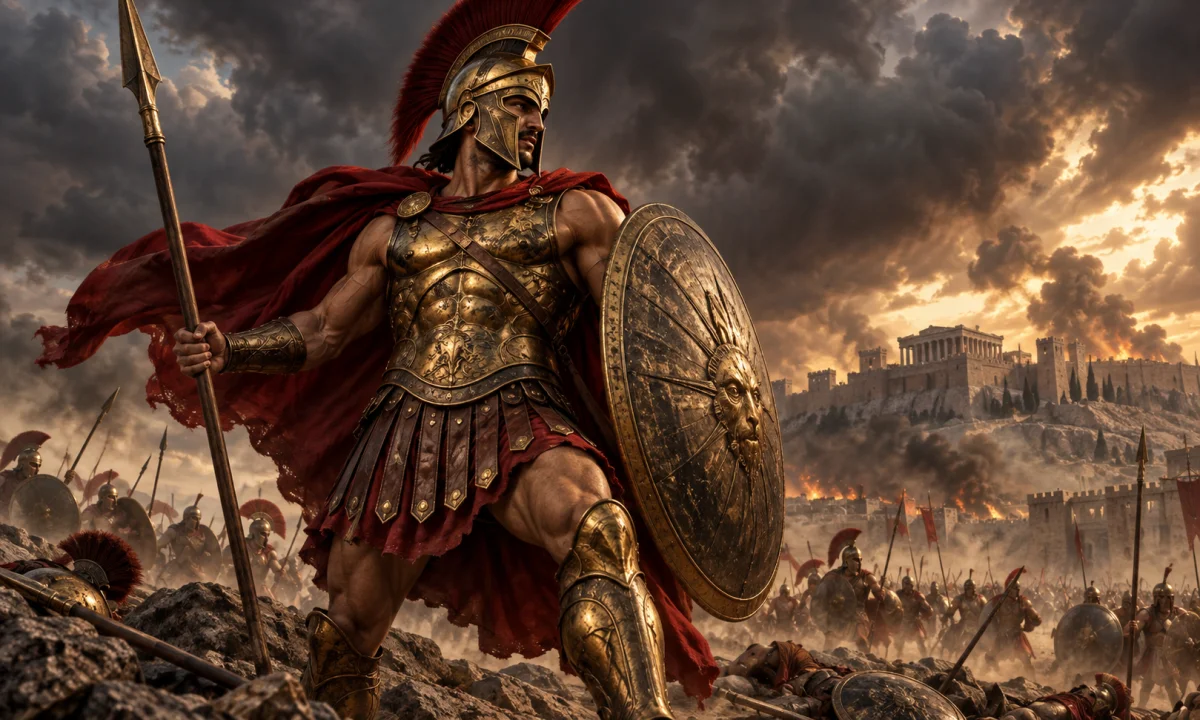
Ares
Ares is the Greek god of war, especially its violence, confusion and destructive force. He belongs to the religious and mythological traditions of ancient Greece, where warfare was both a practical necessity and a source…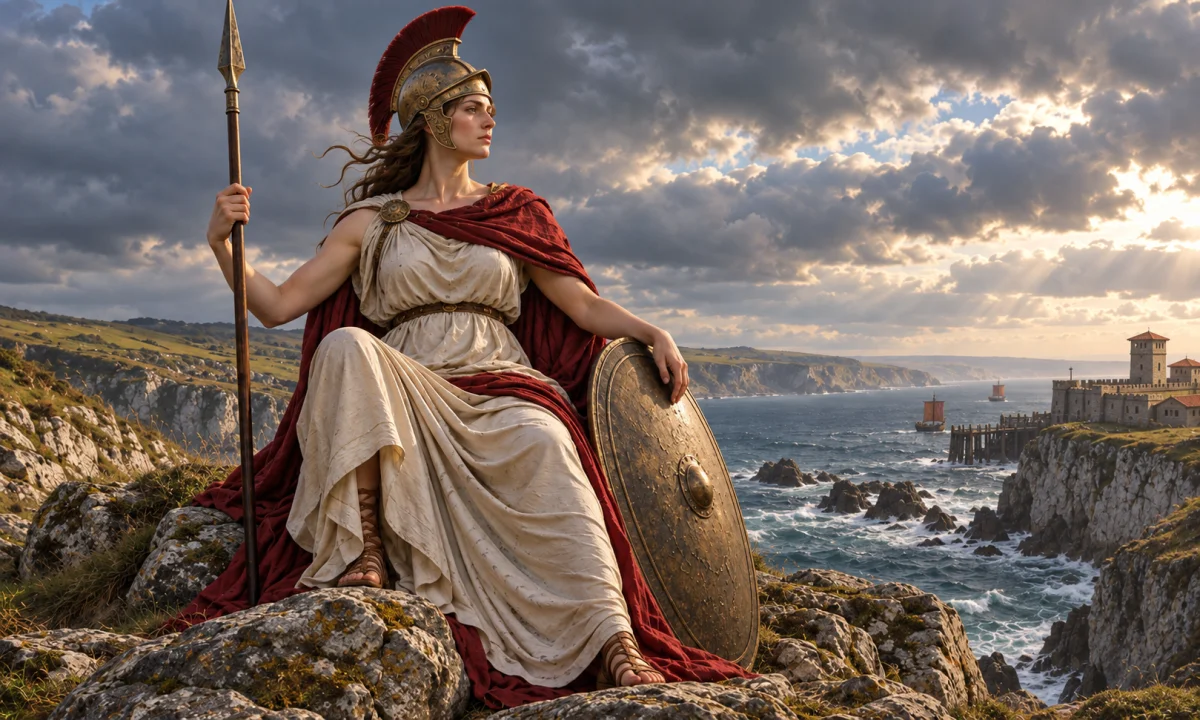
Britannia
Britannia is the Roman personification of Britain and the province that Rome established in parts of the British Isles. She is usually represented as a helmeted woman seated beside a shield, holding a spear or military s…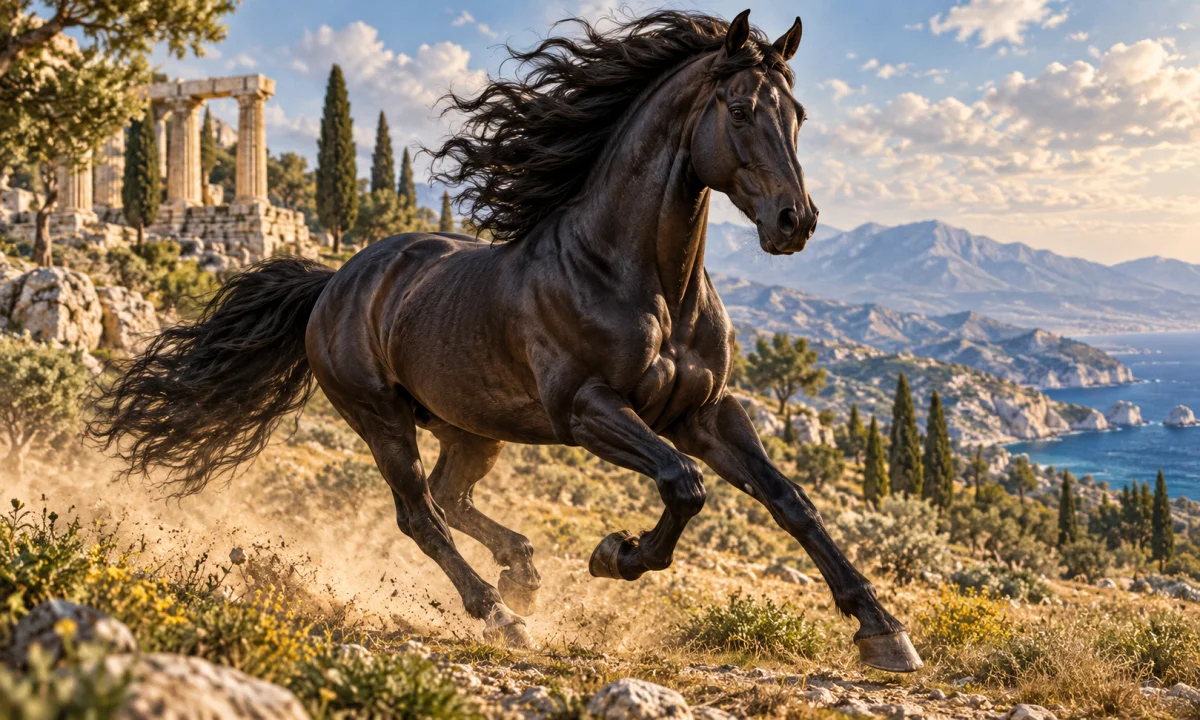
Arion
Arion, also spelled Areion in transliterations of the Greek name, is a miraculous horse in Greek mythology. He is best known as the exceptionally swift and often immortal horse associated with the hero Heracles and the A…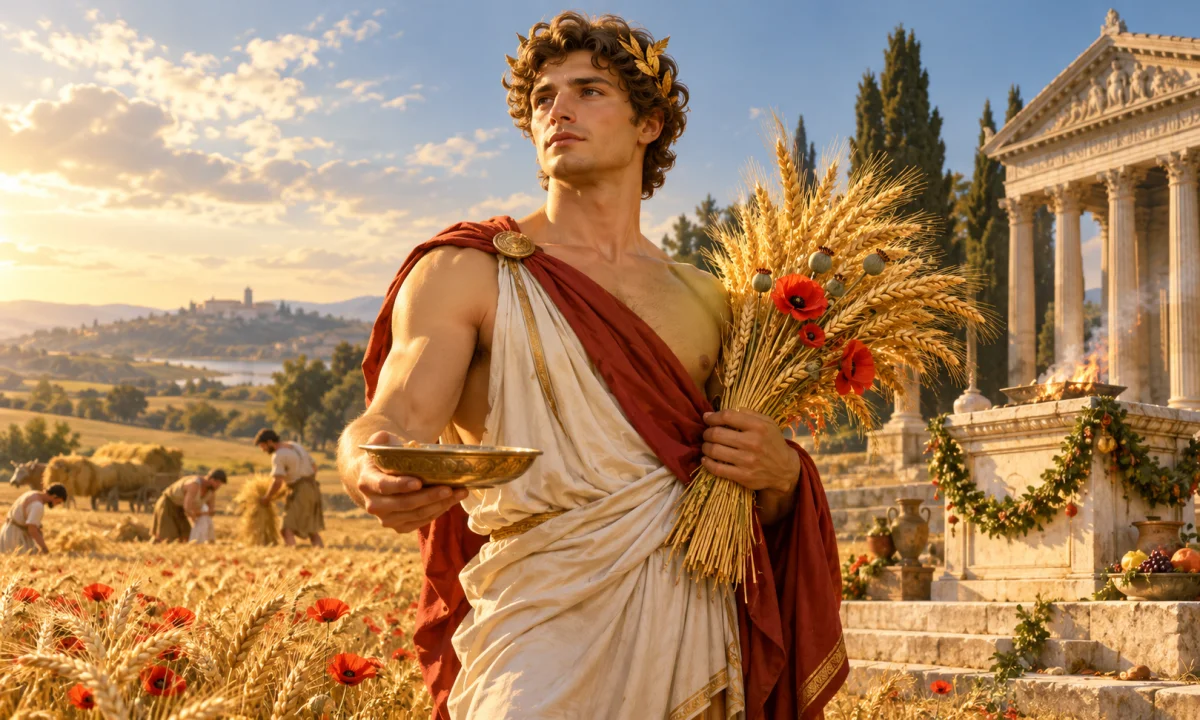
Bonus-eventus
Bonus Eventus was a Roman divine personification of a successful or favourable outcome. His name literally means “good result” or “fortunate outcome”: bonus means “good”, while eventus means “outcome”, “issue” or “result…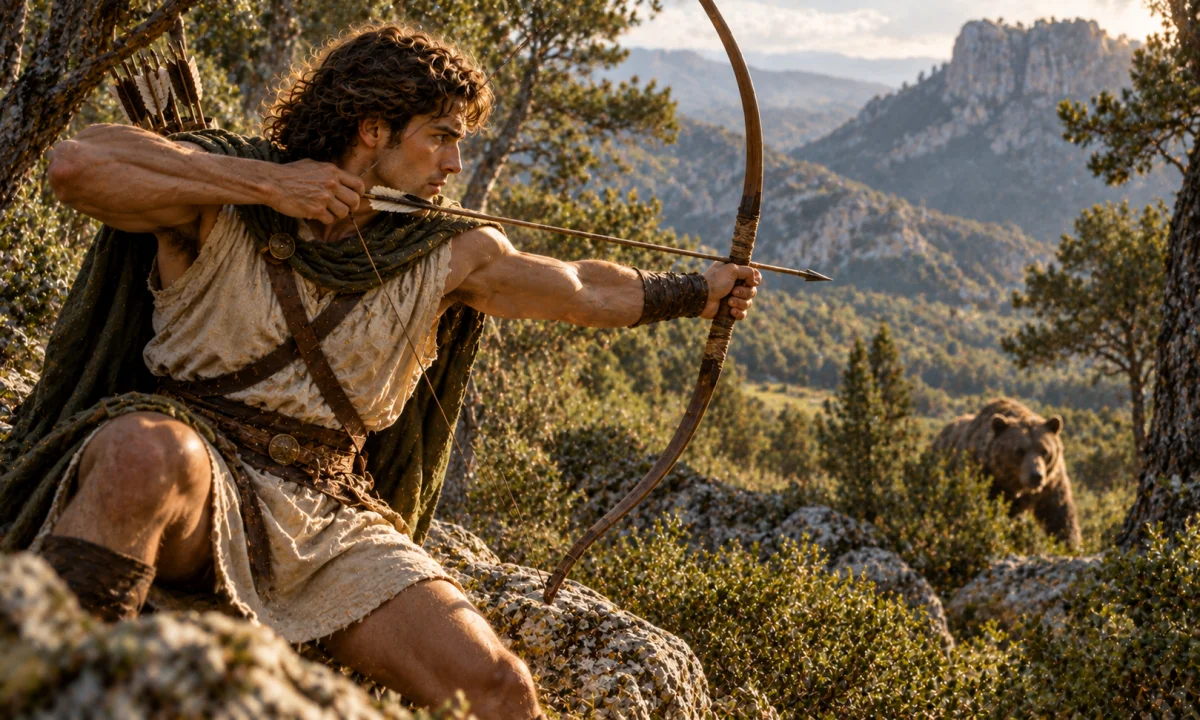
Arcas
Arcas is a legendary king and culture hero of Arcadia in Greek mythology. He is best known as the son of Zeus and Callisto, the young hunter who nearly killed his mother after she had been transformed into a bear, and th…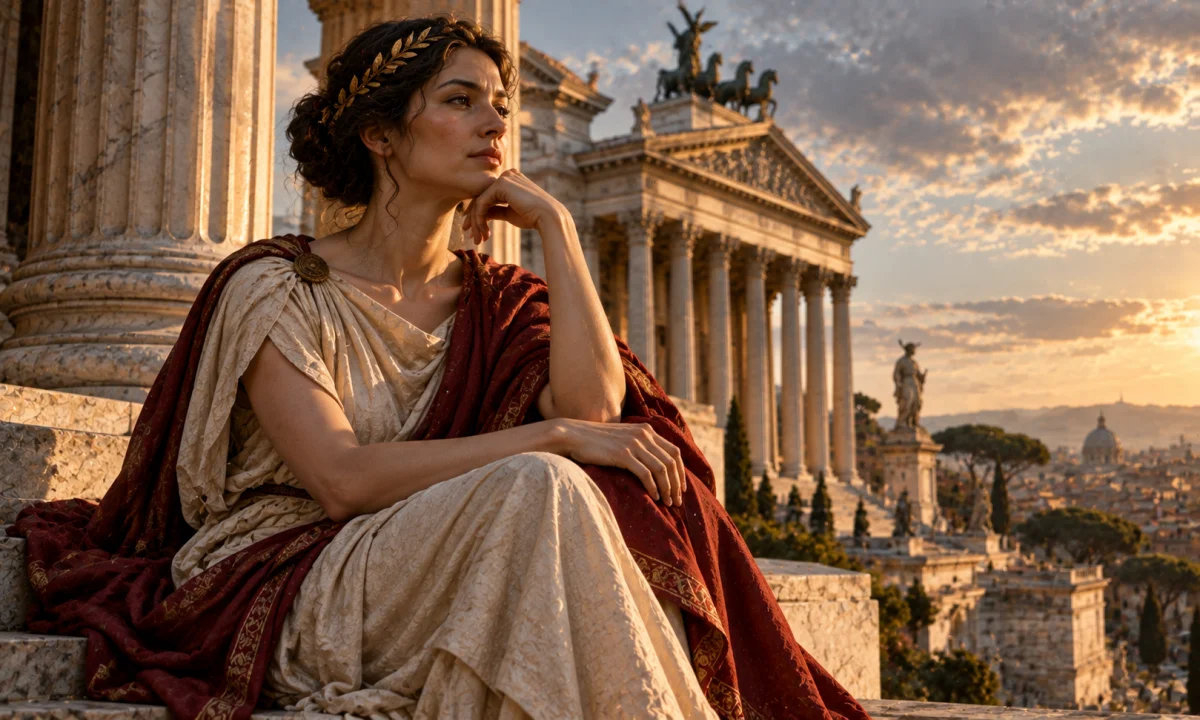
Mens
Mens was a Roman divine personification of the mind, understanding, intelligence and sound judgment. Although the Latin word mens is an ordinary noun meaning “mind” or “intellect,” Roman religious practice could treat su…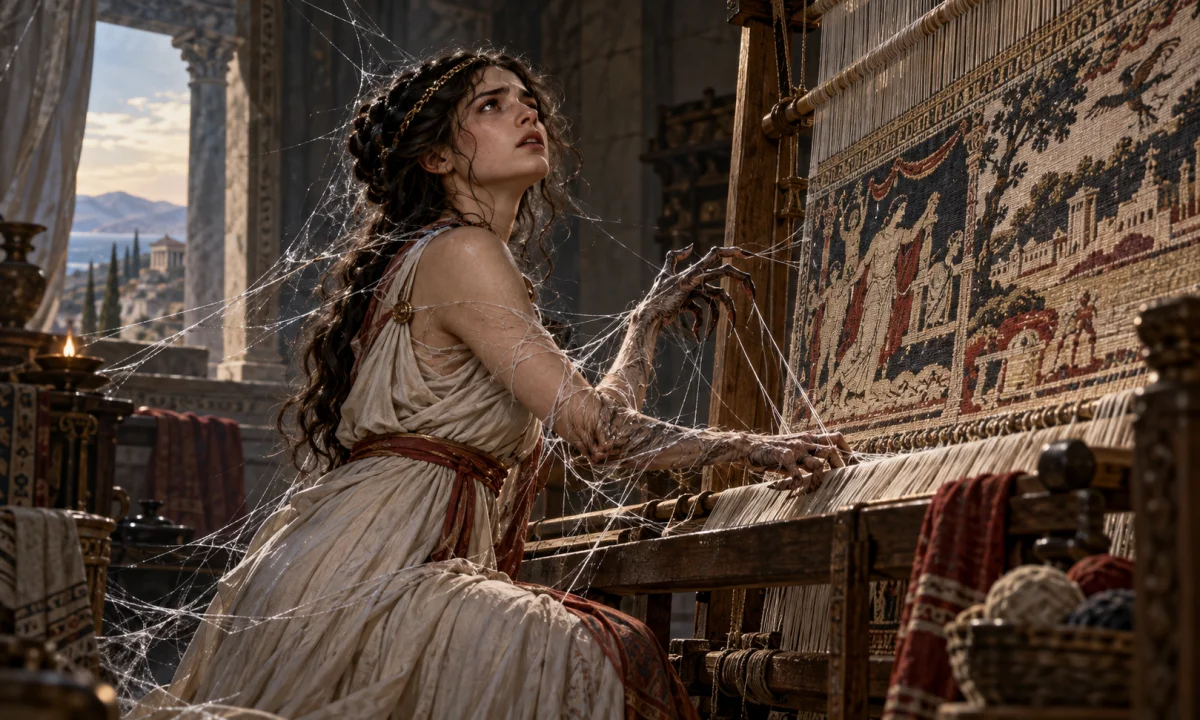
Arachne
Arachne is a mortal weaver in the best-known Greek myth of artistic rivalry, pride and transformation. According to the account preserved by the Roman poet Ovid, she was so exceptionally skilled that she challenged Miner…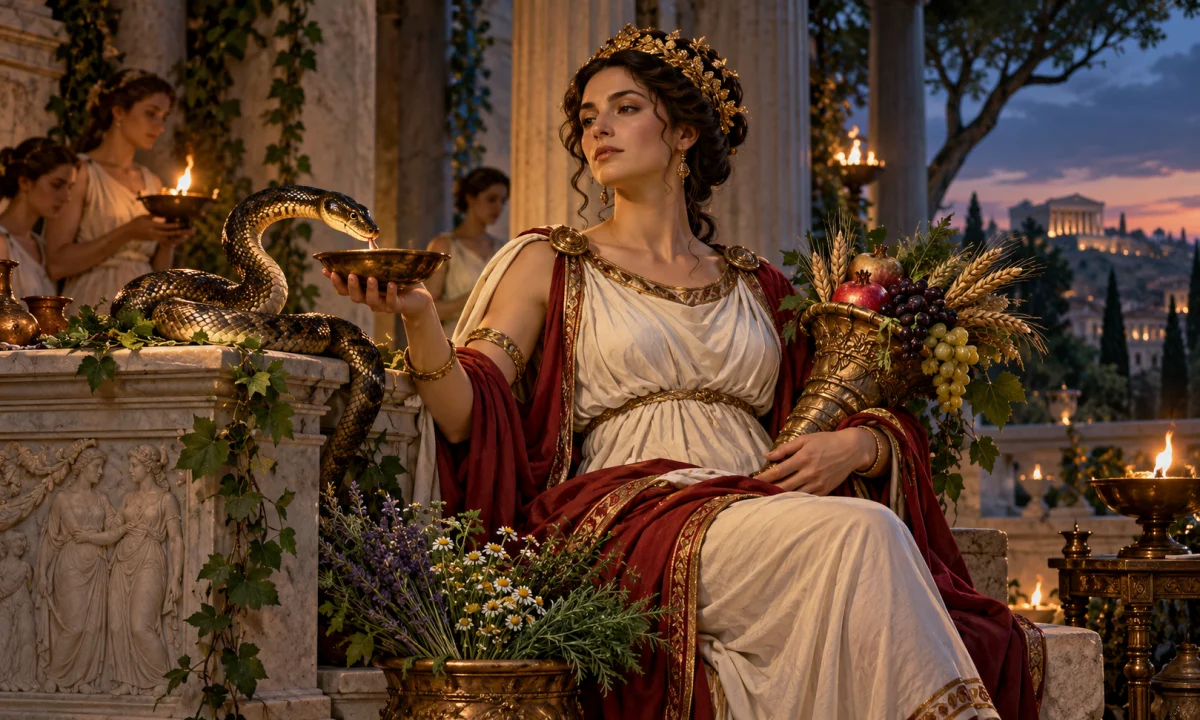
Bona-dea
Bona Dea, whose name means “the Good Goddess,” was a Roman goddess associated with women, fertility, healing, and protection. Her worship was among the most secretive rituals of ancient Rome. Men were excluded from her p…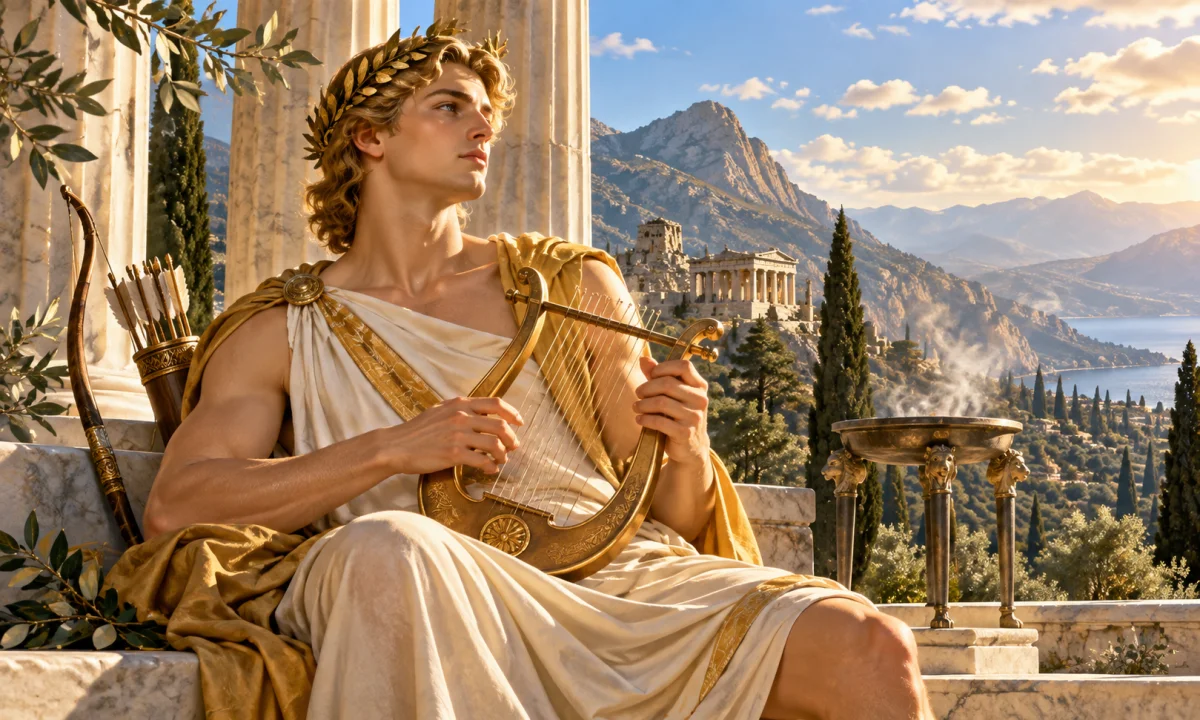
Apollo
Apollo is one of the most important gods of ancient Greek religion and mythology. He is associated with prophecy, healing, music, poetry, archery, protection from disease, and the ordered movement of life and ritual. In …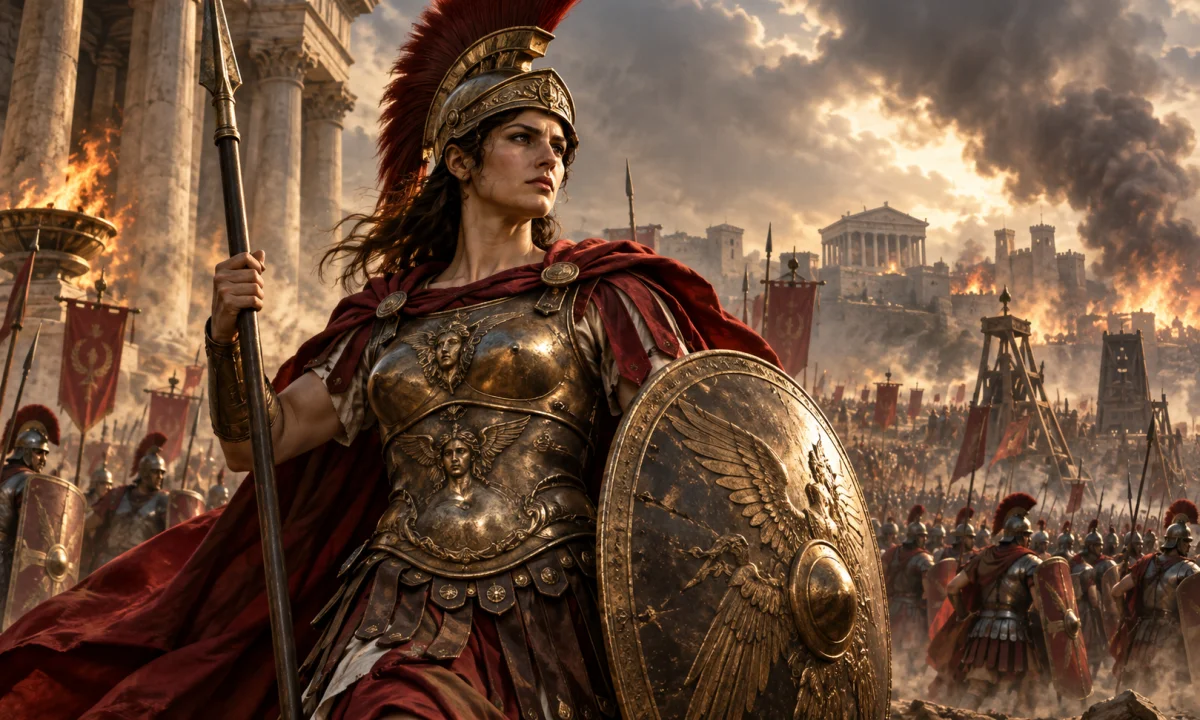
Bellona
Bellona is a Roman goddess associated with war, military violence and the dangerous power of armed conflict. Her name is closely related to the Latin word bellum, meaning “war,” and she was sometimes represented as a hel…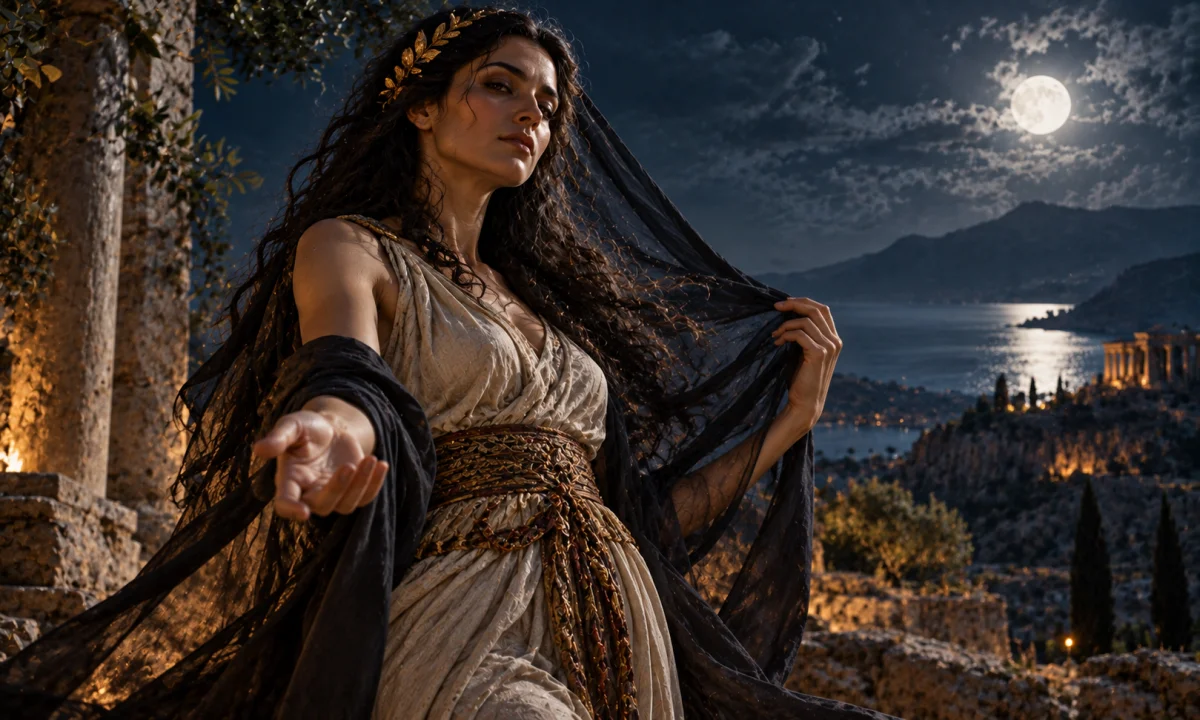
Apate
Apate (Ancient Greek Ἀπάτη, commonly transliterated Apátē) is the Greek personification of deceit, trickery, and deliberate deception. She belongs to the group of abstract powers associated with the darker or more troubl…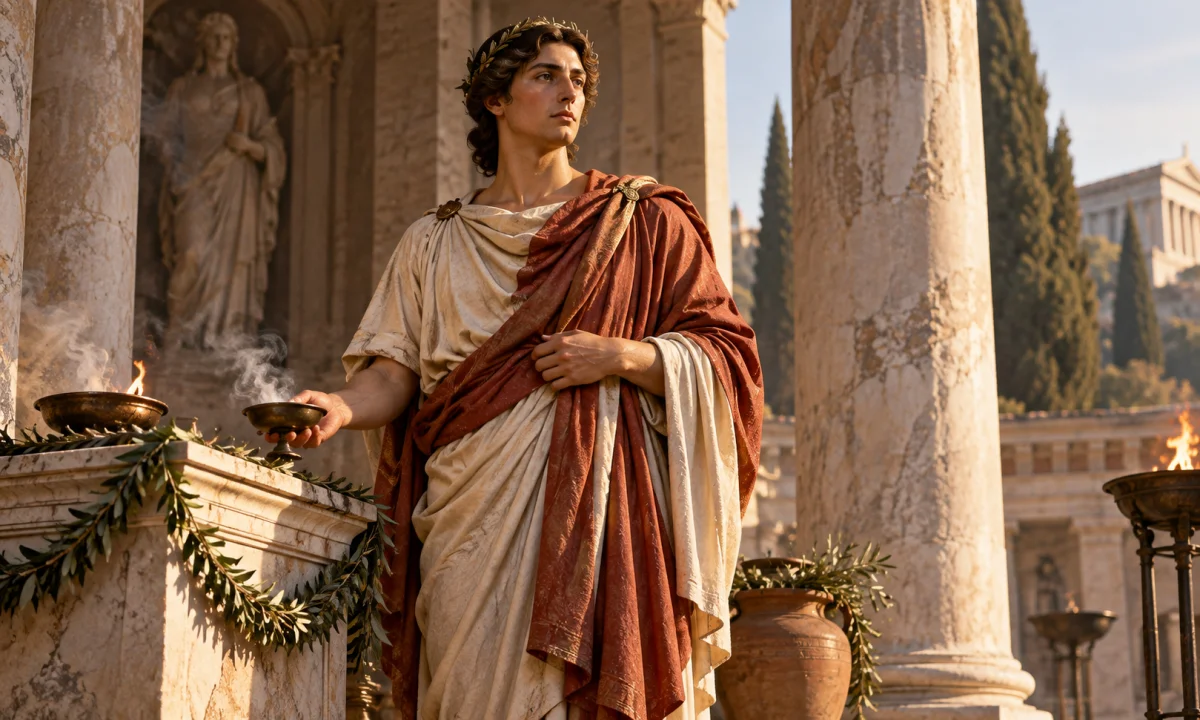
Bellifluficus
Bellifluficus is not a securely attested deity, spirit, hero or legendary creature of ancient Roman mythology. The name does not appear as a recognised figure in the standard body of Roman religious evidence, and no reli…Mythology and folklore of Mediterranean & Near East
The mythologies of the Mediterranean and Near East emerged from one of the most densely interconnected cultural zones of the ancient world. This broad category includes traditions associated with Egypt, Mesopotamia, the Levant, Anatolia, the Iranian plateau, the Aegean, Italy and neighbouring regions. It brings together societies that developed distinct languages, political systems and religious practices, yet often encountered one another through trade, migration, diplomacy, warfare and imperial expansion. These traditions should not be treated as parts of a single mythology. Their gods, rituals, stories and ideas belonged to particular communities and changed considerably across cities, kingdoms and historical periods.
The importance of the region lies not only in the richness of its individual traditions, but also in the evidence it provides for cultural contact and religious transformation. Some mythological materials survive in early written records, including temple inscriptions, ritual texts, hymns, royal monuments, epic poetry and administrative documents. Others are known through visual art, archaeology or later literary accounts. The surviving evidence is uneven: certain cultures left extensive textual archives, while others are represented mainly through fragmentary inscriptions, external descriptions or material remains whose meanings remain uncertain.
Geographical and historical scope
The term Mediterranean and Near East is a modern organisational label rather than an ancient cultural identity. It covers a large area in which seas, rivers, deserts, mountain ranges and fertile plains shaped communication and settlement. The Mediterranean connected coastal communities across southern Europe, North Africa and western Asia, while major river systems such as the Nile, Tigris and Euphrates supported powerful states and complex religious institutions.
The boundaries of the Near East have varied in modern scholarship and public usage. In mythological and cultural history, the term commonly includes Mesopotamia, the Levant, Anatolia, Egypt and parts of ancient Iran, although the exact scope depends on the period and subject under discussion. Modern borders do not correspond neatly to ancient cultural regions. Kingdoms, empires, languages and religious traditions often extended across territories now divided among several countries.
The category spans thousands of years. Early urban religions of Mesopotamia and Egypt developed long before the classical cultures of Greece and Rome, while many older traditions continued, changed or were reinterpreted under later empires. The rise of Judaism, Christianity, Zoroastrianism, Manichaeism and Islam introduced further religious transformations, each with its own internal diversity and historical development.
Mesopotamian religious traditions
Mesopotamia was home to Sumerian, Akkadian, Babylonian and Assyrian cultures, among others. Their religious traditions are documented through cuneiform tablets, inscriptions, temple archives, literary compositions and archaeological remains. These sources preserve myths concerning creation, divine authority, kingship, mortality, natural forces and the relationship between humans and the gods.
Mesopotamian deities were often connected to particular cities and political institutions. A god’s importance could rise or decline as cities gained or lost power. Divine names, roles and family relationships also changed across languages and periods. Sumerian figures were sometimes identified with Akkadian counterparts, but these associations did not always erase local distinctions.
Stories involving figures such as Inanna or Ishtar, Enki or Ea, Enlil, Marduk, Ereshkigal and Gilgamesh survive in multiple forms. Their differences show that Mesopotamian mythology was not a fixed collection of canonical narratives. Texts could be copied, adapted and reinterpreted for new political, ritual or literary settings.
Ideas about the afterlife in surviving Mesopotamian sources are often sombre, although they vary by text and period. The dead were associated with an underworld governed by divine powers, and correct funerary treatment was important. Royal and temple ideology also emphasised the maintenance of order through service to the gods, proper ritual and legitimate kingship.
Egyptian mythology and sacred order
Ancient Egyptian religious traditions developed over a very long period and included numerous local cults, theological systems and ritual practices. Egyptian mythology is known through pyramid inscriptions, funerary texts, temple walls, hymns, narratives, magical texts, papyri, monuments and archaeological evidence. These sources were produced for different purposes and should not be treated as parts of one consistent narrative system.
Egyptian gods could have overlapping roles and complex identities. Deities were combined, associated or interpreted differently according to place and period. Ra, Amun, Osiris, Isis, Horus, Hathor, Ptah, Thoth, Anubis, Sekhmet and many others belonged to religious worlds that connected cosmic order, kingship, fertility, death, healing and protection.
The principle commonly represented by the Egyptian term ma’at concerned truth, balance, justice and the proper order of the cosmos and society. The king was expected to uphold this order through ritual and governance. Myths involving Osiris, Isis, Seth and Horus became especially important in ideas about legitimate rule, death and regeneration, but their surviving versions vary.
Egyptian beliefs about the dead were elaborate but not uniform. Funerary texts describe journeys, judgments, transformations and dangers in the afterlife. These materials often reflect elite burial practices, and caution is required when applying them to all levels of Egyptian society.
The Levant and Canaanite traditions
The ancient Levant included many communities with related but distinct languages, political structures and religious practices. Canaanite, Phoenician, Israelite, Aramaean, Moabite, Ammonite and other traditions developed within this wider region. Evidence comes from inscriptions, archaeological sites, ritual objects, biblical texts, texts from Ugarit and external records.
The tablets discovered at Ugarit preserve important mythological compositions involving deities such as El, Baal, Anat, Athirat and Mot. These texts provide insight into divine conflict, kingship, fertility, storms, death and cosmic order. They represent the traditions of a particular Late Bronze Age city and should not be assumed to describe every Canaanite community.
Phoenician religious traditions spread through maritime networks and colonial settlements across the Mediterranean. However, much of the surviving evidence is fragmentary, and later Greek or Roman descriptions may interpret Phoenician gods through foreign categories. Names such as Melqart, Eshmun, Astarte and Baal can refer to deities whose local forms and functions differed from place to place.
The religious history of ancient Israel and Judah developed within the wider cultural environment of the Levant. Biblical texts preserve theological arguments, historical traditions, laws, poetry and narratives written and edited over extended periods. They reflect the development of Israelite and Jewish religion, including the increasing emphasis on exclusive worship of the God of Israel. They also preserve criticism of practices associated with neighbouring peoples and earlier forms of worship.
Anatolia and neighbouring cultures
Anatolia was home to Hittite, Hattian, Hurrian, Luwian, Phrygian, Urartian and other cultural traditions. Its mythological history reflects both local development and extensive contact with Mesopotamia, Syria and the Aegean. Hittite archives preserve myths, rituals, treaties, prayers and festival texts in several languages.
Hittite religion is sometimes described as involving a large number of deities, partly because the Hittite state incorporated the cults of different cities and conquered peoples. Divine figures could retain local identities even when included in broader state rituals. Hurrian traditions had a particularly strong influence on parts of Hittite religion and literature.
Myths concerning divine succession and conflict survive in Anatolian texts, including narratives involving figures such as Kumarbi and the storm god Teshub. Scholars have compared some of these stories with Greek accounts of succession among generations of gods. Cultural transmission is plausible in certain cases, but similarities should be assessed through chronology, contact and textual detail rather than treated as automatic proof of direct borrowing.
Ancient Iranian traditions
The religious traditions of ancient Iran include beliefs associated with Iranian-speaking peoples and the development of Zoroastrianism. The oldest Zoroastrian compositions are preserved in the Avesta, although the surviving textual tradition was transmitted and organised over long periods. Later Middle Persian works provide additional cosmological, theological and legendary material, but they reflect later stages of interpretation.
Zoroastrian tradition centres on Ahura Mazda and the struggle between truth or order and destructive falsehood. Its cosmology, ethics and understanding of time developed through a complex history that cannot be reduced to a simple opposition between two equal gods. The nature of early Iranian religion, the historical Zarathustra and the dating of the oldest texts remain subjects of scholarly debate.
Other Iranian divine and heroic figures appear in ritual texts, inscriptions and later epic traditions. Mithra, Anahita and Verethragna had important roles, although their worship and interpretation changed across regions and empires. Later Persian literature preserved legendary kings and heroes whose stories combine mythic, religious, historical and literary layers.
Greek and Roman traditions
Greek mythology is among the most extensively preserved traditions of the ancient Mediterranean. It is known through epic poetry, hymns, drama, local cults, historical writing, philosophy, inscriptions, visual art and archaeology. Despite this abundance, Greek mythology was never completely standardised. Stories about Zeus, Hera, Athena, Apollo, Artemis, Dionysus, Demeter, Poseidon and other gods vary between poets, cities and ritual contexts.
Heroic traditions involving Heracles, Perseus, Theseus, Jason and the participants in the Trojan War combined local legends, poetic invention and broader cultural memory. Literary versions became influential, but they did not necessarily represent every community’s religious understanding. Heroes could also receive cult worship at tombs, sanctuaries or places associated with local identity.
Roman religion included native Italian traditions, family and civic cults, state rituals, ancestor worship and extensive engagement with Greek and other Mediterranean religions. Roman writers often identified their gods with Greek equivalents, but Jupiter was not simply Zeus under another name, nor were all Roman deities borrowed from Greece. Roman religious life developed through its own institutions, priesthoods, political structures and historical experiences.
As Roman power expanded, cults and divine figures moved throughout the empire. Egyptian, Anatolian, Syrian, Persian and other religious traditions gained followers in different regions. These movements created new forms of worship and interpretation, but local practices did not disappear into a single uniform imperial religion.
Etruscan and other Italian traditions
Before Roman dominance, the Italian peninsula contained many cultural and religious traditions. The Etruscans left inscriptions, tomb paintings, temples, ritual objects and later accounts written by Greek and Roman authors. Their religion placed particular emphasis on divination, ritual knowledge and the interpretation of divine signs.
Some Etruscan gods were later compared with Greek and Roman figures, but the surviving evidence reveals distinctive names, relationships and religious practices. Much remains uncertain because the Etruscan language is only partly understood and most surviving texts are brief.
Other peoples of ancient Italy, including Latins, Sabines, Oscans, Umbrians and communities of southern Italy and Sicily, contributed to the peninsula’s religious diversity. Roman expansion absorbed, transformed or reclassified many of these traditions, making their earlier forms difficult to reconstruct.
Cultural exchange and religious contact
The Mediterranean and Near East were connected by commercial routes, diplomatic networks, migration and imperial administration. Merchants, soldiers, captives, artisans, scribes and religious specialists carried languages, images, stories and ritual practices across cultural boundaries.
Documented contact can explain some shared symbols or narrative patterns, but influence rarely involved simple copying. A community could adopt a foreign deity while changing the deity’s name, attributes or ritual role. Stories could be translated into new languages and adapted to new political or religious concerns. Images might travel without preserving their original meaning.
Syncretism, the identification or combination of divine figures, occurred in many settings. Greek and Roman authors frequently interpreted foreign gods through their own pantheons. Local worshippers could also associate deities from different traditions. These identifications were historically important, but they do not prove that the figures had originally been identical.
Sources and problems of interpretation
The evidence for these mythologies comes from sources created for different audiences and purposes. Hymns praise gods, ritual texts prescribe actions, royal inscriptions legitimise rulers, funerary texts prepare the dead, and literary narratives entertain, instruct or explore political and moral questions. None provides a complete description of an entire religious system.
Archaeology can reveal temples, offerings, burials, domestic shrines and patterns of ritual activity. However, objects do not explain themselves. Their interpretation depends on context, comparison and, where available, written evidence. A figurine may represent a deity, a worshipper, an ancestor, a protective being or something else entirely.
Later writers can preserve valuable information about earlier traditions, but their accounts may be shaped by misunderstanding, polemic or literary convention. Greek and Roman descriptions of foreign peoples often translated unfamiliar religious practices into classical categories. Christian, Jewish and Islamic authors sometimes preserved information about older beliefs while interpreting them through their own theological frameworks.
Recurring themes and cultural differences
Creation, divine kingship, cosmic order, death, fertility, warfare, storms, sacred mountains, dangerous seas and journeys to the underworld appear in many traditions of the region. These themes reflect recurring human concerns and, in some cases, historical contact. Their presence does not mean that all cultures understood them in the same way.
A storm deity might be associated with royal power in one tradition, agricultural fertility in another and military victory in a third. Underworld myths could address seasonal change, royal legitimacy, mourning, initiation or the limits of human mortality. Sea monsters, dragons and serpentine beings could represent chaos, divine opposition, protection or political enemies depending on the cultural setting.
Comparison is most reliable when it respects language, chronology, geography and the nature of the surviving evidence. Broad claims about a universal ancient mythology often obscure the distinctive beliefs of individual communities.
Later transmission and modern reception
The traditions of the Mediterranean and Near East continued to influence religion, literature, philosophy and art long after the political systems that first preserved them had changed. Greek and Roman myths became central to later European education and artistic production. Egyptian and Mesopotamian traditions were rediscovered and reinterpreted through archaeology and the decipherment of ancient scripts.
Biblical and later Jewish traditions shaped Christianity and Islam, while Iranian religious ideas continued through Zoroastrian communities and later Persian culture. Medieval and early modern writers preserved some ancient materials while altering them according to new theological, literary or political contexts.
Modern novels, films, games and other forms of popular culture often combine gods and monsters from unrelated traditions into a shared fantasy world. Such adaptations can renew interest in ancient cultures, but they frequently simplify chronology, merge distinct figures or treat modern speculation as historical fact. Understanding the original cultural settings helps preserve the differences that made these traditions meaningful to the communities that created and transmitted them.