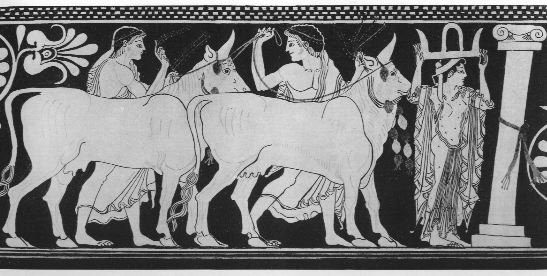
The term Augean stables originates from Greek mythology and is often used as a metaphor for a challenging task that requires significant effort to clean up or rectify. The story of the Augean stables is associated with one of the Twelve Labors of Hercules, a heroic figure in ancient Greek tales. This myth not only provides insight into the challenges faced by Hercules but also highlights themes of perseverance, ingenuity, and the ability to confront seemingly insurmountable obstacles. In this article, we will explore the background of the Augean stables, the significance of Hercules’ labor, and the broader implications of this myth in modern contexts.
Background of the Augean Stables
The Augean stables belonged to Augeas, the king of Elis, who was known for his immense wealth and his collection of cattle. According to myth, Augeas had thousands of cattle that produced vast amounts of manure, which accumulated over the years, making the stables filthy and unmanageable. The stables were said to be so dirty that they had not been cleaned for over thirty years. This neglect resulted in a massive buildup of waste, creating a foul and unsanitary environment. The condition of the stables became a symbol of neglect and the overwhelming nature of certain tasks.
 Aurai
AuraiAugeas was proud of his cattle and his wealth but was indifferent to the state of his stables. He made no effort to clean them, viewing the task as beneath him. This neglect ultimately led to his downfall, as it became the focus of one of Hercules’ labors. The myth serves as a reminder of the importance of responsibility and the consequences of ignoring problems until they become too large to manage.
The Twelve Labors of Hercules
Hercules, known for his incredible strength and bravery, was tasked with completing twelve labors as a penance for a crime he committed in a fit of madness. The story of Hercules is a fundamental part of Greek mythology, illustrating the hero’s journey and the trials he faced. Each labor presented a unique challenge that tested his physical abilities and intellect. The cleaning of the Augean stables was the fifth labor, which was particularly daunting due to the sheer volume of manure that needed to be removed.
Hercules was tasked with cleaning the stables in a single day, a feat that seemed impossible given the circumstances. However, he approached the challenge with a clever plan. Instead of trying to remove the manure by hand, he devised a strategy that involved redirecting two rivers, the Alpheus and the Peneus, to flow through the stables. This innovative solution allowed him to wash away the accumulated waste efficiently. Hercules’ ability to think outside the box and find a solution to a seemingly insurmountable problem is a significant aspect of this myth.
 Autolycus
The Significance of the Augean Stables in Mythology
The story of the Augean stables holds deep symbolic meaning within the context of Greek mythology. It reflects the themes of cleansing and redemption. Hercules’ labor is not just about physical strength; it also emphasizes the importance of wisdom and resourcefulness. By utilizing the rivers, Hercules demonstrated that sometimes the best solutions come from thinking creatively rather than relying solely on brute force.
Moreover, the Augean stables serve as a metaphor for the challenges we face in our lives. Just as Hercules confronted the overwhelming task of cleaning the stables, individuals often find themselves in situations that seem impossible to manage. The myth encourages us to approach our problems with a combination of determination and ingenuity. It suggests that no matter how daunting a task may seem, there is often a way to overcome it if we are willing to think creatively and put in the effort.
Lessons from the Augean Stables
The story of the Augean stables imparts several valuable lessons that are relevant in today’s world. One of the most important lessons is the significance of taking responsibility for our actions. Augeas’ neglect of his stables serves as a cautionary tale about the consequences of ignoring problems. In our lives, we often encounter situations that require our attention, and failing to address them can lead to larger issues down the road. Hercules’ labor teaches us that facing our challenges head-on is crucial for personal growth and development.
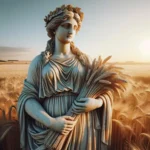 Demeter
Another lesson is the power of innovation in problem-solving. Hercules’ decision to redirect the rivers is a testament to the effectiveness of thinking outside the box. In various aspects of life, whether in work, relationships, or personal challenges, approaching problems with a fresh perspective can lead to unexpected solutions. This myth encourages us to be resourceful and to seek alternative ways to tackle our challenges.
Modern Interpretations of the Augean Stables
The concept of the Augean stables has transcended its mythological origins and is often referenced in modern contexts. It is commonly used to describe situations that require significant effort to clean up or rectify, particularly in politics, business, and personal life. For instance, when a company faces a major scandal or financial mismanagement, it may be likened to cleaning the Augean stables. The metaphor highlights the extensive work required to restore order and regain trust.
In politics, leaders may find themselves dealing with the “Augean stables” of their predecessors’ decisions, necessitating significant reform and cleanup. This metaphor serves to emphasize the weight of responsibility that comes with leadership and the necessity of addressing past mistakes. In personal life, individuals may refer to their own “Augean stables” when discussing the need to confront and resolve long-standing issues, such as debt or personal relationships.
The Cultural Impact of the Augean Stables
The story of the Augean stables has had a lasting impact on culture, inspiring various forms of art, literature, and even modern media. The themes of the myth resonate with audiences, making it a popular subject for interpretation. Artists have depicted Hercules’ labor in paintings and sculptures, capturing the moment of triumph as he cleans the stables. These representations often emphasize the hero’s strength and determination, showcasing the timeless nature of the myth.
In literature, the Augean stables have been referenced by authors to illustrate the concept of difficult tasks and the necessity of perseverance. The phrase “cleaning the Augean stables” has entered common language, symbolizing the arduous process of cleaning up a mess, whether it be physical, emotional, or systemic. This cultural impact demonstrates the enduring relevance of Greek mythology and its ability to convey profound lessons applicable across time and space.
the Augean stables represent a significant mythological narrative that encapsulates themes of responsibility, innovation, and perseverance. Through the story of Hercules, we learn valuable lessons about confronting challenges and the importance of creative problem-solving. The enduring cultural impact of the Augean stables serves as a reminder that even the most daunting tasks can be tackled with determination and ingenuity. As we navigate our own “Augean stables,” may we find inspiration in the myth of Hercules and strive to approach our challenges with the same spirit of resilience and creativity.