 WORLD
WORLD
Inca mythology
Articles about Inca mythology within South America & Caribbean.
Last articles
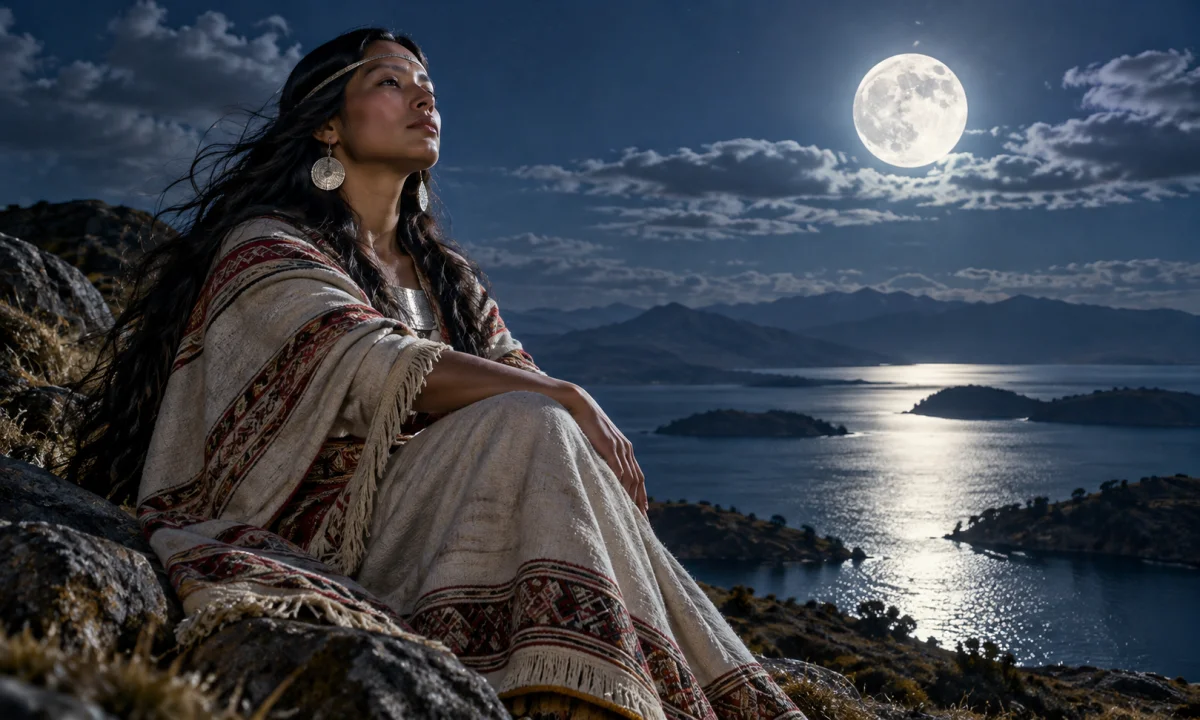
Ka-ata-killa
Ka-ata-killa is a name associated in some modern accounts with an Inca or Quechua moon goddess. The identification is uncertain, however. Unlike Mama Killa—the better-attested lunar deity of the Inca religious system—Ka-…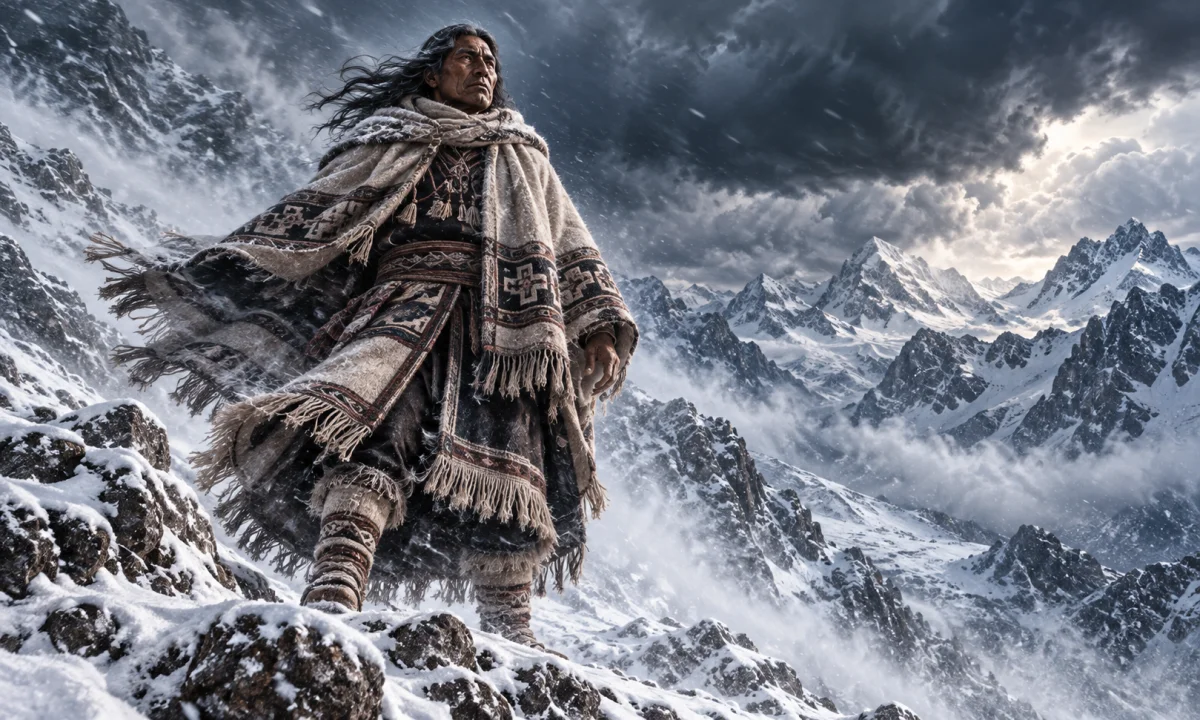
Khuno
Khuno is a name associated in some modern accounts with snow, storms, and severe mountain weather in the Andes. It is often placed under “Inca mythology,” but that classification requires caution. The surviving evidence …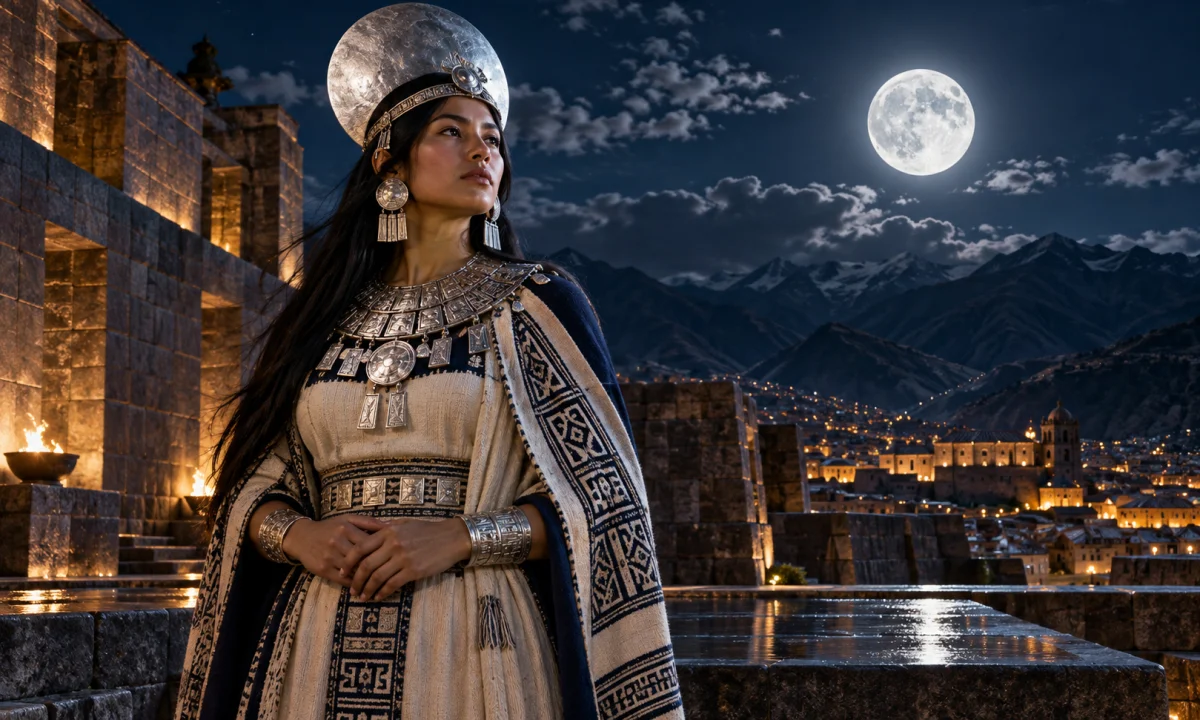
Mama Quilla
Mama Quilla, also written Mama Killa or Mama Quila, is the Inca moon goddess and the personification of the Moon. Her name is commonly translated as “Mother Moon” in Quechua, although spellings vary because the earliest …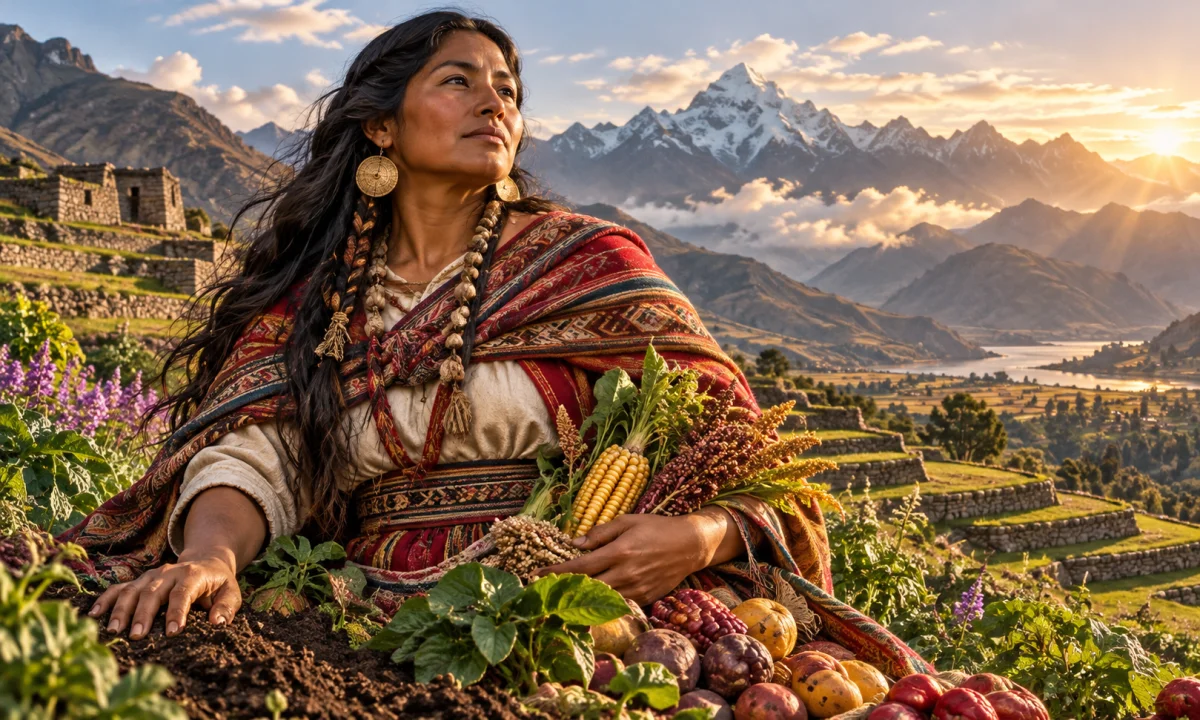
Mama Pacha
Mama Pacha is a name associated with the earth, the living landscape and the sustaining powers of the Andean world. It belongs to the religious and cultural sphere of Quechua-speaking peoples, including communities withi…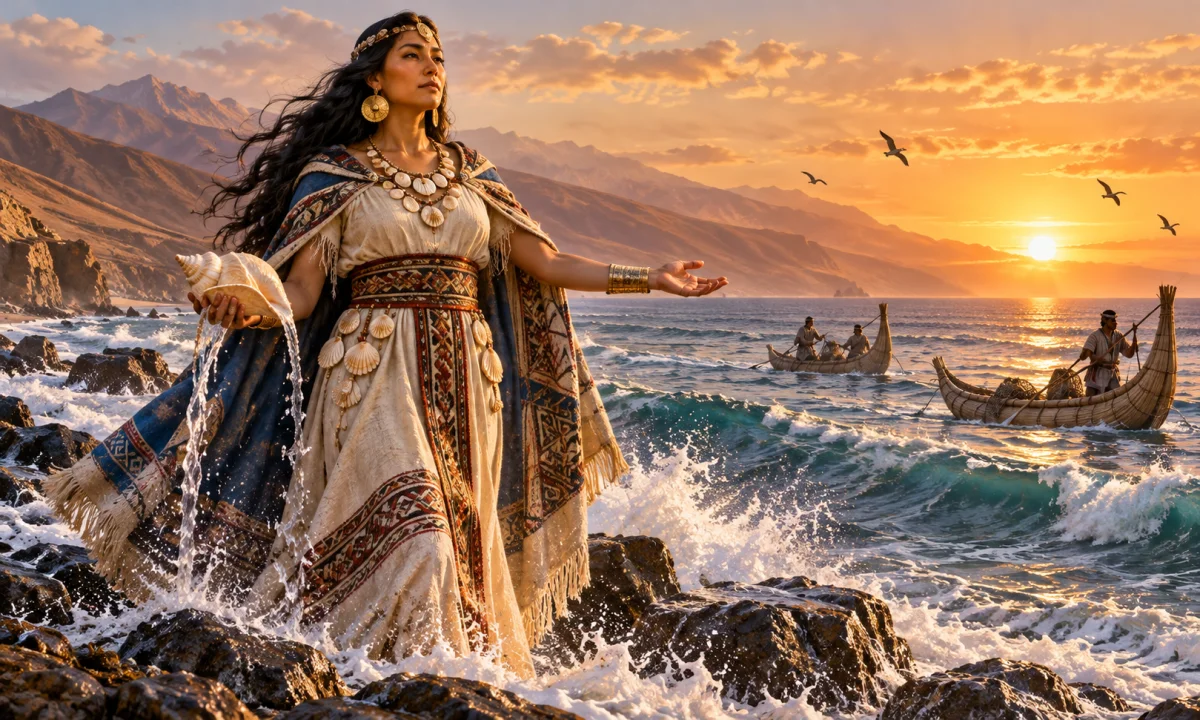
Mama Cocha
Mama Cocha, also written Mama Qocha, is a water mother or female personification of the sea and other great waters in Andean religious tradition, especially in accounts associated with the Inca world. Her name comes from…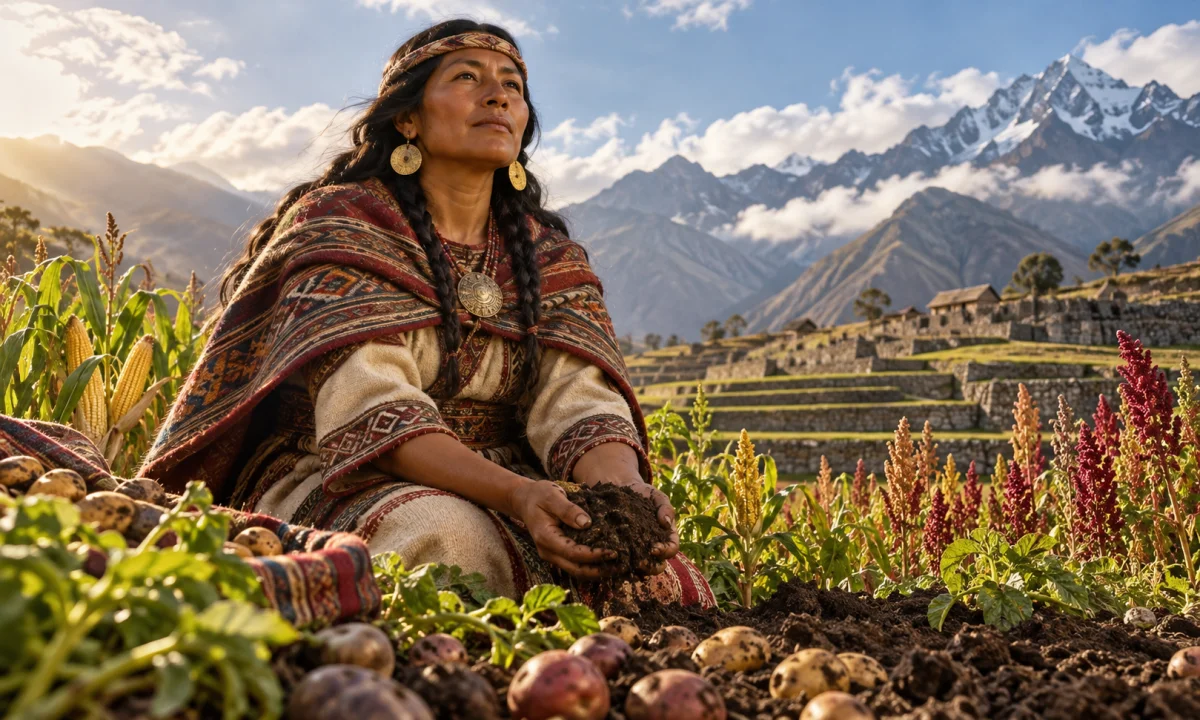
Mama Allpa
Mama Allpa is a little-known female fertility figure associated with Inca mythology and the wider religious traditions of the Andes. Her name is commonly interpreted from Quechua as “Mother Earth” or “Earth Mother”: mama…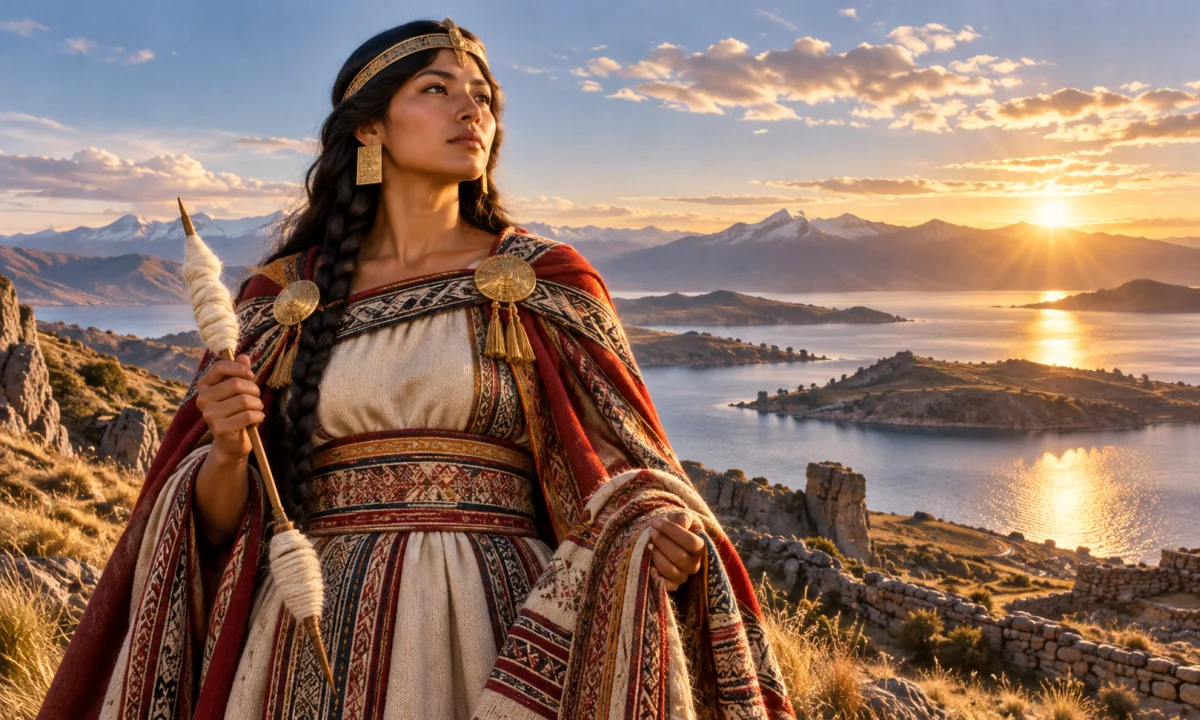
Mama Ocllo
Mama Ocllo is a founding woman of Inca tradition, best known as the companion, sister and wife of Manco Cápac, the legendary first ruler of Cusco. In the most familiar version of the story, she and Manco Cápac were sent …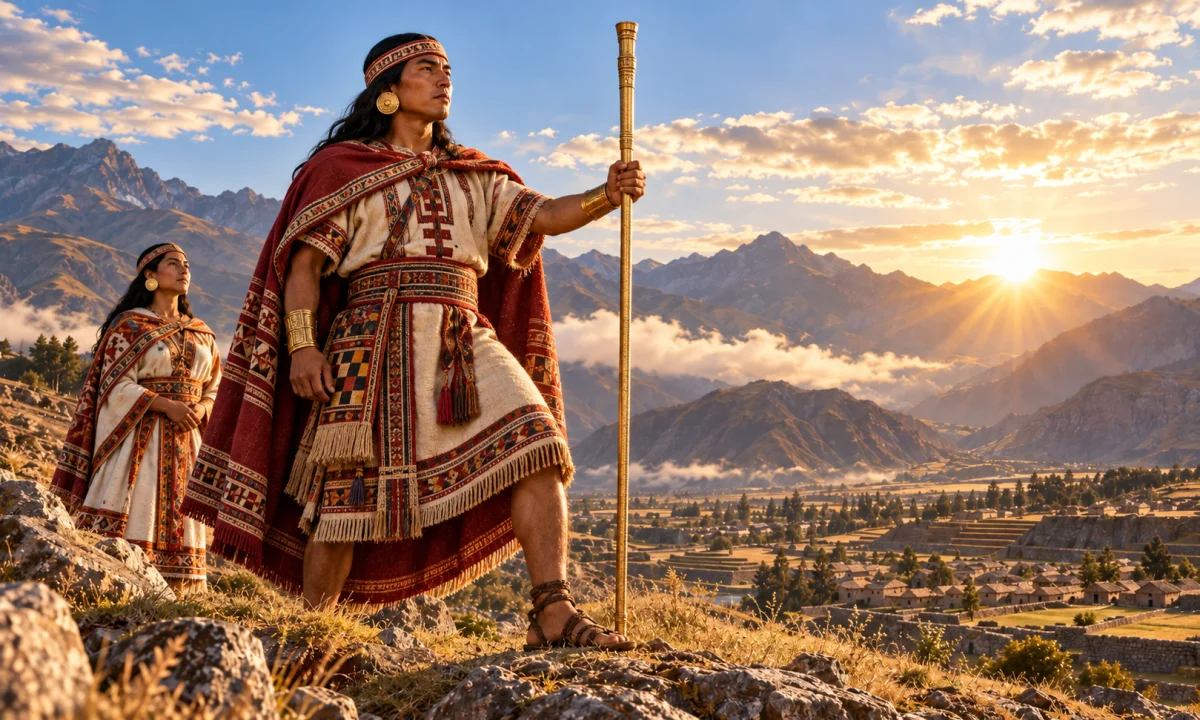
Manco Capac
Manco Capac is the legendary founder and first ruler of the Inca dynasty, traditionally associated with the establishment of Cusco in the Andean highlands. He belongs to the origin traditions of the Inca, or Inka, whose …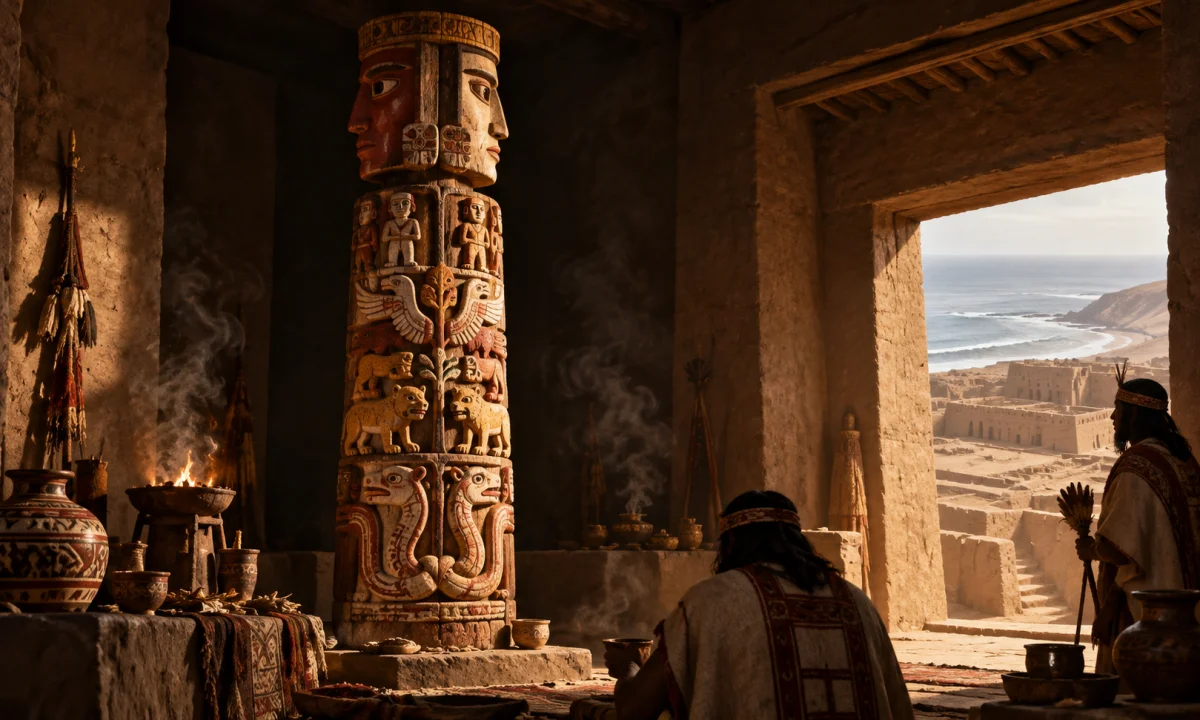
Pachacamac
Pachacamac was a major deity and oracle of the central Peruvian coast, worshipped at the large ceremonial centre now known as Pachacamac, south of modern Lima. Although often described as an Inca god, Pachacamac was prob…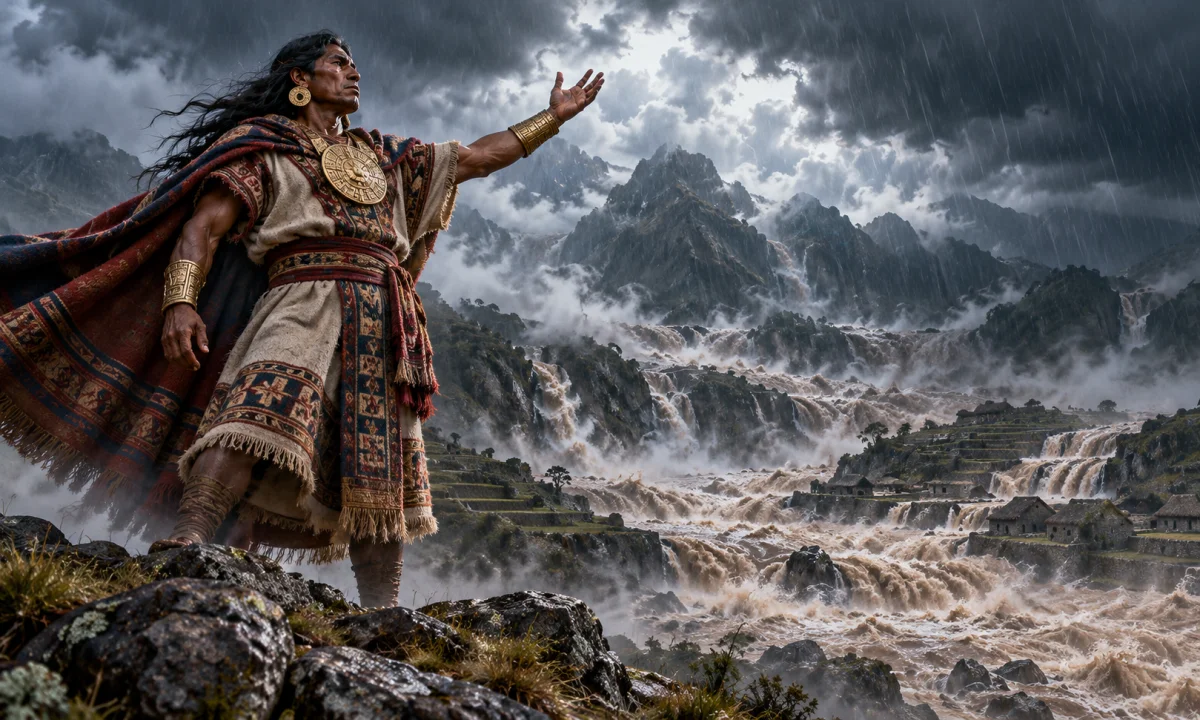
Paricia
Paricia is a little-known figure associated in some modern accounts with Inca mythology, particularly with rain, floods and the destruction of an early human age. The evidence for Paricia is limited, however. Unlike bett…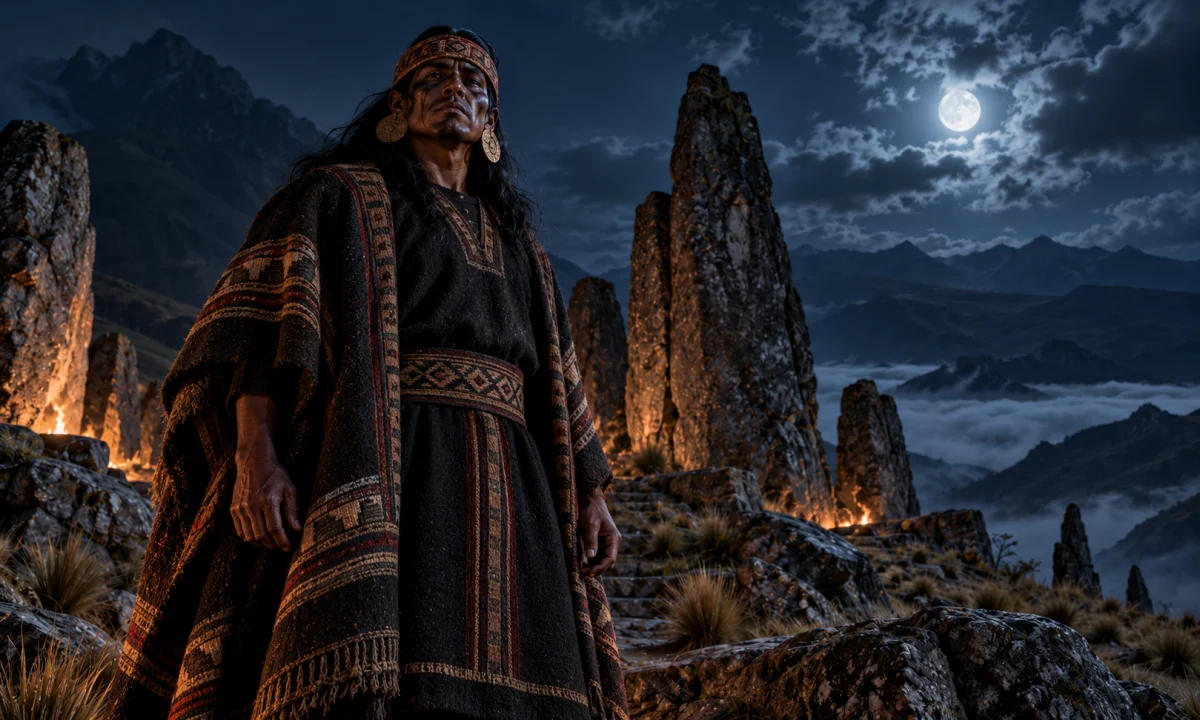
Piguerao
Piguerao is an obscure name associated with Inca mythology, but its identity is not securely established in the surviving record. Modern lists of Inca beings sometimes describe Piguerao as a supernatural bird, usually co…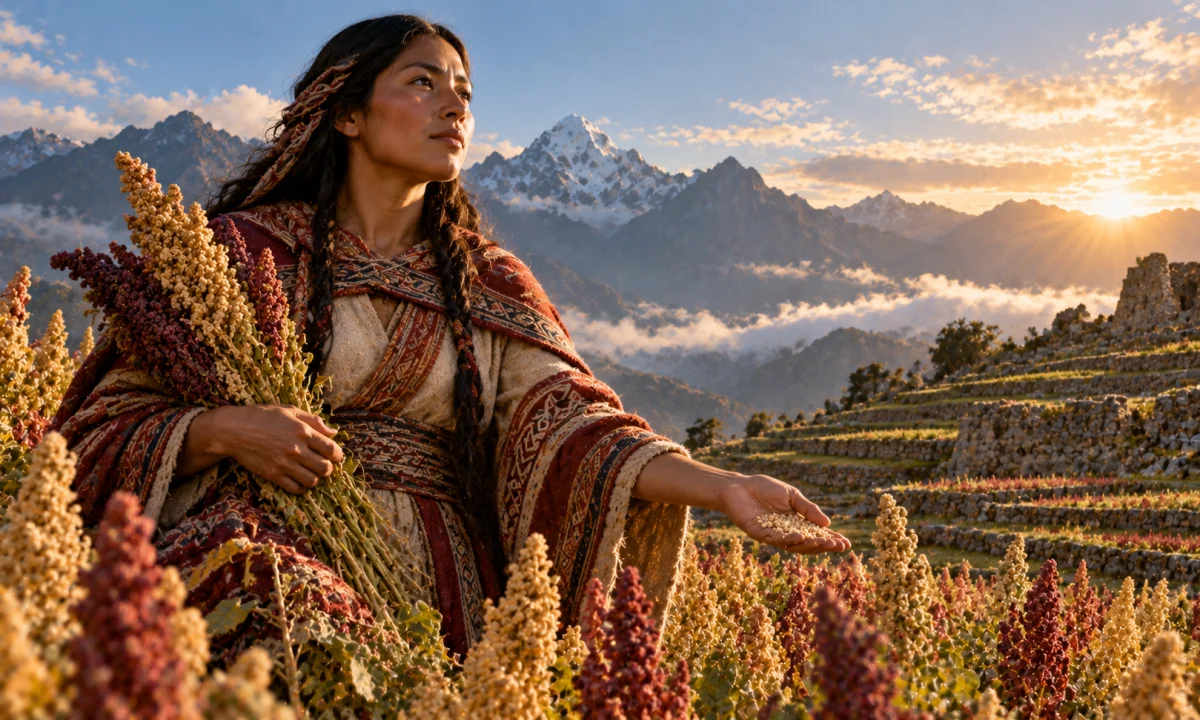
Quinoa-mama
Quinoa-mama is a name used for a mother or female spiritual presence associated with quinoa, the highland Andean grain known scientifically as Chenopodium quinoa. It is often presented in modern accounts as an Inca godde…Inca mythology: myths, traditions and legends
Inca mythology encompasses the sacred narratives, divine beings, ancestral traditions, origin stories and ritual concepts associated with the Inca state and the wider Andean religious world incorporated into the empire known as Tawantinsuyu. Centred on Cusco, the Inca Empire expanded during the fifteenth and early sixteenth centuries across territories now belonging to Peru, Bolivia, Ecuador, Chile, Argentina and Colombia. Its religion was not a single uniform system imposed unchanged on every conquered population. The imperial cult of the Sun, royal ancestor veneration and ceremonies centred on Cusco existed alongside numerous regional gods, sacred mountains, shrines, ancestral powers and local traditions. For that reason, figures such as Inti and Viracocha belong to Inca imperial religion, while other beings commonly placed in lists of “Inca gods” may actually come from broader or more local Andean traditions.
Knowledge of Inca mythology is complicated by the absence of surviving pre-conquest narrative texts written in an alphabetic script. The Incas used sophisticated administrative and mnemonic systems, including quipus, but the surviving evidence does not provide a corpus of mythological literature comparable to Maya hieroglyphic narratives. Most detailed accounts were written after the Spanish conquest by European chroniclers and Indigenous or mestizo authors. Archaeology, temples, sacred landscapes, burials, offerings, textiles and surviving Andean traditions provide additional evidence. Colonial sources preserve invaluable knowledge, but their descriptions were shaped by Christianity, translation and the political upheavals of conquest.
The Inca world and its diversity
Tawantinsuyu means approximately the realm of the four parts and refers to the imperial organisation of territories around Cusco. The empire incorporated populations speaking Quechua, Aymara and many other languages and possessing religious traditions that long predated Inca expansion.
The Inca state often incorporated important local cults rather than replacing them completely. Sacred beings and places could retain regional importance while becoming connected with imperial administration and pilgrimage.
This policy means that Inca religion cannot be reconstructed simply by assembling every deity worshipped anywhere within imperial territory into one pantheon. Some cults were strongly associated with the royal centre, while others remained primarily local.
Sources and colonial transmission
Much information about Inca religion survives through sixteenth- and seventeenth-century writers such as Pedro Cieza de León, Juan de Betanzos, Cristóbal de Molina, Inca Garcilaso de la Vega and Felipe Guaman Poma de Ayala. Their works differ substantially in background, purpose and interpretation.
Some writers relied on Indigenous informants who remembered pre-conquest ceremonies, while others tried to fit Andean religious concepts into Christian categories. Words such as idol, devil and pagan frequently reveal the theological assumptions of colonial authors rather than Indigenous classifications.
The Huarochirí Manuscript, written in Quechua during the colonial period, preserves extraordinary narratives concerning sacred beings of the central Andes. It is essential evidence for Andean religion but represents regional traditions and should not be treated as a universal scripture of the Inca Empire.
Viracocha and creation
Viracocha, also written Wiraqocha, occupies an important place in several colonial accounts of Andean creation. He is described in some traditions as a creator who brings order to the world, establishes celestial bodies or creates human peoples.
Several narratives connect Viracocha with the Lake Titicaca region and with Tiwanaku. In some versions, an earlier humanity is destroyed before a new human world is established, while Viracocha sends beings across the landscape to call peoples forth from their places of origin.
The accounts vary substantially. Viracocha should therefore not be presented as the single universally accepted supreme god of every Andean community.
Colonial Christian writers sometimes interpreted him through concepts of a creator God, which can make the surviving descriptions appear more theologically uniform than pre-conquest religion probably was.
Inti and the imperial Sun cult
Inti, the Sun, was central to Inca imperial religion and especially important to the royal dynasty. Inca rulers represented themselves through a sacred relationship with the Sun, and origin traditions could describe the founders of the dynasty as descendants or children of Inti. :contentReference[oaicite:0]{index=0}
The Sun cult possessed major temples, lands, priests and offerings. Its political importance grew together with the imperial state, helping connect royal authority with celestial order.
Inti should not automatically be described as the supreme deity in every context. Viracocha, local huacas and numerous regional divine powers could possess different kinds of religious authority.
The Coricancha
The Coricancha at Cusco was one of the most important sacred complexes of the Inca world and was strongly associated with the Sun cult.
Colonial descriptions emphasise its wealth and the extensive use of precious metals within the sacred complex. Gold in particular was associated with solar power and royal prestige.
The Coricancha was connected with other important cults and with the ritual geography surrounding Cusco. Its significance therefore extended beyond functioning as a simple temple dedicated to one god.
After the Spanish conquest, the Dominican complex of Santo Domingo was constructed in association with the former Inca sacred site, making the location an especially visible example of colonial religious transformation.
Mama Quilla and the moon
Mama Quilla was associated with the Moon and held an important position within imperial religious tradition. Colonial sources commonly connect her with the royal divine family and with calendrical and ceremonial concerns.
Lunar cycles had practical and ritual importance, particularly in the organisation of time. Mama Quilla is also associated in later descriptions with women and marriage.
Lists that present her merely as the wife of Inti risk making Inca religion resemble a fixed divine family model derived from Greek mythology. Relationships among celestial beings varied according to source and theological interpretation.
Illapa and the forces of storms
Illapa was associated with thunder, lightning and rain. These powers were fundamental in Andean agricultural environments where rainfall could determine the success of crops and herds.
Colonial descriptions sometimes portray Illapa as a celestial warrior whose actions produce thunder and lightning. Such imagery reflects an Indigenous interpretation of atmospheric power rather than making him simply an Andean equivalent of Zeus or Thor.
Storm and rain traditions also varied regionally, particularly because the empire encompassed ecological zones with very different patterns of agriculture and water management.
Pachamama and the wider Andean world
Pachamama is one of the most internationally familiar sacred figures associated with the Andes. The concept is commonly translated as Mother Earth, although the Quechua term pacha has broader meanings involving world, space, time or a particular cosmic domain.
Pachamama belongs to a wider Andean religious tradition rather than being exclusively an Inca imperial goddess. Agricultural fertility, land and reciprocal relationships with the earth remain important in communities where offerings to Pachamama continue in various forms.
Modern environmental spirituality sometimes transforms Pachamama into a universal goddess of nature. While ecological relationships are important, such interpretations should not replace the specific cultural histories of Andean communities.
Huacas
The concept of huaca, or wak'a, is fundamental for understanding Andean religion. A huaca could be a sacred place, object, stone, spring, mountain, building, ancestor or other extraordinary presence.
Translating huaca simply as god or idol is misleading. The term refers to sacredness expressed through many kinds of beings and locations rather than one category comparable to a European deity.
Huacas could belong to particular communities and receive offerings, ceremonies and inherited ritual obligations. The Inca state incorporated numerous local huacas into imperial systems rather than eliminating every regional sacred tradition.
Some Inca ritual figurines and offering assemblages are also described in relation to huacas and sacred places. :contentReference[oaicite:1]{index=1}
The ceque system of Cusco
Colonial descriptions of Cusco preserve evidence for an elaborate ritual geography commonly known as the ceque system. Conceptual lines extended outward from the sacred centre and connected numerous huacas surrounding the capital.
These sacred places could include springs, stones, hills, buildings and other locations. Different social groups possessed responsibilities for particular shrines and ceremonies.
The system linked landscape, political organisation and ritual obligation. It should not be understood merely as an astronomical diagram or a network of roads, although individual alignments and celestial relationships have been subjects of scholarly investigation.
Manco Capac and Mama Ocllo
One of the best-known Inca origin traditions concerns Manco Capac and Mama Ocllo. In a familiar colonial version, they are children of the Sun who emerge from or near Lake Titicaca and journey toward the region where Cusco will be founded. :contentReference[oaicite:2]{index=2}
The tradition connects dynastic legitimacy, sacred geography and the founding of the imperial capital.
Later retellings sometimes present the pair as though they belonged to a single universally accepted Inca creation narrative. They are more specifically associated with the origins of the Inca ruling tradition rather than the creation of the entire universe.
The Ayar siblings
Another major origin tradition describes a group of ancestral siblings known as the Ayar. Versions differ, but the ancestors emerge from a place associated with Pacaritambo and begin a migration that eventually leads toward Cusco.
Competition, transformation and the establishment of territorial claims play central roles in the narrative. Certain ancestors disappear, become stones or are otherwise transformed as the journey progresses.
Manco Capac appears within this tradition as well, but the Ayar narrative should not simply be merged with the Lake Titicaca account as though every event belonged to one continuous story.
The existence of multiple founding traditions reflects the political and ritual complexity of Inca historical memory.
Sacred stones and transformed ancestors
Stones could possess profound religious significance within Andean traditions. Some were understood as huacas, while myths could describe ancestors or supernatural beings becoming stone.
Such transformations did not necessarily mean that a formerly living being had become an inert memorial. The resulting stone could retain sacred presence and participate in continuing relationships with a community.
Colonial observers frequently interpreted these objects simply as idols, obscuring the distinction between representing a divine being and embodying a sacred presence.
Royal ancestors and preserved bodies
The deceased rulers of the Inca dynasty remained important within the political and ceremonial life of Cusco. Their preserved bodies were maintained by royal descent groups and continued to possess property and ritual significance according to colonial accounts.
Royal ancestors could be brought into ceremonies and consulted through the institutions responsible for their cult. Death therefore did not remove a ruler entirely from the social world.
This system should not be reduced to mummy worship. The preserved ruler belonged to a wider network of genealogy, landholding, political legitimacy and reciprocal obligations between the dead and their descendants.
Panacas and dynastic memory
Royal descent groups known as panacas maintained the memory and property associated with deceased Inca rulers. Dynastic history was therefore preserved through institutions with direct political and economic interests in particular ancestors.
This helps explain why accounts of early Inca rulers differ. Genealogy and myth were not merely records of the past but could support the status and claims of living groups.
Colonial writers attempted to organise these traditions into linear histories resembling European dynastic chronicles, potentially simplifying a more complicated system of ancestral memory.
Sacred mountains
Mountains were among the most important sacred features of the Andean landscape. Communities maintained relationships with powerful mountain beings and places, often associated in later and modern Quechua usage with apus.
Mountains could influence water, weather, fertility, herds and human wellbeing. Their importance was inherently local: particular communities had relationships with particular peaks.
The Inca state incorporated important mountains into imperial ceremonies, but mountain reverence was not invented by the Incas and continued far beyond the fall of Tawantinsuyu.
Capacocha
The imperial ritual commonly known as capacocha, or capac hucha, involved elaborate offerings associated with important political and sacred occasions. Children could be selected for ceremonies involving journeys from Cusco to distant sacred locations, including high mountain summits.
Archaeological discoveries in the Andes have confirmed burials of children accompanied by finely produced textiles, miniature human and camelid figurines, vessels and other offerings. Similar figurines have been documented in ritual assemblages connected with capacocha practice. :contentReference[oaicite:3]{index=3}
The ceremonies could commemorate royal events, reinforce connections between Cusco and provincial sacred places and establish offerings to powerful huacas.
Human sacrifice was therefore a documented part of Inca religion, but presenting the entire religious system primarily through sacrifice obscures the much broader importance of pilgrimage, agriculture, ancestor veneration and reciprocal offerings.
Offerings and reciprocity
Inca and wider Andean ritual included offerings of food, maize beer or chicha, coca, textiles, animals, precious materials and other valued substances.
Offering was embedded in broader principles of reciprocity linking people, communities and sacred powers. Humans depended upon land, water, crops and divine or ancestral beings, while ceremonies acknowledged and renewed those relationships.
Coca possessed important ritual as well as social uses and could be offered at sacred places or used within acts of communication and respect. Archaeological and ethnographic evidence demonstrates its close relationship with Andean ritual practice. :contentReference[oaicite:4]{index=4}
Pachacamac
Pachacamac was an enormously important sacred centre and oracle on the central coast of Peru. Its religious significance existed before Inca conquest.
The Incas incorporated Pachacamac into their imperial religious system while maintaining aspects of its regional cult. This demonstrates that expansion did not always involve replacing established sacred powers with deities from Cusco.
The deity associated with Pachacamac acquired great prestige as an oracular and creative power, but he should not simply be merged with Viracocha because both can be described in creation-related terms.
Pariacaca and regional Andean mythology
Pariacaca is a powerful mountain deity whose narratives are preserved particularly in the Huarochirí Manuscript. His traditions include conflict with other sacred beings and the transformation of landscapes and communities.
Pariacaca demonstrates why the distinction between Inca and wider Andean mythology is essential. His cult existed within territory incorporated into Tawantinsuyu, but his mythology belonged to regional communities with their own sacred history.
The empire could acknowledge such powerful local beings without making them simply subordinate characters in a fixed Cusco-centred pantheon.
Inti Raymi
Inti Raymi was a major ceremony associated with the Sun and the annual ritual calendar of Cusco, particularly around the June solstice.
Colonial accounts describe royal participation, offerings and public ceremonies connected with imperial solar worship.
A modern Inti Raymi celebration has become an important cultural event in Cusco. It draws upon historical traditions but is a modern revival and performance, not an unchanged ceremony continuously preserved in exactly its pre-conquest form.
Death and the worlds beyond ordinary life
Andean concepts of death cannot be reduced to a Christian division between heaven and hell. Ancestors could remain involved in human affairs, while sacred landscapes linked living communities with earlier generations.
Modern descriptions frequently organise Inca cosmology into Hanan Pacha, Kay Pacha and Uku Pacha, translated approximately as upper, present or inner worlds. These terms are useful within Andean cosmological discussion, but overly rigid diagrams can give the misleading impression of a universally codified three-level universe.
Ideas about celestial powers, the earth, interior spaces and the dead varied among communities and historical sources.
Animals and celestial symbolism
Condors, pumas, serpents, camelids and other animals held important positions within Andean religious imagery and ritual. Their meanings depended upon context rather than belonging to one universal symbolic code.
The modern claim that Cusco was deliberately designed in the exact shape of a puma has become extremely popular. While puma symbolism and descriptions of Cusco's urban form have historical importance, attempts to reconstruct a perfectly planned animal-shaped city from modern maps should be treated cautiously.
Likewise, modern schemes assigning the condor, puma and serpent respectively to three fixed cosmic realms often simplify a more varied body of Andean symbolism.
Imperial expansion and local religions
Inca conquest transformed religious landscapes without completely erasing them. Important huacas could be recognised, incorporated into state ceremonies or connected with Cusco through political obligations.
The state also moved populations and ritual specialists, distributed prestigious objects and established imperial institutions throughout conquered regions.
Religion therefore helped structure imperial power, but provincial peoples were not passive recipients of a single Inca theology. Local cults, ancestors and sacred places continued to shape identity within the empire.
The Spanish conquest and Christian reinterpretation
The Spanish invasion beginning in the sixteenth century caused profound disruption to Inca political and religious institutions. Temples were appropriated or destroyed, priesthoods were suppressed, sacred objects were confiscated and Christian missionaries attempted to eliminate practices they classified as idolatry.
Colonial campaigns against Indigenous religion nevertheless demonstrate that older sacred traditions remained active long after the collapse of the imperial state.
Christian saints, crosses and festivals sometimes became associated with landscapes and ceremonial practices that already possessed Indigenous significance. Such developments involved adaptation and negotiation rather than a simple replacement of one religion by another.
Living Andean traditions
Many concepts associated with the Inca and broader Andean religious world remain meaningful within contemporary Indigenous communities. Offerings to Pachamama, relationships with sacred mountains, agricultural ceremonies and respect for particular places continue in different regional forms, often alongside Catholic Christianity or other religious affiliations.
These traditions should not automatically be described as unchanged survivals from the fifteenth-century Inca Empire. Five centuries of colonialism, Christianisation, migration and political transformation have profoundly affected Andean religious life.
At the same time, treating Inca mythology solely as an extinct collection of gods ignores the continuing importance of Quechua and Aymara sacred landscapes, reciprocal practices and ancestral identities. Modern communities maintain their own relationships with these traditions, which cannot be reconstructed accurately from colonial chronicles alone.