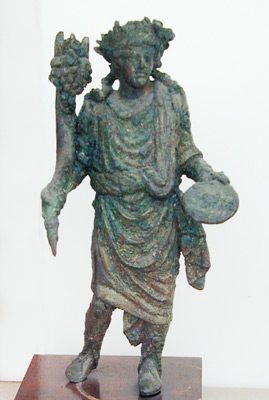
In the realm of Roman mythology, the concept of Penates holds a significant place. The Penates were regarded as household gods, protectors of the pantry and the home. They were deeply intertwined with the daily lives of the Romans, representing the vital essence of domesticity and family welfare. Unlike the grander gods of Olympus, the Penates were more personal, reflecting the values and traditions of the Roman people. Their presence was felt in every home, emphasizing the importance of the family unit and the sanctity of the household.
The Role of Penates in Roman Religion
The Penates played a crucial role in the religious practices of ancient Rome. They were worshipped alongside the Lares, another set of deities associated with the household. Together, the Penates and Lares formed a divine duo that safeguarded the home and its inhabitants. Romans believed that honoring these gods would bring prosperity and protection to their families. Rituals and offerings were made to appease the Penates, ensuring their favor and support in daily life.
 Diana
DianaWorship of the Penates was often conducted at a small altar located in the home, known as the lararium. This sacred space was adorned with images or representations of the Penates, along with other household deities. Families would gather around the lararium to offer prayers, food, and incense, seeking blessings for health, fertility, and abundance. The act of honoring the Penates reinforced the bond between family members and instilled a sense of unity and shared purpose.
Origins and Historical Significance
The origins of the Penates can be traced back to ancient Roman traditions, where they were thought to have evolved from earlier Italic deities. Over time, the Penates became associated with the concepts of fertility and agriculture, reflecting the agrarian lifestyle of early Romans. The emphasis on these aspects highlights the connection between the divine and the practical needs of everyday life. As Rome expanded and evolved, the Penates retained their significance, adapting to the changing cultural landscape.
Historical accounts suggest that the Penates were originally connected to the worship of the ancestors. This connection underscores the importance of lineage and family heritage in Roman society. As the Roman Empire grew, the Penates became more than just household gods; they represented the very foundation of Roman identity. Their influence extended beyond individual homes, symbolizing the strength and continuity of the Roman state.
 Jupiter
Penates in Literature and Art
The Penates have been referenced in various works of Roman literature, showcasing their importance in the cultural narrative of the time. Poets and writers often invoked the Penates in their works, highlighting their role as guardians of the home and family. For instance, the epic poet Virgil mentions the Penates in his famous work, the Aeneid, where they are depicted as guiding and protecting Aeneas on his journey. This illustrates how the Penates were not only integral to domestic life but also played a part in the grand tales of heroism and adventure.
In addition to literature, the Penates were also represented in various forms of art. Statues, paintings, and mosaics often depicted these deities, emphasizing their significance in Roman culture. Artistic representations of the Penates typically portrayed them as benevolent figures, radiating warmth and protection. These artworks served as reminders of the divine presence within the home and the importance of honoring the gods who safeguarded family life.
Rituals and Offerings
The rituals associated with the Penates were an essential aspect of Roman domestic life. Families would perform daily offerings to the Penates, which often included food, wine, and incense. These offerings were a way to express gratitude and seek continued protection and blessings. The act of making these offerings reinforced the family’s commitment to their household gods and their desire for harmony and prosperity.
 Pluto
PlutoSpecial occasions, such as family celebrations and festivals, were also marked by elaborate rituals dedicated to the Penates. During these events, families would gather to share meals and partake in communal prayers, invoking the blessings of their household gods. The rituals often included the recitation of prayers and the sharing of stories that highlighted the family’s history and connection to their ancestors. Such practices not only honored the Penates but also strengthened familial bonds and traditions.
Penates and the Concept of Home
The Penates epitomize the Roman understanding of home and family. In Roman culture, the home was not merely a physical space but a sacred entity where family life unfolded. The Penates, as guardians of the home, represented the essence of this sacredness. Their presence within the household signified the importance of maintaining a harmonious environment, where love, respect, and tradition thrived.
Moreover, the Penates were believed to influence the prosperity of the household. Romans understood that a well-cared-for home, with the Penates honored and respected, would lead to a fruitful life. This belief fostered a deep connection between the family and their environment, encouraging practices that promoted sustainability and care for their surroundings. The idea that the Penates were responsible for the well-being of the household reinforced the importance of responsible living and stewardship.
The Penates in Modern Context
Today, the legacy of the Penates can still be felt in various aspects of modern life. The concept of household gods has evolved, but the underlying principles of family, protection, and prosperity remain relevant. Many cultures around the world continue to honor ancestral spirits and deities, reflecting a universal desire for connection to one’s roots and heritage. The idea of creating a sacred space within the home, much like the lararium of ancient Rome, persists in contemporary practices.
Furthermore, the teachings of the Penates resonate with modern values of family unity and the importance of nurturing relationships. As people navigate the complexities of life, the emphasis on creating a supportive and loving home environment remains a timeless aspiration. In this way, the Penates serve as a reminder of the enduring significance of family and the sacredness of the home.
the Penates hold a unique and vital place within Roman mythology. They embody the values of family, protection, and domestic harmony, serving as a reminder of the importance of nurturing our homes and relationships. Through rituals, literature, and art, the Penates have left an indelible mark on Roman culture, influencing the way we understand the concepts of home and family even today. Their legacy continues to inspire individuals to honor their roots, cherish their families, and create spaces that foster love and connection.