 WORLD
WORLD
Mythical monsters
Articles about Mythical monsters within Creatures & Spirits.
Last articles
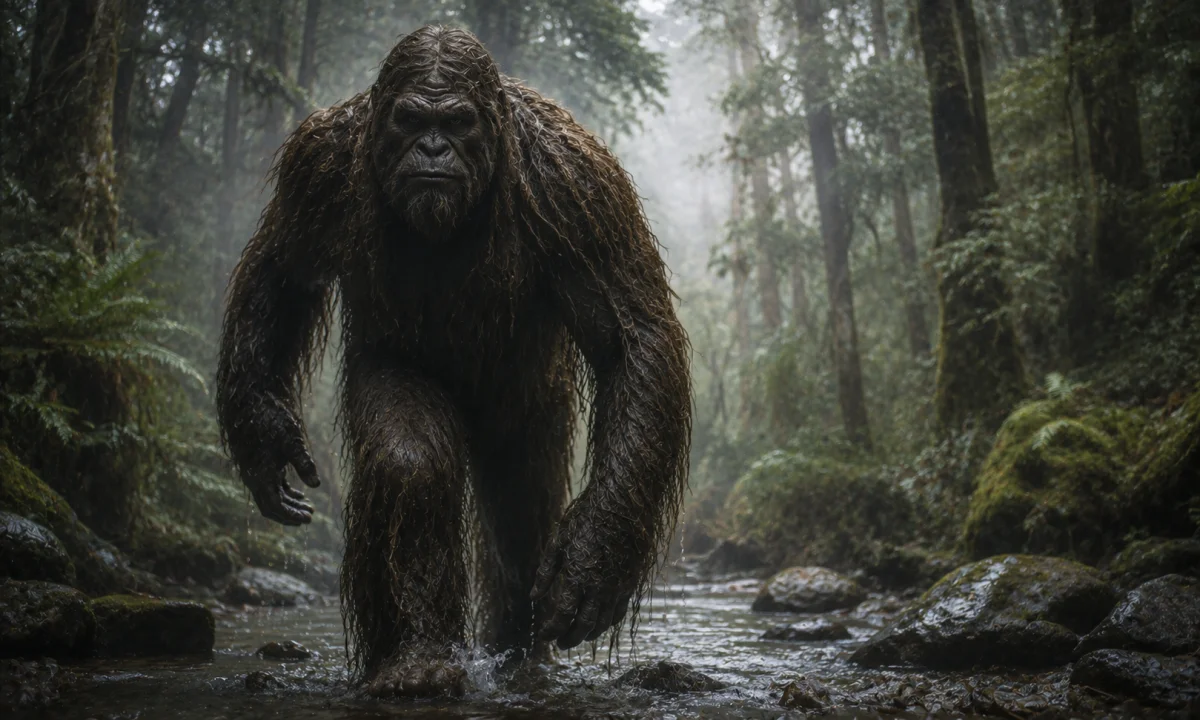
Yowie
The yowie is a figure of Australian folklore commonly described as a large, hairy, human-like creature living in forests, mountains and other remote country. In modern popular culture, the name usually refers to an Austr…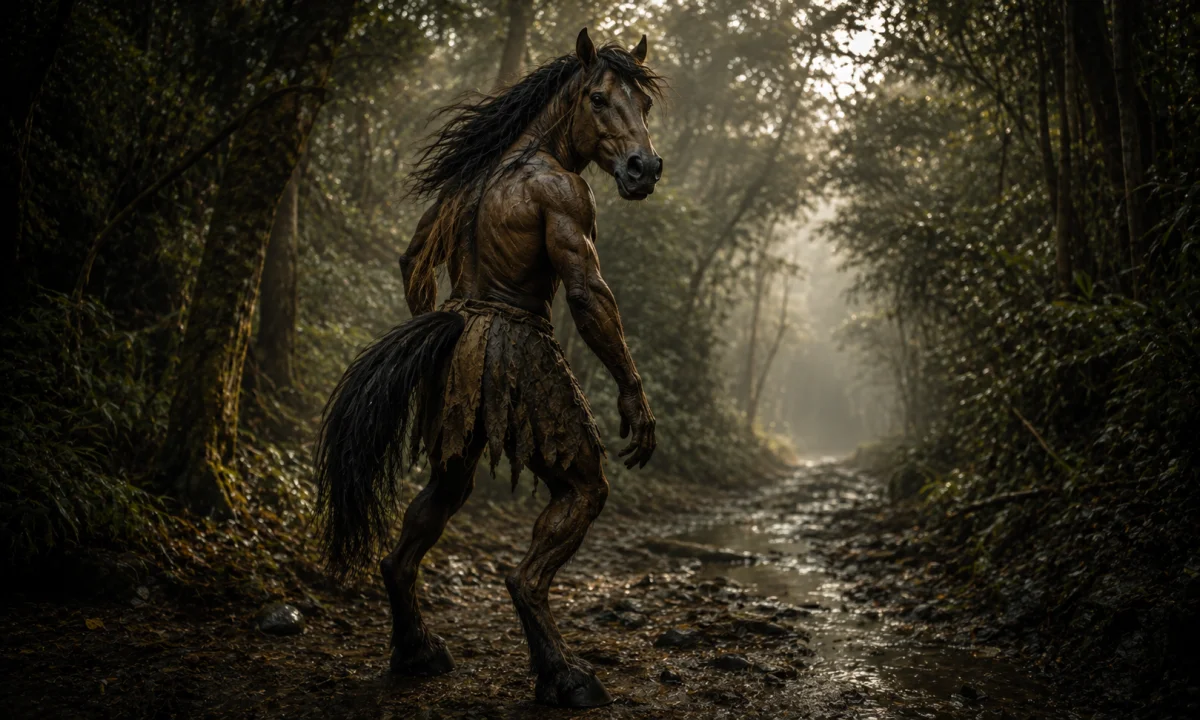
Tikbalang
Tikbalang is a legendary being of Filipino folklore, especially associated with forests, mountains, remote paths and other places at the edge of ordinary human settlement. It is commonly described as a tall, thin humanoi…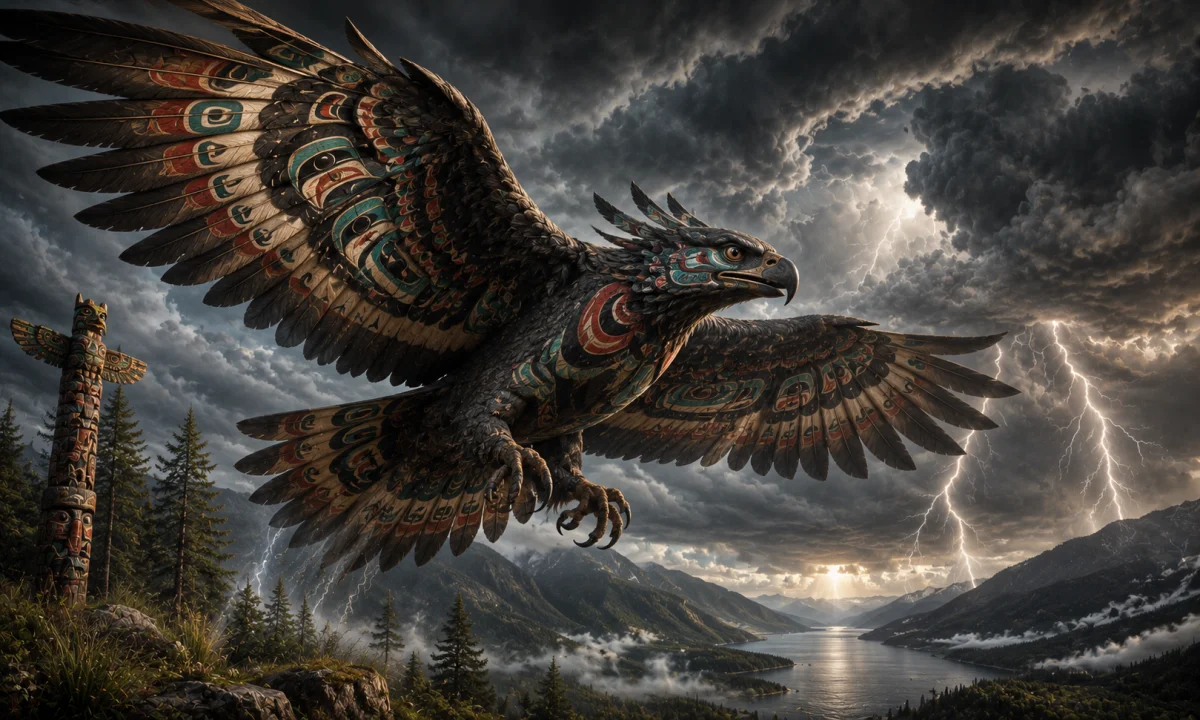
Thunderbird
The Thunderbird is a powerful supernatural bird or bird-like being found in the traditional religious and cultural traditions of several Indigenous peoples of North America. It is not a single creature with one universal…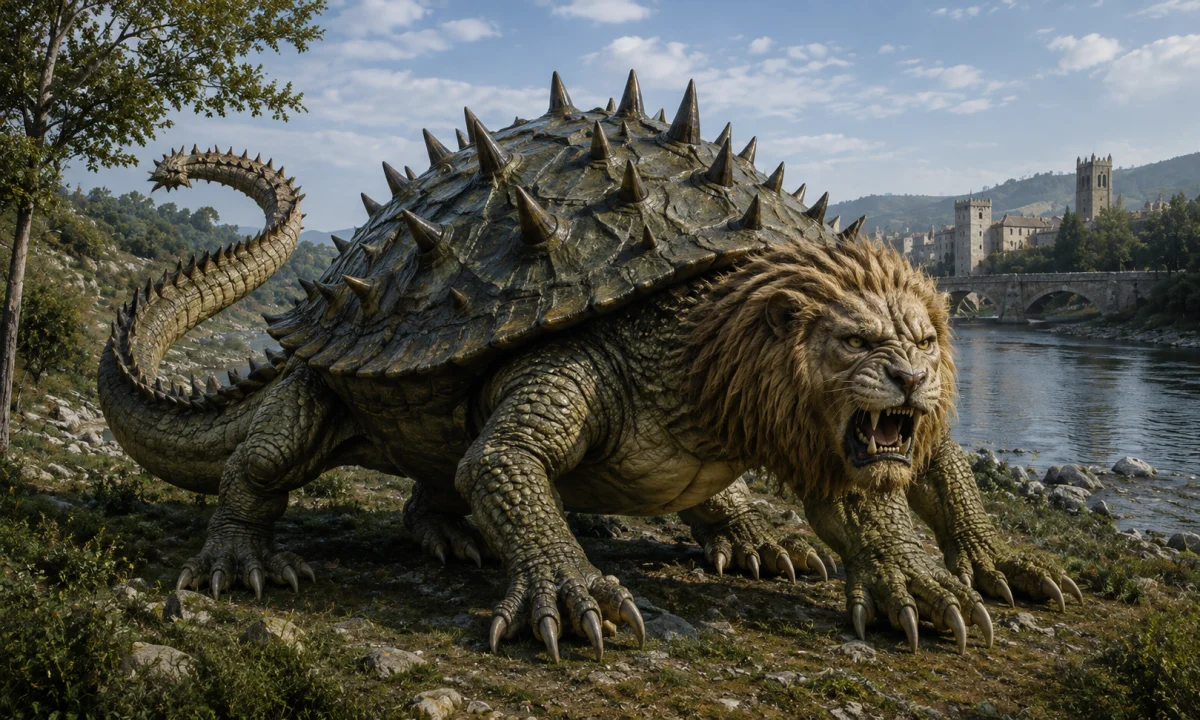
Tarasque
The Tarasque is a legendary monster associated with Provence in southern France, especially the town of Tarascon on the Rhône. In Christian legend, it was a dangerous beast that lived near the settlement of Nerluc until …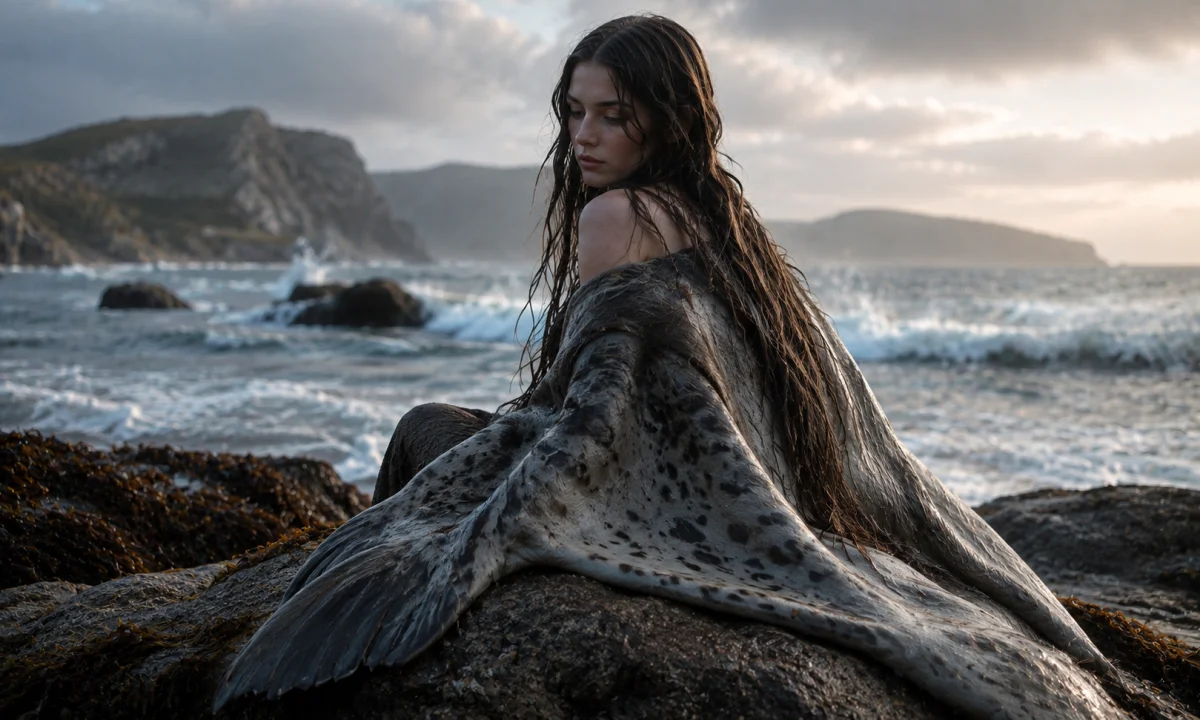
Selkie
Selkies are shape-shifting seal people from the folklore of the Northern Isles of Scotland, especially Orkney and Shetland. In their animal form they resemble ordinary seals; on land, they may remove a magical seal skin …
Rokurokubi
Rokurokubi is a Japanese yōkai, or supernatural being of folklore, traditionally described as a person whose neck can stretch to an unnatural length. In many stories, the creature appears human by day but reveals its nat…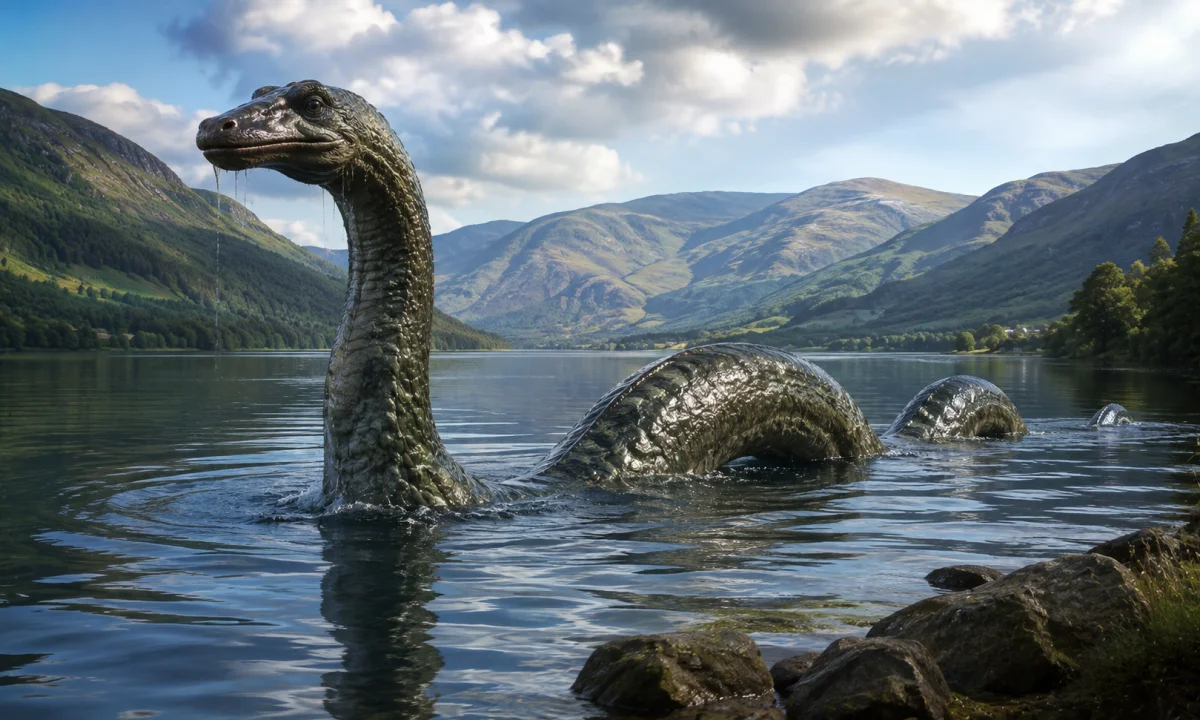
Ogopogo
Ogopogo is the name commonly given to a legendary lake creature associated with Okanagan Lake in British Columbia, Canada. In modern popular culture it is usually portrayed as a long, serpentine “lake monster,” but the o…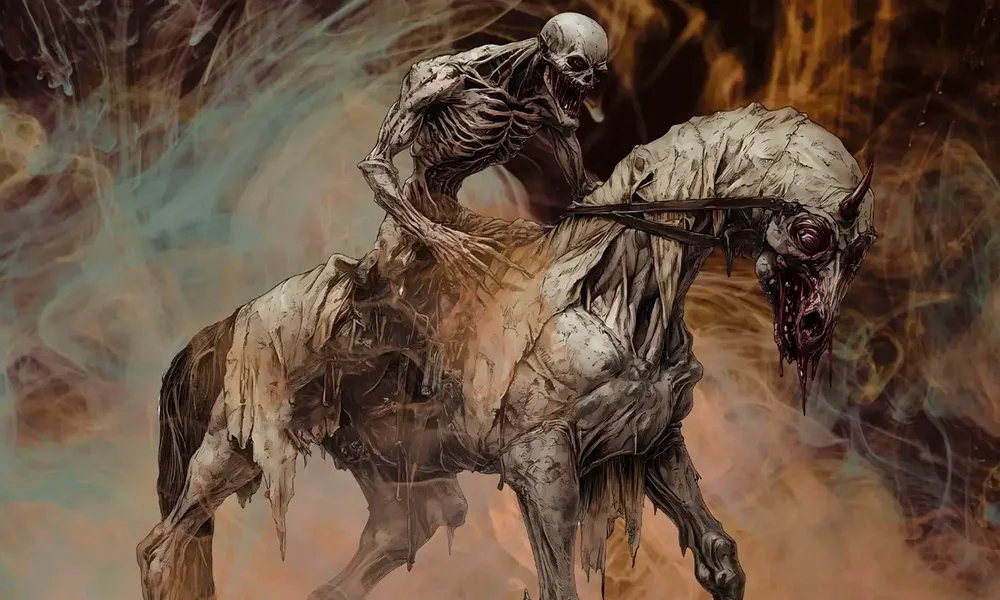
Nuckelavee
The Nuckelavee is one of the most frightening beings in the folklore of Orkney, the island group north of mainland Scotland. It is usually described as a skinless, horse-like monster with a human torso joined to its back…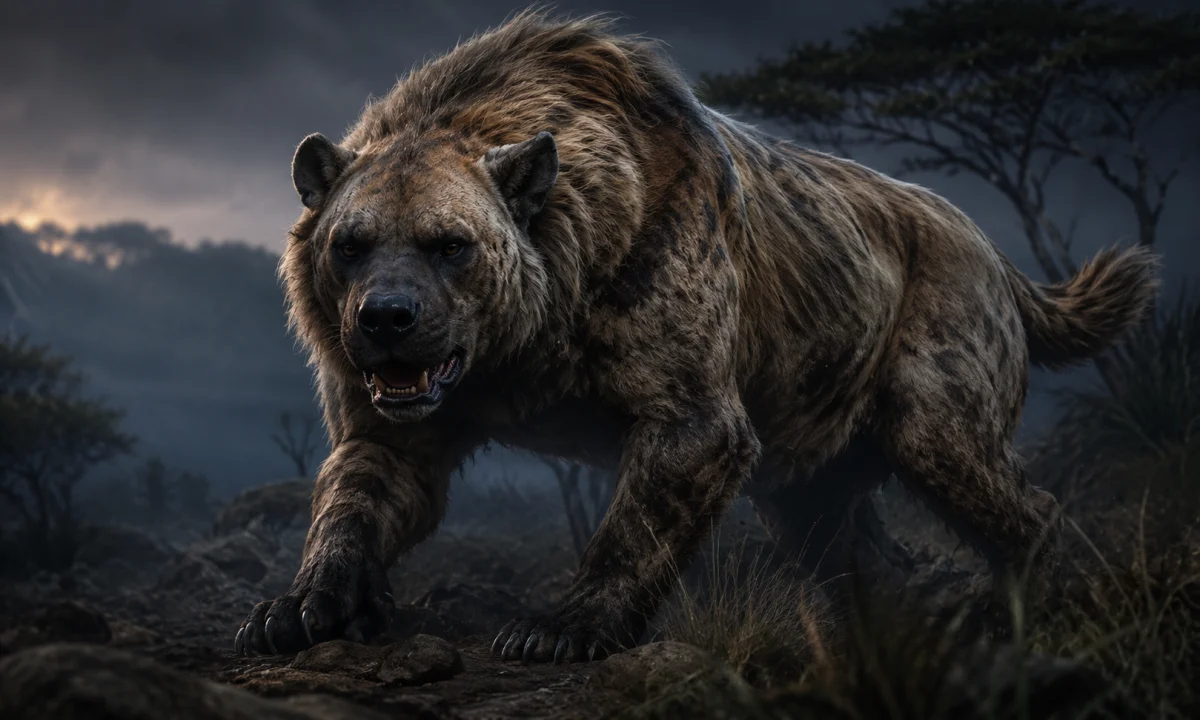
Nandi Bear
The Nandi bear is a legendary animal associated chiefly with western Kenya and the Nandi people of the Kalenjin-speaking region. It is usually described as a large, powerful, bear-like creature that attacks livestock and…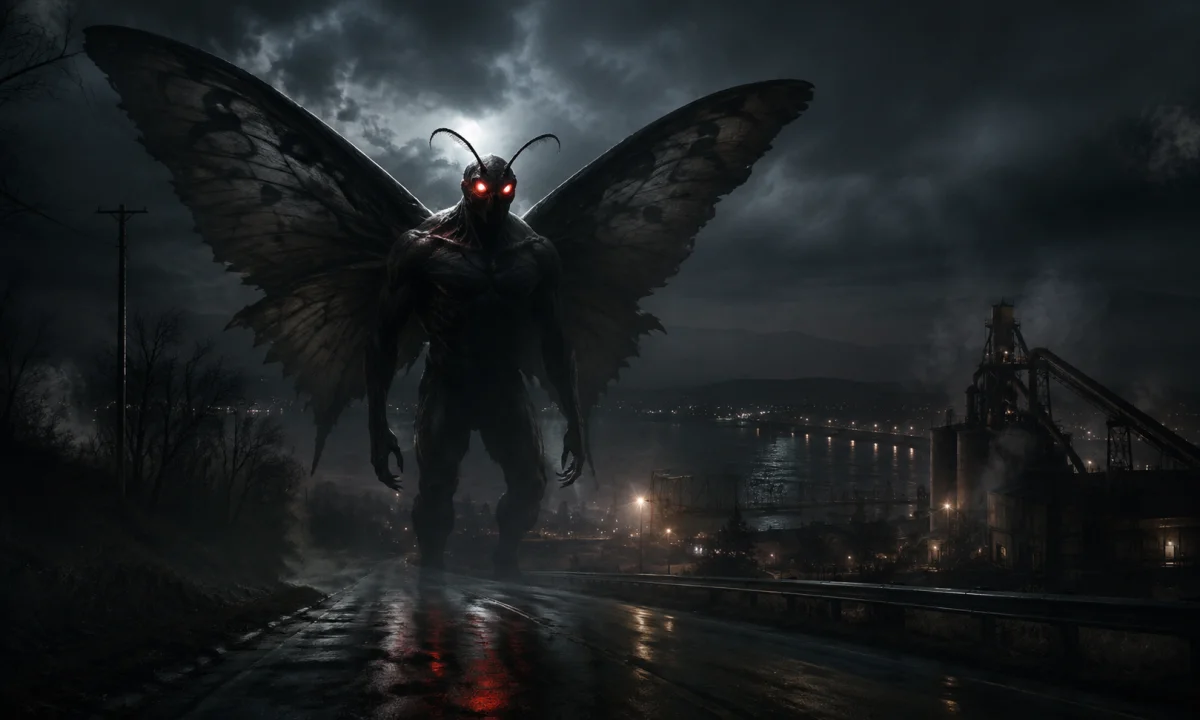
Mothman
Mothman is a modern American legendary creature associated chiefly with Point Pleasant, West Virginia, and the surrounding Ohio River Valley. Reports of a large, winged humanoid with glowing red eyes began there in Novem…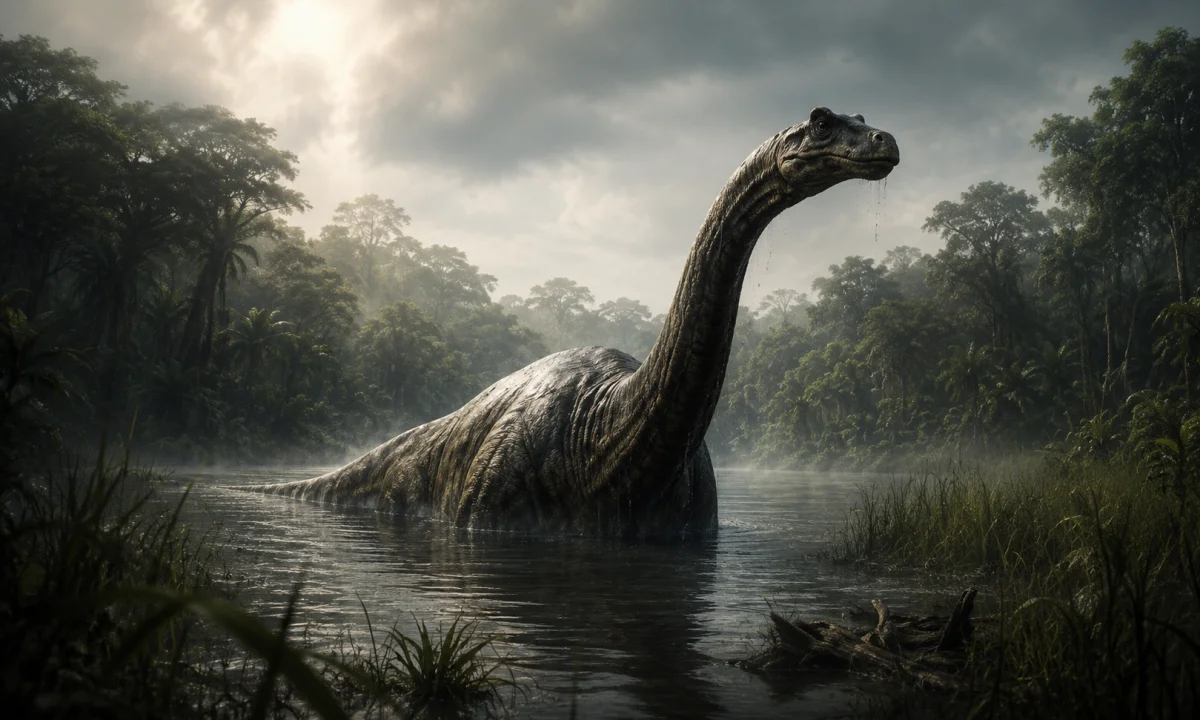
Mokele-Mbembe
Mokele-Mbembe is the name most often given to a legendary creature said to inhabit the rivers, swamps and remote forests of the Congo Basin in Central Africa. In modern popular culture it is usually portrayed as a living…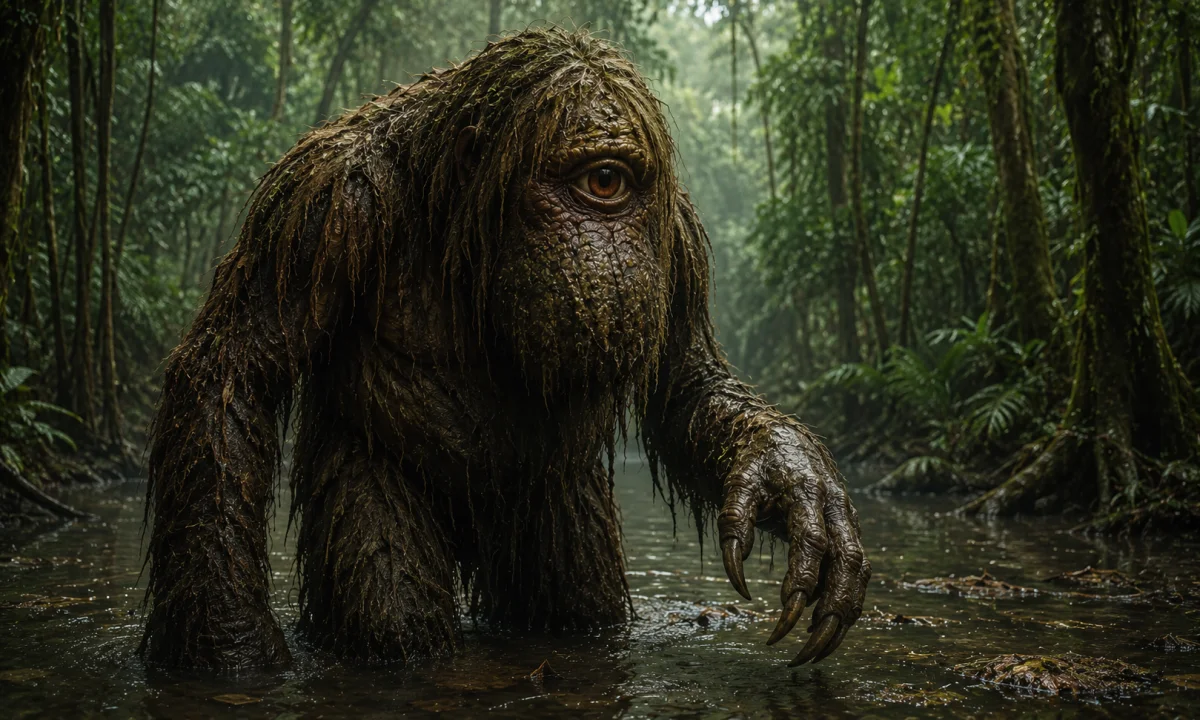
Mapinguari
Mapinguari is a feared forest monster associated with Amazonian folklore, especially traditions from the Brazilian Amazon and neighbouring parts of the wider rainforest region. Stories describe it as a large, powerful be…Mythical monsters: myths, traditions and legends
Mythical monsters are extraordinary beings whose bodies, powers or behaviour place them outside the ordinary human and animal worlds. They appear in sacred narratives, heroic epics, folklore, religious art and later literature across many cultures. Some threaten communities, guard forbidden places, embody destructive forces or test heroes. Others protect sacred boundaries, punish wrongdoing or represent powers that cannot be classified as simply good or evil. The modern word monster is a broad comparative label rather than a universal category used by every tradition.
Creatures described as monsters may originally have been gods, spirits, ancestors, transformed humans, dangerous animals or inhabitants of another realm. Their identities depend on the cultural settings in which they appear. A serpent defeated by a storm god, a wilderness guardian, a flesh-eating revenant and a hybrid creature carved on a temple are not automatically members of one coherent supernatural species. Their similarities may support comparison, but they do not prove shared origins or direct historical influence.
Meaning and boundaries
The English word monster derives from a Latin term connected with signs, warnings and extraordinary appearances. In later European usage, it came to describe beings whose form violated expected natural order. Modern fantasy often treats monsters as biological species with fixed abilities, but traditional narratives rarely classify them so systematically.
A mythical monster may be defined by appearance, location, behaviour or relationship with human society. It may possess several heads, combine human and animal features, grow to enormous size, change shape or survive wounds that would kill an ordinary creature. In other cases, its body may seem normal while its appetite, origin or supernatural power marks it as dangerous.
The category overlaps with demons, giants, dragons, ghosts, spirits and legendary animals. These labels should not be treated as interchangeable. A demon normally belongs to a particular religious understanding of harmful spiritual beings, while a monster may be physical, divine, ancestral or morally ambiguous. Giants can be enemies, ancestors or members of an older cosmic order rather than monsters in every story.
Sources and transmission
Knowledge of mythical monsters comes from many types of evidence. Ancient epics and sacred texts preserve encounters between heroes, gods and destructive beings. Temple reliefs, pottery, sculpture, manuscripts and protective objects reveal how creatures were visualised. Oral traditions and folklore collections record regional beings that may never have appeared in formal religious literature.
Each source has limitations. A creature depicted in art may lack a surviving name, while a written description may use symbolic language rather than provide a literal portrait. Medieval authors sometimes transformed pre-Christian beings into demons, and colonial collectors often translated unfamiliar figures through European categories such as ogre, devil or fairy.
Popular summaries frequently combine details from sources separated by centuries. A monster may acquire a standard appearance only after later artists select one version and repeat it. When names, forms or powers vary, no single account should automatically be treated as definitive.
Monsters and the creation of order
Many traditions place monstrous beings at the beginning of the world. They may represent primordial waters, chaos, uncontrolled fertility or powers older than the present divine order. Creation then requires their defeat, division or confinement.
In Mesopotamian tradition, the Babylonian creation epic describes the god Marduk defeating Tiamat and forming the ordered world from her divided body. Tiamat is associated with the primeval sea, but modern portrayals of her as a standard dragon simplify the literary and religious complexity of the source.
Greek tradition describes Zeus and the Olympian gods overcoming Titans and other threatening beings during struggles for cosmic rule. The many-headed Typhon challenges Zeus and is eventually defeated. These conflicts establish sovereignty, but the defeated beings are not merely wild animals; they belong to competing generations and structures of divine power.
Norse narratives similarly describe the gods constructing the world from the body of the primordial being Ymir. Although often called a giant, Ymir is also a source of creation. Such figures demonstrate that monstrosity can be linked with origin and necessary transformation rather than simple wickedness.
Serpents, dragons and cosmic enemies
Serpent-like monsters appear in many regions, but the modern category of dragon combines creatures with very different histories. Some are winged and fire-breathing, while others are aquatic, horned, many-headed or connected with rain and fertility.
In Greek mythology, Heracles fights the many-headed Hydra, whose severed heads can regenerate. Apollo defeats Python at Delphi, and Perseus confronts a sea creature sent against Andromeda. These monsters occupy different narrative roles and should not be treated as variations of one Greek dragon species.
In Norse mythology, Jörmungandr encircles the human world and is destined to fight Thor at Ragnarök. The serpent is a cosmic threat, but also part of the structure of the present world. Its removal belongs to the destruction and renewal of the cosmos.
East Asian dragons often have associations with water, weather, authority and auspicious power that differ from the hostile dragons of much later European literature. Translating both through the same English word can conceal major cultural distinctions.
Hybrid bodies and unstable categories
Many mythical monsters combine parts of different beings. Their hybrid forms cross boundaries between human, animal and divine categories. This may express danger, sacred power, foreignness or the inability of ordinary classification to contain them.
The Greek Chimera combines features commonly described as lion, goat and serpent. The Sphinx possesses a human head and an animal body, but Greek and Egyptian sphinx traditions differ in appearance and meaning. The Greek Sphinx is associated especially with a deadly riddle, while Egyptian sphinxes commonly express royal and protective power.
Centaur traditions combine human and horse bodies. Some centaurs are violent and disruptive, while Chiron is wise, civilised and associated with teaching and healing. This variation shows that a hybrid body does not determine one fixed moral nature.
Mesopotamian and Egyptian art also contains composite guardians placed at gates, palaces and temples. Modern viewers may call them monsters because of their unusual anatomy, but their original role could be protective and authoritative rather than hostile.
Monsters at the edge of the world
Mythical geography often places dangerous beings beyond cultivated land, outside city walls, beneath the sea, inside mountains or at the entrances to other worlds. These locations mark boundaries between order and uncertainty.
Greek epics position creatures such as Scylla and Charybdis along hazardous sea routes. The Cyclopes inhabit spaces outside ordinary political society, although their character differs between Homeric and later traditions. Medieval maps likewise placed strange peoples and animals at the imagined edges of the known world.
Wilderness monsters can reflect genuine environmental dangers. Dense forests, deserts, swamps, mountains and deep waters contain predators, illness and disorientation. Folklore gives these dangers social form by describing beings that punish careless travel or violations of local restrictions.
Calling a being a monster can also express the perspective of the community telling the story. The creature may be considered an invader by humans while acting as a guardian of its own territory.
Guardians of treasure and sacred places
Not every monster wanders in search of victims. Many guard treasures, temples, springs, tombs or entrances to forbidden realms. Their danger protects something that should not be approached without authority, knowledge or ritual preparation.
The dragon in the Old English poem Beowulf guards a burial treasure and responds violently after an object is stolen. Its attack threatens the surrounding community, but the conflict begins with the disturbance of what it protects. The dragon’s death also brings about Beowulf’s own fatal end.
Greek myths include guardians such as Cerberus, the many-headed hound at the entrance to the underworld. Cerberus is frightening but performs a necessary function by controlling passage between the living and the dead.
Protective creatures in architecture may frighten hostile forces while defending the people within. Their monstrous form becomes a weapon against disorder rather than evidence that they are themselves evil.
Monsters, heroes and reputation
Heroes often establish their identity by defeating monsters. Such encounters separate extraordinary champions from ordinary warriors and allow them to prove courage, intelligence or divine favour.
Heracles completes several labours involving dangerous animals and supernatural creatures. Perseus kills Medusa, Theseus defeats the Minotaur and Beowulf battles Grendel. These episodes do more than display physical strength. They concern kingship, family obligation, social boundaries and the consequences of earlier wrongdoing.
The monster may also expose a hero’s limitations. Victory can require deception, assistance or forbidden knowledge. A hero may survive the creature but remain vulnerable to pride, fate or political betrayal.
Modern retellings often centre the hero and treat the monster as an obstacle without history. Traditional narratives may give the creature genealogy, motives and a place within divine or human conflict.
Medusa and the danger of later simplification
Medusa is one of the most recognisable monsters of Greek mythology. She belongs to the Gorgons and possesses a gaze capable of turning observers to stone. Perseus kills her with divine assistance and later uses her severed head as a protective weapon.
Surviving Greek sources differ concerning her origin and appearance. In some accounts, the Gorgons are monstrous from birth. A later Roman narrative by Ovid describes Medusa as a woman transformed by Minerva after an encounter with Neptune in the goddess’s temple. This influential version should not be projected backward as the only ancient tradition.
The Gorgon’s face also served an apotropaic function in Greek art, meaning that its terrifying image was used to repel danger. Medusa was therefore both a being defeated by a hero and a powerful protective symbol.
Grendel and the monstrous outsider
In Beowulf, Grendel attacks the hall of King Hrothgar and kills its inhabitants. The poem associates him with exile, hostility to communal joy and a genealogy linked with the biblical Cain. This Christian framing places him outside the human social and moral order.
Grendel’s mother seeks revenge after her son’s death. Modern descriptions often call her a hag or female monster, but the Old English language used for her is complex, and translations influence how readers interpret her status. Her actions also follow the heroic expectation of avenging a slain relative, even though the poem presents her as an enemy.
The episode demonstrates that monstrosity may be created through exclusion as well as anatomy. Grendel threatens the hall, a centre of community, gift-giving and political loyalty. His opposition to that space defines him as much as his physical form.
Ogres, cannibals and human-shaped monsters
Some monsters resemble human beings but violate fundamental social rules through cannibalism, uncontrolled appetite or cruelty. Ogres and giant man-eaters appear in folklore from many regions, although the English word ogre comes from European literary tradition and may be an imperfect translation elsewhere.
Cannibal monsters invert hospitality. Instead of feeding guests, they turn visitors into food. Their homes imitate human households while transforming domestic space into a place of danger.
Stories about such beings may teach caution, dramatise fears of famine or represent hostile outsiders. They can also reinforce prejudice when foreign peoples are portrayed as less than human. Historical accusations of cannibalism have often been used to justify conquest and exclusion, so mythological motifs should not be confused with reliable descriptions of real communities.
Monstrous women and gendered fear
Many traditions contain dangerous female beings associated with sexuality, childbirth, wilderness, death or the punishment of men. Examples include seductresses, devouring mothers, snake women and spirits who appear beautiful before revealing a terrifying form.
These figures can express anxiety about uncontrolled desire or social expectations surrounding women. However, interpreting every female monster as nothing more than male fear oversimplifies traditions in which such beings also protect children, avenge injustice or embody sacred power.
Figures such as Lamia, Lilith and various night spirits have frequently been combined in modern occult and popular writing. Their historical origins and textual development are distinct. Similar associations with infants, sexuality or the night do not make them one universal goddess or demon.
Transformation and the human monster
Some monsters begin as humans who are transformed through curses, punishment, sorcery, disease or uncontrolled desire. Their stories explore the instability of human identity and the possibility that monstrosity can emerge from within society.
Werewolf traditions provide a prominent example. Ancient, medieval and early modern sources describe several forms of human-to-wolf transformation, ranging from divine punishment to magical practice and legal accusation. The modern idea of infection through a bite and transformation under every full moon developed mainly through later fiction and film.
Revenants and vampires likewise vary greatly. Some traditions describe returning corpses associated with improper burial, unexplained illness or social anxiety. The elegant immortal vampire of modern entertainment differs from many older beings imagined as swollen, physical and connected with the grave.
Transformation narratives often ask whether the monster remains morally responsible for its actions. Different traditions answer this according to their own ideas of fate, sin, magic and personal identity.
Monsters and religious interpretation
Religious change can transform older beings into monsters or demons. A former deity, local spirit or ancestral guardian may be reclassified as hostile when a new religion becomes dominant. This process is historically specific and should not be assumed in every case.
Christian writers sometimes interpreted pagan gods and spirits as demons. Medieval saints’ lives describe holy figures defeating dragons or expelling monstrous beings from sacred landscapes. These stories express the triumph of Christian authority but may also preserve earlier local motifs.
Islamic, Jewish, Hindu, Buddhist and other religious traditions contain dangerous supernatural beings, yet their classifications differ. Calling them all monsters can erase theological distinctions between demons, jinn, spirits, divine beings and reborn creatures.
Fossils, animals and proposed origins
Scholars and popular writers have sometimes connected monster traditions with fossils, unusual animal remains or encounters with rare species. Large bones may have been interpreted as remains of giants or dragons in some historical settings, and real animals undoubtedly influenced legendary descriptions.
Such explanations must be used cautiously. A resemblance between a fossil and a mythical creature does not prove that the fossil created the tradition. Monsters often combine symbolic, religious and narrative features that cannot be explained through misidentified animals alone.
Crocodiles, snakes, whales, bears and large cats could inspire fear and storytelling, but the resulting beings belong to cultural systems rather than functioning as inaccurate zoological reports.
Political and social uses of monstrosity
The label monster is not always confined to supernatural beings. Societies have used monstrous imagery to describe enemies, criminals, foreign peoples and individuals whose bodies or behaviour were considered abnormal.
Such language creates moral distance by suggesting that the target lies outside humanity. Propaganda and colonial writing have repeatedly used stories of savagery, deformity or unnatural customs to justify violence.
Mythical monsters can therefore reveal social boundaries: who belongs, who is excluded and what forms of behaviour are considered intolerable. At the same time, later retellings may question those boundaries by presenting the monster as misunderstood, oppressed or more ethical than the supposed hero.
Medieval bestiaries and moral symbolism
Medieval European bestiaries combined descriptions of real and legendary animals with Christian moral interpretation. Creatures such as dragons, unicorns, phoenixes and manticores appeared beside lions, elephants and birds.
These works were not scientific zoological manuals in the modern sense. Animal behaviour and monstrous anatomy could illustrate spiritual lessons about Christ, sin, temptation or virtue. A creature’s symbolic meaning often mattered more than direct observation.
Later readers sometimes treated bestiary descriptions as evidence that medieval people universally believed every creature existed exactly as written. Belief was more varied, and authors often inherited material from older texts without personal verification.
Modern fantasy, horror and games
Modern entertainment has transformed mythical monsters into recognisable species with standard appearances, strengths and weaknesses. Role-playing games, fantasy novels and films classify creatures for narrative and gameplay purposes, often combining material from unrelated traditions.
These adaptations have fixed popular images of trolls, vampires, gorgons, dragons and other beings. Details invented by one influential novel or film may later be mistaken for ancient folklore.
Contemporary stories also increasingly present events from the monster’s perspective. The creature may become a tragic survivor, defender of its habitat or victim of human aggression. This reversal can illuminate older narratives, but it remains a modern reinterpretation unless supported by the traditional source.
Mythical monsters endure because they give form to danger, disorder, forbidden knowledge and the uncertainty beyond familiar boundaries. Their bodies and stories change as cultures redefine what is natural, human, sacred or threatening, leaving each creature inseparable from the tradition that first gave it meaning.