
In Roman mythology, the Manes are considered the spirits of the deceased. They represent the souls of the ancestors who have passed away and are often associated with the underworld. The belief in the Manes was integral to Roman culture, as it reflected the importance of honoring one’s ancestors and maintaining a connection with the past. Romans believed that these spirits could influence the living and that they required proper rituals and offerings to ensure their peace in the afterlife. This connection to the Manes highlights the significance of family and lineage in Roman society.
The Nature of the Manes
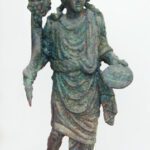 Penates
The Manes were viewed as benevolent spirits, unlike the more fearsome deities of the underworld, such as Pluto and Proserpina. They were seen as guardians of the family and protectors of the home. Romans believed that the Manes could intervene in the lives of the living, offering guidance or protection. Because of this, families often included the Manes in their daily prayers and rituals, seeking their favor and assistance. The belief in these spirits created a sense of continuity between the past and present, allowing families to feel connected to their ancestors.
Additionally, the Manes were thought to reside in a place called the Underworld, specifically in a realm known as the Fields of Elysium or the Elysian Fields. This was a peaceful and idyllic place where the souls of the righteous could enjoy eternal happiness. The Manes were believed to transition to this realm after death, where they could rest and be free from earthly troubles. This concept provided comfort to the living, as it suggested that their loved ones were in a better place after passing away.
The Role of Rituals and Offerings
To honor the Manes, Romans performed various rituals and made offerings. These practices were essential for maintaining a good relationship with the spirits. Families would prepare special meals and leave them at the graves of their ancestors, believing that the Manes would enjoy the food. This act of sharing food symbolized a bond between the living and the dead. The Romans understood that these offerings were not only a sign of respect but also a way to ensure that the spirits were satisfied and would not cause harm to the living.
 Diana
Diana- Libations: Romans often poured out wine or other liquids as a tribute to the Manes. This act was meant to refresh the spirits and show gratitude.
- Festivals: Special festivals, such as Parentalia, were dedicated to honoring the Manes. During these times, families would gather to remember their ancestors and participate in communal rituals.
- Funerary Practices: Proper burial rites were crucial for the Manes. Romans believed that if a body was not buried correctly, the spirit would be restless and could haunt the living.
In addition to these practices, Romans also maintained household shrines called lararia, where they would honor the Manes alongside other household gods, known as Lares. These shrines served as a focal point for daily prayers and offerings, reinforcing the family’s connection to their ancestors. By incorporating the Manes into their daily lives, Romans ensured that their spirits remained a part of their family’s legacy.
The Manes in Literature and Art
The concept of the Manes has been depicted in various forms of Roman literature and art. Writers like Virgil and Ovid explored themes of death and the afterlife, often referencing the Manes in their works. These literary references highlight the cultural significance of the spirits and their role in shaping Roman beliefs about death and the afterlife. The Manes were not just abstract concepts; they were integral to the way Romans understood their world and their place within it.
In art, the Manes were often represented in funerary reliefs and mosaics. These artworks served to commemorate the deceased and illustrate their connection to the Manes. Scenes depicting the deceased being welcomed by their ancestors in the afterlife were common, emphasizing the idea of family continuity and the importance of honoring one’s lineage. Such artistic expressions were not only a way to remember the dead but also to reinforce the beliefs surrounding the Manes in Roman culture.
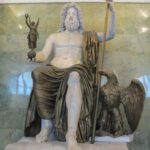 Jupiter
The Influence of the Manes on Roman Society
The belief in the Manes significantly influenced Roman society and its values. The emphasis on honoring ancestors fostered a strong sense of familial duty and respect for tradition. Romans were expected to care for their family members, both living and deceased, ensuring that their legacies lived on. This cultural norm created a society deeply rooted in family ties and ancestral respect, shaping social interactions and community structures.
Moreover, the Manes played a role in the political landscape of Rome. Leaders and politicians often invoked the favor of the Manes to gain support from the populace. By honoring the spirits of the ancestors, they sought to establish legitimacy and reinforce their authority. This connection to the past was a powerful tool in political discourse, allowing leaders to appeal to the values and traditions that defined Roman identity.
The Manes and Their Connection to Other Beliefs
The concept of the Manes also shares similarities with beliefs in other cultures. For instance, in Greek mythology, the idea of ancestral spirits is reflected in the Agamemnon and the Underworld narratives. Both cultures placed great importance on honoring the dead and maintaining a connection with them. This commonality suggests that the reverence for ancestors is a universal theme, transcending cultural boundaries.
Furthermore, the Manes can be compared to the Shades in Greek mythology, who were the spirits of the deceased. Like the Manes, Shades required proper burial rites and offerings to ensure their peace in the afterlife. This parallel indicates that the Romans, influenced by Greek culture, adopted and adapted these beliefs, creating a unique interpretation that fit their societal values.
The Decline of the Manes in Later Roman Culture
Despite this decline, the legacy of the Manes continued to influence Roman culture. Elements of their beliefs were integrated into early Christian practices, particularly in the way that the deceased were honored. The idea of praying for the souls of the departed, a common Christian practice, can be seen as a continuation of the reverence that the Romans had for the Manes. This adaptation highlights the enduring nature of these beliefs, even as the cultural landscape shifted dramatically.
The Manes are a fascinating aspect of Roman mythology, representing the spirits of the deceased and the importance of honoring one’s ancestors. Through rituals, offerings, and artistic expressions, the Romans maintained a strong connection to their past, reflecting their values and beliefs. While the significance of the Manes has diminished over time, their influence remains evident in the way that cultures continue to honor and remember the deceased. The study of the Manes offers valuable insights into the complexities of Roman society and its enduring legacy.