WORLD

All articles
Explore all published articles about mythology, folklore, gods, heroes, spirits and legendary creatures.
Last articles
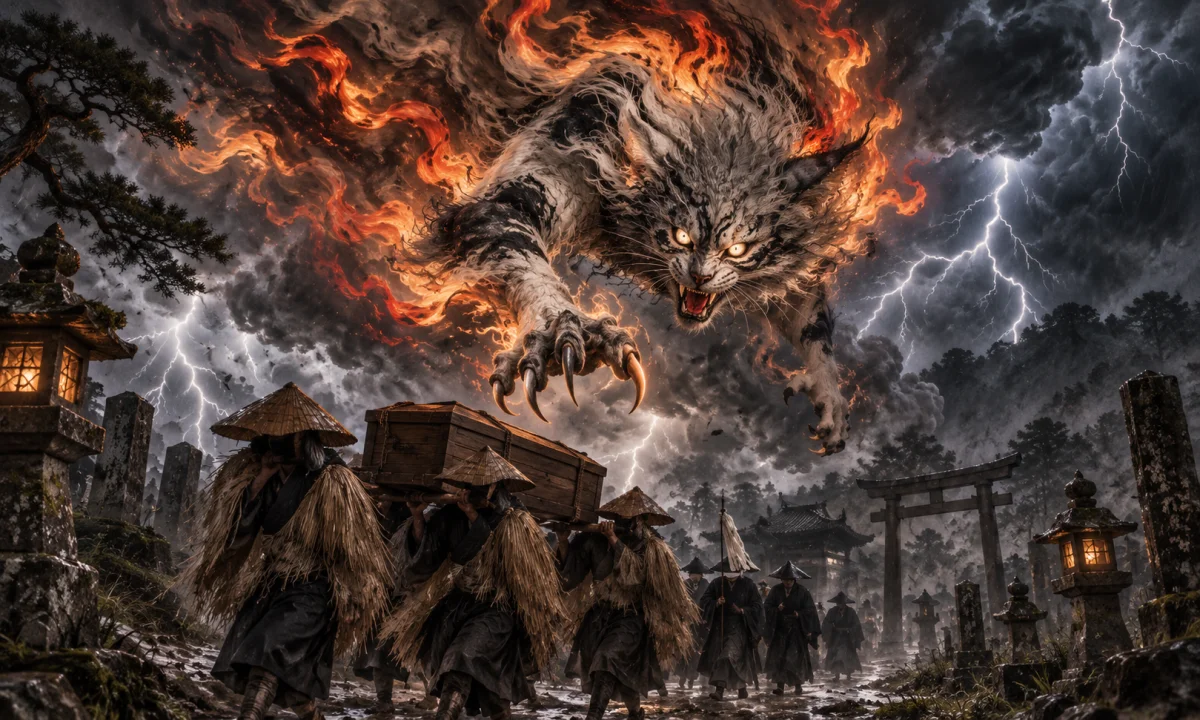
Kasha
Kasha (火車, commonly read kasha) is a frightening being associated with Japanese Buddhist folklore and tales of the dead. Its name means “fire cart” or “fiery vehicle.” In traditional stories, a kasha descends during a fu…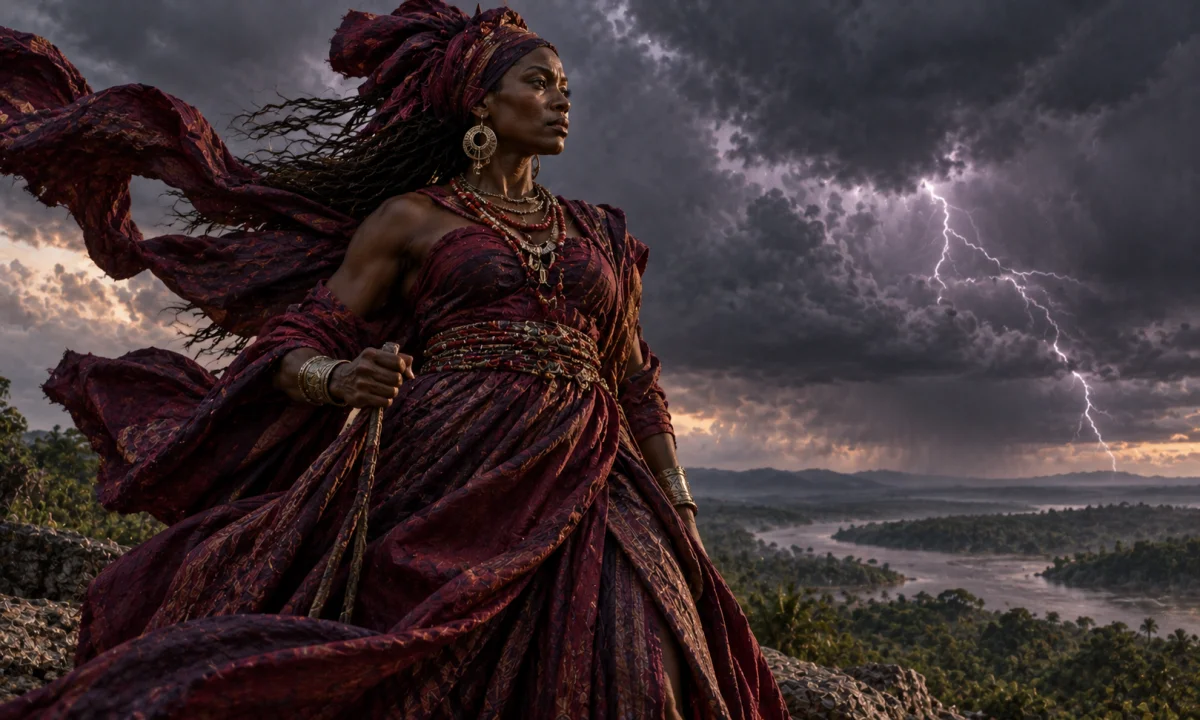
Oya
Oya is a major òrìṣà in Yoruba religious tradition, associated especially with wind, sudden change, storms, transformation and the boundary between the living and the dead. Her name is also written Ọ̀ya, while related tr…
Albunea
Albunea is a prophetic female figure associated with Roman Italy, the waters of the Anio River and the ancient town of Tibur, now Tivoli. She is described in different traditions as a nymph of a sacred spring, a local go…
Kuu
Kuu is the Finnish word for the Moon and, in discussions of Finnish mythology, may refer either to the celestial body itself or to a personified lunar power. It is sometimes presented in modern summaries as a Finnish moo…
Belphegor
Belphegor is a demon of Christian demonology whose name ultimately derives from Baal-Peor, a deity or cult title mentioned in the Hebrew Bible. The figure known in later European demonology is not simply identical with t…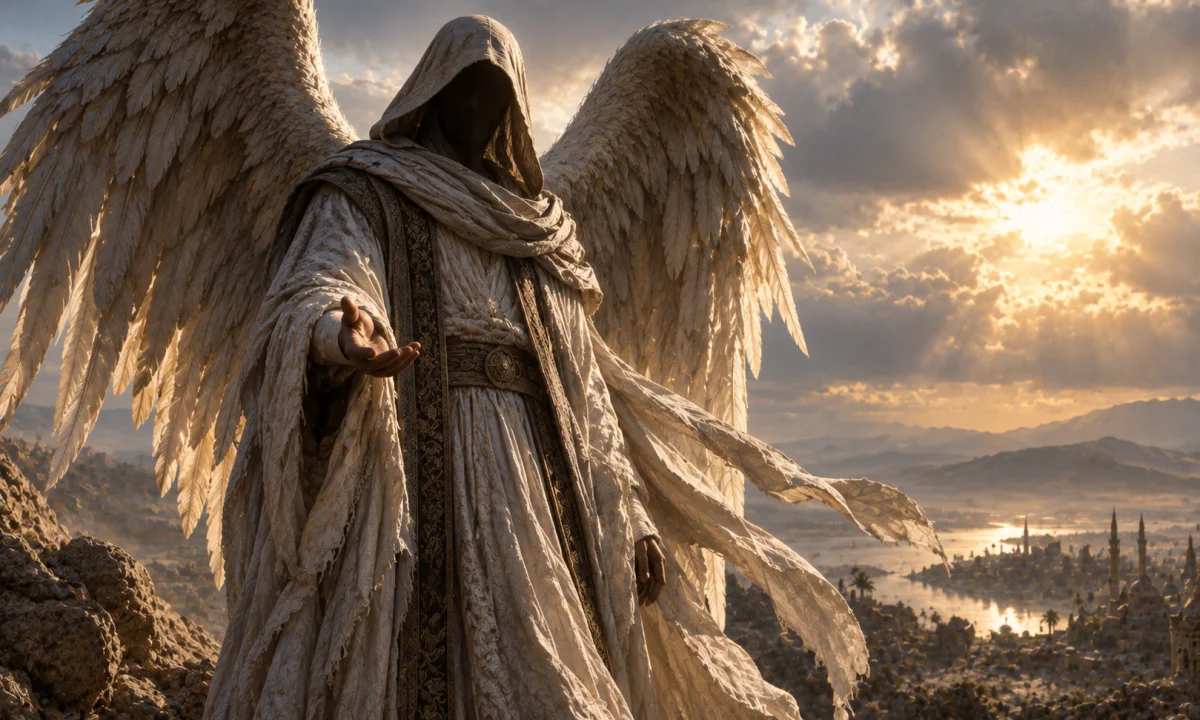
Azrael
Azrael is the name commonly given to the angel of death in Islamic tradition. In Arabic, the name is usually written ʿAzrāʾīl or ʿIzrāʾīl, while “Azrael” is a familiar English form. His principal role is to receive or ta…
Aroonoona
Aroonoona is a little-known name associated with Polynesian mythology, but its identity is uncertain. Unlike major figures such as Tangaroa, Māui, Tāne, or Hina, Aroonoona is not securely documented across a broad, recog…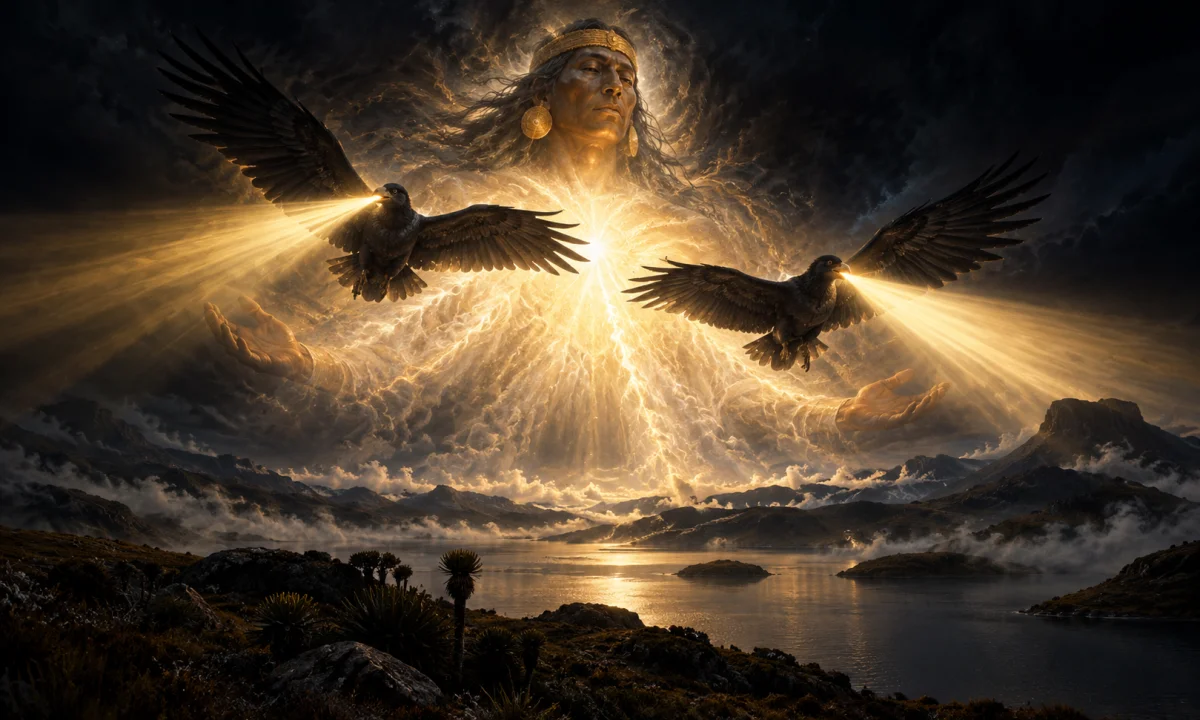
Chiminigagua
Chiminigagua is a creator figure in the traditional religious worldview of the Muisca, an Indigenous people of the northern Andes whose historical homeland lay mainly on the high plateau of present-day central Colombia. …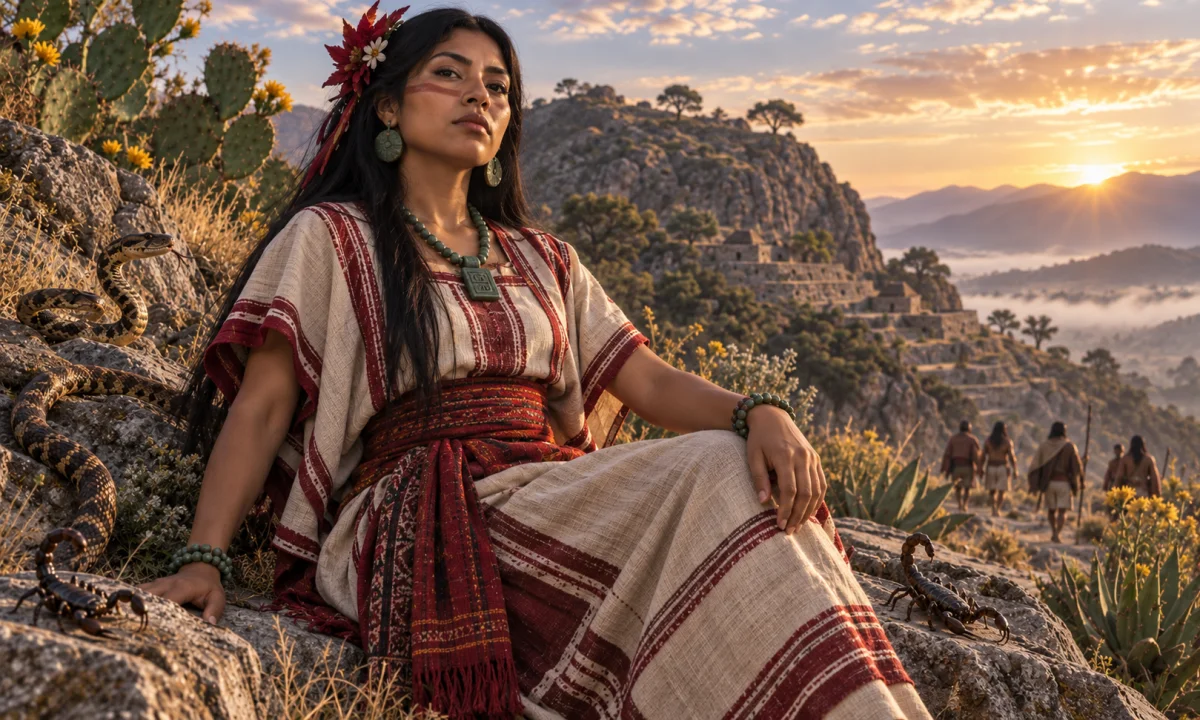
Malinalxochi
Malinalxochi, also written Malinalxochitl or Malinalxoch, is a female figure associated with Mexica, commonly called Aztec, migration traditions. She is usually presented as the sister of Huitzilopochtli, the Mexica patr…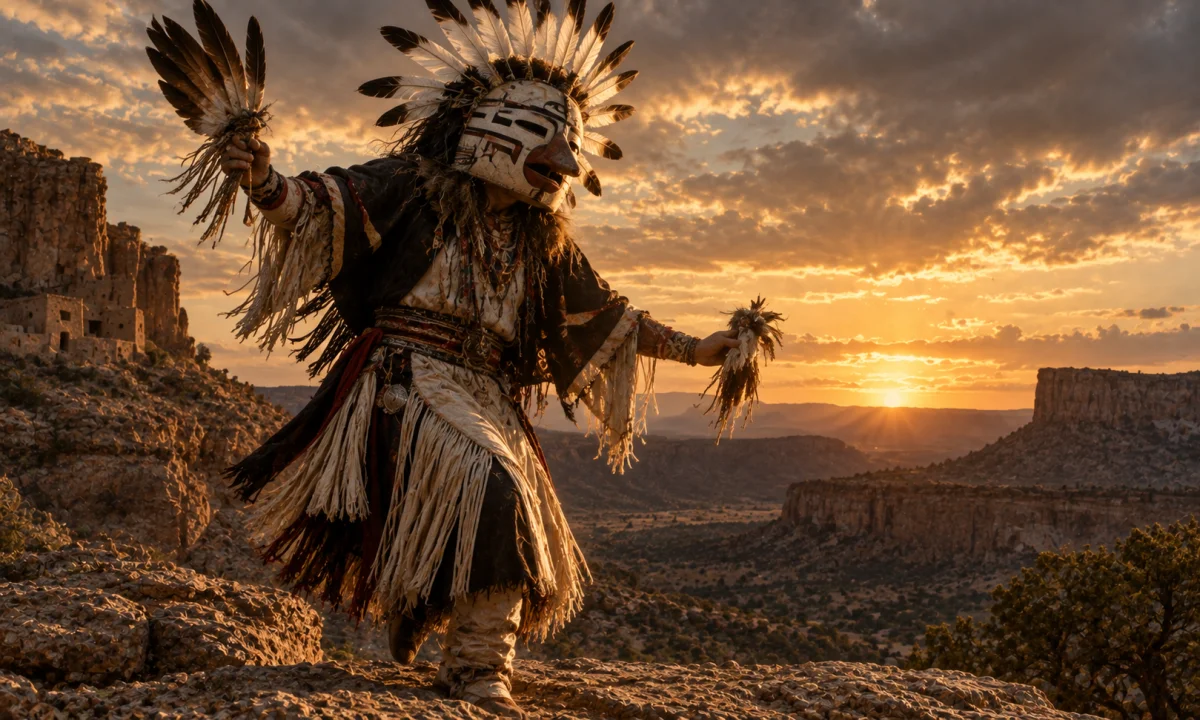
Hototo
Hototo is a name associated with a katsina—often written “kachina” in English—within Hopi religious and ceremonial traditions of northern Arizona. Hototo is not one of the universally standardized figures of Hopi mytholo…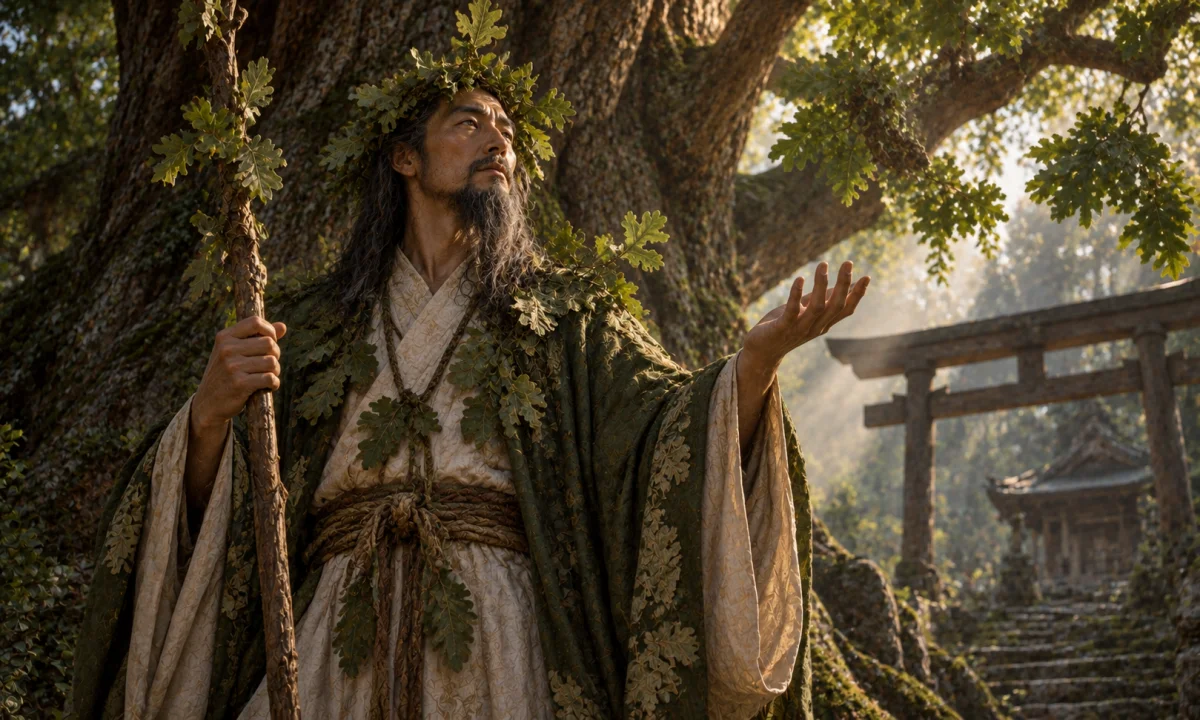
Kashiwa-no-kami
Kashiwa-no-kami is best understood as a Japanese tree kami associated with the kashiwa, usually identified with the daimyo oak (Quercus dentata) or, in some contexts, with oak trees more generally. The name can be transl…