 WORLD
WORLD
Yoruba mythology
Articles about Yoruba mythology within Africa.
Last articles
Age
Agé is a name associated in some accounts with a Yoruba divinity or spirit of hunting, the forest and wild animals. The figure is not as consistently documented or widely worshipped as major Yoruba òrìṣà such as Ògún, Ọ̀…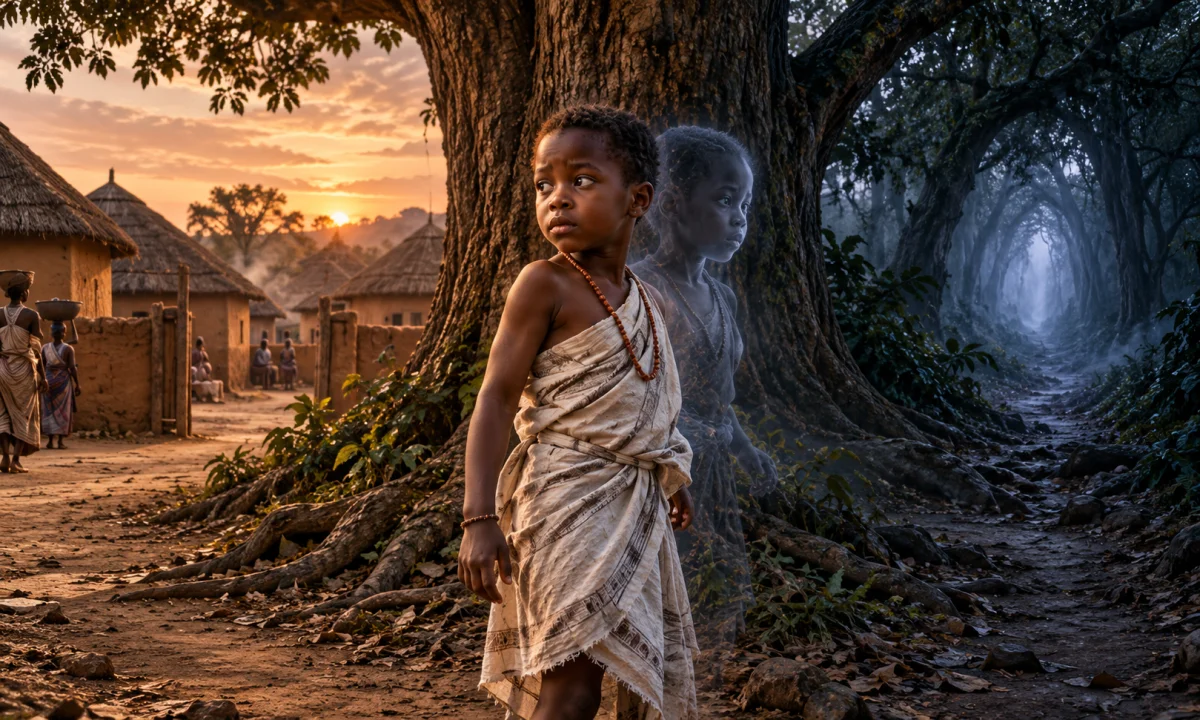
Abiku
Abiku is a concept in Yoruba religious tradition concerning a child believed to move repeatedly between the human world and the spirit world. The Yoruba term is commonly written àbíkú, often translated as “born to die” o…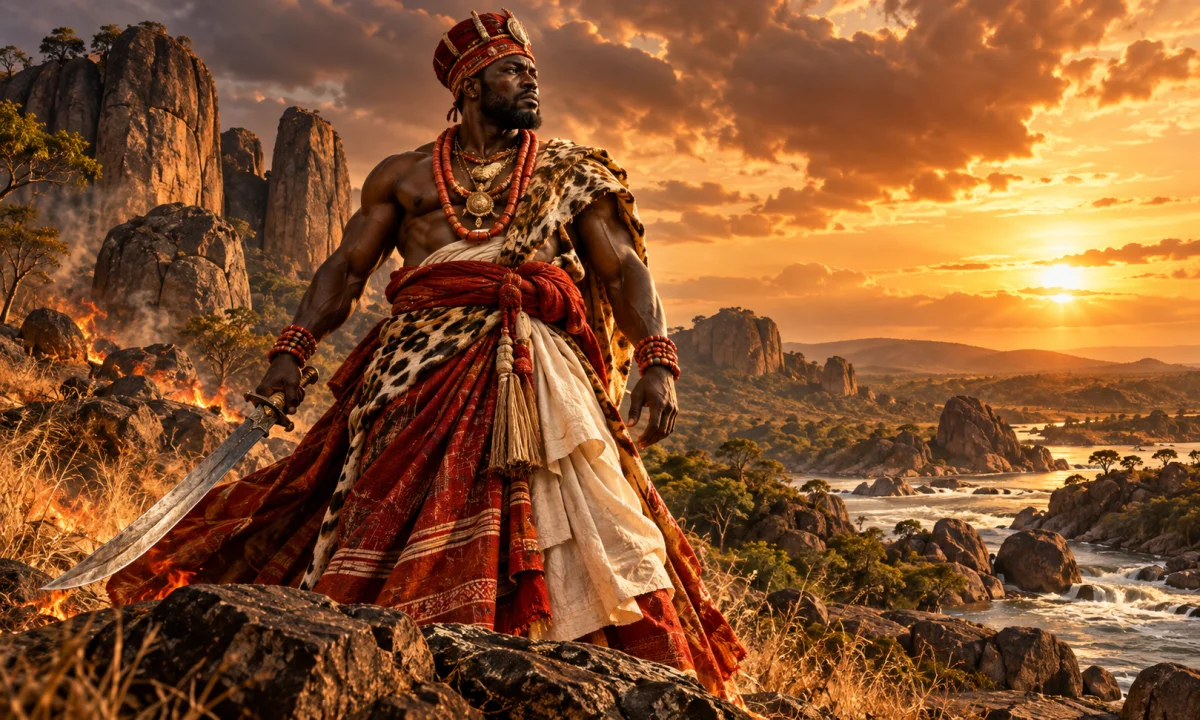
Aganju
Aganju, also written Aganjú or Agayú in some West African and African-diaspora traditions, is an orisha associated with powerful natural forces, difficult landscapes and the strength required to cross them. He belongs to…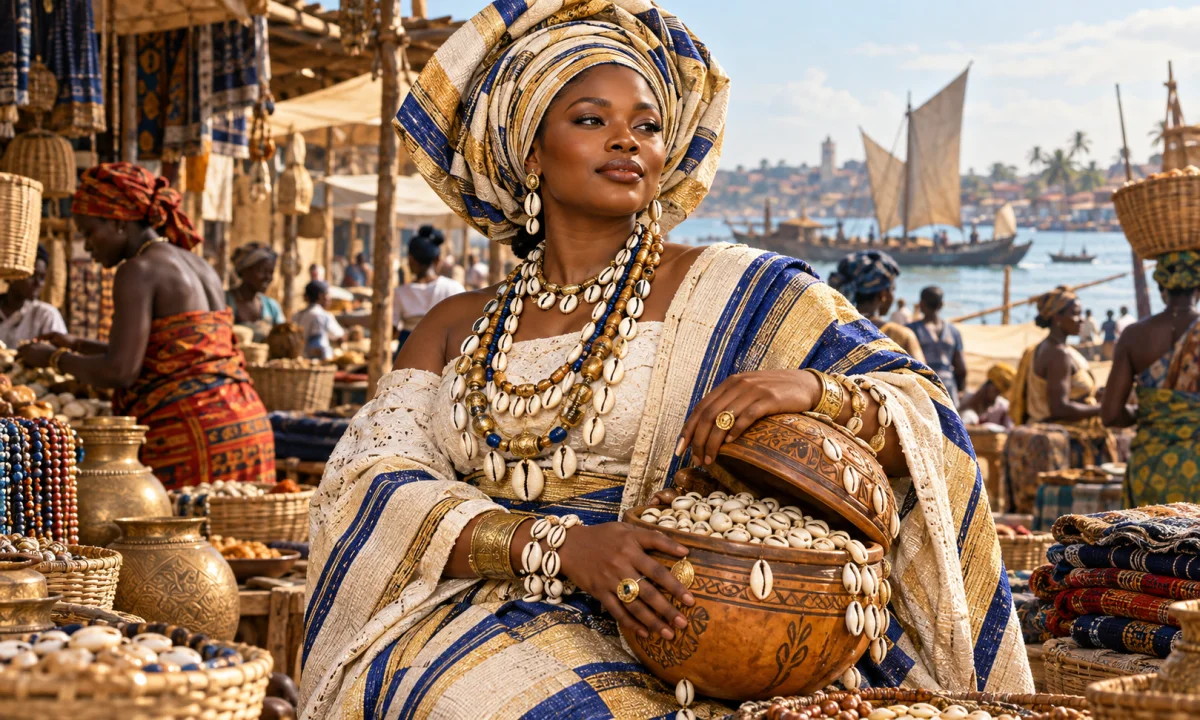
Aje Shaluga
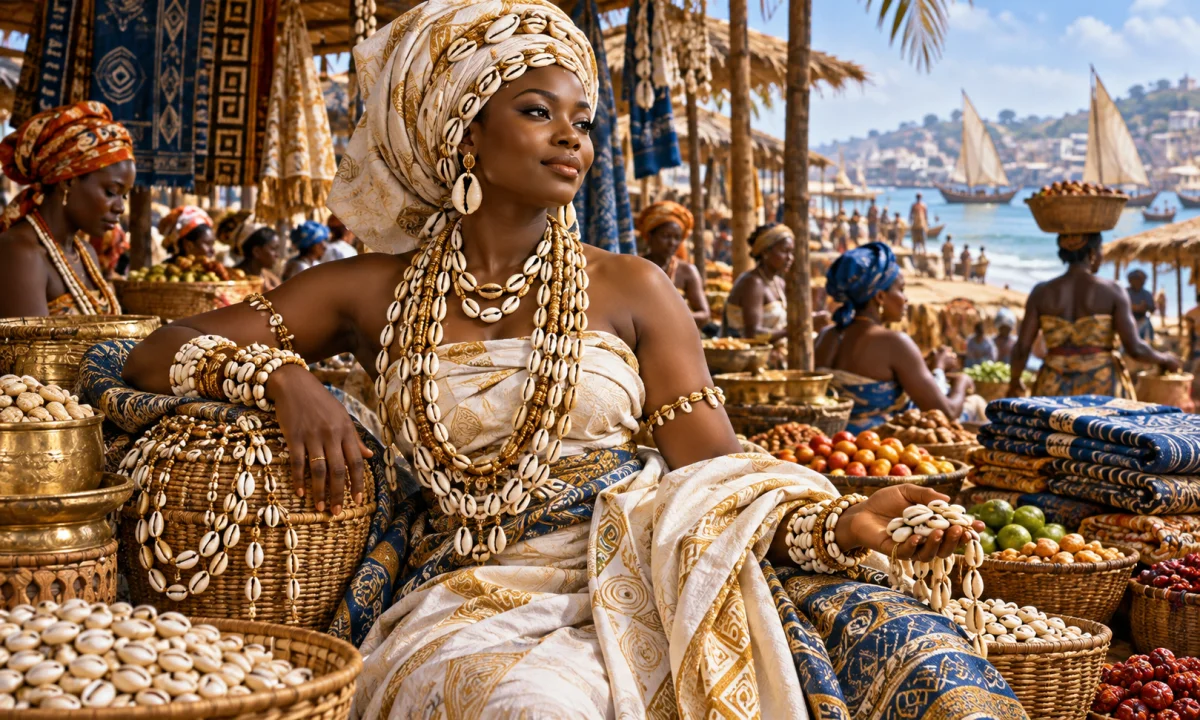
Àjẹ́ Ṣàlùgá, often written in English as Aje Shaluga or Aje Saluga, is a figure associated in Yoruba religious thought with wealth, prosperity, commerce and the circulation of valuable goods. The spelling and the extent …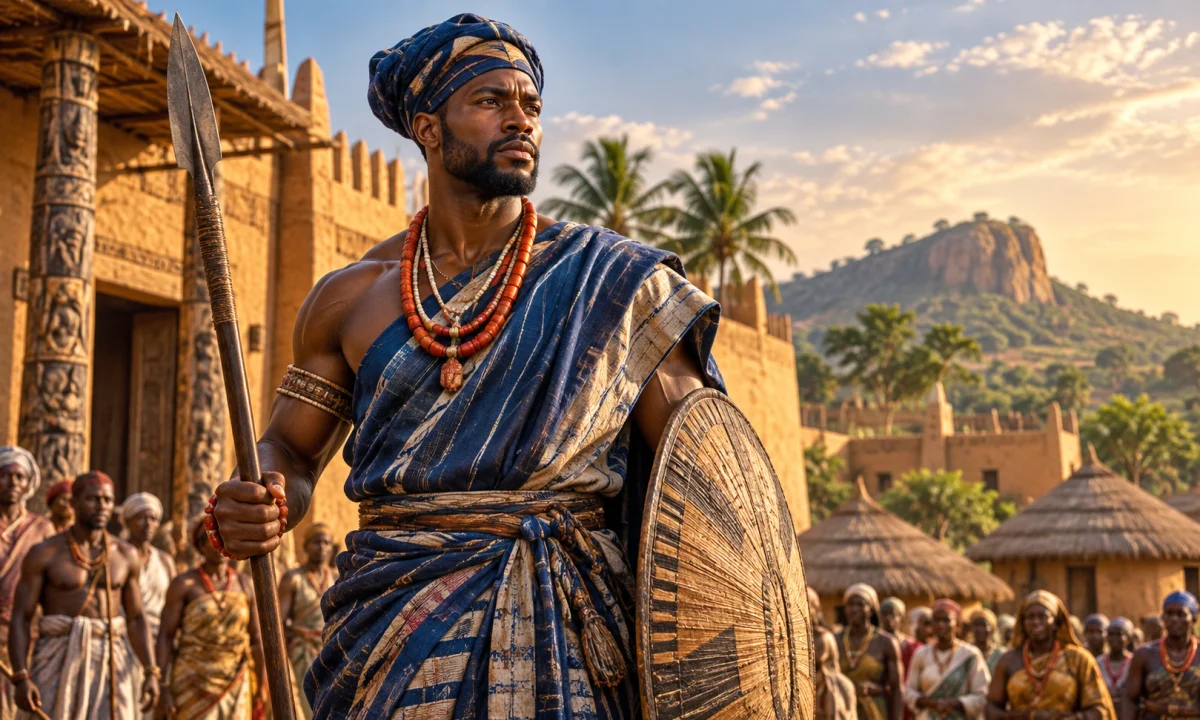
Bayani
Bayani—also written Bayanni, Bàyànì, or in related forms such as Dada-Bayanni—is a relatively regional figure in Yoruba religious tradition. The name is especially associated with the royal and ritual culture of Oyo, the…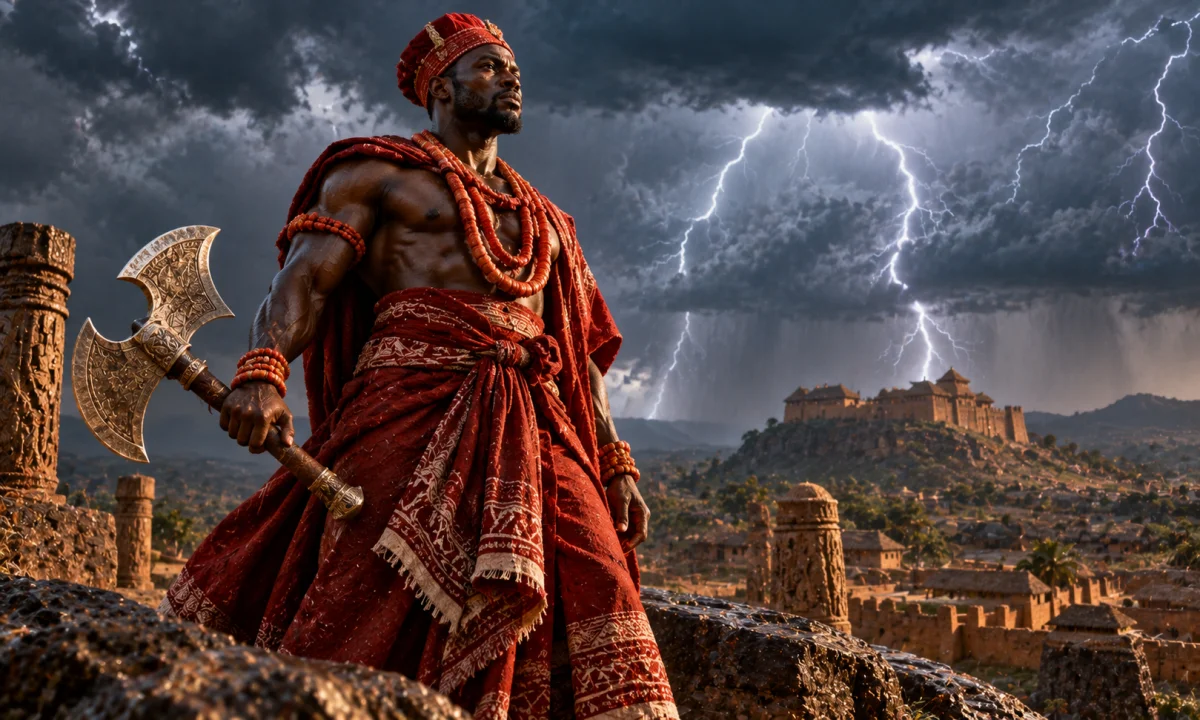
Shango
Shango, written more precisely in Yoruba as Ṣàngó, is one of the most important òrìṣà—sacred powers or deities—in Yoruba religious tradition. He is chiefly associated with thunder, lightning, fire, political authority, c…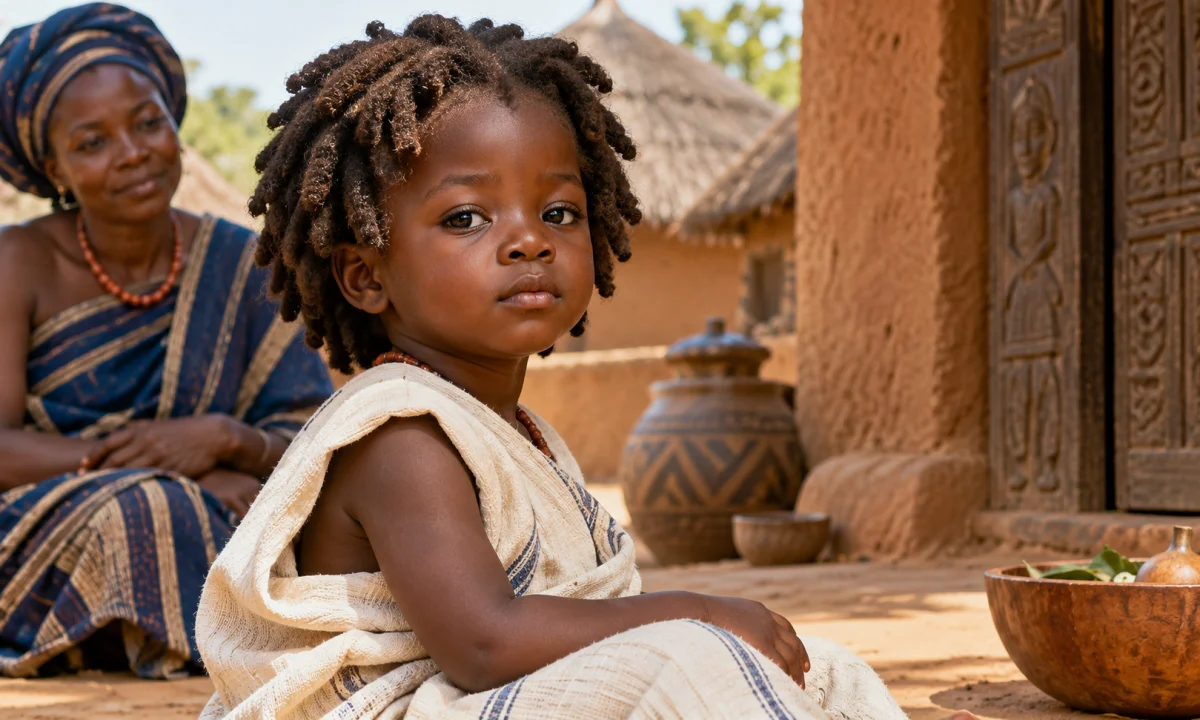
Dada
Dada is a figure associated with Yoruba religious tradition, especially with children born with unusually thick, naturally matted or tightly curled hair. In different Yoruba accounts, Dada is described as an òrìṣà connec…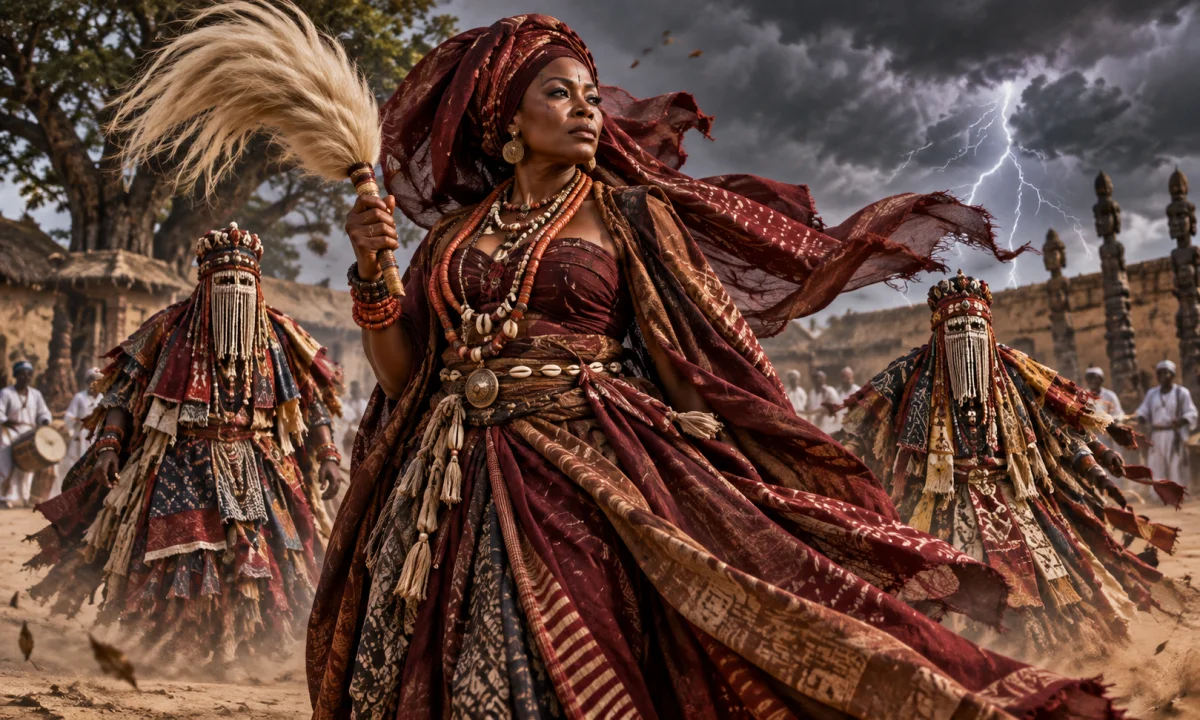
Egungun-oya
Egungun-oya is a name associated with Yoruba ancestral masquerade and with Ọ̀ya, the orisha linked in many Yoruba traditions with wind, storms, change, and the boundary between the living and the dead. The name does not …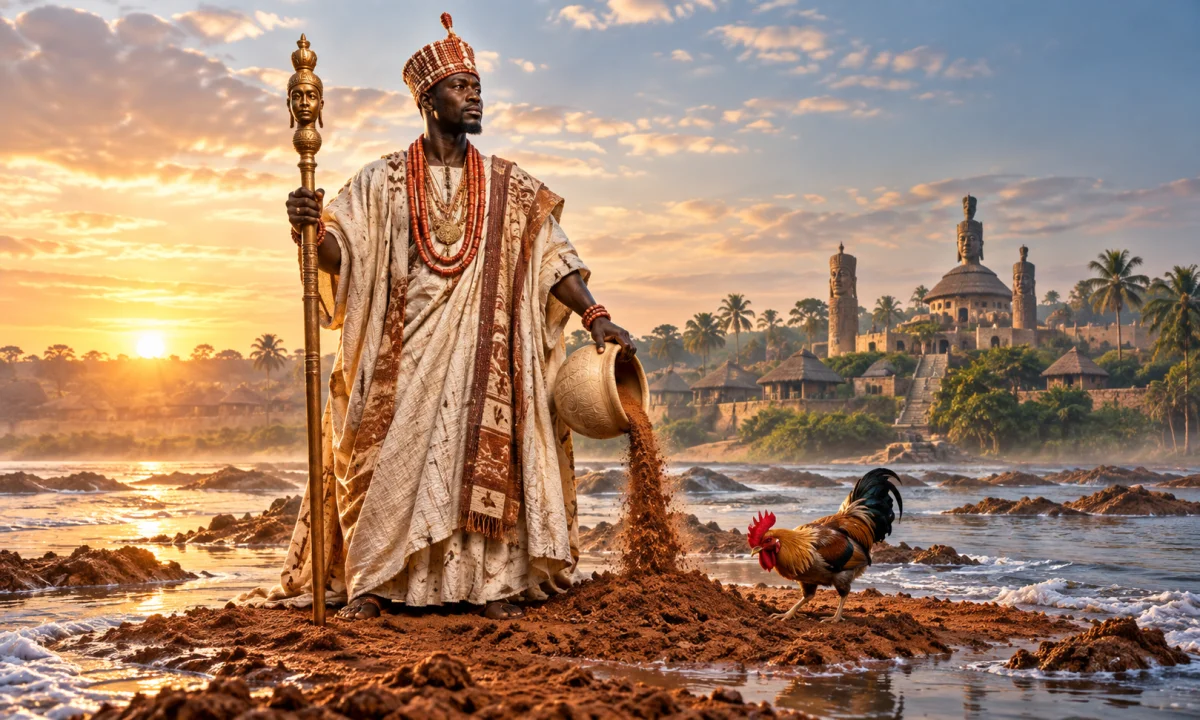
Oduduwa
Oduduwa is a major ancestral and sacred figure in Yoruba tradition, especially in the origin traditions of Ilé-Ifẹ̀, the ancient Yoruba religious and cultural centre in present-day southwestern Nigeria. Depending on the …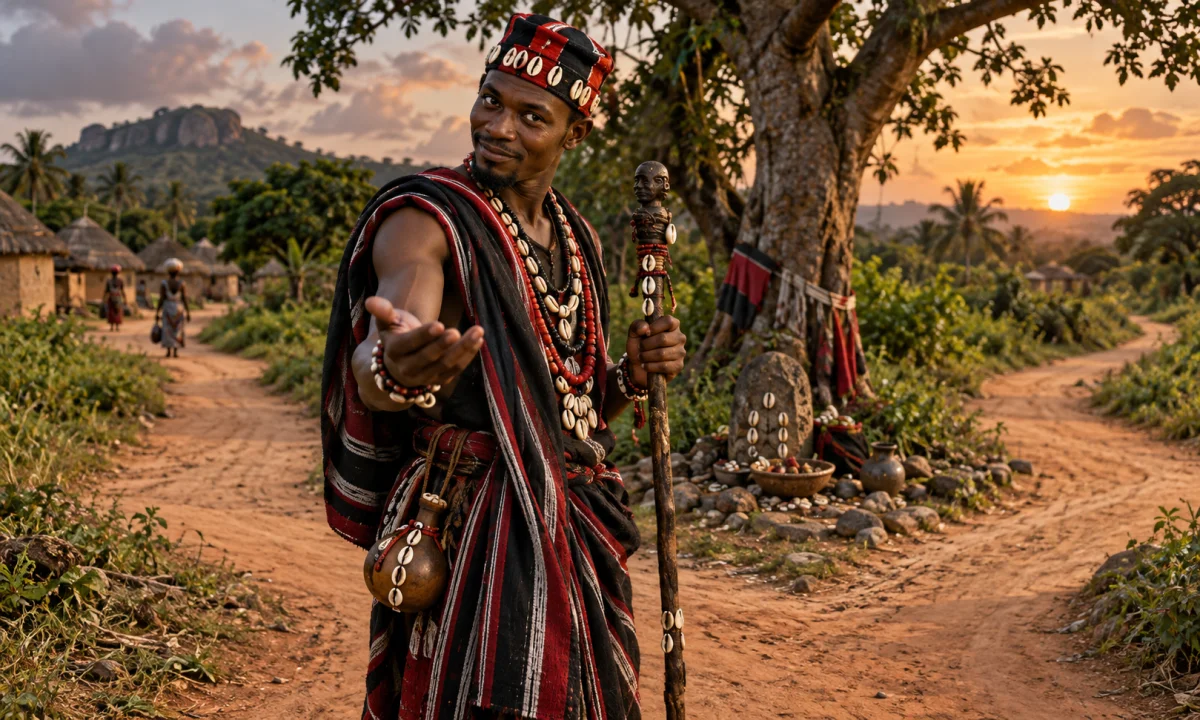
Elegua
Elegua is a widely known name for a complex orisha associated with roads, thresholds, communication, chance and the opening of possibilities. The name is especially familiar in Cuba and other communities shaped by the Yo…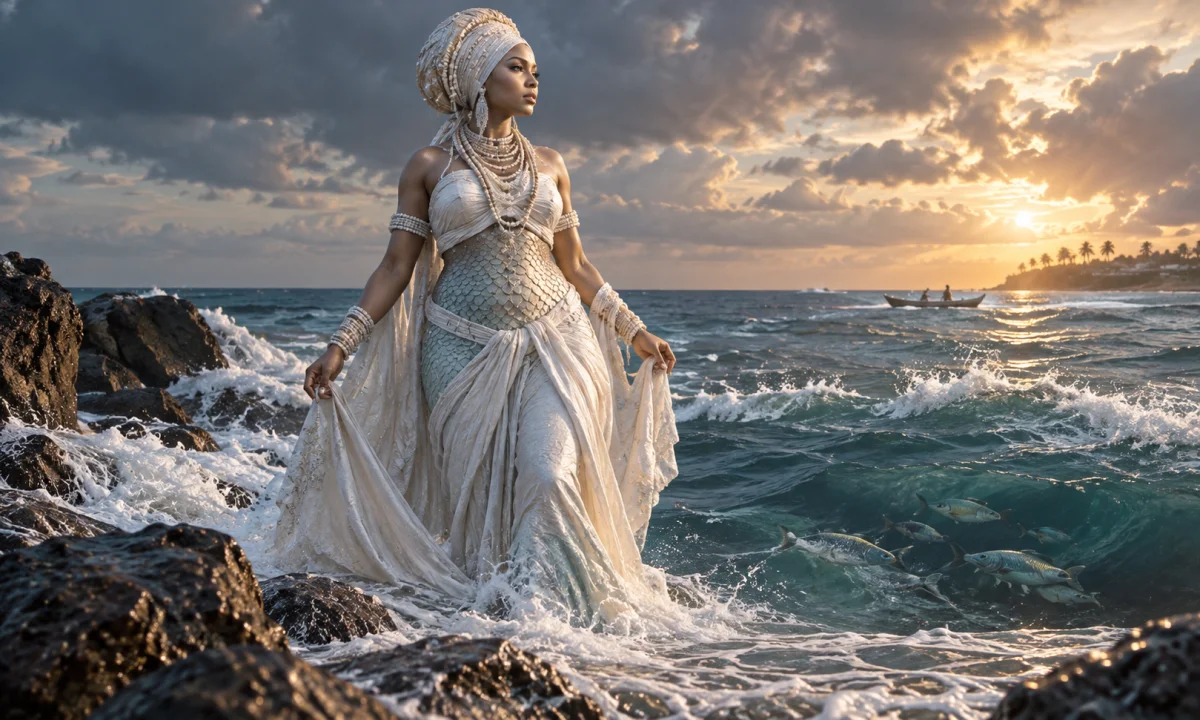
Elusu
Elusu is a little-documented figure associated with Yoruba religious tradition and with the watery realm governed by Olokun. Information about Elusu is considerably less abundant than material about major orishas such as…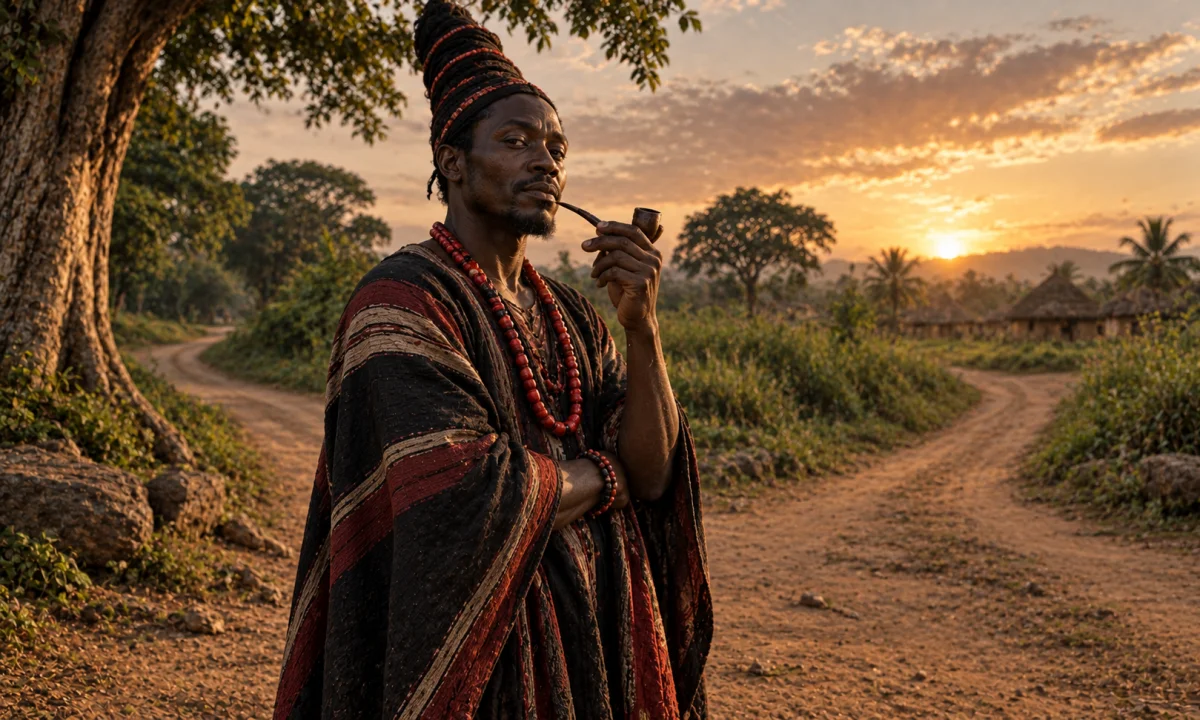
Eshu
Èṣù, often written Eshu in English, is a major òrìṣà of Yoruba religious tradition. He is associated with communication, movement, exchange, uncertainty, and the power that allows messages and offerings to reach their de…Yoruba mythology: myths, traditions and legends
Yoruba mythology encompasses the sacred narratives, divine beings, ancestral traditions, cosmological ideas and ritual knowledge associated with the Yoruba peoples of West Africa and the wider religious traditions that developed from Yoruba culture. The Yoruba are concentrated especially in southwestern Nigeria and neighbouring parts of Benin and Togo, while the Atlantic slave trade carried Yoruba-derived religious traditions to the Americas. The term mythology should be used carefully because Yoruba religion remains a living religious tradition. Sacred narratives concerning Olódùmarè, the òrìṣà, ancestors, creation and destiny are not simply fictional stories but form part of systems of worship, ethics, divination and cultural memory that continue in Africa and throughout the African diaspora.
Yoruba religious traditions are internally diverse. Individual towns, lineages and priestly communities may emphasise different òrìṣà, preserve different versions of narratives and use particular ritual practices. There is no single ancient Yoruba scripture containing one fixed pantheon or definitive account of creation. Much knowledge has historically been transmitted orally through praise poetry, ritual language, songs, divination verses, festivals and specialist teaching. Written collections and modern scholarship preserve important material, but they should not be treated as replacing living oral traditions.
Yoruba religion and the meaning of mythology
Yoruba mythology belongs within the broader religious world often described as Yoruba traditional religion. Its sacred stories explain relationships among divine powers, humans, ancestors and the ordered universe. They also address practical concerns such as birth, character, illness, prosperity, justice, political authority and death.
Modern descriptions sometimes present Yoruba religion as a simple hierarchy in which one supreme god rules a fixed number of lesser gods. This can be misleading. Yoruba religious categories are relational and vary according to context. The òrìṣà possess distinctive identities and cults, but they are not merely subordinate characters in a uniform pantheon arranged according to one universal system.
Some traditions describe an exceptionally large number of òrìṣà, with the number 401 sometimes expressing abundance rather than functioning as a literal census. Local worship historically focused on particular divine beings connected with specific communities, occupations, landscapes or lineages.
Sources and oral transmission
Yoruba sacred knowledge has long been preserved through oral performance. Priests, diviners, singers, elders and other specialists transmit narratives, genealogies, praise names, ritual formulas and explanations of religious practice.
A particularly important body of sacred knowledge is associated with Ifá divination. Ifá contains a vast corpus of verses organised around divinatory configurations known as odù. These verses may include myths, historical memories, moral teachings, ritual instructions and accounts of the òrìṣà.
Because Ifá is transmitted through trained specialists, individual verses can have multiple versions. A story recorded in one region or lineage should not automatically be presented as the only authentic form.
Missionaries, colonial officials and early ethnographers also documented Yoruba religion. Their writings can preserve valuable information, but some interpreted Yoruba beliefs through Christian categories such as idols, devils or pagan gods. Modern interpretation must therefore distinguish Indigenous concepts from terminology imposed by outsiders.
Olódùmarè and supreme divine authority
Olódùmarè is widely understood as the supreme divine reality and ultimate source of existence in Yoruba religious thought. Another important divine name, Olorun, literally relates to the owner or lord of heaven and may overlap with Olódùmarè in many contexts.
Olódùmarè is associated with creation, authority and the ordering of destiny but is generally approached differently from the òrìṣà who maintain more immediate relationships with human communities.
It would be misleading to treat Olódùmarè simply as a Yoruba version of the Christian God. Christian and Muslim influence has shaped some modern explanations, but Yoruba concepts possess their own history and religious vocabulary.
Equally, describing Olódùmarè as merely the chief god among many independent deities understates the distinctive position attributed to supreme divine authority within many Yoruba traditions.
The òrìṣà
The òrìṣà are divine or sacred beings central to Yoruba religion. English translations such as gods, deities or spirits are useful but incomplete. Òrìṣà may be associated with natural forces, human activities, cities, occupations, moral qualities and ancestral or historical traditions.
Some òrìṣà possess cults extending across much of Yorubaland, while others have primarily local significance. Individual communities may also preserve different narratives about the same being.
The identities of the òrìṣà cannot be reduced to lists of supernatural powers. Their significance is expressed through ritual relationships, festivals, praise poetry, sacrifices, sacred objects and narratives explaining their actions and character.
Creation and the descent to earth
Yoruba traditions preserve several accounts of the creation or formation of the inhabited world. A widely known pattern describes an earlier condition in which the divine realm and the watery earth were not organised in their present form.
A divine figure descends from heaven with materials used to establish dry land. In many versions, this role belongs to Obàtálá; in others, Odùduwà becomes central. The differences are significant and reflect distinct religious and political traditions rather than one story that can be corrected into a single original form.
The city of Ilé-Ifẹ̀ occupies exceptional importance in these narratives and is widely regarded within Yoruba tradition as a sacred centre associated with the beginnings of ordered human society and royal authority.
Creation narratives therefore connect cosmology with geography, political legitimacy and cultural ancestry.
Obàtálá and human formation
Obàtálá is a major òrìṣà associated with creation, purity, moral authority and the formation of human bodies. In many traditions, Olódùmarè delegates to Obàtálá the task of shaping humans, while the ultimate gift of life remains dependent upon supreme divine power.
Obàtálá is commonly associated with the colour white, which expresses purity and ritual discipline. His traditions emphasise calmness, wisdom and restraint, although individual narratives may also explore mistakes and their consequences.
One well-known group of stories connects Obàtálá with responsibility for human bodily variation. These narratives should be interpreted sensitively within their religious context rather than used as literal explanations of disability or as judgments about individuals.
Odùduwà and sacred kingship
Odùduwà is one of the most important ancestral and sacred figures in Yoruba traditions concerning political origins. He is especially associated with Ilé-Ifẹ̀ and with the genealogical foundations of numerous Yoruba royal dynasties.
Some narratives give Odùduwà an important role in establishing dry land, while others present him primarily as an ancestral founder or king. These traditions should not be artificially merged into one biography.
Historical scholarship distinguishes mythic genealogy from what archaeology and documentary evidence can establish about the formation of Yoruba kingdoms. The sacred importance of Odùduwà does not depend upon treating every narrative episode as conventional historical biography.
Ilé-Ifẹ̀ and sacred geography
Ilé-Ifẹ̀ occupies a central place in Yoruba religious history. It is associated with creation traditions, divine presence and the origin of important royal lineages.
Archaeology demonstrates that Ifẹ̀ became a major urban and artistic centre, particularly during the medieval period. Its celebrated naturalistic sculptures in terracotta and metal provide evidence of sophisticated courtly and religious traditions.
Archaeological objects cannot always be identified directly with specific myths or òrìṣà. Modern interpretations must distinguish what material evidence demonstrates from what is known through later oral tradition.
Orí and personal destiny
A central Yoruba concept is orí, literally the head but also associated with an individual's inner spiritual identity and destiny. Orí possesses a significance that cannot be reduced simply to the Western concept of a soul.
Traditional teachings may describe a person as choosing or receiving a destiny before entering earthly life. The quality of a person's existence is connected not only with external divine forces but also with the relationship to one's own orí.
Ritual attention to orí expresses the importance of individual character, destiny and alignment with the path appropriate to a person's life.
Ifá and divination
Ifá is one of the most influential Yoruba systems of divination and sacred knowledge. It is strongly associated with Òrúnmìlà, the òrìṣà of wisdom, divination and knowledge of destiny.
Trained diviners, commonly known as babaláwo and, in appropriate traditions, female practitioners with specialised roles, interpret patterns generated through established divinatory procedures. These patterns correspond to odù containing bodies of sacred verse.
Ifá divination is not simply fortune-telling. Consultation can involve diagnosing a problem, identifying spiritual or social causes, recalling relevant sacred narratives and prescribing ritual or ethical responses.
The divination corpus preserves multiple versions of myths, making it one of the richest sources for Yoruba religious thought.
Òrúnmìlà and wisdom
Òrúnmìlà is closely connected with Ifá and with knowledge of the destinies of human beings. Traditions frequently portray him as possessing exceptional wisdom concerning the structure of existence and the appropriate responses to difficult situations.
He is not simply a god who predicts the future. His religious importance concerns interpretation, knowledge and the proper alignment between individual destiny and action.
Narratives involving Òrúnmìlà often teach through situations in which foresight, consultation and ritual responsibility succeed where arrogance or impulsive behaviour fails.
Èṣù and communication
Èṣù is one of the most frequently misunderstood òrìṣà. He is associated with communication, crossroads, movement, mediation, consequence and the unpredictable processes through which choices produce results.
Missionary translations historically identified Èṣù with the Christian Devil or Satan. This equation is inaccurate. Èṣù is not the supreme embodiment of evil and does not occupy the theological role of Satan in Christianity.
Èṣù can disrupt expectations, reveal hypocrisy and create situations in which hidden consequences become visible. His complexity has led to descriptions of him as a trickster, but even that term captures only part of his religious role.
He is also central to ritual communication, since proper exchange between humans and divine powers depends upon mediation.
Ògún and iron
Ògún is associated with iron, metalworking, hunting, warfare, technology and the clearing of paths. His importance reflects the transformative power of iron within agriculture, craft, transportation and political life.
Ògún can protect those who work with metal or face dangerous professions, but his traditions also emphasise the destructive potential of uncontrolled force.
Modern descriptions sometimes call him simply a war god. Warfare belongs to his sphere, but craftsmanship, labour, roads and technological transformation are equally important to understanding him.
Ògún traditions travelled widely through the Atlantic world and developed distinctive forms in African diasporic religions.
Ṣàngó and thunder
Ṣàngó is a major òrìṣà associated with thunder, lightning, royal authority and powerful justice. Traditions also connect him with the historical and sacred kingship of Ọ̀yọ́.
The relationship between a remembered ruler and a divine figure demonstrates how history, royal tradition and sacred narrative can overlap. It is difficult to reduce Ṣàngó to either an entirely historical king or a purely timeless thunder deity.
His cult became exceptionally influential beyond Africa. Under names including Shango and Changó, related traditions survive in several religions of the African diaspora.
Ṣàngó should not simply be called the Yoruba equivalent of Zeus or Thor. Thunder symbolism appears in many cultures, but the religious histories are distinct.
Ọya and transformative power
Ọya is an important òrìṣà associated in many traditions with winds, storms, transformation and the Niger River. She also has relationships with death and the boundaries surrounding the ancestral world in some religious contexts.
Ọya is frequently linked with Ṣàngó, but she possesses an independent identity and cult. Modern retellings sometimes reduce her to the wife of a more famous male deity, obscuring her own religious importance.
Her associations vary between Yoruba and diasporic traditions, illustrating how òrìṣà identities can develop differently after centuries of transmission.
Ọ̀ṣun and sacred waters
Ọ̀ṣun is associated with the Ọ̀ṣun River, fertility, beauty, prosperity, diplomacy and healing. Her sacred landscape remains especially important around Ọ̀ṣogbo.
Creation narratives sometimes describe Ọ̀ṣun as essential to the success of the divine work on earth after male òrìṣà attempt to proceed without recognising her authority. Such stories emphasise the necessity of her power rather than treating her merely as a goddess of romantic love.
Her river is not simply a symbol assigned to an abstract deity. Sacred geography, ritual practice and divine identity are closely connected.
Yemoja and maternal waters
Yemoja, also rendered Yemọja, is a major maternal and aquatic òrìṣà. Within Yoruba traditions she is strongly connected with waters and motherhood, with important associations particularly involving the Ogun River in Nigeria.
In the Americas, Yemoja developed major associations with the ocean. This transformation reflects the historical development of African diasporic traditions and should not automatically be projected back onto every Yoruba context in West Africa.
Her different geographical associations provide an especially clear example of how a divine tradition can remain recognisably connected across the Atlantic while acquiring new meanings.
Olókun and the depths of water
Olókun is associated with deep waters, wealth and powerful aquatic forces. The identity and gender attributed to Olókun can vary between communities and diasporic traditions.
This variation is important because modern pantheon lists often assign every òrìṣà a single gender and fixed set of attributes. Living religious traditions can preserve more complex regional understandings.
The power associated with deep water also reflects the relationship between visible surfaces and concealed abundance or danger.
Egúngún and ancestral presence
Egúngún traditions concern the collective ancestral dead and their ceremonial manifestation within Yoruba communities. Elaborate masquerades can represent the return or presence of ancestral power among the living.
Egúngún performers wear layered costumes that conceal personal identity and transform the event into a ritual encounter rather than ordinary theatrical representation.
Ancestors may bless, advise or discipline their descendants, reinforcing relationships between family memory and social responsibility.
Egúngún should not simply be translated as ghosts. The tradition involves organised ritual institutions, lineage identity and the continuing authority of the dead.
Death and the relationship between Òrun and Ayé
Yoruba cosmological language frequently distinguishes Òrun, the spiritual or invisible realm, from Ayé, the inhabited earthly world. The relationship between them is not equivalent to a simple Christian division between heaven and earth.
Divine beings and ancestors belong to Òrun in different ways, while humans live in Ayé and maintain relationships across the boundary through ritual, divination and remembrance.
Death can therefore be understood as a transition within a wider structure of existence rather than complete disappearance. Proper ancestry and good character influence how the deceased is remembered and related to later generations.
Àṣẹ and sacred effectiveness
Àṣẹ is a foundational Yoruba concept referring to the power or authority through which words, actions and beings become effective. It is often translated as spiritual power, but no single English phrase fully captures its meaning.
Àṣẹ is associated with divine authority, speech, ritual action and the capacity to bring about change. Òrìṣà, ancestors, humans and other aspects of existence participate in it in different ways.
Modern popular spirituality sometimes presents àṣẹ as a generic cosmic energy. Within Yoruba religious thought it is more closely connected with relationships, authority and effective action.
Sacrifice and reciprocity
Offerings and sacrifice form important parts of Yoruba ritual practice. Food, drink, animals and other materials may be offered according to the requirements of particular òrìṣà, ancestors or divinatory prescriptions.
Such practices are connected with reciprocity, communication and restoring proper relationships. They should not be reduced to attempts to bribe supernatural beings.
Animal sacrifice is practised in some contexts and follows religious procedures governing dedication and use. Sensational portrayals frequently remove these ceremonies from their ethical and communal setting.
Priests, devotees and ritual communities
Yoruba religion includes numerous specialised priesthoods associated with particular òrìṣà and ritual traditions. Religious knowledge is acquired through training, initiation and participation within recognised communities.
No single central institution governs every Yoruba religious practice. Local shrines, families and priestly lineages maintain traditions that may differ in detail.
Possession by an òrìṣà can occur in ceremonial contexts, often through music and dance. Such experiences are understood as sacred manifestations rather than automatically as illness or harmful spirit possession.
Christianity, Islam and religious change
Islam and Christianity have both had major influence among Yoruba communities. Muslim presence has a long history, while Christian missionary activity expanded substantially during the nineteenth century.
Conversion changed traditional religious institutions but did not create a simple disappearance of older cultural concepts. Families and communities could preserve names, festivals, ethical ideas and forms of ancestral memory within changing religious environments.
Contemporary Yoruba identity includes Muslims, Christians, practitioners of traditional religion and people whose cultural lives draw upon more than one historical inheritance.
The Atlantic diaspora
The Atlantic slave trade carried Yoruba-speaking and related peoples to the Americas, especially during the eighteenth and nineteenth centuries. Their descendants preserved and transformed òrìṣà traditions under radically different social conditions.
Yoruba-derived religious elements became particularly influential in Cuban Lucumí or Santería, Brazilian Candomblé and other African diasporic traditions. Related òrìṣà may be known under different spellings and associated with new ritual forms.
These religions should not be described as identical copies of Yoruba religion in Nigeria. They developed through interaction with other African traditions, Catholicism, local histories and the experience of slavery and emancipation.
Òrìṣà and Catholic saints
In several diasporic traditions, òrìṣà became associated with Catholic saints. These connections helped shape religious practice under colonial conditions in which African religions faced suppression.
The relationship is more complex than the idea that practitioners merely disguised African gods behind Christian images. Over generations, saint traditions and òrìṣà devotion could become interconnected in culturally specific ways.
A Catholic saint and an òrìṣà should therefore not automatically be described as the same being. Their association belongs to particular diasporic histories.
Modern representation and common misconceptions
Modern books, games and online mythology lists often reorganise Yoruba religion into a fantasy pantheon in which each òrìṣà controls one element or supernatural power. Traditional identities are much broader and depend upon ritual relationships, praise traditions and local history.
Èṣù is not the Christian Devil, Ṣàngó is not simply an African Zeus, and Yemoja's widespread modern association with the ocean should not erase her West African river traditions. Likewise, the òrìṣà are not all ancestral humans who were later deified; their origins and categories vary.
Another misconception treats African diasporic traditions as interchangeable with religion in Yorubaland. Lucumí, Candomblé and other traditions preserve genuine Yoruba inheritances while possessing their own historical development.
Yoruba mythology is most clearly understood through relationships among Olódùmarè, the òrìṣà, personal destiny, ancestors and the interconnected realms of Òrun and Ayé. Its sacred stories cannot be separated entirely from divination, ritual, kingship, family and place, while centuries of African and Atlantic history have allowed Yoruba religious concepts to develop into one of the world's most influential and geographically widespread Indigenous religious traditions.