 WORLD

Asia
Explore myths, traditions and legendary beings grouped under Asia.
Last articles

O-ana-mochi
O-ana-mochi is a rare English rendering of a name associated with the Japanese kami usually identified as Ōnamochi, Ōnamuji or Ōnamuchi no Mikoto. In the major traditions of Japanese mythology, this figure is generally u…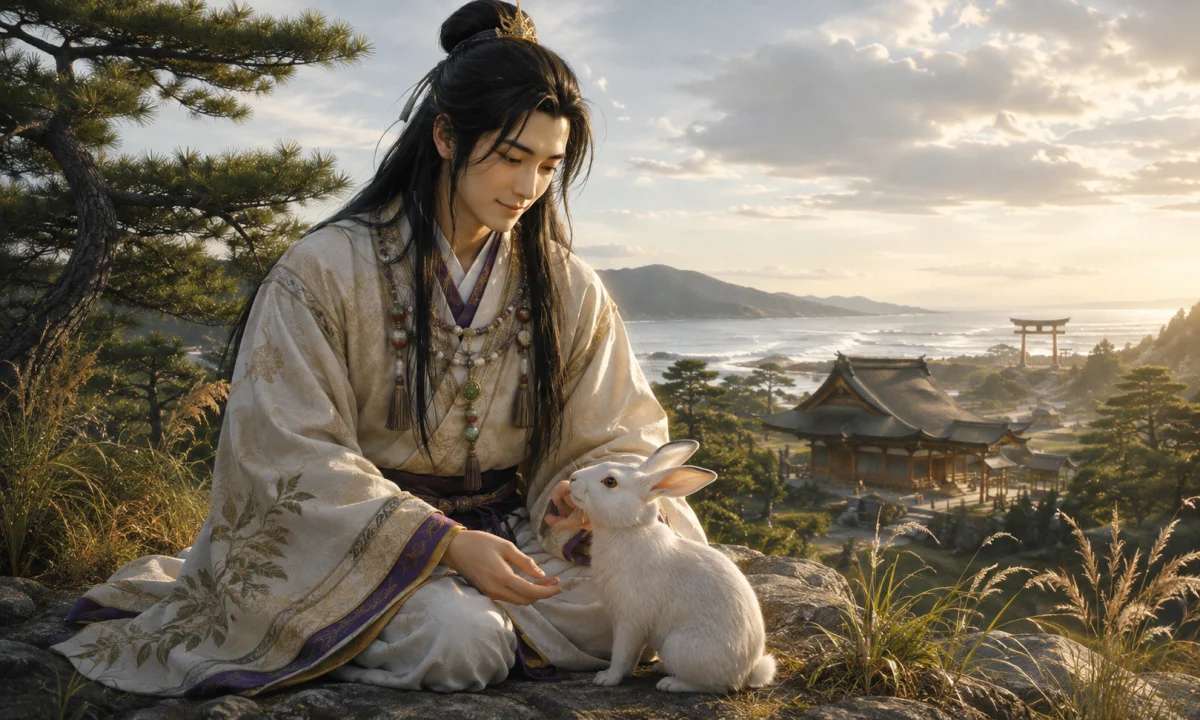
Okuninushi
Ōkuninushi, also written Okuninushi or Ōkuninushi-no-Kami, is one of the most important deities in Japanese mythology. He belongs especially to the religious traditions of Izumo, a region on the western coast of Honshū, …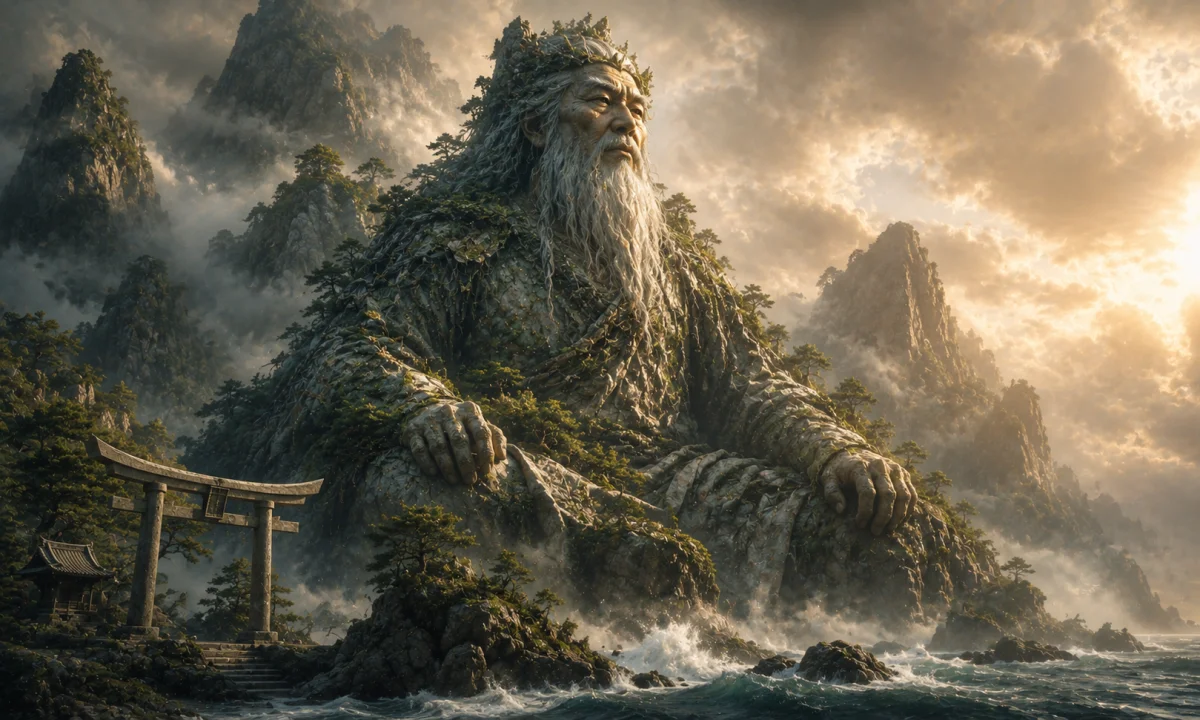
Oyamatsumi
Oyamatsumi, also written Ōyamatsumi or Ōyamatsumi-no-kami, is a kami of mountains in Japanese mythology. He appears most prominently in the Kojiki and in related accounts preserved by the Nihon Shoki, where he belongs to…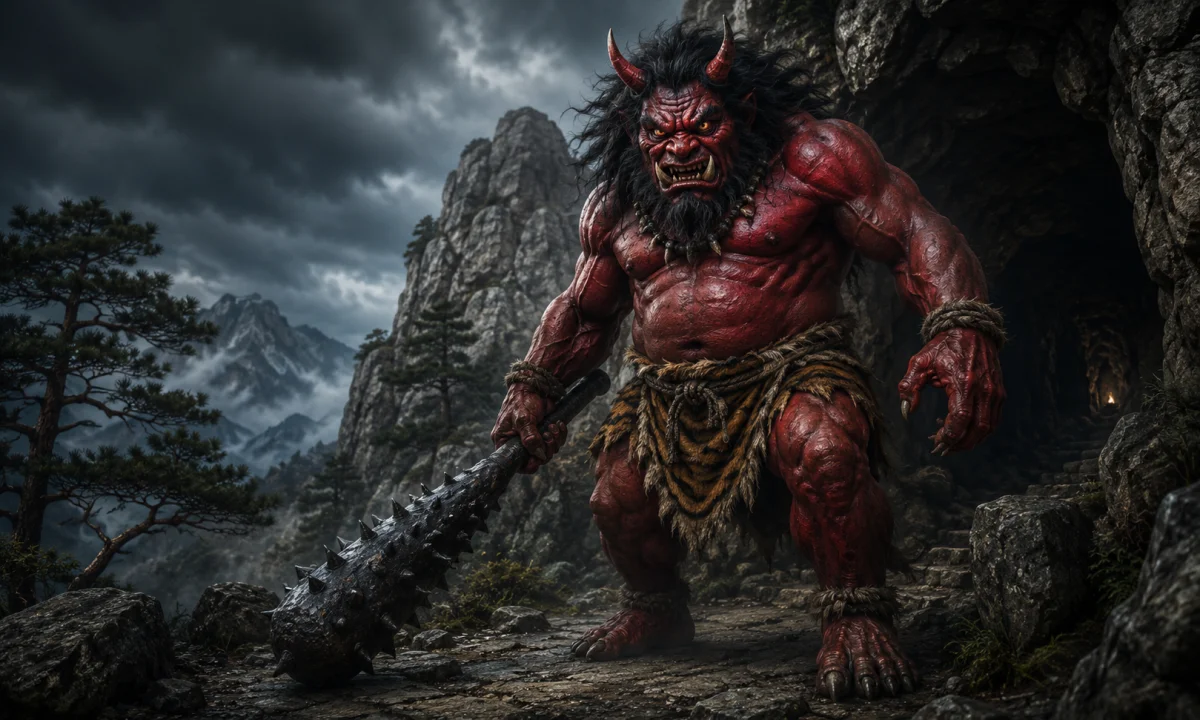
Oni
Oni are frightening supernatural beings in Japanese mythology, folklore and religious imagination. They are often portrayed as large, muscular humanoids with horns, brightly coloured skin, sharp fangs and an iron club, b…
Toyotama-hime
Toyotama-hime is a prominent woman of Japanese mythology, best known as the daughter of the sea deity Watatsumi and the wife of the divine hero Hoori. Her story belongs to the mythic genealogy that leads to Japan’s first…
Raijin
Raijin is the Japanese kami, or supernatural deity, associated with thunder, lightning and violent storms. He is commonly shown as a fierce, oni-like figure surrounded by a ring of drums, which he beats to produce thunde…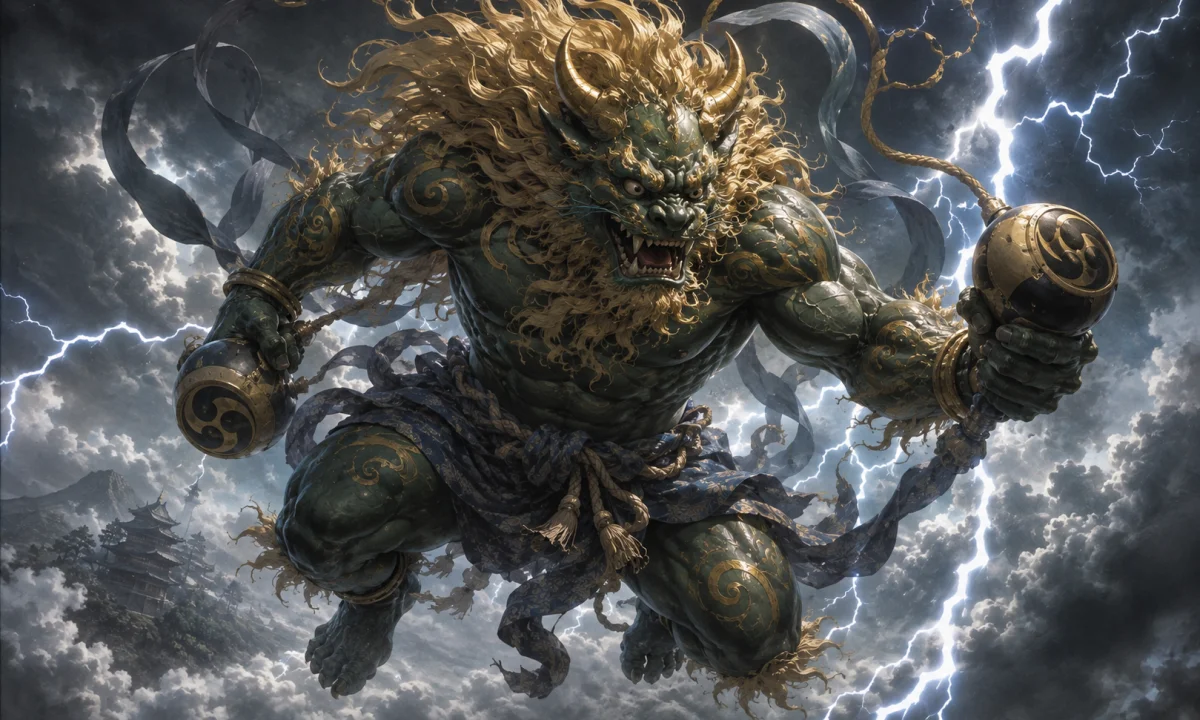
Raiju
Raiju (雷獣, usually read raijū) is a creature of Japanese folklore associated with thunder and lightning. Its name means “thunder beast,” from rai, “thunder,” and jū, “beast” or “animal.” Unlike a single god with one esta…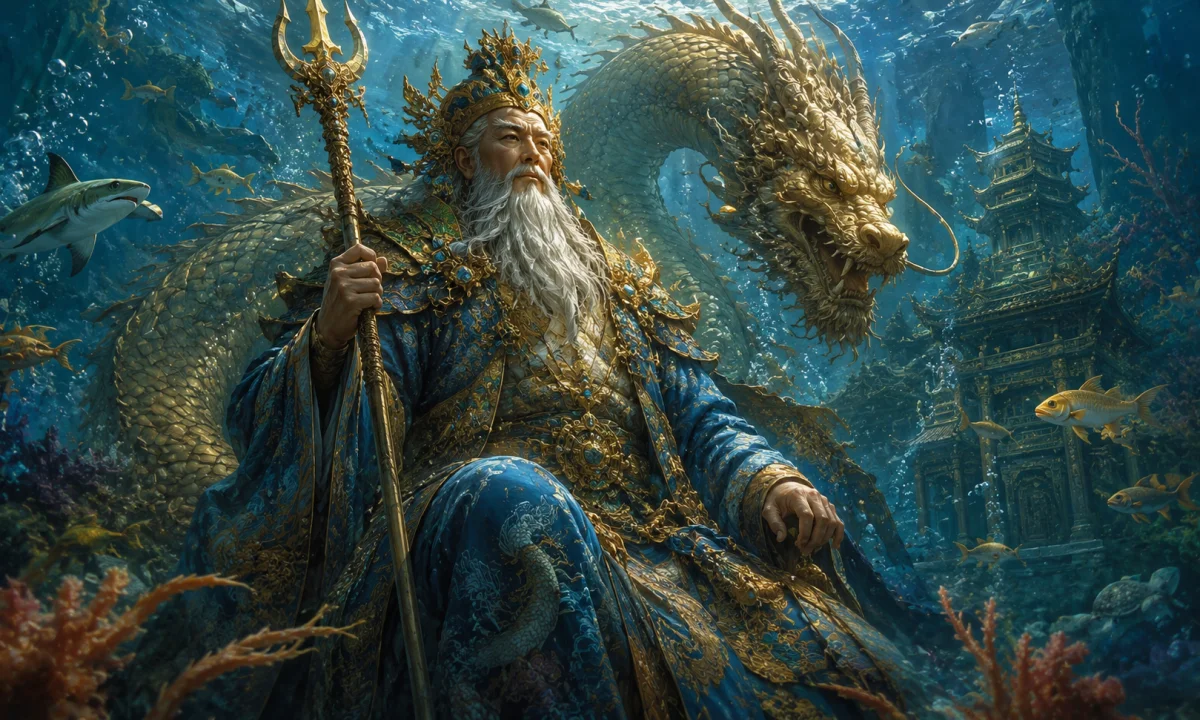
Ryujin
Ryujin (Japanese: 龍神, commonly written Ryūjin in romanisation) is a Japanese dragon deity associated with the sea, water, rain and the power of the tides. The name literally means “dragon god” or “dragon deity,” and it d…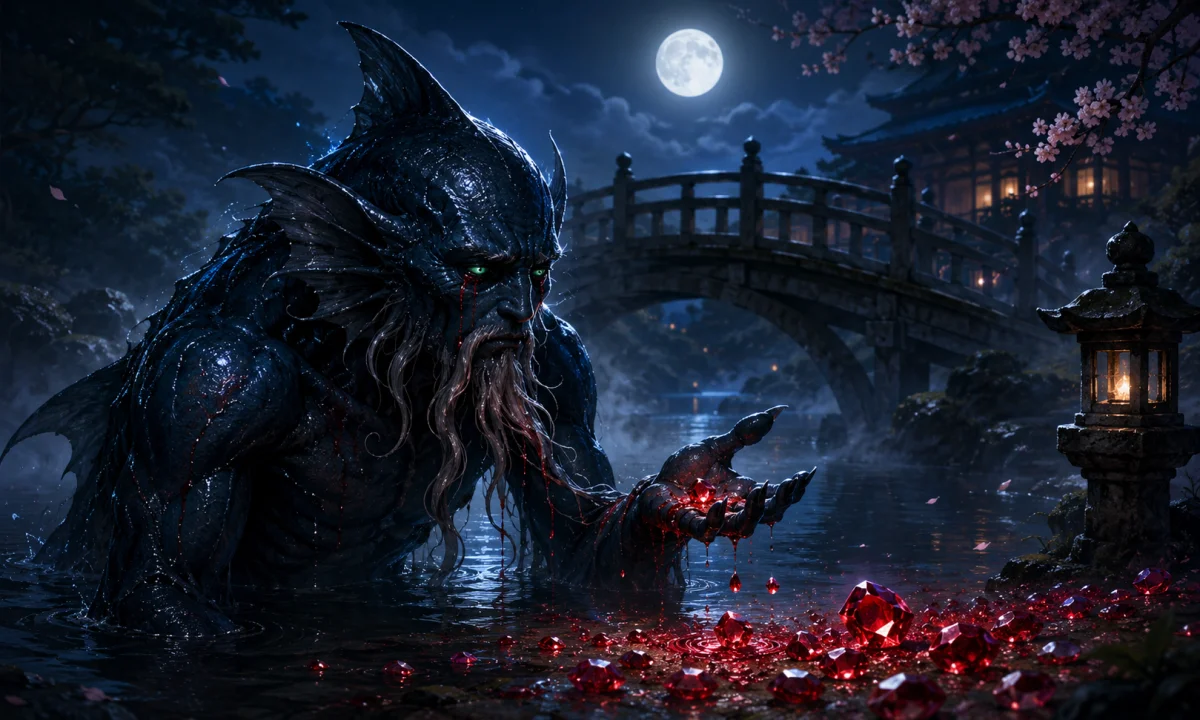
Samebito
Samebito is a mysterious aquatic being associated chiefly with Japanese folklore and with the undersea world of the Dragon King. The name is usually written 鮫人 and can be translated as “shark person” or “shark-man.” In E…
Sanbai-sama
Sanbai-sama is a regional Japanese agricultural kami associated especially with rice cultivation, the beginning of the planting season, and the fertility of the rice fields. The name is also written or romanised in more …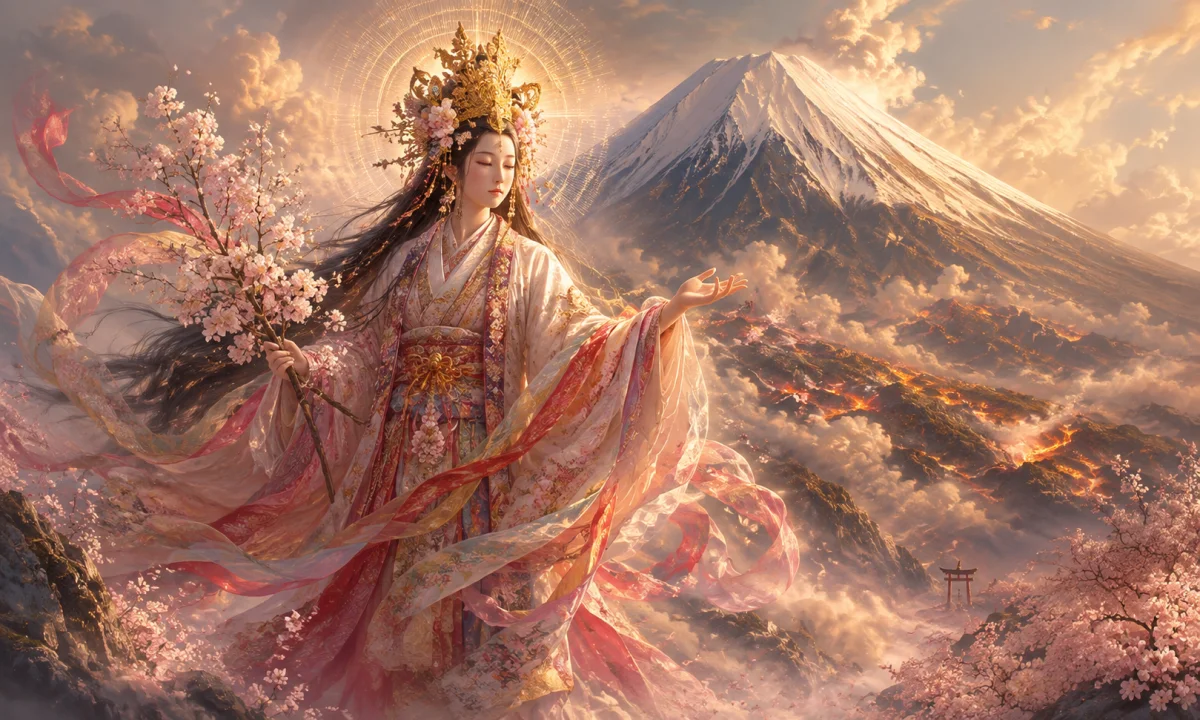
Sengen-sama
Sengen-sama is a respectful Japanese name for the deity or sacred presence associated with Sengen, also read Asama, shrines and with the worship of Mount Fuji. In many shrine traditions, Sengen-sama is identified with Ko…