WORLD
WORLD
Asia
Explore myths, traditions and legendary beings grouped under Asia.
Last articles
Hannya
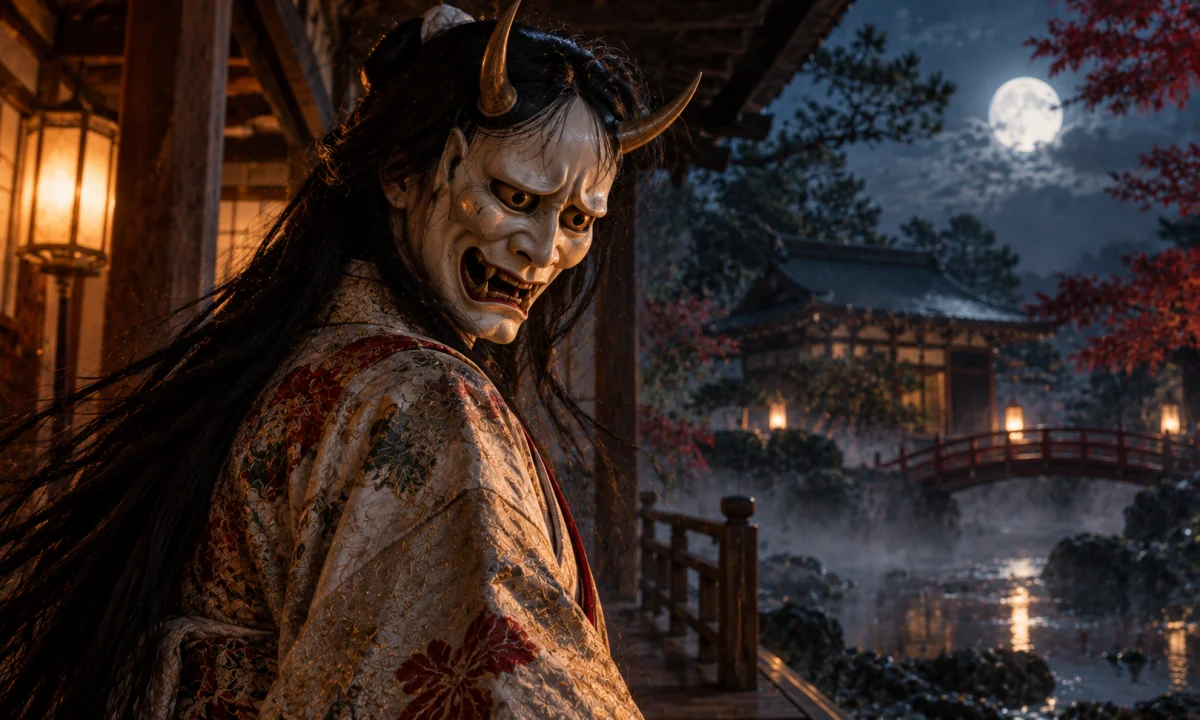
Hannya is one of the most recognizable figures in Japanese theatrical tradition: a female demon with sharp horns, metallic eyes, pointed teeth and an expression that can appear furious, grief-stricken or sorrowful depend…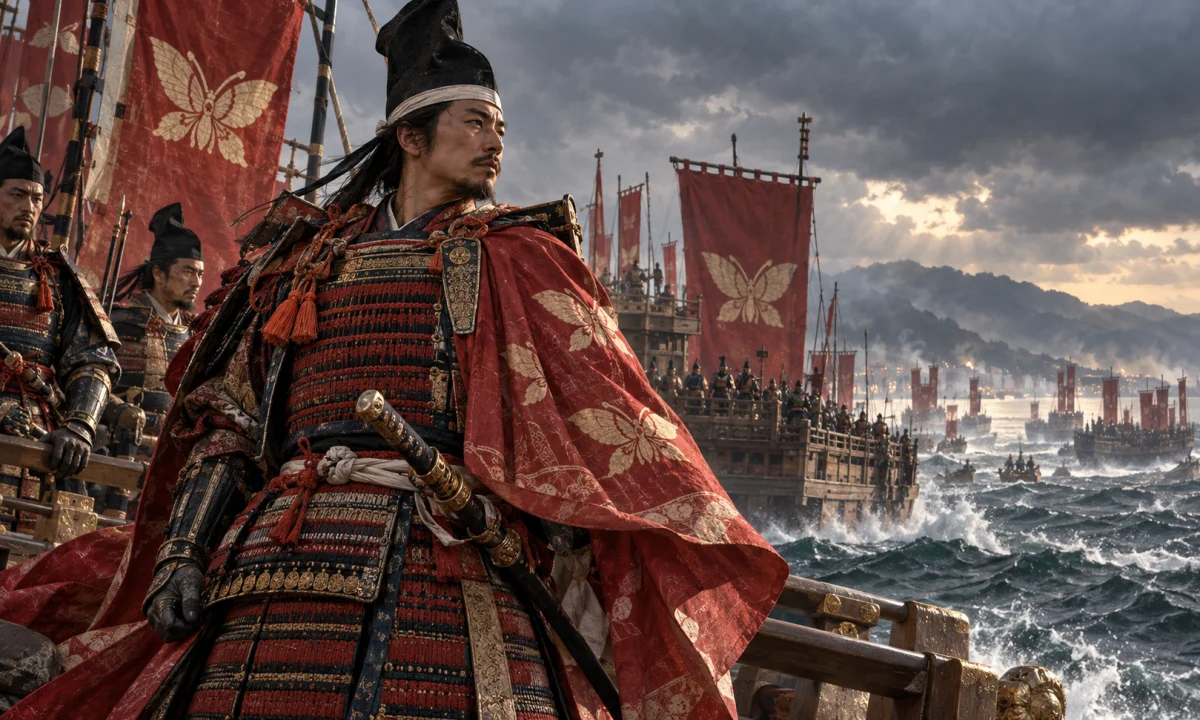
Heike
Heike is not the name of a single god, monster or spirit. In Japanese tradition, it usually refers to the Taira clan, a powerful warrior family whose defeat in the Genpei War (1180–1185) became the subject of history, ep…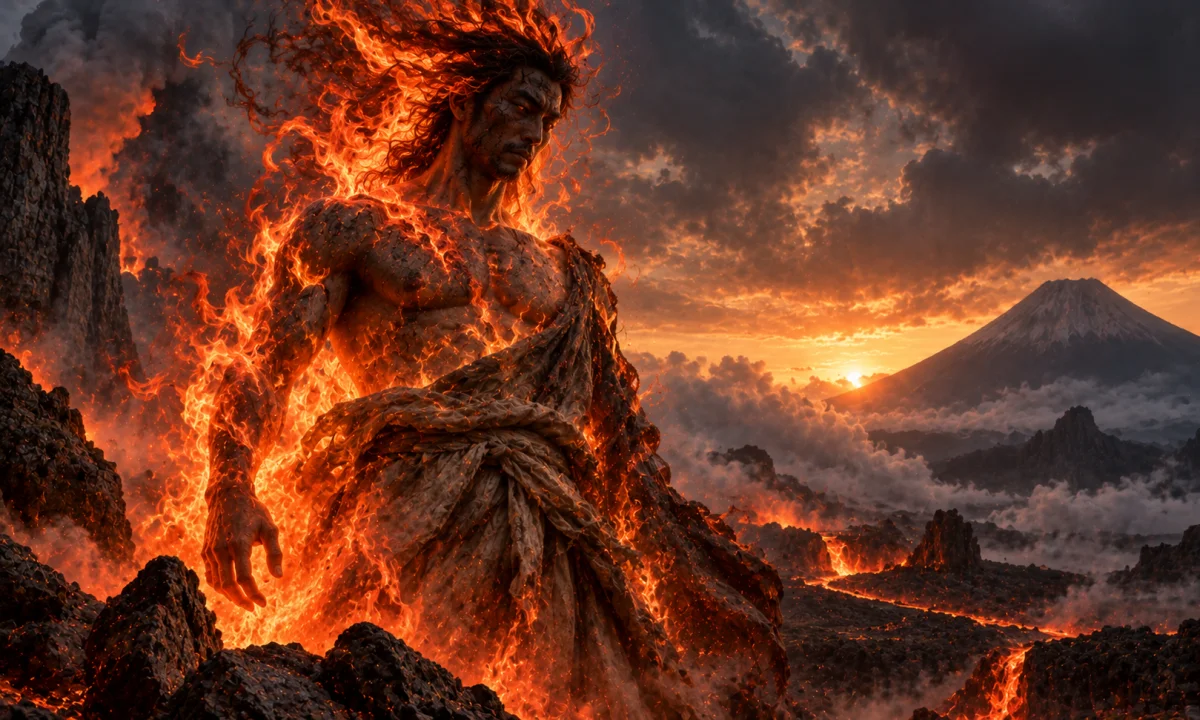
Kagutsuchi
Kagutsuchi is a Japanese kami of fire, best known from the creation myths preserved in the Kojiki and the Nihon Shoki. He is also called Hi-no-Kagutsuchi, “Kagutsuchi of Fire,” and is associated in later religious tradit…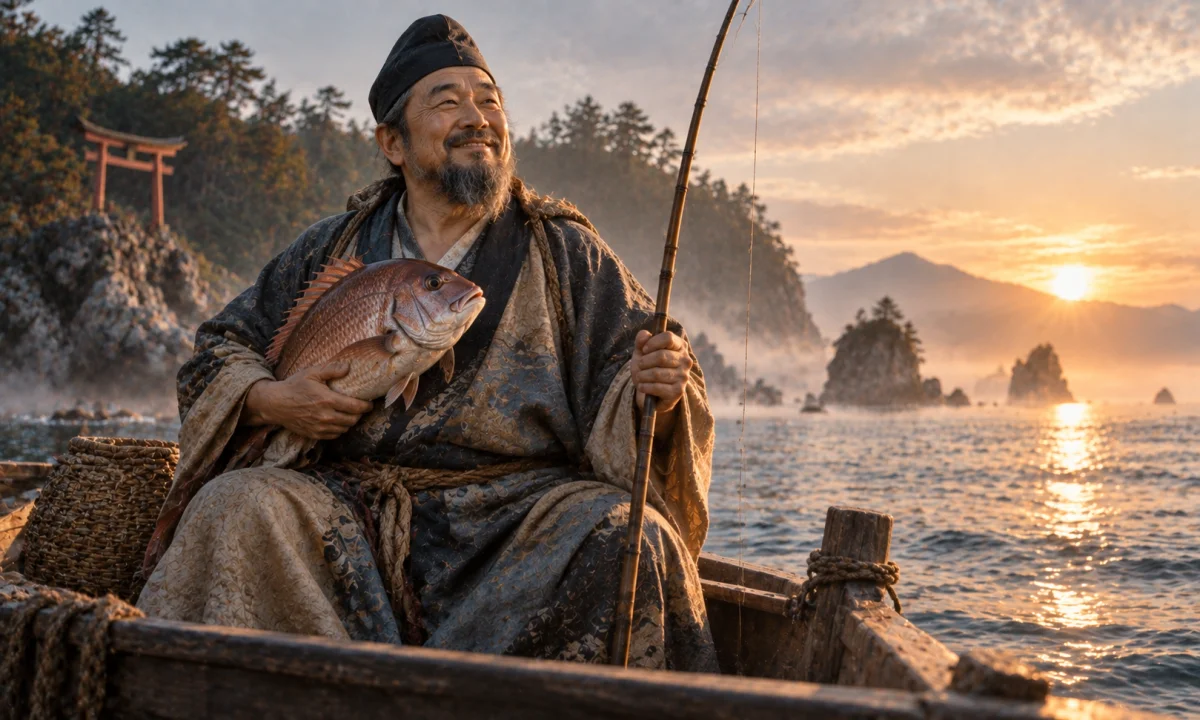
Hiruko
Hiruko is a mysterious figure in early Japanese mythology, best known as the first child of the creator deities Izanagi and Izanami. In the creation narratives preserved in the Kojiki and Nihon shoki, Hiruko is described…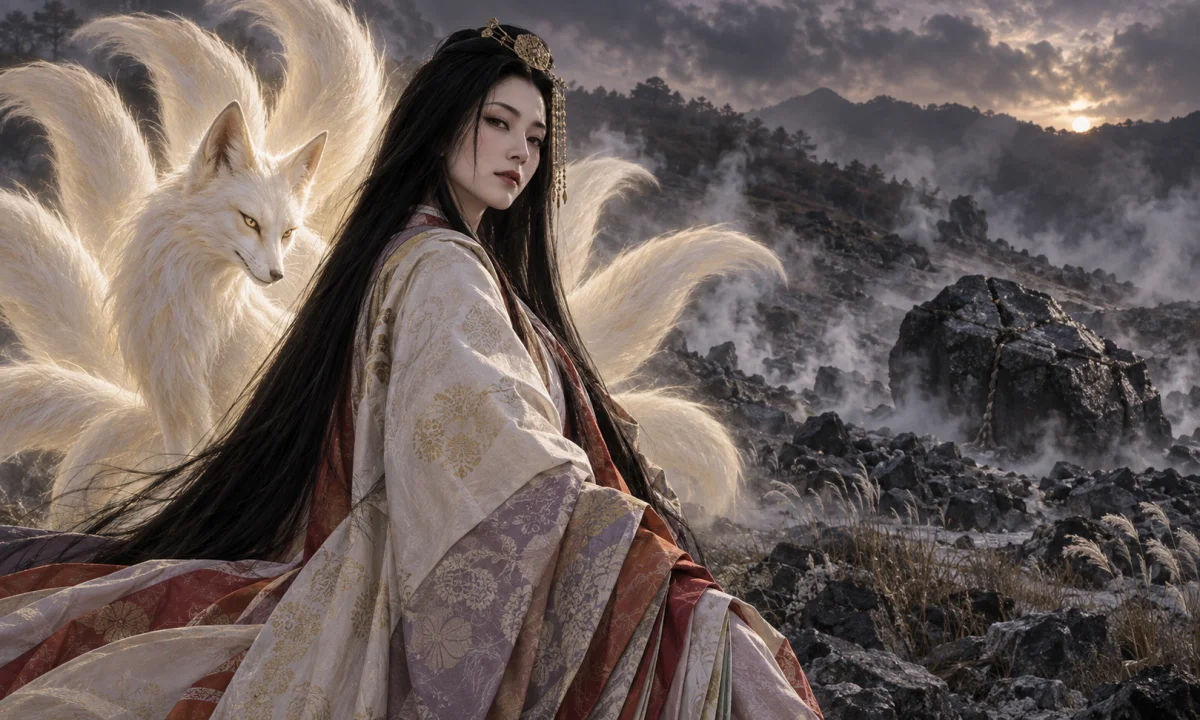
Tamano-no-mae
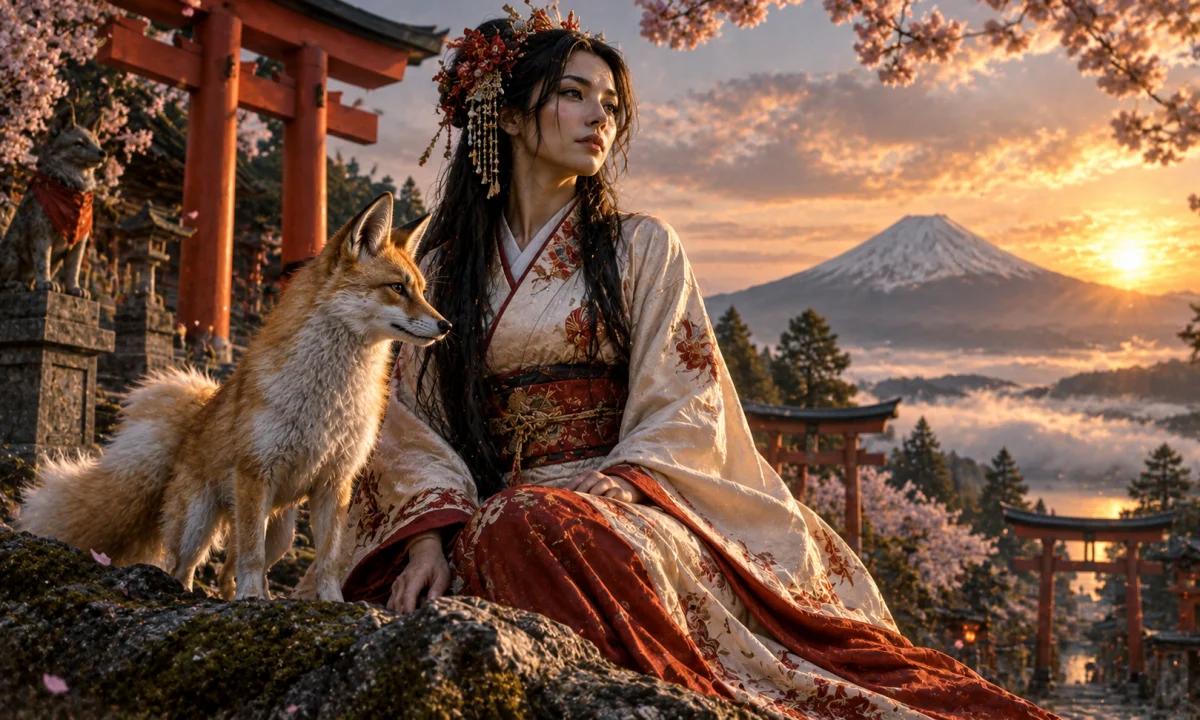
Tamano-no-Mae is a legendary fox woman in Japanese medieval and early-modern tradition. She is usually portrayed as an extraordinarily beautiful court lady whose presence brings illness and disaster to Emperor Toba. Afte…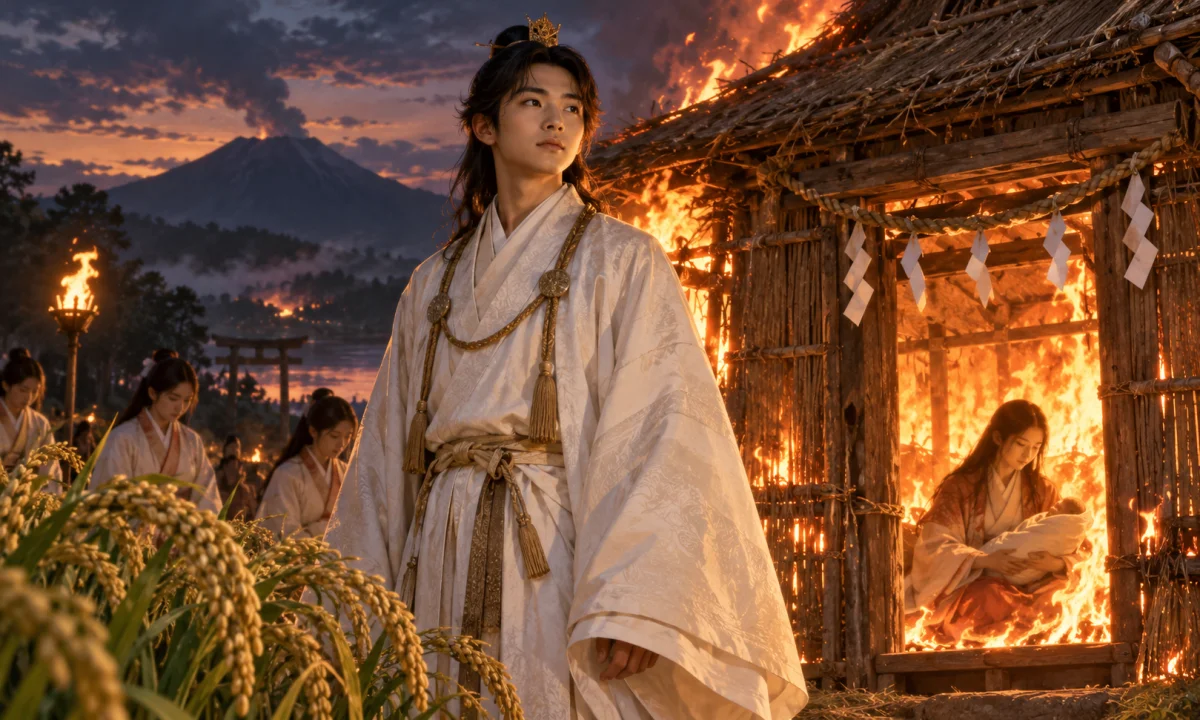
Hosuseri
Hosuseri is a minor but significant figure in Japanese mythology, known chiefly from the genealogy of the gods and heroes descended from the heavenly kami. In the Kojiki, Japan’s oldest surviving written record of myths,…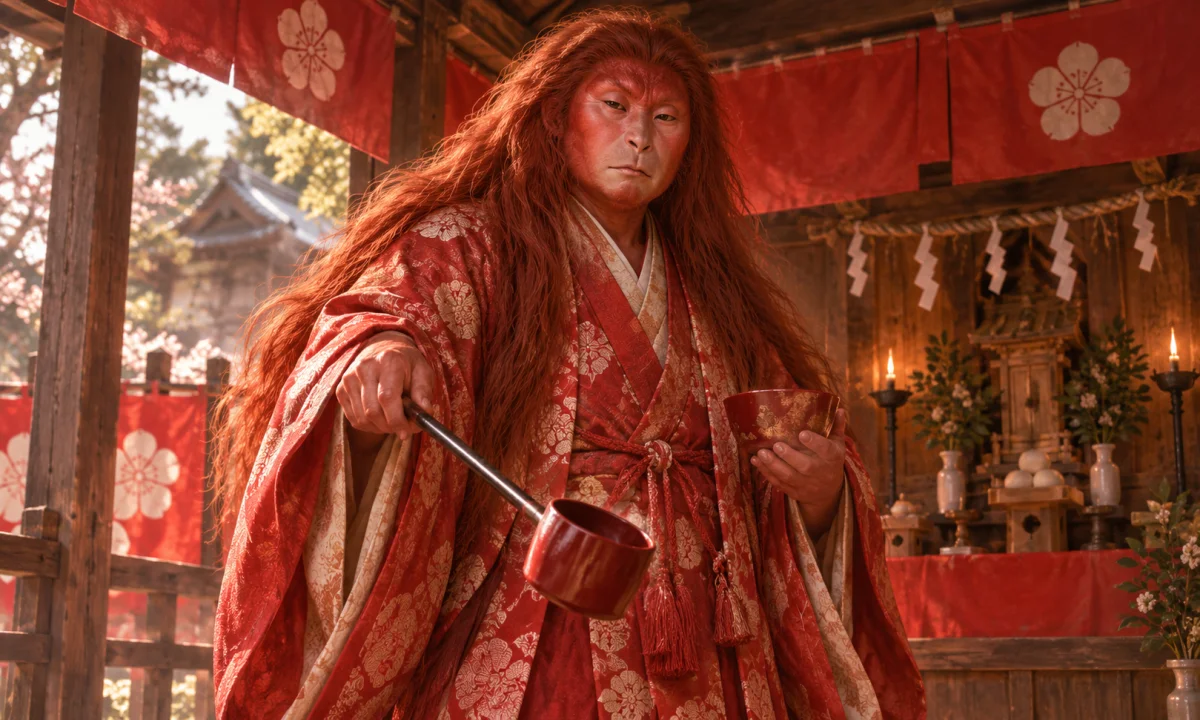
Hoso-no-kami
Hōsō-no-kami (also written Hoso-no-kami or Hōsōgami) is the Japanese personification of smallpox. The name is formed from hōsō, meaning smallpox, and kami, a deity, spirit, or sacred power. Rather than a single god with …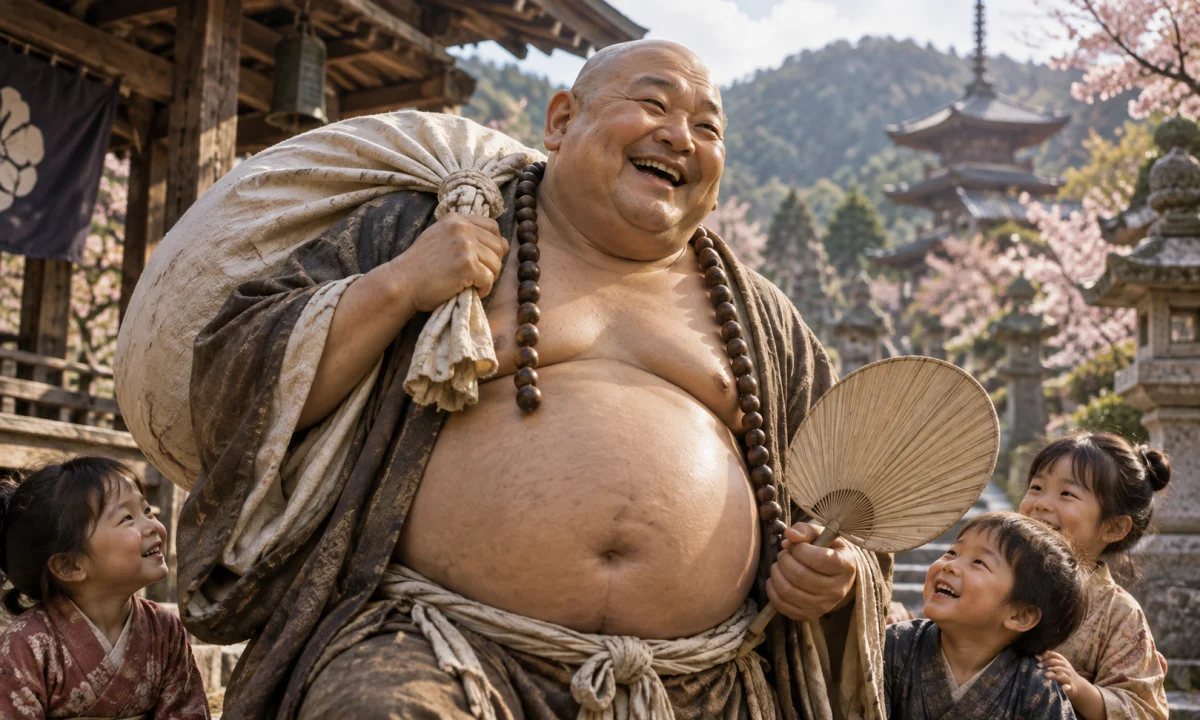
Hotei
Hotei is a cheerful, large-bellied figure in Japanese religious culture, usually shown carrying a cloth sack and smiling broadly. He is counted among the Seven Lucky Gods (Shichifukujin) and is associated with happiness,…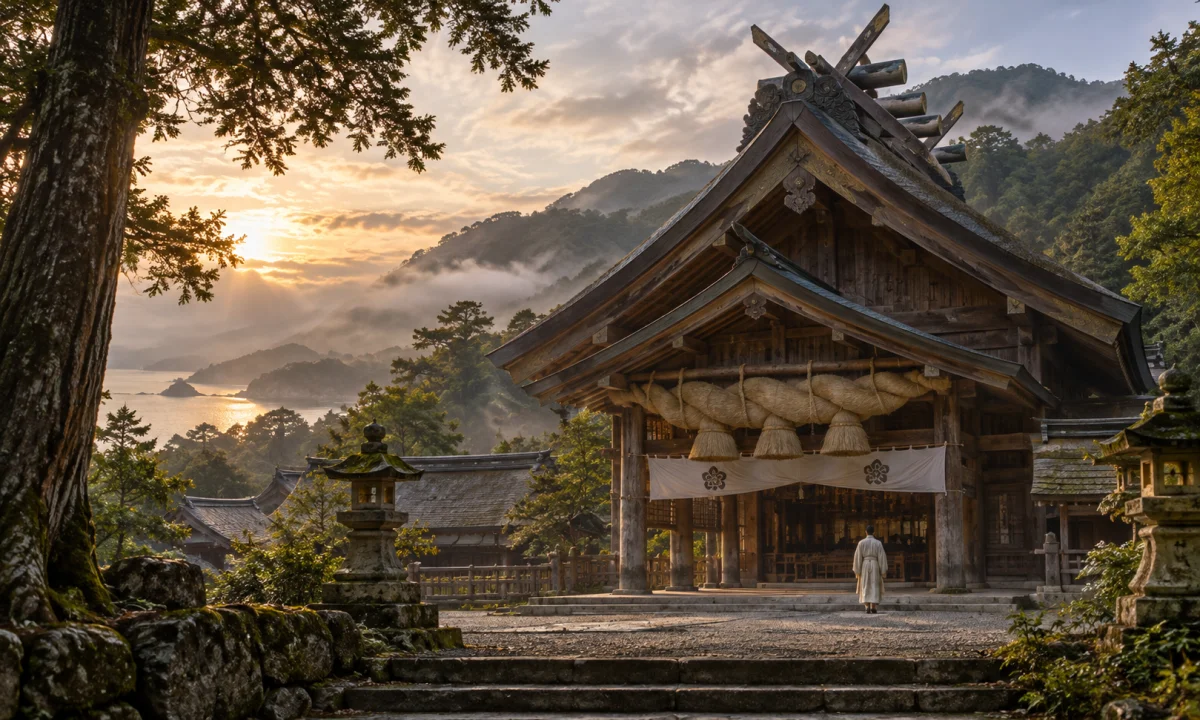
Izumo
Izumo is an ancient region of Japan associated with some of the most important narratives in Japanese mythology. Located in what is now eastern Shimane Prefecture along the Sea of Japan, Izumo appears in early chronicles…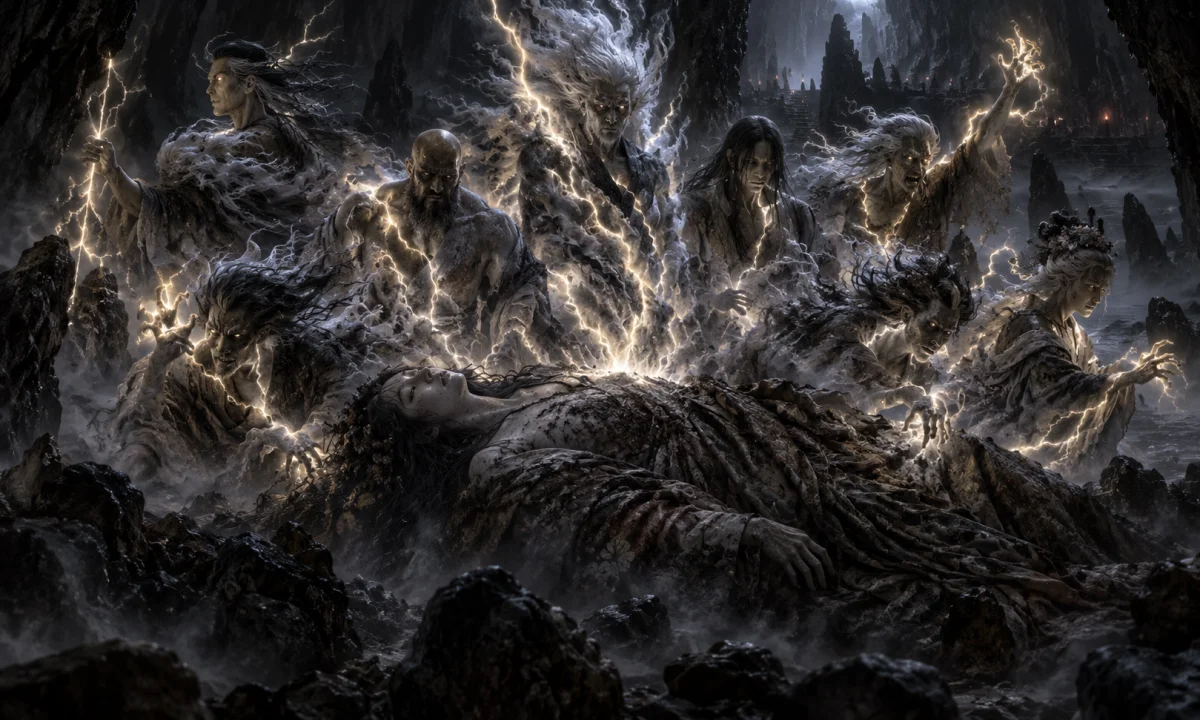
Yakusa-no-ikazuchi-no-kami
Yakusa-no-ikazuchi-no-kami is the collective name for the eight thunder deities who appear in the Japanese creation narrative preserved in the Kojiki. They are born from the body of Izanami after her death and later purs…
In
In is not a clearly identifiable, independently attested deity, spirit or legendary creature in the principal traditions of Japanese mythology. As a name written only in Roman letters, “In” is highly ambiguous: it may re…