 WORLD

Asia
Explore myths, traditions and legendary beings grouped under Asia.
Last articles
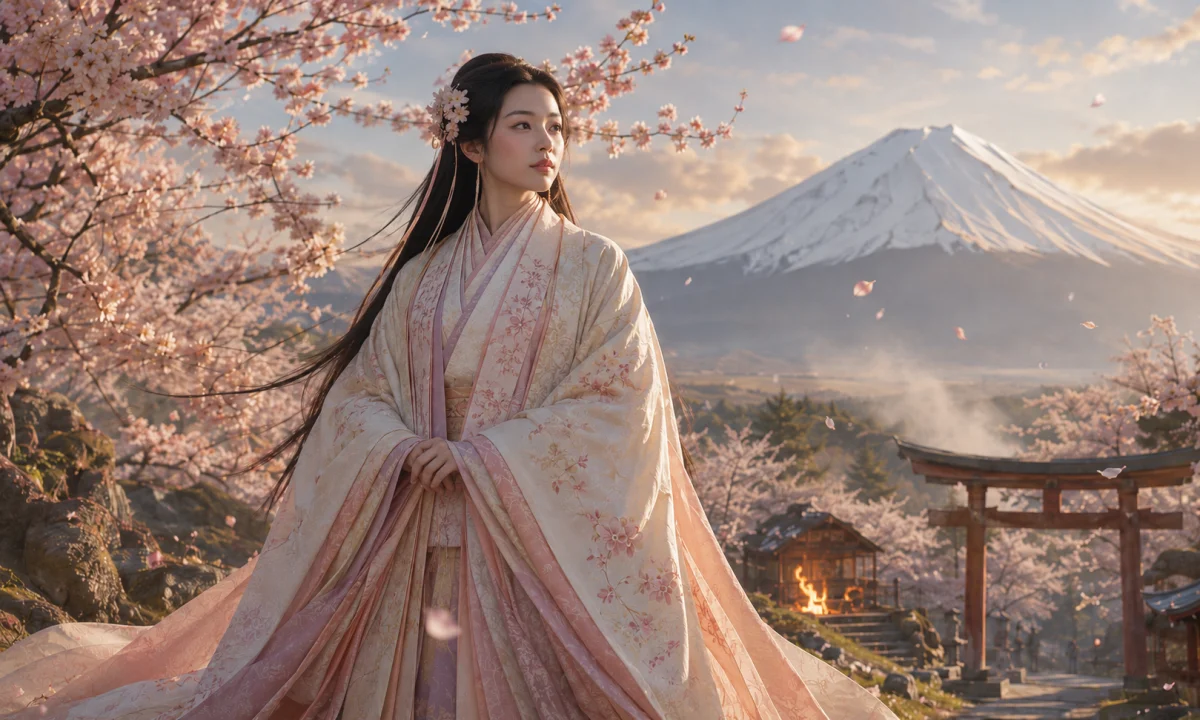
Konohanasakuya-hime
Konohanasakuya-hime is a prominent kami in Japanese mythology, best known as the beautiful daughter of the mountain deity Ōyamatsumi and the wife of Ninigi-no-Mikoto, the heavenly descendant sent to rule the Japanese isl…
Kukunochi
Kukunochi, also called Kukunochi-no-kami, is a kami associated with trees and wood in Japanese mythology. The deity appears in early accounts of the creation of the Japanese world, especially the Kojiki and the Nihon Sho…
Kunitokotachi
Kunitokotachi, also written Kuni no Tokotachi no Kami or Kunitokotachi-no-Mikoto, is a primordial kami in Japanese mythology. The figure appears most prominently in the Kojiki and the Nihon Shoki, the two earliest surviv…
Kunitsu-kami
Kunitsu-kami (国津神, also written 国つ神 or 国神 in some contexts) is a collective term in Japanese mythology for the “gods of the land” or “earthly deities.” Rather than naming one particular supernatural being, it describes a…
Kusanagi
Kusanagi is a sacred sword in Japanese mythology and one of the Three Sacred Treasures of Japan. Its full traditional name is usually given as Kusanagi-no-Tsurugi, meaning “the Grass-Cutting Sword,” although the history …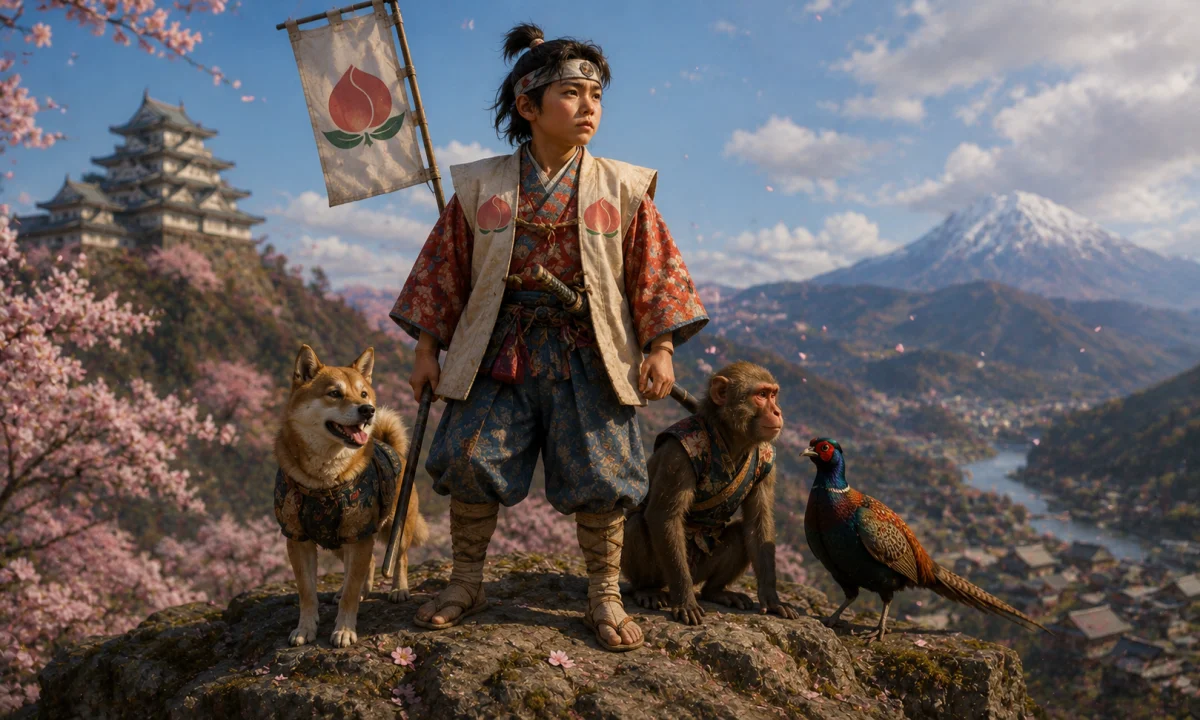
Momotaro
Momotaro (桃太郎, “Peach Boy”) is one of Japan’s best-known folktale heroes. He is a boy who emerges from a giant peach, grows into a capable young warrior, and travels to Onigashima, the “Island of Oni,” to defeat its inha…
Moshiri Ikkewe Chep
Moshiri Ikkewe Chep is a little-known name associated with Ainu tradition in northern Japan. It is sometimes described in modern accounts as a vast fish connected with the land itself, or with the foundations of the worl…
Musubi-no-kami
Musubi-no-kami is a Japanese religious and mythological expression connected with musubi, a sacred power of generation, growth, union and the bringing of things into being. Depending on the context, the name may refer ge…
Nai-no-kami
Nai-no-kami (also written Nai no Kami or translated as the “Earthquake Kami”) is a Japanese divine figure or ritual designation associated with earthquakes. The name belongs to the older religious vocabulary of Japan, bu…
Naka-yama-tsu-mi
Naka-yama-tsu-mi is an obscure mountain kami associated with the mythic birth of mountain deities from the dismembered body of the fire god Kagutsuchi in Japanese mythology. The name is often written in English as Naka-y…
Namazu
Namazu is the giant catfish associated with earthquakes in Japanese folklore and early modern popular imagery. In the best-known version of the tradition, a huge subterranean catfish lies beneath the Japanese islands. Wh…