 WORLD
WORLD
Inuit mythology
Articles about Inuit mythology within North America.
Last articles
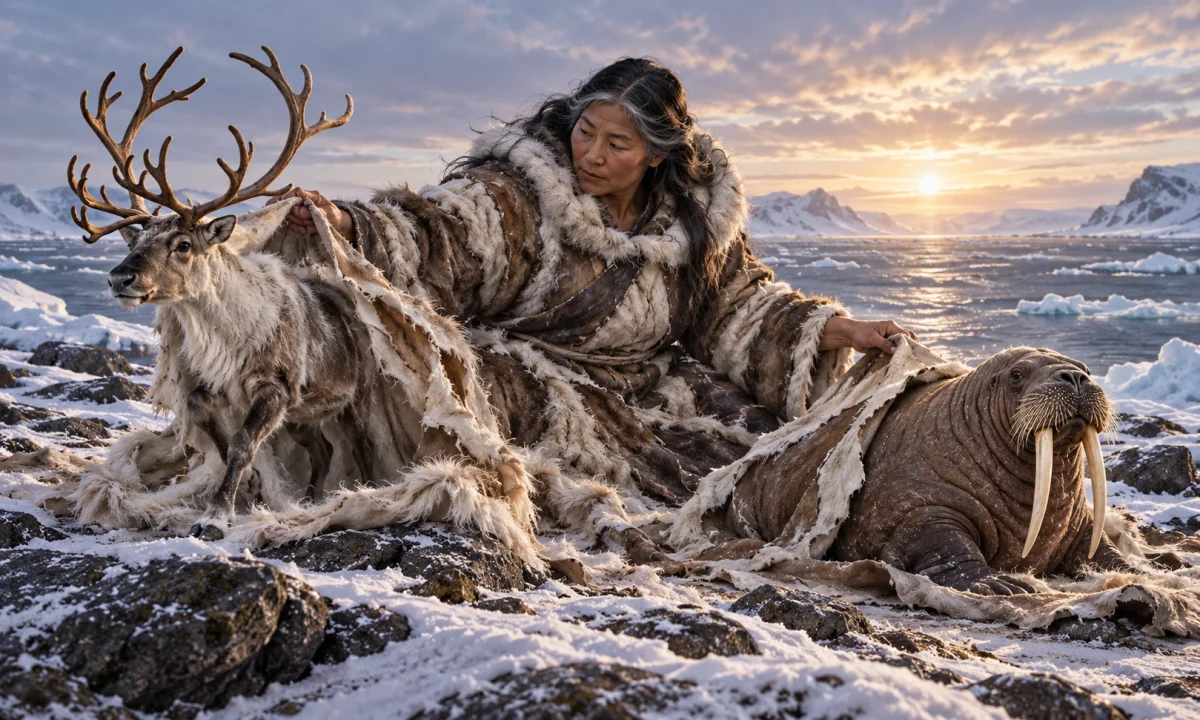
A’akuluujjusi
A’akuluujjusi is a creator figure associated with Inuit traditional narratives, especially stories recorded from Inuit communities in the eastern Arctic and Greenlandic cultural region. She is commonly described as a pow…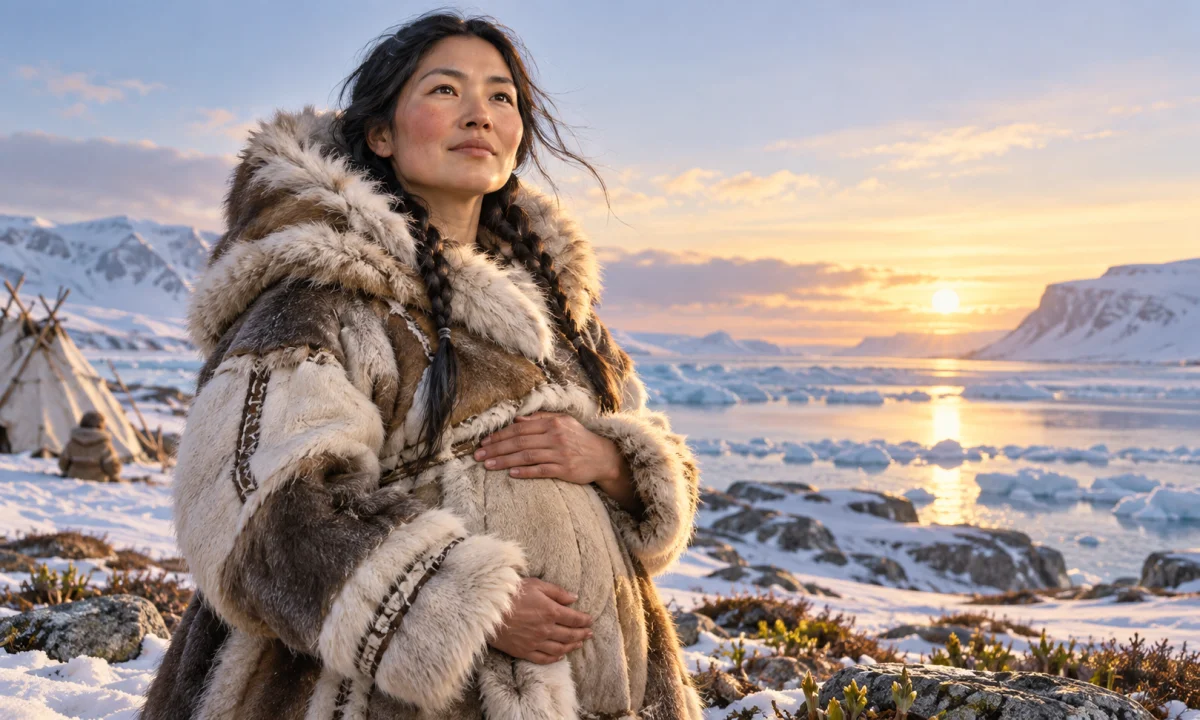
Akna
Akna is a name associated with fertility, motherhood, and childbirth in some accounts of Inuit mythology. She is often described as a maternal goddess or female supernatural being, and some modern summaries identify her …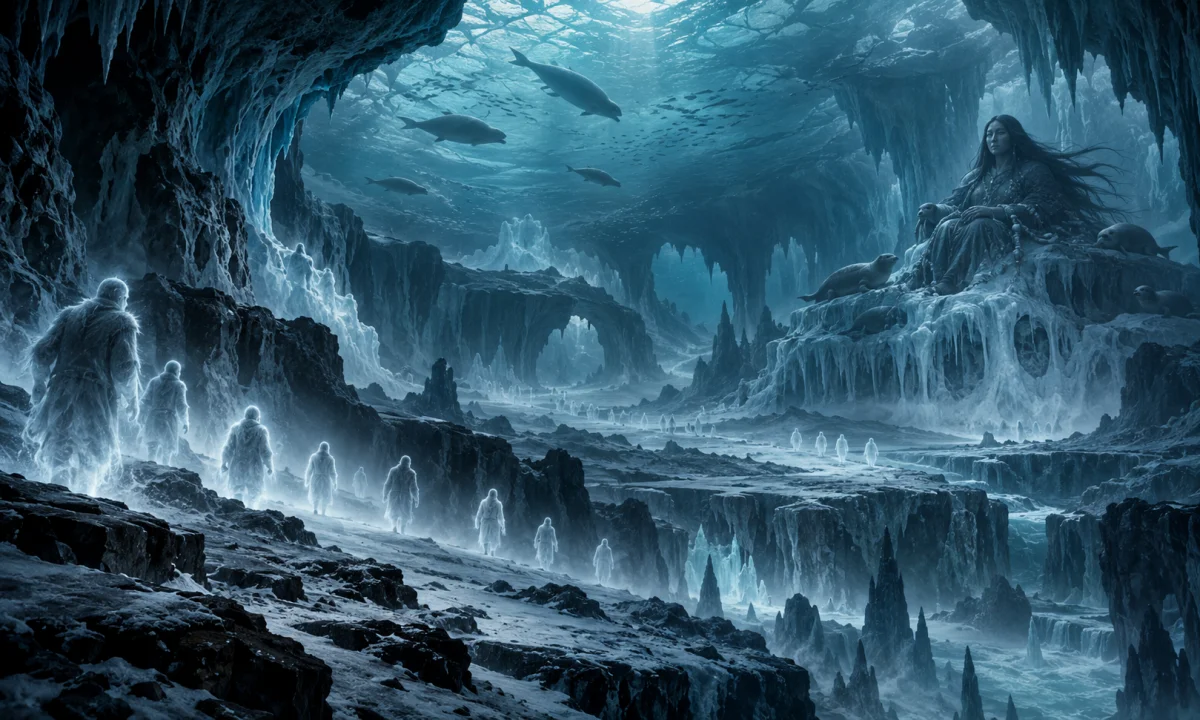
Adlivun
Adlivun is a name used in some accounts of Inuit religious tradition for the realm of the dead, often described as lying beneath the sea. It is not a single, universally defined place in all Inuit communities. Inuit peop…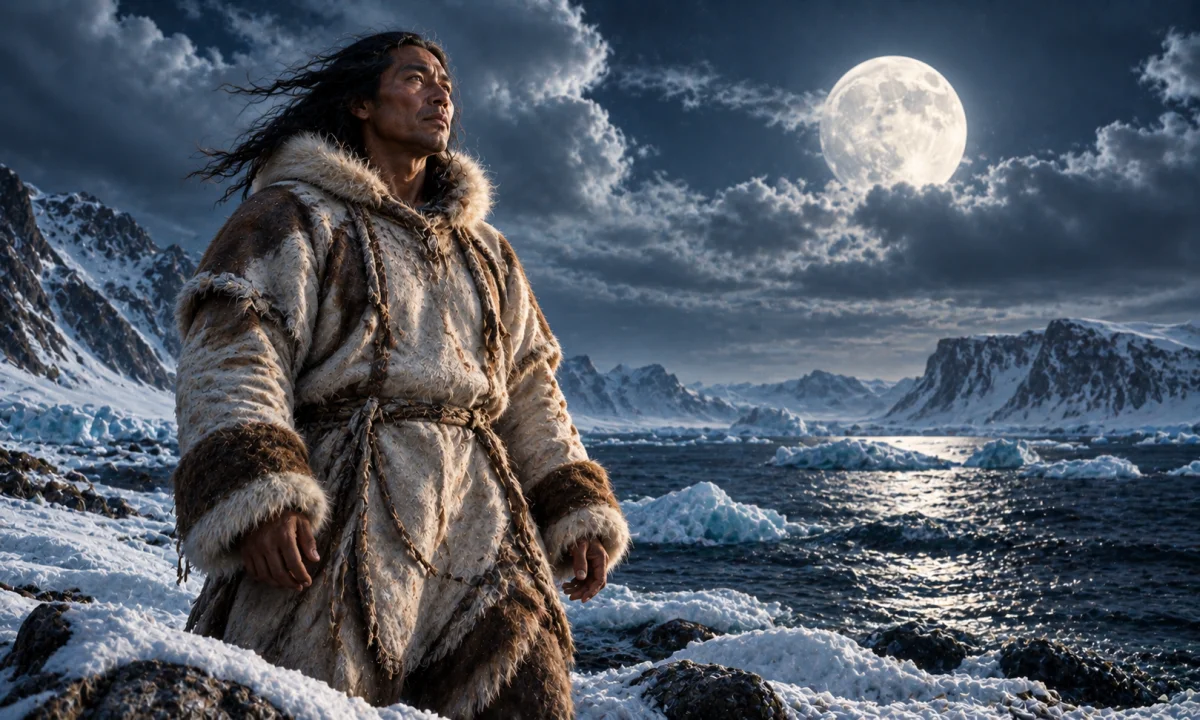
Alignak
Alignak is a name commonly used in modern English-language accounts for an Inuit moon spirit or moon deity. He is often described as a male power associated with the Moon, tides, weather, hunting, and the movement of sou…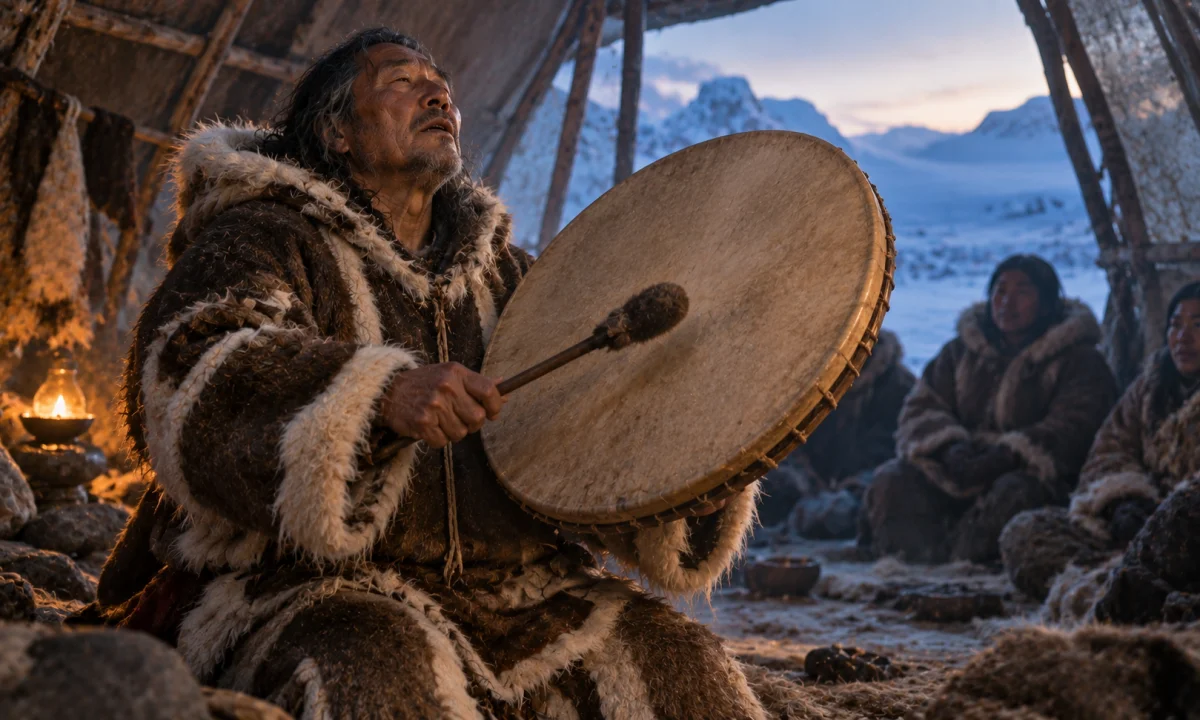
Angakok
Angakok is an older English spelling for an Inuit religious specialist more commonly rendered today as angakkuq in Inuktitut and by related forms in other Inuit languages. An angakok was not a god, monster, or single leg…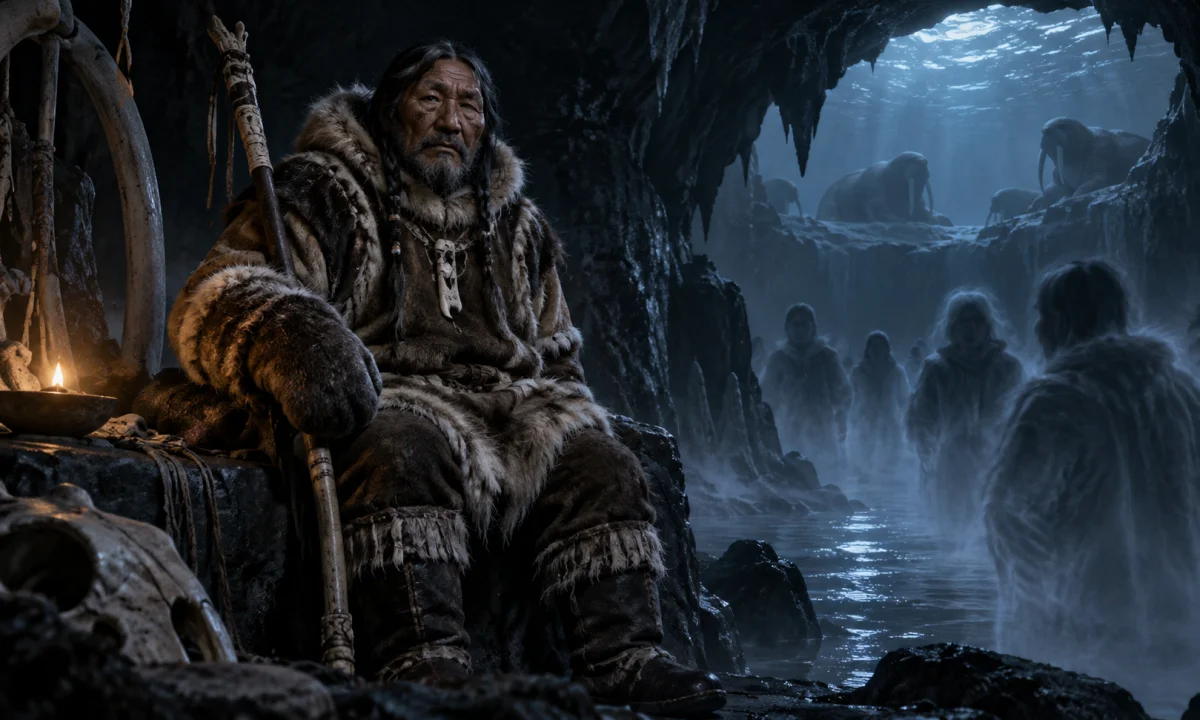
Anguta
Anguta is a figure associated with Inuit traditions, especially stories from Greenland and parts of the eastern Arctic. He is best known as the father of Sedna, the powerful woman who becomes connected with the sea anima…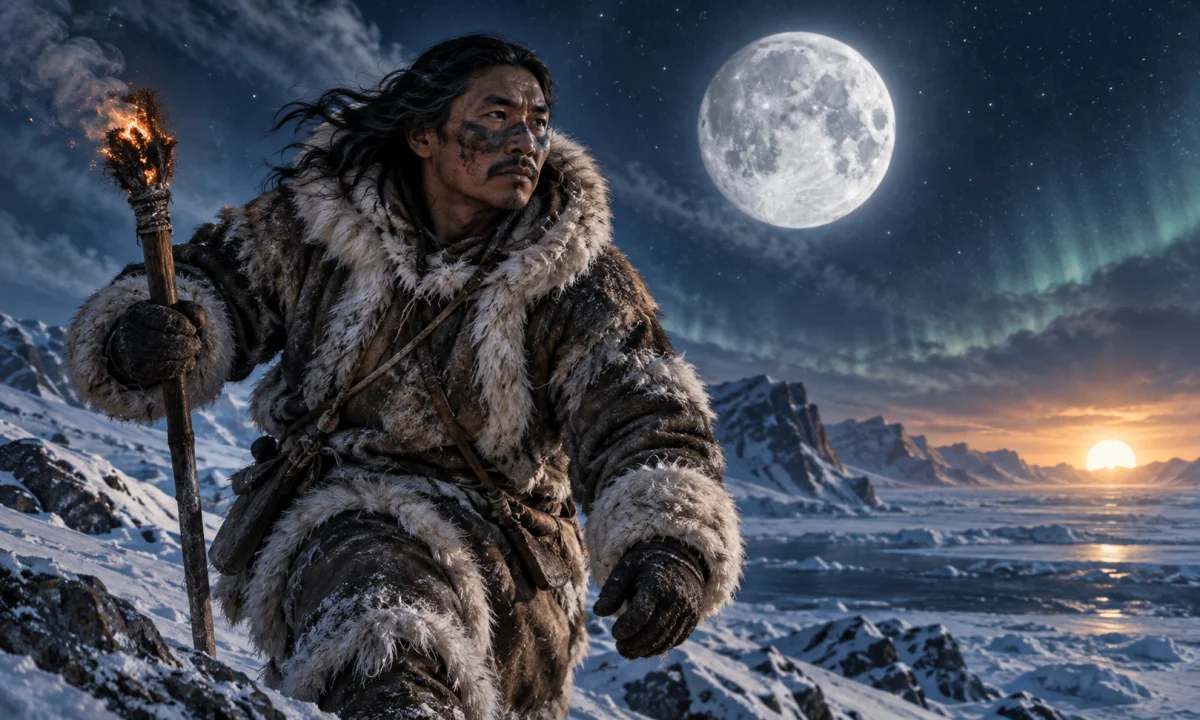
Aningan
Aningan is a moon figure in some Inuit traditions, especially those recorded in Greenland and the eastern Arctic. He is commonly described as a male personification of the Moon and as the brother, pursuer, or estranged c…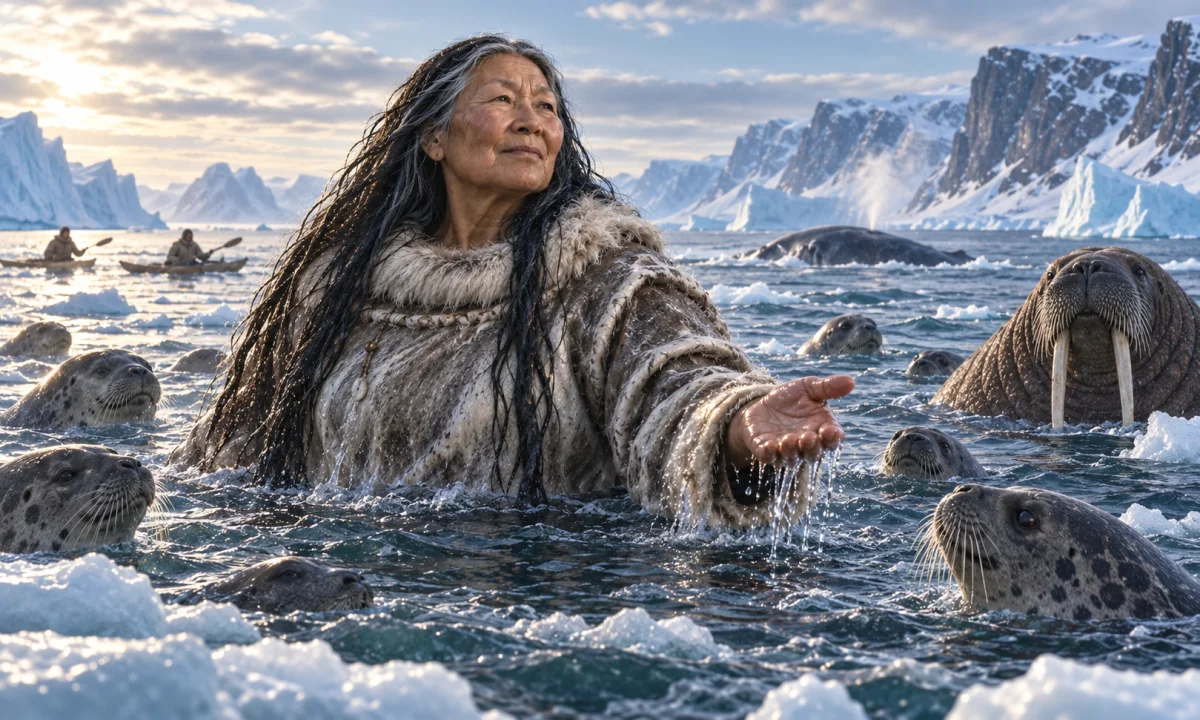
Arnakuagsak
Arnakuagsak is a figure associated with Inuit religious tradition, especially traditions recorded in Greenland. She is commonly described as a powerful female being connected with food, hunting success and the continued …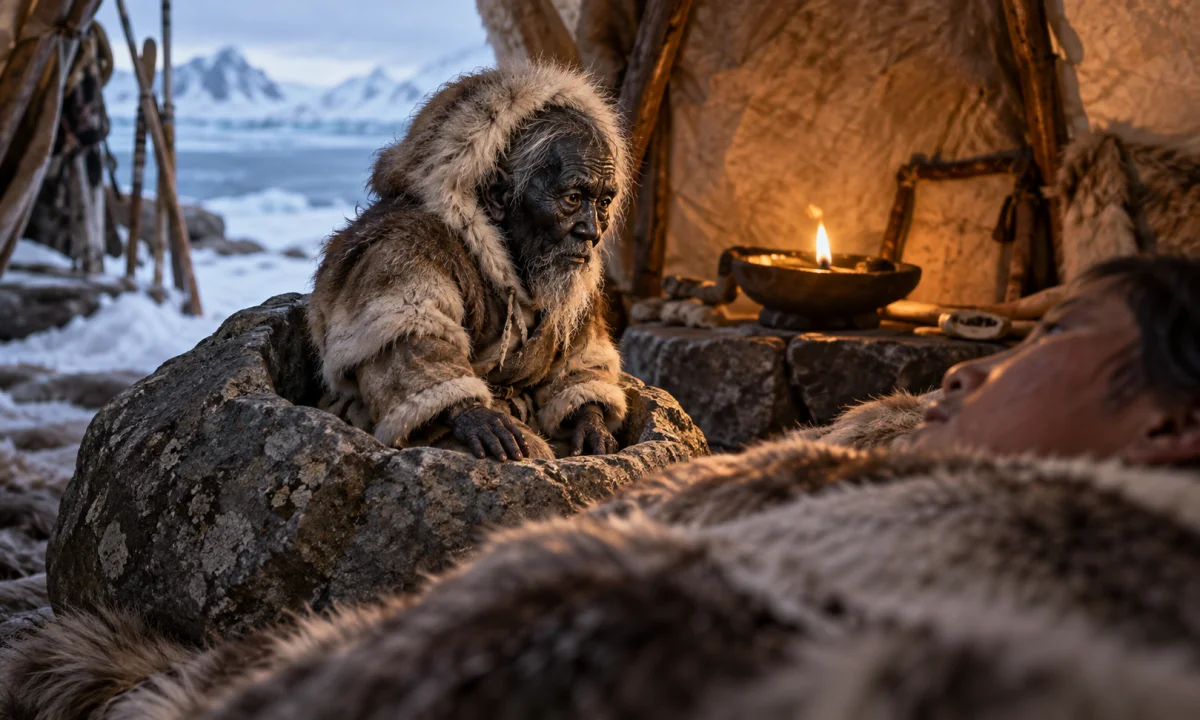
Eeyeekalduk
Eeyeekalduk is a name associated in some modern English-language references with Inuit mythology, usually as a female power connected with childbirth, fertility, or motherhood. The identification is uncertain, however. E…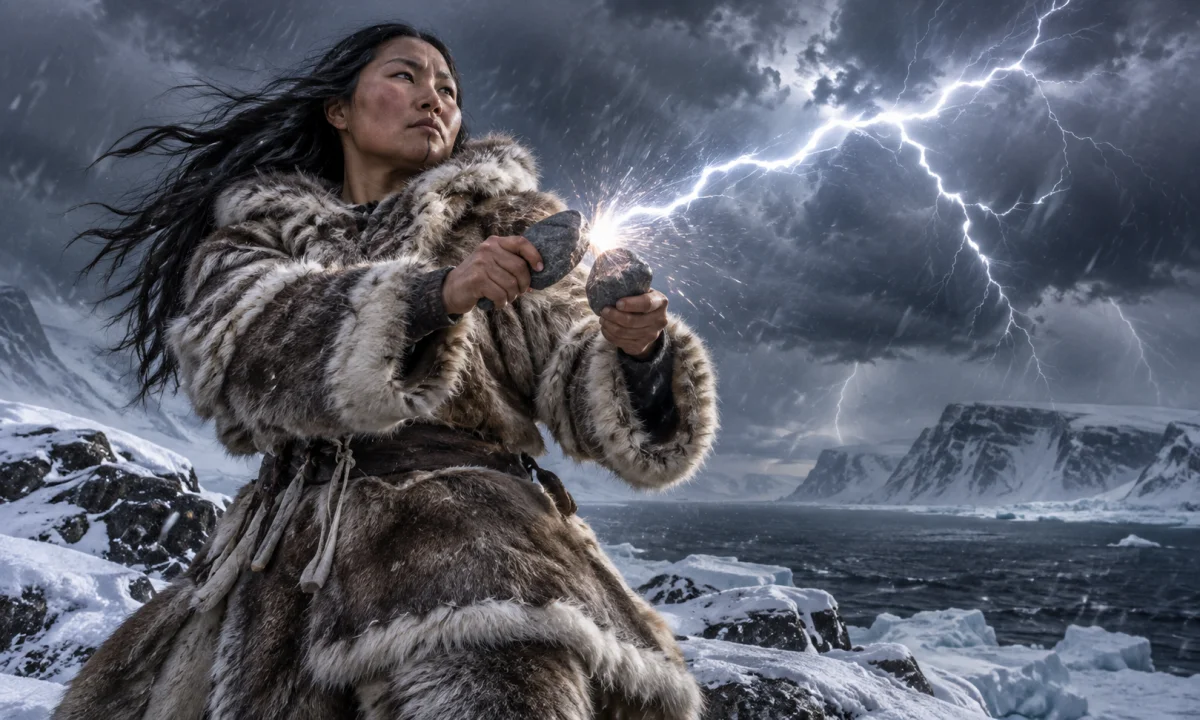
Ignirtoq
Ignirtoq is a name associated in some modern accounts with an Inuit fire spirit or fire goddess. The figure is not as widely documented as Sedna, the sea being often called Nuliajuk, or other major beings known from Inui…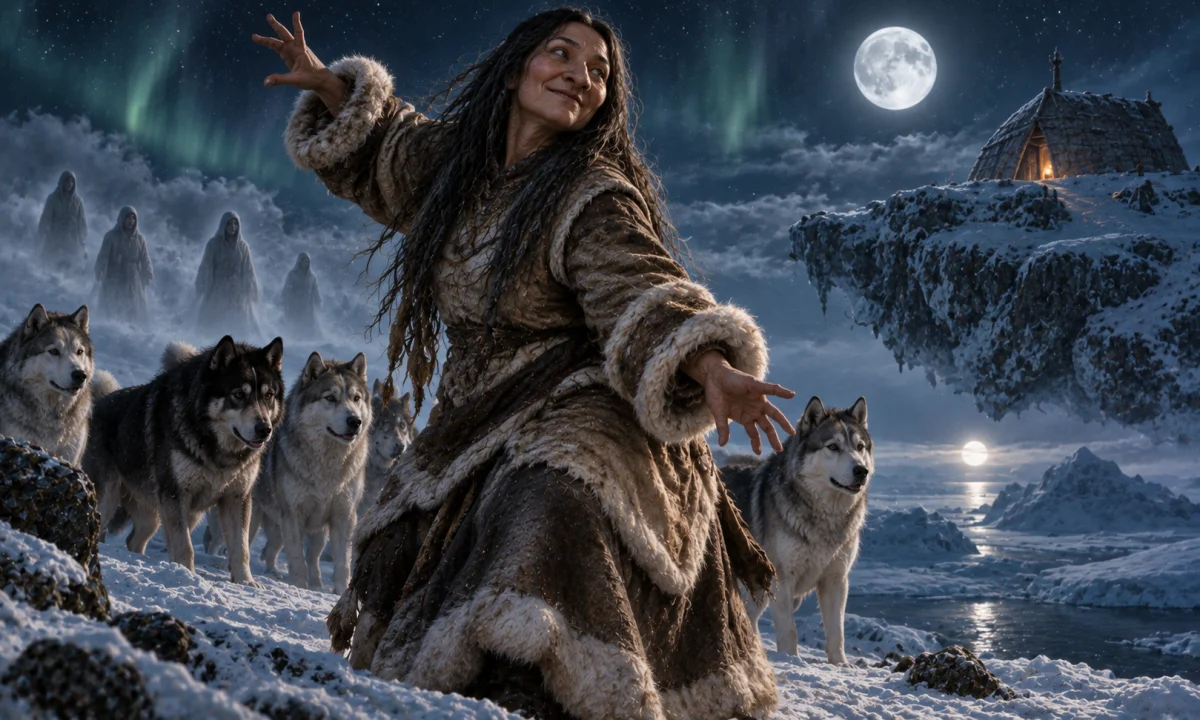
Irdlirvirisissong
Irdlirvirisissong is a poorly documented name associated with Inuit mythology and with accounts of a dangerous marine being. Unlike better-known figures such as Sedna, the sea-mother, or the ijiraq, a mysterious wilderne…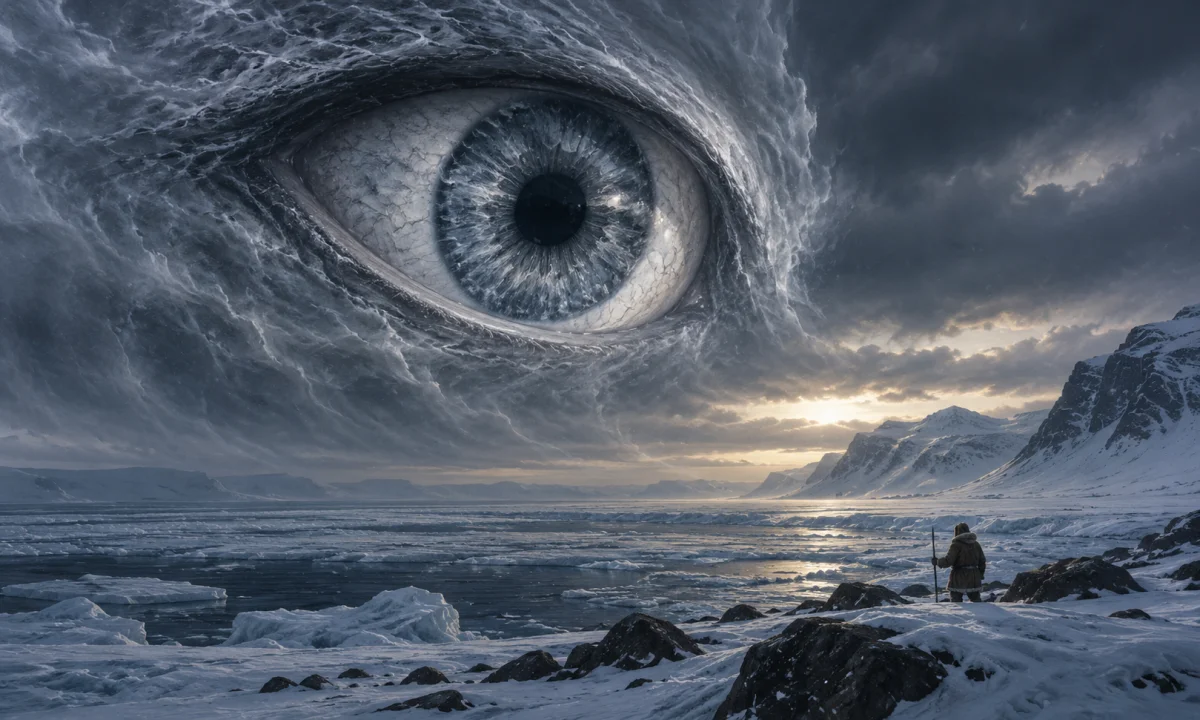
Isitoq
Isitoq is a name associated in some modern English-language accounts with an Inuit supernatural figure concerned with justice, moral conduct and punishment. The evidence for Isitoq is limited, however, and the name does …Inuit mythology: myths, traditions and legends
Inuit mythology encompasses the sacred narratives, spirit traditions, cosmological ideas, ancestral knowledge and legendary beings of Inuit peoples across the Arctic regions of Alaska, Canada and Greenland. It is not a single uniform mythology, because Inuit communities developed across an enormous geographical area and speak related but distinct languages and dialects. Traditions from Greenland, the Canadian Arctic and Alaska often share recognisable themes, yet the names, roles and stories associated with important beings can differ substantially. Inuit religious traditions were transmitted primarily through oral storytelling, ritual practice, songs and the knowledge of specialists rather than through written scriptures. Many narratives concern relationships among humans, animals, weather, sea ice, the dead and powerful non-human beings. The term mythology is useful in an academic sense for culturally significant sacred narratives, but it should not reduce Inuit traditions to fiction or ignore their continuing importance within living Indigenous cultures.
The surviving evidence must also be approached carefully. Much early documentation was produced by explorers, missionaries, traders and ethnographers after sustained European contact and, in many regions, during or after Christianisation. Stories were translated from Inuit languages into European languages, sometimes through several intermediaries. As a result, terms such as god, demon, soul and shaman may not always correspond precisely to Indigenous categories. Inuit mythology is therefore best understood through regional traditions, linguistic context and the close relationship between narrative and the practical conditions of Arctic life.
Inuit peoples and regional diversity
The word Inuit refers to related Indigenous peoples across the North American Arctic and Greenland. It should not be used as a universal label for every Arctic Indigenous culture. The Yupik peoples of Alaska and Siberia, for example, are culturally and linguistically related to Inuit peoples but possess their own distinct traditions.
Within Inuit societies themselves, regional differences are considerable. Kalaallit traditions of Greenland, Inuvialuit traditions of the western Canadian Arctic, Inuit traditions of Nunavut and Nunavik, and Iñupiat traditions of Alaska cannot simply be combined into one canonical system.
A figure known by one name in the central Canadian Arctic may appear under another name, or with a different genealogy and role, in Greenland. Variation is therefore an ordinary feature of oral tradition rather than evidence that one version is incorrect.
Sources and oral transmission
Inuit narratives were traditionally communicated through storytelling, songs, ritual instruction and social memory. Stories could explain dangerous places, proper hunting behaviour, encounters with spirits or the origins of animals and celestial phenomena.
Some narratives were entertaining as well as instructive, and the distinction between myth, legend and folktale is often a modern analytical one rather than an Indigenous division.
Ethnographers recorded large bodies of Inuit oral literature from the nineteenth and twentieth centuries, often through named Indigenous storytellers and interpreters. These collections preserve extremely valuable material but represent particular communities and moments in time.
Missionary influence also altered the language used to describe older beliefs. Christian concepts were sometimes used to interpret beings that originally belonged to very different religious categories.
A world inhabited by persons and powers
Traditional Inuit cosmologies frequently describe a world populated not only by humans but by animals, deceased people and numerous non-human beings capable of intention and agency.
The boundaries between human and animal existence are often more fluid in myths than they appear in ordinary life. Animals may remove their skins and appear as people, marry humans or communicate with ritual specialists.
Such narratives express relationships of dependence and reciprocity in societies where hunting marine mammals, caribou and other animals was essential to survival.
Animals should therefore not be treated merely as symbols. Within many traditional narratives they are social and spiritual participants whose proper treatment affects the wellbeing of human communities.
Sila
Sila is one of the most important and difficult concepts in Inuit religious thought. Depending on language and context, the word can relate to weather, atmosphere, the world outside, intelligence or a pervasive cosmic power.
Older English accounts sometimes personified Sila as a single supreme god. This can be misleading. In some traditions Sila may be spoken of in more personal terms, while in others the concept refers more broadly to the environment or the force operating through weather and consciousness.
The meaning varies regionally, and no single translation captures every use.
Sea Woman traditions
One of the most famous Inuit mythological figures is the powerful female being associated with the sea and marine animals. She is widely known in English-language literature as Sedna, although that name belongs especially to traditions recorded in parts of the Canadian Arctic.
Related figures have different names elsewhere, including Nuliajuk in some Canadian traditions and Sassuma Arnaa, the Woman of the Sea, in Greenlandic contexts.
The stories vary extensively. A young woman may reject prospective husbands, marry a deceptive non-human husband or become involved in conflict with her father. During an escape by boat she is cast into the sea, and when she clings to the vessel her fingers or hands are cut away. These severed parts become seals, whales and other marine animals.
It is misleading to treat every regional form as one goddess with a single canonical biography.
The Sea Woman and hunting
The Sea Woman's significance extends far beyond an origin story. In several traditions she controls or influences access to marine animals on which coastal communities depend.
Human violations of important rules may cause animals to become unavailable. A ritual specialist may then undertake a dangerous spiritual journey to the Sea Woman, discover what has caused the disruption and restore the relationship.
Some accounts describe her hair becoming tangled because she lacks fingers with which to comb it. The visiting specialist must clean or comb her hair before marine animals can be released again.
The narrative connects environmental abundance with human conduct and ritual responsibility rather than portraying hunting success as purely technological.
Angakkuq and ritual specialists
An Inuit ritual specialist is commonly known through forms of the word angakkuq, with regional linguistic variations. Older European literature frequently uses the word shaman, but angakkuq is the more culturally specific term.
Angakkuit could perform healing, communicate with spirits, investigate violations, seek information about hunting conditions or undertake visionary journeys.
Their authority depended upon training, personal ability and relationships with helping beings rather than membership in one central priesthood.
Practices varied between communities, and not every angakkuq performed the same functions.
Helping spirits
Angakkuit could have relationships with powerful assisting beings often described in English as helping spirits. These might appear in animal, human or other forms and provide knowledge or protection.
European descriptions sometimes classified all such beings as demons or familiars according to Christian categories. Those translations can radically distort their role.
Relationships with helping beings could involve obligations, restrictions and specialised knowledge. They belonged to the ritual world of particular practitioners rather than forming a universal list of Inuit spirits.
Tuurngait
Forms of the term tuurngaq, plural tuurngait in some Inuit languages, refer to powerful non-human beings whose nature varies according to region and context.
Missionaries sometimes translated the term as devil or demon, particularly after Christianisation. This encouraged the later misconception that traditional Inuit religion divided supernatural beings into Christian-style forces of good and evil.
Tuurngait could be dangerous, but the traditional category is more complex than the English word demon suggests.
Inua and the indwelling person
Early ethnographic accounts use forms of the term inua to describe the person, owner or indwelling being associated with animals, objects, places or natural phenomena.
The concept has sometimes been generalised into the claim that Inuit people believed every object possessed a soul. That formulation is too simple and does not capture the linguistic or regional complexity of the idea.
Inua traditions nevertheless demonstrate that a seal, mountain, wind or other element of the world could possess dimensions of personhood not visible in ordinary physical appearance.
Rules, restrictions and consequences
Traditional Inuit communities maintained numerous rules concerning hunting, food preparation, death, childbirth and interactions between land and sea animals. Anthropological literature often labels such restrictions taboos.
Violating important rules could affect more than the individual responsible. Hunting might fail, weather could become dangerous or spiritual imbalance could threaten the community.
Confession or disclosure could therefore have ritual importance when hidden violations were believed to be causing collective misfortune.
These practices should not be reduced to irrational prohibitions. They were embedded within larger systems of social responsibility, environmental knowledge and relations with animals and spirits.
Animals and transformations
Human-animal transformation is a recurring feature of Inuit narratives. Seals, bears, birds and other animals may reveal human-like forms, while humans can sometimes become animals or marry non-human beings.
Such stories often explore the unstable boundary between familiar society and the wider living world.
The polar bear occupies an especially powerful position because of its strength, hunting abilities and resemblance to humans in certain behaviours. However, there is no single universal Inuit bear mythology shared identically across the Arctic.
Animal narratives vary according to local ecology and the species important to particular communities.
Raven
Raven appears prominently in the mythologies and folklore of many northern Indigenous peoples. In Inuit and related Arctic traditions, Raven may act as a creator, transformer, trickster or bringer of important resources depending on the story and region.
Raven traditions are particularly extensive among several Indigenous peoples of Alaska and the Northwest Coast, but individual stories should not be transferred automatically between cultures.
Where Raven appears in Inuit tradition, the figure can combine intelligence with selfishness, deception or comic failure. Trickster behaviour does not fit a simple division between divine hero and villain.
The sun and the moon
Inuit traditions preserve several narratives explaining the origins or relationships of the Sun and Moon. One widely recorded pattern describes them as a sister and brother whose troubled relationship results in a celestial pursuit.
The details vary considerably, including the names of the figures and the circumstances that lead them into the sky.
Unlike many European traditions, the gender assigned to the Sun and Moon in Inuit stories may surprise readers accustomed to different mythological conventions. Such differences demonstrate why celestial beings should not be assumed to possess universal genders or relationships.
The northern lights
The aurora borealis appears in numerous Inuit traditions, but explanations differ across the Arctic. In some regions, the lights have been associated with spirits of the dead, while elsewhere they possess different meanings.
Popular books often repeat one interpretation as if it were universally Inuit. This ignores substantial regional variation.
Some stories describe relationships between the lights and human behaviour, including warnings about attracting their attention. Other communities may treat the aurora with less fear.
The dead and the afterlife
Inuit beliefs concerning death were not organised around one universal heaven and hell. The dead might travel to different realms depending on local tradition, circumstances of death or other factors.
Some accounts describe celestial destinations, while others locate the dead in lower or distant worlds. The deceased could also remain significant through names, memories and relationships with living relatives.
Christian missionary accounts sometimes translated Inuit destinations of the dead through terms such as heaven, hell or purgatory. These labels can obscure traditional distinctions.
Names and continuity
Personal names have had profound significance in many Inuit communities. A child may receive the name of a deceased relative or another important person, establishing a meaningful relationship between the living child and the person whose name continues.
Older ethnographic discussions sometimes interpreted this practice as straightforward reincarnation. Inuit understandings are more varied and cannot always be reduced to the idea that one complete soul has entered another body.
Naming may create relationships of identity, kinship and continuity that affect how others address or treat the child.
Qallupilluit
Qallupilluit, with spellings varying by language and transcription, are dangerous beings in some Inuit traditions associated particularly with the sea or areas beneath the ice.
Stories commonly warn children against approaching dangerous edges of sea ice or water, where such beings may seize them.
Modern children's literature and media have made Qallupilluit increasingly familiar outside Inuit communities, sometimes standardising their appearance. Traditional descriptions are more variable.
They are better understood within the hazards and storytelling environments of Arctic coastal life than as generic aquatic monsters.
Ijirait
Ijirait are mysterious beings in some Inuit traditions, often associated with remote landscapes and deceptive appearances.
Accounts may describe them as difficult to perceive accurately or capable of confusing travellers. Their characteristics vary between regions and storytellers.
They are sometimes compared with shape-shifters or wilderness spirits, but such broad English categories can conceal their distinctive cultural context.
Tupilak
The tupilak is especially associated with Greenlandic Inuit tradition. Historically, the term referred to a dangerous being created through ritual means and sent against an enemy.
Its creation belonged to specialised magical knowledge and could carry serious risk because another practitioner might turn the tupilak back upon its maker.
Modern Greenlandic carved figures marketed as tupilaks developed in a different context after contact with Europeans. These artistic objects are not simply surviving physical examples of the secret beings described in older ritual traditions.
The distinction between the traditional concept and modern carving is essential.
Amarok
Amarok has become famous internationally as a gigantic supernatural wolf of Inuit mythology. The underlying traditions are more complex than many modern fantasy descriptions suggest.
The word is associated with wolf terminology in Inuit linguistic contexts, and stories concerning extraordinary or dangerous wolves have been recorded. However, the idea of Amarok as one universally recognised solitary monster with a fixed mythology has been amplified by modern retellings.
Wolf stories should therefore be interpreted according to the specific region and source rather than assembled into a single creature profile.
Giants and extraordinary human-like beings
Inuit storytelling includes numerous extraordinary beings that may be described in English as giants, dwarfs, cannibals or monstrous humans. These translations are often approximate.
Some stories involve unusually large inland beings or dangerous strangers living beyond familiar settlements. Others concern human-like beings whose habits place them outside normal society.
Their roles frequently express the danger of travel and the uncertainty of landscapes beyond the boundaries of community knowledge.
Sea ice and sacred geography
The Arctic environment is inseparable from Inuit narrative tradition. Sea ice, open water, mountains, islands and unusual rock formations can become locations of ancestral memory or supernatural encounters.
Stories encode observations about dangerous conditions as well as religious and moral meanings. A place associated with a spirit or legendary event may also be a place requiring practical caution.
This relationship between knowledge and landscape means that Inuit mythology cannot be separated neatly from navigation, hunting and environmental experience.
Hunting and reciprocity
Hunting traditions frequently emphasise correct treatment of animals and their remains. Practices could express respect toward the animal and help ensure that future animals remained available to hunters.
The precise rules varied according to species and region. Marine mammals, caribou and bears could require different forms of treatment.
Such practices are sometimes described broadly as hunting magic. This term is inadequate when it obscures the ethical and social relationship between humans and the animals upon whom survival depended.
Christianisation and religious change
Christian missionaries became increasingly influential across Inuit regions at different times from the eighteenth century onward, with substantial variation between Greenland, Labrador, the Canadian Arctic and Alaska.
Conversion transformed ritual practices and the interpretation of spirits. Angakkuit were often condemned by missionaries, while traditional beings could be reclassified as demons within Christian teaching.
Older narratives nevertheless continued through oral tradition, and Christianity itself was adapted to Inuit languages and cultural contexts.
Modern Inuit communities contain diverse religious identities, including strong Christian traditions alongside renewed interest in ancestral knowledge and cultural heritage.
Colonial recording and cultural disruption
Colonial governments, mission institutions and settlement policies profoundly altered Inuit life. Forced relocations, residential schooling in Canada, language suppression and other interventions disrupted the transmission of traditional knowledge.
Ethnographic collections made during these periods can preserve stories that might otherwise have been lost, but the historical circumstances under which they were collected must remain visible.
Some information was recorded without the cultural context necessary to determine whether it was widely shared, restricted or specific to one storyteller.
Modern popular culture and misconceptions
Modern fantasy frequently turns Inuit supernatural beings into a fixed Arctic bestiary. Sedna becomes a sea goddess with one official biography, Amarok becomes a giant wolf species, and tupilaks become carved monsters possessing standard powers.
Traditional evidence is much less uniform. The Sea Woman has different names and narratives, spirit categories vary between regions, and beings recorded in Greenland cannot automatically be inserted into traditions from Alaska or Nunavut.
Another misconception describes traditional Inuit religion as simple animism in which everything possessed an identical spirit. Inuit concepts of personhood, spiritual power and relationships with animals are far more specific and linguistically varied.
Storytelling, language and living cultural knowledge
Contemporary Inuit writers, artists, filmmakers and storytellers continue to reinterpret ancestral narratives in Inuktut languages, Greenlandic and other Inuit linguistic traditions as well as in English, French and Danish. Modern retellings can preserve cultural knowledge while also creating new literary forms.
Figures such as the Sea Woman, Qallupilluit and other beings now appear in children's books, sculpture, graphic art and film, sometimes addressing contemporary issues of identity, environmental change or colonial history.
These modern works should be distinguished from older oral records without treating them as culturally inauthentic. Inuit mythology has always depended upon storytelling within changing communities, and its regional forms continue to carry relationships with language, land, sea, animals and ancestral memory.