WORLD
WORLD
Mediterranean & Near East
Explore myths, traditions and legendary beings grouped under Mediterranean & Near East.
Last articles
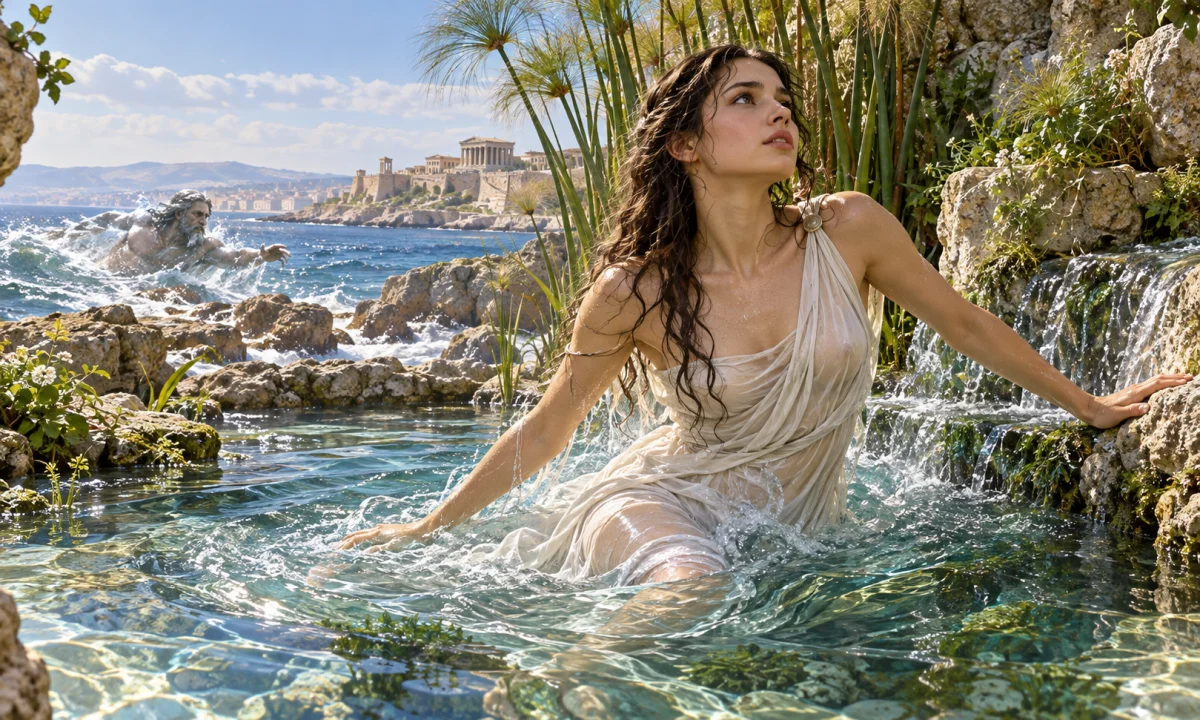
Arethusa
Arethusa is a nymph of Greek mythology associated with a famous spring on the island of Ortygia, the ancient heart of Syracuse in Sicily. Her story connects the waters of Sicily with the river Alpheus in Elis, in the wes…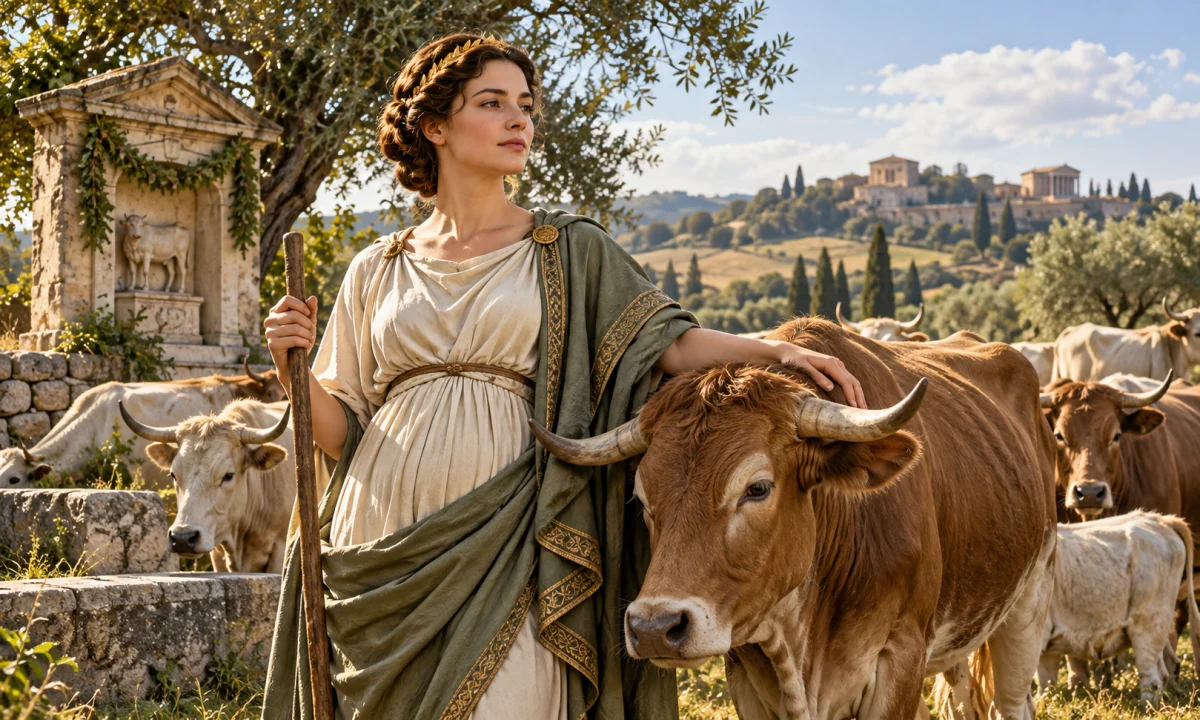
Bubona
Bubona is a little-known Roman goddess associated with oxen or cattle. Her name appears mainly in ancient catalogues of specialized Roman deities, where she is described as the divine power placed in charge of bovine ani…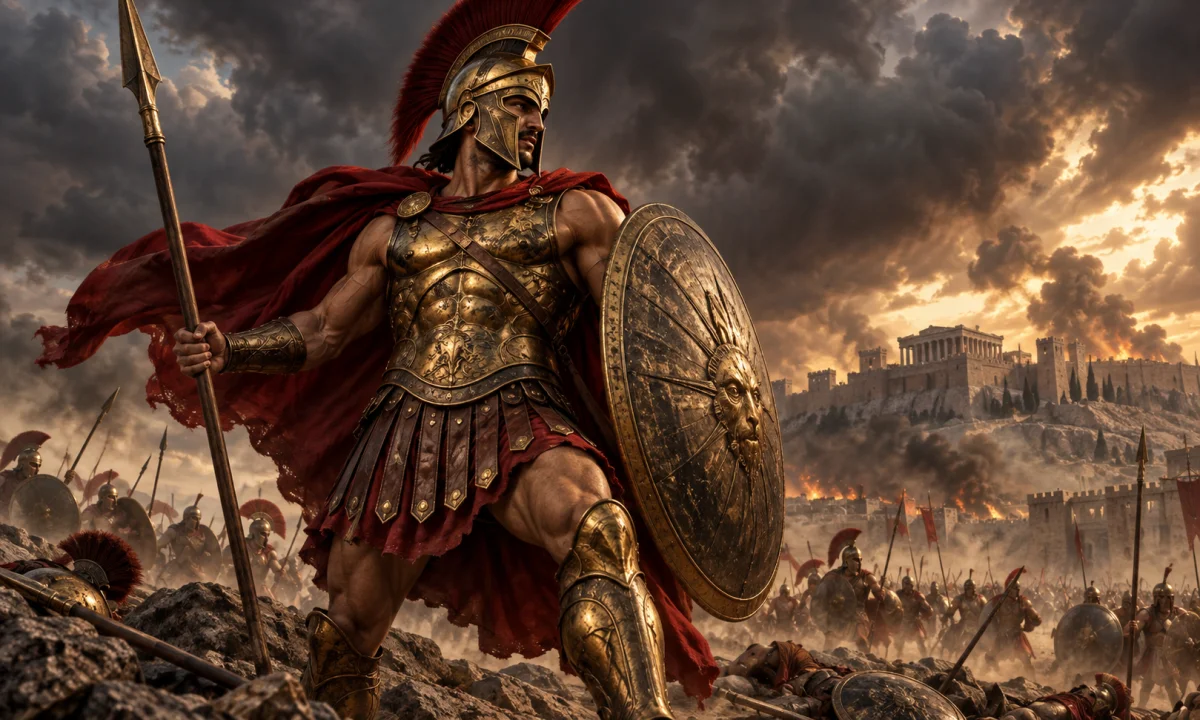
Ares
Ares is the Greek god of war, especially its violence, confusion and destructive force. He belongs to the religious and mythological traditions of ancient Greece, where warfare was both a practical necessity and a source…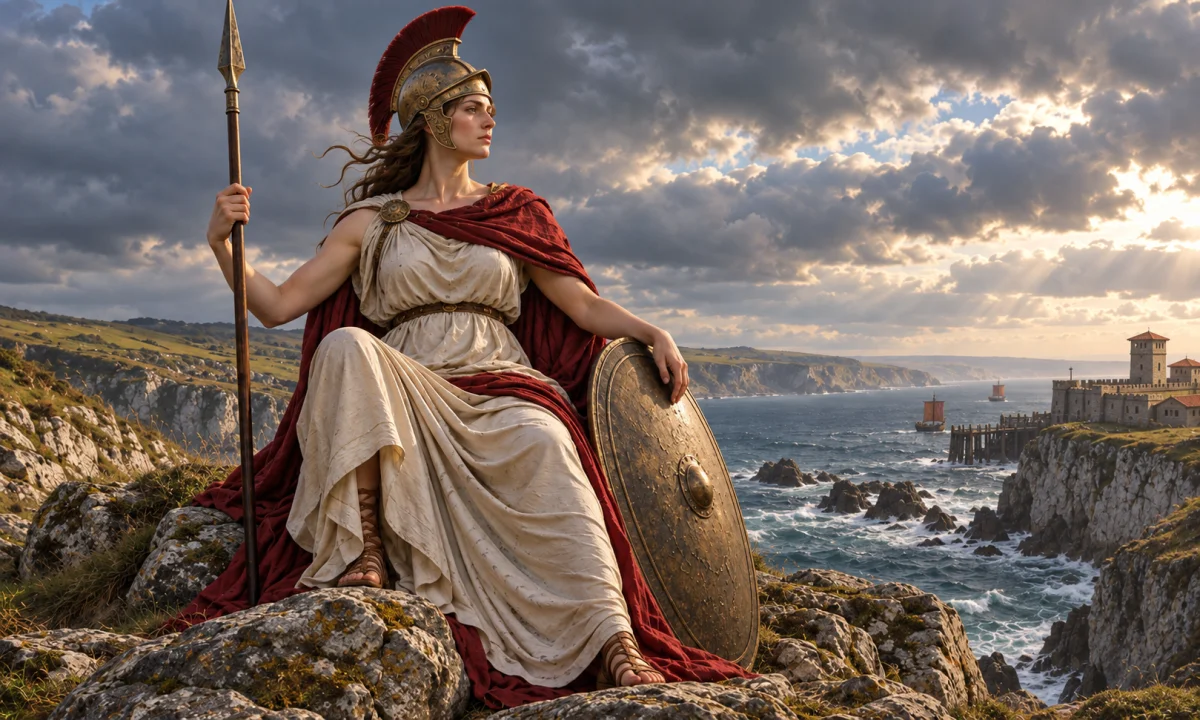
Britannia
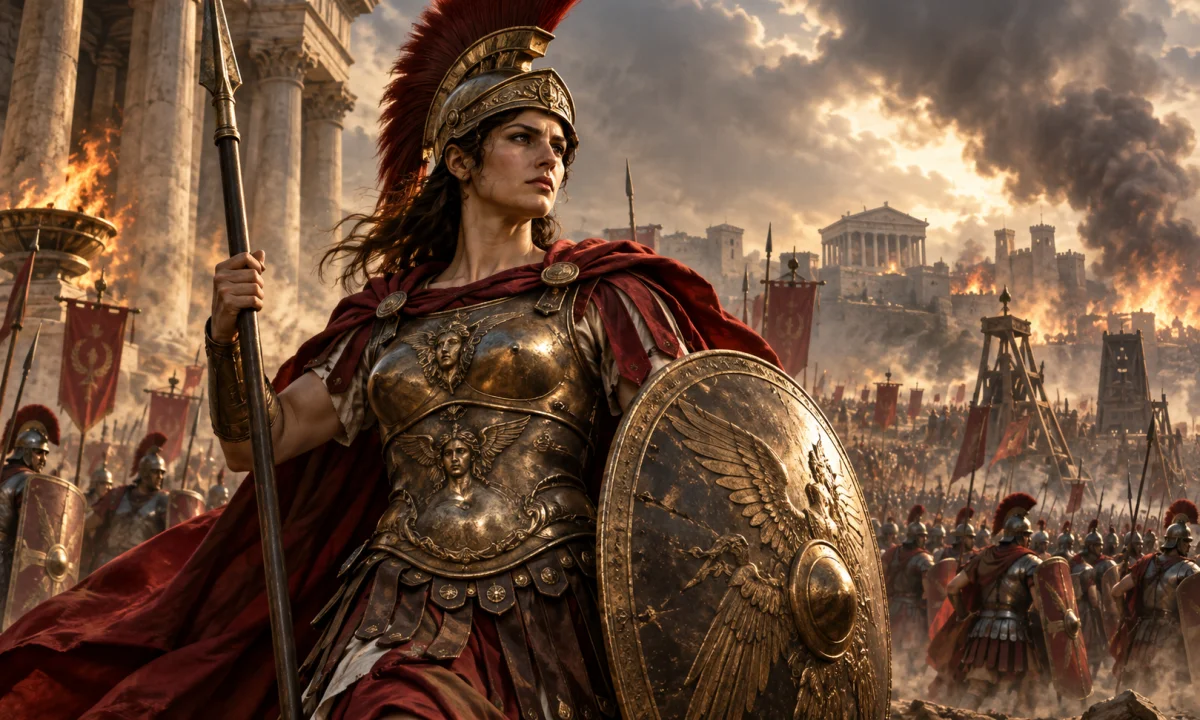
Britannia is the Roman personification of Britain and the province that Rome established in parts of the British Isles. She is usually represented as a helmeted woman seated beside a shield, holding a spear or military s…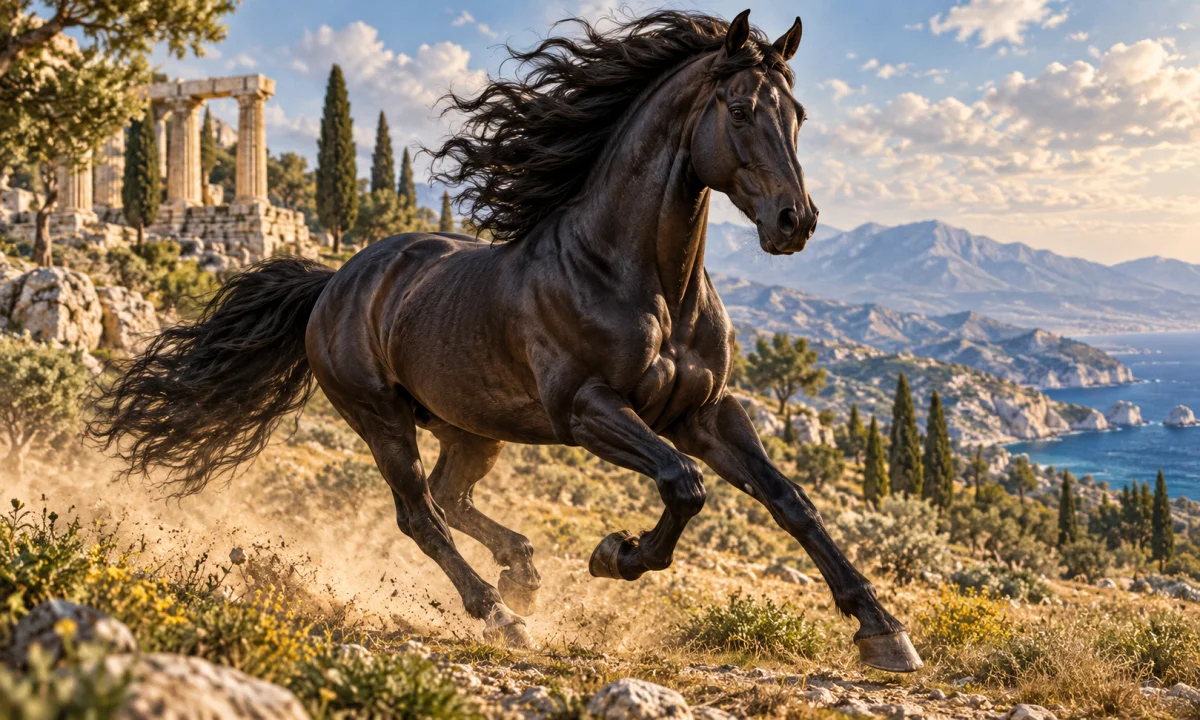
Arion
Arion, also spelled Areion in transliterations of the Greek name, is a miraculous horse in Greek mythology. He is best known as the exceptionally swift and often immortal horse associated with the hero Heracles and the A…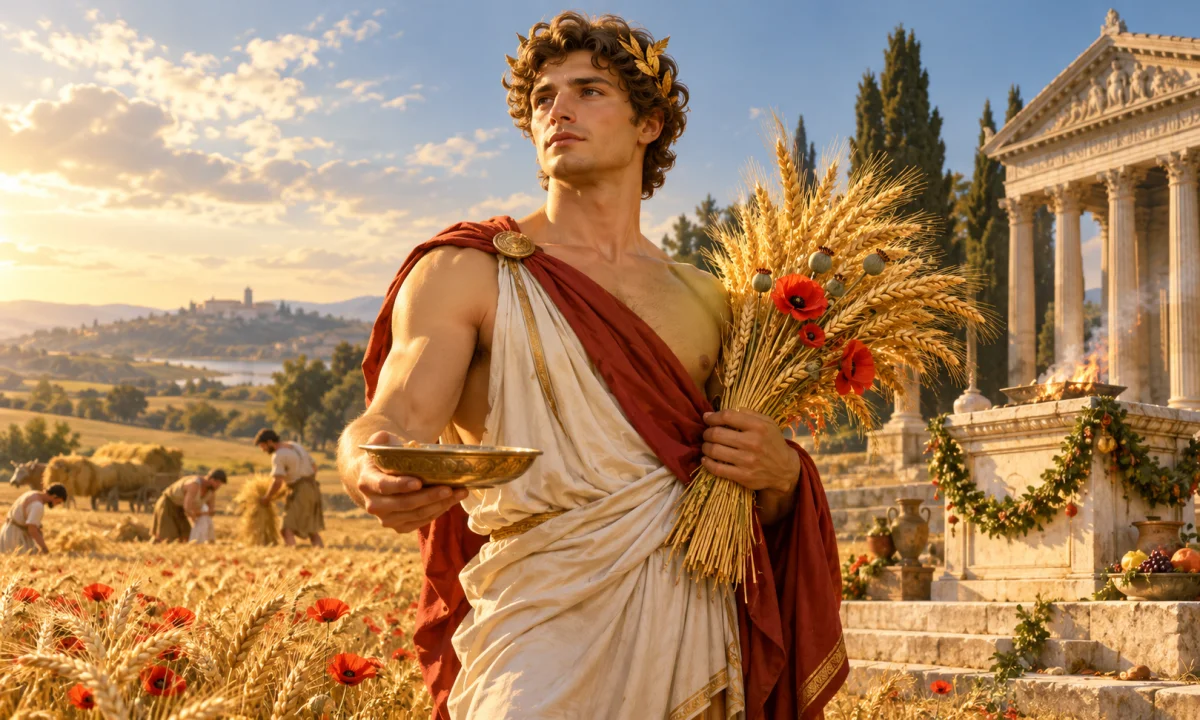
Bonus-eventus
Bonus Eventus was a Roman divine personification of a successful or favourable outcome. His name literally means “good result” or “fortunate outcome”: bonus means “good”, while eventus means “outcome”, “issue” or “result…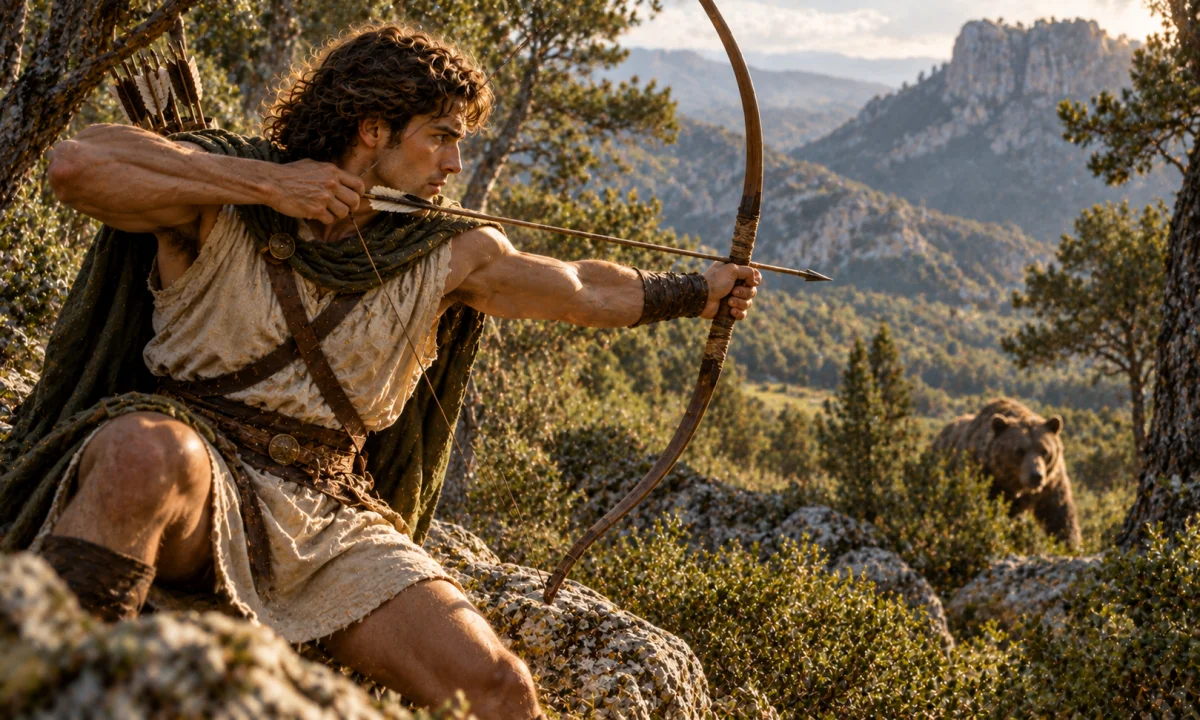
Arcas
Arcas is a legendary king and culture hero of Arcadia in Greek mythology. He is best known as the son of Zeus and Callisto, the young hunter who nearly killed his mother after she had been transformed into a bear, and th…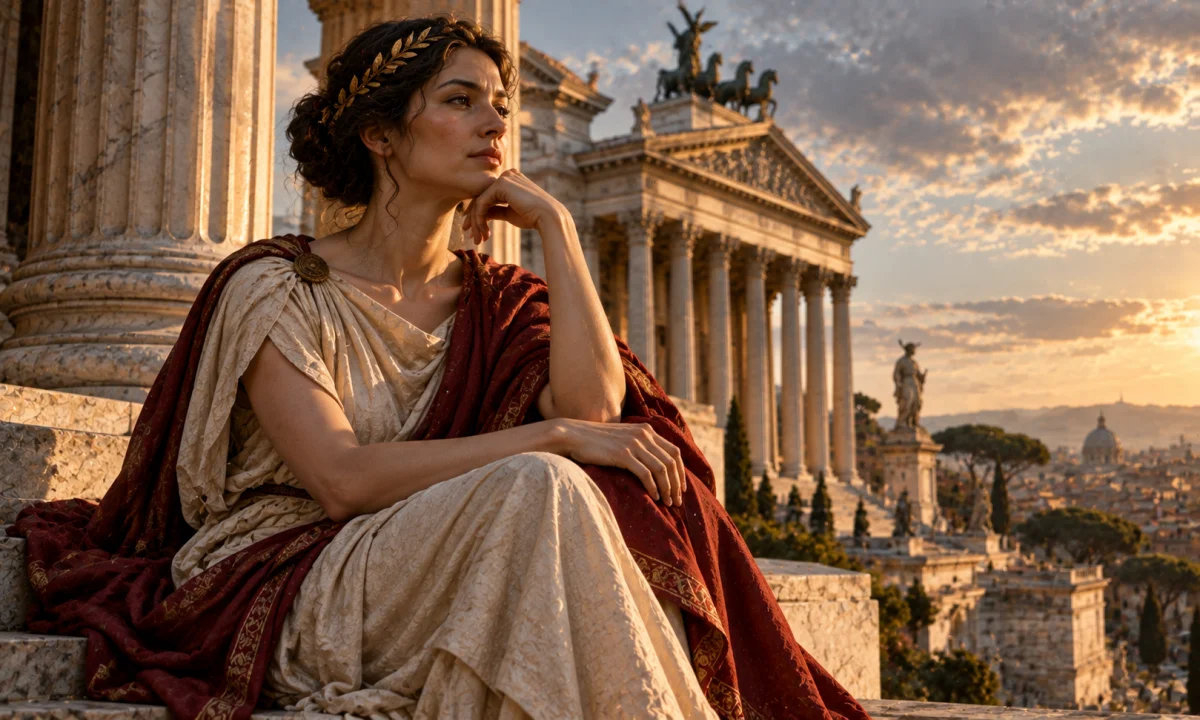
Mens
Mens was a Roman divine personification of the mind, understanding, intelligence and sound judgment. Although the Latin word mens is an ordinary noun meaning “mind” or “intellect,” Roman religious practice could treat su…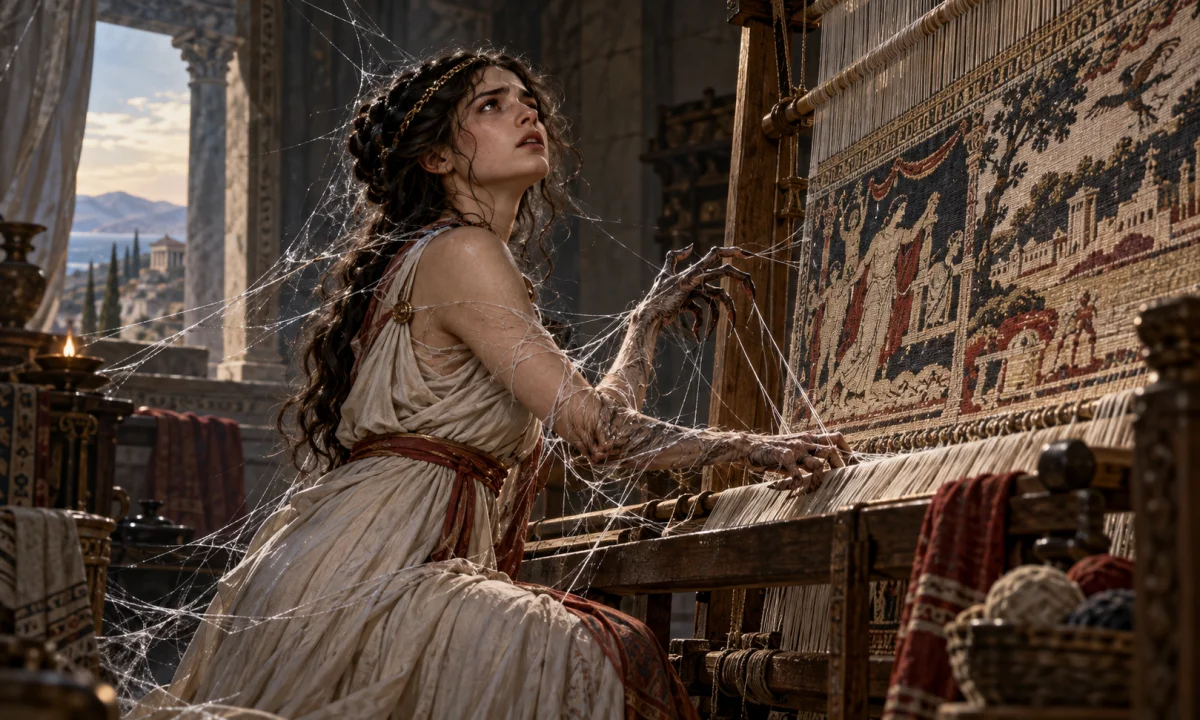
Arachne
Arachne is a mortal weaver in the best-known Greek myth of artistic rivalry, pride and transformation. According to the account preserved by the Roman poet Ovid, she was so exceptionally skilled that she challenged Miner…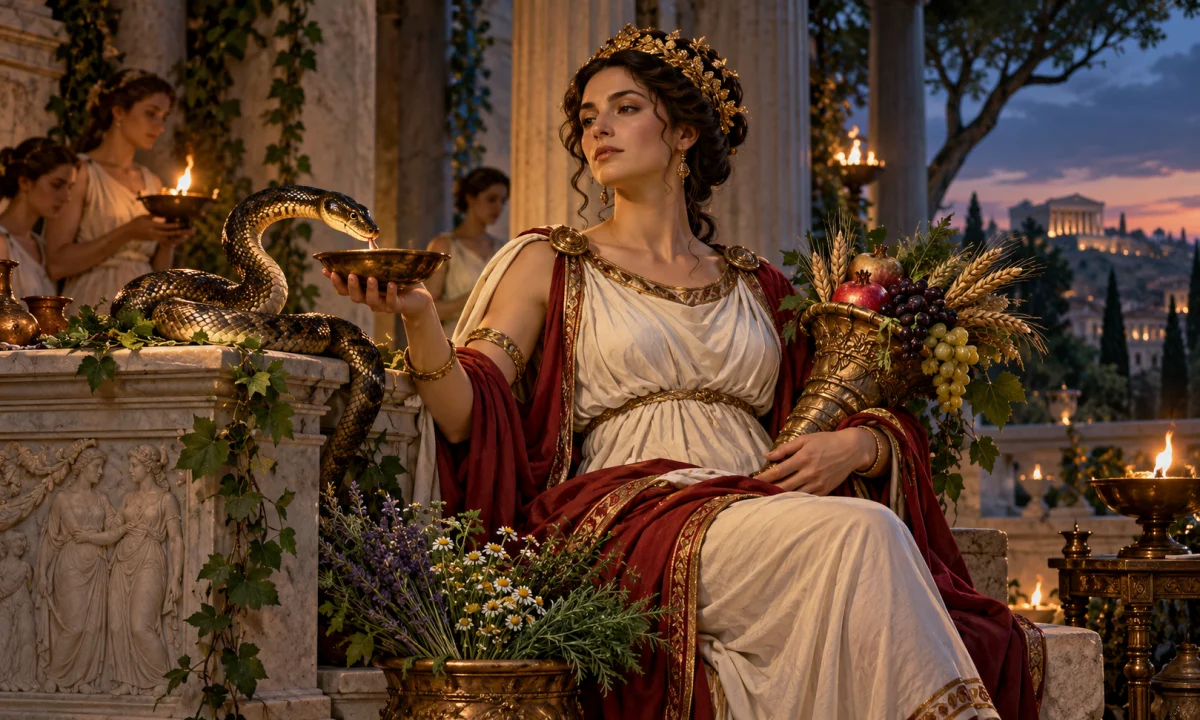
Bona-dea
Bona Dea, whose name means “the Good Goddess,” was a Roman goddess associated with women, fertility, healing, and protection. Her worship was among the most secretive rituals of ancient Rome. Men were excluded from her p…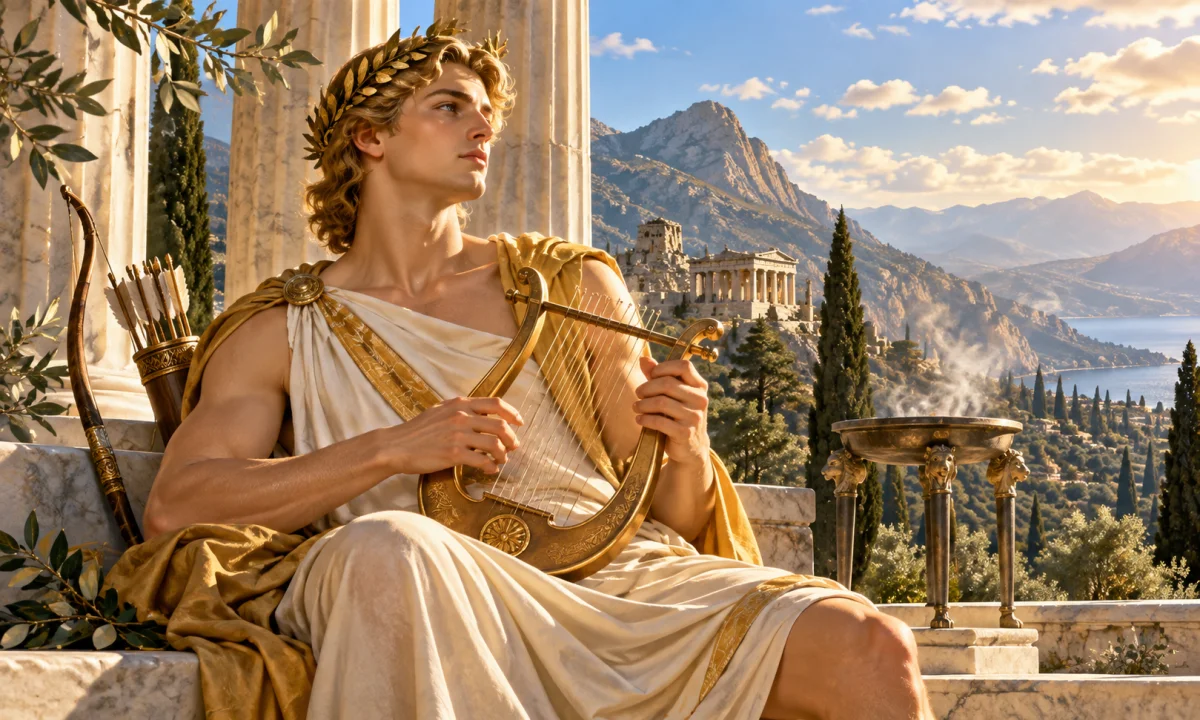
Apollo
Apollo is one of the most important gods of ancient Greek religion and mythology. He is associated with prophecy, healing, music, poetry, archery, protection from disease, and the ordered movement of life and ritual. In …