WORLD
WORLD
Mediterranean & Near East
Explore myths, traditions and legendary beings grouped under Mediterranean & Near East.
Last articles
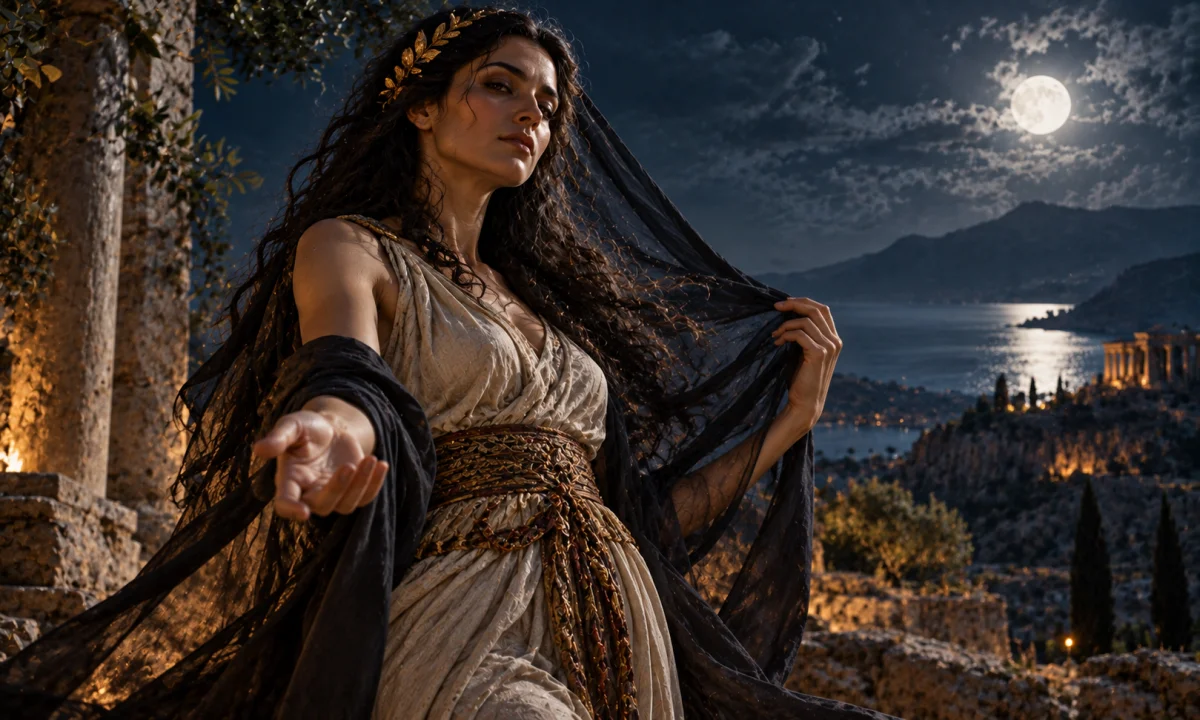
Apate
Apate (Ancient Greek Ἀπάτη, commonly transliterated Apátē) is the Greek personification of deceit, trickery, and deliberate deception. She belongs to the group of abstract powers associated with the darker or more troubl…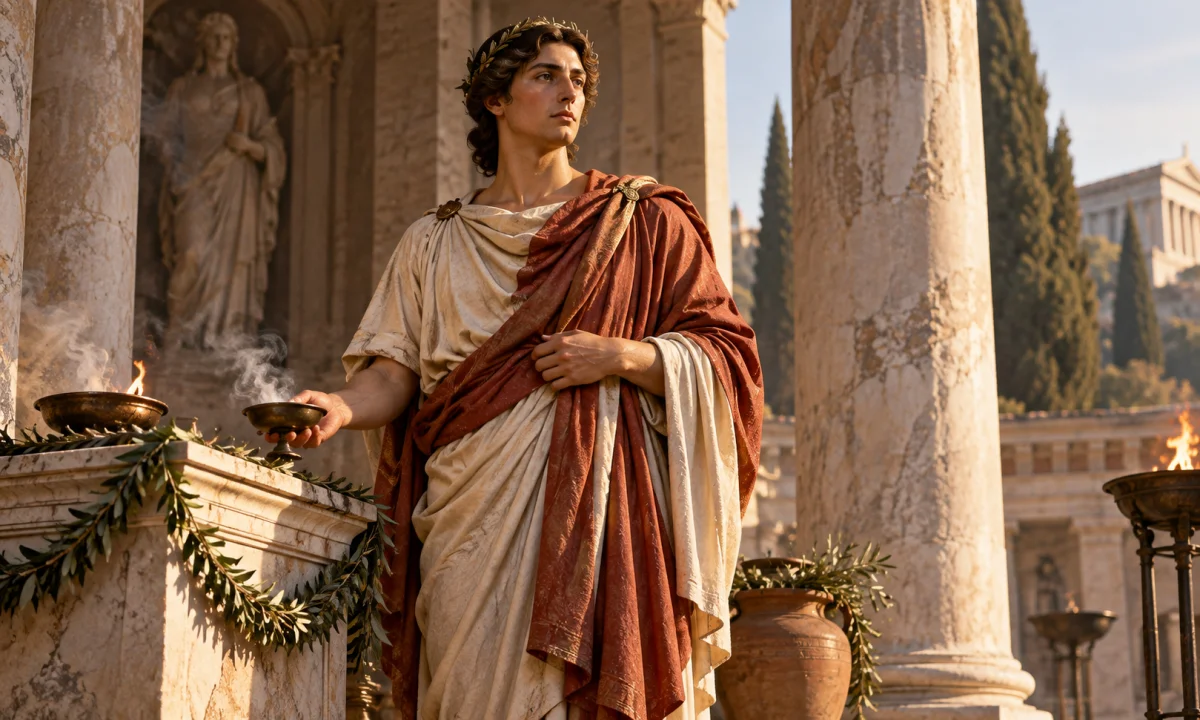
Bellifluficus
Bellifluficus is not a securely attested deity, spirit, hero or legendary creature of ancient Roman mythology. The name does not appear as a recognised figure in the standard body of Roman religious evidence, and no reli…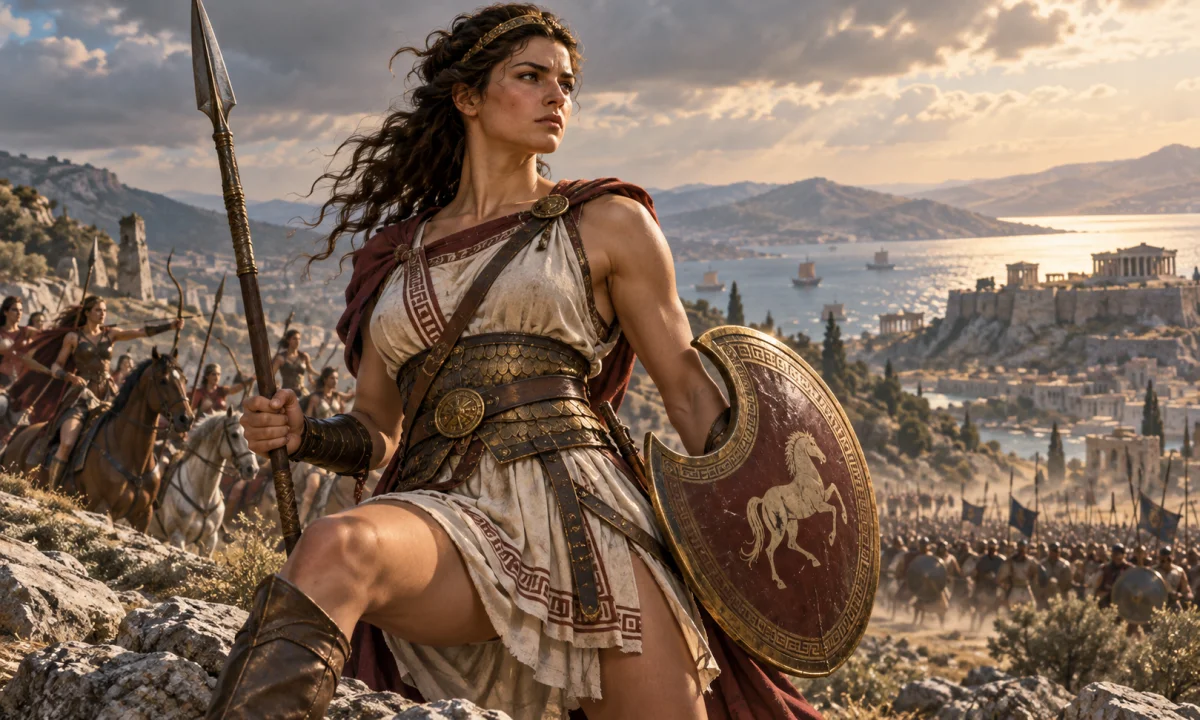
Antiope
Antiope is a name shared by more than one woman in Greek mythology. The best-known Antiope is an Amazon queen associated with Theseus and the birth of Hippolytus, while another Antiope is a Theban princess who became the…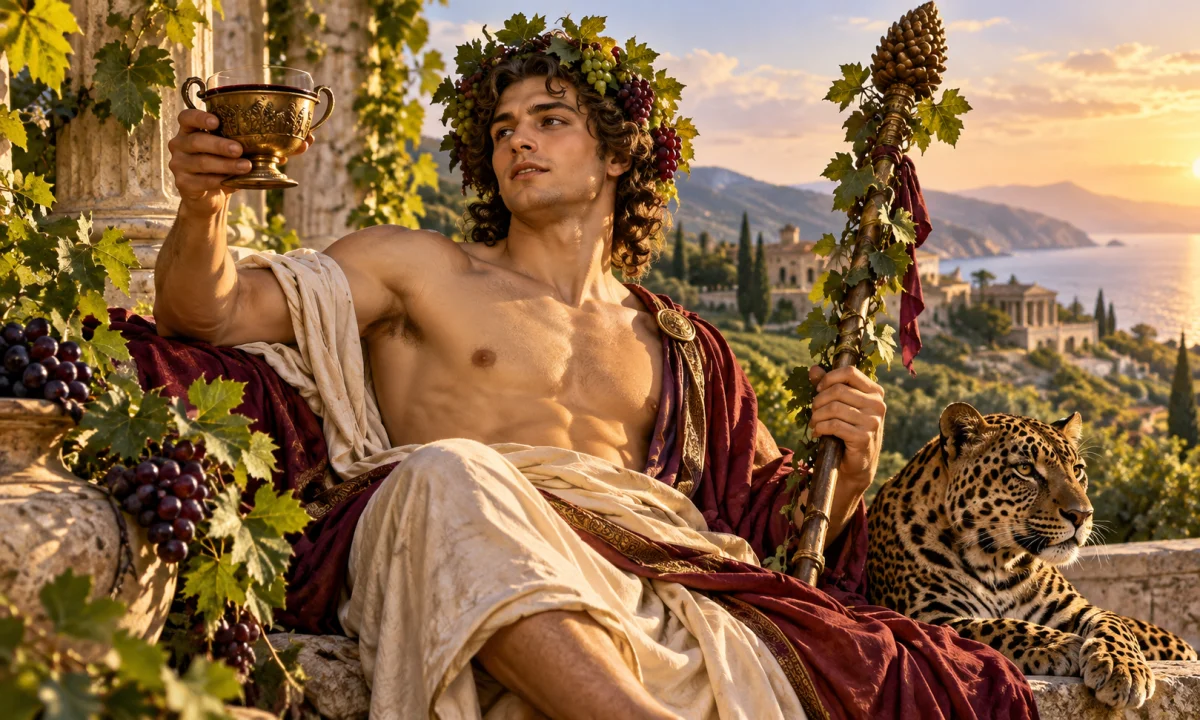
Bacchus
Bacchus is the Roman god associated with wine, ecstatic celebration, fertility, theatre and the loosening of ordinary social boundaries. He is closely identified with the Greek god Dionysus, and Roman writers often use t…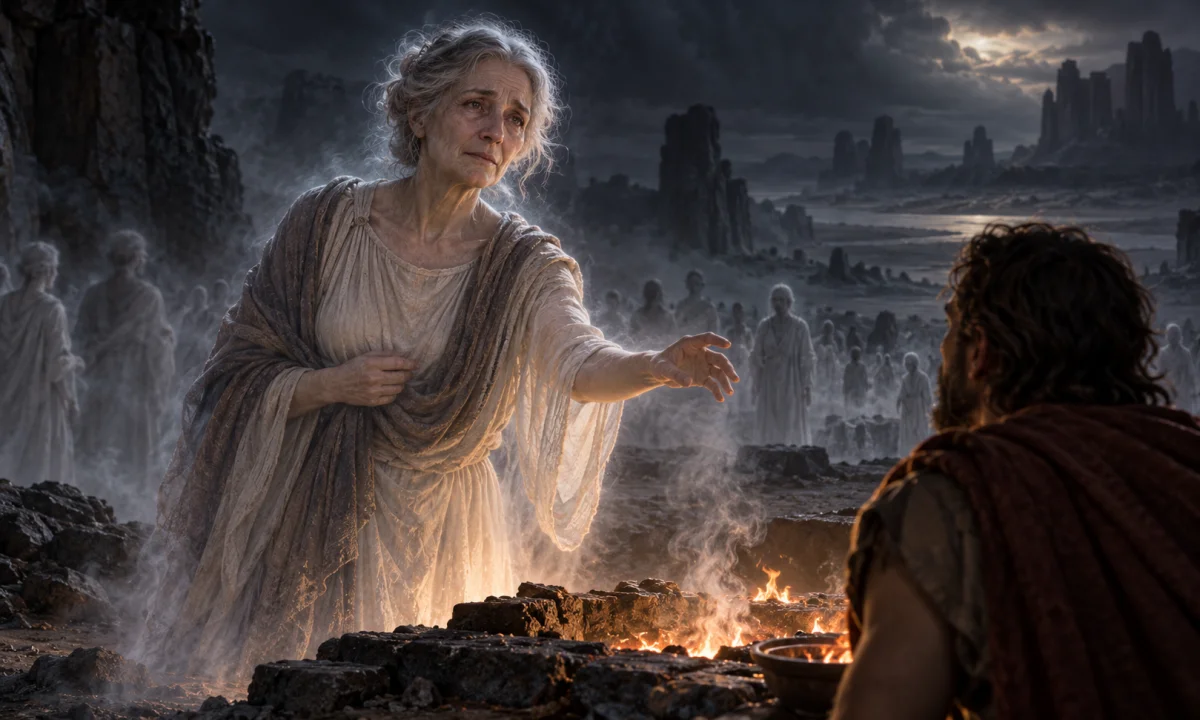
Anticlea
Anticlea is a figure from Greek mythology best known as the mother of Odysseus, the wandering hero of Homer’s Odyssey. She is traditionally described as the daughter of Autolycus, a famous thief and trickster, and the wi…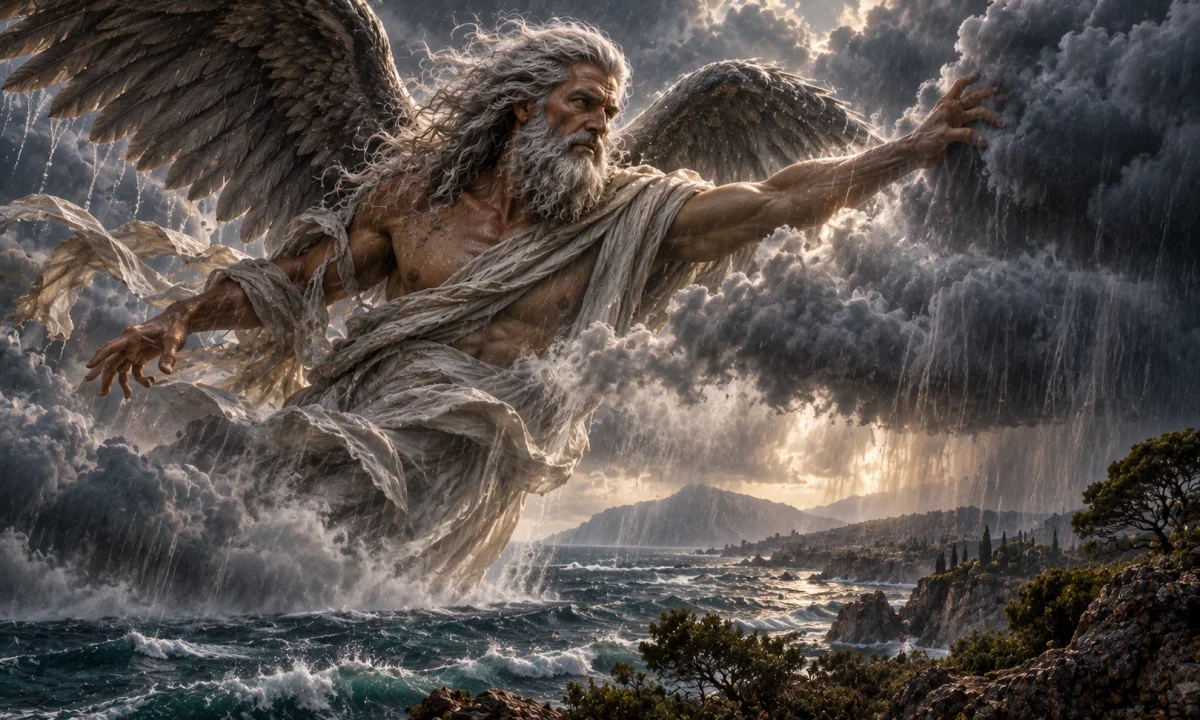
Auster
Auster is the Roman personification of the south wind. In Latin poetry and natural philosophy, he is associated with the warm, damp air that comes from the south, bringing clouds, rain, storms and, at times, oppressive h…
Anteros
Anteros is a minor figure of Greek mythology associated with returned love, mutual affection and, in some traditions, the punishment of unrequited love. His name is formed from the Greek ant-erōs, a word that can suggest…
Aurora
Aurora is the Roman goddess and poetic personification of the dawn. Each morning she brings light to the eastern horizon, opening the way for the sun and marking the transition between night and day. Her name is also the…
Antaeus
Antaeus is a powerful wrestler and giant of Greek mythology, traditionally associated with Libya in the broad geographical sense used by ancient Greek writers for North Africa. He is best known for his encounter with Her…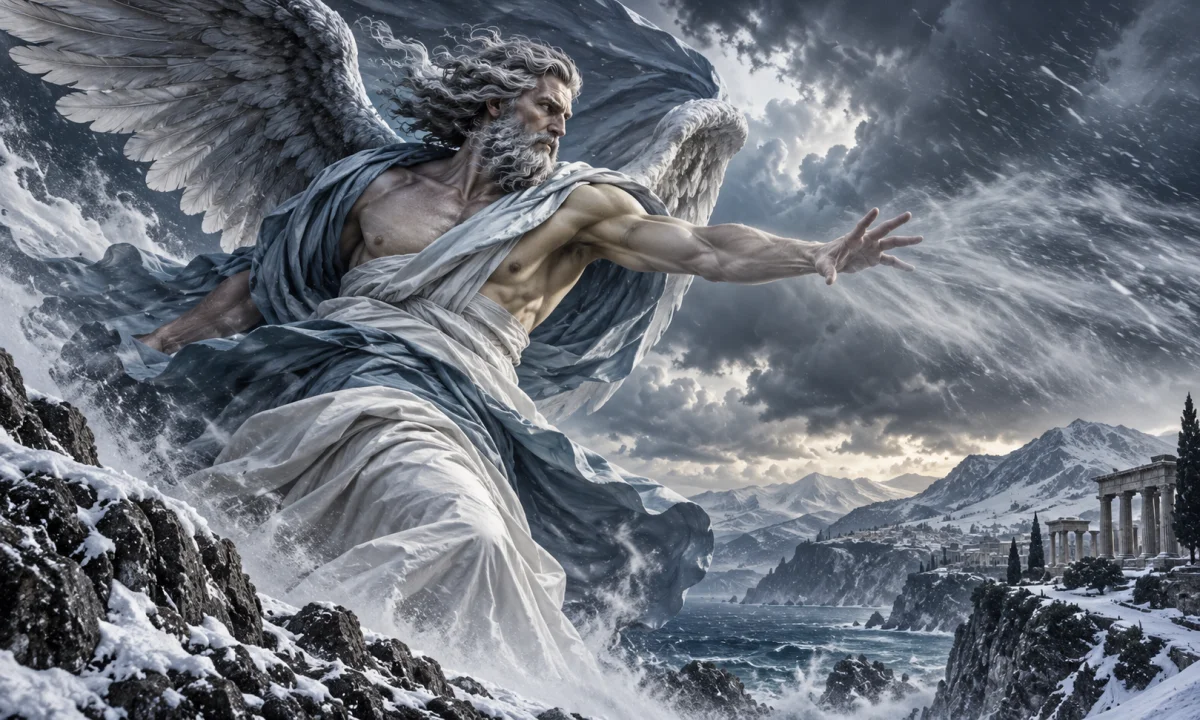
Aquilo
Aquilo is the Roman personification of the north wind, or in some systems the cold wind blowing from the north-northeast. He belongs to the Roman tradition of naming and humanising the principal winds, which were importa…
Andromeda
Andromeda is a mortal princess in Greek mythology, best known for being rescued from a sea monster by the hero Perseus. She is the daughter of Cepheus, king of Aithiopia, and Cassiopeia. In the best-known versions of her…