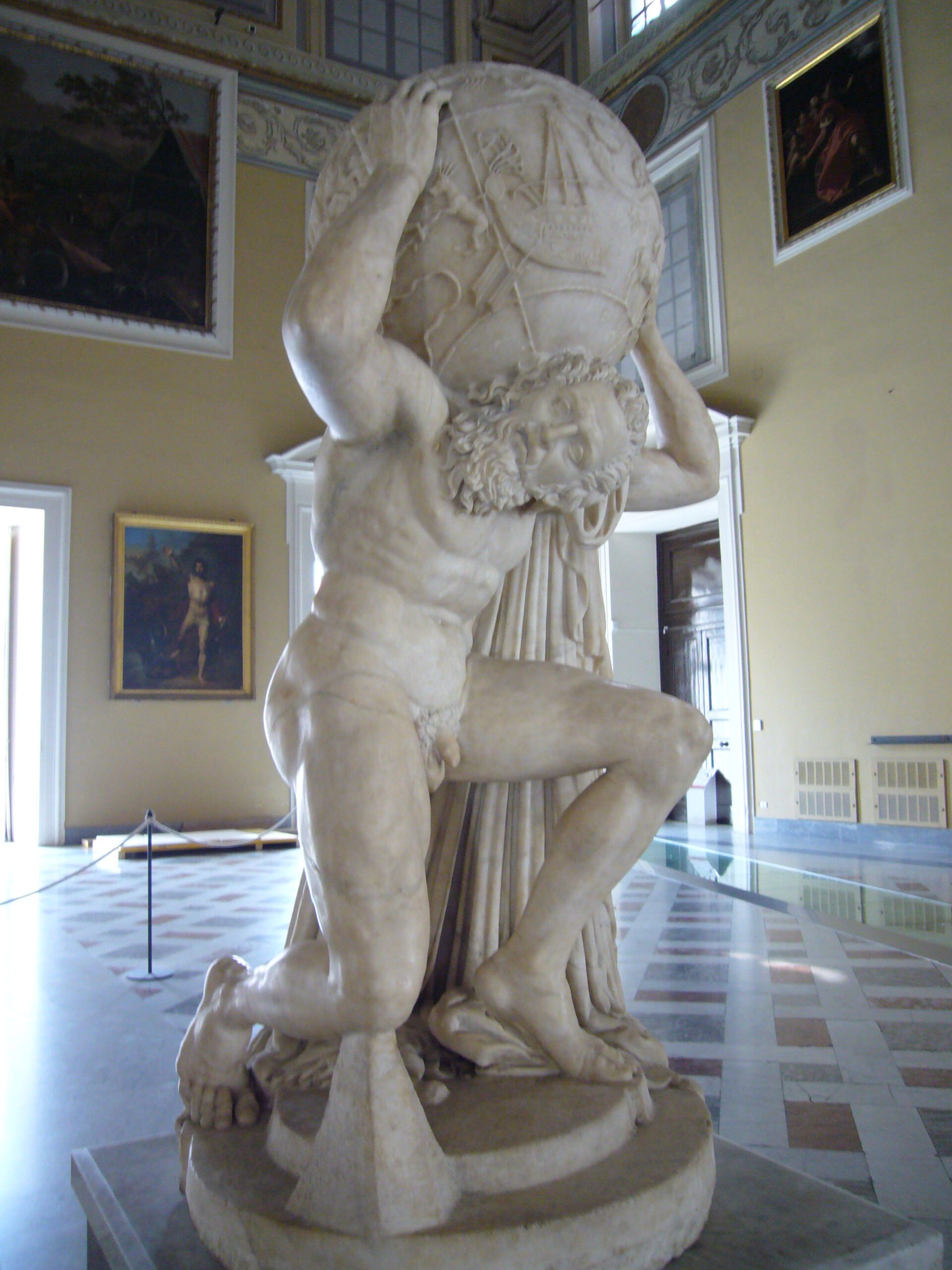
In Greek mythology, Atlas is one of the most recognized figures. He is often depicted as a giant holding up the heavens on his shoulders. This image has permeated art and literature throughout the ages, making him a symbol of strength and endurance. Atlas is not just a figure of strength; his story is rich and complex, intertwined with themes of punishment, resilience, and the burdens one must carry. Understanding Atlas requires a deeper dive into his origins, his role in mythology, and how he has influenced culture over the centuries.
Origins of Atlas
Atlas is a figure from ancient Greek mythology, traditionally considered a Titan. The Titans were the pre-Olympian gods who ruled during the legendary Golden Age. Atlas was the son of the Titan Iapetus and the Oceanid Clymene. His lineage is significant because it connects him to other prominent figures in mythology, such as Prometheus and Epimetheus, who were also his brothers. The story of Atlas begins long before he is known for holding up the heavens; it begins with the Titanomachy, the great war between the Titans and the Olympian gods.
 Atropos
During this epic conflict, the Titans, including Atlas, fought against Zeus and his siblings. Ultimately, the Olympians emerged victorious, leading to the punishment of many Titans. Atlas was condemned to hold up the sky for eternity as a consequence of his role in the war. This punishment is often misinterpreted; many people believe he is holding the Earth, but in reality, he bears the weight of the heavens. This distinction is essential for understanding the character and the symbolism of Atlas in mythology.
The Punishment of Atlas
The punishment of Atlas is a significant aspect of his myth. After the defeat of the Titans, Zeus decided to assign different fates to the defeated Titans. While some were imprisoned in Tartarus, Atlas was given a unique punishment. He was forced to stand at the edge of the world and hold the sky above him. This burden symbolizes not only physical strength but also the emotional and mental challenges that come with carrying great responsibilities. Atlas’s eternal punishment serves as a reminder of the consequences of rebellion against the gods.
As the story goes, Atlas’s burden was not just a physical one. He also experienced feelings of isolation and despair. His position at the edge of the world made him a solitary figure, forever separated from the other Titans and gods. This aspect of his story has resonated with many throughout history, as it reflects the human experience of feeling overwhelmed by responsibilities and the weight of the world. The myth of Atlas is a powerful metaphor for the struggles individuals face in their lives.
 Attis
AttisAtlas in Art and Literature
The image of Atlas has inspired countless works of art and literature. From ancient sculptures to modern interpretations, artists have depicted him in various forms. One of the most famous representations of Atlas is the statue in the Rockefeller Center in New York City. Here, he is portrayed as a muscular figure carrying a celestial globe on his shoulders, emphasizing his strength and resilience. This image has become iconic and is recognized worldwide as a symbol of endurance.
In literature, Atlas appears in various texts, including works by ancient poets such as Hesiod and Homer. In Hesiod’s “Theogony,” he is mentioned in the context of the Titanomachy and his punishment. Homer’s “The Odyssey” also references Atlas, particularly in relation to the sea and the islands he governs. These literary references highlight Atlas’s significance in the broader context of Greek mythology, where he serves as a link between different stories and characters.
 Augean-stables
Influence on Modern Culture
- Literature: Many modern authors have drawn inspiration from Atlas’s story, using him as a symbol of burden and resilience.
- Art: Contemporary artists often reinterpret Atlas in their works, exploring themes of strength and struggle.
- Popular Media: Movies, video games, and television shows frequently reference Atlas, showcasing his enduring legacy in popular culture.
The influence of Atlas extends beyond literature and art. In modern culture, he is often referenced in discussions about responsibility and the challenges of life. The phrase “to carry the weight of the world on one’s shoulders” is frequently used to describe individuals who take on significant responsibilities. This idiom directly connects to the myth of Atlas, illustrating how his story has permeated language and thought. The character of Atlas continues to serve as a symbol of perseverance in the face of adversity.
Atlas and the Heroic Journey
Atlas’s story can also be seen through the lens of the heroic journey, a common theme in mythology and literature. In many tales, heroes face immense challenges and burdens, much like Atlas. His punishment represents a form of heroism, as he endures his fate with strength and resilience. This aspect of his character resonates with the idea that true heroism often involves sacrifice and the willingness to bear burdens for a greater purpose.
In some stories, heroes encounter Atlas during their quests. For example, in the myth of Heracles (Hercules), the hero must temporarily take on Atlas’s burden while the Titan retrieves the golden apples of the Hesperides. This moment emphasizes the interconnectedness of their stories and showcases the theme of shared responsibility. Heracles’s interaction with Atlas highlights the idea that even the strongest individuals can require assistance and that burdens can be shared among friends and allies.
Symbolism of Atlas
The symbolism of Atlas is multifaceted. He represents not only physical strength but also the emotional and psychological burdens individuals carry. His eternal punishment serves as a reminder of the consequences of rebellion and the importance of accepting one’s responsibilities. Atlas embodies the idea that strength is not just about physical power; it also involves resilience, endurance, and the ability to face challenges head-on.
Moreover, Atlas is often associated with the concept of knowledge and exploration. The celestial globe he is depicted holding symbolizes the universe and the vastness of knowledge. In this sense, Atlas represents the quest for understanding and the pursuit of wisdom. His character encourages individuals to seek knowledge and to embrace the challenges that come with it. The duality of his symbolism—strength and knowledge—makes Atlas a complex and compelling figure in mythology.
Atlas in Astronomy and Geography
The influence of Atlas extends beyond mythology and culture; it has also made its way into the fields of astronomy and geography. The name “Atlas” has been used for various celestial bodies, including moons and mountains. For instance, one of Saturn’s moons is named Atlas, reflecting the mythological connection. This naming convention highlights the lasting impact of Greek mythology on modern science and our understanding of the universe.
In geography, the term “atlas” refers to a collection of maps. This usage stems from the association of Atlas with the heavens and the earth. Just as Atlas holds up the sky, an atlas provides a visual representation of the world. The connection between Atlas and maps emphasizes the importance of exploration and understanding our place in the universe. This metaphorical link showcases how mythology can shape language and concepts in various fields.
Atlas and Modern Interpretations
In contemporary society, the figure of Atlas has been reinterpreted in various ways. Some view him as a symbol of the burdens faced by modern individuals, particularly in a fast-paced and demanding world. The pressures of work, family, and societal expectations can feel overwhelming, much like the weight Atlas carries. This modern interpretation resonates with many people, as they relate to the struggles of balancing multiple responsibilities.
Moreover, Atlas has become a symbol for movements advocating for social justice and environmental responsibility. The idea of carrying the weight of the world can be seen as a call to action, encouraging individuals to take responsibility for their actions and their impact on society and the planet. This reinterpretation of Atlas highlights the relevance of ancient myths in addressing contemporary issues, illustrating how these stories continue to inspire and motivate individuals today.
Atlas remains a powerful figure in Greek mythology, representing strength, endurance, and the burdens individuals carry. His story, rooted in ancient tradition, continues to resonate in modern culture, art, and literature. As we explore the complexities of his character, we find reflections of our struggles and triumphs, making Atlas a timeless symbol of the human experience.