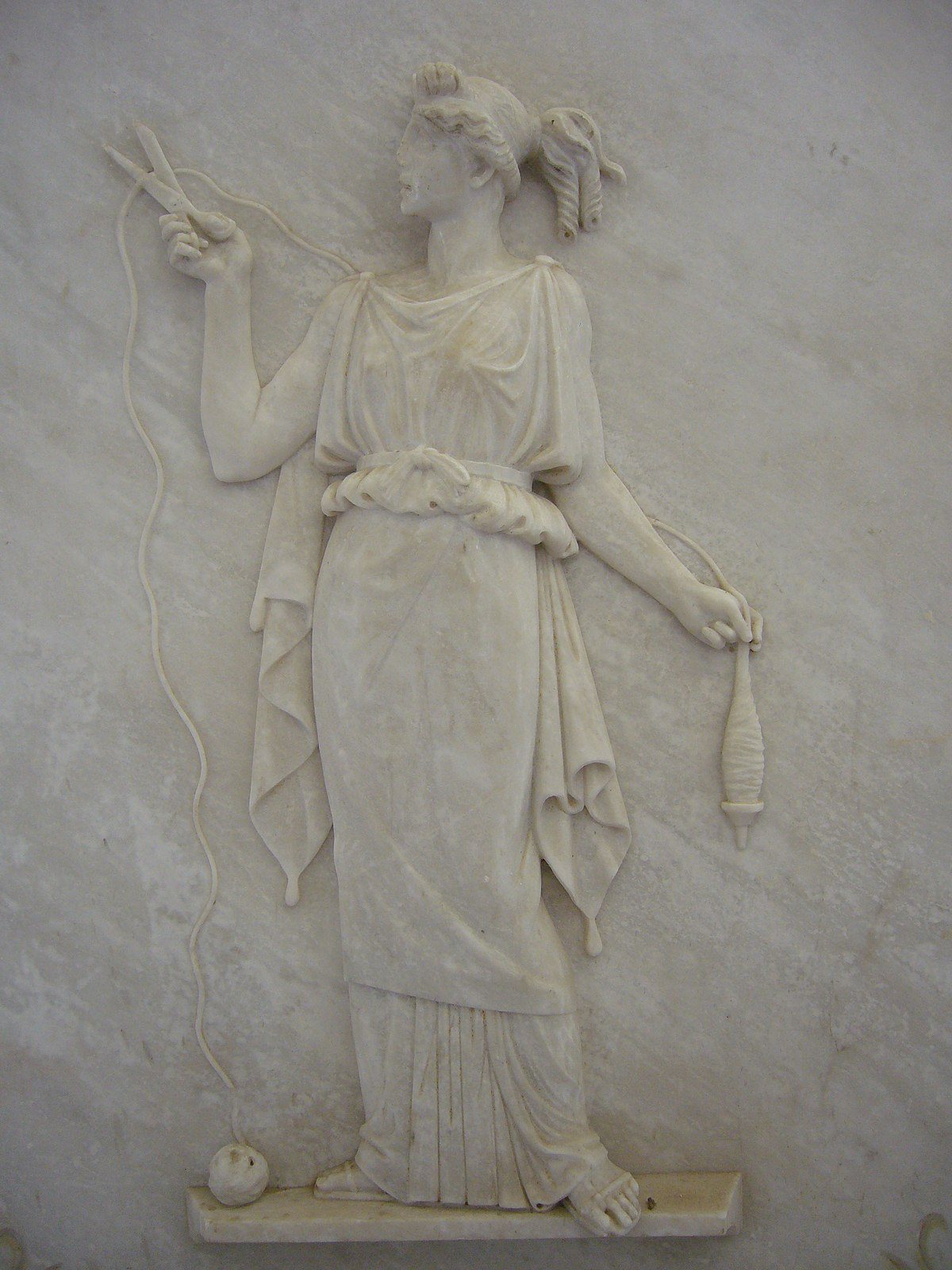
In Greek mythology, Atropos is one of the three Fates, known as the one who cuts the thread of life. Together with her sisters, Clotho and Lachesis, they control the destiny of both mortals and gods. Atropos represents the inevitable end that comes to all beings. Her role is crucial in understanding the larger framework of Greek mythology, where fate and free will often intertwine in complex ways. The Fates are depicted as powerful and unyielding, and their decisions are final. This article will delve into the significance of Atropos and her role in Greek mythology, exploring her characteristics, representations, and influence.
Understanding the Fates
The Fates, known in Greek as the Moirai, consist of three sisters: Clotho, Lachesis, and Atropos. Each sister has a distinct role in the weaving of life. Clotho spins the thread of life, Lachesis measures its length, and Atropos cuts it, symbolizing death. This division of labor illustrates the comprehensive control the Fates have over human existence. They are often depicted as stern figures, indifferent to the pleas of mortals, emphasizing the theme of inevitability in Greek mythology. The Fates remind us that while individuals may strive to change their destinies, some aspects are beyond their control.
Atropos, the oldest of the three, is often portrayed as the most fearsome. She holds a pair of scissors or shears, which she uses to cut the thread of life. This act signifies the finality of death, a reminder that all life comes to an end. The Fates, including Atropos, are often depicted as ancient women, reflecting the timeless nature of their role. Their existence predates even the Olympian gods, emphasizing their authority and the respect they command in the hierarchy of Greek mythology. Understanding the Fates is essential for grasping the broader themes of fate, mortality, and the human condition in ancient Greek culture.
Atropos in Art and Literature
Atropos has been a subject of fascination in various forms of art and literature throughout history. In ancient Greek pottery, she is often depicted alongside her sisters, usually shown as three women working together to weave and cut threads. These images convey the idea of life as a tapestry, where each thread represents an individual’s journey. Atropos, with her scissors, serves as a constant reminder of mortality. The visual representation of the Fates emphasizes their roles in determining the course of life and death.
 Augean-stables
In literature, Atropos appears in various works, often symbolizing the inevitability of fate. One notable example is in Hesiod’s “Theogony,” where the Fates are described as powerful beings who oversee the destinies of all. Atropos is frequently referenced in tragic plays, highlighting the theme of inevitability and the futility of resisting fate. Characters often find themselves powerless against the decisions made by the Fates, leading to tragic outcomes. This portrayal reinforces the idea that no matter how much one may try to alter their path, Atropos and her sisters hold the ultimate authority over life and death.
The Symbolism of Atropos
Atropos embodies several important themes in Greek mythology, particularly the concept of inevitability. Her role as the cutter of the thread signifies that all lives must eventually come to an end. This act serves as a powerful reminder of the transient nature of existence. In a world where gods and heroes often defy the odds, Atropos stands as a symbol of the unchangeable laws of nature. Her scissors represent the ultimate limit that cannot be surpassed, no matter how powerful or influential one may be.
Furthermore, Atropos also symbolizes the balance of life and death. Without death, life loses its meaning, and Atropos plays a crucial role in maintaining this balance. Her actions remind both mortals and gods that life is precious precisely because it is finite. This understanding of mortality encourages individuals to live their lives to the fullest and appreciate the moments they have. Atropos, therefore, is not merely a harbinger of doom but also a reminder of the beauty and fragility of life.
 Aurai
AuraiAtropos in Modern Culture
The figure of Atropos has transcended ancient mythology and found a place in modern culture. She is often referenced in literature, films, and art as a symbol of fate and mortality. For instance, contemporary authors may use Atropos as a character to explore themes of destiny and choice, highlighting the struggle between free will and predetermined fate. Her image as the cutter of life’s thread continues to resonate with audiences, serving as a powerful metaphor for the human experience.
In popular media, Atropos has appeared in various forms, from books to television shows. Her character is often portrayed in a way that emphasizes her role as a powerful and sometimes merciless figure. For example, in some fantasy novels, she may be depicted as a goddess who oversees the fates of characters, influencing their journeys in significant ways. This modern interpretation reflects the ongoing fascination with the concepts of fate and destiny, as well as the enduring impact of Greek mythology on contemporary storytelling.
Comparisons with Other Mythologies
Atropos, as a figure of fate, can be compared to similar entities in other mythologies around the world. In Roman mythology, the Parcae serve a similar purpose to the Fates. They are three goddesses who control the thread of life, mirroring the roles of Clotho, Lachesis, and Atropos. Each Parcae has a specific duty, much like the Moirai, emphasizing the universal theme of fate across different cultures. This parallel illustrates how various societies have sought to explain the concept of destiny and the end of life.
In Norse mythology, the Norns fulfill a role akin to that of the Fates. They are three female beings who weave the destinies of gods and men. Like Atropos, one of the Norns cuts the threads of life, signifying death. This similarity highlights a common cultural motif: the acknowledgment of an unseen force that governs the fate of all beings. The existence of such figures in multiple mythologies underscores the human desire to understand and rationalize the complexities of life and death.
The Legacy of Atropos
Atropos’s legacy endures not only in mythology but also in philosophical discussions about fate and free will. Her representation as the inevitable force that cuts life short raises questions about the nature of existence. Philosophers have long debated whether humans have the power to shape their destinies or if they are subject to predetermined paths. Atropos serves as a focal point in these discussions, symbolizing the limitations placed on human agency.
Moreover, Atropos’s role in mythology has influenced various fields, including psychology and literature. The concept of fate versus free will is a recurring theme in literature, prompting readers to reflect on their own lives. Atropos, as the embodiment of fate, encourages a deeper understanding of the choices we make and their consequences. Her legacy challenges individuals to consider how much control they truly have over their destinies.
Conclusion: The Enduring Influence of Atropos
Atropos remains a powerful figure in Greek mythology, representing the inescapable nature of fate and the finality of death. Her role as the cutter of life’s thread underscores the themes of mortality and the balance of existence. As we explore her character, we gain insight into the complexities of life, death, and the human experience. The fascination with Atropos and her sisters continues to resonate in modern culture, reminding us of the timeless relevance of these ancient myths. The legacy of Atropos endures, inviting reflection on the nature of our own lives and destinies.