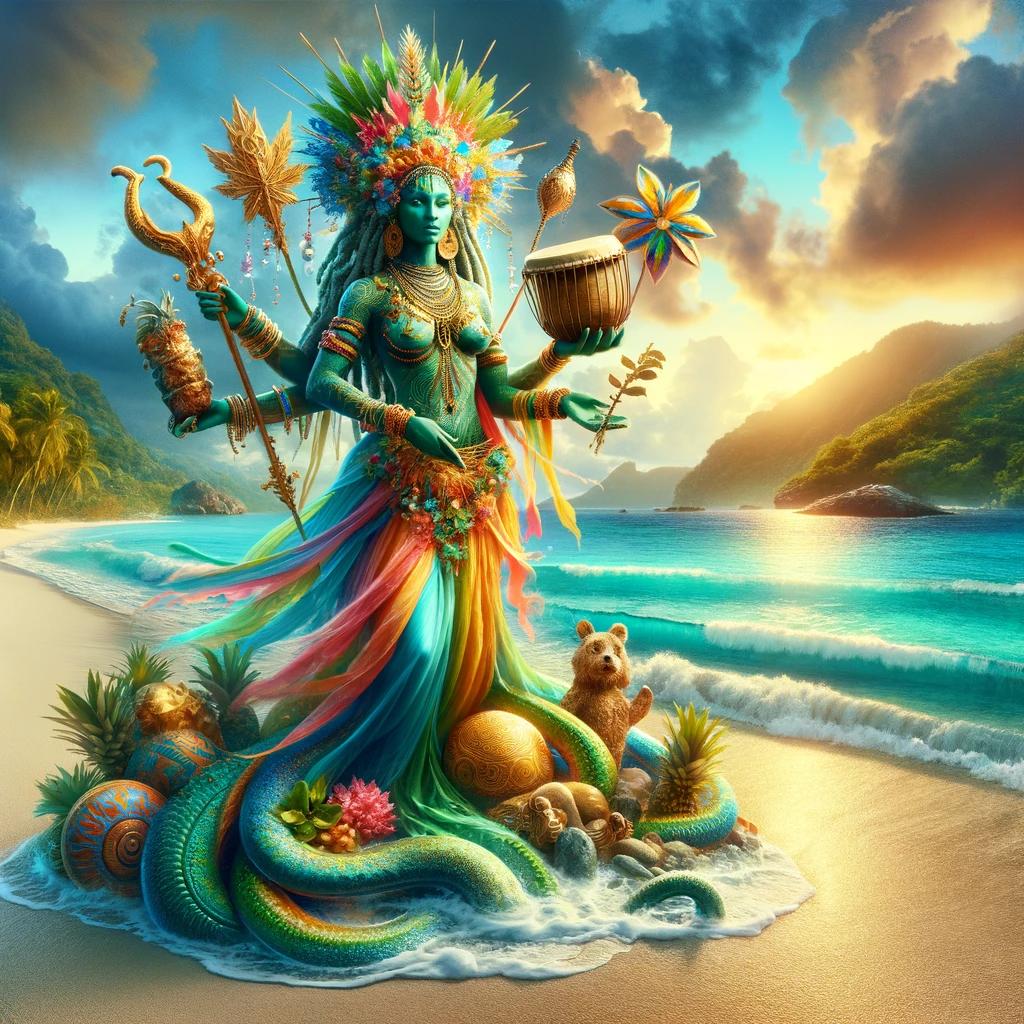
Cuba is an island nation located in the Caribbean Sea, known for its vibrant culture, rich history, and beautiful landscapes. It is the largest island in the Caribbean and has a population of approximately 11 million people. The capital city, Havana, is famous for its colonial architecture, classic cars, and lively music scene. The culture of Cuba is a blend of Spanish, African, and indigenous Taíno influences, creating a unique identity that is reflected in its music, dance, art, and cuisine. The island has a complex history that has shaped its current social, political, and economic landscape.
The History of Cuba
The history of Cuba is marked by colonization, revolutions, and political changes. In 1492, Christopher Columbus arrived in Cuba, claiming it for Spain. The Spanish colonization led to the exploitation of the island’s resources and the establishment of sugar plantations, which relied heavily on slave labor from Africa. This period significantly impacted the demographic and cultural makeup of Cuba, as many African traditions and customs were integrated into Cuban society.
 Cupid
CupidIn the 19th century, Cuba experienced a series of wars for independence from Spanish rule. The most notable of these was the Ten Years’ War (1868-1878), which marked the beginning of the struggle for independence. Although the war ended in a stalemate, it set the stage for future conflicts. In 1895, the War of Independence resumed, led by figures such as José Martí and Máximo Gómez. This war ultimately resulted in the Spanish-American War of 1898, where the United States intervened and Cuba gained nominal independence.
The Revolution and Its Impact
The Cuban Revolution, which took place in the late 1950s, was a significant turning point in the country’s history. Led by Fidel Castro, Che Guevara, and other revolutionaries, the movement sought to overthrow the dictatorship of Fulgencio Batista. The revolution was fueled by widespread discontent with social inequality, corruption, and foreign influence in Cuban affairs. After a successful campaign, Batista fled, and Castro’s government took control in January 1959.
 Decima
The new government implemented sweeping reforms, including land redistribution and nationalization of industries. These changes aimed to reduce inequality and improve the living standards of the Cuban people. However, the revolution also led to strained relations with the United States, culminating in the U.S. trade embargo that still affects Cuba today. The embargo has had profound effects on the Cuban economy, leading to shortages of goods and services.
Cuban Culture and Traditions
Cuban culture is a rich tapestry woven from various influences, primarily Spanish and African. One of the most prominent aspects of Cuban culture is its music, which includes genres like son, salsa, rumba, and bolero. These musical styles are characterized by their infectious rhythms and lively melodies, often accompanied by traditional instruments such as the guitar, trumpet, and conga drums. Music plays a vital role in Cuban life, and it is common to see spontaneous dance parties in the streets.
Another essential element of Cuban culture is dance. Cuban dance forms, such as salsa and mambo, are celebrated worldwide for their energetic and passionate movements. Dance is often an integral part of social gatherings, festivals, and celebrations. The Havana International Jazz Festival and the International Ballet Festival are just a few examples of events that showcase the island’s artistic talent.
 Manes
ManesCuban Cuisine
Cuban cuisine is a delicious fusion of flavors influenced by Spanish, African, and Caribbean ingredients. The food is characterized by its use of fresh produce, spices, and herbs. A staple in Cuban households is rice and beans, often served with a variety of meats such as pork, chicken, or beef. One popular dish is ropa vieja, which consists of shredded beef cooked in a tomato-based sauce, served with rice and black beans.
Another iconic Cuban dish is lechón asado, or roasted pork, which is marinated in a mixture of garlic, sour orange juice, and spices before being slow-cooked to perfection. Additionally, Cuban sandwiches, made with layers of roasted pork, ham, Swiss cheese, pickles, and mustard on Cuban bread, are a must-try for anyone visiting the island. The vibrant flavors and diverse ingredients reflect the cultural influences that have shaped Cuban cuisine over the years.
Tourism in Cuba
Cuba is a popular tourist destination, attracting millions of visitors each year. Tourists are drawn to the island’s stunning beaches, historical sites, and vibrant culture. The Varadero Beach, known for its pristine white sands and crystal-clear waters, is one of the most famous beaches in Cuba. Other notable destinations include the picturesque town of Trinidad, a UNESCO World Heritage site, and the historic city of Santiago de Cuba, known for its rich Afro-Cuban heritage.
The capital city, Havana, offers a unique blend of old-world charm and modern vibrancy. Visitors can explore the cobblestone streets of Old Havana, a UNESCO World Heritage site, where they can admire colonial architecture, visit museums, and enjoy local cuisine. The city’s famous Malecón, a seaside promenade, is a popular spot for both locals and tourists to relax and socialize.
Challenges Facing Cuba
Despite its rich culture and natural beauty, Cuba faces several challenges that impact its development. The ongoing U.S. trade embargo has severely limited the country’s access to goods and services, resulting in economic hardships for many Cubans. This has led to a reliance on tourism and remittances from Cubans living abroad to support the economy. The government has also faced criticism for its lack of political freedoms and human rights violations, leading to protests and calls for reform.
Additionally, Cuba is vulnerable to the effects of climate change, particularly rising sea levels and extreme weather events. The island’s coastal areas are at risk, and the government has implemented various measures to address these environmental challenges. However, resources are limited, and the need for sustainable development remains a pressing concern for the future of Cuba.
The Future of Cuba
The future of Cuba is uncertain, as the country navigates its complex political and economic landscape. There is a growing desire among many Cubans for change, including increased political freedoms and economic opportunities. The government has begun to implement some reforms, allowing for a limited degree of private enterprise and foreign investment. However, these changes have been met with resistance from those who fear that they may undermine the socialist principles that have defined the country for decades.
As Cuba continues to evolve, it will be essential for the government to strike a balance between maintaining its cultural identity and embracing modernization. The role of tourism will likely remain crucial for the economy, but it must be managed sustainably to protect the island’s natural resources and cultural heritage. The Cuban people, known for their resilience and creativity, will undoubtedly play a vital role in shaping the future of their nation.