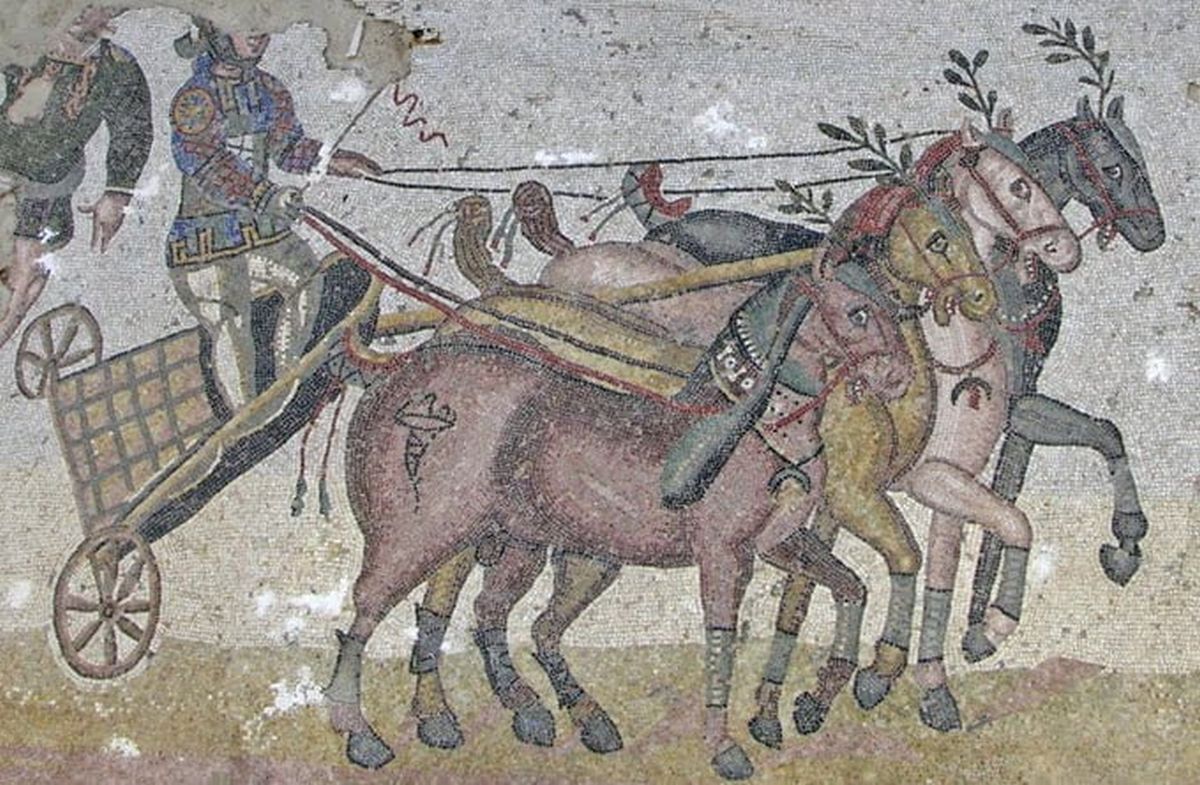
In the realm of Roman mythology, various deities and divine beings played crucial roles in the lives of the ancient Romans. Among these figures, Consualia stands out as a significant festival dedicated to the god Consus. This celebration was not just an ordinary event; it was deeply rooted in agricultural practices and had a strong connection to the themes of fertility and harvest. The festival of Consualia was celebrated with great enthusiasm, reflecting the importance of agriculture in Roman society. The festivities were marked by various rituals and events that aimed to honor Consus, who was often associated with the protection of stored grain.
Origins of Consus
The origins of Consus can be traced back to the early days of Rome. Consus was known as the god of the harvest and was closely linked to the storage of grain. This connection to agriculture made him a vital figure for the Roman people, who relied heavily on farming for their sustenance. The name ‘Consus’ itself is believed to derive from the Latin word ‘consere’, which means ‘to sow’. This etymology highlights the god’s association with planting and reaping crops. The Romans honored Consus in hopes of ensuring a bountiful harvest and preventing famine.
 Consus
One of the most fascinating aspects of Consus is his connection to the earth and the underworld. The Romans believed that Consus had the ability to protect the grain stored underground, thus playing a crucial role in the agricultural cycle. His presence was vital during the sowing season, as farmers sought his blessing to ensure their crops would flourish. The ancient Romans took great care to honor this deity, as they understood the direct impact of their rituals on their agricultural success.
The Festival of Consualia
Consualia was celebrated twice a year, marking the beginning of the sowing season and the harvest time. The festival was a vibrant affair, filled with various activities that brought the community together. One of the most significant aspects of the festival was the procession that took place in honor of Consus. This procession often included priests, farmers, and citizens who would march to the sacred site dedicated to the god. The enthusiasm and spirit of the participants were palpable, as they sought to show their devotion and gratitude.
During the festival, the Romans would engage in various rituals to appease Consus. These rituals often included offerings of food, particularly grains and fruits, which were laid at the altar of the god. The community believed that by presenting these offerings, they could ensure a favorable outcome for their crops. Additionally, games and competitions were held to celebrate the occasion. These events not only entertained the people but also fostered a sense of unity among the community.
 Credulitas
Key Activities During Consualia
- Processions: Citizens would march to the sacred sites, carrying offerings for Consus.
- Ritual Offerings: Farmers would present grains and fruits to the god in hopes of a good harvest.
- Games and Competitions: Various athletic contests were held, including horse races and chariot races.
- Feasting: The festival culminated in communal feasts, celebrating the blessings of the harvest.
Symbolism of Consus
Consus is often depicted with symbols that reflect his connection to agriculture and the earth. One of the most notable symbols associated with him is the grain ear, which signifies the importance of crops in Roman life. This symbol serves as a reminder of the agricultural roots of Roman society and the reliance on the earth’s bounty. Additionally, the buried altar dedicated to Consus also holds significant meaning. It symbolizes the hidden treasures of the earth and the importance of protecting and honoring them.
The rituals performed during Consualia further emphasize the significance of fertility and growth in Roman culture. The act of sowing seeds, which was central to the festival, represented hope and the promise of new life. The Romans understood that their survival depended on the success of their crops, making the worship of Consus a matter of life and death. This deep connection to the earth and agriculture was woven into the very fabric of Roman identity.
 Cuba
CubaConsus in Roman Literature
Roman literature provides valuable insights into the character and importance of Consus. Ancient writers often mentioned him in the context of agricultural practices and festivals. His role as a protector of grain and the harvest was frequently highlighted, showcasing the reverence the Romans held for him. The works of poets and historians from the time illustrate the ways in which Consus was integrated into the daily lives of the people.
One notable mention of Consus can be found in the writings of Ovid, who celebrated the festivals and the various deities associated with agriculture. His descriptions of the rituals and the atmosphere during Consualia paint a vivid picture of the fervor and dedication of the Roman people. Additionally, the poetic verses often reflect the underlying themes of hope and renewal that were central to the worship of Consus.
Comparison with Other Agricultural Deities
In Roman mythology, Consus is not the only deity associated with agriculture. He shares his domain with other important figures such as Ceres and Saturn. While Consus is primarily focused on the protection of stored grain, Ceres is known as the goddess of agriculture, grain, and fertility. The two deities often worked in tandem, with Ceres overseeing the growth of crops while Consus ensured their safety during storage.
Saturn, another significant figure in Roman mythology, is associated with the harvest and the golden age of abundance. His festival, Saturnalia, was one of the most popular celebrations in ancient Rome, characterized by feasting and merriment. While Saturn and Consus share similar themes, their roles differ, with Saturn representing the joy of harvest and Consus focusing on the protection of grain. This differentiation highlights the complexity of Roman mythology and the various ways in which the Romans understood and honored their deities.
Key Differences
- Consus: Focused on the protection of stored grain and the agricultural cycle.
- Ceres: Goddess of agriculture, grain, and fertility, overseeing the growth of crops.
- Saturn: Associated with the harvest and the celebration of abundance during Saturnalia.
The Cultural Impact of Consualia
The festival of Consualia had a profound impact on Roman culture and society. It served as a reminder of the importance of agriculture in daily life and the need for community cooperation in farming practices. The rituals and celebrations brought people together, fostering a sense of unity and shared purpose. This collective spirit was essential in a society that relied heavily on the success of its crops.
Moreover, the festival played a crucial role in reinforcing social bonds among the citizens. Families and neighbors would come together to participate in the festivities, strengthening their connections. The communal feasting and games provided opportunities for social interaction and celebration, creating lasting memories and traditions that would be passed down through generations.
Modern Interpretations of Consualia
In contemporary times, the legacy of Consualia and the worship of Consus can still be felt in various agricultural festivals around the world. Many cultures celebrate the changing of the seasons and the importance of the harvest, echoing the ancient traditions of the Romans. These modern interpretations often include rituals that honor the earth and express gratitude for its bounty, similar to the practices observed during Consualia.
Furthermore, the themes of community and cooperation that were central to the festival remain relevant today. In an increasingly urbanized world, many people are rediscovering the value of local agriculture and sustainable farming practices. The spirit of Consualia serves as a reminder of the importance of honoring the earth and working together to ensure a prosperous future.
The Role of Priests and Rituals
The priests who officiated the rituals during Consualia held significant authority within the community. These religious figures were responsible for conducting the ceremonies and ensuring that the offerings were made correctly. Their role was crucial in maintaining the favor of Consus, as the success of the harvest depended on their ability to perform the rituals effectively. The priests often held a deep understanding of agricultural practices, allowing them to guide the community in their worship.
Rituals during Consualia were elaborate and required careful planning. The priests would often consult sacred texts and follow established traditions to ensure that the ceremonies were performed correctly. The rituals typically included prayers, invocations, and the presentation of offerings, all aimed at appeasing Consus and securing his blessings for the upcoming season. The reverence with which these rituals were conducted reflected the deep-seated belief in the power of the gods to influence the natural world.
Conclusion of the Festival
As the festival of Consualia came to a close, the community would reflect on the significance of the events that had transpired. The celebrations served not only to honor Consus but also to reinforce the values of hard work, cooperation, and gratitude. The lessons learned during the festival would resonate throughout the year, guiding the people in their agricultural endeavors. The legacy of Consualia continues to remind us of the deep connections between humanity, the earth, and the divine, emphasizing the importance of honoring our roots and working together for a prosperous future.