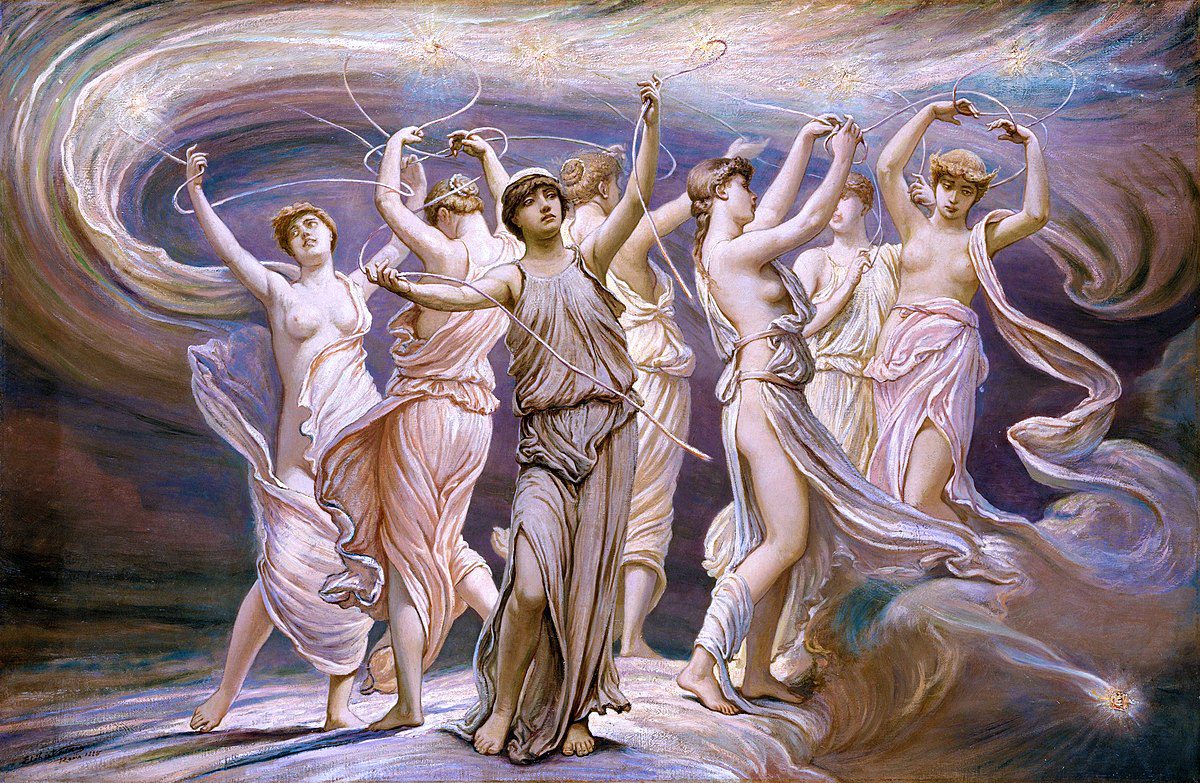
The Pleiades, also known as the Seven Sisters, are a prominent group of stars in the night sky that hold a significant place in Greek mythology. This cluster of stars is part of the constellation Taurus and has been observed for thousands of years. The Pleiades are not just a celestial phenomenon; they are also deeply rooted in various cultural stories and traditions. In Greek mythology, they are associated with a rich tapestry of tales that speak of love, loss, and the bond between the divine and the mortal. The stories surrounding the Pleiades reflect the ancient Greeks’ understanding of the cosmos and their connection to the stars.
The Origin of the Pleiades
The name “Pleiades” comes from the Greek word for “to sail.” This name reflects the importance of the stars for ancient sailors who used them for navigation. According to mythology, the Pleiades were the seven daughters of the titan Atlas and the sea-nymph Pleione. Their names are Alcyone, Asterope, Electra, Maia, Merope, Taygete, and Celaeno. Each sister had her own story and personality, contributing to the rich mythology surrounding this star cluster. The Pleiades are often depicted as beautiful maidens, and their stories have been told and retold through generations.
 Atlas
AtlasIn one of the most popular myths, the Pleiades were pursued by the hunter Orion. As the story goes, Orion was in love with the sisters and chased them across the sky. To protect them, Zeus transformed the sisters into stars. This act of divine intervention allowed them to escape from Orion’s grasp, ensuring their eternal presence in the night sky. This myth highlights themes of protection, love, and the interplay between human desires and divine will.
The Sisters and Their Stories
Each of the Pleiades has a unique story that contributes to the overall mythology. Alcyone is often associated with calmness and tranquility, and her name means “kingfisher.” She is known for her role as a nurturing figure. Electra, on the other hand, represents the theme of loss. She is often depicted as mourning the destruction of Troy, a city that held great significance in Greek history. Her sorrow reflects the emotional depth of the myths surrounding the Pleiades.
 Atropos
Maia is considered the eldest and is often associated with fertility and growth. She is also known as the mother of Hermes, the messenger god. This connection adds another layer to her character, emphasizing the bond between the divine and the mortal world. Merope, the only sister who married a mortal, represents the connection between the divine and humanity. Her story speaks to the challenges and sacrifices involved in such relationships.
- Taygete: Often depicted as a huntress, Taygete represents strength and independence.
- Celaeno: Known for her prophetic abilities, Celaeno adds a mystical element to the Pleiades’ stories.
- Asterope: Her name means “starry,” and she embodies the beauty and allure of the night sky.
These diverse stories illustrate the complexity of the Pleiades as characters in Greek mythology. Each sister brings her own strengths, weaknesses, and narratives, making the Pleiades a rich subject for exploration and interpretation.
The Pleiades in Ancient Greek Culture
The Pleiades held a special significance in ancient Greek culture, influencing various aspects of daily life, agriculture, and navigation. Farmers would watch for the appearance of the Pleiades in the sky, as it marked the beginning of the planting season. The rising of the Pleiades was a signal to start sowing seeds, ensuring a fruitful harvest. This connection between the stars and agricultural practices highlights the importance of celestial events in the lives of ancient Greeks.
 Attis
AttisAdditionally, the Pleiades were essential for navigation at sea. Sailors relied on the stars to guide their journeys, and the Pleiades were particularly significant during certain times of the year. The visibility of the cluster would determine when it was safe to sail and when to return home. This practical application of the Pleiades in maritime culture illustrates how mythology and astronomy were intertwined in ancient Greek society.
Art and Literature Inspired by the Pleiades
The influence of the Pleiades extends beyond mythology into the realms of art and literature. Many ancient Greek artists depicted the Pleiades in their works, capturing the beauty and mystery of the stars. These depictions often highlight the sisters’ grace and elegance, reflecting the admiration that ancient Greeks held for them. The Pleiades became symbols of beauty, femininity, and celestial wonder.
In literature, the Pleiades appear in various ancient texts, including works by Homer and Hesiod. Their presence in these literary works underscores their importance in Greek culture. For instance, in the “Iliad,” Homer refers to the Pleiades, using them as a point of reference for time and navigation. This literary usage reinforces the idea that the Pleiades were not just stars but also integral to the Greeks’ understanding of the world around them.
Modern Interpretations of the Pleiades
In contemporary culture, the Pleiades continue to captivate people’s imaginations. They are often referenced in literature, art, and even music. The symbolism of the Pleiades has evolved, and they are now seen as a representation of unity and sisterhood. Various interpretations highlight themes of connection, resilience, and the bonds that tie individuals together.
Many modern astronomers and stargazers appreciate the Pleiades for their beauty and visibility. The cluster is one of the easiest to locate in the night sky, making it a popular subject for amateur astronomers. The Pleiades are often used in educational contexts to teach about star clusters and the science of astronomy. This blend of mythology and science creates a rich tapestry of understanding that continues to evolve.
The Pleiades in Other Cultures
The significance of the Pleiades is not limited to Greek mythology. Various cultures around the world have their own interpretations and stories related to this star cluster. For instance, in Native American cultures, the Pleiades are often associated with agricultural practices and seasonal changes. Different tribes have their own legends about the Pleiades, emphasizing their importance in the natural world.
In many cultures, the Pleiades are seen as a symbol of guidance and protection. In some African traditions, they are associated with the concept of the “Seven Sisters,” representing unity and cooperation among women. This cross-cultural significance highlights the universal themes of sisterhood and support that resonate with the stories of the Pleiades.
Conclusion: The Timeless Legacy of the Pleiades
The Pleiades, with their rich mythology and cultural significance, continue to inspire awe and wonder. From ancient Greece to modern interpretations, the stories of the Pleiades remind us of the deep connection between humanity and the cosmos. They serve as a reminder of the beauty of the night sky and the stories that have shaped our understanding of the world.