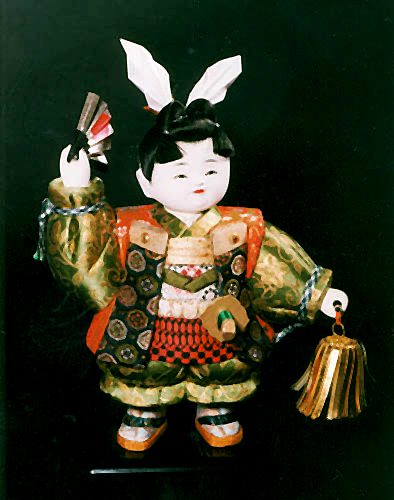
Momotaro is a well-known figure in Japanese mythology, celebrated for his heroic deeds and adventures. The name Momotaro translates to “Peach Boy,” which reflects the unique way he came into the world. His story is not only entertaining but also rich in cultural significance, embodying themes of courage, friendship, and the triumph of good over evil. The tale of Momotaro has been passed down through generations, and it continues to inspire various forms of art, literature, and popular culture in Japan and beyond.
The Origin of Momotaro
According to the legend, Momotaro was born from a giant peach that floated down a river. An elderly couple, who had no children of their own, discovered the peach while washing clothes by the riverbank. When they opened the peach, to their surprise, they found a beautiful baby boy inside. The couple named him Momotaro, and they raised him as their own son. As he grew up, Momotaro became strong and kind-hearted, embodying the virtues that his adoptive parents instilled in him.
 Kusanagi
The story emphasizes the theme of family and the idea that love can be found in unexpected places. The elderly couple’s joy at finding Momotaro in the peach represents hope and the fulfillment of their dreams. As he matured, Momotaro became known for his bravery and sense of justice, qualities that would later propel him into a great adventure. His origin from a peach also symbolizes prosperity and abundance, which are important values in Japanese culture.
The Adventure Begins
As Momotaro grew older, he learned about the troubles facing his village. A group of ogres, known as “oni,” had been terrorizing the region, stealing food and causing chaos. The villagers lived in fear, and many felt helpless against the ogres’ might. Inspired by his strong sense of justice, Momotaro decided to embark on a journey to defeat the ogres and restore peace to his village. He wanted to show that even the smallest person could make a significant difference.
Before setting off on his adventure, Momotaro prepared himself for the challenges ahead. He packed some kibidango, which are millet dumplings, to sustain him during his journey. These dumplings are symbolic of nourishment and strength, representing the support he would need to face the ogres. Momotaro’s determination to confront the ogres is a testament to his bravery and willingness to fight for what is right, qualities that resonate with people of all ages.
 Kunitsu-kami
Meeting Companions
On his journey to the ogres’ island, Momotaro encountered three loyal companions: a dog, a monkey, and a pheasant. Each of these animals played a crucial role in his quest. The dog was known for its loyalty and strength, the monkey for its intelligence and agility, and the pheasant for its ability to fly and scout from above. Together, they formed a team that complemented each other’s strengths and weaknesses, showcasing the importance of friendship and collaboration.
Momotaro’s ability to make friends along the way highlights another key theme of the story: the value of teamwork. Each animal had its own unique abilities, and they contributed to the mission in different ways. For instance, the monkey could distract the ogres, while the pheasant could gather information about their lair. This aspect of the story teaches us that working together often leads to greater success than going solo. It also emphasizes that everyone has something valuable to offer, no matter their size or background.
The Battle Against the Ogres
Upon reaching the ogres’ island, Momotaro and his companions prepared for battle. They devised a plan that utilized each of their strengths. The dog would bark loudly to draw the ogres’ attention, while the monkey would create distractions. The pheasant would fly overhead to spot the ogres and relay information back to Momotaro. The teamwork displayed in this battle is a central element of the story, illustrating how collaboration can lead to victory.
 Kunitokotachi
The fight against the ogres was fierce, but Momotaro’s determination and the support of his friends helped him overcome the challenges. With clever strategies and the strength of his companions, they managed to defeat the ogres, who were not just strong but also underestimated the power of teamwork. The victory was not only a triumph for Momotaro but also a significant moment for the villagers who had suffered under the ogres’ rule.
The Return Home
After defeating the ogres, Momotaro and his friends collected the stolen treasures and returned to the village. The villagers welcomed them as heroes, celebrating their bravery and the return of peace. Momotaro shared the treasures with the villagers, emphasizing the importance of generosity and sharing good fortune. This act of kindness further solidified his status as a beloved figure in the community.
Upon his return, Momotaro’s parents were filled with pride and joy. They recognized that their son had not only grown into a strong young man but had also become a symbol of hope and resilience for their community. His adventure and the lessons learned along the way reinforced the idea that bravery and friendship can conquer even the most daunting challenges. The villagers, inspired by Momotaro’s deeds, learned to stand up against injustice and work together for a better future.
Cultural Significance of Momotaro
The story of Momotaro holds deep cultural significance in Japan. It is often told to children, teaching them valuable lessons about courage, friendship, and the importance of standing up for what is right. The tale has been adapted into various forms of media, including books, theater, and animation. Each adaptation brings new life to the story, making it relevant for contemporary audiences while preserving its core messages.
In addition to being a beloved children’s story, Momotaro also represents a cultural hero who embodies the spirit of Japanese values. His journey reflects the idea that one person can make a difference, a message that resonates strongly in Japanese society. The tale encourages individuals to work together for a common cause, reinforcing the importance of community and collaboration.
Momotaro in Modern Culture
Momotaro’s influence extends beyond traditional storytelling. In modern Japan, the character has appeared in numerous forms of entertainment, including video games, movies, and merchandise. His image is often used in festivals and celebrations, where people dress up as Momotaro and participate in parades. This enduring popularity illustrates how the story continues to capture the imagination of new generations.
Moreover, the themes of the Momotaro story have been embraced in various social movements and campaigns, emphasizing the importance of unity and resilience in the face of adversity. For instance, during natural disasters, the spirit of Momotaro is often invoked to encourage communities to come together and support one another. This connection between the mythological hero and real-life challenges showcases the lasting impact of the Momotaro story on Japanese society.
Variations of the Momotaro Story
While the core elements of the Momotaro story remain consistent, various regional variations exist throughout Japan. Some versions include different details about Momotaro’s origin, his companions, or the nature of the ogres. For instance, in some adaptations, Momotaro may encounter additional characters or challenges that add depth to the narrative. These variations reflect the local cultures and traditions, showcasing the adaptability of the Momotaro legend.
Additionally, the story has inspired countless reinterpretations in literature and art. Writers and artists have taken the essence of Momotaro and infused it with contemporary themes, making it relevant for modern audiences. This ability to evolve while retaining its fundamental messages is a testament to the story’s enduring appeal and significance in Japanese culture.
Lessons from Momotaro
The tale of Momotaro imparts several important lessons that are valuable not only in Japanese culture but universally. One of the primary lessons is the importance of bravery in the face of adversity. Momotaro’s decision to confront the ogres, despite the risks, serves as a reminder that courage can lead to positive change. This message encourages individuals to stand up for their beliefs and fight against injustice.
Another key lesson is the value of friendship and teamwork. Momotaro’s success was not solely due to his strength; it was also the result of collaboration with his companions. This highlights the idea that working together can lead to greater accomplishments than working alone. The story teaches us to appreciate the diverse skills and perspectives that others bring to a team, fostering a sense of unity and cooperation.
Momotaro’s Legacy
The legacy of Momotaro continues to thrive in Japan and beyond. His story has become a cultural touchstone, symbolizing hope, resilience, and the power of good. Many children grow up hearing the tale, and it often becomes a part of their identity. The values embodied by Momotaro resonate with people of all ages, reminding them of the importance of kindness, bravery, and the willingness to help others.
In educational settings, the story of Momotaro is frequently used to teach children about morality and ethics. It encourages discussions about right and wrong, the importance of helping others, and the impact of one’s actions on the community. By engaging with the story, children learn valuable life lessons that shape their character and worldview.
Momotaro remains an enduring symbol of hope and bravery in Japanese mythology. His story not only entertains but also imparts important lessons about courage, friendship, and the strength found in unity. As generations continue to share and adapt the tale, the spirit of Momotaro lives on, inspiring individuals to strive for a better world.