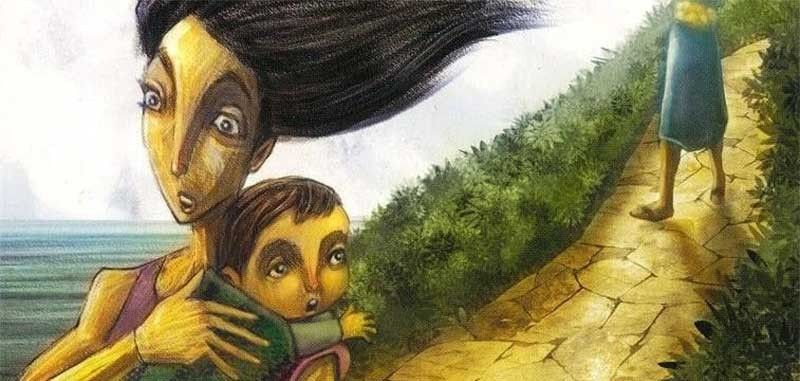
Cavillaca is a significant figure in Inca mythology, often associated with the creation of the world and the fertility of the land. She is recognized as a goddess who played a crucial role in the lives of the ancient Incas. Her stories are intertwined with themes of agriculture, fertility, and the nurturing aspects of nature. The Incas, who thrived in the Andean region of South America, revered various deities, and Cavillaca held a special place in their pantheon. Understanding her significance requires a deep dive into the mythology and cultural practices of the Incas.

Origins of Cavillaca
The origins of Cavillaca can be traced back to the ancient Andean civilization that flourished in the region. According to myth, she was born from the mountains and the earth, symbolizing the connection between nature and the divine. The Incas believed that she embodied the essence of the land, which was vital for their agricultural practices. Her presence was thought to bring life and prosperity to the fields, ensuring that crops would flourish and the people would be nourished.
In the Inca creation story, Cavillaca was often depicted as a beautiful woman, radiating warmth and life. Her beauty was said to be so profound that it could inspire the most skilled artisans to create works of art in her honor. This connection to beauty and art highlights the importance of nature in Inca culture. The Incas understood that their survival depended on the land, and thus, they revered Cavillaca as a protective and nurturing figure.
Cavillaca and Agriculture
A significant aspect of Cavillaca’s mythology revolves around agriculture. The Incas were primarily an agrarian society, relying heavily on the crops they cultivated. They believed that Cavillaca was responsible for the growth of plants and the fertility of the soil. As such, she was often worshipped during planting and harvesting seasons. Rituals and offerings were made to ensure her favor, which was thought to guarantee a bountiful harvest.
 Catequil
The relationship between Cavillaca and agriculture is evident in various myths that describe her actions. For instance, it is said that she taught the Incas how to plant seeds and care for their crops. This knowledge was invaluable to the survival of the community. The goddess was often depicted alongside other agricultural deities, emphasizing her role as a central figure in ensuring the land’s productivity.
Rituals and Offerings
- Planting ceremonies were often dedicated to Cavillaca.
- Offerings of food, flowers, and textiles were made to honor her.
- Communities gathered to perform dances and songs in her name.
These rituals were not only a way to show gratitude but also a means to seek her blessings. The Incas believed that by honoring Cavillaca, they could secure her support in their agricultural endeavors. The successful harvests were seen as a direct result of her divine intervention.
Cavillaca in Inca Society
The role of Cavillaca extended beyond agriculture; she was also a symbol of motherhood and nurturing. In Inca society, the concept of motherhood was highly revered, and Cavillaca represented the ideal mother figure. Her nurturing qualities were celebrated in various festivals and ceremonies, where women would pay homage to her as the source of life and sustenance.
 Ayar Uchu
In addition to her agricultural significance, Cavillaca was also associated with the seasons. The Incas observed the changes in nature and attributed these cycles to her influence. For example, the arrival of spring was seen as a time of renewal and growth, a period when Cavillaca’s blessings were most potent. Festivals celebrating the changing seasons often included prayers and offerings to Cavillaca, reinforcing her importance in the cultural fabric of Inca life.
Cavillaca’s Symbols and Representation
Cavillaca was often represented through various symbols that conveyed her connection to the earth and fertility. Common symbols included corn, potatoes, and other staple crops that were essential to Inca society. These symbols were not merely decorative; they held deep meaning and were integral to the rituals performed in her honor. The Incas believed that these representations could invoke her presence and blessings.
Artistic depictions of Cavillaca also played a significant role in Inca culture. She was frequently illustrated in pottery, textiles, and carvings, showcasing her beauty and connection to nature. These artworks served not only as a tribute to her but also as a reminder of the importance of the earth in the lives of the Incas. The reverence for Cavillaca was evident in the way she was depicted, often surrounded by lush landscapes and abundant crops.
Legends and Myths Surrounding Cavillaca
Numerous legends and myths revolve around Cavillaca, each adding layers to her character and significance. One popular myth describes how she created the first humans from the clay of the earth. This story emphasizes her role as a creator and a nurturing figure. It highlights the belief that all life comes from the earth and that Cavillaca is the source of this life. The Incas saw themselves as the children of the earth, and thus, they held Cavillaca in high esteem.
Another legend speaks of a great drought that struck the land, threatening the crops and the survival of the people. In their desperation, the Incas turned to Cavillaca for help. They performed elaborate rituals and made sacrifices, pleading for her intervention. Moved by their devotion, Cavillaca is said to have sent rain, restoring the land and ensuring the survival of the community. This story illustrates her power and the belief that she could directly influence the natural world.
The Legacy of Cavillaca
The legacy of Cavillaca continues to be felt in modern times, particularly in regions where Inca culture still thrives. Many communities still honor her through traditional rituals and agricultural practices. The stories of Cavillaca have been passed down through generations, serving as a reminder of the deep connection between the people and the land. Her influence can be seen in festivals that celebrate the harvest and in the way people interact with nature.
Moreover, the reverence for Cavillaca highlights the importance of sustainability and respect for the environment. The teachings of the Incas, embodied in the figure of Cavillaca, remind us of the need to care for the earth and to live in harmony with nature. As modern society faces challenges related to agriculture and environmental degradation, the lessons from Inca mythology, particularly those related to Cavillaca, become increasingly relevant.
Cavillaca in Contemporary Culture
In contemporary culture, Cavillaca’s influence can be seen in various artistic expressions, including literature, music, and visual arts. Artists often draw inspiration from her story, using her as a symbol of resilience and nurturing. This modern interpretation keeps her legacy alive and introduces her to new audiences who may not be familiar with Inca mythology.
Additionally, educational initiatives focusing on indigenous cultures have incorporated the stories of Cavillaca into their curricula. This effort aims to promote awareness and appreciation of the rich cultural heritage of the Andes. By sharing her story, educators hope to instill a sense of respect for the environment and the wisdom of ancient civilizations.
Cavillaca stands as a powerful symbol in Inca mythology, representing the interconnectedness of life, nature, and agriculture. Her story reflects the values and beliefs of the Inca civilization, emphasizing the importance of nurturing and sustaining the earth. As we continue to explore and appreciate the rich tapestry of Inca mythology, Cavillaca remains a vital figure, reminding us of the enduring legacy of ancient cultures and their reverence for the natural world.