WORLD
WORLD
Japanese mythology
Articles about Japanese mythology within Asia.
Last articles
In
In is not a clearly identifiable, independently attested deity, spirit or legendary creature in the principal traditions of Japanese mythology. As a name written only in Roman letters, “In” is highly ambiguous: it may re…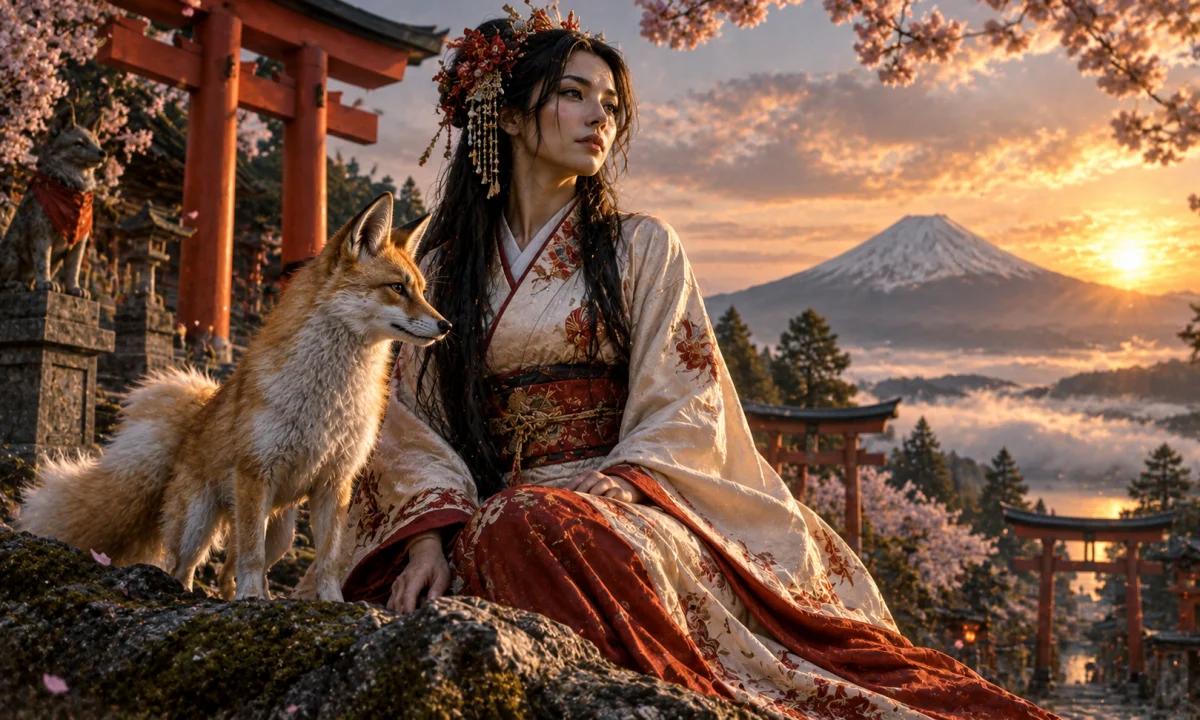
Inari
Inari is one of the most widely worshipped kami in Japan, associated especially with rice, agriculture, food, prosperity, commerce and the well-being of households. Inari belongs primarily to Japanese Shinto, although ce…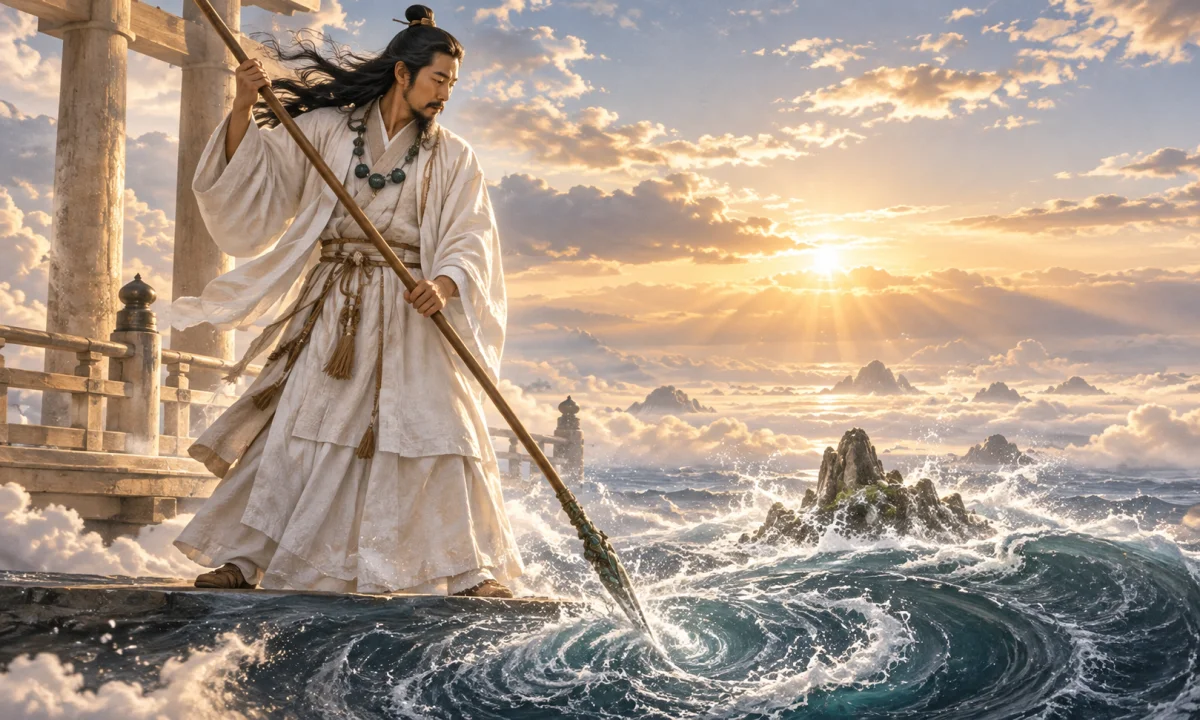
Izanagi
Izanagi, also known as Izanagi-no-Mikoto, is a major creator kami in Japanese mythology and one of the central figures of the Kojiki and Nihon Shoki, Japan’s earliest surviving mythological and historical chronicles. Tog…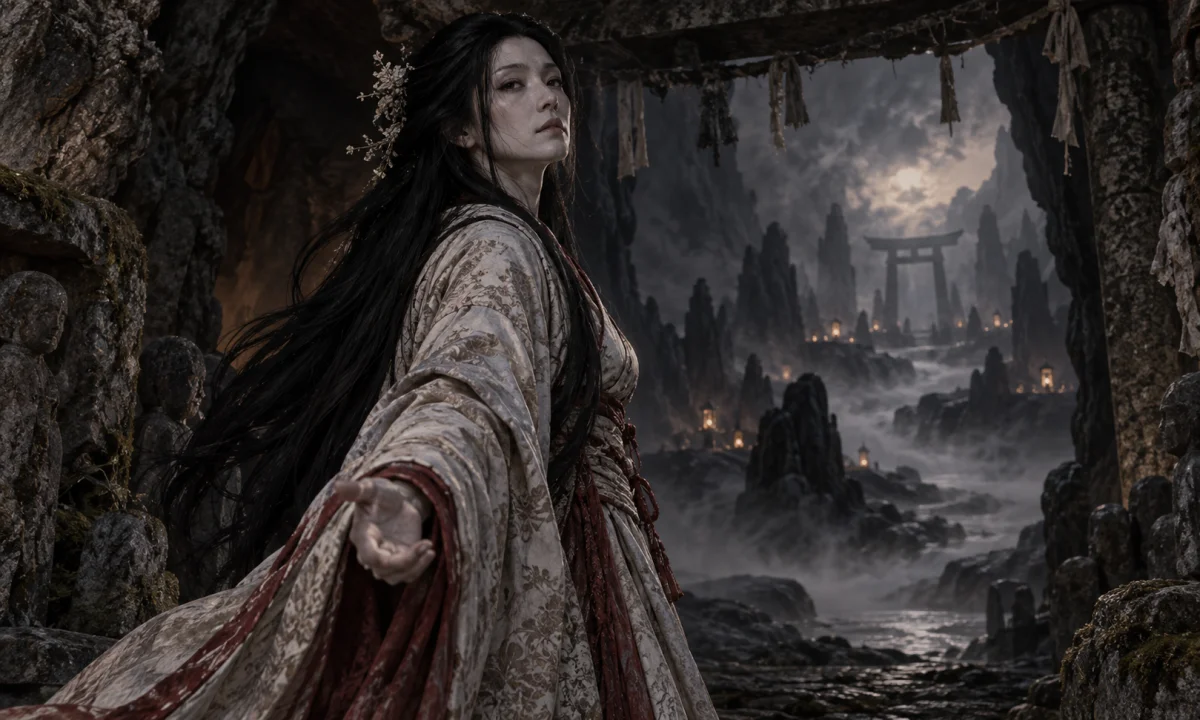
Izanami
Izanami, also known as Izanami-no-Mikoto, is one of the principal creator kami of Japanese mythology. She appears most prominently in the Kojiki, compiled in 712, and the Nihon Shoki, completed in 720. In these early myt…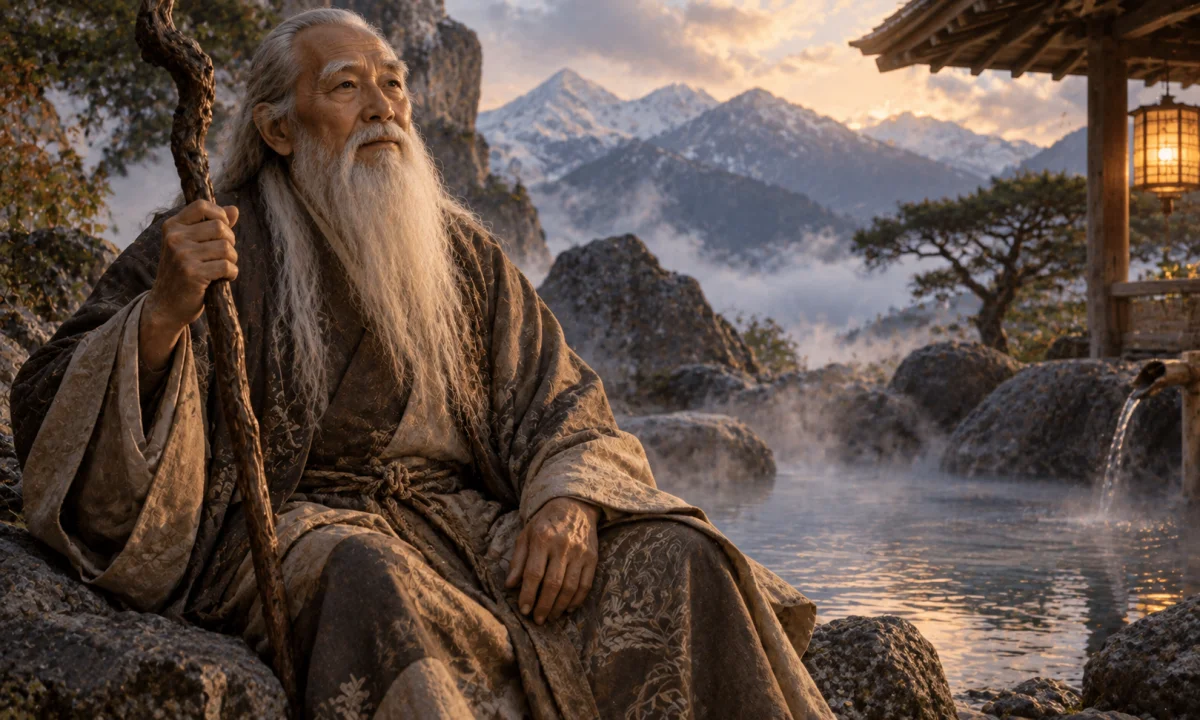
Jo
Jo is not a securely identifiable god, spirit, monster or hero in the surviving corpus of Japanese mythology under that spelling alone. The name appears to be an abbreviated or incomplete romanization, a transliteration …
Jurojin
Jurojin is a Japanese god of longevity and one of the Shichifukujin, the Seven Lucky Gods. Usually portrayed as an elderly man with a long white beard, a staff, and a scroll, he represents a long life guided by wisdom, h…
Sanbo-kojin
Sanbō Kōjin (also written Sanbo Kojin or Sambō Kōjin) is a Japanese deity associated with fire, the hearth, the kitchen and the protection of the household. The name is usually translated as “the Rough Deity of the Three…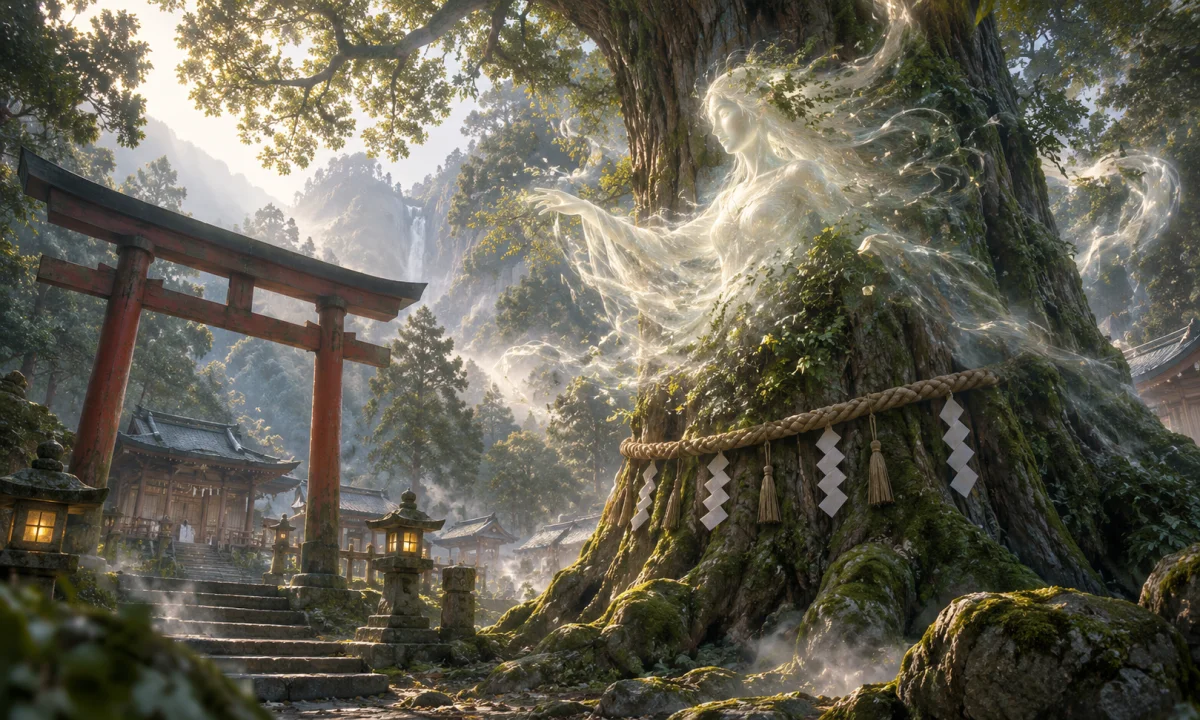
Kami
Kami is the Japanese term commonly translated as “god,” “deity,” or “divine spirit.” In Shinto, kami may be associated with natural phenomena, particular places, ancestral figures, legendary heroes, imperial ancestors, o…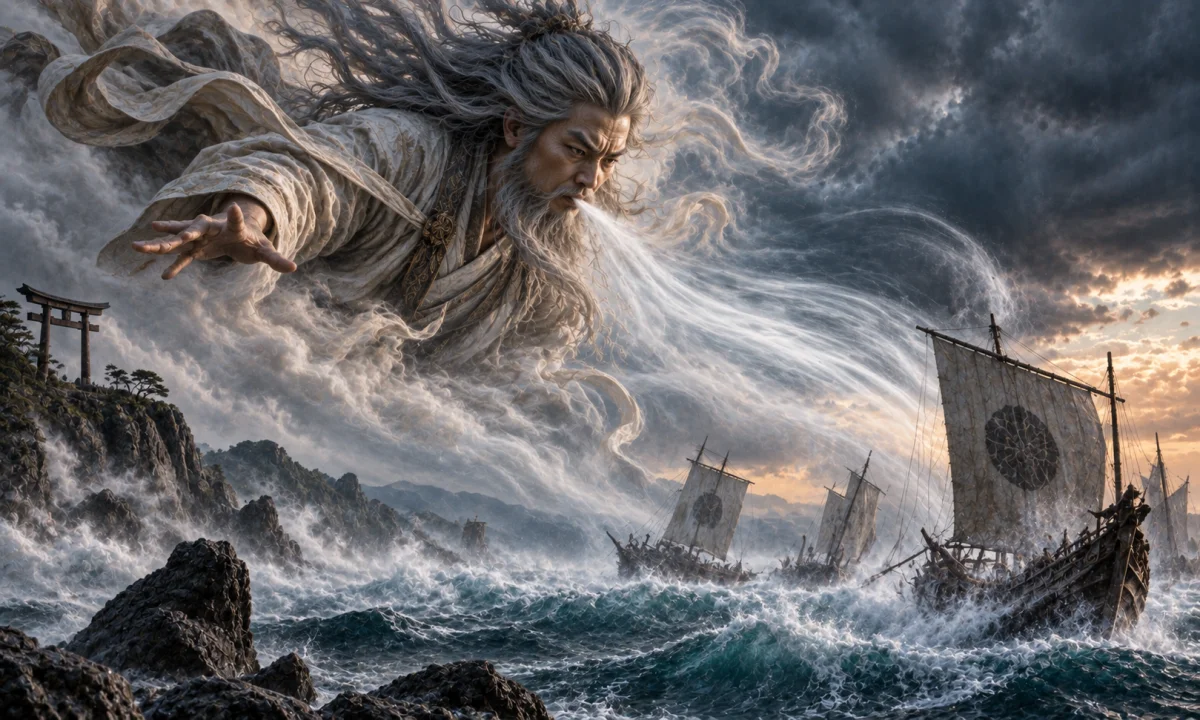
Kami-kaze
Kami-kaze, more commonly written kamikaze in English, means “divine wind” or “wind of the kami.” In Japanese religious and historical tradition, it is not normally the name of a single god, monster or supernatural creatu…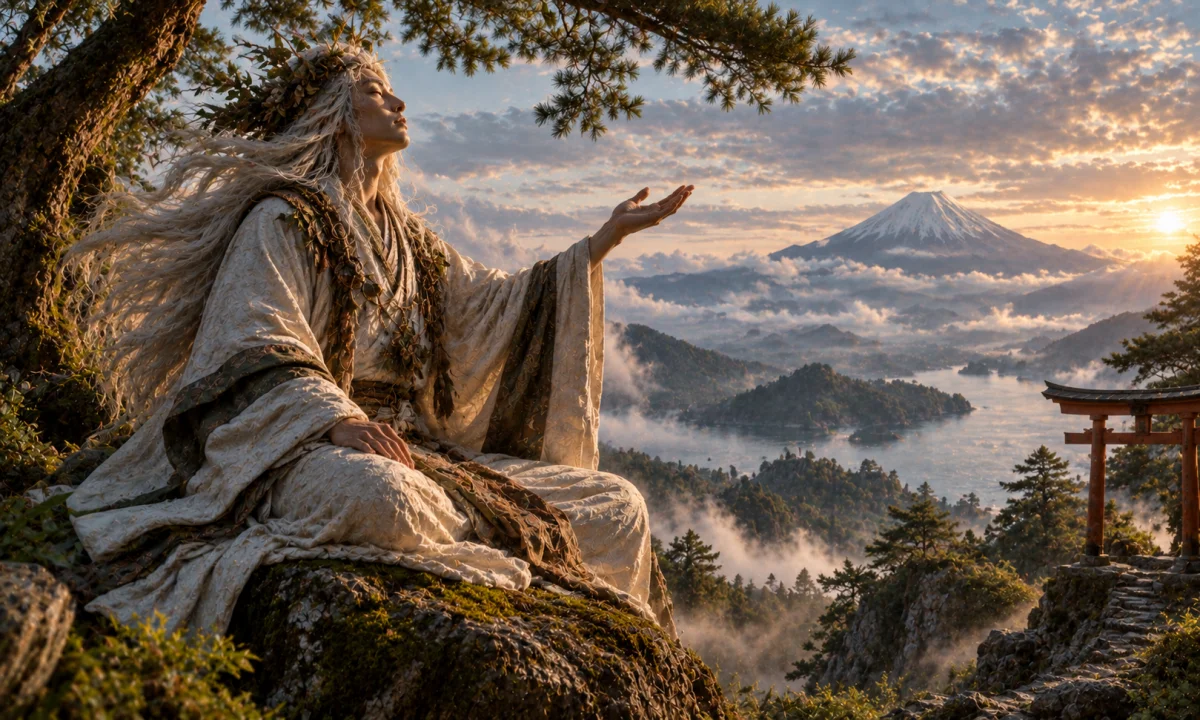
Kamui
Kamui is a Japanese rendering of the Ainu word more commonly written kamuy. It does not usually name a single god or monster. Rather, it refers to the powerful spiritual beings of Ainu religious tradition, including deit…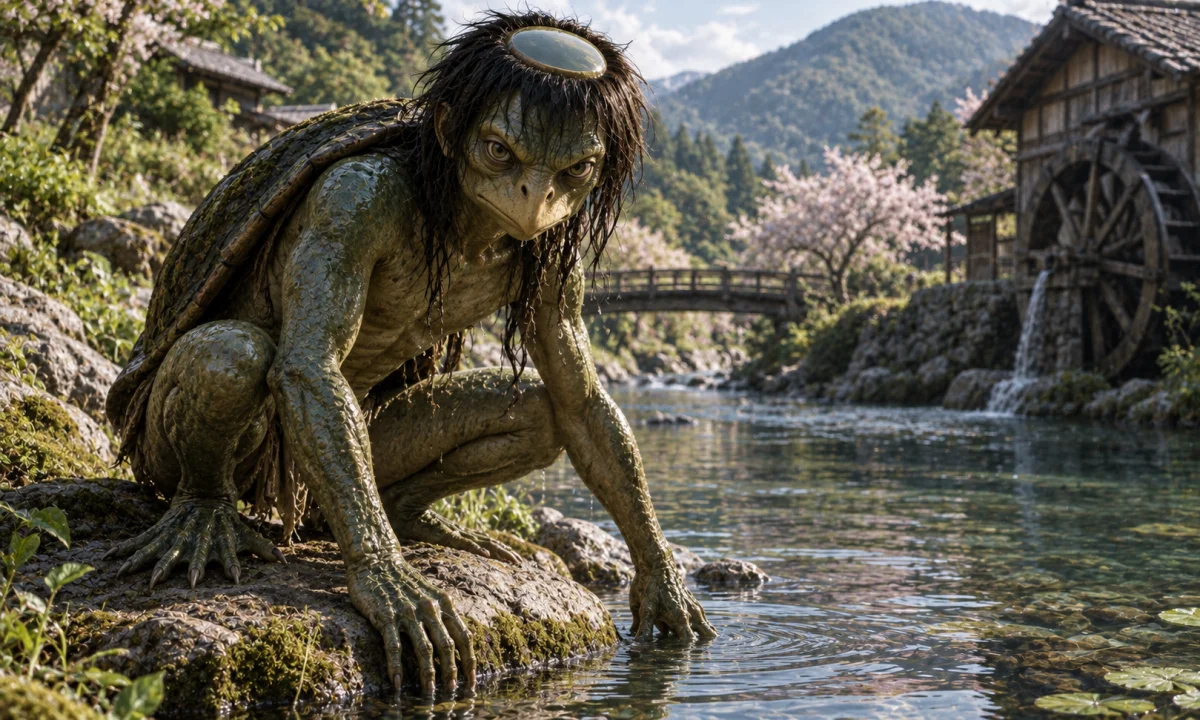
Kappa
The kappa is a water-dwelling being of Japanese folklore, traditionally associated with rivers, ponds, irrigation channels and other bodies of fresh water. Its name is commonly written 河童, literally “river child,” althou…