WORLD
WORLD
Finnish mythology
Articles about Finnish mythology within Europe.
Last articles
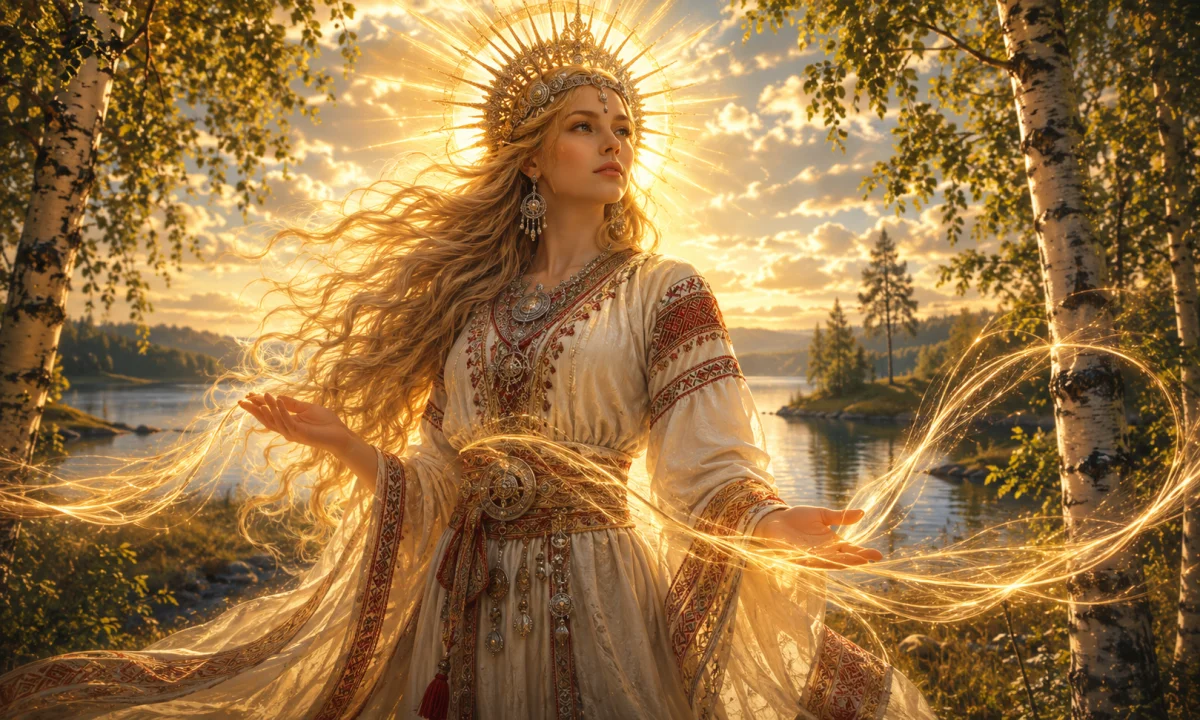
Päivätär
Päivätär is a feminine personification of daylight in Finnish mythology. Her name is usually understood as “Lady of the Day” or “Mistress of the Day,” from the Finnish word päivä, meaning “day.” She is often described in…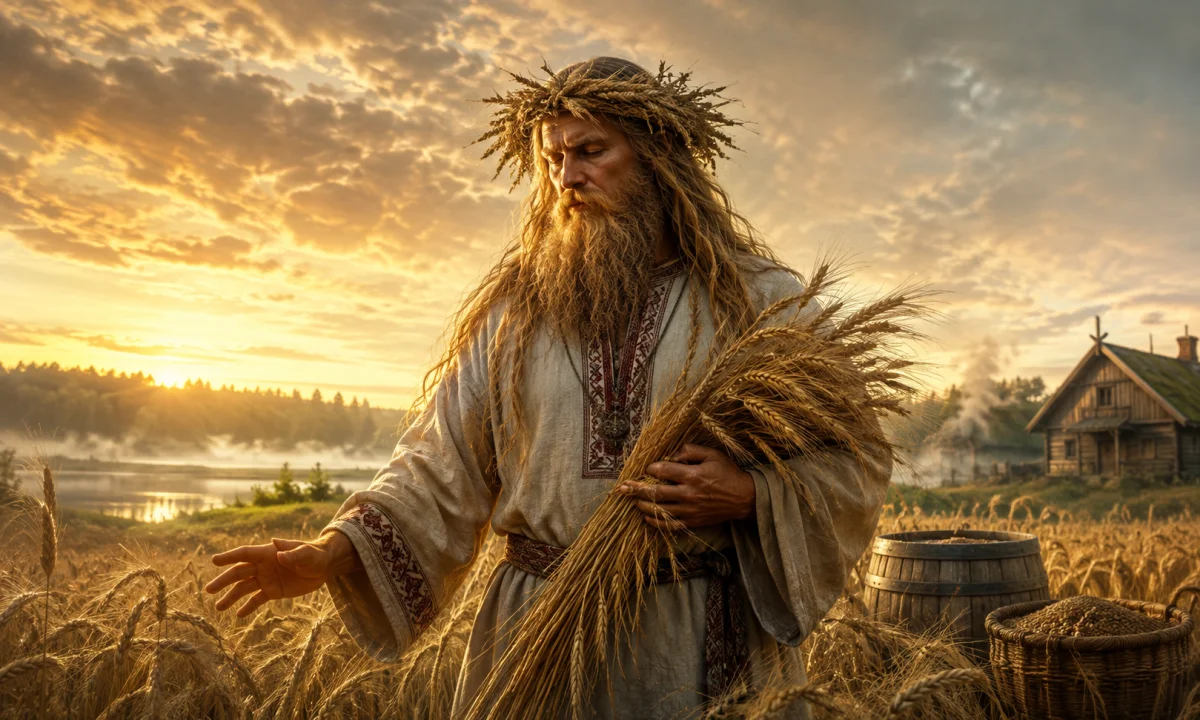
Pekko
Pekko is a figure from Finnish folklore and the agrarian religious imagination of the Finns, best known as a spirit or deity associated with barley, brewing, and the success of the harvest. His place in older tradition i…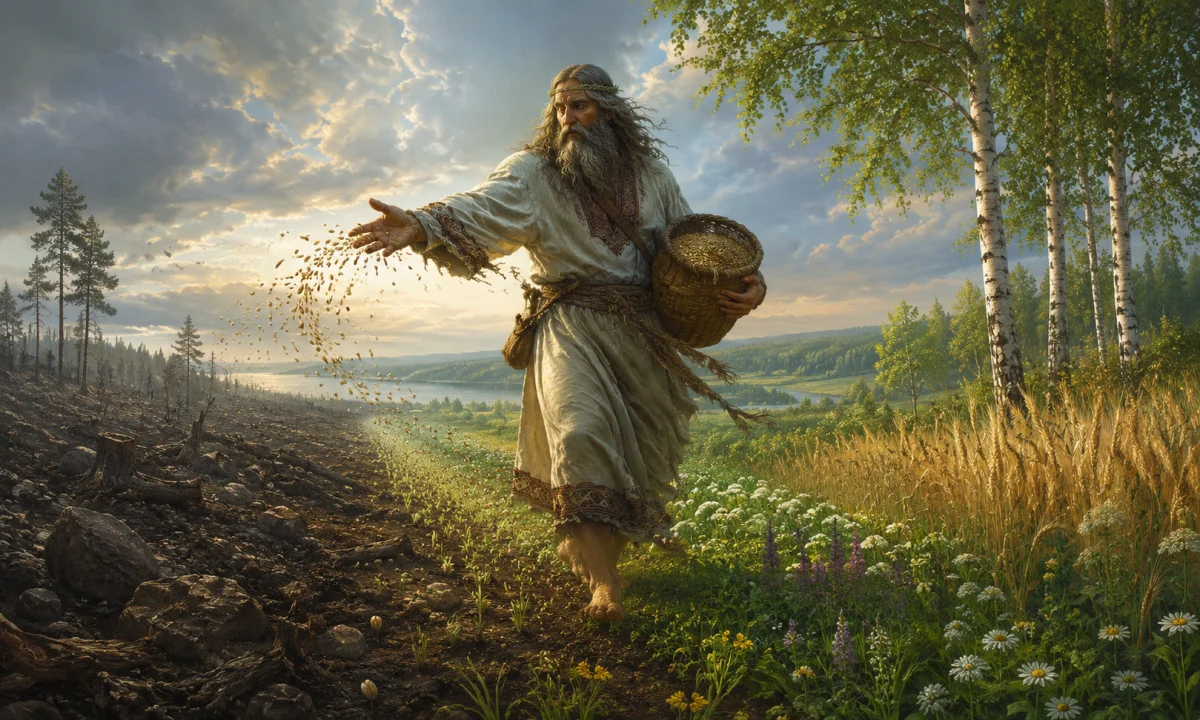
Sampsa
Sampsa is a figure from Finnish mythology and folk tradition, best known from the Kalevala, where he appears as a mysterious cause of fertility and abundance. The name is usually associated with growth, plenty, and the m…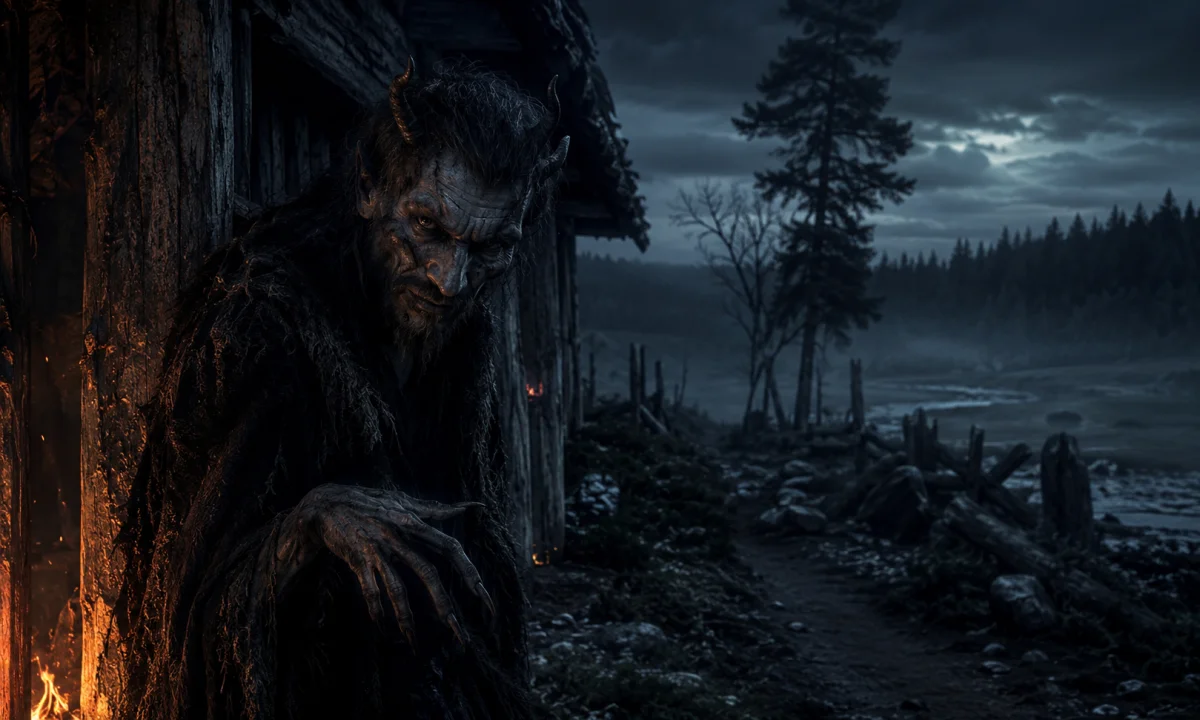
Piru
Piru is a figure from Finnish mythology and folk belief, most often understood as a name for a devil-like or demon-like being, especially in later Christian-era tradition. The word appears in Finnish vernacular usage wit…
Sampo
Sampo is a mysterious and much-discussed object in Finnish mythology, best known from the national epic Kalevala. In traditional Finnish oral poetry and later literary retellings, the Sampo is a wonder-working source of …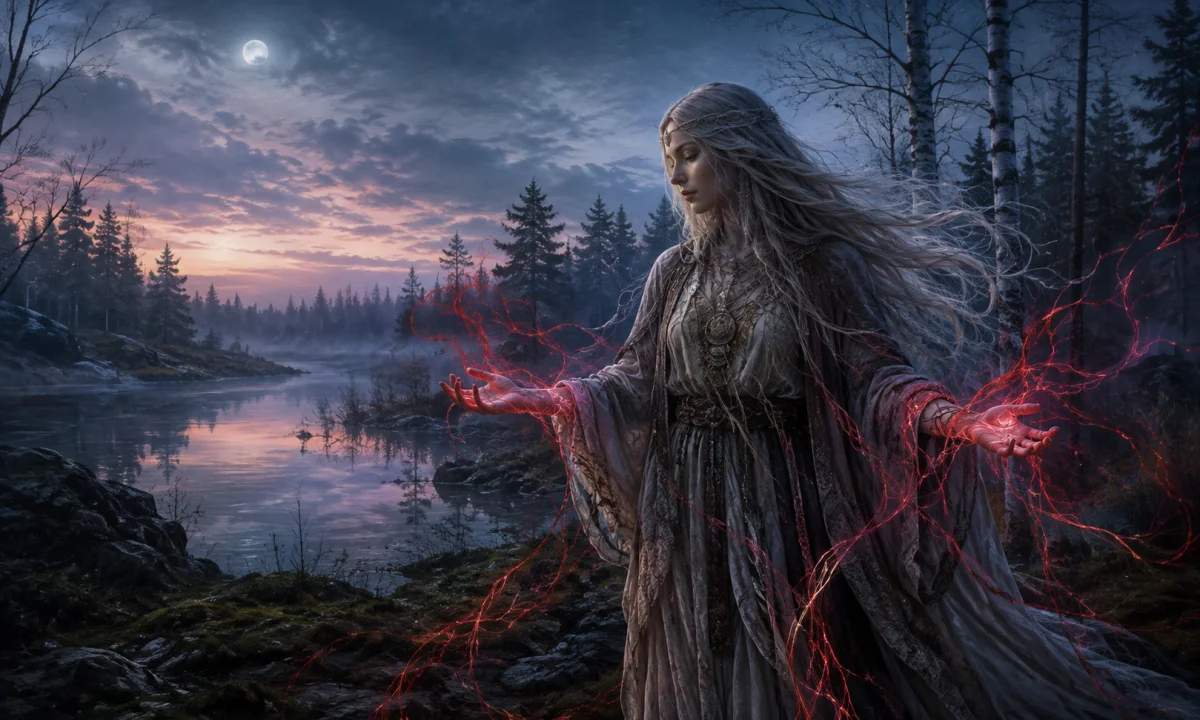
Suonetar
Suonetar is a figure from Finnish mythology and folk tradition, commonly understood as a supernatural being connected with veins, blood, and healing or affliction in the human body. Like many beings in Finnic folklore, S…