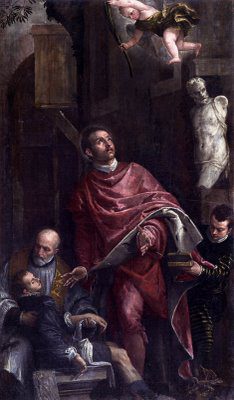
St. Pantaleon, also known as St. Pantaleon the Great Martyr, is a significant figure in Christian mythology and is revered as a healer and martyr. His life and legacy have inspired many Christians throughout history. He is often depicted as a young physician who dedicated his life to helping others and spreading the teachings of Christ. His story is a testament to the power of faith, love, and the importance of serving others. This article explores the life of St. Pantaleon, his contributions to Christianity, and the impact he has had on the Christian community.
Early Life of St. Pantaleon
St. Pantaleon was born in the late 3rd century in the city of Nicomedia, which is located in modern-day Turkey. His father was a wealthy pagan named Eustorgius, while his mother was a Christian, which influenced his upbringing. From a young age, Pantaleon showed great promise as a physician. He studied medicine under the renowned physician Herodicus and quickly gained a reputation for his skill and knowledge. However, despite his success, he struggled with the conflict between his father’s pagan beliefs and his mother’s Christian faith.
 St. Pancras
As he grew older, Pantaleon began to seek the truth about Christianity. His mother’s teachings had a profound impact on him, leading him to explore the faith more deeply. Eventually, he converted to Christianity and was baptized. This decision marked a turning point in his life, as he chose to use his medical skills not for personal gain but to help those in need. Pantaleon’s transformation from a wealthy physician to a devoted servant of Christ illustrates the power of faith and the importance of living a life dedicated to others.
His Role as a Healer
St. Pantaleon is best known for his role as a healer. After his conversion, he began to practice medicine with a new purpose: to help the sick and suffering. He believed that healing was a way to demonstrate God’s love and mercy. Pantaleon’s reputation as a healer spread rapidly, and people from all over came to seek his help. He performed miraculous healings, curing ailments that were considered incurable at the time. His faith in God played a crucial role in these healings, as he often prayed for his patients before administering treatment.
One of the most famous stories about St. Pantaleon involves a blind man who came to him seeking healing. After praying for the man, Pantaleon touched his eyes, and the man regained his sight. This miracle reinforced Pantaleon’s belief that healing was a divine gift and that he was merely a vessel for God’s power. His actions not only brought physical healing but also spiritual comfort to those he helped. Pantaleon’s dedication to healing exemplifies the Christian ideal of serving others and showing compassion to those in need.
 St. Pammachius
Martyrdom and Legacy
St. Pantaleon’s life took a tragic turn during the reign of the Roman Emperor Maximian, who was known for his persecution of Christians. Pantaleon’s unwavering faith and his refusal to renounce Christianity led to his arrest. He was subjected to brutal torture, yet he remained steadfast in his beliefs. His courage in the face of suffering inspired many, and he became a symbol of faith for Christians facing persecution.
The story of St. Pantaleon’s martyrdom is filled with instances of miraculous occurrences. Despite the torture he endured, he remained unbroken and continued to heal others even while imprisoned. His resilience and commitment to his faith ultimately led to his execution. Pantaleon was beheaded, and his martyrdom is commemorated on July 27th in the Eastern Orthodox Church and on July 27th in the Roman Catholic Church. His legacy as a martyr and healer continues to inspire Christians around the world.
Veneration and Feast Days
St. Pantaleon is venerated as a saint in both the Eastern Orthodox and Roman Catholic traditions. His feast day is celebrated on different dates in various Christian denominations. In the Eastern Orthodox Church, his feast day is observed on July 27th, while the Roman Catholic Church celebrates him on the same date. Many Christians honor St. Pantaleon by attending special services, praying for his intercession, and reflecting on his life and example.
 St. Pambo
Throughout history, churches and shrines dedicated to St. Pantaleon have been established in various locations. Pilgrims often visit these sites to seek healing and spiritual guidance. The faithful believe that St. Pantaleon continues to intercede for them, providing comfort and support in times of need. His enduring legacy as a healer and martyr serves as a reminder of the power of faith and the importance of compassion in the Christian life.
St. Pantaleon in Art and Literature
The life of St. Pantaleon has inspired countless works of art and literature over the centuries. Artists have depicted him in various forms, often portraying him as a young physician holding medical instruments or performing miracles. These artworks capture the essence of his character as a healer and martyr, emphasizing his compassion and dedication to helping others. Iconography of St. Pantaleon frequently includes symbols such as a chalice, a cross, or a scroll, representing his connection to both medicine and faith.
In literature, St. Pantaleon’s story has been recounted in hagiographies, which are biographies of saints. These texts highlight his miraculous healings, his steadfast faith, and his ultimate sacrifice for Christ. Many of these writings serve as sources of inspiration for Christians seeking to deepen their faith and understanding of the Christian life. Through art and literature, the legacy of St. Pantaleon continues to resonate with people today, reminding them of the importance of love, service, and sacrifice.
St. Pantaleon’s Influence on Modern Medicine
St. Pantaleon’s legacy as a healer has had a lasting impact on the field of medicine. He is often regarded as the patron saint of physicians and medical professionals. Many doctors and healthcare workers invoke his intercession for guidance and support in their work. His dedication to healing and compassion for the sick serve as a model for those in the medical field, encouraging them to approach their patients with empathy and care.
In some cultures, it is common for medical professionals to carry a small icon or medal of St. Pantaleon as a symbol of their commitment to their vocation. This practice reflects the belief that St. Pantaleon continues to inspire and guide those who dedicate their lives to healing others. His influence extends beyond the realm of spirituality, as his example encourages healthcare workers to uphold ethical standards and prioritize the well-being of their patients.
St. Pantaleon in Global Christianity
The veneration of St. Pantaleon extends beyond the borders of Eastern Orthodox and Roman Catholic traditions. In various cultures around the world, he is celebrated for his role as a healer and martyr. In some countries, particularly in Eastern Europe and the Middle East, his feast day is marked by festivals and communal prayers. These celebrations often include processions, special liturgies, and the sharing of food, reflecting the communal aspect of faith.
In addition to traditional observances, St. Pantaleon’s story has been integrated into modern Christian practices. Many churches organize health fairs or medical missions in his honor, providing free medical services to underserved communities. These initiatives embody the spirit of St. Pantaleon’s life and work, demonstrating the relevance of his legacy in contemporary society. His influence is felt not only in religious contexts but also in humanitarian efforts that seek to alleviate suffering and promote well-being.
Theological Significance of St. Pantaleon
The life of St. Pantaleon holds deep theological significance within Christianity. His unwavering faith in the face of persecution serves as a powerful example for believers. He embodies the Christian virtues of love, compassion, and self-sacrifice. The story of his martyrdom encourages Christians to stand firm in their beliefs, even in the face of adversity. St. Pantaleon’s commitment to healing others reflects the Christian call to serve those in need, emphasizing the importance of charity and mercy in the Christian life.
Moreover, St. Pantaleon’s life illustrates the concept of divine providence. His miraculous healings and the way he remained unbroken during his trials are seen as manifestations of God’s power and grace. Believers view his story as a reminder that God is present in their lives, offering support and guidance through difficult times. The theological lessons derived from St. Pantaleon’s life continue to inspire and challenge Christians to live out their faith in meaningful ways.
Conclusion of St. Pantaleon’s Legacy
St. Pantaleon’s legacy is a testament to the enduring power of faith, compassion, and service. His life as a healer and martyr resonates with Christians around the world, inspiring them to emulate his example in their own lives. Through veneration, art, and literature, his story continues to be shared and celebrated. The impact of St. Pantaleon on the field of medicine and the global Christian community underscores the relevance of his life and teachings in today’s world. As believers reflect on his life, they are reminded of the call to love and serve others, embodying the spirit of St. Pantaleon in their daily lives.