
Thotsakan, also known as Ravana, is a significant figure in Thai mythology. He is depicted as a powerful king and a demon who plays a central role in the epic tale of the Ramayana. This narrative has been adapted and transformed through various cultures, but in Thailand, it is known as the Ramakien. Thotsakan is characterized by his ten heads and twenty arms, symbolizing his immense power and intelligence. His story is rich with themes of love, betrayal, and the eternal struggle between good and evil. Understanding Thotsakan’s role in Thai mythology offers insight into the cultural values and beliefs of the Thai people.
The Origins of Thotsakan
The origins of Thotsakan can be traced back to ancient Hindu texts, specifically the Ramayana. In these texts, he is portrayed as the king of Lanka, a demon who kidnaps Sita, the wife of Lord Rama. The tale of Thotsakan has been passed down through generations, adapting to local cultures and traditions. In Thai culture, the story of Thotsakan is integral to the Ramakien, which is not just a retelling of the Ramayana but a unique interpretation that reflects Thai values and beliefs.
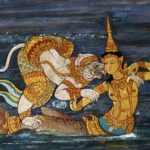 Suvannamaccha
Thotsakan’s character is complex. He is not merely a villain; he embodies traits that make him a fascinating figure. His intelligence, strategic mind, and deep devotion to his family make him relatable to many. Despite his negative actions, his motivations often stem from love and desire, which adds depth to his character. In many ways, Thotsakan represents the duality of human nature, showcasing both good and evil within a single being.
The Appearance of Thotsakan
In Thai art and literature, Thotsakan is depicted as a fearsome figure with ten heads and twenty arms. Each head symbolizes a different aspect of his character, showcasing his wisdom and strength. The multiple arms allow him to wield various weapons simultaneously, emphasizing his prowess in battle. This physical representation is not only meant to intimidate but also to illustrate the idea that he possesses the ability to multitask and strategize in complex situations.
The imagery of Thotsakan is prevalent in Thai temples, sculptures, and traditional performances. Artists often depict him in dynamic poses, highlighting his readiness for battle and his fierce demeanor. These artistic representations serve not only as a way to honor the character but also as a means of storytelling, allowing viewers to connect with the mythological narrative on a deeper level.
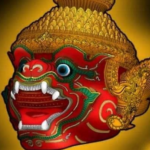 Sukreep
The Role of Thotsakan in the Ramakien
In the Ramakien, Thotsakan plays the role of the antagonist. His desire for power leads him to kidnap Sita, which triggers a series of events that ultimately result in his downfall. This act of abduction is pivotal, as it sets the stage for the epic battle between good and evil, represented by Rama and Thotsakan. The conflict between these two characters is not merely a physical battle; it also represents the struggle between righteousness and unrighteousness.
Throughout the Ramakien, Thotsakan is shown to be a formidable opponent. He possesses supernatural abilities and is supported by a vast army of demons. His strategic mind allows him to devise cunning plans to thwart Rama’s efforts to rescue Sita. However, his overconfidence often leads to his mistakes, illustrating the idea that no matter how powerful one may be, hubris can lead to downfall.
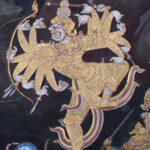 Sahatsadecha
The Themes Associated with Thotsakan
The story of Thotsakan encompasses several key themes that resonate with audiences. One of the most prominent themes is the struggle between good and evil. Thotsakan, as the embodiment of evil, contrasts sharply with Rama, who represents good. This dichotomy serves as a reminder of the moral choices individuals face in their lives. The narrative encourages audiences to reflect on their actions and the consequences that follow.
- Love and Desire: Thotsakan’s motivations are often rooted in love, particularly his desire for Sita. This theme highlights the complexities of love and how it can lead individuals down dark paths.
- Hubris: Thotsakan’s arrogance and overconfidence play a significant role in his downfall, serving as a cautionary tale about the dangers of pride.
- Family Loyalty: Despite his villainous actions, Thotsakan is depicted as a devoted brother to his sibling, which adds layers to his character.
The Cultural Impact of Thotsakan
Thotsakan’s influence extends beyond literature and art; he has become a cultural icon in Thailand. His story is celebrated in various forms of traditional performance, including Khon, a classical Thai dance-drama that brings the Ramakien to life. In these performances, actors don elaborate costumes to portray Thotsakan and other characters, showcasing their skills in dance and storytelling.
Moreover, Thotsakan’s character has inspired countless adaptations in modern media, including films and television series. These adaptations often reinterpret his story, making it accessible to contemporary audiences while retaining the essence of the original narrative. The continued relevance of Thotsakan in popular culture underscores the enduring nature of mythological stories and their ability to resonate with new generations.
Thotsakan in Modern Context
In modern times, Thotsakan is often referenced in discussions about morality, power, and human nature. His character serves as a lens through which people can examine their own lives and the choices they make. The story of Thotsakan invites reflection on the consequences of ambition and the importance of humility. In a world where power dynamics continue to play a significant role, Thotsakan’s narrative remains relevant.
Additionally, Thotsakan’s portrayal in contemporary art and literature often challenges traditional notions of good and evil. Many modern interpretations explore the gray areas of his character, suggesting that his actions, while villainous, stem from relatable human emotions. This complexity encourages audiences to empathize with Thotsakan, fostering a deeper understanding of the multifaceted nature of humanity.
The Legacy of Thotsakan
The legacy of Thotsakan is profound and multifaceted. He remains a vital part of Thai cultural heritage, representing the rich tapestry of mythology that has shaped the nation’s identity. The story of Thotsakan continues to be taught in schools, performed in theaters, and celebrated in festivals, ensuring that his narrative endures through time.
Furthermore, the themes associated with Thotsakan, such as the struggle between good and evil and the complexities of human emotions, resonate universally. This universal appeal allows Thotsakan’s story to transcend cultural boundaries, making it relevant not only in Thailand but also in a global context. As societies continue to grapple with moral dilemmas, the lessons from Thotsakan’s tale remain poignant and thought-provoking.
Thotsakan is a fascinating figure in Thai mythology, embodying complex themes that resonate with audiences across cultures. His story, rich in conflict and moral lessons, serves as a reminder of the eternal struggle between good and evil. Through his character, we are invited to explore the depths of human nature, reflecting on our own choices and the consequences that follow. As we continue to engage with the narrative of Thotsakan, we keep alive the cultural heritage that shapes our understanding of morality, power, and the human experience.