
Wat Pho, also known as the Temple of the Reclining Buddha, is one of the most famous and significant temples in Thailand. Located in the heart of Bangkok, this temple is a remarkable representation of Thai culture and mythology. It is not only a place of worship but also a center for learning about traditional Thai medicine and massage. The temple is famous for its giant reclining Buddha statue, which is 46 meters long and covered in gold leaf. Wat Pho is an essential part of Thailand’s rich history and offers a glimpse into the spiritual and artistic heritage of the country.
History of Wat Pho
The history of Wat Pho dates back to the 16th century, during the reign of King Rama I. Initially, it was a small temple, but it was later expanded by King Rama III in the 19th century. He transformed Wat Pho into a major center of education and culture, promoting the study of Buddhism and traditional Thai medicine. The temple complex houses over 1,000 Buddha images, making it one of the largest collections in Thailand. The architecture and design of Wat Pho reflect the artistic styles of the time, blending traditional Thai elements with influences from the Western world.
 Thotsakan
One of the significant events in the history of Wat Pho was the establishment of the first Thai massage school. King Rama III recognized the importance of preserving traditional Thai medicine and massage techniques. As a result, he commissioned the construction of the massage school within the temple grounds. Today, Wat Pho is still famous for its traditional Thai massage, attracting both locals and tourists who seek to experience this ancient practice.
The Reclining Buddha
The most iconic feature of Wat Pho is undoubtedly the Reclining Buddha statue. This magnificent statue is a representation of the Buddha in a state of meditation, symbolizing the moment he attained enlightenment. The statue measures 46 meters in length and 15 meters in height, making it one of the largest reclining Buddha statues in the world. The statue is adorned with gold leaf and features intricate details, including mother-of-pearl inlays on the soles of its feet, which depict various auspicious symbols.
The reclining position of the Buddha represents the final moments of his life, as he prepared to enter Nirvana. Visitors to Wat Pho are often struck by the serene expression on the Buddha’s face and the sheer size of the statue. The temple’s design allows for a unique viewing experience, as visitors can walk around the statue and appreciate its grandeur from different angles. The reclining Buddha is not just a remarkable work of art; it is also a significant spiritual symbol for Buddhists around the world.
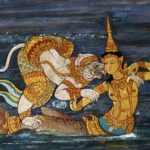 Suvannamaccha
Architecture and Design
Wat Pho is renowned for its stunning architecture and intricate design. The temple complex features a variety of structures, including chedis, halls, and pavilions, each showcasing unique architectural styles. The main temple hall, known as the Ubosot, is where important ceremonies take place. It is adorned with beautiful murals and statues that depict various scenes from the life of the Buddha. The vibrant colors and intricate details of the murals reflect the skill and creativity of Thai artisans.
Another notable feature of Wat Pho is its collection of chedis, which are stupa-like structures that house relics of the Buddha. The largest chedi in the temple complex is dedicated to King Rama I, while others are dedicated to various kings and important figures in Thai history. Each chedi is adorned with colorful tiles and decorative elements, showcasing the craftsmanship of the time. The layout of the temple complex is designed to create a sense of harmony and tranquility, inviting visitors to explore and reflect.
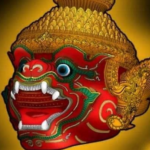 Sukreep
Thai Massage and Healing
Wat Pho is often referred to as the birthplace of traditional Thai massage. The temple houses a massage school where students learn the ancient techniques of this healing practice. Traditional Thai massage is based on the principles of energy lines, known as Sen, and incorporates stretching, acupressure, and meditation. The massage is not only a physical therapy but also a holistic approach to healing that promotes balance and well-being.
Visitors to Wat Pho can experience traditional Thai massage in designated areas within the temple grounds. Trained therapists offer various massage techniques, providing relaxation and relief from stress. The massage experience at Wat Pho is unique, as it takes place in a serene environment surrounded by the beauty of the temple. Many people leave feeling rejuvenated and inspired, having connected with the rich traditions of Thai culture.
Significance in Thai Culture
Wat Pho holds immense significance in Thai culture and spirituality. As one of the oldest temples in Bangkok, it serves as a symbol of the country’s deep-rooted Buddhist traditions. The temple is a popular pilgrimage site for Buddhists, who come to pay their respects to the Buddha and seek spiritual guidance. The teachings of the Buddha, as reflected in the temple’s architecture and art, continue to inspire and influence the lives of many Thai people.
The temple also plays a vital role in preserving traditional Thai arts and crafts. Many artisans and craftsmen showcase their skills within the temple grounds, creating beautiful works of art that reflect the rich cultural heritage of Thailand. Visitors can explore the various shops and stalls, where they can purchase handmade items and souvenirs, supporting local artisans and their crafts.
Visiting Wat Pho
For those planning to visit Wat Pho, there are a few essential tips to keep in mind. The temple is open daily from 8:00 AM to 6:30 PM, and the entrance fee is modest, making it accessible for everyone. It is advisable to dress modestly, covering shoulders and knees, as a sign of respect when visiting religious sites. Visitors should also be prepared to remove their shoes before entering certain areas of the temple.
Exploring Wat Pho can take several hours, as there is much to see and experience. It is recommended to take a guided tour or use an audio guide to gain a deeper understanding of the temple’s history and significance. The peaceful atmosphere of the temple invites visitors to take their time, reflect, and appreciate the beauty of the surroundings.
Wat Pho is not just a temple; it is a cultural treasure that embodies the spirit of Thailand. From the magnificent Reclining Buddha to the art of traditional Thai massage, every aspect of Wat Pho reflects the rich heritage and beliefs of the Thai people. A visit to this temple is an opportunity to connect with the heart of Thai culture and experience the serenity and beauty that it offers.