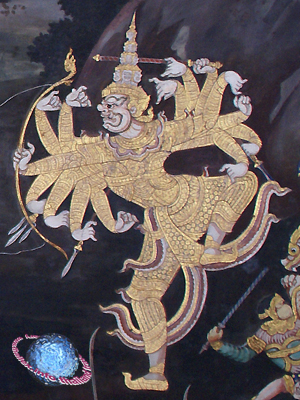
Sahatsadecha is a significant figure in Thai mythology, often recognized for his unique attributes and the lessons his stories impart. In Thai folklore, Sahatsadecha is portrayed as a hero with divine qualities, embodying the virtues of bravery, wisdom, and righteousness. His tales are interwoven with themes of good versus evil, often depicting his struggles against malevolent forces that threaten the peace and harmony of the world. This article will explore the various aspects of Sahatsadecha, including his origins, key stories, and the impact of his mythology on Thai culture.
Origins of Sahatsadecha
The origins of Sahatsadecha can be traced back to ancient Thai texts and oral traditions. He is often described as a son of the gods, born to protect humanity from the chaos created by evil spirits and demons. His birth is often surrounded by supernatural events, signifying his importance in the celestial hierarchy. According to legend, his mother had a vision of a powerful warrior who would emerge to save the world from darkness, leading to his conception. This divine birth narrative sets the stage for his role as a protector and hero.
 Ramakien
In many stories, Sahatsadecha is depicted as a skilled warrior, endowed with extraordinary abilities that make him a formidable opponent against evil forces. His strength is often compared to that of mythical creatures, and he is known for wielding a magical weapon that enhances his combat skills. This weapon is said to have been gifted to him by the gods, further emphasizing his divine connection and purpose. The tales of his early life showcase his training and the development of his skills, which he uses to fight for justice.
Key Stories of Sahatsadecha
Several key stories highlight the adventures of Sahatsadecha, showcasing his bravery and commitment to righteousness. One of the most famous tales involves his battle against a powerful demon known as Raksasa. This demon had been terrorizing a village, stealing crops and harming the villagers. Upon hearing their cries for help, Sahatsadecha decided to confront the demon. The story illustrates not only his strength but also his willingness to sacrifice his own safety for the well-being of others.
During the battle, Sahatsadecha faced numerous challenges, including the demon’s magical illusions and fierce minions. However, through his intelligence and strategic thinking, he was able to outsmart the demon. He used his magical weapon to break through the illusions, revealing the true form of Raksasa. This victory not only saved the village but also solidified Sahatsadecha’s reputation as a hero among the people. The story emphasizes the importance of courage and wisdom in overcoming challenges.
 Phra Witsawakam
Lessons from the Battles
- Courage in the face of adversity: Sahatsadecha’s willingness to confront evil teaches us the value of bravery.
- Intelligence over brute force: His use of strategy highlights the importance of thinking critically in difficult situations.
- Selflessness and sacrifice: Sahatsadecha’s actions demonstrate the significance of helping others, even at personal risk.
Another significant story involves Sahatsadecha’s encounter with a trickster spirit known as Chao Khun. This spirit had been causing chaos by playing pranks on the villagers, leading to misunderstandings and conflicts. Instead of confronting Chao Khun with anger, Sahatsadecha approached the spirit with kindness and understanding. He invited Chao Khun to participate in a series of challenges that would allow the spirit to showcase his abilities in a positive way. This approach transformed the spirit’s behavior, turning him from a troublemaker into a friend of the villagers.
The Symbolism of Sahatsadecha
Sahatsadecha serves as a powerful symbol in Thai mythology, representing the eternal struggle between good and evil. His character embodies the hero archetype, someone who rises to the occasion in times of crisis. This duality is essential in understanding his role in Thai culture, where he is revered not only for his strength but also for his moral integrity. His stories often encourage individuals to embrace their inner hero, promoting values such as bravery, wisdom, and compassion.
Additionally, Sahatsadecha’s tales often include elements of nature and the supernatural, emphasizing the connection between humanity and the divine. His battles against evil spirits are not just physical confrontations but also represent the internal struggles that individuals face in their lives. The lessons learned from his stories resonate deeply with the Thai people, encouraging them to reflect on their own challenges and the importance of choosing the path of righteousness.
 Phra Sao
Impact on Thai Culture
The mythology of Sahatsadecha has had a profound impact on Thai culture, influencing various aspects of life, including art, literature, and religious practices. His stories are often depicted in traditional Thai paintings and sculptures, where he is portrayed as a heroic figure, inspiring generations with his courage and wisdom. These artistic representations serve not only as cultural artifacts but also as reminders of the values he embodies.
In literature, Sahatsadecha’s tales have been retold in various forms, including plays, novels, and folk songs. These adaptations keep his legacy alive, ensuring that the younger generations are familiar with his stories and the lessons they convey. Festivals and cultural events often feature performances that celebrate his adventures, fostering a sense of community and shared heritage among the Thai people.
Religious Significance
- Spiritual guidance: Sahatsadecha’s stories provide moral lessons that guide individuals in their daily lives.
- Inspiration for rituals: Many rituals in Thai Buddhism incorporate elements of Sahatsadecha’s mythology, seeking his blessings for protection and guidance.
- Symbol of hope: His character serves as a beacon of hope, reminding people that good ultimately triumphs over evil.
Furthermore, Sahatsadecha’s influence extends to the spiritual realm, where he is often invoked in prayers and rituals. Many believe that calling upon him can bring protection and guidance in times of need. His stories are used in religious teachings to illustrate the principles of Buddhism, such as compassion and the importance of overcoming ignorance. This connection to spirituality further solidifies his status as a revered figure in Thai culture.
Modern Interpretations
In contemporary Thailand, the figure of Sahatsadecha continues to be relevant, adapting to modern contexts while retaining his core values. Many artists and storytellers reinterpret his tales, incorporating modern themes and issues. These adaptations often highlight the importance of community, environmental stewardship, and social justice, resonating with the challenges faced by society today.
For instance, some modern stories of Sahatsadecha focus on environmental conservation, portraying him as a guardian of nature who fights against those who harm the earth. This shift reflects the growing awareness of environmental issues in Thailand and the world. By linking Sahatsadecha’s heroism to contemporary struggles, storytellers are able to keep his legacy alive while addressing pressing concerns.
Media Representations
- Film and television: Sahatsadecha’s stories have been adapted into movies and TV series, reaching wider audiences.
- Literature: Modern authors write new interpretations of his tales, keeping the essence of his character alive.
- Art: Contemporary artists create works inspired by Sahatsadecha, blending traditional and modern styles.
Moreover, Sahatsadecha has found a place in popular media, with films and television shows depicting his adventures. These adaptations not only entertain but also educate viewers about the values and morals embedded in his stories. By reaching younger audiences through engaging narratives, the essence of Sahatsadecha’s character remains relevant and inspiring.
The stories of Sahatsadecha are an integral part of Thai mythology, offering valuable lessons and insights into the nature of good and evil. His character embodies the qualities that are admired in Thai culture, such as bravery, wisdom, and compassion. As time progresses, the mythology surrounding Sahatsadecha continues to evolve, adapting to modern contexts while maintaining its core values. Through art, literature, and contemporary interpretations, Sahatsadecha remains a powerful symbol of hope and heroism in Thai society.