 WORLD
WORLD
South American mythology
Articles about South American mythology within South America & Caribbean.
Last articles
Abe Mango
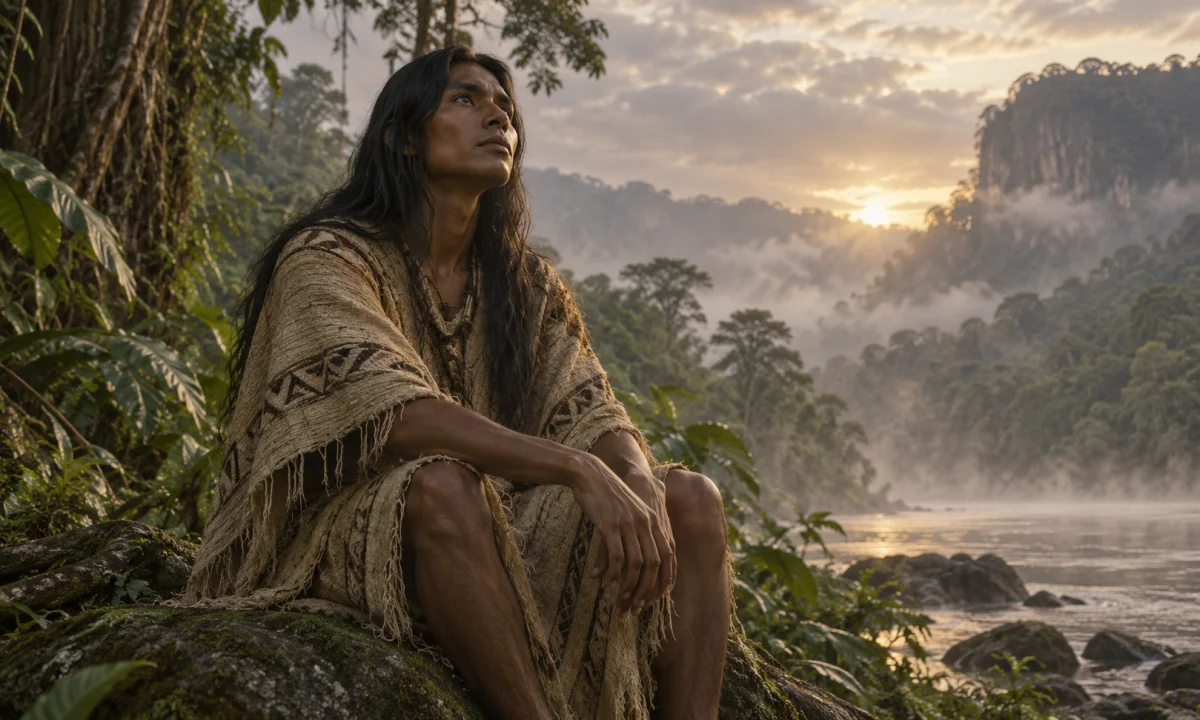
Abe Mango is an obscure and uncertain name associated in some modern lists with South American mythology. Unlike well-attested figures such as Yúcahu, Bochica, Makunaima or Supay, Abe Mango does not have a clearly docume…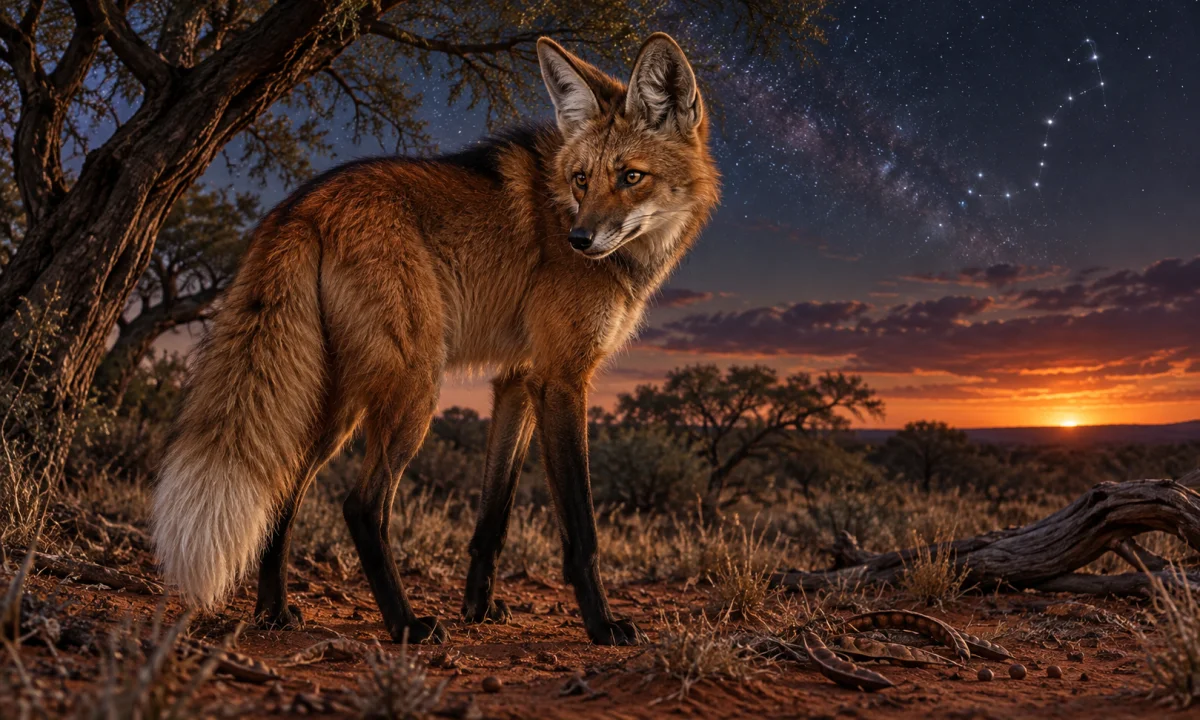
Aguara-tunpa
Aguara-tunpa is a figure associated chiefly with Guarani-speaking peoples of South America, especially traditions identified with the Ava Guarani—formerly and controversially called Chiriguano—in eastern Bolivia and neig…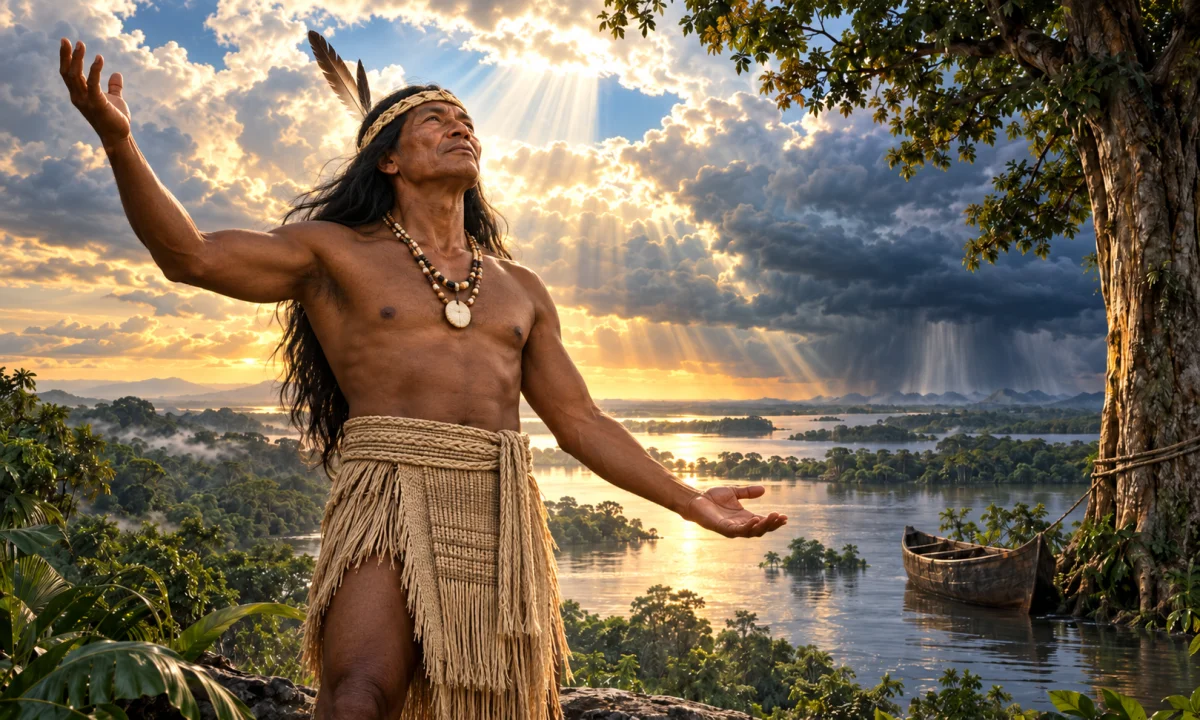
Aiomun Kondi
Aiomun Kondi is a name associated in modern reference works with an Indigenous creator or supreme being of the Guianas, in the northern part of South America. The identification is not entirely secure: spellings differ, …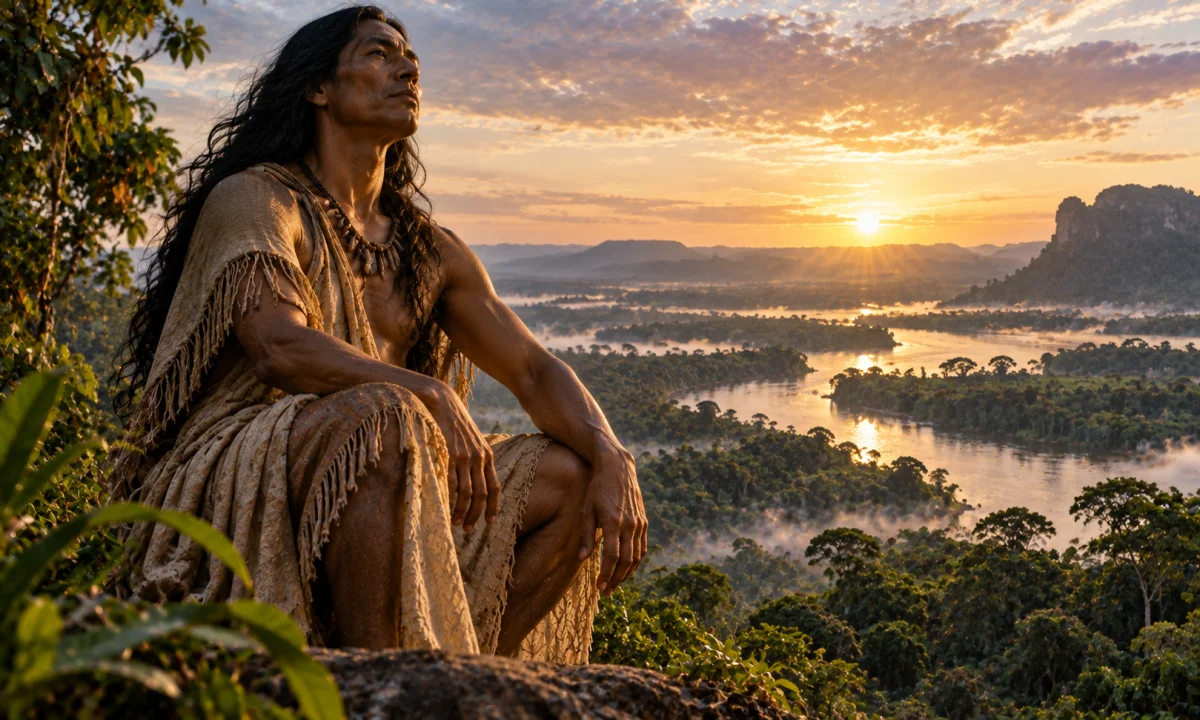
Aluberi
Aluberi is a creator figure associated in modern reference works with the Arawak peoples of northern South America and the Caribbean. The name is usually presented as belonging to a supreme or primordial being responsibl…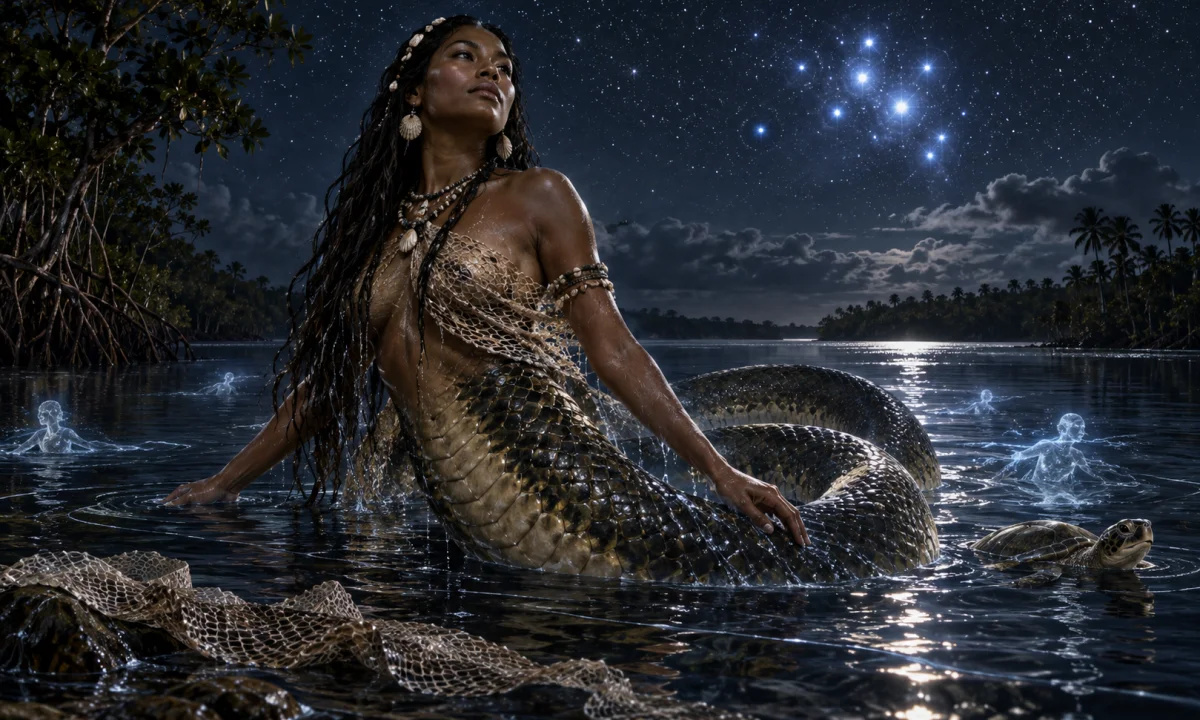
Amana
Amana is commonly described in modern references as a rain goddess associated with Indigenous traditions of South America, especially the Tupian cultural world of Brazil and neighbouring regions. The identification is no…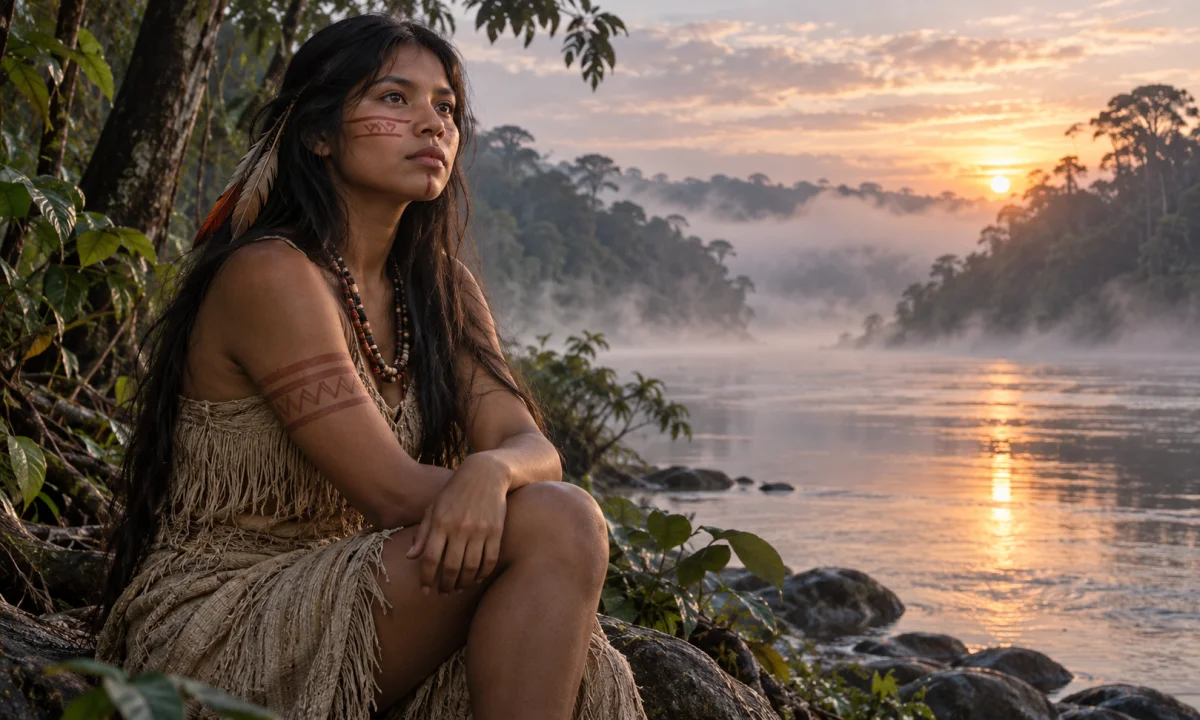
Anatiwa
Anatiwa is a poorly documented name sometimes presented online as belonging to South American mythology. Unlike well-attested figures such as Mama Quilla, Anhangá, or the Mapuche Antu, Anatiwa does not have a securely es…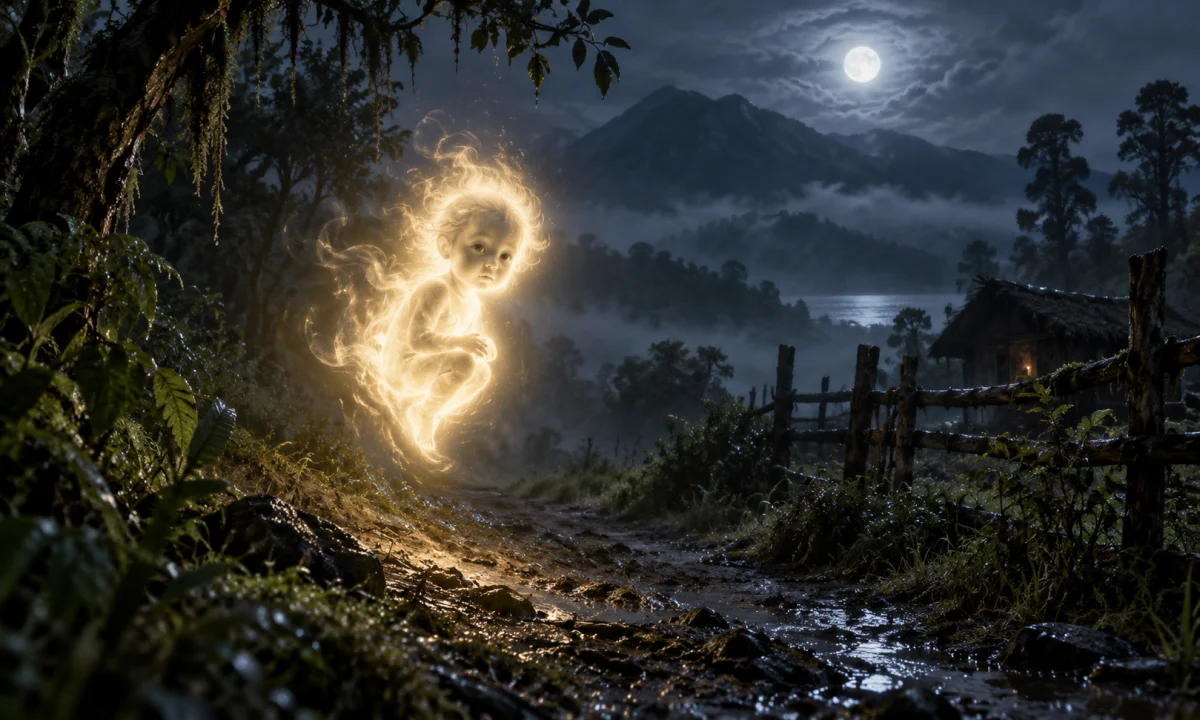
Anchimallén
Anchimallén is a luminous spirit associated chiefly with Mapuche and, in some accounts, neighbouring southern Chilean traditions. It is usually described as a small, fast-moving light seen at night, although other versio…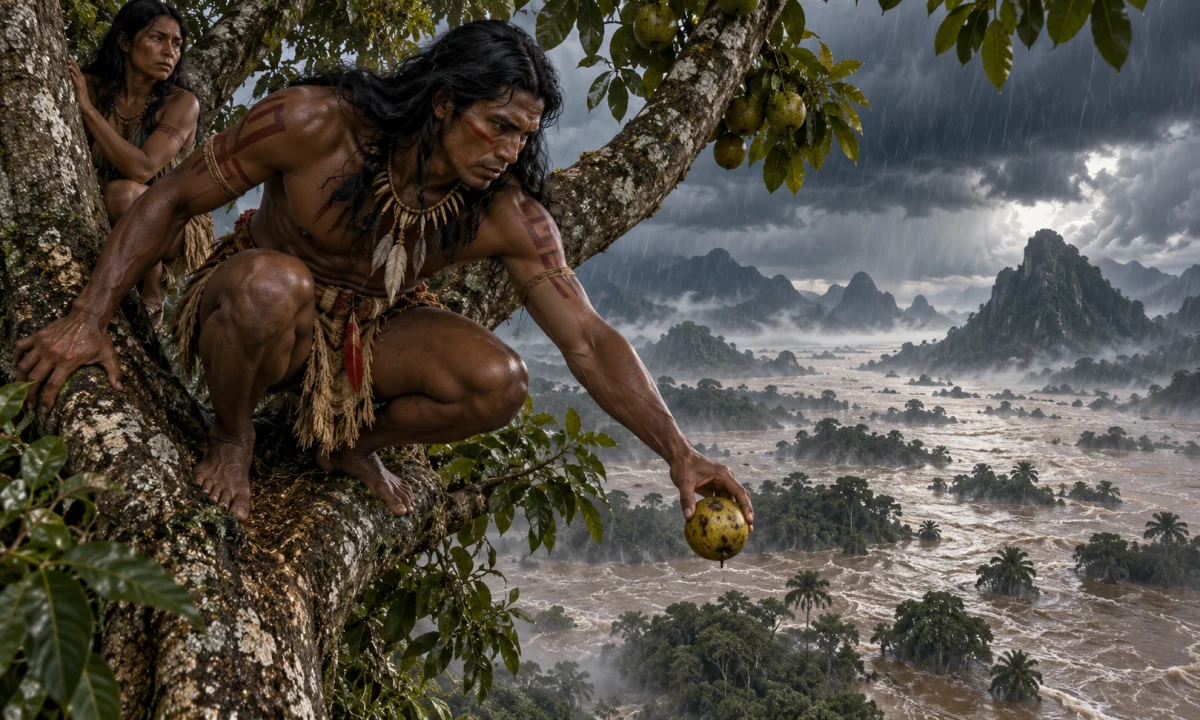
Ariconte
Ariconte is a name associated with South American mythological and folkloric material, but its identity is uncertain. Unlike well-attested figures such as Inti, Pachamama, Viracocha or the Mapuche Pillán, Ariconte does n…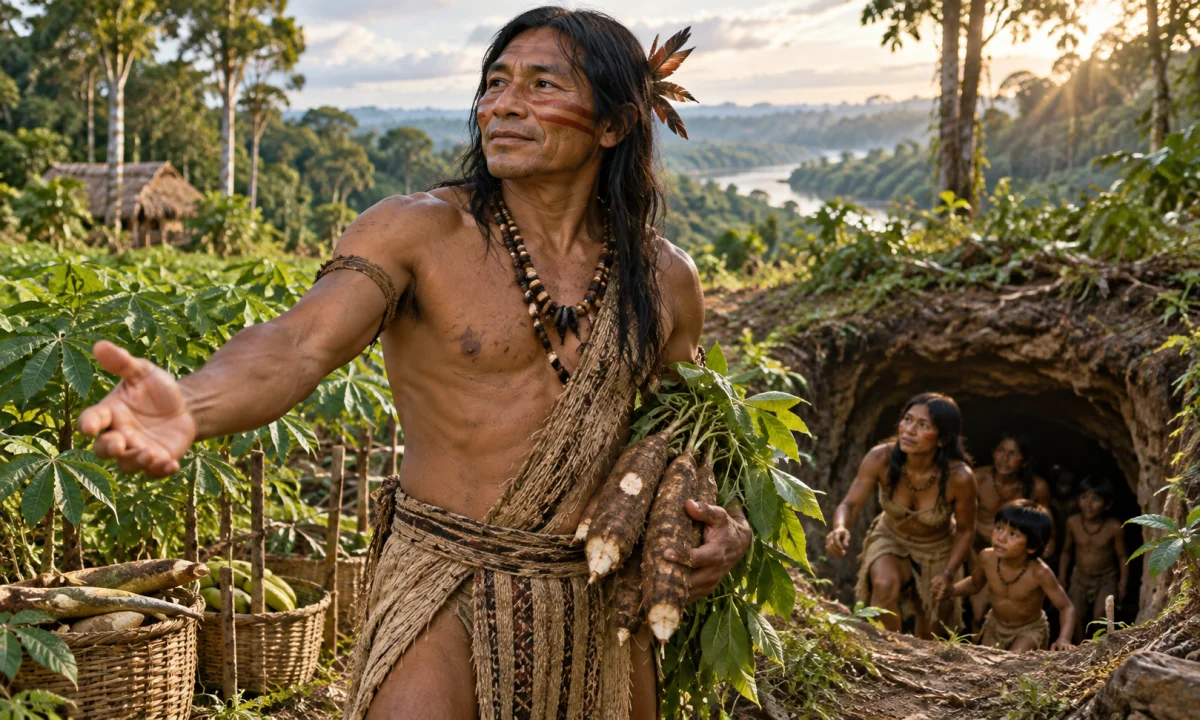
Aroteh
Aroteh is an uncertain name associated in some modern mythology lists with South American tradition. Its identity, cultural origin and meaning are not securely established in the surviving historical and ethnographic rec…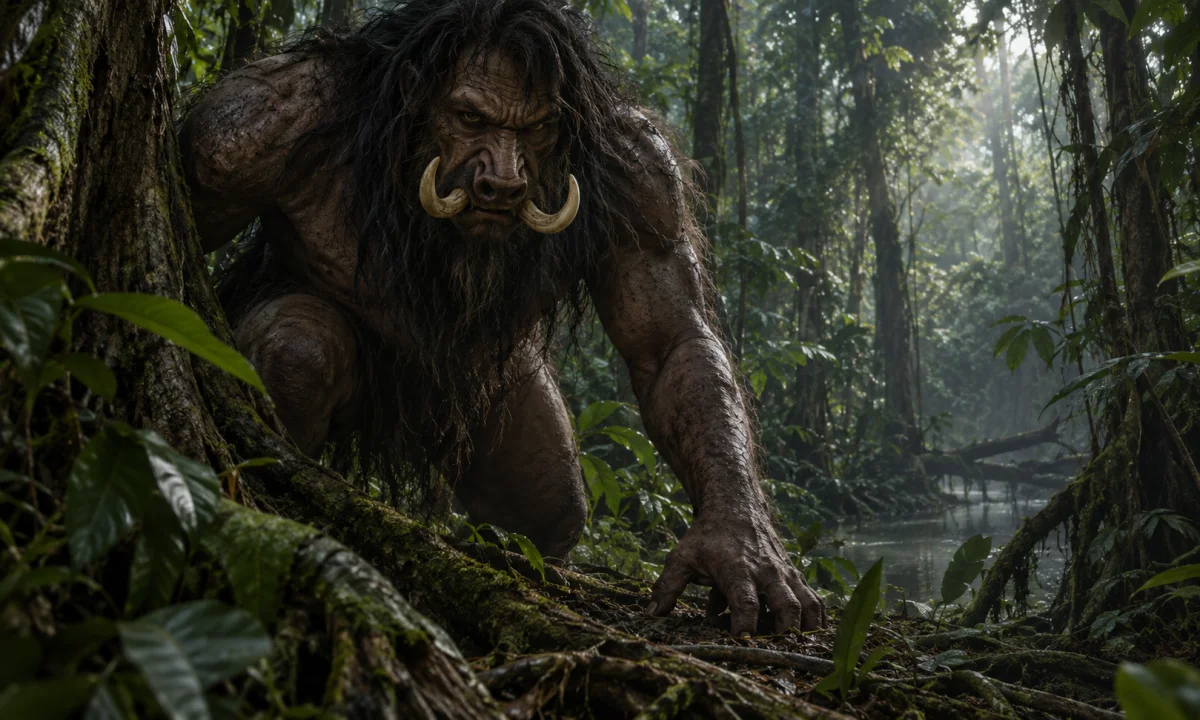
Aunyaina
Aunyaina is a name sometimes presented in English-language mythology directories as that of a South American, and more specifically Guarani, goddess of fire. The identification is uncertain, however. Unlike major figures…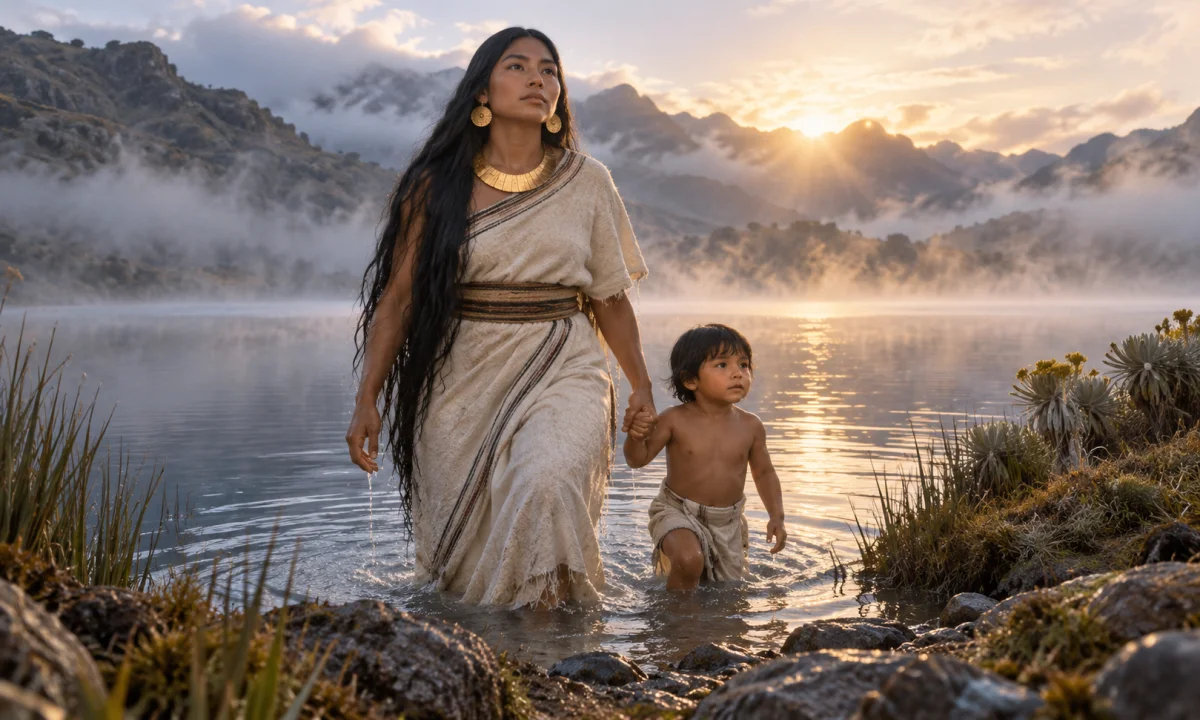
Bachue
Bachué is a founding mother in the traditional religious world of the Muisca, an Indigenous society that lived mainly in the high plateaus and valleys of what is now central Colombia. Her story is closely associated with…
Bochica
Bochica is a culture hero and sacred teacher of the Muisca, an Indigenous people who lived mainly on the high plateaus of the central Colombian Andes before and during the period of Spanish conquest. In Muisca traditions…South American mythology: myths, traditions and legends
South American mythology is a broad comparative term for the sacred narratives, ancestral traditions, supernatural beings and cosmological ideas of the many Indigenous peoples of South America. It does not describe a single religious system or a unified pantheon. The continent includes hundreds of culturally and linguistically distinct peoples whose traditions developed in environments ranging from the Andes and Amazon rainforest to the Gran Chaco, Atlantic forests, Caribbean coast, southern grasslands and Patagonia. Andean traditions associated with the Inca and earlier societies differ greatly from Amazonian, Guaraní, Mapuche and other Indigenous traditions, even when certain themes invite careful comparison.
The academic term mythology can refer to culturally significant narratives concerning creation, ancestors, sacred powers and the ordering of existence; it does not mean that such traditions are merely fictional. Many South American Indigenous religions are living traditions connected with ritual, territory, kinship, ecological knowledge and community identity. Much surviving information was recorded after European colonisation, often through missionaries or colonial officials, so historical evidence must be distinguished from later interpretation and from traditions still maintained by Indigenous communities themselves.
Scope and cultural diversity
South America contains extraordinary cultural and linguistic diversity. Quechua- and Aymara-speaking communities of the Andes, Guaraní-speaking peoples of the southern and central regions, Mapuche communities of Chile and Argentina, and the many Indigenous peoples of Amazonia each possess their own religious vocabularies and histories.
Modern national borders do not define these older cultural worlds. Indigenous territories often extend across the boundaries of Brazil, Peru, Bolivia, Colombia, Venezuela, Ecuador, Paraguay, Argentina, Chile, Guyana, Suriname and French Guiana.
The phrase South American mythology is therefore useful only as an umbrella category. It should not suggest that Viracocha, Pachamama, Mapuche spiritual beings and Amazonian creator figures were all members of one continental religion. Similarities may reflect shared history, cultural contact or recurring human concerns, but they do not establish identity.
Sources and transmission
Much South American mythology was traditionally transmitted through oral narratives, ritual speech, songs, dance, ceremonial performance, visual designs and relationships with sacred landscapes. In many communities, knowledge is carried by elders, ritual specialists and particular families rather than preserved in an ancient written canon.
The Andes provide additional evidence through archaeology, architecture, ceramics, textiles, monumental art and colonial documents. The Inca did not leave alphabetic religious texts of their own, and many accounts of their religion were written by Spanish chroniclers or Indigenous and mestizo authors after the conquest.
Missionaries frequently interpreted Indigenous gods as idols or demons and attempted to suppress ceremonies considered incompatible with Christianity. Colonial records are therefore invaluable but cannot be treated as neutral descriptions.
Modern ethnographic collections also vary in quality. A story recorded from one community should not automatically be presented as the mythology of an entire language family or region.
Creation and the transformation of the world
Creation narratives throughout South America are highly diverse. Some begin with a creator or ancestral being bringing order to an existing world. Others describe successive ages, catastrophic floods, transformations or journeys of ancestral beings who establish the landscapes inhabited by later people.
In several traditions, creation is not a single event completed at the beginning of time. Mountains, rivers, animals, plants and social customs may emerge through continuing acts of transformation. Ancestral beings can move across the landscape, leaving features that remain culturally significant.
Animals often participate in creation rather than appearing only after humans. Jaguars, snakes, birds, fish and other beings may speak, marry humans, teach skills or belong to an earlier age in which boundaries between species were more permeable.
These narratives should not be reduced to primitive attempts at scientific explanation. They establish relationships among people, environment, ancestry and sacred authority.
Andean cosmology
Traditional Andean cosmologies often understand existence through interconnected realms rather than a strict separation between natural and supernatural worlds. Concepts described in modern scholarship as upper, present and inner or lower worlds appear in Quechua terminology such as Hanan Pacha, Kay Pacha and Ukhu Pacha, though their meanings vary by historical and regional context.
These realms are not simple equivalents of heaven, earth and hell. Ukhu Pacha, for example, can be associated with interiority, ancestors, seeds and generative forces rather than merely punishment or evil.
Mountains, springs, caves and other places connect different dimensions of existence. Human communities maintain relationships with sacred powers through offerings, festivals and reciprocal obligations.
Viracocha and Andean creation traditions
Viracocha is one of the most prominent divine figures described in colonial accounts of Inca religion and wider Andean traditions. He is associated with creation, ordering the world and the emergence of human communities.
Several colonial narratives describe Viracocha creating or organising humanity near Lake Titicaca and sending ancestral figures outward to establish different peoples. Accounts vary considerably, and the image of one universal Inca creator god may partly reflect the attempts of Spanish writers to understand Andean religion through familiar theological categories.
Viracocha was important, but Inca religious practice involved numerous other divine and sacred powers. His precise place in popular worship compared with imperial theology remains difficult to establish.
Inti and the Inca state
Inti, the Sun, occupied a major position in Inca state religion. Inca rulers claimed a close ancestral relationship with the Sun, linking imperial authority with divine legitimacy.
The great temple complex known as Coricancha in Cusco was an important centre of solar worship. State ceremonies, priesthoods and offerings connected the ruler, agricultural cycles and imperial order with Inti.
Sun worship existed in the Andes before and beyond the Inca, but the imperial state developed it within a particular political structure. Conquered communities could continue honouring local sacred powers while also participating in state cults.
Inti should therefore not be presented as the supreme god worshipped identically by every person within the Inca Empire.
Pachamama and the living earth
Pachamama is an important sacred figure in Andean traditions and remains significant within living religious practice. The name is often translated as Mother Earth, but pacha can encompass ideas of world, time and space, making the concept broader than soil alone.
Pachamama is associated with fertility, agriculture, nourishment and reciprocal relationships with the land. Offerings may express gratitude or request wellbeing, agricultural success and protection.
Modern environmental movements have sometimes transformed Pachamama into a universal goddess of ecological nature. Such interpretations may draw inspiration from genuine Andean concepts but can remove her from specific communities, rituals and relationships.
Devotion to Pachamama can coexist with Catholic Christianity, demonstrating the long history of religious interaction in the Andes.
Apus, mountains and sacred geography
Many Andean communities recognise powerful beings associated with mountains, often described through the Quechua term apu. Mountains can protect settlements, influence weather, support herds and participate in relationships of reciprocity with human communities.
An apu is not simply a mountain god in the classical European sense. The physical mountain, its spiritual power and its relationship with surrounding people cannot always be separated into distinct categories.
Different communities recognise different mountains as particularly important. Their authority is therefore strongly local, even when broader Andean concepts of sacred mountains are widely shared.
Offerings made in relation to mountains may involve food, drink, coca leaves and other culturally meaningful substances. Historical practices varied across periods and regions.
Huacas and sacred presence
The Quechua term huaca, also written waka, can refer to sacred places, objects or beings. A huaca might be a rock, spring, mountain, building, mummy or other focus of unusual sacred importance.
Spanish colonial writers sometimes translated huacas as idols, but this can be misleading because the category is much broader than an image representing a god.
Local communities maintained relationships with huacas through offerings and ceremonial obligations. The Inca state incorporated many regional sacred places into imperial religious structures rather than eliminating all local traditions.
Colonial campaigns against Indigenous religion deliberately targeted huacas, yet many sacred landscapes retained significance beneath or alongside Christian forms.
Ancestors and mummified rulers
Ancestors occupied an important place in many Andean societies. The dead could remain socially significant through tombs, mummies, lineage traditions and ritual relationships with descendants.
Inca royal mummies were reportedly maintained by their descent groups and could continue to possess property and ceremonial importance after death. Colonial observers described them appearing in major rituals and political contexts.
These practices should not simply be called ancestor worship if that phrase suggests passive reverence toward distant spirits. The dead could remain active members of social and political relationships.
Spanish authorities targeted ancestral cults during campaigns against Indigenous religion, profoundly altering these practices.
Inca foundation traditions
Several traditions explain the origin of the Inca dynasty. One famous narrative concerns Manco Cápac and Mama Ocllo, who are associated with the founding of Cusco and with divine ancestry. Another major tradition describes the Ayar siblings emerging from a place of origin and undergoing conflicts before the establishment of Inca power.
Colonial sources preserve different versions, and it is not possible to combine them into one perfectly consistent history. They function as sacred and political traditions explaining the legitimacy of ruling lineages and their relationship with landscape.
Modern retellings often present Manco Cápac as a straightforward historical founder. Archaeological evidence documents the development of Cusco and the Inca state, but it cannot confirm his legendary biography as narrated.
Amazonian mythologies
Amazonia contains hundreds of Indigenous cultures whose mythologies cannot be reduced to a single rainforest religion. Communities speaking Arawakan, Tupian, Cariban, Panoan and many other languages preserve distinct creation narratives, ritual systems and understandings of animals and spirits.
A recurring feature in several traditions is the permeability of boundaries between humans and other beings. Animals may possess social lives, perspectives and spiritual forms invisible under ordinary conditions.
Myths often describe an earlier period when humans and animals communicated or transformed into one another more easily. Present-day species and social distinctions can result from events within this ancestral age.
These ideas have inspired influential anthropological theories, but no single scholarly framework should replace the specific concepts used by Indigenous communities themselves.
The jaguar
The jaguar is one of the most culturally powerful animals in South American religious traditions. Its strength, nocturnal behaviour and position as a major predator have contributed to associations with warfare, ritual specialists, transformation and dangerous spiritual power.
Jaguar imagery appears in ancient Andean and lowland cultures, but similar imagery does not demonstrate one universal jaguar cult. A jaguar in Amazonian oral tradition may have a very different meaning from a feline figure in ancient Andean art.
Some ritual specialists are described as transforming into jaguars or acquiring jaguar-like capacities. Whether such transformation is understood spiritually, symbolically or through another cultural category depends upon the tradition.
Anacondas, serpents and water
Large serpents and anacondas appear in numerous Amazonian traditions, frequently associated with rivers, origins, fertility, danger or ancestral movement.
Among some peoples, a primordial serpent or anaconda is connected with the journeys through which ancestors reached their present territories. Elsewhere, serpent beings control water, fish or particular locations.
These figures should not simply be called South American dragons. European dragon imagery carries assumptions about wings, fire, treasure and moral opposition that do not fit most Indigenous serpent traditions.
Rivers themselves serve as routes of communication and sources of life, making aquatic beings important within both sacred narrative and everyday ecological knowledge.
Ritual specialists and spiritual knowledge
Many South American Indigenous societies recognise specialists who heal, divine, communicate with nonhuman beings or guide ritual. English-language scholarship often uses the broad term shaman, although every community has its own terminology and understanding of these roles.
Ritual specialists may work through song, breath, tobacco, fasting, dreams, sacred plants or relationships with helper beings. Their practices differ dramatically across regions.
Healing can involve restoring relationships as well as treating bodily symptoms. Illness may be understood through physical, social and spiritual dimensions rather than through one exclusive explanation.
Modern tourism frequently removes ceremonial practices from their community contexts. Traditional expertise should not be reduced to the consumption of psychoactive substances or a generic idea of mystical experience.
Ayahuasca and modern misconceptions
Ayahuasca is a preparation used traditionally in several western Amazonian societies within healing, divination and ceremonial contexts. Its names, ingredients, purposes and ritual frameworks vary among communities.
It is not a universal South American sacred drink, nor was it historically used by every Amazonian people. Its international popularity has encouraged the mistaken belief that it represents the central spiritual practice of Amazonia as a whole.
Traditional ceremonies can involve specialised songs, diagnosis, protection and extensive knowledge learned through long training. Modern commercial practices may differ substantially from Indigenous traditions.
Guaraní sacred traditions
Guaraní-speaking peoples preserve diverse religious traditions across Paraguay, Brazil, Argentina and Bolivia. Their narratives concern creators, ancestral beings, sacred speech, migration and the pursuit of conditions in which life can flourish.
The idea commonly translated as the Land Without Evil has received particular attention. It has been interpreted as a spiritual destination, social ideal or motivation for historical migrations, but its meaning differs among Guaraní communities and scholarly interpretations.
Guaraní sacred traditions were transformed through centuries of contact with Jesuit missions and colonial settlement. Christian terminology entered Indigenous languages while older concepts continued to influence religious life.
Popular Paraguayan folklore also contains beings with Guaraní names whose present forms may combine Indigenous, colonial and later storytelling traditions.
Mapuche cosmology
The Mapuche of present-day Chile and Argentina maintain a distinctive cultural and religious tradition that should not be merged with Andean or Inca mythology. Their worldview emphasises relationships among people, territory and multiple forms of spiritual power.
The concept of ngen refers to spiritual owners or guardians associated with particular elements or places, such as waters, forests or mountains. Treating ngen simply as nature gods misses their role within relationships involving responsibility and respect.
The machi is an important ritual and healing specialist whose responsibilities may involve ceremony, diagnosis, medicinal knowledge and communication with spiritual powers.
Mapuche traditions remain living practices and have continued despite Spanish conquest, state expansion and long struggles over Indigenous territory.
Trentren and Caicai
A well-known Mapuche narrative concerns powerful serpent beings commonly rendered as Trentren and Caicai, with spelling varying according to transcription. The story describes a catastrophic conflict between the powers of land and water.
Caicai raises the waters, while Trentren raises the land or mountains to protect people and other beings. The struggle explains features of the landscape and the survival of humanity in different versions.
The narrative is sometimes interpreted in relation to earthquakes, tsunamis and the highly seismic environment of Chile. Such environmental connections are plausible, but the story should not be reduced to a simple memory of one historical disaster.
Death and other worlds
South American traditions contain many different understandings of death and the destiny of the deceased. Some describe journeys to ancestral settlements or spiritually transformed landscapes. Others emphasise the continued presence of the dead within family and territory.
Andean traditions can connect ancestors with mountains, caves and the interior of the earth. Amazonian traditions may describe the dead taking on new forms or entering communities inaccessible to ordinary human perception.
There is no universal South American underworld. Terms translated as heaven, hell or land of the dead may conceal substantial cultural differences.
Ritual offerings and reciprocity
Offerings are central to many South American religious traditions. Food, drink, coca, animals, crafted objects and other valuables may be given in contexts of thanksgiving, protection, agricultural success or communication with sacred powers.
In Andean contexts, reciprocity is an important principle for understanding relationships among humans, communities and sacred beings. People receive from the land and other powers while also recognising obligations toward them.
Sacrifice existed in some pre-Columbian societies, including animal and, in certain documented contexts, human sacrifice. Practices varied greatly and should not be generalised to the entire continent.
Colonial accounts frequently emphasised sacrifice as evidence of supposed barbarism, so archaeological and contextual evidence is essential when evaluating individual claims.
Christianisation and religious transformation
Spanish and Portuguese conquest brought Catholic Christianity, missionary campaigns and systematic attacks on many Indigenous religious institutions. Shrines were destroyed or repurposed, sacred images confiscated and ceremonies prohibited.
Religious transformation was nevertheless more complex than simple replacement. Indigenous communities incorporated Christian saints, festivals and sacred images into existing relationships with places, ancestors and community rituals.
A saint and an older sacred power should not automatically be treated as identical. In some cases there is clear historical blending; in others, later writers have proposed connections based only on superficial similarity.
Contemporary Catholic practice in many South American Indigenous communities can therefore contain forms shaped by centuries of local reinterpretation without being reducible either to untouched pre-Christian religion or to imported European Christianity.
Colonial legends and mixed folklore
South American folklore also includes narratives that developed after European colonisation through the interaction of Indigenous, African and European traditions. Ghosts, enchanted women, devils, transformed animals and dangerous forest beings may combine elements from several historical sources.
These traditions are culturally important but should not automatically be presented as ancient Indigenous mythology. A legend recorded in the nineteenth or twentieth century may reflect colonial society, Catholic morality and local Indigenous motifs simultaneously.
African diasporic religions also developed powerful traditions in South America, especially in Brazil. They belong to distinct religious histories and should not simply be classified as Indigenous South American mythology because they developed on the same continent.
Archaeology and ancient religious imagery
Long before the Inca, societies such as Chavín, Moche, Nazca, Tiwanaku and many others created elaborate religious art and ceremonial architecture. Images include felines, serpents, birds, human-animal hybrids and powerful anthropomorphic figures.
Archaeology can establish the contexts in which these images appeared, but the names and narratives of many ancient deities are unknown. Assigning later Inca or modern Indigenous names to much earlier figures without evidence can create false continuity.
Continuities across centuries may certainly exist, particularly within persistent sacred landscapes and agricultural traditions, but they must be demonstrated rather than assumed.
Modern representation and common misconceptions
Popular culture often reduces South American mythology to Inca gods, Amazonian spirits and a few spectacular creatures. This overlooks hundreds of distinct Indigenous traditions and gives disproportionate attention to societies that are already well known internationally.
Another common misconception treats every supernatural being as either a god, demon or monster. Indigenous classifications can involve ancestors, owners of places, transformed humans, animal persons and sacred powers that do not fit those categories.
Claims about lost civilisations, extraterrestrial creators or mysterious ancient technologies also distort archaeological evidence and often dismiss the achievements of Indigenous peoples themselves.
South American mythology is best understood as a network of distinct living and historical traditions rooted in territory, ancestry and reciprocal relationships with other beings. Its diversity is fundamental: the sacred geography of an Andean community, the animal-person traditions of an Amazonian people and Mapuche relationships with territorial powers belong to different cultural worlds even when comparison reveals broader themes of transformation, responsibility and connection between human and nonhuman life.