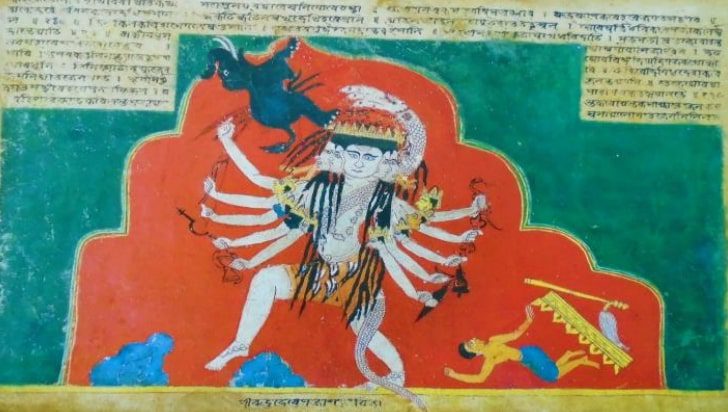
In Hindu mythology, Rudras are a significant group of deities associated with the storm, wind, and hunt. They are often regarded as manifestations of the divine, embodying the dual nature of destruction and creation. The Rudras play a vital role in the Vedic texts, particularly in the Rigveda, where they are often invoked for their power and might. These deities are not only feared for their ferocity but are also revered for their ability to protect and restore balance in the universe.
The Nature of Rudras
The Rudras are described as wild and unpredictable, embodying the forces of nature. They are often depicted as fierce, with the ability to bring storms and calamities. However, their destructive nature is balanced by their role as protectors. In various texts, they are referred to as Shiva, the supreme god in Hinduism, who embodies both creation and destruction. This duality is essential to understanding the Rudras, as they are seen as the harbingers of both chaos and order.
 Rudranis
One of the most notable aspects of the Rudras is their connection to the elements, particularly wind and water. They are believed to control storms and rain, which are vital for agriculture and sustenance. In many rituals, the Rudras are invoked to bring rain and ensure a good harvest. This connection to the natural world highlights their importance in the lives of ancient Hindus, who relied heavily on the whims of nature for their survival.
Characteristics of Rudras
- Fierce Warriors: The Rudras are often depicted as fierce warriors, embodying the spirit of battle and conflict.
- Protectors of the Faithful: Despite their fearsome nature, they are also seen as protectors of those who worship them.
- Nature Deities: Their connection to the elements makes them vital for agricultural practices.
- Complex Personalities: The Rudras exhibit a range of emotions and characteristics, from anger to compassion.
Each Rudra is said to possess unique attributes and powers. For instance, some Rudras are associated with specific aspects of nature, while others embody certain moral values. This complexity makes the Rudras a fascinating subject of study within Hindu mythology. They are not merely gods to be worshipped; they represent the intricate balance of life and the natural world.
The Role of Rudras in Vedic Texts
The Vedic texts, particularly the Rigveda, are rich with references to the Rudras. They are often invoked in hymns and rituals to seek their blessings and protection. The hymns dedicated to the Rudras describe their various forms and attributes, emphasizing their power over the elements and their role in maintaining cosmic order. These texts reflect the reverence that ancient Hindus had for the Rudras, showcasing their importance in the spiritual and practical aspects of life.
 Rudrânî
In the Rigveda, the Rudras are referred to as the howlers, indicating their fierce and untamed nature. They are often depicted as riding on the winds and bringing storms, which can be both a blessing and a curse. The hymns highlight their dual nature, acknowledging that while they can bring destruction, they also have the power to rejuvenate the earth. This duality is a recurring theme in Hindu mythology, where destruction is often seen as a precursor to creation.
Hymns and Rituals
- Invocation of Rudras: Rituals often include the chanting of hymns to invoke the Rudras for blessings.
- Offerings to Rudras: Devotees make offerings to appease the Rudras and seek their favor.
- Festivals Celebrating Rudras: Various festivals are dedicated to the Rudras, highlighting their significance in Hindu culture.
Rituals dedicated to the Rudras often involve elaborate ceremonies, including offerings of flowers, fruits, and other items. These offerings are meant to please the Rudras and ensure their blessings for the community. Festivals celebrating the Rudras often include music, dance, and communal feasting, reinforcing the bond between the deities and their devotees. Such celebrations serve to remind the faithful of the power of the Rudras and their integral role in the natural order.
Rudras and the Concept of Shiva
One of the most significant manifestations of the Rudras is Shiva, who is considered the ultimate Rudra in Hindu mythology. Shiva embodies the principles of destruction and regeneration, making him a central figure in the Hindu pantheon. As a Rudra, Shiva represents the fierce and untamed aspects of divinity, while also embodying compassion and protection. This duality makes Shiva a complex character, revered and feared by devotees alike.
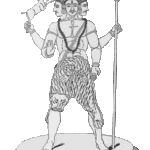 Rudra
RudraShiva is often depicted in various forms, each representing different aspects of his personality. For instance, he is known as Nataraja, the lord of dance, symbolizing the cosmic cycles of creation and destruction. In this form, Shiva dances the Tandava, a dance that signifies the rhythm of the universe. This aspect of Shiva showcases the connection between the Rudras and the broader themes of life, death, and rebirth.
Shiva’s Attributes
- Destroyer of Evil: Shiva is often seen as the destroyer of evil and ignorance.
- Protector of Devotees: He is known for his compassion towards his devotees, offering them guidance and protection.
- Embodiment of Paradox: Shiva represents the paradox of life, encompassing both creation and destruction.
Shiva’s attributes reflect the complexity of the Rudras as a whole. He is a destroyer, but his destruction is not merely for chaos; it is a necessary part of the cycle of life. By destroying the old, Shiva makes way for new beginnings, reinforcing the idea that destruction and creation are intertwined. This aspect of Shiva resonates deeply with his followers, who seek to understand the deeper meanings of life through his teachings.
The Worship of Rudras
The worship of the Rudras is an essential part of Hindu practices, with various rituals and offerings dedicated to them. Temples dedicated to Rudra and Shiva can be found throughout India, where devotees come to seek blessings and guidance. The worship of Rudras is not limited to formal rituals; it is also practiced in daily life through prayers and meditations. Many Hindus chant specific mantras dedicated to the Rudras to invoke their presence and seek their protection.
In many households, shrines dedicated to Rudra or Shiva are common. These shrines often contain images or idols of the deities, along with offerings of flowers, fruits, and incense. Devotees may perform daily rituals, lighting lamps and offering prayers to invite the blessings of the Rudras into their homes. This personal connection to the divine is a significant aspect of Hindu spirituality, emphasizing the importance of the Rudras in everyday life.
Festivals and Celebrations
- Maha Shivaratri: A significant festival dedicated to Lord Shiva, celebrated with fasting and night vigils.
- Rudra Yagna: A fire ritual performed to appease the Rudras and seek their blessings.
- Navaratri: A festival that includes worship of various forms of the divine, including Rudras.
Festivals such as Maha Shivaratri hold great significance in Hindu culture. This festival is dedicated to Lord Shiva, where devotees fast and engage in night-long prayers and chanting. The observance of Maha Shivaratri is believed to bring blessings and spiritual growth. Similarly, Rudra Yagna is a ritual performed to invoke the Rudras, where offerings are made to the fire, symbolizing the connection between the earthly and the divine. These festivals serve as a reminder of the Rudras’ presence in the lives of devotees and their importance in Hindu mythology.
The Symbolism of Rudras
The Rudras symbolize various aspects of life, reflecting the complexities of existence. They represent the balance between creation and destruction, light and darkness, and chaos and order. This duality is essential to understanding the nature of the universe and the human experience. The Rudras remind devotees that both aspects are necessary for life, encouraging a deeper appreciation for the cycles of nature.
In addition to their cosmic significance, the Rudras also symbolize the human experience. They embody emotions such as anger, love, and compassion, reminding individuals of the importance of embracing their feelings. This connection to human emotions makes the Rudras relatable, allowing devotees to see themselves in these divine beings. By acknowledging both the light and dark aspects of life, followers can achieve a greater understanding of their own experiences and the world around them.
Lessons from the Rudras
- Embrace Duality: Understanding that both creation and destruction are essential to life.
- Seek Balance: Striving for balance in one’s life, reflecting the balance of the Rudras.
- Respect Nature: Recognizing the power of nature and the importance of living in harmony with it.
The lessons imparted by the Rudras are invaluable, encouraging individuals to embrace the duality of life. By acknowledging the necessity of both creation and destruction, followers can find peace in the chaos of existence. The Rudras also emphasize the importance of balance, urging individuals to seek harmony in their lives. Respecting nature and understanding its forces is another crucial lesson, as it fosters a sense of responsibility towards the environment. These teachings resonate deeply with devotees, guiding them on their spiritual journeys.
The Influence of Rudras in Modern Hinduism
The influence of the Rudras continues to be felt in modern Hinduism, where they are still revered and worshipped. Many contemporary rituals and practices draw inspiration from ancient traditions, highlighting the enduring legacy of the Rudras in Hindu culture. Temples dedicated to Rudra and Shiva remain popular pilgrimage sites, attracting millions of devotees each year. These places of worship serve as a testament to the lasting impact of the Rudras on the spiritual landscape of Hinduism.
In addition to traditional practices, the Rudras have also found a place in modern literature, art, and popular culture. Stories and depictions of the Rudras continue to inspire artists and writers, reflecting their timeless appeal. This ongoing interest in the Rudras showcases their relevance in contemporary society, as people seek to understand the complexities of existence through these ancient deities.
Rudras in Popular Culture
- Literature: Many authors explore themes related to the Rudras in their works.
- Art: Artists often depict the Rudras in various forms, showcasing their attributes.
- Films and Television: The Rudras are frequently portrayed in Indian cinema and television shows.
Modern literature often draws on the rich symbolism and narratives surrounding the Rudras, allowing readers to engage with these ancient concepts in new ways. Artists continue to create works that celebrate the Rudras, using their imagery to explore themes of power, nature, and spirituality. In films and television, the Rudras are portrayed in various contexts, bringing their stories to contemporary audiences. This blending of ancient mythology with modern storytelling keeps the legacy of the Rudras alive, ensuring their relevance for future generations.
The Future of Rudra Worship
As society evolves, the worship of the Rudras may also change, adapting to the needs and beliefs of contemporary practitioners. While traditional rituals will likely remain important, there may be new interpretations and practices that emerge. The essence of Rudra worship—seeking balance, protection, and understanding—will continue to resonate with devotees, regardless of how rituals evolve. The adaptability of these ancient beliefs ensures that the Rudras will remain a vital part of Hindu spirituality.
Moreover, the increasing awareness of environmental issues may lead to a renewed focus on the Rudras as nature deities. As people recognize the importance of living in harmony with the environment, the teachings of the Rudras will become even more relevant. This connection between spirituality and environmental stewardship can foster a deeper appreciation for nature, encouraging individuals to respect and protect the world around them.
Embracing Change
- Modern Interpretations: New interpretations of Rudra worship may emerge in response to contemporary challenges.
- Environmental Awareness: The Rudras’ connection to nature may inspire a greater focus on environmental conservation.
- Global Influence: The teachings of the Rudras may resonate with individuals beyond Hinduism, promoting a universal understanding of balance and harmony.
As the world continues to change, the Rudras will undoubtedly adapt alongside it. The principles embodied by these ancient deities—balance, respect for nature, and the acceptance of duality—will remain timeless. By embracing these teachings, individuals can navigate the complexities of modern life while staying connected to their spiritual roots. The Rudras will continue to guide and inspire, ensuring that their legacy endures for generations to come.