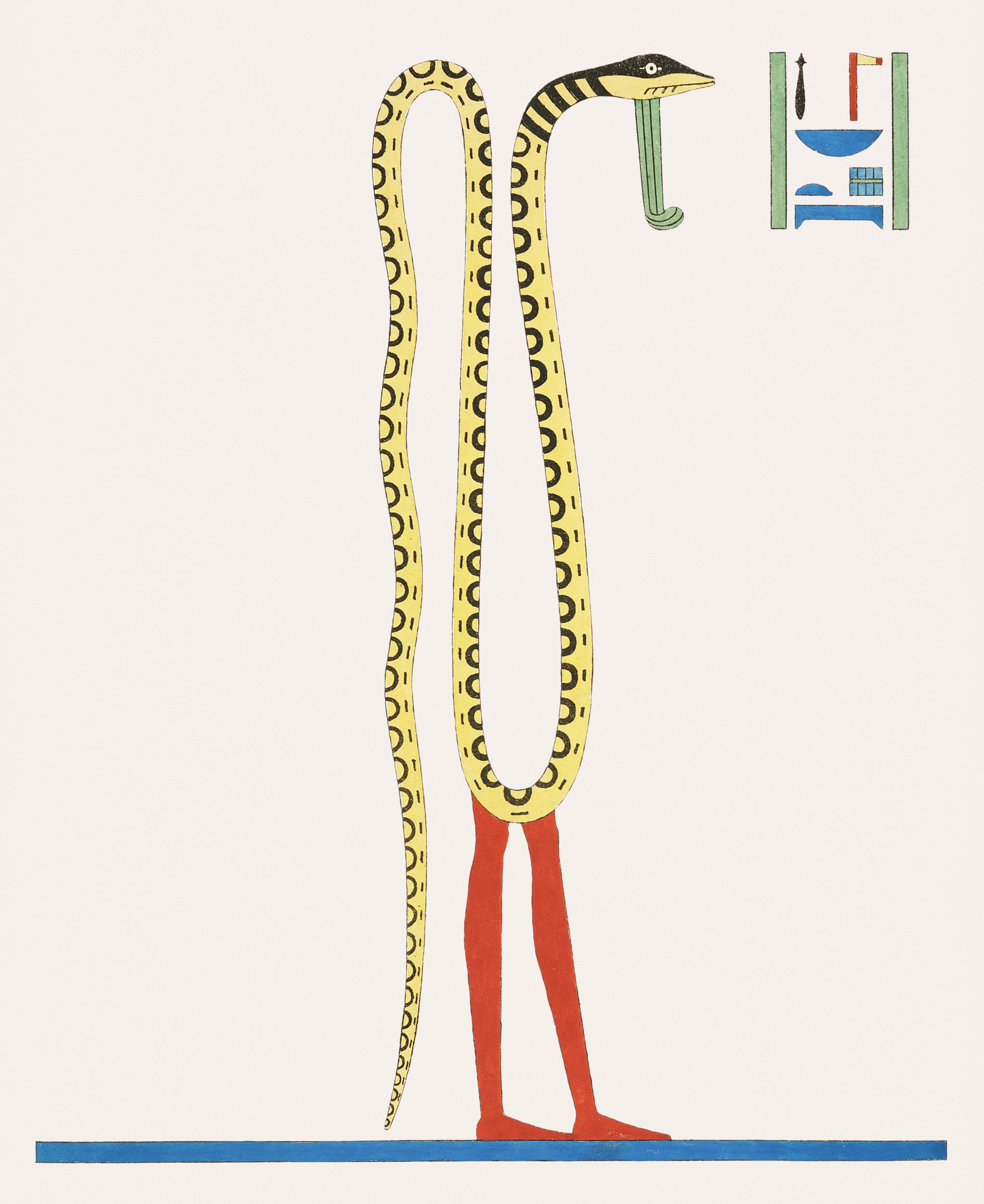
Kneph is a fascinating figure in Egyptian mythology. He is often depicted as a creator god associated with the act of breathing life into the universe. Kneph is represented as a man with a ram’s head, symbolizing strength and fertility. His role in the ancient Egyptian pantheon is significant, as he is closely linked to the concepts of creation and the divine breath. The worship of Kneph primarily took place in the region of Hermopolis, where he was considered one of the key deities in the creation myth. His presence in ancient texts and inscriptions reveals much about the beliefs and values of the ancient Egyptians.
Origins of Kneph
The origins of Kneph can be traced back to the early periods of ancient Egyptian history. He was often associated with the primordial waters known as Nun. In the Egyptian creation myth, it was from these waters that all life emerged. Kneph was sometimes depicted as the spirit of the air or the breath of life, signifying the importance of air in the creation process. The ancient Egyptians believed that the act of breathing was sacred, as it was the means through which the divine essence entered the physical world.
 Khenti-amentiu
Kneph’s association with the ram is also noteworthy. In many ancient cultures, rams symbolized fertility and power. This connection further emphasizes Kneph’s role as a creator. As a ram-headed god, he embodies both the physical strength necessary for creation and the nurturing aspect required for sustaining life. The ancient Egyptians revered animals, and the ram, in particular, held a special place in their hearts, symbolizing not only strength but also the cyclical nature of life.
Kneph in Creation Myths
Kneph plays a vital role in various creation myths found in ancient Egyptian texts. One of the most prominent stories is the Heliopolitan creation myth, where Kneph is seen as a creator god who breathes life into the universe. According to this myth, he emerged from the waters of Nun and brought forth the first gods and goddesses. This act of creation was not just a one-time event; it was seen as an ongoing process, with Kneph continuously breathing life into the world.
In another version of the creation story, Kneph is depicted as the father of the sun god Ra. In this narrative, Kneph’s breath gives rise to Ra, who then illuminates the world. This relationship highlights the interconnectedness of various deities within the Egyptian pantheon. Kneph’s role as a father figure is significant, as it establishes a lineage of divine beings who contribute to the maintenance of cosmic order.
 Khonsu
Key Elements of Creation Myths
- Primordial Waters: The source of all creation, symbolizing chaos and potential.
- Divine Breath: The act of breathing life into existence, representing the connection between the divine and the mortal.
- Interconnected Deities: The relationships between gods and goddesses that shape the universe.
- Cyclical Nature: The ongoing process of creation and renewal, emphasizing the importance of life and death.
The cyclical nature of creation is a recurring theme in Kneph’s mythology. The ancient Egyptians believed that the universe undergoes constant renewal, and Kneph is at the center of this process. His breath not only initiates creation but also sustains it, ensuring that life continues to flourish. This concept of renewal is deeply embedded in the Egyptian worldview, where life and death are seen as two sides of the same coin.
Kneph’s Role in Egyptian Religion
Kneph’s significance extends beyond mythology; he also played a crucial role in the religious practices of ancient Egyptians. Temples dedicated to Kneph were places of worship and reverence, where followers sought to connect with the divine. Rituals often included offerings, prayers, and ceremonies aimed at honoring Kneph and seeking his blessings. These practices reflected the belief that the gods were actively involved in the lives of the people, influencing their fortunes and well-being.
The cult of Kneph was particularly strong in Hermopolis, where he was worshipped alongside other deities such as Thoth and Hecate. This city became a center of learning and spirituality, where scholars and priests studied the mysteries of creation and the divine. The teachings and rituals surrounding Kneph emphasized the importance of balance and harmony in the universe, encouraging followers to live in accordance with divine principles.
 Khnum
KhnumWorship Practices
- Offerings: Fruits, grains, and incense were common offerings to Kneph.
- Rituals: Ceremonies often involved music, dance, and recitation of hymns.
- Festivals: Special days were dedicated to celebrating Kneph’s role in creation.
- Temples: Sacred spaces where priests conducted rituals and offered prayers.
The rituals associated with Kneph were designed to reinforce the connection between the divine and the mortal realms. Offerings were made to express gratitude and seek favor, while festivals provided an opportunity for the community to come together in celebration. These practices fostered a sense of unity and shared purpose among the worshippers, emphasizing the importance of their relationship with the divine.
Symbolism and Iconography
Kneph’s iconography is rich and varied, reflecting his multifaceted nature as a creator god. His most recognizable feature is his ram’s head, which signifies strength and fertility. This imagery is often accompanied by other symbols associated with creation, such as the ankh, representing life, and the was scepter, symbolizing power and dominion. These symbols convey the essence of Kneph’s role in the cosmos, as both a creator and a sustainer of life.
In artistic representations, Kneph is frequently depicted in a variety of poses and settings. He may be shown standing or seated, often holding the ankh and was scepter. This imagery reinforces his status as a powerful deity with the ability to grant life and control the forces of nature. Additionally, the presence of other deities in these artworks often serves to highlight Kneph’s importance within the broader context of Egyptian mythology.
Key Symbols Associated with Kneph
- Ram’s Head: Represents strength, fertility, and the nurturing aspects of creation.
- ANKH: Symbolizes life and the divine breath that sustains it.
- Was Scepter: Represents power and authority in the realm of creation.
- Lotus Flower: Often associated with rebirth and renewal, linking Kneph to the cycle of life.
The symbolism surrounding Kneph is not only significant in religious contexts but also serves as a means of communication between the divine and the mortal. The various symbols associated with him convey messages about the nature of existence, the importance of balance, and the interconnectedness of all life. Through these symbols, the ancient Egyptians sought to understand their place in the universe and their relationship with the gods.
Kneph’s Legacy in Egyptian Mythology
Kneph’s legacy in Egyptian mythology is profound, influencing various aspects of ancient culture, including art, literature, and religious practices. His role as a creator god underscores the importance of creation in Egyptian thought, where the act of bringing life into existence was seen as a divine gift. The myths surrounding Kneph continue to resonate with themes of renewal and interconnectedness, reflecting the cyclical nature of life.
The influence of Kneph can also be seen in the way other deities are portrayed in Egyptian mythology. His relationship with gods like Ra and Thoth highlights the interconnectedness of the divine, where each deity plays a unique role in maintaining cosmic order. This complex web of relationships demonstrates the rich tapestry of beliefs that characterized ancient Egyptian spirituality.
Impact on Art and Literature
- Art: Depictions of Kneph in temples and tombs reflect his significance in the afterlife.
- Literature: Myths involving Kneph were recorded in ancient texts, influencing future generations.
- Rituals: Ceremonies honoring Kneph were integral to religious practices.
- Symbolism: Kneph’s symbols became part of the larger iconography of Egyptian mythology.
The enduring legacy of Kneph is evident in the continued fascination with Egyptian mythology in modern times. Scholars, artists, and enthusiasts alike continue to explore the rich narratives and symbolism associated with this ancient culture. Kneph’s role as a creator god serves as a reminder of the profound questions humanity has always asked about existence, life, and the divine.
Comparative Analysis with Other Deities
When examining Kneph’s role in Egyptian mythology, it is interesting to compare him with other creator deities from different cultures. For instance, in Mesopotamian mythology, the god Marduk is also associated with creation and order. Similar to Kneph, Marduk emerged from primordial chaos and brought order to the universe. This parallel highlights the universal theme of creation found in various mythologies, where a divine being emerges to bring life and structure to chaos.
In contrast, the Greek god Prometheus is known for his act of stealing fire from the gods to give to humanity. While Kneph represents the divine act of creation through breath and life, Prometheus embodies the idea of defiance and the consequences of bringing knowledge to humankind. These differing narratives illustrate how cultures interpret the concept of creation and the role of divine beings in their myths.
Similarities and Differences
- Creation Themes: Both Kneph and Marduk emphasize order from chaos.
- Symbolism: Kneph’s breath contrasts with Prometheus’s fire as means of giving life.
- Divine Relationships: Kneph is part of a complex pantheon, while Prometheus stands alone in his myth.
- Human Connection: Prometheus directly interacts with humanity, while Kneph is more abstract in his influence.
These comparisons reveal the diverse ways cultures understand the divine and the act of creation. Kneph’s role in Egyptian mythology emphasizes the importance of breath and life, while other deities focus on different aspects of creation and human interaction. The study of these myths offers valuable insights into the values and beliefs of ancient societies, showcasing the rich tapestry of human experience across time and space.
Modern Interpretations of Kneph
In contemporary times, Kneph continues to be a subject of interest for scholars, artists, and enthusiasts of mythology. His representation as a creator god resonates with modern themes of renewal and connection to nature. Many modern interpretations explore the significance of breath and life, drawing parallels between ancient beliefs and contemporary understandings of existence. The symbolism associated with Kneph serves as a reminder of the importance of nurturing life and maintaining balance in the world.
Furthermore, the study of Kneph and other Egyptian deities has found a place in popular culture. Films, books, and art often draw inspiration from ancient myths, bringing figures like Kneph into the modern imagination. This resurgence of interest allows for a deeper exploration of the themes and values embedded in these ancient narratives, fostering a renewed appreciation for the wisdom of the past.
Contemporary Themes
- Environmental Awareness: Kneph’s connection to life and nature resonates with modern ecological movements.
- Spiritual Exploration: Many seek to connect with ancient wisdom for personal growth and understanding.
- Artistic Expression: Artists continue to draw from Egyptian mythology for inspiration.
- Education: The study of ancient myths enriches our understanding of human culture and history.
As society grapples with complex issues such as environmental degradation and the search for meaning, the themes associated with Kneph offer valuable insights. His embodiment of life, breath, and creation serves as a powerful reminder of the interconnectedness of all beings and the importance of nurturing our world. In this way, Kneph remains a relevant and inspiring figure, bridging the gap between ancient wisdom and modern understanding.
The Future of Kneph in Popular Culture
The future of Kneph in popular culture appears promising, as interest in ancient Egyptian mythology continues to grow. As more people seek to understand their cultural heritage, figures like Kneph will likely find their way into literature, film, and art. This resurgence of interest not only helps preserve ancient narratives but also allows for new interpretations that resonate with contemporary audiences.
Moreover, the exploration of ancient myths in modern storytelling provides an opportunity to reflect on the timeless themes of creation, life, and interconnectedness. As creators draw inspiration from figures like Kneph, they contribute to the ongoing dialogue between the past and the present, ensuring that these ancient stories continue to be relevant in today’s world.
Potential Areas for Exploration
- Literature: New novels and stories could explore Kneph’s role in creation and his relationships with other deities.
- Film and Television: Adaptations of Egyptian myths could bring Kneph to life for modern audiences.
- Art: Artists may reinterpret Kneph’s symbolism in contemporary works.
- Education: Increased focus on mythology in curricula could foster appreciation for figures like Kneph.
As we look to the future, the legacy of Kneph as a creator god will undoubtedly continue to inspire and resonate with those who seek to understand the complexities of existence. His story is a testament to the enduring power of mythology, reminding us of the deep connections that bind all living beings together. In this way, Kneph will remain a vital part of the tapestry of human experience, inviting exploration and reflection for generations to come.