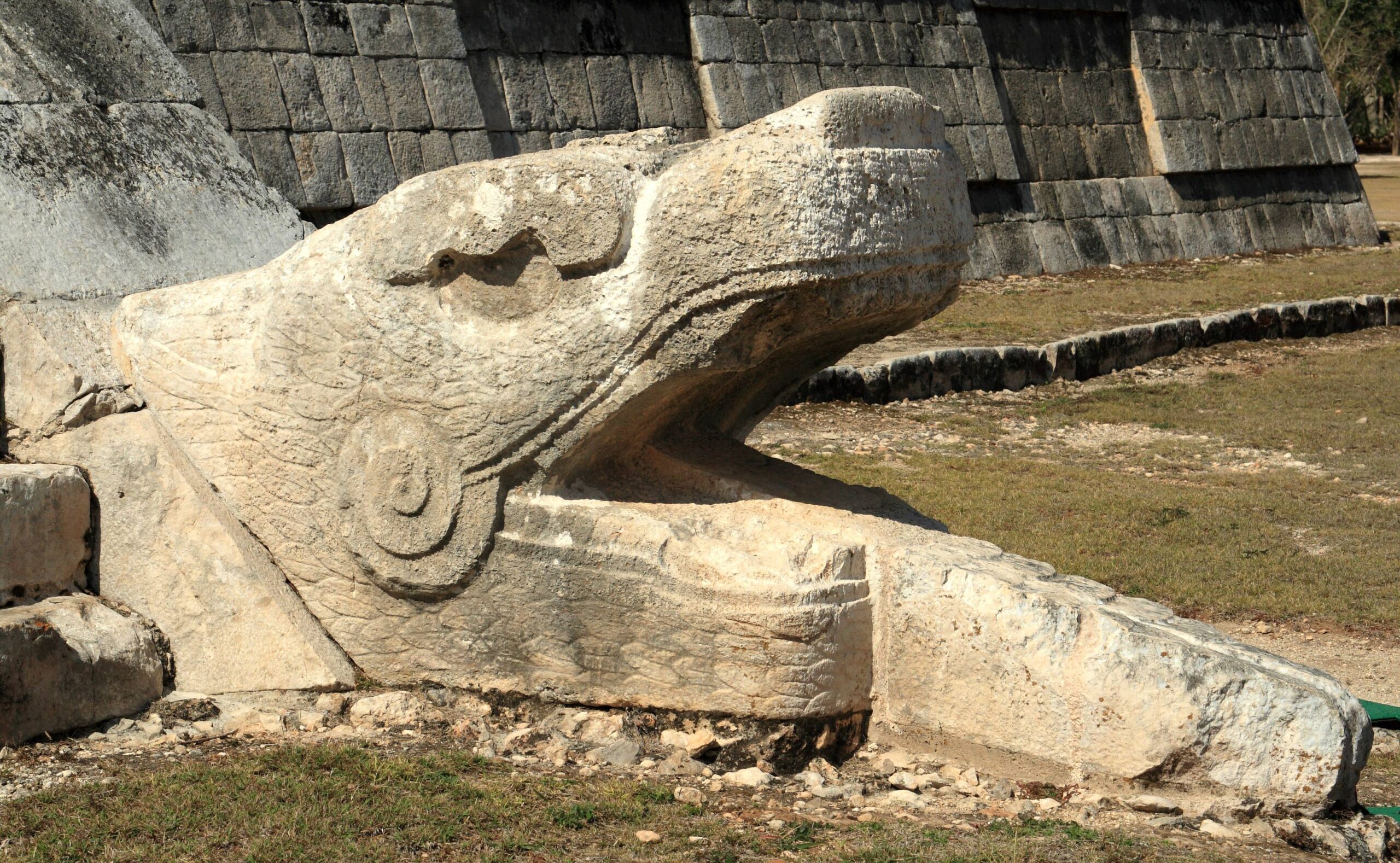
The figure of Kukulcan is a significant and fascinating aspect of Maya mythology. Known as the feathered serpent, Kukulcan embodies a blend of earthly and celestial elements, representing both the sky and the earth. This deity is often associated with the creation of the world and is revered in various ancient texts and inscriptions. The name Kukulcan translates to “feathered serpent,” highlighting the dual nature of this god. The worship of Kukulcan was widespread among the Maya civilization, influencing their culture, architecture, and religious practices.
Origins and Historical Significance
Kukulcan’s origins can be traced back to the early Mesoamerican civilizations, where similar deities appeared in different cultures. The Olmecs, who predated the Maya, had their own version of the feathered serpent, known as Quetzalcoatl. This indicates a shared mythological framework across ancient Mesoamerican societies. Over time, the Maya adapted and integrated these beliefs, creating a unique representation of Kukulcan. The importance of Kukulcan in the Maya pantheon is evident through numerous archaeological findings, including temples and pyramids dedicated to this deity.
 Hun Hunahpu
One of the most notable sites associated with Kukulcan is the El Castillo pyramid in Chichen Itza. This impressive structure was built to honor Kukulcan and serves as a testament to the architectural and astronomical knowledge of the Maya. The pyramid is designed in such a way that during the equinoxes, the play of light creates the illusion of a serpent descending the steps, symbolizing Kukulcan’s presence. This event attracts thousands of visitors each year, highlighting the enduring legacy of this deity in modern times.
Kukulcan in Maya Cosmology
The cosmology of the Maya is rich and complex, with Kukulcan playing a central role. In Maya belief, the universe is divided into several layers, including the heavens, the earth, and the underworld. Kukulcan is often depicted as a bridge between these realms, embodying the connection between the divine and the earthly. This duality is significant in understanding the Maya worldview, where everything is interconnected. Kukulcan’s role as a creator god is essential, as he is believed to have played a part in the creation of humanity.
In addition to being a creator, Kukulcan is also associated with agriculture and fertility. The Maya relied heavily on agriculture for their survival, and Kukulcan was seen as a provider of rain and sustenance. Rituals and ceremonies were often conducted in his honor to ensure a bountiful harvest. These practices underscore the importance of Kukulcan in everyday life, as the Maya sought to maintain a harmonious relationship with the natural world.
 Hunahpu
Kukulcan’s Depictions and Symbolism
Kukulcan is depicted in various forms across Maya art and iconography. Often represented as a serpent with feathers, this imagery symbolizes both the earth and the sky. The feathers signify the celestial aspect of Kukulcan, while the serpent represents the earth. This duality reflects the Maya belief in balance and harmony within the universe. In many carvings and murals, Kukulcan is shown interacting with other deities, emphasizing his importance within the pantheon.
In addition to visual representations, Kukulcan’s symbolism extends to various cultural practices. For instance, the ritual ball game known as pok-a-tok held significant religious meaning, and Kukulcan was believed to be a spectator of the game. The outcome of the matches was thought to influence the favor of the gods, including Kukulcan. This connection between sports and spirituality illustrates the multifaceted nature of Kukulcan’s influence on Maya society.
 Votan
VotanKukulcan’s Festivals and Rituals
The worship of Kukulcan involved various festivals and rituals that were integral to Maya culture. One of the most important festivals was dedicated to the equinox, where ceremonies were held to honor the changing seasons. During these events, the Maya would perform dances, offer sacrifices, and engage in communal feasting. These rituals were essential in reinforcing social bonds and ensuring the community’s prosperity, as they sought to please Kukulcan and other deities.
Another significant ritual was the bloodletting ceremony, where nobles would offer their blood to the gods. This act was believed to sustain the deities and maintain cosmic balance. Kukulcan, as a creator and sustainer, was often invoked during these ceremonies. The significance of bloodletting highlights the Maya belief in the necessity of sacrifice to achieve harmony with the divine forces.
Kukulcan in Modern Culture
The legacy of Kukulcan continues to resonate in modern culture, particularly in Mexico and Central America. Many indigenous communities still honor Kukulcan and incorporate elements of ancient Maya spirituality into their practices. The reverence for Kukulcan can be seen in festivals, art, and even tourism. Sites like Chichen Itza attract visitors from around the world, eager to learn about the rich history and mythology surrounding Kukulcan.
In contemporary literature and art, Kukulcan is often referenced as a symbol of cultural identity and heritage. Artists and writers draw inspiration from the mythology of Kukulcan, exploring themes of creation, duality, and the connection between humanity and the divine. This ongoing engagement with Kukulcan demonstrates the enduring significance of this deity in the cultural consciousness of the region.
Kukulcan remains a central figure in Maya mythology, representing the complex relationship between the earth and the sky, the physical and the spiritual. His influence can be seen in the architecture, rituals, and cosmology of the Maya civilization. Today, Kukulcan’s legacy continues to thrive, serving as a reminder of the rich cultural heritage of the Maya people and their enduring connection to their ancient beliefs.