
Rudrânî is a significant figure in Hindu mythology, often associated with various aspects of divine femininity and power. In the vast tapestry of Hindu beliefs, Rudrânî holds a unique place, embodying the qualities of strength, nurturing, and ferocity. The name itself, derived from the root “Rudra,” which is another name for the god Shiva, suggests a connection to the wild and untamed aspects of nature. Rudrânî is often revered as a goddess who embodies the duality of creation and destruction, reflecting the cyclical nature of the universe.
The Origins of Rudrânî
The origins of Rudrânî can be traced back to ancient texts and oral traditions within Hinduism. She is often considered a form of Shakti, the divine feminine energy that powers the universe. According to some texts, Rudrânî emerged from the cosmic waters at the beginning of creation, symbolizing the birth of life and the nurturing aspect of the goddess. This emergence is significant as it reflects the idea that all life springs from the divine feminine, reinforcing the belief that women are central to the process of creation.
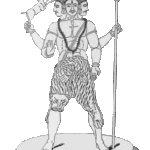 Rudra
RudraIn various myths, Rudrânî is depicted as a powerful figure who assists gods and goddesses in their battles against evil forces. Her role is not merely as a supporter; she actively participates in the cosmic drama, showcasing her strength and determination. The tales surrounding her often highlight her ability to balance the qualities of compassion and ferocity, illustrating the complex nature of femininity in Hindu mythology. This duality makes Rudrânî a relatable figure for many, as she embodies the struggles and triumphs of women throughout history.
Symbolism and Attributes
Rudrânî is rich in symbolism, with various attributes that define her character. She is often depicted with multiple arms, each representing different powers and abilities. These arms allow her to wield weapons and perform various tasks simultaneously, symbolizing the multitasking nature of women. Her fierce expression often reflects her readiness to protect the innocent and destroy evil, embodying the warrior aspect of the goddess.
- Multiple Arms: Representing her ability to multitask and handle various challenges.
- Fierce Expression: Signifying her readiness to fight against injustice.
- Wild Animals: Often associated with her, symbolizing her connection to nature and its untamed aspects.
Additionally, Rudrânî is frequently depicted alongside wild animals, such as tigers and lions. These animals symbolize her connection to nature and her ability to harness its power. In many depictions, she rides a lion or tiger, which further emphasizes her strength and dominance. This imagery is powerful in conveying the idea that true strength lies in embracing both compassion and ferocity, a lesson that resonates with many followers of Hinduism.
 Rohinî
Rudrânî in Rituals and Worship
Rudrânî is not only a figure of mythology but also an important deity in the practice of Hindu rituals and worship. Many devotees invoke her name during prayers and rituals, seeking her blessings for strength, protection, and guidance. In some regions of India, festivals dedicated to Rudrânî are celebrated with great fervor, showcasing her importance in local traditions. These festivals often involve elaborate rituals, music, dance, and the recitation of sacred texts that honor her contributions to the cosmic order.
One common practice among devotees is the offering of flowers, fruits, and other items during puja (worship) ceremonies. These offerings symbolize respect and gratitude towards Rudrânî, recognizing her role as a nurturing mother and fierce protector. In some traditions, specific mantras are chanted to invoke her presence, creating a sacred atmosphere where devotees feel her energy and guidance. The rituals often emphasize the balance between reverence and the acknowledgment of her powerful nature, reinforcing the understanding that divinity can be both gentle and fierce.
Legends and Stories
The stories and legends surrounding Rudrânî are numerous, each adding layers to her character and significance. One popular legend describes her as a warrior goddess who fought alongside Lord Shiva against the demon Andhaka. In this tale, Rudrânî’s fierce determination and unparalleled strength played a crucial role in defeating the demon, showcasing her as a protector of the cosmos. This story is often recounted during festivals and is a reminder of the power of divine femininity in the face of adversity.
 Rishis
Another tale involves Rudrânî’s connection to the natural world. It is said that she created the seasons, bringing forth the beauty of spring and the harshness of winter. This narrative highlights her role as a goddess of nature, emphasizing the importance of balance in the environment. Through her actions, Rudrânî teaches the lesson that change is a natural part of life, and embracing these changes is essential for growth and renewal.
Rudrânî and Feminine Power
Rudrânî serves as an important symbol of feminine power within Hindu mythology. Her stories and attributes resonate with the struggles and triumphs of women throughout history. In a society where women have often faced challenges, Rudrânî stands as a beacon of strength and resilience. Her character encourages women to embrace their power, whether it be through nurturing, creativity, or fierce protection of their loved ones.
Many modern interpretations of Rudrânî highlight her as a role model for women seeking empowerment. She represents the idea that femininity is not synonymous with weakness; rather, it encompasses a wide range of qualities, including strength, wisdom, and compassion. By celebrating Rudrânî, women can find inspiration to break free from societal norms and embrace their unique identities, reflecting the multifaceted nature of womanhood.
Rudrânî in Contemporary Culture
In contemporary culture, Rudrânî’s influence can be seen in various forms of art, literature, and media. Artists often depict her in paintings and sculptures, capturing her essence and the powerful attributes she embodies. These representations serve as a reminder of her significance in Hindu mythology and the ongoing relevance of her stories in modern times.
Moreover, Rudrânî’s character has inspired numerous works of literature, where authors explore themes of empowerment, resilience, and the complexities of femininity. These narratives often draw parallels between her mythical journeys and the experiences of contemporary women, creating a bridge between ancient mythology and modern life. This connection allows for a deeper understanding of the challenges faced by women today, echoing the timeless struggles for equality and recognition.
Rudrânî and Nature
The connection between Rudrânî and nature is a profound aspect of her mythology. As a goddess associated with the wild, she embodies the untamed spirit of the earth. Many of her stories highlight the importance of respecting and preserving nature, reminding devotees of their responsibility towards the environment. In this sense, Rudrânî serves as a guardian of the natural world, urging humanity to live in harmony with nature.
Rudrânî’s association with various natural elements, such as rivers, mountains, and forests, emphasizes her role as a life-giver. Her presence is believed to enhance fertility in the land, ensuring bountiful harvests and prosperity. This connection to agriculture and the cycles of nature further solidifies her importance in the daily lives of her devotees, who often pray for her blessings to ensure their livelihoods.
The Legacy of Rudrânî
The legacy of Rudrânî continues to inspire generations of followers, transcending time and cultural boundaries. Her stories, rich in meaning and symbolism, serve as a source of strength and empowerment for many. By embodying the duality of creation and destruction, she teaches the importance of balance in life, encouraging individuals to embrace both their nurturing and fierce qualities.
As societies evolve and change, the essence of Rudrânî remains relevant, reminding us of the enduring power of the divine feminine. Her character invites individuals to reflect on their own identities and the roles they play in the world, fostering a sense of connection to the divine and to each other. Through rituals, stories, and art, Rudrânî’s legacy continues to thrive, celebrating the beauty and strength of femininity in all its forms.