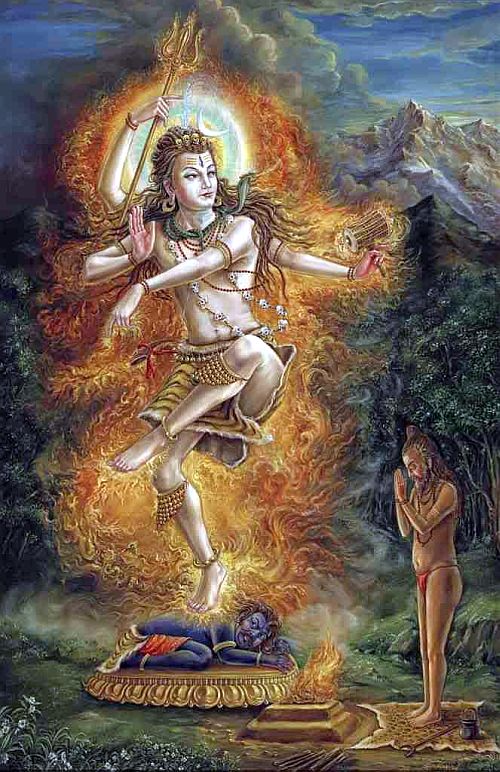
Rudranis is a significant figure in Hindu mythology, often associated with the divine and the transformative power of nature. In various texts, Rudranis is linked to the god Rudra, who is considered a fierce aspect of Siva. The stories surrounding Rudranis highlight the complex relationships between deities, the natural world, and human experiences. This article delves into the various aspects of Rudranis, exploring their origins, significance, and the various narratives that surround this intriguing figure.
Origins of Rudranis
The origins of Rudranis can be traced back to ancient texts, primarily the Vedas and the Upanishads. These texts describe Rudra as a primal force, embodying the elements of destruction and creation. Rudranis, as a manifestation of Rudra, is believed to encompass both the gentle and ferocious aspects of nature. The duality of this figure is essential in understanding the balance of the universe, where creation cannot exist without destruction.
 Rudrânî
In the Rigveda, Rudra is depicted as a healer and a destroyer, a deity who brings forth storms and is associated with the wildness of nature. This duality is mirrored in Rudranis, who represents the dynamic interplay between life and death. The ancient sages recognized that the cycles of nature reflect these divine qualities, and Rudranis serves as a reminder of the interconnectedness of all things.
Rudranis in Hindu Texts
Various Hindu texts provide insights into the character and significance of Rudranis. In the Puranas, Rudranis is often mentioned alongside other deities, highlighting their interactions and the stories that arise from these connections. The Shiva Purana, for instance, contains narratives that showcase the relationship between Rudra and other gods, portraying Rudranis as an integral part of these divine stories.
In the Mahabharata, Rudranis is sometimes invoked in the context of war and conflict, symbolizing the need for balance and harmony in human affairs. The tales often illustrate how Rudranis can influence the outcomes of battles, serving as a reminder of the importance of respecting the natural order and the divine will. These narratives emphasize that invoking Rudranis is not just about seeking power but also understanding one’s place in the cosmos.
 Rudra
RudraSymbolism of Rudranis
Rudranis embodies various symbols that are significant in Hindu thought. One of the most prominent symbols is the trident, which represents the three aspects of existence: creation, preservation, and destruction. This trident signifies the balance that Rudranis maintains within the universe, reminding devotees of the importance of harmony in their lives.
Another important symbol associated with Rudranis is the lotus flower, which represents purity and enlightenment. The lotus grows in muddy waters yet blooms beautifully, symbolizing the potential for growth and transformation despite challenging circumstances. This aligns with Rudranis’ role as a force of change, guiding individuals through their struggles toward spiritual awakening.
Key Symbols of Rudranis
- Trident – Represents the three aspects of existence.
- Lotus Flower – Symbolizes purity and transformation.
- Thunderbolt – Represents strength and power.
Worship and Rituals
Worship of Rudranis often involves rituals that seek to honor the balance of nature and the divine. Devotees may perform pujas (ritualistic prayers) and offer prasad (consecrated food) to seek blessings and guidance. The rituals are often conducted in sacred spaces, such as temples dedicated to Rudra or Siva, where the energy of the divine is believed to be particularly strong.
 Rohinî
During certain festivals, followers engage in elaborate ceremonies that celebrate the qualities of Rudranis. These celebrations may include singing hymns, chanting mantras, and performing dances that depict the stories of Rudranis and their interactions with other deities. Such rituals not only honor Rudranis but also serve to reinforce the community’s connection to the divine and the natural world.
Rudranis in Contemporary Hinduism
In contemporary Hinduism, Rudranis continues to hold a significant place in the spiritual practices of many devotees. The teachings and stories surrounding Rudranis offer valuable lessons about the importance of balance, resilience, and the acceptance of life’s dualities. Many modern practitioners draw inspiration from the narratives of Rudranis to navigate their own challenges, finding strength in the acknowledgment of both the light and dark aspects of life.
Additionally, Rudranis has become a symbol of environmental consciousness among some Hindu communities. The recognition of Rudranis as a force of nature encourages followers to respect and protect the environment. This modern interpretation aligns with the ancient wisdom found in Hindu texts, which emphasize the interconnectedness of all living beings and the responsibility humans have toward the natural world.
The stories and teachings of Rudranis offer profound insights into the nature of existence and the divine. As a representation of both the destructive and creative forces of the universe, Rudranis serves as a reminder of the importance of balance in all aspects of life. Through worship, rituals, and modern interpretations, Rudranis continues to inspire and guide individuals on their spiritual journeys, bridging the gap between ancient wisdom and contemporary practices.