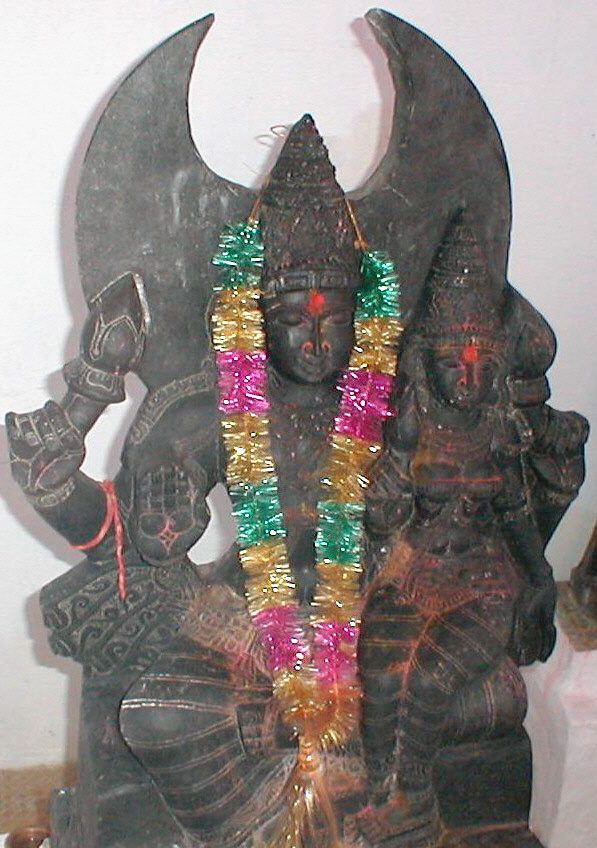
In Hindu mythology, the concept of Rohinî is both rich and multifaceted. Rohinî is primarily known as one of the 27 Nakshatras or lunar mansions in Hindu astrology. Each Nakshatra is associated with particular traits and deities, and Rohinî holds a special place due to its connections with fertility, prosperity, and abundance. This Nakshatra is often symbolized by a red cow and is considered auspicious for various activities, including marriage and agriculture. The significance of Rohinî extends beyond astrology; it is also woven into the fabric of numerous myths and legends, making it an important aspect of Hindu culture.
Characteristics of Rohinî
The Nakshatra of Rohinî is characterized by its nurturing and supportive qualities. People born under this Nakshatra are believed to be creative, charming, and empathetic. They often have a deep connection with nature and possess an innate ability to bring beauty into their surroundings. The ruling planet of Rohinî is the Moon, which enhances emotional intelligence and sensitivity. This connection with the Moon makes Rohinî individuals particularly attuned to the feelings of others, often making them excellent friends and partners.
 Rishis
Moreover, the symbol of the red cow reflects the nurturing aspect of this Nakshatra. Cows are revered in Hindu culture, symbolizing abundance and motherly love. The presence of the red color in the symbol is also significant, representing passion, energy, and vitality. Individuals influenced by Rohinî are often seen as caregivers, drawing people towards them with their warm and inviting nature. This Nakshatra encourages individuals to seek harmony in their relationships and environments, fostering a sense of community and togetherness.
Positive Traits of Rohinî
- Creativity: Rohinî individuals are often highly creative, finding innovative solutions to problems.
- Empathy: Their emotional depth allows them to understand others’ feelings deeply.
- Nurturing: They have a natural tendency to care for others, making them great friends and partners.
- Charm: Rohinî individuals often possess a magnetic charm that draws others to them.
The positive traits associated with Rohinî individuals make them highly valued in social and professional circles. Their creativity often leads them to pursue careers in the arts, design, or any field that allows for self-expression. They excel in collaborative environments where their empathetic nature can shine. Additionally, their charm often places them in leadership roles, where they can guide and inspire others. Overall, the influence of Rohinî encourages individuals to embrace their talents and contribute positively to society.
Mythological Significance of Rohinî
In Hindu mythology, Rohinî is associated with several important deities and stories. One of the most notable associations is with Lord Krishna, who is often depicted as a lover of the beautiful Rohinî. In the tales of Krishna’s childhood, Rohinî is celebrated as the mother of Balarama, Krishna’s elder brother. The bond between Krishna and Balarama is often highlighted in various scriptures, showcasing their adventures and the lessons learned through their relationship. This connection elevates Rohinî’s status in Hindu mythology, making her a symbol of divine love and familial ties.
 Rig-veda
Additionally, Rohinî is often linked to the creation of the universe. In various texts, she is considered a manifestation of the divine feminine energy, representing Shakti. This aspect of Rohinî highlights her role as a creator and sustainer of life. The nurturing qualities associated with her are seen as essential for the growth and development of all living beings. Thus, Rohinî serves as a reminder of the importance of care, love, and support in the universe.
Legends of Rohinî
- Krishna and Balarama: The bond between the two brothers is a central theme in many stories.
- Rohinî’s Beauty: Her beauty is often celebrated, making her a symbol of allure and attraction.
- Creation Myths: Rohinî plays a role in various creation stories, emphasizing her significance.
Legends surrounding Rohinî often highlight her beauty and grace, which have captivated many deities and mortals alike. The tales of her enchanting presence and her ability to bring joy to those around her are prevalent in various texts. These stories serve to reinforce the idea that beauty is not just physical but also encompasses qualities such as kindness and compassion. As a symbol of attraction and allure, Rohinî reminds individuals of the power of positive energy and the impact it can have on relationships.
Astrological Influence of Rohinî
In astrology, Rohinî is considered a highly auspicious Nakshatra. It is believed that individuals born under this Nakshatra are blessed with prosperity and success. They are often seen as natural leaders and are encouraged to take on roles that require responsibility and vision. The influence of the Moon enhances their emotional stability, allowing them to navigate challenges with grace and resilience. This emotional strength is crucial in both personal and professional realms, enabling them to maintain healthy relationships and make sound decisions.
 Ribhus
Moreover, the Nakshatra is associated with various auspicious activities, such as marriage, starting a business, or planting crops. Many people consult astrological charts to determine the best times for these significant life events based on the positioning of Rohinî. This practice underscores the importance of celestial bodies in shaping human experiences and emphasizes the belief that the cosmos can influence our lives.
Rohinî in Daily Life
- Decision Making: Individuals may choose to align their important decisions with the phases of Rohinî.
- Celebrations: Festivals and rituals are often planned around this Nakshatra.
- Farming: Farmers may consider the lunar phases of Rohinî for planting and harvesting.
In daily life, the influence of Rohinî can be seen in various cultural practices and rituals. Many people plan their important decisions, such as marriage or starting a new venture, during the auspicious phases of Rohinî. This alignment with the Nakshatra is believed to bring good fortune and success. Festivals and celebrations often incorporate rituals associated with Rohinî, emphasizing the Nakshatra’s significance in Hindu culture. Additionally, farmers may consult astrological charts to determine the best times for planting and harvesting, ensuring a fruitful yield.
Rohinî and Relationships
Rohinî individuals are often known for their strong interpersonal skills and deep emotional connections. Their empathetic nature allows them to build meaningful relationships with others. They are seen as trustworthy and supportive partners, making them highly desirable in romantic relationships. The nurturing qualities of Rohinî encourage individuals to foster love and understanding in their partnerships, promoting a harmonious environment.
In friendships, those influenced by Rohinî are often the ones who provide emotional support and guidance. Their ability to listen and empathize makes them valuable friends. They tend to attract a diverse group of people, as their charm and warmth draw others towards them. This ability to connect with various personalities enables Rohinî individuals to navigate social situations with ease, often becoming the glue that holds groups together.
Challenges Faced by Rohinî Individuals
- Overemotional: Their deep emotions can sometimes lead to being overly sensitive.
- Dependency: They may struggle with dependency in relationships.
- Conflict Avoidance: Their desire for harmony can lead to avoiding necessary confrontations.
Despite their many positive traits, individuals born under Rohinî may face certain challenges. Their deep emotional nature can sometimes lead to being overly sensitive, making it difficult for them to handle criticism or conflict. This sensitivity can create challenges in relationships, as they may take things personally that others do not intend to hurt them. Additionally, their nurturing tendencies may lead to dependency on their partners or friends, making it essential for them to cultivate independence.
Moreover, Rohinî individuals often prioritize harmony in their relationships, which can lead to conflict avoidance. They may hesitate to address issues directly, fearing that it could disrupt the peace. While their intentions are noble, this avoidance can lead to unresolved problems that may grow over time. Recognizing these challenges is crucial for Rohinî individuals to foster healthier relationships and personal growth.
Rohinî in Cultural Practices
Rohinî holds a significant place in various cultural practices within Hinduism. Many rituals and festivals are dedicated to honoring this Nakshatra, emphasizing its importance in the spiritual realm. For instance, during certain lunar phases, people may perform rituals to seek blessings from the deities associated with Rohinî. These practices reflect the belief that aligning with the cosmic energies of this Nakshatra can lead to prosperity and well-being.
In addition to rituals, Rohinî is often celebrated in art and literature. Poets and artists have drawn inspiration from the themes of beauty, love, and nurturing associated with this Nakshatra. The imagery of the red cow and the lush landscapes often depicted in these works serve to reinforce the connection between Rohinî and abundance. This artistic representation plays a crucial role in keeping the essence of Rohinî alive in contemporary culture.
Festivals Celebrating Rohinî
- Rohini Nakshatra Day: Celebrated to honor the significance of Rohinî in astrology.
- Krishna Janmashtami: Celebrating the birth of Lord Krishna, associated with Rohinî.
- Harvest Festivals: Many harvest festivals align with the lunar phases of Rohinî.
Several festivals celebrate the essence of Rohinî, such as Rohini Nakshatra Day, which honors the Nakshatra’s astrological significance. On this day, people may engage in rituals, prayers, and celebrations that focus on seeking blessings for prosperity and success. Additionally, Krishna Janmashtami, the festival celebrating the birth of Lord Krishna, often highlights the stories of Rohinî and her role in Krishna’s life. This connection between Rohinî and Krishna adds a layer of spiritual significance to the festivities.
Harvest festivals are another area where the influence of Rohinî is evident. Many communities align their celebrations with the lunar phases of Rohinî, believing that doing so will ensure a bountiful harvest. These festivals often include traditional songs, dances, and communal feasts, emphasizing the themes of abundance and gratitude that Rohinî represents. Overall, these cultural practices serve to reinforce the importance of Rohinî in the lives of those who honor her.
Rohinî, as a Nakshatra, holds a significant place in Hindu mythology and astrology. Its associations with beauty, nurturing, and prosperity make it a revered aspect of Hindu culture. The positive traits of Rohinî individuals, coupled with their challenges, paint a complex picture of what it means to be influenced by this Nakshatra. Through various cultural practices and myths, Rohinî continues to inspire and guide individuals in their personal and spiritual journeys. The celebration of Rohinî in rituals, art, and literature underscores its timeless relevance and the enduring connection between humanity and the cosmos.