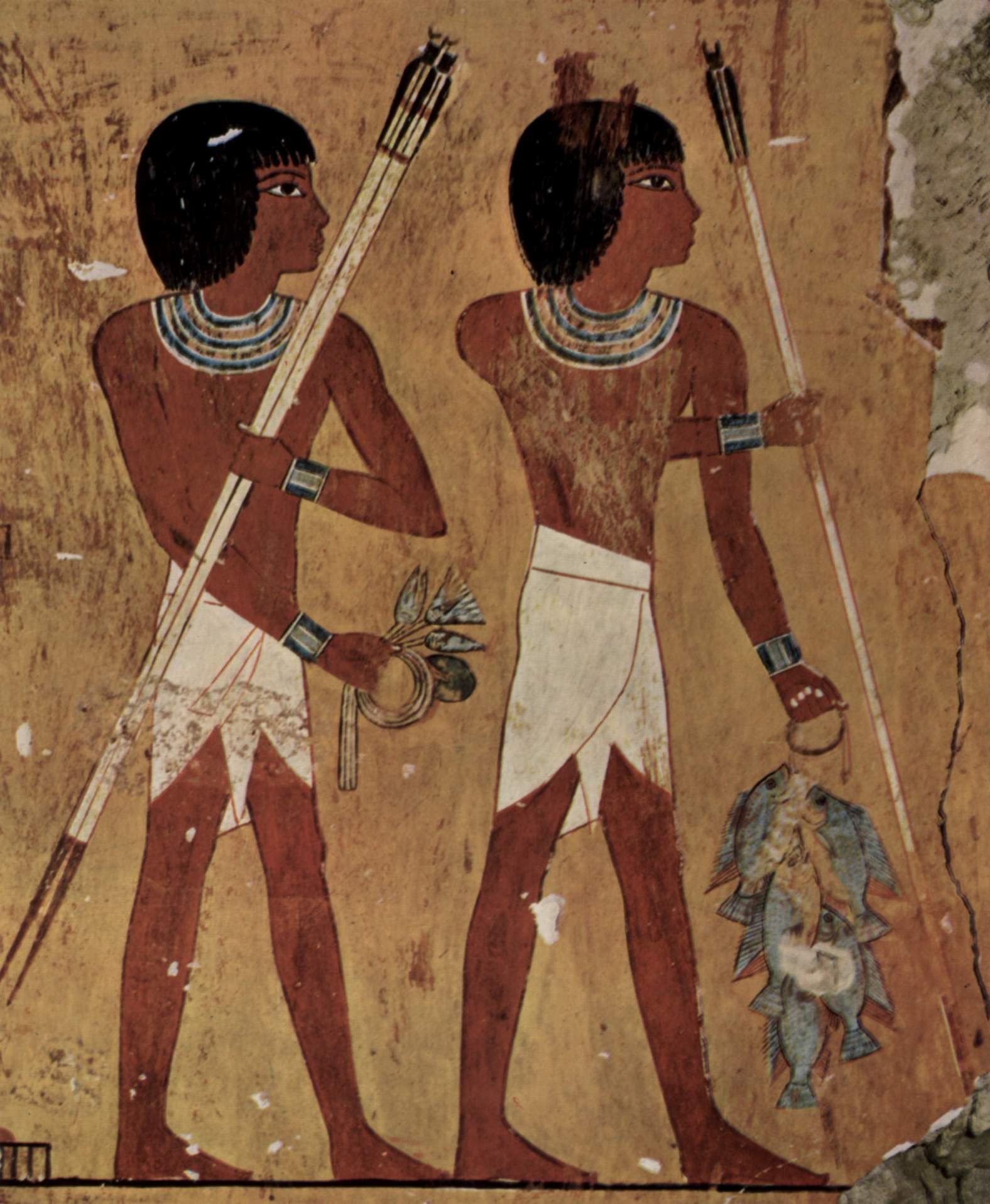
In the realm of Egyptian mythology, one of the most fascinating deities is Ken. Known for his unique attributes and roles within the pantheon of ancient Egyptian gods, Ken holds a significant place in the beliefs and practices of the people who once thrived along the banks of the Nile. As we delve deeper into the mythology surrounding Ken, we will explore his origins, his associations, and his influence on ancient Egyptian culture.

Origins of Ken
The origins of Ken are somewhat shrouded in mystery, much like many other figures in Egyptian mythology. Some scholars believe that Ken was originally a local deity worshipped in a specific region before he became integrated into the broader Egyptian pantheon. His name, which translates to “to protect” or “to guard,” suggests that he may have initially been associated with the protection of the community and its resources.
As time went on, Ken’s worship spread, and he became recognized in various cities across Egypt. His character evolved, and he began to embody various aspects of life, including fertility, agriculture, and the protection of the land. The merging of local beliefs into a more unified mythology is a common theme in ancient religions, and Ken’s story exemplifies this phenomenon.
Attributes and Symbols
Ken is often depicted with various symbols that reflect his divine attributes. One of the most notable symbols associated with him is the ankh, which represents life and immortality. This symbol is frequently seen in Egyptian art, signifying Ken’s role in the cycle of life and death. Additionally, Ken may be depicted with agricultural symbols, such as sheaves of wheat or other crops, indicating his connection to fertility and sustenance.
 Khepri
Another important attribute of Ken is his association with protection. He is often shown standing guard over the fields, ensuring that the harvest is safe from pests and other threats. This protective nature aligns with his name and emphasizes the importance of agriculture in ancient Egyptian society. The images of Ken in tombs and temples often served as reminders of his protective presence, offering reassurance to the deceased and their families.
Mythological Stories Involving Ken
Ken’s presence in Egyptian mythology is further solidified by several myths and stories that highlight his role in the lives of the ancient Egyptians. One popular tale involves Ken’s interaction with the other gods, where he is portrayed as a mediator who ensures harmony among the divine beings. This aspect of his character reflects the importance of balance and order in the cosmos, which was a fundamental belief in ancient Egyptian culture.
In another myth, Ken is credited with teaching humans the art of agriculture. According to the story, he descended from the heavens to share his knowledge with mortals, helping them cultivate the land and improve their livelihoods. This narrative underscores the vital connection between the gods and the people, illustrating how divine intervention was believed to influence daily life.
 Khenti-kheti
Key Myths about Ken
- The Creation of Agriculture: Ken’s teachings on farming.
- The Guardian of the Harvest: Ken protects the fields from harm.
- The Mediator Among Gods: Ken’s role in maintaining harmony.
These myths not only highlight Ken’s importance but also reflect the values and priorities of ancient Egyptian society. The emphasis on agriculture and protection speaks to the reliance on the land for survival, while the stories of divine mediation underscore the significance of harmony and balance in the universe.
Cults and Worship
The worship of Ken was practiced in various forms throughout ancient Egypt. Temples dedicated to him were often located in agricultural regions, where farmers would come to seek his blessings before planting their crops. Rituals and offerings were an essential part of this worship, as devotees believed that pleasing Ken would ensure a bountiful harvest.
Rituals often included the presentation of food offerings, such as bread, beer, and fruits, which were left at altars in his honor. These offerings were meant to appease Ken and encourage his protection over the fields. Additionally, farmers would often pray to Ken during critical times, such as planting and harvest seasons, seeking his guidance and support.
Forms of Worship
- Food offerings at temples.
- Prayers during planting and harvest.
- Festivals celebrating agricultural cycles.
Festivals dedicated to Ken were lively events that brought communities together to celebrate the agricultural calendar. These festivals often included music, dance, and communal feasting, reinforcing the bond among community members and their shared dependence on the land. The celebrations served not only as a way to honor Ken but also as a means of fostering social cohesion.
Ken’s Influence on Egyptian Society
The influence of Ken on ancient Egyptian society cannot be overstated. As a deity associated with agriculture and protection, Ken played a crucial role in the daily lives of the people. The agricultural cycle was central to the economy and sustenance of the Egyptian civilization, making Ken a vital figure in their belief system.
Furthermore, the stories and teachings associated with Ken contributed to the cultural identity of the Egyptians. His emphasis on agriculture and community protection resonated deeply with the people, reinforcing their connection to the land and each other. This sense of belonging and reliance on divine favor shaped the way they viewed their world.
Key Contributions to Society
- Promotion of agricultural practices.
- Encouragement of community bonding.
- Reinforcement of cultural identity through mythology.
Ken’s teachings about farming and resource management helped to cultivate a society that valued sustainability and cooperation. His presence in the mythology served as a constant reminder of the importance of the land and the need to protect it for future generations. This cultural legacy continues to be recognized as a significant aspect of ancient Egyptian history.
Artistic Representations of Ken
The artistic representations of Ken provide valuable insights into how he was perceived by the ancient Egyptians. In various tomb paintings and temple carvings, Ken is often depicted in a way that emphasizes his protective nature and his connection to the agricultural cycle. Artists would portray him surrounded by lush fields, abundant crops, and symbols of fertility.
These artistic depictions were not only meant to honor Ken but also served practical purposes. They were intended to ensure that the deceased would have Ken’s protection in the afterlife, as well as to promote the idea of a prosperous existence in the next world. The vibrant imagery used in these artworks reflects the deep reverence the Egyptians had for Ken and his role in their lives.
Common Artistic Themes
- Depictions of lush fields and crops.
- Symbolic use of the ankh and other fertility symbols.
- Scenes of community gatherings and rituals.
Through these artistic expressions, Ken’s significance is further emphasized. The use of vibrant colors and intricate details in the art showcases the importance of agriculture and community well-being in ancient Egyptian culture. The visual representations of Ken served as both a form of worship and a reminder of the blessings he provided.
Ken in Modern Interpretations
In contemporary discussions about Egyptian mythology, Ken’s figure is often revisited and reinterpreted. Modern scholars and enthusiasts explore the relevance of Ken in today’s society, drawing parallels between ancient beliefs and contemporary issues, particularly in the realms of agriculture and environmental protection.
Some modern interpretations highlight the importance of sustainable farming practices, echoing Ken’s teachings about the land. As global awareness of environmental issues grows, the lessons from Ken’s mythology resonate with those advocating for responsible stewardship of natural resources. This connection between ancient and modern values underscores the timeless nature of Ken’s teachings.
Contemporary Relevance
- Lessons in sustainable agriculture.
- Connection to environmental stewardship.
- Influence on cultural identity and community values.
Moreover, Ken’s role as a protector and mediator can be seen as a metaphor for the importance of harmony and balance in society. As communities face challenges in various forms, the principles embodied by Ken serve as a reminder of the need for cooperation and understanding among individuals and groups.
Ken stands as a significant figure in Egyptian mythology, representing the vital connection between the divine, agriculture, and community. His attributes and stories highlight the importance of protection, sustainability, and harmony in ancient Egyptian culture. Through the exploration of Ken’s origins, attributes, worship, and influence, we gain a deeper understanding of how this deity shaped the beliefs and practices of a civilization that thrived for millennia along the Nile.