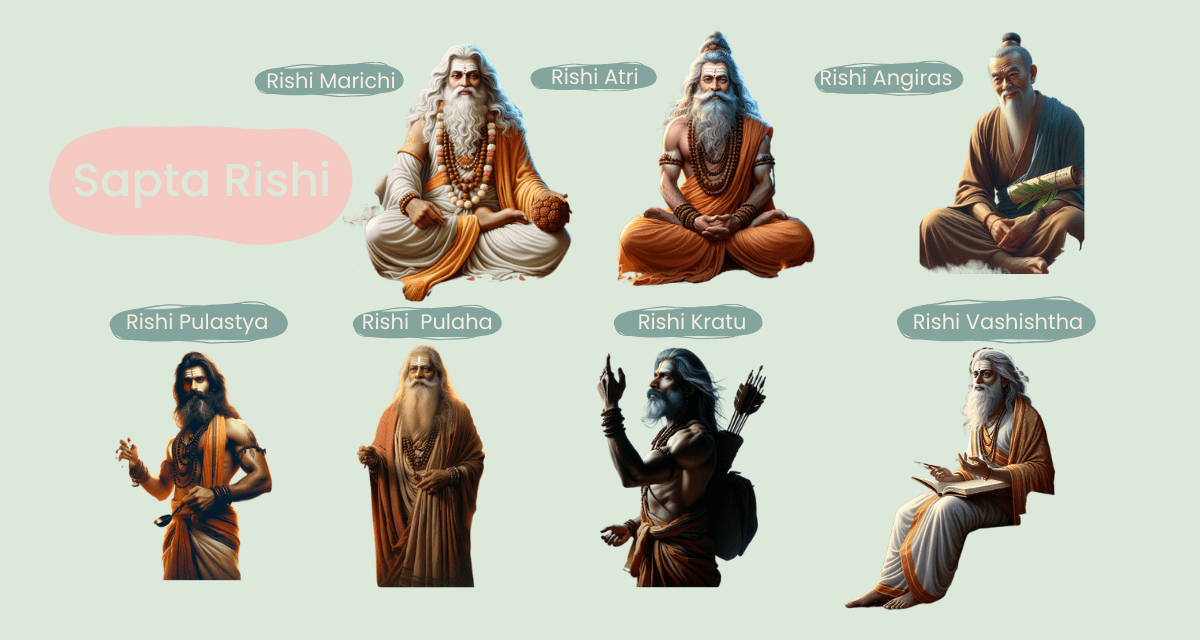
The term Rishi holds great significance in Hindu mythology and philosophy. Rishis are often described as ancient sages or seers who possess profound wisdom and insight. They are revered figures in the Vedic tradition, responsible for composing sacred texts and transmitting spiritual knowledge. The concept of Rishis goes beyond mere historical figures; they represent the embodiment of spiritual realization and the quest for truth. Their teachings and experiences serve as guiding principles for those on the spiritual path.
The Role of Rishis in Hinduism
Rishis play a crucial role in the foundation of Hindu thought and spirituality. They are considered the original authors of the Vedas, the oldest sacred scriptures of Hinduism. The Vedas consist of four main texts: Rigveda, Samaveda, Yajurveda, and Atharvaveda. Each of these texts contains hymns, rituals, and philosophical discourses that form the basis of Hindu religious practices. Rishis are believed to have received this knowledge through divine revelation during deep states of meditation, which is why they are often referred to as Mantradrishta, or “seers of mantras.”
 Rig-veda
In addition to their role as composers of the Vedas, Rishis also served as teachers and mentors to their disciples. They established ashrams, or hermitages, where students could come to learn about spirituality, philosophy, and the nature of the universe. These ashrams were places of intense study and meditation, fostering an environment conducive to spiritual growth. The teachings of Rishis have been passed down through generations, influencing countless individuals on their spiritual journeys.
The Different Types of Rishis
Rishis can be categorized into various types based on their attributes and contributions to Hindu thought. Some of the most notable categories include Vedic Rishis, Bhakti Rishis, and Modern Rishis. Each category reflects a unique aspect of spirituality and the human experience.
- Vedic Rishis: These are the ancient sages who composed the Vedas. They are often depicted in texts as having extraordinary powers and deep insights into the workings of the universe.
- Bhakti Rishis: This group emerged later in Indian history and emphasized devotion (bhakti) to a personal god. They often composed devotional poetry and songs that expressed their love and devotion.
- Modern Rishis: In contemporary times, figures like Swami Vivekananda and Paramahansa Yogananda are considered modern Rishis. They brought the teachings of Hinduism to the West and emphasized the importance of self-realization.
Each type of Rishi has contributed to the rich tapestry of Hindu spirituality, providing diverse perspectives on the nature of existence and the pursuit of enlightenment. The teachings of these Rishis continue to inspire millions around the world.
 Ribhus
The Legacy of Rishis
The legacy of Rishis is profound and far-reaching. Their teachings have shaped the spiritual landscape of India and have influenced various schools of thought, including Advaita Vedanta, Yoga, and Samkhya. Rishis emphasized the importance of direct experience of the divine and encouraged seekers to engage in practices such as meditation, yoga, and self-inquiry.
Furthermore, the Rishis’ emphasis on ahimsa (non-violence) and satyam (truthfulness) has had a lasting impact on Indian culture and ethics. Their teachings advocate for a life of integrity, compassion, and harmony with nature. Many spiritual leaders and reformers, including Mahatma Gandhi, have drawn inspiration from the principles espoused by Rishis.
Rishis in the Puranas
The Puranas, a genre of ancient Indian literature, contain numerous stories and teachings about Rishis. These texts elaborate on the lives and adventures of various Rishis, highlighting their virtues, struggles, and spiritual achievements. Some well-known Rishis mentioned in the Puranas include Vashishta, Viswamitra, and Agastya.
 Ravana
For instance, Vashishta is known for his wisdom and is often depicted as a teacher of the famous hero Rama. His teachings emphasize the importance of dharma (righteousness) and the pursuit of knowledge. On the other hand, Viswamitra is known for his journey from a king to a Rishi, demonstrating that anyone can attain spiritual enlightenment through dedication and effort.
Rishis and Meditation
Meditation is a core practice associated with Rishis. They understood the power of meditation as a means to connect with the divine and gain insight into the nature of reality. Many Rishis developed specific techniques that are still practiced today, such as pranayama (breath control) and dhyana (focused meditation).
Through meditation, Rishis experienced states of consciousness that transcended ordinary perception. They often described these experiences in their writings, providing guidance for others seeking to explore their own spiritual depths. The practices they established have laid the groundwork for various forms of meditation practiced worldwide, influencing not only Hindu spirituality but also other religious traditions.
The Rishi Tradition in Modern Times
The tradition of Rishis continues to thrive in modern times, with many spiritual leaders and organizations emphasizing the teachings of ancient sages. Today, there is a renewed interest in the practices and philosophies of Rishis, particularly in the context of yoga and meditation.
Many modern spiritual teachers draw on the wisdom of Rishis to address contemporary issues such as stress, anxiety, and the search for meaning in life. They encourage individuals to explore their inner selves through meditation and self-reflection, echoing the teachings of the ancient sages. This revival of interest has led to the establishment of numerous retreats and workshops that focus on Rishi-inspired practices.
The Global Influence of Rishis
The teachings of Rishis have transcended geographical boundaries and have found resonance in various cultures worldwide. The principles of yoga, meditation, and self-realization have been embraced by people from diverse backgrounds, contributing to a global spiritual movement.
In the West, figures like Swami Vivekananda and Paramahansa Yogananda played pivotal roles in introducing the teachings of Rishis to a broader audience. Their efforts have led to a growing interest in Eastern philosophies, resulting in the establishment of yoga studios, meditation centers, and spiritual communities across the globe. The teachings of Rishis continue to inspire individuals seeking a deeper understanding of themselves and their place in the universe.
The Importance of Rishi Teachings Today
In today’s fast-paced world, the teachings of Rishis offer valuable insights into leading a balanced and fulfilling life. Their emphasis on mindfulness, self-awareness, and ethical living resonates with those seeking to navigate the challenges of modern existence. Rishi teachings encourage individuals to cultivate a sense of inner peace and connection with the world around them.
Moreover, the Rishis’ focus on sustainability and harmony with nature is particularly relevant in the context of current environmental challenges. Their teachings remind us of the interconnectedness of all living beings and the importance of preserving the natural world for future generations. By embracing the wisdom of Rishis, individuals can contribute to a more compassionate and sustainable future.
The legacy of Rishis is a testament to the enduring power of wisdom and spirituality. Their teachings continue to guide seekers on their journeys, providing timeless insights into the nature of existence and the path to enlightenment. As we navigate the complexities of modern life, the wisdom of Rishis serves as a beacon of hope, encouraging us to explore the depths of our consciousness and cultivate a life of purpose and meaning.