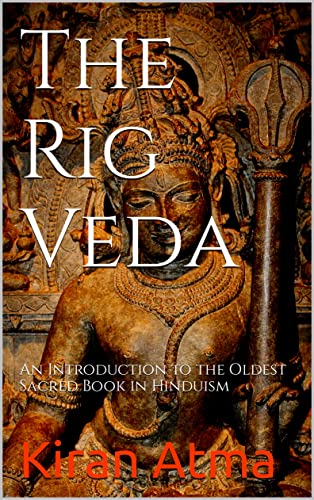
The Rigveda is one of the oldest sacred texts in the world, revered in Hindu mythology. It is a collection of hymns composed in ancient Sanskrit, and it forms the foundation of the Vedic literature. The Rigveda is believed to have been composed around 1500 BCE, making it an invaluable resource for understanding early Indian culture, spirituality, and society. The text is divided into ten books, known as mandalas, each containing hymns dedicated to various deities and natural forces. The hymns often reflect the early Vedic people’s beliefs, rituals, and their quest for knowledge about the universe.
Structure of the Rigveda
The Rigveda is structured into ten mandalas, each with a specific focus and theme. The first mandala is the most extensive and contains the most important hymns. The subsequent mandalas, while shorter, delve into various aspects of life, nature, and spirituality. Each mandala is further divided into suktas, which are collections of hymns. The structure is not just a matter of organization; it reflects the Vedic understanding of the world and the cosmos. The hymns often praise different gods, such as Indra, the king of gods, Agni, the fire god, and Varuna, the god of cosmic order.
 Ribhus
Within the mandalas, the hymns serve multiple purposes. Some are invocations to deities, while others are ritualistic prayers or philosophical reflections. The language of the Rigveda is poetic and metaphorical, which adds depth to its meaning. Scholars often study the metre and rhythm of the hymns to appreciate their literary beauty. The use of alliteration and repetition enhances the auditory experience, making the hymns suitable for oral recitation, which was a common practice in ancient India.
Deities in the Rigveda
The Rigveda is rich with references to various deities who represent different aspects of nature and human experience. The most prominent among these is Indra, who is celebrated as the warrior god and the protector of the Vedic people. He is often depicted as defeating the serpent Vritra, which symbolizes chaos and disorder. This battle is a recurring theme in the hymns, representing the struggle between order and chaos in the universe. Indra’s victories are celebrated in many hymns, and he is invoked for strength and protection in battles.
Another significant deity in the Rigveda is Agni, the fire god, who holds a central place in Vedic rituals. Agni is seen as a mediator between humans and the divine, and offerings made to him are believed to reach the gods. The hymns dedicated to Agni emphasize the importance of fire in rituals and daily life. His presence is essential in sacrifices, and he is often referred to as the mouth of the gods, symbolizing the connection between the earthly and the divine realms.
 Ravana
- Indra: King of the gods, associated with storms and war.
- Agni: The fire god, essential for rituals and sacrifices.
- Varuna: The god of cosmic order and the waters.
- Surya: The sun god, representing light and truth.
- Soma: A deity associated with a sacred drink that provides inspiration.
Varuna is another important figure in the Rigveda, often depicted as the god of cosmic order and the waters. He represents the moral and ethical dimensions of life, enforcing the laws of the universe. The hymns dedicated to Varuna reflect a deep reverence for the natural world and the laws governing it. He is invoked for forgiveness and guidance, emphasizing the importance of maintaining dharma, or righteousness, in human conduct.
The Concept of Sacrifice
The concept of sacrifice is central to the Rigveda and Vedic culture. Sacrifices were seen as a means of maintaining the balance between humans and the divine. The act of offering was believed to nourish the gods, ensuring their favor and support in various aspects of life. The Rigveda contains numerous hymns that describe different types of sacrifices, including yajnas, which are elaborate rituals involving offerings to deities.
These sacrifices often involved the offering of food, animals, and other valuable items to the gods. The hymns emphasize the importance of performing sacrifices with the right intentions and adherence to rituals. The act of sacrifice is portrayed as a way to uphold cosmic order and promote harmony in the universe. The Vedic people believed that neglecting sacrifices could lead to chaos and disorder, both in the natural world and within society.
 Ratri
Ratri- Yajna: A ritual sacrifice performed to please the gods.
- Homa: Offerings made into the fire during a ritual.
- Agnihotra: A specific fire ritual performed at sunrise and sunset.
In addition to physical offerings, the Rigveda also speaks of the inner sacrifice of the mind and spirit. This concept highlights the importance of purity, devotion, and selflessness in one’s actions. The hymns encourage individuals to cultivate virtues and engage in selfless service, suggesting that true sacrifice extends beyond material offerings to include personal growth and spiritual development.
Philosophical Themes in the Rigveda
Beyond its ritualistic aspects, the Rigveda delves into profound philosophical themes. One of the key concepts explored in the hymns is the nature of existence and the universe. The text raises questions about the origin of the cosmos, the nature of reality, and the relationship between the individual and the divine. These inquiries laid the groundwork for later philosophical developments in Hindu thought.
One of the notable philosophical ideas in the Rigveda is the concept of Brahman, which refers to the ultimate reality or cosmic spirit. The hymns suggest that everything in the universe is interconnected and that the divine essence permeates all existence. This idea of unity and interconnectedness resonates throughout the Vedic texts and has influenced various schools of Hindu philosophy.
- Brahman: The ultimate reality or cosmic spirit.
- Atman: The individual soul, seen as a reflection of Brahman.
- Maya: The illusion that obscures the true nature of reality.
The Rigveda also introduces the concept of Atman, the individual soul. The hymns suggest that the Atman is eternal and transcends physical existence. This idea would later evolve into the philosophical discussions of the relationship between Atman and Brahman, which became a central theme in Hindu philosophy. The understanding of Atman encourages individuals to seek self-realization and recognize their divine nature.
The Role of Nature in the Rigveda
Nature plays a vital role in the Rigveda, with many hymns celebrating the beauty and power of the natural world. The Vedic people had a deep respect for nature, viewing it as a manifestation of the divine. Rivers, mountains, and celestial bodies are often personified and revered in the hymns. The Rigveda reflects a profound connection between the natural environment and spiritual beliefs, emphasizing the importance of living in harmony with nature.
One of the prominent elements of nature in the Rigveda is the river. Rivers are frequently mentioned as sacred entities, and their flow is seen as a symbol of life and abundance. The Sarasvati river, in particular, holds a significant place in the hymns, often associated with knowledge and wisdom. The Vedic people recognized the importance of water for sustenance and rituals, and rivers were considered vital for the prosperity of communities.
- Rivers: Sacred entities symbolizing life and abundance.
- Mountains: Representing stability and strength.
- Celestial bodies: The sun and moon as divine symbols.
The Rigveda also acknowledges the significance of the sun and the moon. The sun, represented as Surya, is seen as a source of light, warmth, and life. The hymns often express gratitude to the sun for its nourishing energy. Similarly, the moon is associated with tranquility and reflection. The changing phases of the moon are linked to the cycles of life, emphasizing the connection between cosmic rhythms and human existence.
The Influence of the Rigveda
The Rigveda’s impact on Hinduism and Indian culture cannot be overstated. It has shaped religious practices, philosophical thought, and cultural traditions for millennia. The hymns continue to be recited during rituals and ceremonies, maintaining their relevance in contemporary Hinduism. The principles and values articulated in the Rigveda have influenced various aspects of Indian society, from governance to ethics.
Moreover, the Rigveda has inspired countless scholars, poets, and thinkers throughout history. Its themes of unity, sacrifice, and the quest for knowledge resonate with individuals seeking spiritual understanding. The text serves as a bridge between ancient wisdom and modern interpretations, inviting new generations to explore its profound insights.
- Religious practices: Continued recitation and rituals based on Rigvedic hymns.
- Philosophical thought: Influence on schools of Hindu philosophy.
- Cultural traditions: Shaping festivals, art, and literature in India.
The Rigveda’s exploration of universal themes has also drawn interest from scholars worldwide. Its insights into the human condition, the nature of the divine, and the interconnectedness of life have made it a subject of study in various academic disciplines, including anthropology, literature, and religious studies. The Rigveda remains a timeless testament to the spiritual and intellectual heritage of humanity.
The Rigveda stands as a monumental work in the landscape of world literature and spirituality. Its hymns, filled with devotion, philosophy, and a deep reverence for nature, continue to inspire and guide individuals on their spiritual journeys. The text encapsulates the essence of early Vedic thought, reflecting the aspirations, beliefs, and struggles of a civilization that laid the groundwork for one of the world’s oldest religions. As we delve into its verses, we uncover not only the wisdom of the past but also a source of inspiration for the future.